Support

Piracununga

About

Pirassununga is a picturesque municipality located in the interior of the state of São Paulo. This city, whose name in the Tupi language means "fish that makes noise," is famous for its hospitality and unique character. A journey to this cozy corner of Brazil offers the opportunity to escape the hustle and bustle of major metropolises and immerse yourself in a relaxed provincial atmosphere, where tradition blends harmoniously with modernity.
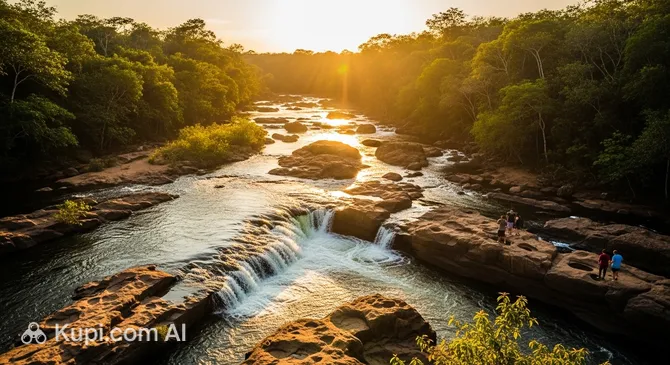
Pirassununga. Illustration.
Source: Kupi.com AI

With a population of approximately 75,000, the city is situated in a region with a pleasant climate favorable for agriculture and tourism. Life here is inextricably linked to the Mogi-Guaçu River, which plays a vital role in the area's ecosystem. The fascinating history of Pirassununga reveals the city's journey from a small settlement to a significant center known far beyond the state's borders.

Among the main attractions, the Cachoeira de Emas district holds a special place. This popular recreation area by the river features a dam and waterfall, where tourists can enjoy scenic views and visit numerous restaurants specializing in river fish. Another significant highlight of the city is the Brazilian Air Force Academy, home to the famous "Smoke Squadron" (Esquadrilha da Fumaça) aerobatic team. Additionally, Pirassununga is known as a major center for cachaça production, attracting connoisseurs of traditional Brazilian spirits.

If you are looking for a destination that combines gastronomic discoveries, outdoor relaxation, and an introduction to the country's technical pride, Pirassununga is an excellent choice for your itinerary.

Weather Overview

The climate in Pirassununga is characterized by a clear division of seasons, allowing tourists to choose the ideal time for their trip based on their preferences. Summer months (December to February) are warm and humid here: the average temperature stays around 24.5–24.8°C, and daytime temperatures often rise to 29°C. This is a period of heavy rainfall, where it can rain for more than 20 days a month.

With the arrival of winter (June–August), the weather changes dramatically. This is the driest time of the year: for example, July sees an average of only one rainy day. Days remain comfortable with temperatures up to 25–27°C, but nights become significantly cooler, and the thermometer can drop to 12–13°C. September often brings temperature peaks up to 31°C before the start of the new rainy season.

Expect a warm summer with frequent precipitation and dry, mild winters with cool nights. Before packing your suitcase, we recommend checking the detailed weather in Pirassununga to ensure your vacation is as comfortable as possible.

Average monthly temperature

Average monthly precipitation

Interesting Facts

Beyond the main tourist routes, Pirassununga hides curious details that reveal the true character of this place. Here are a few facts to help you see the city from a new perspective:

  • Home of a legendary spirit. This is where the headquarters and main production facilities of Companhia Müller de Bebidas, the manufacturer of the world-famous "Cachaça 51," are located. Pirassununga is rightfully considered the unofficial capital of this national drink of Brazil, from where it is exported to dozens of countries.

  • A sounding name. The etymology of the city's name (in Tupi, "the fish that makes noise") is not just a beautiful metaphor. During the spawning season known as "piracema," fish in the Cachoeira de Emas area mass together to overcome the river's rapids, creating splashes so loud that they were clearly heard by indigenous inhabitants long before modern dams existed.

  • Aviation pilgrimage. The city hosts one of the largest aviation events in the country — "Domingo Aéreo" (Air Sunday). On this day, the closed Air Force Academy opens its gates to tens of thousands of spectators wanting to see a grand show performed by the "Smoke Squadron" over its home airfield.

  • A scientific oasis. Despite its provincial status, the city is an important academic center. It houses a campus of the prestigious University of São Paulo (USP), which is recognized as one of the leaders in Latin America in the fields of Animal Science and Food Engineering, attracting students and scientists from across the continent.

How to Get There

When planning a trip to this cozy corner of São Paulo state, it is important to note that the city itself does not have a commercial airport. Most tourists arrive via major air hubs in neighboring cities and then continue their journey by road. You can find out more details on how to get to Pirassununga to plan the most convenient route.

The closest airport to the city is Dr. Leite Lopes Airport (IATA: RAO), located in Ribeirão Preto. This is an important regional hub receiving many domestic flights. The distance to Pirassununga is about 102 km. The journey from here by taxi or bus takes approximately 2 hours and 50 minutes. This is an excellent option if you are flying with domestic Brazilian airlines.

Another popular choice is Viracopos Airport (IATA: VCP), located near the city of Campinas (part of the São Paulo metropolitan area). This is a large hub with high passenger traffic, located approximately 116 km from Pirassununga. Travel time by ground transport is about 3 hours and 15 minutes. Due to the high frequency of flights, many travelers prefer this option.

For international travelers, the main gateway is often São Paulo/Guarulhos International Airport (IATA: GRU). It is the largest airport in the country, located in São Paulo. Although it is further away, at a distance of about 186 km from Pirassununga, this is where most flights from abroad arrive. The trip from the airport to the city takes about 5 hours, but the wide selection of flights compensates for the travel time.

For clarity, here is a summary of the main airports:

AirportPassenger trafficDistance
Araraquara153 30076 km
Dr. Leite Lopes State Airport628 000102 km
Viracopos Airport12.5 mln116 km
Sao Paulo Catarina Airport161 km
Bauru-Arealva Airport137 000171 km

Since passenger rail service in this region is limited, road transport remains the primary way to complete the final leg of the journey. From the airports, you can reach Pirassununga via comfortable intercity buses or a rental car, enjoying the scenic views of São Paulo state.

Main Attractions

Although Pirassununga is not a metropolis, it boasts a unique set of attractions that combine natural beauty, gastronomic traditions, and technical achievements. Exploring the city should begin with its most iconic sites, which shape the unique character of this corner of São Paulo state.

The absolute center of tourist attraction is the Cachoeira de Emas district. It is not just a waterfall but an entire recreational complex on the Mogi-Guaçu River. The main visual element here is the dam of an old hydroelectric plant, over which water cascades down, creating the "fish noise" that gave the city its name. Tourists come here to walk across the pedestrian bridge, enjoy the views, and, of course, visit the famous restaurants. The local cuisine is renowned for its fresh river fish dishes, and lunch with a river view is considered a must for any traveler.

Located within Cachoeira de Emas is the informative Municipal Ecomuseum (Ecomuseu Municipal). It is housed in the building of an old hydroelectric plant, one of the first in the region. The museum's exhibits tell the story of electrification, the rich ecosystem of the Mogi-Guaçu River, and archaeological finds made in the area. It is an excellent place for those who want to better understand the history of the region and the importance of preserving its natural resources.

Another important symbol of the city is the Air Force Academy (Academia da Força Aérea - AFA). Pirassununga is proud of its status as the "cradle of military pilots" in Brazil. Although access to the academy grounds is limited and requires prior approval, tourists often visit the area by the main entrance, where retired aircraft are displayed as monuments. Furthermore, this is the base for the world-famous "Smoke Squadron" (Esquadrilha da Fumaça), whose training sessions can sometimes be observed in the skies above the city.

In the city center, the Igreja Matriz Senhor Bom Jesus dos Aflitos is worth a visit. This majestic temple, with its beautiful architecture and well-maintained garden at the entrance, is the heart of the city's spiritual life. A walk through the central square around the church allows you to feel the calm pace of provincial life, admire historical buildings, and rest in the shade of the trees.

Local Cuisine

Pirassununga's gastronomic scene is a vibrant reflection of the traditions of the São Paulo state interior. Since the city's life is closely intertwined with the Mogi-Guaçu River, freshwater fish dishes form the core of the local menu. Travelers come here specifically to appreciate authentic river cuisine, which is famous for the freshness of the catch and generous portions. This region clearly demonstrates how gastronomically diverse and hospitable Brazil is.

The main culinary adventure for any tourist is a visit to the Cachoeira de Emas district. Here, numerous restaurants specialize in fish menus. It is well worth trying the local service format — fish "rodízio" (rodízio de peixes). This is a gastronomic marathon where waiters continuously bring various types of fish: from crispy fried lambari (small fish eaten as an appetizer) to pintado or dorado steaks. Thick fish soups and breaded tilapia fillets are also popular.

Pirassununga proudly holds the title of the world capital of cachaça, so the theme of beverages holds a special place here. This is the city where the world-famous "Cachaça 51" brand is produced. Tourists are invited to taste various types of this strong sugarcane spirit — from young and clear to those aged in wooden barrels with a golden hue. The most popular cocktail, of course, is the caipirinha, which is prepared masterfully here, often featuring not only lime but other tropical fruits as well.

The food culture in the city is characterized by its democratic and relaxed atmosphere. Locals prefer to have lunch with large families in restaurants overlooking the river and waterfall, enjoying not only the food but the scenery. In the city center, you will find cozy bakeries (padarias) for morning coffee with toasted bread, and bars where students and young people gather in the evenings, ordering traditional snacks like coxinha (chicken croquettes) and pastel to go with their drinks.

Travel Tips

Preparing for a trip to Pirassununga doesn't require much effort, but knowing the local characteristics will make your journey much more pleasant and relaxed. We have compiled a list of practical recommendations to help you navigate the city easily and enjoy Brazilian hospitality without any extra worries.

  1. Clothing and Gear: The climate here is hot, so opt for light clothing made of natural fabrics (cotton, linen). Be sure to bring comfortable shoes, especially if you plan to walk around the Cachoeira de Emas area. If your trip falls during the winter months (June–August), pack a light jacket or sweater: evenings can be cool. Also, don't forget sunglasses and a hat.
  2. Transport: Pirassununga does not have a subway, and the public transport network might seem inconvenient for tourists due to the long intervals between buses. The best way to get around is by renting a car or using ride-sharing apps (Uber or 99), which operate reliably here. A car is especially useful for trips to more distant attractions and riverside restaurants.
  3. Finances: The official currency is the Brazilian real. Cards are accepted almost everywhere: in hotels, supermarkets, and most restaurants. However, it is recommended to always carry a small amount of cash. Small bills are useful for buying water, souvenirs at kiosks near the waterfall, or for tipping parking attendants.
  4. Health and Safety: Pirassununga is a peaceful city, but basic precautions are always good: do not leave your belongings unattended. Given the proximity to the river and the humid climate, be sure to use insect repellent, especially in the evening. Pharmacies (Farmácia) are common, but for specific medications, it is better to have a prescription or a supply from home.
  5. Communication: The primary language of communication is Portuguese. English is not widely spoken, so download an offline translator to your phone. For connectivity, it is convenient to buy a local SIM card (operators Vivo, Claro, or TIM) at any mobile shop or large supermarket — you will need a passport for activation. Locals actively use WhatsApp for everything from ordering food to calling a taxi.
  6. Local Etiquette: Brazilians are very friendly and tactile. It is customary to shake hands when meeting, and acquaintances may hug or kiss on the cheek. The "thumbs up" gesture (joinha) is universal and means agreement, gratitude, or a greeting. In restaurants, there is no rush: lunch is a time for socializing and resting.
  7. What to Avoid: Do not drink tap water; buy bottled water instead. Also, be extremely careful when swimming in the Mogi-Guaçu River: despite its beauty, the current can be strong and the bottom unpredictable. Swim only in designated and tested areas; ignoring warning signs is dangerous.
  8. Tip for Foodies: If you plan to visit the famous fish restaurants in the Cachoeira de Emas district on weekends or holidays, try to arrive before 12:00. These spots are incredibly popular not only with tourists but also with residents of neighboring cities, so finding a free table with a good view of the waterfall can be difficult by lunchtime.

Pirassununga is a place where you can slow down and feel the true taste of life in inland Brazil. By following these simple tips, you can avoid minor inconveniences and focus entirely on the beauty of nature and the gastronomic discoveries of this amazing region.

Entertainment & Nightlife

The nightlife in Pirassununga, fueled by the energy of the student community and traditions of hospitality, offers tourists a cozy and democratic atmosphere. You won't find the pretentious mega-clubs typical of the state capital here; instead, the city is famous for its characteristic bars, pubs with live music, and gastronomic spots where the fun continues late into the night.

The epicenter of evening activity is the City Center (Centro) and the area around Avenida Newton Prado. Young people, USP university students, and Air Force Academy cadets gather here, creating a lively yet safe environment. In these areas, you can find establishments for every taste: from quiet places for a family dinner to lively bars playing rock and sertanejo. The dress code in most places is casual: jeans and T-shirts are perfectly appropriate, as the main focus here is socializing and relaxing.

If you want to dive into the local culture and feel the city's rhythm, Don Tchay Bar is an excellent choice. This establishment is well-loved by Pirassununga residents as a great place to meet friends. It features a relaxed atmosphere where guests can enjoy a variety of appetizers, cold drinks, and frequent live music that makes the evening truly festive. For those who prefer an alternative atmosphere and rock music, Pub 77 is the perfect option. This place is famous for its interior, wide selection of drinks, and regular concerts by local bands creating a high-energy mood.

The legendary Bar do Chico deserves a special mention. It is more than just a bar; it is a true city landmark, famous for its "coxinhas" (traditional Brazilian croquettes). Locals claim that an evening isn't complete without visiting this spot for a portion of their signature snacks and an ice-cold beer. The atmosphere here is extremely laid-back and friendly.

Those who prefer to combine dinner with beautiful views should head to the Cachoeira de Emas district. Although it is busiest during the day, many riverside restaurants stay open until late in the evening. Dinner accompanied by the sound of the waterfall and a glass of caipirinha is the perfect option for a romantic evening or a quiet rest after a busy day.

Practical Tips:

  • Transport: Public transport runs infrequently at night, so it is best to use ride-sharing apps (Uber or 99) to travel between bars and your hotel. It is fast, inexpensive, and safe.
  • Safety: Pirassununga is a peaceful city, and walking around the center in the evening is quite comfortable. However, as with anywhere, avoid dark, deserted alleys and keep an eye on your personal belongings in crowded bars.
  • Opening Hours: Bars usually start filling up after 8:00 PM. On weekends (Thursday to Saturday), the fun can last until 2:00 or 3:00 AM, while earlier in the week, establishments close earlier.

While nightlife is an important part of your vacation, don't forget about daytime entertainment. During daylight hours, the city offers cultural leisure activities, such as watching a performance at the Cacilda Becker Municipal Theater or walking by the picturesque Municipal Lake (Lago Municipal), where city festivals and fairs are often held.

Parks & Museums

Pirassununga is not only a city of cadets and famous spirits production but also a place that carefully preserves its nature and historical heritage. Green zones are harmoniously integrated into the urban landscape, offering residents and guests of Brazil excellent opportunities for outdoor recreation, while local museums provide a glimpse into the past of this colorful region.

The main natural oasis within the city limits is the Municipal Lake (Lago Municipal), officially known as Temístocles Marrocos Leite Park. This is a favorite spot for locals for morning jogs, evening walks, and family picnics. The park features well-maintained paths, plenty of greenery, and a calm atmosphere. You can often see capybaras roaming freely by the water, which is always a delight for tourists. The park's infrastructure includes playgrounds and sports areas, making it a hub of activity at any time of day.

It is impossible to talk about the nature of Pirassununga without mentioning the Cachoeira de Emas recreation area. Although primarily known as a gastronomic center, its natural component is equally important. The vast area around the dam and waterfall is equipped for relaxation: there are beach areas (though swimming is not permitted everywhere), shaded groves, and observation decks. It is an ideal location to observe the power of the Mogi-Guaçu River and local fauna, especially birds that nest in the riverside forests.

Among the cultural institutions, the Municipal Ecomuseum (Ecomuseu Municipal) holds a special place, located in the historical building of an old hydroelectric plant in the Cachoeira de Emas district. This unique space combines the history of technical progress with ecological education. The exhibits tell the story of the importance of preserving the river's ecosystem, showcase regional archaeological finds, and explain the operating principles of the old power plant equipment. The museum will be interesting for adults interested in engineering and children studying nature.

To immerse yourself in the city's chronicles, visit the Dr. Fernando Costa Historical and Pedagogical Museum. It is housed in the beautiful building of the former railway station, which is an architectural landmark in itself. The museum's collection carefully preserves photographs, documents, household items, and tools illustrating Pirassununga's development from coffee plantations to a modern agro-industrial center. This place is imbued with nostalgia and respect for ancestors.

Lovers of unusual locations should check out the Hanging Bridge (Ponte Pênsil) in the Cachoeira de Emas district. Although it is an engineering structure, it has become an integral part of the cultural landscape. A walk across it provides the best angles for photos of the waterfall and lets you feel the powerful energy of the river right under your feet.

Getting Around

The transport system in Pirassununga matches the size and pace of life of this small municipality. You won't find the subways, trams, or trolleys typical of major cities. The main way for locals to get around is by city buses and private vehicles, while tourists often find it more convenient to combine walking in the center with taking taxis.

The bus network covers the main areas of the city, including the center, the USP university campus, and residential neighborhoods. For travelers, the most relevant route is the line connecting the city with the Cachoeira de Emas tourist district. However, keep in mind that intervals between buses can be quite long, especially on weekends and in the evenings. It is best to check schedules in advance at stops or ask locals, as digital displays are rare.

The payment system on buses is simple but requires preparation. While locals use transport cards, it is easiest for tourists to pay for the fare in cash (Brazilian reais) directly to the conductor or driver upon boarding. The fare is fixed and affordable. It is highly recommended to carry small bills and coins, as change for large banknotes may not be available.

The most convenient alternative to public transport is using ride-sharing apps like Uber and 99. They work well in Pirassununga, providing fast and safe travel to any point in the city, including remote riverside restaurants. This eliminates the need to figure out bus routes and wait in the heat. Traditional taxi services also operate in the city, with stands located in the central squares.

If you plan to actively explore the surroundings or frequently travel to Cachoeira de Emas, it makes sense to consider renting a car. This will give you complete freedom of movement. For short trips around the historical center, where the main shops, the church, and squares are located, walking is best — distances here are small, and the streets are perfect for a leisurely stroll.

Accommodation

Pirassununga offers guests a compact but decent selection of accommodation that fully matches its status as a quiet provincial city. You won't find luxury five-star resorts or global chain giants here. The hospitality sector is based on mid-range hotels catering to business travelers and families, as well as cozy budget hotels and guest houses (pousadas). The atmosphere in most places is characterized by simplicity, cleanliness, and warm hospitality.

When choosing a location, consider whether you have a car and the purpose of your visit. Tourists without a car usually choose the City Center (Centro). This is the most convenient option, as restaurants, supermarkets, banks, and the main square are all within walking distance. For those traveling by car, hotels located along or near the Rodovia Anhanguera highway are an excellent solution. They offer easy access and spacious parking, making it easy to reach both the center and natural attractions.

The Cachoeira de Emas district deserves special mention. While the choice of accommodation there is more limited and mainly consists of simple guest houses or campsites, staying in this part of town allows you to wake up to the sound of the river and be just steps away from the famous fish restaurants and the waterfall.

Booking Tip: Pirassununga lives by the rhythm of its major institutions. During significant events, such as the "Domingo Aéreo" air show at the Air Force Academy, university conferences, or graduations, demand for accommodation skyrockets. If your trip coincides with these dates, you must book a room at least 2–3 months in advance, otherwise you may have to look for lodging in neighboring cities.

The price range in the city varies from budget to mid-range, making a trip here affordable for most tourists. Large hotels can be easily booked through popular international online aggregators. However, for reservations at small private pousadas, direct communication via messaging apps or phone is often more effective, which is standard practice in inland Brazil.

Nearby Cities

For those who want to explore the surrounding area, Pirassununga serves as an excellent starting point for day trips to several interesting nearby locations:

Just 16 km from the city is Porto Ferreira — a real find for fans of shopping and home decor. This city is known as the "Capital of Artistic Ceramics and Decoration." People come from all over the state to walk along the "Ceramics Alley," where dozens of shops and factories offer tableware, interior items, and souvenirs at very attractive prices.

If you are interested in a combination of science, culture, and nature, it is worth visiting São Carlos. This is a major university center often called the "Athens of Paulista." Here, you can visit the Ecological Park (Parque Ecológico) with its rich collection of South American fauna or explore the city's museums. The city features developed infrastructure and many good restaurants.

Fans of quiet relaxation will enjoy a trip to Araras. This city is famous for its green spaces and the beautiful Municipal Lake, which is perfect for a leisurely stroll. It is a great place to change the scenery and enjoy the tranquility of a provincial park.

CityPopulationDistance
Porto Ferreira54 76116 km
Leme104 34621 km
Descalvado33 91022 km
Santa Cruz das Palmeiras34 73726 km
Santa Rita do Passa Quatro27 50233 km

These nearby destinations provide a good overview of the region's diverse culture and landscapes.

Shopping & Souvenirs

Shopping in Pirassununga is a calm and pleasant activity that differs greatly from the hustle and bustle of major commercial metropolises. You won't find massive malls with luxury brands here, but you can enjoy the atmosphere of traditional Brazilian commerce. The city offers excellent opportunities to buy essential goods, affordable clothing, and, of course, unique local products that will serve as great reminders of your trip.

The heart of commercial life is the City Center (Centro). The main shopping artery is Rua General Osório. Strolling down this street and through the surrounding blocks, tourists will find many stores selling clothing, shoes, cosmetics, and household appliances. This is a lively place where locals do their daily shopping and where you can feel the city's true rhythm. It is also worth checking out Avenida Newton Prado, which hosts various boutiques and services.

Unlike the state capital, Pirassununga does not have large international-style shopping and entertainment complexes. Commerce here is concentrated in street retail and small galleries. This gives the city a special coziness: instead of air-conditioned mall corridors, you move from shop to shop along sunny streets, often meeting the owners behind the counter.

For those looking for colorful souvenirs and fresh products, local markets and shops in tourist areas are of interest. In the Cachoeira de Emas district, there are many kiosks and small shops catering to travelers. Here, you can buy handicrafts, beach accessories, and local sweets while enjoying the river view.

The choice of souvenirs in Pirassununga is inextricably linked to the city's main symbols. First and foremost is cachaça. Since the city is the home of a famous brand, a bottle of high-quality spirit (including gift or aged series) is the best gift from your trip. The second popular theme is aviation. In souvenir shops, you can find T-shirts, caps, and model airplanes featuring the symbols of the "Smoke Squadron" (Esquadrilha da Fumaça) and the Air Force Academy.

Shops in the city usually operate from Monday to Friday from 09:00 to 18:00, and on Saturdays until 13:00 or 14:00. Most shops in the center are closed on Sundays, but souvenir kiosks in Cachoeira de Emas continue to work to serve tourists. Credit and debit cards are accepted almost everywhere, but for small purchases on the street or at the market, it is better to carry some cash in reais.

The Tax Free (tax refund) system in Pirassununga, as in most small towns in Brazil, is not common. Tourists should not expect to process VAT refunds in local shops, as this service is typically only available in large international malls and airports in major cities.

Reached the end of the page?

That means the route is fully explored