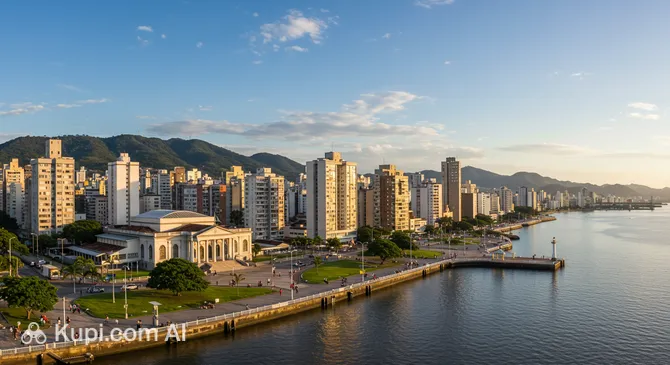
São José is a dynamically developing city in the state of Santa Catarina, harmoniously blending the features of a business center with the charm of a cozy coastal suburb. Located right by the Atlantic Ocean in Brazil, it serves as an important link within the Greater Florianópolis metropolitan area. The city attracts those who appreciate a peaceful atmosphere away from the capital's hustle and bustle, yet still want access to all the amenities of a modern urban environment.
São José. Illustration.
Source: Kupi.com AI
Geographically, the city occupies flat terrains with picturesque hills offering views of the bay. The population of São José is approximately 250,181 people, making it one of the largest and most significant settlements in the region. The climate here is mild and subtropical, allowing for coastal walks almost year-round, although the proximity to the ocean brings pleasant freshness and high humidity.
Despite its reputation as a "bedroom community," the city possesses its own vibrant identity. You can learn more about how this settlement was formed by exploring the history of the city, which dates back to the mid-18th century. Today, tourists are drawn here by modern shopping complexes, gastronomic routes, and easy access to the state's best beaches. A visit to this city is an excellent addition to a journey through the south of the country, offering practical comfort and genuine Brazilian hospitality.
Weather Overview
The climate in São José is classified as subtropical oceanic, providing the city with mild weather throughout the year. Summers here are warm and humid: in January and February, average temperatures hover around 24–27°C, sometimes rising above 30°C. During this period, short but intense tropical showers often occur, bringing pleasant freshness after a hot day.
The winter months, falling in June, July, and August, are characterized by cooler conditions. Average daytime temperatures are around 16–20°C, and can drop to 12°C at night. Winter is the driest time of year when the number of sunny days increases, although proximity to the Atlantic often causes morning fogs. A detailed forecast and the current city climate will help you better prepare for your trip.
Overall, any time of year is suitable for visiting the city, but the shoulder seasons—spring (September-October) and autumn (April-May)—are considered the most comfortable, when temperatures are moderate and there is less rainfall. Don't forget to bring sunscreen and an umbrella, as the weather on the Santa Catarina coast can be unpredictable.
Average monthly temperature
Average monthly precipitation
Interesting Facts
São José is a city with a rich past and a fast-paced future, hiding several interesting facts behind its modern appearance.
One of the oldest in the region: The city was officially founded on March 19, 1750, by Portuguese settlers, making it one of the oldest settlements in the state of Santa Catarina.
Fourth largest: Despite its suburb status, São José holds the honorable fourth place in population size in the entire state, surpassing many well-known resort centers.
High density: It is one of the most urbanized areas in Brazil, with a population density of about 1,777 people per square kilometer, creating a real "city within a city" atmosphere.
Important logistics hub: Due to its location at the intersection of key highways, the city is the "gateway" to Santa Catarina Island, handling the main flow of traffic to the state capital.
How to Get There
São José boasts excellent transport accessibility, serving as a key logistics hub in southern Brazil. Due to its mainland location and proximity to the state capital, travelers can easily choose a convenient way to arrive. Detailed information on all route options can be found in the how to get to the city section.
The primary air gateway for the region is Florianópolis-Hercílio Luz International Airport (FLN). It is located just 15–20 minutes by car from the center of São José. Taxis regularly run from the terminal to the city at reasonable prices, and municipal buses offer a budget transfer option. For those who prefer independence, major car rental companies have offices at the airport.
Railway communication in the region is poorly developed and practically not used for passenger transport, so buses and private cars remain the main land transport. The city is crossed by the BR-101 federal highway, providing links to the country's largest metropolises like São Paulo and Curitiba. Intercity buses arrive at the central terminal, from where it is easy to reach any district of the city using local transport.
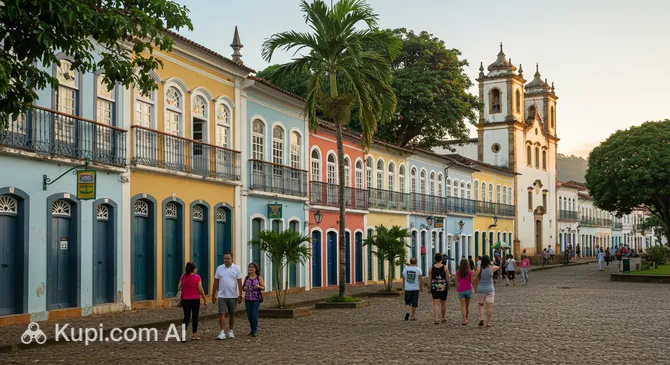
Although São José is largely perceived as a business suburb, it has several locations worth a traveler's attention. The main cultural hotspot is the Historic Center. This area preserves the charm of the colonial era, expressed through old building architecture and cobblestone streets. Here, you can feel the leisurely pace of old Brazil and see the heritage of Portuguese settlers.
Historic Center. Illustration.
Source: Kupi.com AI
Traveler photos:
For lovers of seascapes and outdoor strolls, Praia das Palmeiras is a must-see. This coastline is perfect for admiring the sunset over the bay or simply enjoying the breeze in the shade of palm trees. While this area is more suited for contemplation than active swimming, it remains a favorite spot for evening walks among locals and visitors alike.
Another interesting natural location is Itaguaçu Beach. It is famous for its picturesque views of the ocean and coastal rocks. This place is ideal for those seeking solitude and wanting to take beautiful photos against the backdrop of Santa Catarina's rugged but beautiful nature. Its proximity to dining establishments makes it a convenient stop while exploring the city.
Local Cuisine
The gastronomy of São José is a vibrant mix of Portuguese immigrant traditions and classic Brazilian cuisine. Seafood, delivered fresh from neighboring bays, forms the basis of the local diet. When dining in the city, be sure to try the grilled tilapia or a hearty moqueca—a thick fish stew with coconut milk and aromatic spices.
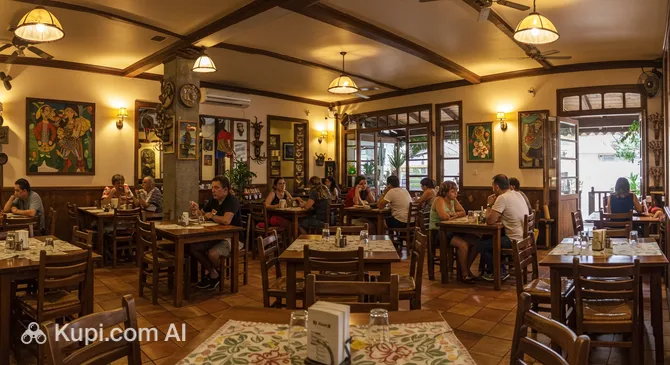
For meat lovers, the city has excellent churrascarias, where meat is roasted over an open fire and served in the "rodízio" style. One of the best establishments in this style is Tropilha Grill Churrascaria, where you can sample dozens of steak varieties. If you prefer a more refined presentation of seafood, visit Restaurante Itaguaçu, known for its shrimp and exquisite salads.
Itaguaçu Restaurant. Illustration.
Source: Kupi.com AI
Traveler photos:
The food culture here is closely tied to socializing: locals often spend time in small bakeries (padarias), sipping strong coffee with pão de queijo (cheese bread). In the evenings, street stalls selling pastéis—crispy fried pies with various fillings—are very popular. For drinks, try a refreshing caipirinha or chimarrão, a herbal tea traditional to southern Brazil.
Travel Tips
Planning a trip to São José will be easier and more pleasant if you familiarize yourself with the practical nuances of life in this lively Brazilian city beforehand.
Clothing and Essentials: Choose light clothing made of natural fabrics, as it is often humid and hot in São José. However, for the evening or for trips on air-conditioned buses, you should bring a light windbreaker. Don't forget comfortable shoes for walking on hilly terrain and a power adapter (Brazil uses Type N sockets).
Transport: To move around the city and travel to Florianópolis, it is best to use taxi apps (Uber or 99)—it is reliable and affordable. If you plan to use buses, download the Moovit app for real-time route tracking.
Finances: The local currency is the Brazilian Real (BRL). Cards are accepted almost everywhere, even in small kiosks, but it's worth having some cash for buying souvenirs at markets. Tipping culture usually involves a 10% service charge, which is often already included in the bill at restaurants.
Health and Safety: Be careful in crowded places and watch your personal belongings on public transport. Avoid walking in the outskirts (e.g., the Barreiros neighborhood) after dark. Drink only bottled water and use insect repellent.
Communication: The official language is Portuguese. English is common in large hotels and malls, but in regular shops, knowing a few phrases in Portuguese ("Bom dia," "Obrigado") will be very helpful. You can buy a SIM card in any large shopping center by presenting your passport.
Local Etiquette: Brazilians are open and friendly people. Greetings are often accompanied by a handshake or a light hug. An informal but polite tone is standard for communication.
What to Avoid: Do not display expensive jewelry or gadgets on the streets outside of tourist areas. Also, try not to discuss sensitive social topics unless you know your conversation partner well.
Extra Tip: Use São José as a base for shopping—prices in local malls are often more attractive than in the popular spots on the island.
May your stay in São José be comfortable and bring only positive emotions and interesting discoveries!
Entertainment & Nightlife
Nightlife in São José is more relaxed and local compared to the bustling neighboring island, but there are still worthy spots for evening relaxation. Most activity is concentrated in the Kobrasol district and along the main commercial avenues. Here, cozy pubs, karaoke bars, and food parks prevail, where local youth and families gather after a workday.
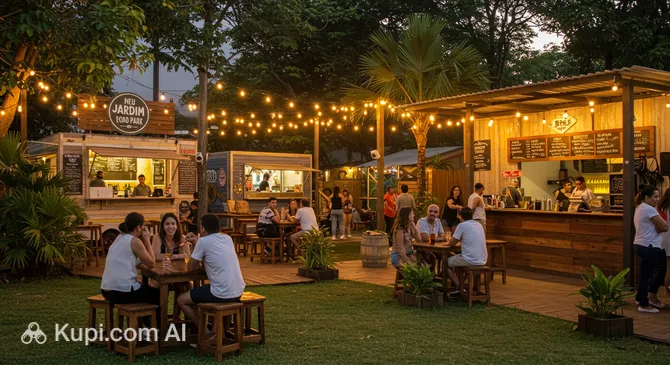
A popular spot for a casual evening is Meu Jardim Food Park. This modern open-air space brings together several food trucks with diverse cuisines and bars serving craft beer. The atmosphere is always friendly and lively, making the park ideal for meeting friends. If you are looking for a place with national character, it is worth visiting Imbuia Bar – Roots of Brazil, where you can often hear live music and try traditional drinks.
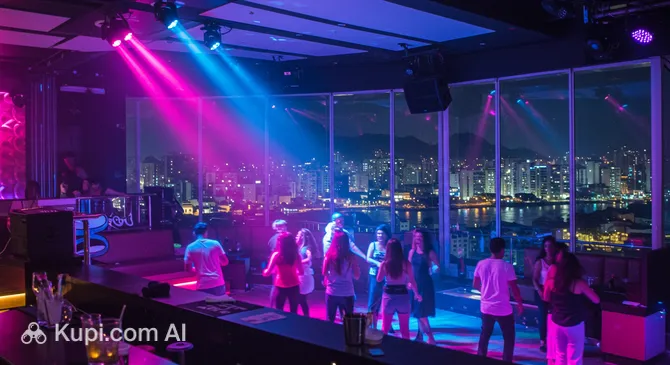
Club High Tide. Illustration.
Source: Kupi.com AI
Traveler photos:
For those who prefer dancing and high-energy music until dawn, High Tide Club is the place to go. This venue attracts fans of electronic music and themed parties. Prices in local clubs and bars are generally lower than in the tourist centers of Florianópolis, and the easiest way to reach them at night is by taxi or ride-sharing apps. Overall, São José at night is safe as long as you stick to the central, well-lit streets and popular public spaces.
Parks & Museums
The green spaces and cultural sites of São José offer residents and visitors opportunities for quiet relaxation and exploration of local heritage. One of the key places for a walk is Parque Linear João Paulo. This linear park, stretching along the coast, is equipped with modern bike paths and sports areas, making it a popular destination for family outings and morning runs with views of the bay.
For a closer look at the region's history, visit the Gilberto Gerlach Municipal Historical Museum. Located in a beautiful old building, the museum houses a collection of artifacts, photographs, and documents detailing the city's development since its founding by the Portuguese. It is an excellent place to understand how São José has changed over the centuries and the role it played in the life of the state.
Historic Center. Illustration.
Source: Kupi.com AI
Traveler photos:
Fans of peace and nature will also enjoy Barreiros Park. This small but cozy municipal park serves as a green oasis amidst dense urban development. Here you can have a picnic under the shade of trees or simply take a break from the city noise. Although the city does not have massive forests, existing squares and waterfronts create a comfortable environment for everyday leisure.
Getting Around
The public transport system in São José is well-integrated into the general Greater Florianópolis network, making it relatively easy for tourists to move around the region. The primary mode of transport is buses, managed by the Florianópolis por Ônibus system. Routes cover all residential areas and shopping centers, providing seamless connections to the island part of the city via bridges. The cost of a single trip is around 5 reals.
To pay for bus fares, it is most convenient to use special transport cards that can be purchased at terminals, though many routes still accept cash. It is important to note that during rush hours—from 7 to 9 AM and 5 to 7 PM—buses can be overcrowded, and traffic on the key BR-101 highway slows down due to congestion. During these times, you should plan your trips with extra time to spare.
Taxis and ride-sharing apps (Uber and the local 99) serve as a convenient alternative to buses. They are relatively inexpensive and provide comfortable "door-to-door" transport, which is especially relevant in the evenings. In central areas, infrastructure for cyclists is also being actively developed, but due to heavy vehicle traffic, this mode of transport requires extra caution.
Accommodation
Accommodation in São José is primarily geared toward business travelers and those looking for the optimal price-quality ratio near Florianópolis. The city is dominated by mid-range hotels and modern apartments, often chosen for long-term stays. Prices here are usually more affordable than on the island itself, making the city an attractive base for budget-conscious tourists.
Meu Jardim Food Park. Illustration.
Source: Kupi.com AI
Traveler photos:
The most convenient lodging options are located near large shopping centers and along major transport arteries in the Kobrasol district. Here you can find international chain hotels offering standard amenities: Wi-Fi, breakfast, and parking. For those who prefer a home-like feel, it is worth looking at apartment rentals through popular services—this allows you to feel like a local and save on meals.
It is recommended to book accommodation in advance, especially if your trip coincides with major festivals or summer holidays (December to February). Although São José is not a classic resort, its hotels fill up quickly due to high demand for quality and affordable housing in the metropolitan area. The average price range is between 200 and 400 reals per night for a good-level hotel.
Nearby Cities
São José is an ideal starting point for exploring the southern coast of Santa Catarina state, offering easy access to the region's natural and cultural treasures. Just a few kilometers across the bridge lies the famous Florianópolis. This island metropolis is renowned for its forty beaches, colonial architecture, and vibrant nightlife—a perfect destination for a full day trip.
If you are looking for a more peaceful holiday and great surfing spots, head to the city of Palhoça. It is located south of São José and is known for its natural parks and pristine beaches, such as Guarda do Embaú. Also of interest is the city of Biguaçu, where you can learn about the traditions of Azorean settlers and taste the freshest seafood in local coastal restaurants.
The region around the city is rich in contrasts: from modern urban landscapes to quiet rural corners. Exploring the surroundings will allow you to fully experience the diversity and hospitality of southern Brazil, turning a regular trip into a real adventure.
Shopping & Souvenirs
Shopping in São José is one of the main activities for tourists and residents of the entire metropolitan area, as the city is a major commercial hub. It is home to many shopping venues: from giant malls with global brands to small specialized markets. It is a great place to update your wardrobe, buy modern electronics, or find unique locally-made goods.
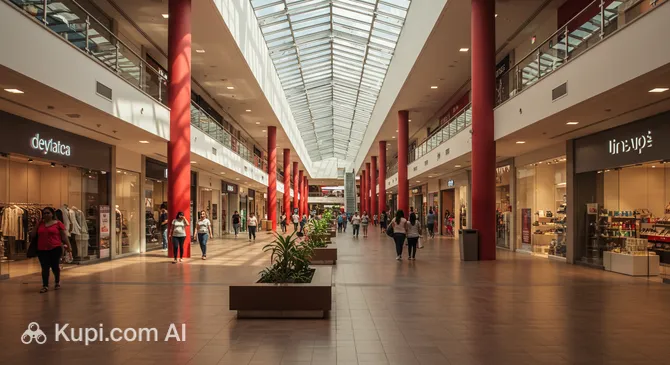
The main attraction for shoppers is Shopping Itaguaçu. It is one of the oldest and most respected malls in the region, housing over a hundred shops, a cinema, and an extensive food court under one roof. If you are looking for something more specific, such as home goods or auto parts, it is worth checking out More Shopping, which offers a wide selection of specialized products.
Itaguaçu Shopping Mall. Illustration.
Source: Kupi.com AI
Traveler photos:
For authentic products and the atmosphere of a Brazilian bazaar, it is best to head to the local municipal market, Mercado Público. Here you can always find fresh tropical fruits, regional cheeses, and aromatic Brazilian coffee. Popular souvenirs from São José include shell crafts, high-quality textiles, and, of course, the famous Brazilian brand footwear. Most shops are open from 10:00 to 22:00, and international bank cards are widely accepted.