Support

Piauí Museum

About

To get acquainted with the state's cultural heritage, start with a visit to the Piauí Museum—one of the most significant and respected cultural institutions that Teresina has to offer. Founded in the mid-20th century, this museum has become a true treasure trove, carefully preserving evidence of the region's centuries-old history.
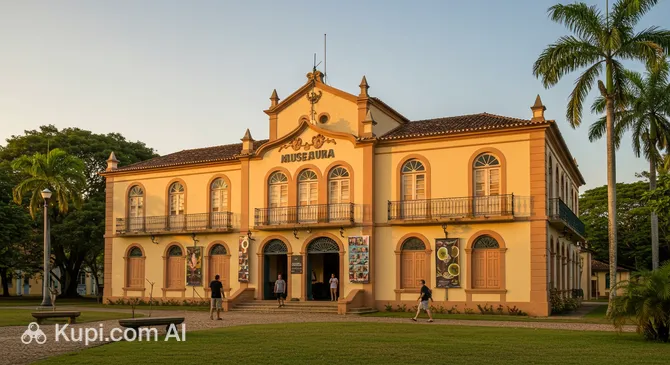
Piauí Museum
Piauí Museum. Иллюстрация. Источник: Kupi.com AI

Located in Brazil, the museum is rightfully considered a gem of cultural heritage. Its exhibits span vast periods of time, telling the story of the traditions, daily life, and development of the state of Piauí. For tourists, it serves as an excellent starting point for understanding how the identity of this part of the northeast region was formed.

It is not just a historical building, but a living center of enlightenment, where every exhibit—from archaeological artifacts to contemporary art—helps guests feel the atmosphere of the past. Piauí Museum is deservedly on the list of must-see attractions in the city.

Contacts

To clarify information about special exhibitions or group tours, you can use the official details. The museum is located in the central part of the city, making it easily accessible for tourists.

How to contactContact
AddressR. Areolino de Abreu, 900 - Centro (Sul), Teresina - PI, 64000-180, Brazil

What to Do

Within the walls of the museum, an exciting journey through time awaits visitors. Here you can see unique archaeological artifacts that tell the story of the indigenous peoples who inhabited these lands long before the arrival of colonizers. The collection of historical documents and everyday items allows you to imagine in detail how life was built in the state of Piauí over different centuries.

Special attention should be paid to works of art and exhibits dedicated to the colonial period. Strolling through the halls, guests can observe the evolution of local architecture, clothing, and crafts. The museum often hosts temporary exhibitions and cultural events, so every visit can bring new discoveries and impressions.

In addition to viewing permanent displays, visitors can immerse themselves in the atmosphere of old Teresina by studying rich photo archives. This place is perfect for those who want to not just see an attraction, but also to understand the deep cultural processes that shaped modern Brazil.

Getting There

The state's main cultural museum is located in the heart of Teresina, in the Centro-Sul district. This central location makes it a convenient stop on any traveler's itinerary. You can reach the destination by public transport: many bus routes pass through the city center, connecting remote districts with the state capital.

If you prefer a more comfortable way to travel, use taxi services or popular ride-hailing apps. The trip from the city's main hotels or central squares will take very little time. For those arriving from other regions via the local airport, car rentals and transfers are also available.

A walk to the museum is possible if you are already in the historical city center. The address of the site is R. Areolino de Abreu, 900. The museum building stands out with its architecture, making it easy to spot among the urban buildings.

Ближайший город: Teresina

History & Facts

Founded in 1954, the Piauí Museum became an important milestone in the region's cultural development. Interestingly, the museum's opening coincided with the year of the country's first national beauty pageant, highlighting the atmosphere of cultural growth at the time. Since its creation, the institution has taken on the mission of being the guardian of memory for the entire state.

The city of Teresina itself, where the museum is located, was founded in 1852 and is one of the oldest capitals in the northeast. The museum's collection has been formed over decades, bringing together evidence from different eras: from ancient archaeological finds to colonial everyday objects and modern works of art.

Over the years, the museum has grown from a modest collection into a major historical center. Today, its halls house unique documents and artifacts that allow you to trace the path of the state of Piauí's development from the first settlements of indigenous peoples to the region's transformation into a modern economic and cultural hub.

Time Needed

To leisurely explore the main exhibition of the Piauí Museum and get to know its key exhibits, 1–2 hours is usually enough. This time is sufficient to walk through the halls, study historical documents, and examine the artworks that represent the region's cultural code.

If you are a deep history enthusiast or plan to study the temporary exhibitions in detail, a visit may last for half a day. We recommend planning your visit for the morning so that after seeing the museum, you have time left for a walk through the city's historical center.

Working Hours

When planning your visit to the Piauí Museum, please take note of its opening hours. The museum is open to visitors from Tuesday to Friday, operating on a full-day schedule.

  • Monday: Closed
  • Tuesday: 08:00 – 17:00
  • Wednesday: 08:00 – 17:00
  • Thursday: 08:00 – 17:00
  • Friday: 08:00 – 17:00
  • Saturday: Closed
  • Sunday: Closed
DayWorking hours
ПонедельникЗакрыто
Вторник8:00 – 17:00
Среда8:00 – 17:00
Четверг8:00 – 17:00
Пятница8:00 – 17:00
СубботаЗакрыто
ВоскресеньеЗакрыто

Nearby

After immersing yourself in the state's history within the museum's halls, it's worth taking some time to explore the surroundings. The area around the museum offers various leisure options: from quiet walks to active entertainment, helping you better feel the rhythm of local life and complete the overall impression of your trip.

In the immediate vicinity, you will find both historical residences and modern amusement parks, making this area convenient for a family visit. Check out the list of nearby sites:

NameDistance
Teresina House of Culture0.7 km
São Benedito Parish0.7 km
Lights Music1.2 km
Danny's Park2.2 km
Rio Poty Shopping2.2 km
Planeta Kids Teresina2.8 km
Estaiada Bridge (Teresina)2.8 km

Reached the end of the page?

That means the route is fully explored