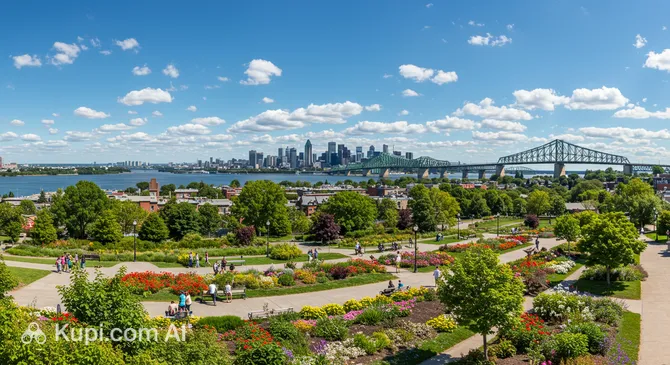
Located on the scenic south shore of the St. Lawrence River, Longueuil represents a harmonious blend of a peaceful Canadian suburb and the dynamic rhythm of a metropolis. As the fifth-largest city in the province of Quebec, it is part of the Greater Montreal area, offering tourists and residents a unique opportunity to enjoy space and fresh air while being just minutes away from the center of Canada's largest cultural hub.
Longueuil. Illustration.
Source: Kupi.com AI
The city's rich historical heritage dates back to 1657, when a French explorer laid the foundation for this settlement. Today, Longueuil's history comes alive on the streets of the Old Longueuil (Vieux-Longueuil) district, where charming low-rise buildings and the special atmosphere of French Canada have been preserved. With a population of about 240,000 people, the city maintains its reputation as a peaceful and friendly place, ideal for family vacations and leisurely walks.
The city's geographic position defines its character: it is both an important transit hub and a cozy "bedroom community" with a developed network of parks and bike paths along the waterfront. Travelers are drawn here by the chance to see Montreal from an unusual perspective—across the expanse of the great river—and to immerse themselves in the measured pace of Quebec life without giving up big-city conveniences.
Weather Overview
Longueuil is located in a humid continental climate zone, characterized by a distinct change of four seasons. Winters here are cold and snowy: in January, the average temperature drops to -8.5°C, and nighttime frosts often reach -13°C. Its location on the banks of the St. Lawrence River adds humidity, so winter walks require warm, layered clothing.
Summer in the city is warm and comfortable, making it an ideal time to visit the parks. In July, the thermometer averages around +22.2°C, often rising to +27°C. However, it's worth noting that this is also one of the wettest periods—brief but heavy rains are possible. The detailed city climate features frequent fog during the transitional seasons of spring and autumn, which gives the waterfront a particularly romantic look.
The transitional seasons in the region are quite short but picturesque. September brings mild warmth and the "golden autumn," when Quebec's forests turn crimson. If you are planning a trip, aim for the period from June to August for active recreation, or January-February if you want to experience a real Canadian winter with all its snowy fun.
Average monthly temperature
Average monthly precipitation
Interesting Facts
Ancient Roots: Longueuil was founded in 1657, making it one of the most venerable settlements in the historical region of New France.
Scale and Significance: The city ranks as the fifth most populous in the entire province of Quebec.
Mirror Image: Geographically, the city is located directly across from Montreal, separated only by the waters of the St. Lawrence River.
Debated Name: The origin of the name "Longueuil" is still a subject of debate among historians, though its French roots are indisputable.
Dynamic Growth: Despite its suburban status, the population of the metropolitan area is constantly growing, approaching the quarter-million mark.
How to Get There
Thanks to its strategic location directly across from Montreal, Longueuil boasts excellent transport accessibility. The primary and fastest way to reach the city is by metro: the Yellow Line directly connects the Longueuil–Université-de-Sherbrooke station with central Montreal districts. The trip takes only about 20–30 minutes, making travel between the shores extremely convenient even during peak hours. Detailed routes and schedules can be found in the section on how to get to Longueuil.
For travelers arriving by air, the nearest major hub is Montreal-Trudeau International Airport (YUL), located approximately 25–30 kilometers away. A taxi or shuttle bus ride will take 30 to 50 minutes depending on traffic. The city is also connected to the Island of Montreal by several bridges, the most famous being the Jacques Cartier Bridge, which provides a scenic entrance to the city by car.
Railway connections in the region are also well-developed, allowing tourists to travel comfortably throughout the province of Quebec. While major mainline trains arrive at Montreal's Central Station, the network of commuter trains and buses makes it easy to cross the river. The RTL bus network covers all areas of Longueuil, providing reliable service within the urban area.
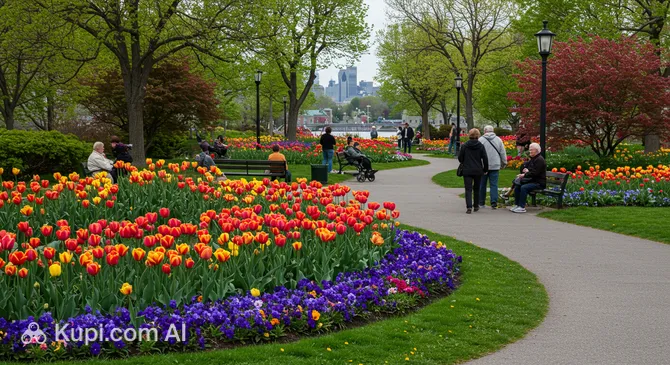
Although Longueuil is often perceived as a suburb of Montreal, it has its own interesting locations worth including in a travel itinerary. The city's main natural gem is Parc de la Cité—a vast green area perfect for outdoor activities, picnics, and long walks in the fresh air. Here you can meet locals exercising or simply enjoy the tranquility by the water.
Parc de la Cité. Illustration.
Source: Kupi.com AI
Traveler photos:
The historical center of the city, Old Longueuil (Vieux-Longueuil), deserves special attention. Walking along Rue Saint-Charles Est, you will see preserved examples of traditional architecture and small, cozy squares. This area most vividly reflects the region's ancient French heritage, creating a pleasant contrast with modern residential blocks. It is home to many cafes and small shops that convey the spirit of old-fashioned Canada.
Fans of boat trips and panoramic views should head to the St. Lawrence River waterfront. Some of the best views of the Montreal skyline are found here, especially impressive during sunset hours. Cycling routes run along the river, allowing you to explore the surrounding area and enjoy the river breeze, making Longueuil an excellent destination for ecotourism.
Local Cuisine
The gastronomic identity of Longueuil is inextricably linked to the traditions of French Canada. Hearty and warming dishes are highly regarded here, such as the famous tourtière (meat pie), thick pea soup, and, of course, the legendary Quebec poutine—french fries topped with cheese curds and hot gravy. The city's culinary scene is primarily represented by family restaurants and cozy cafes that honor recipes passed down through generations.
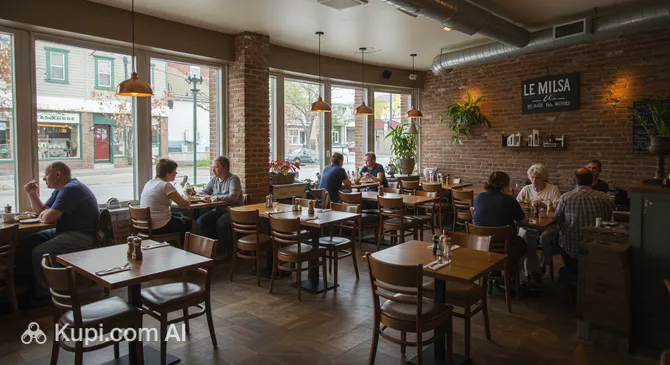
For those wanting to try something special, it's worth visiting Le Milsa—a popular Brazilian steakhouse where the serving of meat turns into a real show. Another interesting spot is Rose Bloq, which attracts visitors with its modern atmosphere and quality cuisine. During the warmer months, locals often choose establishments with terraces in the Old Longueuil area to enjoy lunch in the fresh air.
Le Milsa. Illustration.
Source: Kupi.com AI
Traveler photos:
Don't forget to try local desserts and drinks, which often feature maple syrup—the pride of the Quebec region. Local pubs also widely feature craft beer from small breweries and apple cider. Despite the lack of high-end Michelin-starred restaurants, the city's cuisine wins you over with its honesty, fresh products, and the hospitality characteristic of Quebec's suburbs.
Travel Tips
Preparing for a trip to Longueuil will help make your vacation as comfortable as possible and avoid minor difficulties. Use these tips to feel at home in Quebec.
Dress for the Season: The region's climate is contrasting. In winter, thermal underwear, a down jacket, and warm boots are essential (temperatures drop to -20°C). In summer, pack light clothing, but don't forget a windbreaker for riverside walks.
Transit Card: Be sure to purchase an OPUS card. It will allow you to seamlessly use the metro and buses in both Longueuil and Montreal.
Language Matters: The primary language here is French. Locals really appreciate it if you know a couple of phrases like "Bonjour" or "Merci," although most service industry employees speak English well.
Currency and Tipping: Canadian dollars (CAD) are used. Cards are accepted everywhere, but keep some cash for tips. In restaurants, it is customary to leave 15–20% of the bill.
Connectivity: Wi-Fi is available in most cafes and shopping centers. For internet on the go, it's better to buy a local SIM card or use an e-SIM.
Safety: The city is considered very safe. However, after dark, it is best to avoid poorly lit industrial areas on the outskirts.
What to Avoid: Do not attempt to walk across the bridges to Montreal in winter—this can be dangerous due to wind and ice. Use the metro. Also, remember the strict parking rules in residential zones.
Budget Base: Use Longueuil as a base for exploring Montreal. Housing prices here are lower, and you can reach your neighbor's downtown faster than from some areas of the island itself.
May your introduction to this cozy corner of Canada leave only pleasant impressions and provide many bright photographs!
Entertainment & Nightlife
Nightlife in Longueuil is characterized by a calm and steady pace, typical of a prestigious suburb. You won't find noisy mega-clubs open until dawn here; instead, the city offers an excellent selection of cozy pubs and bars featuring craft beer. The Old Longueuil district traditionally becomes the center of attraction in the evening, where locals gather to discuss the news over a glass of wine or a pint of local ale.
One of the most popular establishments is Le Barrage—an excellent brewery where you can sample unique varieties of beer in a relaxed atmosphere. If you're looking for a more classic bar experience with billiards and sports broadcasts, Scotties is well worth a visit.
Le Barrage. Illustration.
Source: Kupi.com AI
Traveler photos:
For those who prefer active daytime or evening entertainment with friends, District 1 Lasertag operates in the city. This venue offers dynamic games that serve as a great alternative to a simple restaurant outing. If you're craving large-scale concerts or vibrant dancing in nightclubs, most residents and tourists take the yellow metro line to reach downtown Montreal in 20 minutes, where the entertainment industry operates at full power.
Parks & Museums
Natural areas in Longueuil occupy a significant portion of its territory, providing residents and tourists with plenty of opportunities for outdoor recreation. The largest and most popular site is Parc de la Cité. This massive green space with an artificial lake is considered the city's "lungs." Miles of paths for running and cycling are laid out here, and in winter, the park turns into an excellent spot for cross-country skiing.
Along the St. Lawrence River waterfront, there are also pedestrian areas perfectly suited for contemplative relaxation. Fresh river air and open spaces make these parks a wonderful place for family picnics. The well-maintained grounds and abundance of greenery highlight the city's commitment to maintaining a high quality of life and ecological well-being.
Regarding cultural sites, Longueuil emphasizes the preservation of its historical heritage. In the Vieux-Longueuil district, you can find small exhibition halls and historical displays that tell the story of the first settlers' lives and the region's development. While the city may not boast massive national museums, its local galleries offer an intimate and warm atmosphere that allows for a deeper feel of the Quebec spirit.
Getting Around
Public transportation in Longueuil is organized to a high standard, allowing tourists to easily get around without renting a car. The key element of the system is the metro: the Longueuil–Université-de-Sherbrooke station on the yellow line serves as the main link to the Island of Montreal. This is not only the fastest way to reach the city center but also an important transfer hub where the metro meets numerous bus routes.
Within the urban area itself, buses from the RTL (Réseau de transport de Longueuil) network circulate. Buses run regularly, with intervals of 10–20 minutes, covering all residential and commercial areas. To pay for fares, it is most convenient to use the OPUS transit card, which can be topped up at terminals in metro stations or at authorized points of sale. The card is valid throughout the Greater Montreal area, simplifying travel.
As an alternative to public transport, taxi services and ride-hailing apps like Uber are popular in the city. Longueuil is also actively developing its cycling infrastructure: high-quality paths are laid out along the river and in large parks, which are very popular during the warmer months. Cycling is not just transport, but also a great way to enjoy the scenic views of the St. Lawrence River.
Accommodation
The accommodation market in Longueuil has its own specifics: most offers focus on apartments and guest houses, making the city an excellent choice for those seeking home comfort and planning a longer stay. Housing prices here are often more attractive than on the Island of Montreal, while the quality of service remains at a high Canadian standard. The average cost of apartment rentals makes this area popular among budget-conscious travelers.
If you want to experience the city's historical charm, we recommend looking at the Old Longueuil (Vieux-Longueuil) district. Here you can find authentic options such as Charme du Vieux-Longueuil—vacation homes that regularly receive high marks from guests for their atmosphere and hospitality. Proximity to the metro station and the St. Lawrence River waterfront makes this an ideal base for exploring both sides of the river.
Mid-range and chain hotels located near major transport interchanges and shopping areas are also available for short-term trips. We advise booking accommodation in advance, especially during the summer and during major festivals in Montreal, when demand for quality lodging in the suburbs increases significantly.
Nearby Cities
Longueuil serves as a magnificent starting point for exploring the south shore of the St. Lawrence River and neighboring cities in the province of Quebec. Thanks to an excellent transport network, you can change your scenery in minutes and discover different facets of Canadian life, from modern commercial centers to cozy historical settlements.
The absolute favorite for trips is Montreal, which can be reached in literally 20 minutes by metro. However, the nearest neighbors are no less interesting. For example, Saint-Lambert charms with its green streets and quiet rhythm, while Brossard offers excellent opportunities for shopping and entertainment. It's also worth visiting historical Boucherville, famous for its cultural heritage and natural parks.
Nature lovers are recommended to head toward Saint-Bruno-de-Montarville, home to a beautiful national park. Exploring these surroundings will allow you to see the real Quebec—multifaceted, welcoming, and incredibly picturesque at any time of year.
Shopping & Souvenirs
Shopping in Longueuil is primarily focused on daily needs and convenience, typical of a large residential suburb. The city's main shopping destination is the Place Longueuil shopping center. This mall brings together many clothing, electronics, and home goods stores under one roof, providing a comfortable shopping environment in any weather. While some major boutiques have closed in recent years, the center remains an important place for local shopping.
If you're looking for authentic Quebec products and souvenirs, it's worth checking out the small shops in the Old Longueuil area or visiting large supermarkets. The most popular gift from this region is invariably maple syrup and products based on it: butter, candies, and cookies. Also, look out for items made by local artisans, which are often displayed at seasonal fairs.
City shops typically operate from 9:00 or 10:00 AM to 6:00–9:00 PM, while large shopping centers stay open later. International bank cards are accepted everywhere, and the use of cash is gradually fading into the background. For those craving large-scale shopping with global luxury brands, a quick trip to Montreal is always available, where shopping streets seem endless.