Support

Shawinigan

About

Shawinigan is a true natural oasis, nestled in the heart of the province of Quebec. Stretching along the banks of the picturesque Saint-Maurice River, this city attracts travelers with its tranquility and incredible scenery. If you are planning a trip to an amazing country like Canada, Shawinigan will be an excellent point on your itinerary, offering a harmonious blend of modern infrastructure and pristine natural beauty.
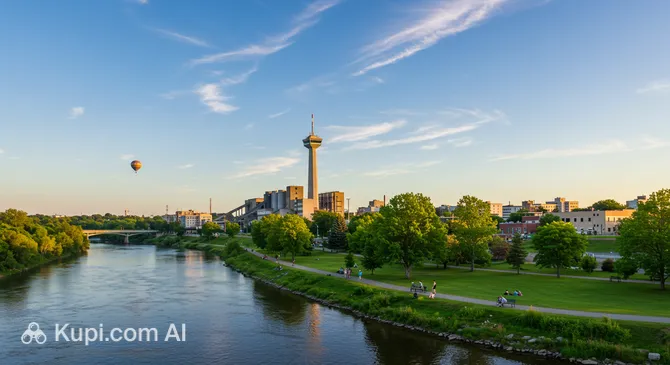
Shawinigan. Illustration.
Source: Kupi.com AI

The city is part of the Mauricie region and is surrounded by endless coniferous forests and crystal-clear lakes. This geographical location makes it an ideal spot for fans of active outdoor leisure. Here, you can embark on an exciting hike along forest trails, enjoy a picnic set against breathtaking views, or take a relaxing boat trip. With a population of about 50,000 people, Shawinigan maintains a warm and friendly atmosphere where every guest feels at home, far from the hustle and bustle of noisy metropolises.

The cultural aspect of the city deserves special attention. Strolling through the center, you will see 19th-century buildings and historic churches that give the streets a special charm. Shawinigan's rich history is carefully preserved in local museums and architectural landmarks, allowing tourists to feel the spirit of past eras. This is a place where the city rhythm gives way to the peaceful rustle of leaves and the splash of water, creating a unique environment for relaxation.

A trip to Shawinigan will give you the opportunity to rest your soul and body. The city is perfect for both family vacations and solo trips, leaving the warmest memories of the hospitality and beauty of Canadian nature.

Weather Overview

Shawinigan's climate is characterized by distinct seasonality, offering tourists various conditions for relaxation depending on the time of year. If you are interested in a detailed weather in Shawinigan for trip planning, consider the significant temperature contrasts between seasons. The city is located in a zone where summer brings pleasant warmth, while winter brings real Canadian frosts.

The winter period here is quite harsh and long. The coldest month is January, with an average temperature of -10.7°C and nightly minimums reaching -15.0°C. From December to March, sub-zero temperatures prevail, creating ideal conditions for winter sports but requiring warm clothing. Spring arrives gradually: while in March the thermometer still sits at -2.6°C, by May the air warms up to a comfortable 12.6°C.

The summer months are the most favorable time to visit the region. July is traditionally considered the warmest month: the average temperature is 20.6°C, and daily maximums often exceed 25°C. However, travelers should not forget their umbrellas: the summer here is quite humid, and in July, the number of days with precipitation can reach 16. Expect a warm summer with occasional rain and cold, snowy winters. September offers mild weather with an average temperature of about 15.3°C, allowing you to enjoy the beauty of early autumn before the November cold sets in.

Average monthly temperature

Average monthly precipitation

Interesting Facts

Beyond its main attractions, Shawinigan holds many fascinating secrets and historical features that make it a unique place on the Quebec map. Here are a few facts that will help you see this city from a new perspective:

  • Hydropower Pioneer. Shawinigan became one of the first cities in the country to use water power on a large scale. The construction of the first power stations on the Saint-Maurice River in the early 20th century didn't just bring light to homes but also turned the city into a vital industrial center for the region, changing its destiny forever.

  • Second Life for Factories. Instead of demolishing old industrial buildings, they are transformed into cultural spaces here. A prime example is the "Cité de l’énergie" complex, where former power plants and factories have become museums. The exhibitions clearly demonstrate how hydropower became the engine of progress for all of Canada.

  • Birthplace of a National Leader. Jean Chrétien, one of the most famous prime ministers in the country's history, was born and raised here. Local residents are proud of their fellow citizen, and you can hear many kind stories and legends in the city related to his youth in Shawinigan.

  • The Cult of the River and Sports. The city's life is inextricably linked to the water. Every year, prestigious water competitions and fishing festivals are held here, gathering enthusiasts from all around. In winter, the city transforms into a center for seasonal fun, where hockey and cross-country skiing become the main activities for the townspeople.

How to Get There

When planning a trip to this picturesque corner of Quebec, it is worth exploring all possible routes in advance. You can find out more about how to get to Shawinigan to choose the best option. Since the city itself does not have its own airport, travelers will take a combined route: a flight to one of the region's major cities followed by a trip by ground transport.

The most popular choice for international tourists is Montreal-Pierre Elliott Trudeau International Airport (IATA: YUL). It is located in the city of Montreal, approximately 145 km from Shawinigan. This is the region's largest air hub, receiving flights from all over the world. Travel time from the airport to Shawinigan by rental car or bus is usually about 2.5–3 hours, depending on traffic and the chosen route.

Another convenient option is Québec City Jean Lesage International Airport (IATA: YQB), located in Quebec City. The distance to Shawinigan from here is shorter—about 107 km. This airport serves a significant number of passengers and can be convenient for those who want to reduce land travel time. A transfer or taxi ride from here will take approximately 2 hours.

For convenience, here is a summary of the main airports:

AirportPassenger trafficDistance
Quebec City Jean Lesage International Airport1.7 mln107 km
St. Hubert Airport128 km
Montreal-Pierre Elliott Trudeau International Airport22.4 mln145 km
La Macaza35 000157 km
Plattsburgh International Airport300 000220 km

If you prefer rail transport, it is worth noting that the major train stations are also located in neighboring metropolises. Shawinigan itself does not have a train station on the list of major hubs, but you can arrive at the Downtown Railway Station (IATA: YMY) in Montreal, which is about 134 km from Shawinigan. This is one of the busiest stations in the country, from where it is easy to find a bus or rent a car to complete your journey.

An alternative is the Quebec City Railway Station (IATA: XLJ), located 120 km from the destination. Arriving here by train, tourists can reach Shawinigan by taxi or bus in approximately 2–2.5 hours. Both options allow you to enjoy views of Canadian nature on the way to your holiday destination.

Below is a table with information on the nearest railway stations:

StationPassenger trafficDistance
Sainte-Foy Railway Station750 000113 km
Charny Station50 000114 km
Quebec Railway Station1.2 mln120 km
St Lambert Railway Station453 291132 km
Downtown Railway Station11 mln134 km

Main Attractions

Shawinigan offers tourists a unique combination of industrial history and magnificent natural landscapes. If you are traveling through a country like Canada, this city in the province of Quebec will surely surprise you with its diversity. Here you can find entertainment for every taste: from educational tours to active adventures in the forest.

One of the main points of attraction is City of Energy (La Cité de l'énergie). This large-scale museum complex with its tall observation tower has become a symbol of the city. Visitors can immerse themselves in the history of hydropower, see antique turbines, and enjoy spectacular multimedia shows. Climbing the tower offers an unforgettable view of the Saint-Maurice River and the surrounding area, allowing you to appreciate the scale of the local nature.

For those who prefer outdoor recreation, Melville Island Park (Parc de l'Île-Melville) is the perfect destination. Located on an island, the park offers numerous hiking trails and a rope course for adrenaline seekers. In winter, cross-country skiing trails are prepared here, while in summer, you can rent a kayak or canoe to explore the river. It is a true green oasis within the city limits.

Culture lovers should visit the Notre-Dame-de-la-Présentation Church. This national historic site hides a true treasure inside—monumental murals by artist Ozias Leduc. His works, which decorate the walls of the church, are considered masterpieces of religious art and create a unique atmosphere of grandeur and tranquility.

Local Cuisine

Shawinigan's gastronomic scene is a vivid reflection of Quebec's culinary traditions, where hearty old recipes meet modern trends. Travelers should definitely order the tender meat ragoût and savory meat pies (tourtière), which are prepared here with special love, following ancestral traditions. For dessert, you cannot miss the famous Quebec pudding (pouding chômeur)—a light delicacy with a crispy caramel crust that is considered a true hallmark of the region.

The proximity of the river and lakes leaves its mark on the local menu: fresh fish dishes hold a place of honor here. Trout, salmon, and walleye are served in various ways—from classic hearty fish soup to exquisite smoked delicacies. A special piquancy is added to many dishes by maple syrup. In Shawinigan, it is added to almost everything: it serves as a base for glazes, sauces for meat, and, of course, the main ingredient in sweet dishes.

Speaking of drinks, it is worth noting the locals' love for quality coffee, served in cozy bistros and cafes. Among alcoholic beverages, products from local producers are popular: here you can try excellent Quebec cider (including the famous ice cider) and various types of craft beer. In the cold season, hot drinks with maple spices will help you stay warm.

The dining culture in the city encourages leisurely strolls and tastings. Local markets often become the epicenter of flavor, with stalls overflowing with fresh buns, farm cheeses, sausages, and seasonal vegetables. Street food in Shawinigan is a distinct art form, allowing for a quick and tasty snack. Additionally, throughout the year, the city hosts gastronomic festivals where guests can attend workshops, chat with farmers, and discover new facets of this hospitable region's flavors.

Travel Tips

Welcome to Shawinigan! To ensure your introduction to this cozy corner of Quebec is as comfortable as possible and leaves only pleasant impressions, we have prepared a list of useful recommendations to help you plan the perfect trip.

  1. Clothing and gear. The climate here dictates its own rules: in winter, a high-quality parka, thermal underwear, and non-slip shoes are mandatory, as the frosts can be severe. In summer, the weather is comfortable, but it can be cool by the river in the evening, so a windbreaker won't hurt. Since the region's main treasures are its parks and forests, be sure to bring comfortable trekking shoes suitable for walking on uneven terrain.

  2. Transport issues. Shawinigan is a city where distances can be significant, especially if you plan to visit natural attractions in the surrounding area. Public transport consists of buses, but they do not go everywhere. The most optimal option is renting a car. This will give you freedom of movement and allow you to reach the most picturesque corners of La Mauricie National Park.

  3. Finances and tipping. Canadian dollars (CAD) are accepted everywhere. Bank cards work in most shops and restaurants, but having some cash for small shops or tips is useful. Remember the tipping culture: in Canada, it is customary to leave 15–20% of the bill in cafes, restaurants, and taxis, as service is usually not included in the check.

  4. Health and safety. Shawinigan is a safe city with a low crime rate. Pharmacies (for example, the Jean Coutu or Uniprix chains) are easy to find in the center, but they are rarely open 24/7, so it's better to pack a personal first-aid kit in advance. Tap water is drinkable and of high quality. In the forests during summer, use insect repellent.

  5. Language nuance. The primary language of communication is French. Unlike cosmopolitan Montreal, English is not understood everywhere here. Locals are very friendly, but they will truly appreciate if you start a conversation with "Bonjour" and end with "Merci." Download an offline translator on your phone—it will greatly simplify communication.

  6. Local etiquette. Quebecers are very polite and value personal space. It is customary to greet bus drivers and shop assistants. In queues (at bus stops or checkouts), maintain order—attempting to cut in line will be seen as a sign of gross disrespect. In nature, a strict rule applies: take all your trash with you.

  7. What to avoid. You should not immediately address strangers in English without first asking: "Parlez-vous anglais?" (Do you speak English?). Also, avoid comparing the local dialect of French with European French in a negative or mocking way—this is a sensitive topic for national identity.

  8. Local tip. If you find yourself in the city on the weekend, be sure to stop by the Public Market (Marché public). It is not just a place for shopping but a social hub where you can buy the freshest farm products and maple syrup and chat with locals in an informal setting.

We hope these tips help you feel confident and at ease in Shawinigan. Enjoy the beauty of nature, the openness of the locals, and the unique atmosphere of this wonderful Canadian city!

Entertainment & Nightlife

Entertainment and nightlife in Shawinigan have a special, cozy charm typical of small Canadian towns. You are unlikely to find massive nightclubs with long queues here, but the city is famous for its microbrewery culture, atmospheric gastropubs, and live music. The epicenter of evening life is rightfully the city center (Centre-ville), especially the 5th Street area (5e Rue de la Pointe) and the promenade along the Saint-Maurice River. This is where the main establishments are concentrated, where locals and tourists gather to relax after a busy day.

The atmosphere in local bars and pubs is very casual and welcoming. The dress code in most places is casual, so you will feel comfortable in regular, convenient clothing. The crowd here is open and friendly: it's easy to strike up a conversation at the bar with locals who are proud of their city. Prices for dinner and drinks in Shawinigan are generally lower than in the province's large metropolises like Montreal, making evening leisure pleasant and affordable.

If you want to experience the true taste of the city, be sure to visit Microbrasserie Le Trou du Diable. This iconic spot is known far beyond the region for its award-winning craft beer and excellent cuisine made from local products. Evenings here are often loud and lively. Another popular attraction is Broadway Microbrasserie—a spacious pub with a great terrace and a wide selection of drinks, perfect for large groups. For a quieter dinner with a glass of wine, you can stop by Pacini restaurant or one of the bistros on the waterfront.

Regarding safety, Shawinigan is a very peaceful city, and evening walks through the well-lit central streets are not a cause for concern. However, public transport is limited at night, so a taxi is the most reliable option for returning to your hotel. It is better to call a car by phone or ask the establishment's staff to do it for you, as catching a free taxi on the street can be difficult.

During the day, the city's cultural life is just as vibrant. Art enthusiasts should check the schedule of the Shawinigan Arts Centre (Centre des arts de Shawinigan), which regularly hosts theatrical productions, concerts by famous performers, and comedy shows. You can also visit local art galleries or continue exploring the region's history in museums, harmoniously complementing evening entertainment with educational daytime leisure.

Parks & Museums

Shawinigan is a city where a rich industrial past harmoniously intertwines with picturesque natural landscapes. For travelers, this means a unique opportunity to visit modern museum exhibitions and enjoy the silence of protected forests in a single day. The green zones here are not just parks but true gateways to the wilderness, while cultural institutions tell stories significant to the entire country.

Speaking of natural treasures, it is impossible not to mention the proximity to the legendary La Mauricie National Park. Although it is a federal site, one of its main entrances is in close proximity to the city. It is a magnet for ecotourism lovers: dense forests, cascading waterfalls, and dozens of lakes await you here. In winter, the park turns into a mecca for skiers, and in summer, it is an ideal place for kayaking and hiking, allowing you to completely disconnect from civilization.

Within the city, Parc de la Rivière-Grand-Mère is well worth a visit. This picturesque space on the banks of the Saint-Maurice River is known not only for its well-kept paths but also for its famous rock, whose shape resembles the profile of an elderly woman (hence the name of the "Grand-Mère" area—meaning grandmother). The park is perfect for quiet walks, picnics, and contemplating the water, especially at sunset.

Shawinigan's cultural life is inextricably linked with history and art. A must-see on your program is the Museum of Prime Minister Jean Chrétien, part of the City of Energy complex. The "Canada in the World" exhibition offers a unique look at political history through the prism of gifts received by the Prime Minister from world leaders. It is a rare opportunity to see the history of diplomacy through personal items and artifacts.

Art lovers should visit the Léo-Ayotte Exhibition Centre (Centre d'exposition Léo-Ayotte). Located in the city's cultural center, it is named after a famous Quebec artist who celebrated the beauty of local nature. The gallery regularly hosts contemporary art, photography, and scientific installations, emphasizing the work of local creators and themes related to the Mauricie region.

The architectural appearance of the city is largely defined by its industrial heritage. While walking through the old districts, look for the monumental red brick buildings—former industrial halls that are gaining a second life today. The historic hydroelectric stations are of particular interest, looking like true industrial palaces of the early 20th century, symbolizing the era when Shawinigan was the energy heart powering many regions that Canada is proud of.

If you are looking for a spot hidden from the main tourist flows, take a stroll along the Promenade du Saint-Maurice. This well-maintained waterfront is loved by locals for morning jogs or evening walks by the water. Here you can find cozy benches with views of the river and feel the true, unhurried pace of life in this hospitable city.

Getting Around

The public transport system in Shawinigan is characterized by simplicity and compactness, which is quite expected for a city of this size. There are no subways, tram lines, or trolleybuses here. The primary and only type of municipal transport is buses. The network is managed by the local organization RTCS (Régie de transport en commun de Shawinigan) and covers key residential areas, the city center, shopping complexes, and major educational institutions.

Bus routes are designed to connect outlying sectors with the center. However, tourists should keep in mind that intervals can be longer than in metropolises: buses usually run every 30–60 minutes. On weekends and holidays, the schedule is reduced, and evening trips may end quite early. Therefore, if you are planning a late dinner at a restaurant, you should think about your return journey in advance.

The fare payment system here is traditional. A single ticket can be paid for in cash directly to the driver upon boarding, but it is important to remember: no change is given, so you must have the exact amount in coins. For those planning to use the bus regularly, it is more profitable to buy tickets in packs (several at a time) or a monthly pass. You can buy them at authorized points of sale, which are most often pharmacies (such as the Jean Coutu or Uniprix chains) and some convenience stores (dépanneurs).

An important alternative to buses is taxis. Several local services operate in Shawinigan and can be called by phone. This is the most reliable way to get to your destination late at night or if you are traveling with heavy luggage. Taxi apps (like Uber) may work, but the number of cars is often limited, and waiting times can be long, so the classic call to a dispatcher remains a more predictable option.

For complete freedom of movement, especially if you want to visit natural parks outside the city, renting a car or using a personal vehicle is highly recommended. Also, during the warm season, the city is excellent for cyclists: there is a developed network of bike paths, and the distances between the main attractions in the center allow for comfortable walking while enjoying views of the Saint-Maurice River.

Accommodation

The choice of accommodation in Shawinigan will pleasantly surprise travelers with its diversity and homey comfort. Unlike large metropolises, there aren't many pretentious five-star hotels here, but there is a wide range of comfortable mid-range hotels, classic roadside motels perfect for road-trippers, and charming B&Bs (bed and breakfasts). For those who want to be closer to nature, campgrounds, cozy chalets, and glamping sites are available on the outskirts of the city, allowing you to wake up to the sound of birdsong.

When choosing a place to stay, you should consider the goals of your trip. The city center and the area along the Saint-Maurice River waterfront are excellent choices for those planning to attend cultural events, museums, and restaurants. By staying here, you can walk to the "City of Energy" and enjoy evening strolls by the water. Another popular area is Saint-Jean-des-Piles, located closer to the entrance of the national park. This is an ideal location for hiking and outdoor enthusiasts who want to minimize travel time to natural attractions.

When planning your trip, it is important to consider seasonality. Summer is a time for festivals and active tourism, while winter attracts snowmobile and ski lovers. Therefore, it is recommended to book accommodation in advance, especially if you plan to visit Shawinigan in July, August, or during the winter holidays. During the off-season, finding a room is much easier, and prices may be lower.

The price range in the city varies from budget to mid-range. It is difficult to find extremely expensive luxury apartments here, which makes the holiday affordable for most tourists. Bookings can be made through popular international online platforms or directly on the websites of hotels or guest houses. Local owners of small hotels often offer personalized service and can suggest the best breakfast spots or hidden gems away from the tourist crowds.

Nearby Cities

For those who want to explore the surrounding area, Shawinigan serves as an excellent starting point for day trips to several interesting nearby places:

Just a short drive away is Trois-Rivières—the region's cultural capital and the second oldest French-speaking city in North America. Here you can stroll through the charming old center, visit museums, an old prison, and enjoy the lively atmosphere on the Saint Lawrence River waterfront. This is an ideal choice for those who want to dive into history and visit numerous festivals.

A little further is Drummondville, which is famous for its "Quebec Village of Yesteryear" (Village Québécois d'Antan)—an open-air museum recreating life in the 19th century. This place is particularly interesting for family vacations, offering an interactive immersion into history. The city is also known for its major cultural events and picturesque parks along the Saint-François River.

Nature and peace seekers should look toward Victoriaville. This city is considered the cradle of sustainable development in Quebec and attracts tourists with Mount Arthabaska (Mont Arthabaska), which offers panoramic views of the region. There are many bicycle paths and green zones here, perfect for picnics and active outdoor walks.

CityPopulationDistance
Trois-Rivières134 41324 km
Champlain8 70633 km
Bécancour12 43833 km
Hervey-Jonction38 km
Rivière-à-Pierre2 00064 km

These nearby destinations provide insight into the diverse culture and landscapes of the region.

Shopping & Souvenirs

Shopping in Shawinigan is an opportunity to combine pleasant purchases with immersion in the unhurried atmosphere of provincial Quebec. Unlike bustling metropolises, you won't find endless rows of luxury boutiques here, but the city offers a great selection of shops where you can buy everything you need: from quality clothing and outdoor gear to unique creations by local artisans. The shopping scene here is focused on coziness, personal interaction, and supporting local producers.

The heart of urban commerce and a place for pleasant walks is 5th Street (5e Rue de la Pointe) in the city center. This is a picturesque area where small private shops, art galleries, and souvenir boutiques are concentrated. It is pleasant to stroll here, looking into the windows and choosing gifts in a calm setting. For more practical and large-scale shopping, head to Boulevard Royal—the city's main commercial artery, lined with major chain stores, supermarkets, and pharmacies.

The central hub for traditional shopping fans is La Plaza de la Mauricie. It is the oldest and most famous indoor shopping center in the region, having opened in the late 1960s. Under one roof, dozens of clothing, shoe, electronics, and home goods stores are gathered. It is a convenient place to update your wardrobe, find necessary accessories, or just have a snack at the food court between purchases.

Special attention should be paid to the Shawinigan Public Market (Marché public de Shawinigan). This is not just a marketplace but the true gastronomic heart of the city. Here, farmers from the Mauricie region offer the freshest vegetables, fruits, homemade cheeses, meat delicacies, and pastries. Visiting the market is the best way to get to know the culinary traditions of the area and buy high-quality edible souvenirs.

When choosing what to bring back from your trip, look for maple syrup products: from classic bottles to maple butter, candies, and cookies—this is the main symbol of Canada. Also, items with the logos of the legendary local brewery Trou du Diable (glasses, T-shirts) or the craft beer itself in gift sets make excellent presents. Art lovers should look at the ceramics, textiles, and handmade jewelry sold in the galleries on 5th Street.

Shops in Shawinigan usually operate Monday through Wednesday from 09:30 to 17:30. On Thursday and Friday, it is common to extend hours until 21:00, which is convenient for evening shopping. On Saturday and Sunday, most retail outlets close earlier, around 17:00. Payment is almost always made in Canadian dollars (CAD). Credit and debit cards (Visa, MasterCard) are accepted everywhere, even in small kiosks, though it is useful to have some cash for the market or small purchases.

Tourists should be aware that there is currently no Tax-Free refund program for goods and services for international guests upon departure. Taxes (GST and QST) are added to the cost of the item at the checkout, so the final price will be about 15% higher than the one on the price tag. Keep this nuance in mind when planning your shopping budget.

Reached the end of the page?

That means the route is fully explored