Support

SaintHyacinthe

About

Saint-Hyacinthe is a picturesque and cozy city located in the heart of the Montérégie region. Travelers often note its special atmosphere, reminiscent of a "little Europe" in North America: here, French-speaking culture blends harmoniously with a relaxed pace of life, creating ideal conditions for a peaceful getaway.

The city stretches along the banks of the Yamaska River, about 60 kilometers east of Montreal. For tourists attracted to Canada by its diversity, Saint-Hyacinthe will be an interesting discovery. With a population of about 60,000 people, it is an important administrative and commercial center where modern infrastructure coexists with scenic natural landscapes and provincial charm.
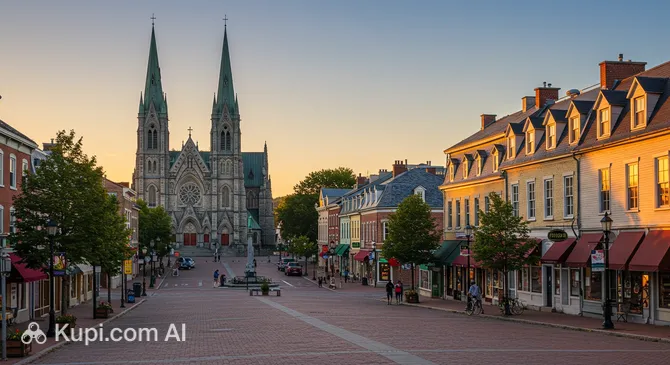
Saint-Hyacinthe. Illustration.
Source: Kupi.com AI

The city's architectural appearance was largely shaped by the region's past. The rich history of Saint-Hyacinthe is reflected in majestic old churches and well-preserved historic buildings. In addition to its cultural heritage, the city is famous for its green spaces: well-kept embankments and proximity to the Monteregian Hills make it a wonderful place for walking and enjoying nature.

Saint-Hyacinthe is also known as a center for gastronomic tourism and a venue for vibrant festivals. This destination is perfect for those who want to take a break from the hustle and bustle of megacities, immerse themselves in a friendly atmosphere, and get an authentic experience of traveling through Quebec.
Weather Overview

The climate in Saint-Hyacinthe is humid continental, with four distinct seasons, each giving the city a special charm. Summer brings pleasant warmth: in July, the hottest month, the average temperature is about 21.8°C, and on sunny days, the thermometer often rises to 26.4°C. This is the perfect time for long walks and exploring the region.

Winter brings real Canadian frosts. In January, average figures drop to -8.6°C, and night lows can reach -13.0°C. Expect warm summers with occasional rain and cold, snowy winters. The shoulder seasons are quite dynamic: by May, the air warms up to a comfortable 14.2°C, and September often brings mild weather with average values around 16.7°C.

Precipitation falls quite regularly throughout the year: the number of days with rain or snow varies from 9 to 15 per month. To plan your wardrobe and choose the best dates for your visit, we recommend checking the current weather in Saint-Hyacinthe in advance. Despite frequent cloud cover, the city's climate allows you to enjoy your trip at any time of year with the right clothing.

Average monthly temperature

Average monthly precipitation

Interesting Facts

Beyond its main attractions, Saint-Hyacinthe holds many fascinating secrets that make it a unique city in the province of Quebec. Here are a few facts that reveal its history and modern face from an unexpected angle:
  • Agricultural Capital. The city is known throughout Canada by this unofficial title. It is home to one of the largest agricultural product markets in the country and the oldest specialized school, founded back in the 19th century. Thanks to this status, Saint-Hyacinthe annually becomes a venue for prestigious agricultural exhibitions and fairs.

  • Cheese Traditions. At the beginning of the 20th century, the city was famous for its steam mills and creameries. Local cheeses were so good that they repeatedly won awards at international competitions. Today, Saint-Hyacinthe continues to hold its title as one of the region's gastronomic centers.

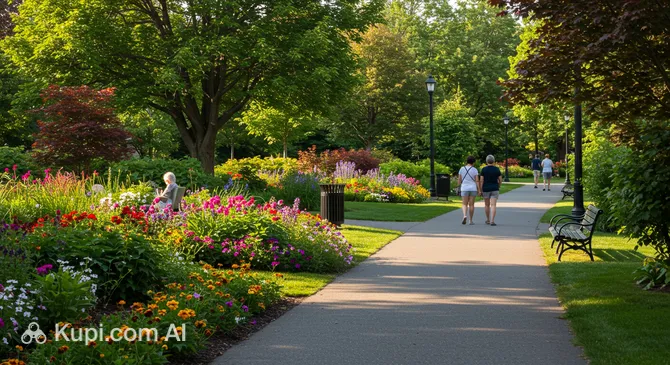
  • City of Flowers. Saint-Hyacinthe is considered one of the "greenest" cities in the area. Every summer, a vibrant flower festival takes place, during which streets and public spaces, such as Casimir-Dessaulles Park, are transformed by the art of local florists and gardeners.

  • Birthplace of Talent. The city has given Canada many outstanding personalities. Among Saint-Hyacinthe natives are famous writers, hockey players, and musicians, such as the popular singer and composer Claude Dubois, who made a significant contribution to Quebec culture.

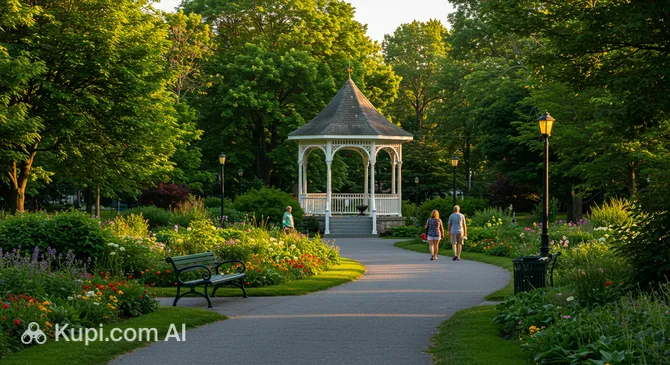
Parc Casimir-Dessaulles. Illustration.
Source: Kupi.com AI

Traveler photos:

How to Get There

Thanks to its favorable geographic location in the Montérégie region, getting to the city is easy. Saint-Hyacinthe is located near major transport arteries of the province of Quebec, ensuring excellent connections with major cities. You can find out more about how to get to Saint-Hyacinthe to choose the most suitable route for your journey.

There is no airport in the city of Saint-Hyacinthe itself that serves regular passenger flights, but you can fly into Montreal-Pierre Elliott Trudeau International Airport (IATA: YUL) in Montreal, which is about 65 km from Saint-Hyacinthe. This is the largest air hub in the region, receiving flights from all over the world. The journey from the airport to the center of Saint-Hyacinthe by car or taxi will take about 50–60 minutes, depending on traffic.

You can also consider flying through the USA if you have the appropriate visa. For example, Plattsburgh International Airport (IATA: PBG) is located in the city of Plattsburgh, 116 km from your destination. The drive from there will take about an hour and a half, including the border crossing.

For convenience, here is summary information on the main airports:

AirportPassenger trafficDistance
St. Hubert Airport38 km
Montreal-Pierre Elliott Trudeau International Airport22.4 mln65 km
Plattsburgh International Airport300 000116 km
Burlington International Airport1.3 mln130 km
La Macaza35 000166 km

Rail travel is also a convenient option for planning your trip. The nearest major hubs are in neighboring Montreal. For example, you can reach the Saint-Lambert Station (IATA: XLM), located about 45 km from Saint-Hyacinthe. From here, it is easy to continue your journey by taxi or rental car, which will take about 40 minutes.

Another popular route goes through the Downtown Railway Station (IATA: YMY) in the heart of Montreal. This is a major transport hub 50 km from your destination, from where buses and transfers to the Montérégie region depart regularly.

Below is information on the nearest major railway stations:

StationPassenger trafficDistance
St Lambert Railway Station453 29145 km
Downtown Railway Station11 mln50 km
Dorval Railway Station258 70065 km
Charny Station50 000177 km
Sainte-Foy Railway Station750 000179 km

Main Attractions

Saint-Hyacinthe offers its guests a harmonious combination of natural beauty, shopping opportunities, and gastronomic discoveries. The city has several iconic spots that allow you to feel its unique rhythm and culture.

Nature lovers and outdoor enthusiasts should first visit Les Salines Park. This is a vast recreational area that is popular year-round. In summer, it is pleasant to walk along shady forest trails and have picnics, while in winter, the park becomes a magnet for fans of cross-country skiing, skating, and tubing. It is the perfect place to escape the city bustle in the fresh air.

Les Salines Park. Illustration.
Source: Kupi.com AI

Traveler photos:

In the very heart of the city lies Casimir-Dessaulles Park. This is not just a green zone, but a real historical landmark with beautiful landscaping. The park serves as the main venue for city celebrations and open-air concerts. Tourists love this place for its well-maintained grounds, proximity to historic architecture, and the opportunity to feel the pulse of Saint-Hyacinthe's social life.

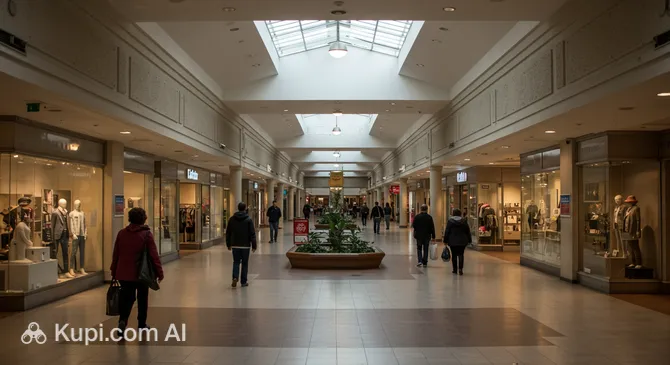
For those who want to dedicate time to shopping and entertainment, we recommend checking out Galeries St-Hyacinthe. This is a large shopping complex bringing together many brand-name stores, boutiques, and services under one roof. Besides shopping, you can visit a cinema or choose a restaurant for lunch, making this center an excellent option for family leisure on a rainy day.

Galeries St-Hyacinthe. Illustration.
Source: Kupi.com AI

Traveler photos:

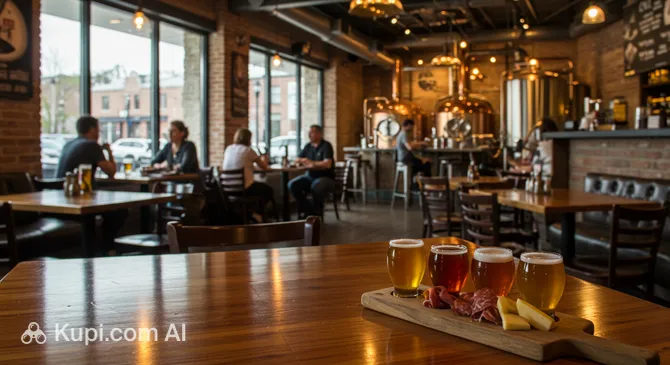
To get acquainted with the local beverage culture, a visit to Le Bilboquet Microbrewery is a must. This place is famous for its craft beer, which is brewed right on site. The cozy atmosphere and variety of styles attract beer connoisseurs looking to spend an evening in pleasant company and try something truly authentic.

Le Bilboquet Microbrewery. Illustration.
Source: Kupi.com AI

Traveler photos:

Local Cuisine

The cuisine of Saint-Hyacinthe is a true discovery for gourmets wishing to get acquainted with the authentic flavors of Quebec. Here, North American culinary traditions blend harmoniously with French influence, creating hearty and memorable dishes. At the heart of many menus is the famous poutine—crispy French fries generously topped with thick gravy and fresh cheese curds. No less popular is the classic tourtière (meat pie), which locals prepare according to old family recipes.

Dairy products hold a special place in the city's culinary culture. Saint-Hyacinthe is rightfully considered one of the region's cheese centers: they produce excellent goat and cow cheeses, homemade butter, and yogurts. Travelers should definitely stop by the city market, Marché Public, to sample farm delicacies, fresh honey, and seasonal berries directly from the producers.

For those with a sweet tooth, the city will be remembered for the abundance of treats made with maple syrup—Canada's "liquid gold." This ingredient is used everywhere here: from a topping for morning pancakes to a glaze for baked pork. On the streets, especially in the summer season, you can often find food trucks offering fragrant maple donuts and hot apple turnovers, which have become an integral part of the city's street food.

As for drinks, the local bar culture offers an excellent choice for craft enthusiasts. In cozy establishments like the restaurant Le Zaricot, you can enjoy the atmosphere and try local varieties of beer or cider. Those who prefer a more lively setting for evening relaxation should look into Bar Koh Tao Saint-Hyacinthe. Saint-Hyacinthe's gastronomic scene is democratic and diverse, offering guests everything from exquisite dinners to quick snacks in the fresh air.

Travel Tips

Welcome to Saint-Hyacinthe! To make your journey through this "agrifood capital" of Quebec as comfortable as possible and leave you with only pleasant memories, we have prepared a list of useful recommendations to help you feel confident in any situation.

  1. Clothing and Seasonality. The climate here is contrasting, so the contents of your suitcase depend directly on your travel dates. In winter, a warm parka, a hat, and high-quality non-slip shoes are mandatory—frosts and snowfalls are not uncommon here. In summer, light clothing made of natural fabrics is useful, but be sure to bring a windbreaker or sweater for evening walks by the Yamaska River, where it can get chilly. Comfortable shoes are a must-have for walking tours of the historic center.
  2. Getting Around Town. Downtown Saint-Hyacinthe is quite compact and pleasant to explore on foot. Public transport is represented by a city bus network that runs strictly on schedule. However, if you plan to visit surrounding farms or nature parks, we highly recommend renting a car—this will give you the necessary freedom of movement. Ride-hailing apps are also available and convenient here.
  3. Money and Tipping. The official currency is the Canadian dollar (CAD). Credit cards (Visa, Mastercard) are accepted almost everywhere, from hotels to small cafes. However, a small amount of cash is useful for purchases at the local market. Remember the tipping culture: in restaurants and taxis, it is customary to leave 15–20% of the bill, as a service charge is usually not included.
  4. Safety and Medicine. Saint-Hyacinthe is a calm and safe city with a low crime rate. Nevertheless, observe standard precautions: do not leave valuables in your car in plain sight. Pharmacies (for example, large chains like Jean Coutu or Pharmaprix) are easy to find in the city, where you can buy basic over-the-counter medications. The emergency number is 911.
  5. Language Barrier. The primary language is French. While staff in tourist areas often speak English, many locals, especially the older generation, may have limited proficiency. Starting a dialogue with a polite "Bonjour" (Hello) is a sign of respect and will put your interlocutor at ease. Free Wi-Fi is available in many cafes and public areas, but for stable connectivity, it's better to purchase a local SIM card.
  6. Etiquette. Quebecers value politeness and personal space. It is customary to hold doors for those following you and to strictly observe queues in stores or at stops—attempting to cut ahead will be viewed very negatively. Greetings are usually limited to a handshake or a simple nod; hugs are acceptable only with close friends.
  7. What Not to Do. Do not assume by default that every passerby is obliged to speak English; it is better to first ask politely: "Parlez-vous anglais?". Also, avoid loud phone conversations in public places and on transport—it is customary here to respect the peace and quiet of others.
  8. Local Tip. Be sure to visit the city's oldest market—Marché Public. It's not just a trading floor, but the soul of the city. Come here in the morning to buy the freshest local cheeses, maple syrup, and homemade pastries. It's the best way to get a real taste of the region and chat with the farmers.

We hope these tips help you plan the perfect trip to Saint-Hyacinthe. Enjoy the hospitality of this cozy corner of Canada and discover new facets of Quebec culture without any extra worries!

Entertainment & Nightlife

Saint-Hyacinthe's nightlife, though smaller in scale than neighboring Montreal, possesses its own unique charm and coziness. Evening entertainment here is mainly concentrated in the historic city center (Centre-ville), especially around Rue des Cascades and the adjacent market. This is where historic architecture meets the modern energy of a college town, creating great conditions for bar-hopping or a quiet dinner with friends.

The heart of the local bar culture is rightfully considered Le Bilboquet Microbrewery. This is a cult establishment for craft beer lovers, known far beyond the city limits. A casual atmosphere reigns here: wooden furniture, dimmed lights, and lively conversations. People come here not for wild dancing, but to taste unique varieties of ale and stout in the company of locals. In the warmer months, be sure to grab a seat on the terrace to enjoy the evening breeze.

If you are looking for a place with a more exotic mood and cocktail list, check out Bar Koh Tao Saint-Hyacinthe. This establishment offers a more modern vibe, great music, and a wide selection of drinks. The crowd here is diverse: from students of the local college and faculty of veterinary medicine to tourists and office workers unwinding after a day's work. Also popular is the restaurant-bistro Le Zaricot, which transforms in the evening into a cozy spot for long gatherings over a glass of wine or beer.

The dress code in most Saint-Hyacinthe establishments is quite informal and casual. You will be most comfortable in jeans and a shirt or sweater; formal evening attire is rarely seen here. The average check in bars and pubs will pleasantly surprise you compared to megacities: prices for drinks and snacks remains affordable. The best time to dive into the nightlife is Friday and Saturday after 9:00 PM, when the downtown streets fill with people.

As for daytime entertainment and cultural leisure, the city offers more than just gastronomic delights. Shopping lovers and families can spend time at Galeries St-Hyacinthe—a large shopping center that also houses a cinema. For those who prefer the arts, the city is home to the Juliette-Lassonde Arts Center (Centre des arts Juliette-Lassonde), which regularly hosts theater productions, concerts, and comedy shows attracting audiences from across the region.

Safety is not as pressing an issue in Saint-Hyacinthe as it is in large cities: the city center is considered calm and safe for night walks. The streets are well-lit, and the locals are friendly. However, if you stay out late or your accommodation is far from Rue des Cascades, it is wiser to call a taxi. Local taxi services operate in the city, and popular mobile ride-hailing apps are also available.

Parks & Museums

Saint-Hyacinthe is not called the "green lungs" of the region for nothing: the city is famous for its well-kept gardens and careful attitude toward its natural heritage. For tourists, this is a wonderful opportunity to combine cultural leisure with outdoor relaxation, enjoying the atmosphere of creativity and tranquility that reigns in this cozy corner of Quebec.

A true gem of the city is the Daniel A. Séguin Garden (Jardin Daniel A. Séguin). This is a magnificent botanical park covering 4.5 hectares, which serves as a training base for the local agrifood institute. Visitors can expect more than 20 themed zones, including impressive floral mosaics and collections of annual plants recognized as some of the best in the province. It is an ideal place for inspiring walks and photo sessions amidst a riot of colors.

For fans of active recreation and picnics, Les Salines Park is an excellent fit. Its vast territory with forest trails attracts runners, cyclists, and families with children all year round. If you prefer relaxing in the center of city life, stop by Casimir-Dessaulles Park. Located in the historic heart of the city, it often becomes a venue for concerts and festivals, and its classic layout with a gazebo creates a romantic mood.

Saint-Hyacinthe's cultural life is centered around several iconic institutions. Special attention should be given to the Expression center (Centre d'exposition de Saint-Hyacinthe). Located on the second floor of the historic city market building, this contemporary art center offers bold and relevant exhibitions that provoke thought and offer a fresh look at familiar things. The gallery space itself is an interesting example of adapting historic architecture for modern needs.

Those interested in the region's past will find the Saint-Hyacinthe History Centre (Centre d'histoire de Saint-Hyacinthe) fascinating. It houses rich archives and holds exhibitions telling the story of the city's formation, its religious heritage, and agricultural development. This place allows for a deeper understanding of how the unique character of this part of Quebec was formed.

Dominating the architectural landmarks is the majestic Saint-Hyacinthe-le-Confesseur Cathedral (Cathédrale Saint-Hyacinthe-le-Confesseur). Built in the Neo-Romanesque style, it is impressive not only for its exterior but also for its interior. The city is also known as the home of the famous organ builders Casavant Frères, and it is in the local churches that you can hear the sound of world-class instruments.

Insider Tip: Don't miss the chance to walk along the Gérard-Côté Promenade along the Yamaska River at sunset. This is a less crowded spot compared to the central parks, offering picturesque views of the water and the city, perfect for ending a busy day.

Getting Around

The public transport system in Saint-Hyacinthe is quite compact and oriented toward bus service, as there are no metro or tram lines in the city. The main way to get around for those not using a personal car is the city bus network, which connects residential neighborhoods with the city center (Centre-ville), the Galeries St-Hyacinthe shopping complex, the college (Cégep), and the faculty of veterinary medicine. Routes are designed to cover key points of interest, though service intervals may be longer than in megacities.

An important element of the transport system is the connection with Montreal and its suburbs. The popular bus route #200 operated by EXO passes through the city, connecting Saint-Hyacinthe with the Longueuil–Université-de-Sherbrooke metro station. This is the most convenient and budget-friendly way to reach a major transport hub, from where you can continue your journey to any point in the province. There is also a VIA Rail station in the city, but it serves intercity trains (e.g., the Montreal–Halifax route) and is not used for travel within the city.

Fares on local buses are usually paid in cash upon boarding (exact change is required, as drivers do not give change) or using special tickets and passes. If you plan to take the regional #200 bus toward Montreal, an OPUS card—a universal pass for the Greater Montreal area—will be useful. Single tickets can be purchased at certain pharmacies, tobacco kiosks, or directly at the terminal. The cost of a single trip around the city is quite affordable, costing a few dollars.

As an alternative to public transport, taxi services are widely developed in Saint-Hyacinthe. This is especially relevant in the evenings or on weekends when buses run less frequently. The city also has taxi-sharing services (Taxibus) for areas not covered by regular routes, but their use often requires prior registration or booking. Apps like Uber are also available, but the wait time for a car may be longer than in major cities.

For tourists visiting the city in the warmer months, cycling is an excellent option. Saint-Hyacinthe has a developed network of bike paths, including scenic routes along the Yamaska River and sections of the famous "Green Route" (La Route Verte) that runs through the entire province. The city's terrain is predominantly flat, making cycling comfortable for people of all fitness levels. Walking is also popular, especially in the historic center, where the main attractions are within walking distance of each other.

Tourists are advised to check bus schedules in advance, as the number of trips is reduced on weekends and holidays. For route planning, it is convenient to use the Google Maps or Transit apps, which accurately display transport arrival times in this region. If you are traveling to Canada for the first time, remember that stops are often announced only in French, so following the route on a navigator will be helpful.

Accommodation

Where to stay:

Saint-Hyacinthe offers travelers a compact but quality selection of accommodation that will satisfy the needs of both business tourists coming for conferences and families traveling through the Montérégie region. The city's hotel industry is characterized by practicality and coziness: you won't find huge resort complexes or noisy youth hostels here, but you can count on a high level of service in mid-range hotels and sincere hospitality in small private guesthouses.

The city's main room stock is represented by 3-4 star hotels. Most of them are oriented towards a comfortable stay with all modern amenities: spacious rooms, on-site restaurants, and often swimming pools. For those traveling by car or looking for budget options, classic North American motels are available at the city entrances, offering clean rooms at affordable prices. Also in the surrounding areas, you can find cozy B&Bs (Bed and Breakfasts), where the hosts will offer a homemade breakfast and talk about local traditions.

When choosing a place to stay, you should be guided by the purpose of your trip. The city can be roughly divided into two key zones for accommodation:

  • Historic Center (Centre-ville). An ideal choice for those who want to be in the heart of things, walking distance to restaurants, bars, and the Yamaska River embankment. Staying here, you can enjoy the atmosphere of the old city and proximity to the main market.
  • Highway 20 and Shopping Centers District. This part of the city is most convenient for transit travelers and those who value quick access to the highway. Large chain hotels, often connected to conference halls, are concentrated here. Nearby is Galeries St-Hyacinthe, providing easy access to shops, the cinema, and food courts.

Booking Tip: Saint-Hyacinthe is a major center for agrifood and business tourism, where large exhibitions, congresses, and festivals are regularly held. During such events (especially during agricultural fairs), the demand for accommodation skyrockets, and available rooms disappear weeks in advance. We strongly recommend checking the city events calendar and booking your stay in advance if your trip falls on peak dates.

The price range in the city can be described as moderate. The cost of living here is generally lower than in neighboring Montreal, but the level of comfort remains high. You can book a room through popular international online platforms or directly on hotel websites. Many hotels offer free parking, which is a big plus for road trippers.

Nearby Cities

For those looking to explore the surrounding area, Saint-Hyacinthe serves as an excellent starting point for day trips to several interesting nearby locations. The city's convenient location allows for quick access to the unique natural and cultural attractions of the Montérégie region.

Only half an hour's drive away is Granby—a city perfect for a family vacation. It is widely known for its zoo (Zoo de Granby), which is one of the most significant in Quebec, as well as the picturesque Boivin Lake, surrounded by excellent bike paths and walking trails.

Another attractive destination is Saint-Jean-sur-Richelieu, located on the banks of the historic Richelieu River. This city is famous for its annual International Balloon Festival, which brings in guests from all over the world, as well as its rich military heritage and cozy old center.

If you are attracted to proximity to the metropolis and vast green areas, it is worth visiting Longueuil. Here you can relax in the huge Michel-Chartrand Regional Park, home to white-tailed deer, or enjoy views of the St. Lawrence River.

CityPopulationDistance
Mont-Saint-Hilaire18 20019 km
Beloeil50 79621 km
Saint-Amable10 87027 km
Marieville10 09427 km
Saint-Basile-le-Grand16 73628 km

These nearby destinations provide insight into the diverse culture and landscapes of the region, complementing the experience of visiting Saint-Hyacinthe with new discoveries.

Shopping & Souvenirs

Shopping:

Shopping in Saint-Hyacinthe is a pleasant combination of provincial coziness and modern comfort. The city does not claim to be a fashion capital, but it has everything necessary for quality purchases: from large shopping centers with well-known brands to charming local boutiques. Special attention should be paid to gastronomic shopping, as the region is famous for its farm products.

The heart of commercial life in the historic part of the city is Rue des Cascades. Strolling through this picturesque district, you will find many independent shops offering clothing, books, jewelry, and home goods. It is an ideal place for a leisurely promenade where shopping can be combined with visiting cozy cafes and viewing the architecture of the old center.

For those who prefer large-scale shopping in one place, the main destination is Galeries St-Hyacinthe. This is the largest shopping complex in the region, bringing together more than a hundred stores under one roof, including popular chain brands for clothing, footwear, and electronics. It features spacious galleries, convenient parking, and a large selection of services, making it a great option for family shopping in any weather.

It is impossible to talk about shopping in Saint-Hyacinthe without mentioning the famous Public Market (Marché Public). Located in the city center in a historic building dating back to 1830, it is the oldest operating market in Quebec. People come here not only for the freshest vegetables and fruits but also for the unique atmosphere. It is a true mecca for gourmets, where you can find exclusive local delicacies.

As souvenirs from Saint-Hyacinthe, tourists most often bring edible gifts. Be sure to look for local cheeses, as the city is considered one of the cheese capitals of the region. Also popular are maple syrup products, apple cider from nearby orchards, and local craft items found in souvenir shops on the central streets.

Shops in the city usually operate from 9:30 or 10:00 AM until 5:30 or 6:00 PM. On Thursdays and Fridays, many retail outlets, especially in large centers, are open until 9:00 PM. On Sunday, most shops operate on a reduced schedule—until 5:00 PM. Payment is possible by credit card (Visa, Mastercard) almost everywhere, but at the market or in small kiosks, it is useful to have some cash in Canadian dollars.

Tourists should remember that in Canada, sales tax is not included in the price on the tag and is added at the checkout. In Quebec, federal tax (GST) and provincial tax (QST) are added to the cost of goods, totaling about 15%. Tax Free programs for tourists in Canada are currently not in effect for most purchases, so plan your budget with this surcharge in mind.

Reached the end of the page?

That means the route is fully explored