Support

Saint Jean sur Richelieu

About

Saint-Jean-sur-Richelieu is a picturesque town nestled on the banks of the Richelieu River. Located in the heart of the French-speaking province of Quebec, this city is a wonderful example of the harmonious blend of European charm and North American hospitality that Canada is famous for. There is an incredibly friendly atmosphere here, combining the sophistication of French heritage with the openness of the local residents.
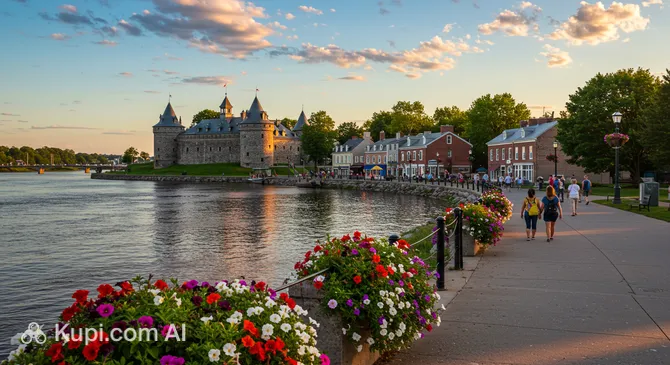
Saint-Jean-sur-Richelieu. Illustration.
Source: Kupi.com AI

Its geographical location makes the resort an ideal spot for travelers: just 40 kilometers separate its quiet streets from dynamic Montreal. With a population of about 100,000 people, Saint-Jean-sur-Richelieu offers well-developed modern infrastructure while remaining surrounded by soothing green spaces, farmlands, and magnificent vineyards.

Strolling through the local neighborhoods, it is impossible not to feel the spirit of the past. The rich history of Saint-Jean-sur-Richelieu is reflected in preserved historic mansions and the architectural appearance of the city center. The streets are filled with the aromas of fresh pastries from cozy bakeries and the lively hum of craft shops, creating a sense of a non-stop celebration of life.

The city offers tourists many leisure options. Nature lovers will appreciate walks along the scenic waterfront, while foodies can enjoy tasting the local cheeses and wines that the region is famous for. If you are looking for authentic experiences and want to take a break from the hustle and bustle of megacities by immersing yourself in genuine Quebec culture, Saint-Jean-sur-Richelieu is an excellent choice for your journey.
Weather Overview

The climate in Saint-Jean-sur-Richelieu is characterized by distinct seasonality, allowing you to enjoy a variety of activities year-round. Summer here is truly warm: in July, the hottest month, the average temperature stays around 22.3°C, and on sunny days, the air warms up to 26.7°C. However, you should be prepared for nature's whims, as about 14–15 days of precipitation per month are recorded in the summer.

Winter brings real Canadian frosts and snowy landscapes. January is the coldest month with an average temperature of -8.0°C, while at night the thermometer can drop to -12.1°C. Expect a warm summer with occasional rain and cold, fairly humid winters.

The shoulder seasons, especially May and September, offer mild weather with temperatures ranging from 14°C to 17°C, although September is statistically one of the "driest" months (only 9 rainy days). To plan your wardrobe correctly for the trip, we recommend checking the detailed weather in Saint-Jean-sur-Richelieu in advance and preparing for any surprises from the sky.

Average monthly temperature

Average monthly precipitation

Interesting Facts

Beyond its main attractions, Saint-Jean-sur-Richelieu holds many fascinating secrets and historical features that reveal themselves only to inquisitive travelers. Here are a few facts that uncover the unique character and atmosphere of this city.

  • Aeronautics Capital. One of the city's most vibrant hallmarks is the International Balloon Festival — the largest event of its kind in Canada. Every summer in August, the sky over the city turns into a colorful canvas with hundreds of giant aerostats, attracting visitors from all over the world.

  • 17th-Century Heritage. The city was founded back in the 17th century, and the spirit of colonial Quebec is surprisingly well-preserved here. Historic mansions and architectural monuments in the old center literally allow you to travel back in time, immersing yourself in the era of the first settlers.

  • Living Crafts. Unlike many modern cities, Saint-Jean-sur-Richelieu carefully preserves ancient craft traditions. Pottery, artistic wood carving, and weaving are still popular here, and local masters eagerly share the secrets of their art in workshops.

  • River Legends. The Richelieu River plays a central role in local folklore. Residents proudly pass down legends associated with this waterway from generation to generation, telling exciting stories of adventures that took place on these banks centuries ago.

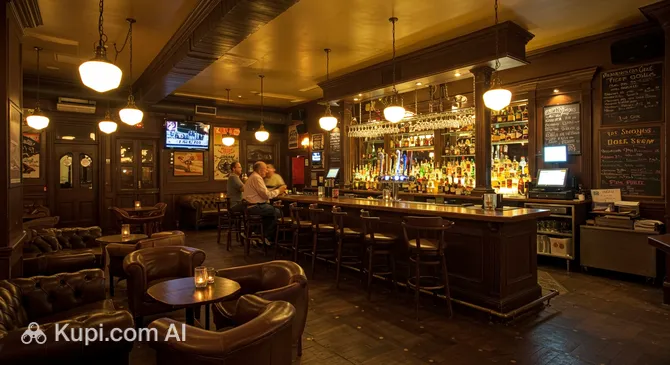
Glen Morgan's Pub. Illustration.
Source: Kupi.com AI

Traveler photos:

How to Get There

When planning your trip, it's important to think about logistics in advance so that your journey begins with pleasant impressions rather than a search for routes. Saint-Jean-sur-Richelieu is conveniently located near major transport hubs, making it easily accessible for tourists. You can find out more details on how to get to Saint-Jean-sur-Richelieu by exploring all available options, and below we will look at the region's main air and rail gateways.

Saint-Jean-sur-Richelieu does not have its own major passenger airport, so most travelers choose to fly into neighboring cities. The most convenient and popular option is Montreal-Pierre Elliott Trudeau International Airport (IATA: YUL). It is located in Montreal, about 42.5 km from your destination. This is the region's largest aviation hub with a huge passenger flow, receiving flights from all over the world. The journey from the airport to Saint-Jean-sur-Richelieu by taxi or rental car will take about 1 hour and 20 minutes, depending on traffic.

An alternative option, especially for those traveling from the USA, could be Burlington International Airport (IATA: BTV). Please note that this airport is located in Burlington (USA), approximately 93 km from Saint-Jean-sur-Richelieu. The trip from there will take about 2.5 hours, including time to cross the border. Even closer, just 27 km away in the Montreal area, is the regional Saint-Hubert Airport (IATA: YHU), which can be convenient for private aviation or domestic charter flights.

For convenience, here is a summary of the main airports located relatively nearby:

AirportPassenger trafficDistance
St. Hubert Airport27 km
Montreal-Pierre Elliott Trudeau International Airport22.4 mln42 km
Plattsburgh International Airport300 00075 km
Burlington International Airport1.3 mln93 km
Adirondack Airport11 500127 km

If you prefer ground transport, keep in mind that Saint-Jean-sur-Richelieu does not have a station for long-distance trains. The nearest convenient point is the Saint-Lambert Station (IATA: XLM), located in Montreal (Saint-Lambert district), about 29 km from the center of Saint-Jean-sur-Richelieu. From here, you can reach your destination by taxi or bus in about an hour. This station serves a significant number of passengers and is conveniently located on the south shore of the St. Lawrence River.

You can also use the province's main transport hub — the Montreal Central Station (IATA: YMY), located in downtown Montreal, 32.6 km from Saint-Jean-sur-Richelieu. This is the largest station with a very high passenger flow, where trains depart for all corners of Canada and the USA. Travel time from the station to your hotel will be just over an hour.

Below is a table of the nearest railway stations that can be used as transit points:

StationPassenger trafficDistance
St Lambert Railway Station453 29129 km
Downtown Railway Station11 mln33 km
Dorval Railway Station258 70041 km
Fallowfield Station188 km
Ottawa Railway Station800 000188 km

Main Attractions

Saint-Jean-sur-Richelieu is a city where the relaxed pace of life by the Richelieu River harmoniously blends with a lively urban atmosphere. While many travelers know this place for its famous hot air balloon festival, the city itself offers excellent opportunities for gastronomic tourism and pleasant shopping in a historic setting.

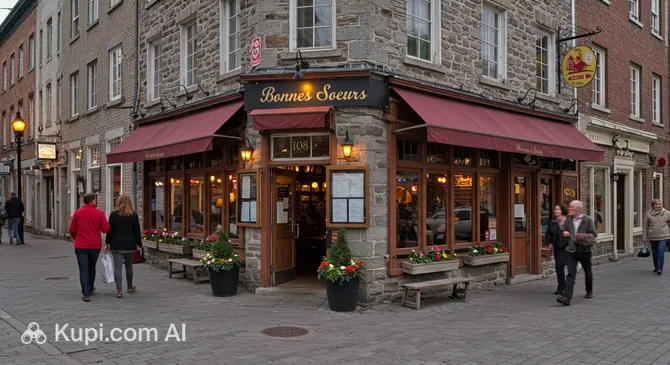
For those who want to enjoy a cozy atmosphere and delicious food, Bonnes Soeurs Restaurant is well worth a visit. This establishment is popular with both locals and tourists due to its hospitality and a menu that often reflects the region's culinary traditions. It’s a great place to spend an evening after a long walk along the waterfront, enjoying the quiet surroundings and quality service.

Restaurant Bonnes Soeurs. Illustration.
Source: Kupi.com AI

Traveler photos:

If you prefer a more casual and lively atmosphere, stop by Glen Morgan’s Pub. This is a classic bar where the spirit of Irish fun meets Canadian friendliness. Tourists often choose this spot to grab a pint, listen to music, and chat with locals to get an "insider's" look at the city.

Shopping enthusiasts will be interested in visiting Les Halles Saint-Jean. This shopping center is a major point of attraction in the city. Here you can not only buy necessities or souvenirs but also just take a walk, escaping the summer heat or winter cold. It is a convenient place to feel the rhythm of the townspeople's daily lives.

Of course, a walk through the city would be incomplete without visiting the Old Chambly Canal area. While this site is more of an open-air historical monument, it perfectly complements a visit to local restaurants and shops, creating a complete picture of this charming corner of Quebec.

Local Cuisine

The cuisine of Saint-Jean-sur-Richelieu is a true gastronomic adventure where refined French traditions are harmoniously intertwined with hearty North American flavors. A signature dish of local cooking is tourtière — a traditional spiced meat pie that every guest of the province should definitely try. No less popular is the classic Quebec pea soup with smoked pork, perfect for warming up after a walk by the river.

For lovers of more casual food, the city offers great street food. Here they prepare quintessential poutine — hot French fries with squeaky cheese curds and thick gravy. Local residents prefer to start their morning in cozy bakeries, where the aroma of fresh baguettes and croissants wafts through all the streets, a reminder of the region's European roots.

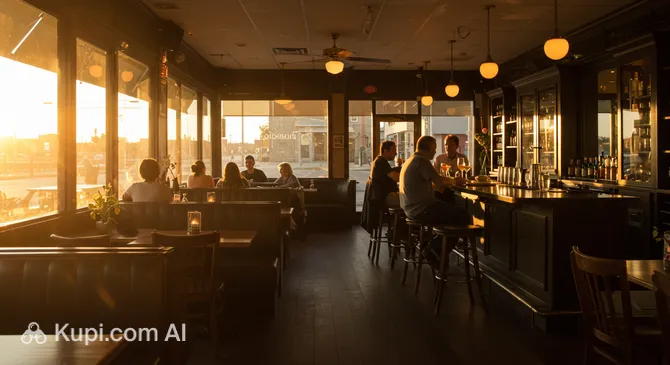
Belgo Restaurant and Catering. Illustration.
Source: Kupi.com AI

Traveler photos:

Local products hold a special place in the gastronomic culture. Farmlands in the surrounding areas produce magnificent handmade cheeses, and you can always find fresh honey, homemade jams, and the famous maple syrup at the markets. To appreciate how local chefs interpret these ingredients in exquisite dishes, it's worth visiting Belgo Restaurant & Catering. This place attracts gourmets with its attention to detail and product quality.

A glass of local wine or cider will complement your dinner. Wineries located around Saint-Jean-sur-Richelieu are open for tours and tastings, allowing tourists to get acquainted with the specifics of northern viticulture. If your trip coincides with one of the many gastronomic festivals, be it a harvest festival or a cheese fair, you can fully immerse yourself in the atmosphere of Quebec hospitality.

Travel Tips

Welcome to Saint-Jean-sur-Richelieu! To make your trip as comfortable and hassle-free as possible, we have prepared a list of useful recommendations to help you feel confident in this charming corner of Quebec.

  1. Clothing and Seasonality. The weather here dictates its own rules: in winter (from December to March), you will definitely need a warm parka, hat, and waterproof boots, as frosts and snowfalls are common. In summer, it can be hot and humid, so bring light clothing made of natural fabrics, but don't forget a windbreaker for evening walks by the river. Power adapters (type A and B, as in the USA) will be useful if your devices have European plugs.

  2. Transport. Although the city is connected to Montreal by a bus network (exo), for a full exploration of the region and visits to surrounding wineries, it is most convenient to rent a car. Taxis and popular ride-hailing apps (e.g., Uber) operate within the city. If you decide to use public transport, download the Chrono or Transit app in advance to track schedules.

  3. Finances and Tipping. The currency is the Canadian dollar (CAD). Bank cards are accepted almost everywhere, even in small shops, but having some cash for small expenses at farmers' markets won't hurt. Remember the tipping culture: in restaurants and bars, it is customary to leave 15–20% of the bill, as service is usually not included. It is also customary to tip taxi drivers and hairdressers.

  4. Health and Safety. Saint-Jean-sur-Richelieu is a peaceful and safe city. For emergencies (police, ambulance, fire), use the universal number 911. Major pharmacy chains such as Jean Coutu or Pharmaprix are easy to find throughout the city; you can buy not only medicine but also basic necessities there.

  5. Language and Connection. The official language is French. Most tourism workers speak English, but starting a conversation with a polite "Bonjour" (Good day) is a sign of respect for the local culture. Wi-Fi is available in most cafes and hotels. A SIM card can be purchased in shopping centers (e.g., at Carrefour Richelieu) or mobile shops.

  6. Local Etiquette. Quebecers are very friendly and value politeness. It is customary to say hello when entering a store or an elevator. In queues, maintain distance and order — it is not customary to push or cut ahead. Addressing strangers usually begins with a polite "Excusez-moi" (Excuse me).

  7. What to Avoid. Never forget to leave a tip in sit-down restaurants — its absence is perceived as extreme dissatisfaction or rudeness. Also, try not to compare local residents with French people from France; Quebecers are proud of their unique identity and culture.

  8. Festival Tip. If you are planning a trip for August, when the famous Balloon Festival takes place, book your accommodation and restaurant tables several months in advance. During these days, the city is packed with tourists, and finding a free spot spontaneously can be difficult.

We hope these tips help you plan the perfect trip. Saint-Jean-sur-Richelieu is a place where it's easy to relax and enjoy life, so just follow the local pace and enjoy every moment!

Entertainment & Nightlife

The nightlife in Saint-Jean-sur-Richelieu, while smaller in scale than neighboring Montreal, has its own unique charm and coziness. The heart of evening entertainment is the historic Vieux-Saint-Jean (Old Saint-Jean) district. It is here, along the picturesque Rue Richelieu and the adjacent Rue Champlain, that most establishments are concentrated. In the evening, these blocks come alive: terrace lights come on, live music can be heard, and locals and tourists alike stroll along the river.

The atmosphere in local venues is unpretentious and relaxed. There aren't many flashy night clubs with strict face control; instead, the city offers an excellent selection of gastropubs, craft beer bars, and cozy bistros. The dress code in most places is casual, though smart casual is appropriate for fine dining restaurants. On weekends, the fun can continue until 3 AM, while on weekdays, activity usually winds down by midnight.

If you're looking for a place with a lively atmosphere and quality drinks, be sure to check out Glen Morgan’s Pub. This establishment is a classic example of an Irish pub, where local bands often perform and the beer selection will please even seasoned connoisseurs. It's a great starting point for an evening with friends.

For those who prefer combining an evening out with an exquisite dinner, Belgo Restaurant & Catering is an excellent choice. Here you can enjoy not only superb cuisine but also a pleasant interior that invites long conversations over a glass of wine. In the summer, many establishments open their terraces, allowing guests to enjoy the warm air and river views.

In terms of safety, Saint-Jean-sur-Richelieu is a very peaceful city. Walking through the center at night poses no threat; the streets are well-lit and patrolled. Nevertheless, as with anywhere, it's wise to remain vigilant. Getting to your hotel at night is easiest by taxi or using services like Uber. If you plan to move between bars in the center, everything is within walking distance.

During the day, the city also offers plenty of interest. Besides strolling through parks and museums, shopping enthusiasts should visit Les Halles Saint-Jean. This is a popular shopping complex where you can find both well-known brands and local goods, as well as grab a bite to eat between purchases.

Parks & Museums

Saint-Jean-sur-Richelieu offers guests a harmonious combination of natural beauty and a rich cultural heritage. The city, steeped in history, carefully preserves its green oases and museum collections, allowing tourists to escape the urban bustle while simultaneously immersing themselves in the fascinating past of the Upper Richelieu region.

One of the city's main natural treasures is the Chambly Canal National Historic Site. It is not just an engineering feat, but a picturesque green corridor stretching along the river. There are magnificent bicycle and pedestrian paths here, perfect for leisurely strolls. Tourists love this spot for the opportunity to watch the old locks in operation and enjoy views of the water in the shade of sprawling trees.

For a more relaxed outdoor experience, visit Parc Gerry-Boulet. Located right on the banks of the Richelieu River, this park is a popular meeting place for locals and a venue for city festivals. Spacious lawns, picnic areas, and proximity to the water make it an excellent location for family recreation or a morning jog with views of the river landscapes.

A cultural program is impossible to imagine without a visit to the Musée du Haut-Richelieu. This museum, located in the historic center, pays special attention to ceramics, as the region was long considered the pottery capital of Quebec. The exhibitions tell the story not only of the crafts but also of the social history of the region, offering a unique look at the development of the local community.

Another important point on the cultural map is the Musée du Fort Saint-Jean. It is located on the grounds of the Royal Military College and tells the 350-year military history of this strategically important site. Visitors can learn about the fort's role in various conflicts and see artifacts related to garrison life throughout the centuries.

Architecture buffs should simply stroll through the streets of Vieux-Saint-Jean (Old Saint-Jean). Buildings from the 19th and early 20th centuries have been preserved here, creating a unique atmosphere. Pay attention to the courthouse and the historic churches, which are silent witnesses to the transformation of a trading post into a thriving city.

For those seeking hidden gems, we suggest heading to the L'Acadie sector. This is a kind of "town within a town" that has preserved its rural historic charm. Here you can see one of the region's oldest churches and walk among historical houses, feeling like a time traveler discovering the history of the first settlers.

Getting Around

The public transport system in Saint-Jean-sur-Richelieu is focused on bus services, which connect various districts of the city and provide a reliable connection to the metropolis of Montreal. There is no metro or tram, so the primary means of transport for those not using a personal car are the buses of the exo network (Saint-Jean-sur-Richelieu sector). Routes are divided into local ones, circulating within the municipality, and regional ones, which take passengers to major transport hubs in neighboring cities.

To pay for travel in the region, the OPUS reloadable smart card is widely used. This is a universal pass valid throughout the Greater Montreal area. If you plan frequent trips, it makes sense to purchase such a card at points of sale or major terminals. For single trips within the city, you can pay the fare in cash directly to the driver upon boarding, but remember that you must have the exact amount in change, as drivers do not give change. There are also magnetic stripe paper tickets for short-term use.

An important feature of the local transport system is the clear division of fare zones. A trip within the city costs less than an express route to Montreal (for example, the popular route 96). Tourists are advised to check the ticket type carefully before purchasing. For route planning and real-time bus tracking, we strongly recommend installing the Chrono or Transit mobile apps. They show up-to-date schedules, which may change on weekends and holidays.

During the warm season, from spring to autumn, the bicycle becomes a full-fledged mode of transport. Saint-Jean-sur-Richelieu is famous for its developed network of bike paths, including scenic routes along the Chambly Canal. Many local residents use bicycles for daily trips, and tourists can use rental points to combine sightseeing with active recreation. This is a great way to avoid traffic and enjoy views of the river.

If you need more flexibility or are moving around at night when buses stop running, it is worth using taxi services. Several local taxi fleets operate in the city, and cars can be called by phone. Popular ride-hailing apps like Uber are also available. This is especially convenient if you are planning dinner at a remote restaurant or returning from a late walk along the waterfront.

Accommodation

Saint-Jean-sur-Richelieu offers travelers a well-balanced choice of accommodation options, perfect for a peaceful and comfortable holiday. The city is dominated by mid-range hotels and reliable chain hotels that guarantee a familiar level of service. For those looking for a more authentic atmosphere, cozy Bed & Breakfasts (B&Bs) and small motels are available, where you can experience true Quebec hospitality.

When choosing a location, consider your plans. If you want to be in the heart of the action, enjoying evening walks and dinners without needing to drive, we recommend looking for accommodation in the Vieux-Saint-Jean (Old Saint-Jean) area or close to the Richelieu River. For road trippers and those using the city as a transit point, modern hotels located along the main highways and near major shopping areas will be more convenient.

An important booking tip: while it is usually easy to find a free room, the situation changes drastically in August. During the famous International Balloon Festival, the city is packed with tourists from all over the world. If your trip falls on these dates, we strongly recommend booking your accommodation several months in advance, otherwise, there is a high risk of being left without a comfortable place to stay.

The price range in Saint-Jean-sur-Richelieu can be described as moderate. The cost of living here is generally lower than in neighboring Montreal, making the city an attractive option for budget-conscious travelers. You can book a room through popular international online aggregators or directly on hotel websites — sometimes this allows you to find special offers or discounts.

Nearby Cities

For those who want to explore the surrounding area, Saint-Jean-sur-Richelieu serves as an excellent starting point for day trips to several interesting nearby locations:

Montreal. Just a half-hour drive away is the cultural capital of Quebec. This is an ideal choice for those who want to dive into the rhythm of a metropolis, walk through the historic streets of the Old Port, attend festivals, or enjoy fine dining. Its proximity to Montreal makes it easy to combine a quiet nature retreat with a busy city program.

Beloeil. This picturesque town is located at the foot of Mont-Saint-Hilaire. It attracts tourists with its natural beauty and opportunities for active recreation. Hiking on mountain trails, visiting apple orchards, and walking along the Richelieu River make it a wonderful place for a family weekend.

Brossard. A city known for its modern lifestyle and shopping. The main point of attraction here is Quartier DIX30 — a huge open-air shopping and entertainment complex where you can find stores for every taste, restaurants, cinemas, and concert venues.

CityPopulationDistance
Chambly29 12015 km
Marieville10 09416 km
Carignan9 46218 km
La Prairie23 35722 km
Candiac21 04722 km

These nearby destinations provide an insight into the region's diverse culture and landscapes.

Shopping & Souvenirs

Shopping in Saint-Jean-sur-Richelieu is a pleasant and relaxed activity, free from the hustle and bustle of major metropolises. The city offers a balanced combination of modern shopping centers with familiar brands and charming local boutiques where you can find unique items. It will especially appeal to those who appreciate craft products and the work of local artisans, as the region is famous for its masters and attention to detail.

The heart of atmospheric shopping is the historic Vieux-Saint-Jean (Old Saint-Jean) district. Strolling along Rue Richelieu, you will find many small shops offering designer clothing, original home decor, and handcrafted jewelry. This is an ideal place for leisurely shopping in a beautiful architectural setting. If you are interested in major chain stores and supermarkets, head to Boulevard du Séminaire, which is the city's main commercial artery with a wide selection of goods.

For those who prefer one-stop shopping, there are several shopping complexes in the city. The largest is Carrefour Richelieu, where popular brands of clothing, shoes, and electronics are gathered under one roof. Also worth noting is the Les Halles Saint-Jean shopping center. This is a well-known spot among locals where you can not only update your wardrobe but also find a variety of goods for everyday life, as well as take a break in one of the coffee shops.

Markets hold a special place in the city's culture. During the summer and autumn seasons, be sure to visit the Public Market (Marché Public du Vieux-Saint-Jean). Here, farmers from all over the Upper Richelieu region offer the freshest vegetables, fruits, flowers, and preserves. This is a great opportunity to try local products such as cheeses and meat delicacies and talk to the producers directly.

As souvenirs from Saint-Jean-sur-Richelieu, it is worth bringing back ceramics. The city long held the title of the pottery capital of Quebec, and the products of local masters are still characterized by high quality and artistic value. Another foolproof option would be gastronomic gifts: a bottle of ice cider (cidre de glace) produced in the surrounding orchards, or authentic Quebec maple syrup and maple-based sweets.

Shops usually operate from 9:30 or 10:00 to 17:30 or 18:00 Monday through Wednesday. On Thursday and Friday, it is customary to extend working hours until 9:00 PM, which is convenient for an evening shopping promenade. On weekends, most shops are open until 5:00 PM. Credit and debit cards, as well as cash, are accepted almost everywhere. Contactless payment via smartphone is also widely used.

Tourists should remember that prices on tags in Canada are indicated excluding taxes. When paying at the checkout, federal tax (TPS) and Quebec provincial tax (TVQ) will be added to the amount, which together increases the bill by about 15%. The tax refund program for foreign tourists (Tax Free Shopping) in Canada has been canceled, so it will not be possible to recover these costs upon leaving the country.

Reached the end of the page?

That means the route is fully explored