Support

Puerto Aysen

Interesting places

About

Puerto Aisén is a picturesque town located in the heart of Chilean Patagonia, surrounded by majestic mountains and rushing waters. This place possesses a unique atmosphere of tranquility and seclusion, attracting travelers who wish to experience the rugged yet incredibly alluring nature that Chile is famous for.

Geographically, the town is spread across the banks of the Aisén River, which is formed by the confluence of the Simpson and Mañihuales rivers. The climate here is quite humid with frequent rain, which encourages the lush growth of evergreen vegetation. Despite its remoteness, Puerto Aisén is an important settlement with a population of about 33,000, offering tourists comfortable conditions for a stay before exploring the region's wilder corners.
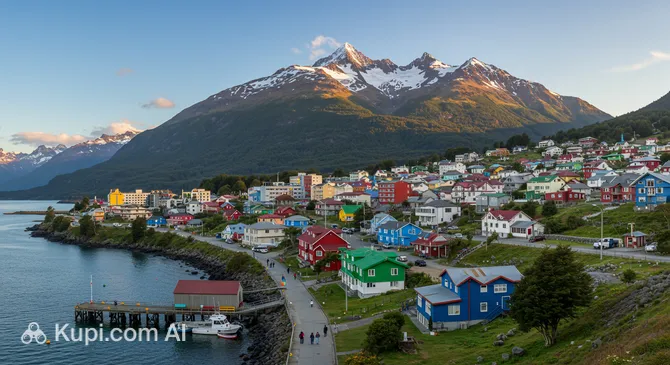
Puerto Aysen. Illustration.
Source: Kupi.com AI

The fascinating history of Puerto Aisén is inextricably linked to the development of shipping and the exploration of southern lands. For a long time, the town served as the region's main port until river siltation caused this role to pass to neighboring Puerto Chacabuco. Today, the main symbol and architectural landmark of the town is the Presidente Ibáñez Bridge. This suspension bridge, spanning the Aisén River, is recognized as a national monument and is considered one of the longest in the country.

Puerto Aisén serves as an excellent starting point for excursions to the famous San Rafael Lagoon and the surrounding glaciers. Ecotourism enthusiasts will appreciate the opportunity to walk along protected trails, engage in sport fishing, or simply enjoy the views of the fjords. We recommend including this town in your itinerary to experience true Patagonian hospitality.

Weather Overview

When planning a trip to this region, it's worth noting that the climate is cool and humid almost year-round. The local weather in Puerto Aisén is known for its volatility, so layered and waterproof clothing will be your main companion on the trip.

The summer season, falling in January and February, is the most comfortable time to visit. The average temperature during these months is around 10.5–11.4°C, and on the warmest days, the thermometer can rise to 15.6°C. Despite relatively favorable conditions, rain falls quite often—from 14 to 19 days per month.

Winter (from June to August) brings a noticeable cold spell. Average temperatures drop to 0.3–1.3°C, and light night frosts down to -1.8°C are possible. During this period, the number of rainy days reaches its peak, going up to 25 days in August. Expect a cool summer with frequent cloud cover and cold, damp winters characteristic of the Patagonian fjords.

Average monthly temperature

Average monthly precipitation

Interesting Facts

In addition to the main tourist routes, Puerto Aisén holds many fascinating stories and geographical paradoxes. This town, lost among the fjords, has a character shaped by rugged nature and the legends of explorers.

  • The mystery of the name's origin. There is a popular urban legend that the town and region were named by English sailors, specifically Captain FitzRoy's expedition. Upon reaching the end of the glacial mass, they supposedly marked the point on the map as "Ice End", which transformed into "Aisén" in local pronunciation. However, linguists lean toward the version originating from the Huilliche word "Achen," meaning "to crumble" or "to fall away," describing the character of the local cliffs.

  • A port without a sea. Despite the word "Puerto" (port) in its name, the town is effectively cut off from ocean liners today. This is a rare case where geology changed the fate of a settlement: due to constant sedimentation and ash from volcanic eruptions, the Aisén River became shallow. As a result, the main port had to be moved 14 kilometers west to Puerto Chacabuco, leaving Puerto Aisén with only the glory of being a historical harbor.

  • One of the rainiest towns. Puerto Aisén is often called the "capital of rain" in Chile. The average annual precipitation here can exceed 2,500–3,000 mm. Locals joke that rain doesn't ruin plans here; it's a mandatory part of them. It is thanks to this moisture that the town is surrounded by incredibly dense and green forests reminiscent of a jungle.

How to Get There

A journey to this corner of Patagonia is an adventure in itself that requires planning. Since the region is quite far from the capital, we recommend checking all ways to get to the city in advance to choose the most convenient route and calculate travel time.

The fastest and most popular way to reach the region is by air. Puerto Aisén does not have its own airport for regular commercial flights. Tourists usually fly into Teniente Vidal Airport (IATA: BBA). It is important to note that this transport hub is located in the village of Balmaceda, which is approximately 96 km from Puerto Aisén. The trip from the terminal to the town by taxi or transfer takes about 2.5 hours, but the road passes through incredibly scenic landscapes, making the time fly by.

For your convenience, here is a summary of the main airport serving this destination:

AirportPassenger trafficDistance
Teniente Vidal Airport681 56596 km

There is no developed railway service in this part of the country, so it is impossible to reach Puerto Aisén by train. After arriving in Balmaceda, the main means of transport are intercity buses or rental cars, which follow paved roads through the city of Coyhaique straight to the fjord coast.

Main Attractions

While the town itself charms visitors with its tranquility and historical architecture, the true treasures of this land are hidden in its surroundings. Travelers come here to touch pristine nature, where dense forests meet the cold waters of the fjords, creating landscapes of incredible beauty.

Bahía Acantilada is a picturesque bay located just a few minutes' drive from the town center. This spot is considered one of the best for experiencing the region's coastal nature without traveling deep into the wilderness. Tourists are drawn here by the combination of fine-sand beaches, majestic cliffs, and dense forest that reaches the water's edge. Here you can have a picnic, walk the trails, or simply enjoy the sunset over the calm surface of the water.

One of the most impressive natural attractions accessible from the town is Queulat National Park. Although the journey takes some time, the trip is considered a mandatory part of any tourist's program. The park's main magnet is the famous Hanging Glacier (Ventisquero Colgante). The sight of a massive ice mass hanging over cliffs amidst evergreen rainforest, with a waterfall plunging below, leaves an indelible impression and offers unique photo opportunities.

Fans of organized ecotourism should look into the Aiken del Sur private nature park. It is located very close to the neighboring port and offers guests several well-equipped trails. Walking the park's paths allows you to immerse yourself in the world of Patagonian flora in comfort: see giant ferns, mosses, and lichens, and at the end of the path, admire the beautiful "Old Man's Beard" waterfall. This is an excellent option for a family walk and for discovering the biodiversity of southern Chile.

Local Cuisine

The gastronomy of Puerto Aisén is an honest and hearty reflection of Patagonia's rugged character, where seafaring traditions intertwine with gaucho culture. Local cuisine is based on the freshest products gifted by the cold ocean and fertile valleys, designed not only to satisfy hunger but to warm the traveler after a long day in the wind.

The main culinary symbol of the region is certainly Patagonian lamb (Cordero al Palo). This dish is prepared in a special way: the carcass is stretched on a cross-shaped frame and slowly roasted over coals in a vertical position for several hours. The meat becomes incredibly tender, with a crispy crust and a smoky aroma. You can try it at specialized meat restaurants ("parrillas") or at local festivals.

Given the proximity to the fjords, seafood is always on the menu of local establishments. Special attention should be paid to salmon dishes, as the Aisén region is one of the centers for salmon farming. Also popular is Paila Marina—a thick and rich soup made of shellfish, fish, and crustaceans, which locals consider the best remedy for restoring strength. Gourmets should definitely look for King Crab (Centolla) on the menu, as its sweet meat is considered a delicacy.

Among drinks, mate is the king of Patagonian gatherings. This is not just herbal tea, but an entire social ritual: the hot drink is sipped from a special vessel through a metal straw (bombilla), often passed around in a circle among friends. If you prefer something stronger, be sure to try Calafate Sour. This is a local variation of the famous Pisco Sour cocktail, with the addition of the calafate berry—a wild symbol of Patagonia. Legend has it that whoever eats this berry is destined to return to these lands again.

The dining culture in the town is characterized by informality and coziness. There aren't many pretentious fine-dining restaurants, but small family-run places called "picadas" are widespread. They serve huge portions of homemade food at reasonable prices. It's also worth stopping by local bakeries to try fresh pastries or seafood empanadas, which are perfect for a quick snack before an excursion.

Travel Tips

Welcome to Puerto Aisén! To ensure your trip to this picturesque and rainy corner of Chile is as comfortable and smooth as possible, we have prepared a list of important practical recommendations based on local life and climate.

  1. Clothing and Gear. The weather here changes instantly, so the main principle is layering. Even in summer, be sure to bring a fleece sweater, a quality windbreaker, and most importantly, a reliable raincoat or waterproof membrane jacket. Footwear should be comfortable, trekking-ready, and water-resistant. Also, don't forget a travel adapter (types C and L), as European plugs may not fit some older sockets.

  2. Transport. Puerto Aisén is a compact town, and the center is pleasant to explore on foot. For slightly longer distances, locals use "colectivos"—shared taxis (usually black sedans with a roof sign) that follow fixed routes and are inexpensive. Apps like Uber are unreliable here, so it's safer to have local radio taxi numbers handy or rent a car for freedom of movement around the region.

  3. Finances. The official currency is the Chilean peso. Cards are accepted without problems in large supermarkets and hotels, but you will definitely need cash for fares, purchases in small shops ("kioskos"), and tips. There are ATMs in town, but in high season they can run out of cash, so it's better to withdraw money in advance in the larger city of Coyhaique or at the airport. Tips in restaurants are usually 10% (often included in the bill as "propina sugerida," though you can opt out).

  4. Health and Safety. Puerto Aisén is a quiet and safe town where you can walk even in the evening. However, be mindful of street dogs, which are common in Chile (they are usually friendly, but it's best not to provoke them). Pharmacies (Farmacias) operate on standard schedules, but there is always one on-call pharmacy open 24 hours—duty information is usually posted in the windows of all pharmacies.

  5. Communication. The primary language is Spanish. Few people know English, mostly just staff in expensive hotels. We strongly recommend downloading an offline translator and learning a few polite phrases. It's best to buy a SIM card upon arrival (Entel and Movistar have the best coverage in Patagonia). Wi-Fi is available in almost all cafes and hotels, but the speed may be slower than you're used to.

  6. Local Etiquette. Patagonians are open and warm people. Always say hello ("Buenos días" or "Buenas tardes") when entering a shop, boarding a bus, or addressing a passerby. Rushing is not common here: service in cafes can be slow, so take it as part of the relaxed local atmosphere rather than disrespect.

  7. What to Avoid. Never head out for a long walk without rain protection, even if there isn't a cloud in the sky—the weather is treacherous. Also, avoid discussing sensitive political topics from the past; it's better to talk about nature, food, or football. And, of course, do not leave trash in nature—locals are very protective of their region's cleanliness.

  8. Useful Lifehack. Take the local working hours into account: many small shops and institutions close for a lunch break (siesta) from approximately 1:00 PM to 3:00 PM. Plan important purchases or visits for the morning or after 4:00 PM to avoid finding a closed door.

We hope these tips help you easily adapt to the rhythm of life in Puerto Aisén and focus on the main thing—contemplating the majestic fjords and evergreen forests. We wish you an unforgettable journey and vibrant impressions!

Entertainment & Nightlife

Entertainment and nightlife in Puerto Aisén have their own unique Patagonian flavor. Do not expect noisy night clubs with world-class DJs or neon districts that never sleep. Evening leisure in this town is primarily about coziness, the warmth of a fireplace, lively conversation, and excellent local gastronomy. Nightlife here is focused on "restobars" and pubs where locals and tourists gather to discuss the day's events over a glass of craft beer or Chilean wine.

The center of evening activity is the area around the main square (Plaza de Armas) and its adjacent streets. This is where the main establishments that stay open late are located. The atmosphere is very democratic and relaxed. There is practically no dress code: it is perfectly normal to show up at a bar in the same trekking clothes you wore to conquer glaciers during the day. The crowd is diverse—from local fishermen and families to backpackers from all over the world.

A special place in the entertainment culture is held by tastings of local craft beer (cerveza artesanal), which is brewed with great skill in the Aisén region using the purest glacial water. We recommend looking for Restobar style establishments. For example, a popular spot is Mahatu Restobar, which often features music, serves great cocktails, and has a lively atmosphere. It is also worth visiting local pizza bars, such as Pizzería y Restobar, which become hubs for young people in the evenings.

Practical tips for an evening out:

  • Opening hours: Bar life starts after 8:00 PM – 9:00 PM. Most establishments close around 1:00 AM or 2:00 AM, though they may stay open a bit longer on weekends.
  • Prices: The average bill for dinner with drinks is moderate by Chilean standards. A pint of beer costs about 4,000–5,000 pesos.
  • Safety: Puerto Aisén is a very safe town. You can comfortably walk around the center at night. However, given the cool weather and possible rain, it is better to order a taxi to return to your hotel. Catching a car on the street at night is difficult, so ask the bartender to call a "radio taxi" for you.

As for daytime entertainment, the town offers a slower pace. There are no large amusement parks, but you can satisfy your cultural curiosity by visiting local craft markets selling wool and wood products. Sometimes, the town's House of Culture (Casa de la Cultura) hosts exhibitions by local artists or small theatrical performances. However, the main "theater" here remains the Aisén River waterfront, where you can watch port life during the day and admire the sunset painting the mountains in crimson tones in the evening.

Parks & Museums

In the Chilean town of Puerto Aisén, the very concept of museum space is interpreted differently than in megacities. Here, there are no huge galleries with glass display cases, as the history of this land lives on the streets, and the best recreational zones are created by the rugged nature of Patagonia and carefully adapted by humans.

The center of social life and the town's main green area is the Plaza de Armas. This square is a true botanical garden in miniature, planted with trees capable of withstanding local winds. An architectural feature is the covered bandstand (odeón), a reminder that rain in Chile is a frequent guest. It's a pleasant place for a walk, viewing monuments to pioneers and observing the steady rhythm of local life.

To observe the region's unique ecosystem, we recommend visiting Aguas Muertas Pier (Muelle Aguas Muertas). This is not a classic park but a scenic walking area with wooden boardwalks laid along the river and wetlands. The spot serves as an excellent point for birdwatching and exploring the flora of the rainforests. A walk here allows you to feel a connection with nature while staying within the town limits.

The main cultural institution is the House of Culture (Casa de la Cultura). While not a museum in the traditional sense, it regularly hosts exhibitions by local artists and photo displays telling the story of the colonization of the Aisén region. Visiting this center offers a deeper understanding of the life, crafts, and traditions of the people living in this remote corner of the planet.

For fans of panoramic views and active walks, it is worth climbing to the Cerro Mirador Viewpoint. The ascent does not require special training and follows a trail through dense greenery. From the top, a spectacular view opens up of the Aisén River's bends and the town surrounded by mountains, allowing you to appreciate the scale and beauty of the landscape into which Puerto Aisén is so naturally integrated.

Getting Around

The transport system in Puerto Aisén differs significantly from large megacities: here you won't find a metro, trams, or the usual large city buses. The town is quite compact, and its historical center is easy to explore on foot. However, given the changeable weather and the distance to residential outskirts, motor transport remains the main way to get around for locals and tourists.

The most popular and widespread form of public transport is "colectivos". These are shared taxis, usually standard passenger cars (typically black sedans), that run along fixed routes. You can recognize them by the lighted sign on the roof indicating the line number and main destinations. Colectivos work like buses: they travel along specific streets but stop on request in any permitted location.

The payment system here is extremely simple and conservative: only cash is accepted. There are no electronic transport cards or mobile apps for fare payment in Puerto Aisén. You pay the driver directly upon boarding or exiting. The trip cost is fixed and does not depend on the distance within the town. Tourists are strongly advised to always carry small bills and coins in Chilean pesos, as drivers do not always have change for large banknotes.

An important alternative to shared taxis is the classic taxi, known here as "Radio Taxi". A peculiarity of the local service is that cars are rarely hailed "by hand" on the street. To book a ride, it is customary to call a dispatcher or message a specific taxi service via WhatsApp. Global aggregator apps work inconsistently or are unavailable in the region, so it's more reliable to save a couple of local service numbers in advance, especially for evening trips or rainy weather.

To connect with neighboring settlements, such as the port of Puerto Chacabuco or the regional center of Coyhaique, small buses (minibuses) are used. They depart from local terminals or central stops. Tickets for these trips are also purchased with cash, often directly from the driver. It's best to check the schedule on-site, as intervals can increase on weekends and holidays.

Car rental is a popular choice among travelers who wish to explore the surrounding fjords and parks at their own pace without being dependent on public transport schedules. Car sharing is not developed in the town, but classic rental agencies operate. Bicycles are used less frequently as transport due to frequent rain, but in clear weather, it's a great way to see the waterfront and the Presidente Ibáñez Bridge.

Accommodation

Accommodation in Puerto Aisén differs from the usual standards of large tourist centers. Here you won't find high-rise chain hotels or luxury all-inclusive resorts. The town's hotel stock consists mainly of cozy family-run businesses that fit perfectly into the concept of Patagonian hospitality: small, warm, and authentic.

The most popular type of accommodation in the region is "cabañas". These are separate wooden houses or cottages, often equipped with their own kitchen and living area. This option is ideal for families and groups of friends traveling by car, as it allows you to cook your own meals and feel at home. For budget travelers and backpackers, "hospedajes" are widely available—small guesthouses where hosts rent out rooms (often with a shared bathroom) and offer homemade breakfast.

Regarding areas to stay, the town is quite compact, so almost any location will be convenient. However, the most attractive options are:

  • Town Center (near Plaza de Armas): Here you will be within walking distance of supermarkets, pharmacies, the bank, and the main restaurants. This is convenient for those traveling without a car.
  • Ribera Sur (South Bank): The area located closer to the famous Presidente Ibáñez Bridge. It offers the best views of the river and mountains, and the atmosphere is more tranquil and secluded.

Booking tip: Given the high seasonality of tourism in Patagonia, it is worth planning your accommodation in advance. During peak months (January and February), demand for good "cabañas" significantly exceeds supply, and finding a vacancy upon arrival can be problematic. Pay attention to the availability of heating (usually wood-burning stoves or gas heaters)—in Puerto Aisén's cool climate, this is a critical comfort factor even in summer.

The price range in the town varies from budget to mid-range. The luxury segment is practically non-existent, but you can find very high-quality lodges with increased comfort on the outskirts of town. You can use popular international online platforms for booking, though many local owners prefer direct communication via WhatsApp or social media, where you can sometimes negotiate a better price for long-term stays.

Nearby Cities

Для тех, кто хочет исследовать окрестности, Пуэрто-Айсен служит отличной отправной точкой для однодневных поездок в несколько интересных близлежащих мест:

The undisputed leader for a short trip is the city of Coyhaique, located just an hour's drive away. The road to it runs along the picturesque Simpson River valley, offering travelers breathtaking views of waterfalls and green canyons. Coyhaique is the administrative center of the region, where you can find a large selection of restaurants, craft shops, and visit the Coyhaique National Reserve for light trekking.

Another interesting destination located in close proximity (about 15 km) is Puerto Chacabuco. This is the region's main seaport, from where catamarans depart for the San Rafael Glacier. Even if you don't plan a long cruise, it's worth coming here for the fresh seafood in local restaurants and a walk along the waterfront with views of huge ships and the Aisén Fjord.

CityPopulationDistance
Coyhaique61 21052 km
Balmaceda3 00095 km
Chile Chico4 800147 km
Alto Rio Senguer1 570151 km
Rio Mayo2 791167 km

These nearby destinations provide an insight into the diverse culture and landscapes of the region. It is worth noting that while the table features other major cities like Puerto Montt or Castro, due to Patagonia's difficult terrain and long distances, they are not suitable for day trips and require separate itinerary planning.

Shopping & Souvenirs

Shopping in Puerto Aisén is not about chasing global brands or high fashion, but rather an opportunity to touch the authentic culture of Patagonia and acquire practical items for travel. The town does not abound with large shopping complexes but charms with small shops selling handmade goods, warm clothing made from natural wool, and local delicacies. Here, the shopping process is leisurely and often accompanied by a pleasant conversation with the seller.

The main shopping activity is concentrated in the town center, in the blocks surrounding the Plaza de Armas. The main commercial artery is Sargento Aldea Street and its neighboring side streets. This is where you will find most pharmacies, hardware stores, clothing boutiques, and souvenir shops. A walk through this area will cover all a tourist's basic needs and yield interesting gifts.

If you are used to large malls, Puerto Aisén might surprise you with their absence. There are no giant shopping and entertainment centers in town. Instead, there are small commercial galleries and supermarkets (such as the Unimarc chain) where you can buy groceries, cosmetics, and essential goods. This is quite sufficient for restocking before a trip to the fjords or glaciers.

The true soul of local shopping is found in the artisan markets and fairs. Be sure to visit the Feria Artesanal (Artisan Fair), which often sets up near the main square or in specially designated pavilions. Here, local craftsmen display their creations: from knitted items to wooden utensils. This is the best place to find unique items that hold the warmth of their creators' hands and to support the local community.

As souvenirs from Puerto Aisén, it is worth bringing back items that reflect the spirit of southern Chile. Look out for:

  • Sheep wool products: warm socks, hats, ponchos, and sweaters that are indispensable in the local climate.
  • Wood and leather crafts: local artisans create beautiful mate gourds, knives in leather sheaths, and decorative figurines.
  • Gastronomic souvenirs: jars of jam made from calafate berries or rhubarb (ruibarbo), as well as smoked merken pepper—a traditional Mapuche seasoning.

When planning your shopping trip, consider the opening hours. Most small shops close for siesta from 1:00 PM to 3:00 PM or 4:00 PM. Large supermarkets usually work without a break until 9:00 PM. Regarding payment, credit cards are accepted without issues in chain stores and restaurants. However, in markets, souvenir kiosks, and small corner shops ("almacenes"), cash pesos are preferred. There are ATMs in town, but it's better to have a supply of cash on hand.

The Tax Free system (VAT refund on purchases) as understood in Europe does not operate in regular shops in Puerto Aisén. The town is also not a duty-free zone (Zona Franca), unlike Punta Arenas or Iquique. Therefore, the prices shown on price tags are final and include all taxes.

Have you reached the end of the page?

So the route has been studied inside and out