Support

Valparaiso

About

Valparaíso is a vibrant, chaotic, and incredibly picturesque city often called the "Jewel of the Pacific." Spread out like a giant amphitheater on steep slopes, it charms travelers with its narrow streets, endless staircases, and breathtaking ocean views. It is one of the most important ports and cultural centers of Chile, where life is in full swing at any time of year.
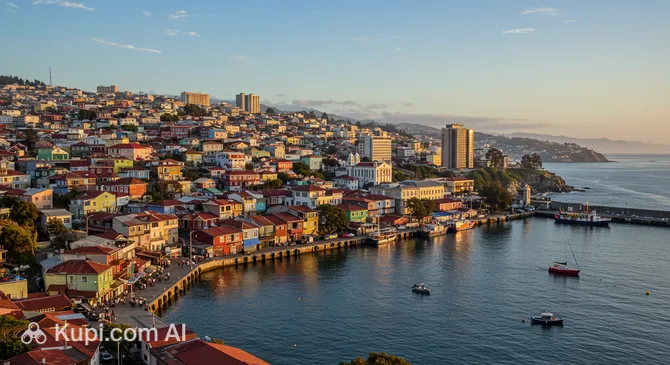
Valparaiso. Illustration.
Source: Kupi.com AI

The city is home to about 300,000 people, but thanks to its unique layout, it feels much larger and more multifaceted. The rich history of Valparaíso is permeated with the spirit of maritime adventure and cultural exchange, which is reflected in the eclectic architecture of the historical center, a UNESCO World Heritage site. Here, old mansions stand alongside modern street art, creating a unique visual style.

The city's main feature is its famous historic funiculars (ascensores), which serve not just as an attraction but as vital public transport connecting the lower part of the city with the residential hills. A must-visit is La Sebastiana, the house-museum of the great poet Pablo Neruda, which offers a magnificent panorama of the bay. A walk through the hills of Cerro Alegre and Cerro Concepción will give you plenty of impressions from colorful murals and cozy cafes.

Valparaíso is a place with a special bohemian energy that cannot be confused with any other city in the world. Come here to get lost in the labyrinths of colored streets, breathe in the salty sea air, and be inspired by the creative atmosphere of this amazing port.
Weather Overview

The climate of Valparaíso can be described as mild and comfortable, without extreme heat or severe cold, due to the influence of the ocean. The summer season, which lasts from December to February in the Southern Hemisphere, is the driest and warmest period. During this time, the average temperature stays around 16-17°C, with daytime highs reaching a maximum of 19.6°C. There is practically no precipitation in summer; the number of rainy days is zero.

Winter (June to August) brings cooler weather and more cloud cover. The average temperature in these months drops to 11-12°C, and nightly minimums can reach 8.2°C, as seen in July. This is also the wettest period of the year: the number of days with precipitation increases, peaking in June (about 7 days). Spring and autumn serve as mild transition seasons with comfortable temperatures ranging from 12°C to 16°C.

Expect a warm summer with no precipitation and cool winters with occasional rain. For more accurate wardrobe planning before your trip, we recommend checking the current weather in Valparaíso for the coming days.

Average monthly temperature

Average monthly precipitation

Interesting Facts

In addition to its main attractions, Valparaíso holds many fascinating secrets and historical firsts that are revealed only to the most curious travelers.

  • City of Pioneers. Valparaíso is rightfully considered the city of "firsts" in Chile. It was here that the country's first public library and first stock exchange opened, and the first telephone line appeared. Additionally, it is home to the world's oldest Spanish-language newspaper in continuous publication since 1827 — "El Mercurio de Valparaíso."

  • Volunteer Heroes. An amazing fact: there are no professional paid firefighters in this major port city. The Valparaíso Fire Corps, the oldest in South America (founded in 1851), consists of 100% volunteers. Local residents consider it an honor to serve in the brigade and even pay membership fees for the right to risk their lives to save the city.

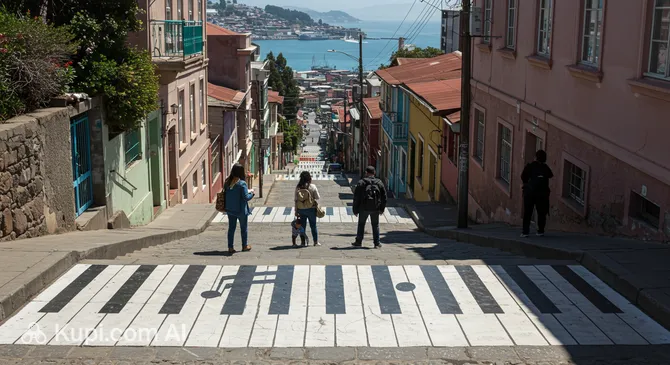
  • Music Under Your Feet. Street art here has taken over not only the walls of buildings but also the numerous staircases. One of the most creative is the Piano Staircase on Beethoven Street. Its steps are painted as piano keys, turning an ordinary climb up a hill into a small visual adventure.

  • Monument Trolleybuses. Valparaíso is the only city in Chile where trolleybuses still run. But the most surprising thing is that some of these vehicles, manufactured in the USA in the 1940s, are still in service. They have been declared national historical monuments, so a ride on them is equivalent to a tour in a living museum.

Piano Staircase. Illustration.
Source: Kupi.com AI

Traveler photos:

How to Get There

Valparaíso is one of the most visited cities in Chile, but due to its complex terrain and historical buildings, it does not have its own airport. Nevertheless, getting here is quite easy thanks to its proximity to the capital. You can explore all the ways to get to the city on a separate page, and below we will look at the main routes through the nearest transport hubs.

Since there is no airport in the city of Valparaíso itself, the main air gateway for tourists is Arturo Merino Benítez Airport (IATA: SCL), located in Santiago. This is the country's largest international hub, receiving flights from all over the world. It is located about 86 km from Valparaíso. The journey from the airport by rental car or taxi will take about 1.5 hours along the modern Route 68 highway. There are also direct bus services connecting the airport with the Valparaíso bus station.

Alternatively, especially for travelers combining a trip to Chile and Argentina, you can consider El Plumerillo Airport (IATA: MDZ). Please note that it is located in the city of Mendoza (Argentina), at a distance of about 265 km from Valparaíso. The route from there passes through the Andes mountain range and involves crossing an international border, which can take from 5 to 7 hours by bus or car, depending on weather conditions at the pass.

For convenience, here is a summary of the main airports:

AirportPassenger trafficDistance
Vina del Mar17 km
Arturo Merino Benitez Airport26.3 mln86 km
El Plumerillo International Airport2.3 mln265 km

There is currently no direct passenger rail link between Santiago and Valparaíso. The historic railroad is no longer used for long-distance transport. However, a suburban metro system (Merval) operates in the region, connecting Valparaíso with the neighboring cities of Viña del Mar, Quilpué, Villa Alemana, and Limache. If you arrive in one of these cities, you can easily reach the center of Valparaíso on a modern train while enjoying coastal views.

The most popular and affordable way to get to Valparaíso from other regions of Chile remains the bus. Buses from Santiago depart from the Alameda and Pajaritos terminals every 15–20 minutes. The journey is comfortable and takes about an hour and a half. The roads in this region are of excellent quality, so traveling by car is also hassle-free.

Main Attractions

Valparaíso is a city to be explored by climbing its steep staircases and historic elevators. Each attraction here reveals a new facet of this colorful port, from historic engineering marvels to bohemian corners that inspired poets and artists.

One of the most iconic locations is La Sebastiana — Pablo Neruda’s House Museum. This residence of the famous Chilean poet, located on Florida Hill, seems to float above the city. The house is filled with eccentric items collected by Neruda and features unusual architecture. Tourists come here not only to touch the life of the Nobel laureate but also for the stunning panoramic views of the bay from the huge windows of the writer's study.

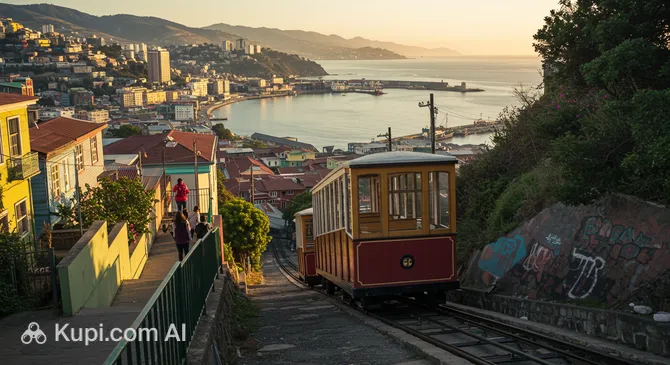
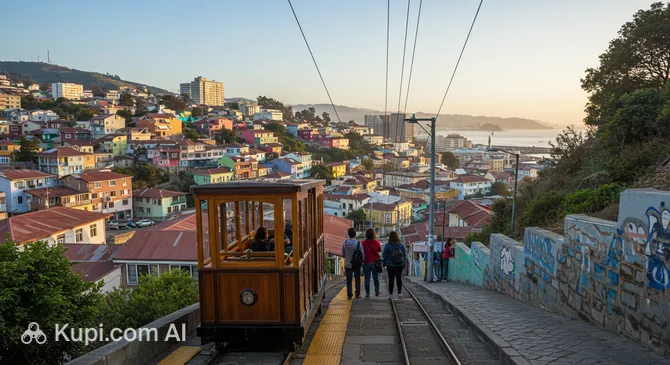
It is impossible to imagine this city without its famous "ascensores." The Reina Victoria Funicular, built in 1902, is not just transport but a true historical attraction. The steep and short climb leads to Cerro Alegre, dropping passengers off at a picturesque square. This place is especially loved by travelers for its atmospheric graffiti, street music, and proximity to trendy cafes.

Reina Victoria Funicular. Illustration.
Source: Kupi.com AI

Traveler photos:

If you are looking for the best view of the port and ships, head to the 21 de Mayo Promenade. This lookout point on Artillería Hill is considered a classic spot for photo shoots and a calling card of the city. It is always lively here: local artisans sell handmade souvenirs, and the wind carries the smell of the ocean. It is the perfect place to appreciate the scale of Valparaíso's amphitheater.

History buffs should take a ride on the city's oldest lift — the Concepción Funicular, opened back in 1883. It connects the business center with one of the most beautiful and well-kept areas — Cerro Concepción. Once at the top, you will find yourself on the Gervasoni Promenade, which offers a magnificent view of the urban architecture and the vast ocean.

Finally, art lovers should definitely see the Baburizza Palace. This Art Nouveau mansion, built for a Croatian businessman, is now home to the Museum of Fine Arts. The building impresses with its whimsical facade, carved wooden elements, and turrets, while the collection of paintings inside is considered one of the most significant in the region.

Local Cuisine

The culinary scene in Valparaíso is as colorful and eclectic as its architecture. The gastronomy of this port city is a vibrant mix of the freshest seafood, hearty peasant cuisine, and modern fusion trends brought by chefs opening their establishments on the scenic hills. Food here is not just about satisfying hunger, but a way to understand the soul of the city, where the traditions of sailors, immigrants, and bohemians blend together.

The main gastronomic symbol of the city, which every guest must try, is chorrillana. This dish, legend says, was invented right in Valparaíso for students and port workers; it consists of a huge mountain of french fries topped with fried meat, onions, and fried eggs. Portions are usually so large that they are ordered for two or three people to share. Another pride of the local cuisine is caldillo de congrio. This is a thick and rich conger eel soup that so delighted the poet Pablo Neruda that he dedicated an ode to it. Seafood lovers should also order machas a la parmesana — clams baked with Parmesan cheese and white wine.

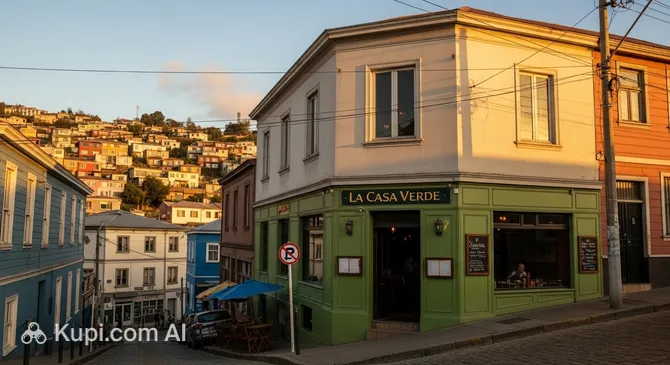
The dining culture in Valparaíso is clearly divided into two zones. In the lower part of the city ("El Plan") and in the market areas, such as Mercado Cardonal, you will find traditional eateries called "picadas." This is where the locals eat: it’s noisy, inexpensive, and very tasty. A different atmosphere reigns on the tourist hills of Cerro Alegre and Cerro Concepción. Here, you will find cozy cafes and restaurants with signature cuisine and panoramic terraces. For example, La Casa Verde restaurant offers guests exquisite dishes in an old mansion setting, preserving the coziness of a home hearth.

La Casa Verde. Illustration.
Source: Kupi.com AI

Traveler photos:

If you want a break from Chilean classics, the city offers excellent international options, as Valparaíso has historically been home to many immigrants. Lovers of Italian traditions should check out Giardino Malandrino. This place is famous for its cozy atmosphere and views that make dinner especially romantic.

As for drinks, the king of the table remains the Pisco Sour — a cocktail based on grape brandy, lemon juice, and whipped egg white. However, in Valparaíso, it is also worth trying a more "folk" drink — the terremoto (translated as "earthquake"). This is a sweet and treacherous mixture of white wine, pineapple ice cream, and grenadine syrup. To get acquainted with the city's bar culture, you can head to the legendary Tío Bar, where time seems to have stood still, and the atmosphere invites long conversations. For non-alcoholic drinks on a hot day, mote con huesillo — a compote of dried peaches with husked wheat — is perfectly refreshing.

Travel Tips

Valparaíso is a city with a special character and unique geography, so preparing for a trip here requires considering several important nuances. To make your acquaintance with this "jewel" of Chile as comfortable and safe as possible, we have compiled a list of practical recommendations.

  1. Clothing and Footwear for the Hills. The most important tip for this city: forget about heels and uncomfortable shoes. You will be walking a lot on steep staircases and cobblestones, so high-quality sneakers are your best choice. The weather here is changeable: it can be hot during the day, while a cool wind blows from the ocean in the evening. Dress in layers so you can easily adapt to temperature changes, and always have a windbreaker or sweater with you.
  2. Transport and Navigation. During the day, the ideal combination for moving around is walking combined with the historic funiculars (ascensores), which will save your strength when climbing the hills. In the lower part of the city (El Plan), be sure to take a ride on the historic trolleybuses. For trips late in the evening or with luggage, it is strongly recommended to use official taxi apps (such as Uber), as this is safer and more convenient than hailing a car on the street.
  3. Finance and Small Change. While most restaurants and hotels accept cards, cash pesos (especially small bills and coins) are vital in Valparaíso. You will need them to pay for funicular rides (cards are not accepted there), and for buying street food and souvenirs. Tips in restaurants are usually 10% of the bill and are often included as a "propina sugerida" (suggested tip) — you can choose to accept or decline.
  4. Health and Safety. Valparaíso is a large port city, so reasonable precautions should be taken here. The tourist hills (Cerro Alegre, Cerro Concepción) are safe and patrolled, but in the lower part of the city and near the port after sunset, it is better not to walk alone. Keep a close eye on your belongings in crowded places. Pharmacies (Farmacias) are easy to find throughout the city; large chains stay open late.
  5. Communication. The main language is Spanish, and the Chilean dialect is known for its fast speed and abundance of slang. English is understood in hotels and tourist cafes, but in small shops, it may not be helpful. We recommend learning basic phrases ("Hola," "Gracias," "Cuanto cuesta") and downloading an offline translator. SIM cards from local operators (Entel, Movistar, WOM) can be bought at pharmacies or kiosks; 4G coverage in the city is excellent.
  6. Local Etiquette. Chileans are friendly and welcoming people. When entering a shop or elevator, it is customary to say hello ("Hola" or "Buenas"). Life here flows at a more relaxed pace than in the capital, so don't rush the waiters — enjoy the moment.
  7. What to Avoid. Don't leave bags and backpacks unattended by hanging them on the back of a chair in street cafes — it's better to keep them on your lap or secure them. Also, avoid displaying expensive cameras and smartphones in non-tourist areas or deserted alleys to avoid attracting unnecessary attention.
  8. Attitude Toward Street Dogs. In Valparaíso, you will meet many large street dogs, which are called "kiltros" here. Don't be afraid of them: they are considered unofficial mascots of the city, and are usually very friendly, well-fed, and often "accompany" tourists on their walks. Locals take care of them, so mistreating the animals is considered poor form.

By following these simple tips, you can avoid minor troubles and fully immerse yourself in the bohemian atmosphere of Valparaíso. This city opens up to those who are ready to explore its tangled streets with an open heart and comfortable shoes!

Entertainment & Nightlife

The nightlife of Valparaíso is the legendary "bohemia porteña," a special atmosphere of freedom, creativity, and fun for which this port city is famous. As the sun sets, the steep streets and hills are transformed: lights come on, and the sounds of live music — from traditional cueca and Latin American rhythms to rock and jazz — drift from open doors. There is none of the pretentiousness of capital city clubs; instead, there is soulfulness, unique style, and incredible views of the night ocean.

The epicenter of nocturnal entertainment is the area around Aníbal Pinto Square and the famous Subida Ecuador. This is a magnet for students and young people: dozens of bars stand side by side here, offering inexpensive drinks and noisy parties that often spill out onto the street. If you are looking for a more respectable and quiet setting, you should climb the hills of Cerro Alegre and Cerro Concepción. Stylish gastrobars, wine cellars, and pubs with signature cocktails are concentrated here, where the crowd enjoys conversation and the city panorama.

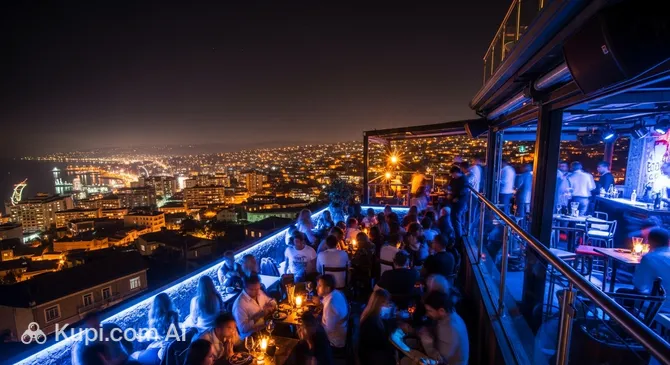
Terraza Bellavista. Illustration.
Source: Kupi.com AI

Traveler photos:

Among specific venues worth noting is Terraza Bellavista. This is a popular club where you can dance to modern rhythms and enjoy a great view from the open terrace. For lovers of unusual locations and maritime themes, Proa Bar is worth a visit. Thanks to its architecture, which resembles the bow of a ship, and its panoramic windows, it creates the feeling of a sea voyage while you sample local drinks. And for those who want to immerse themselves in the classic atmosphere of the old port, the doors of Tío Bar are open — a place with history and a special character.

Practical Tips and Safety:

The evening in Valparaíso starts late. Bars fill up closer to 10:00 PM, and clubs after midnight. The dress code in most places is casual and relaxed; the main thing is comfort. The average check here is lower than in Santiago, but prices vary depending on the area (hills are more expensive than Subida Ecuador).

The issue of safety at night requires special attention. The flat part of the city (El Plan) and the port area become deserted and unsafe for walking after shops close. It is recommended to move between the hills or return to your hotel at night exclusively by taxi or Uber. Avoid dark alleys and staircases away from tourist paths, even if the GPS shows a shortcut.

During the day, the city's entertainment program shifts toward culture. Travelers can visit numerous art galleries, theaters, or drop by the Valparaíso Cultural Park, which regularly hosts exhibitions, circus performances, and festivals that combine art and nature.

Parks & Museums

Valparaíso is a city where art is not limited to the walls of buildings but spills out onto the streets, turning entire neighborhoods into galleries. However, beyond the famous graffiti, there are magnificent park areas and classic museums that help provide a deeper understanding of the complex history and rich culture of this major Chilean port.

One of the most impressive examples of urban transformation is the Valparaíso Cultural Park (Parque Cultural de Valparaíso). Located on Cárcel Hill, this complex was created on the site of a former city prison. Today, it is a vibrant public space with green lawns, exhibition halls, and theatrical venues offering an unconventional view of the city. For a more traditional break in the lower part of the city (El Plan), Italy Park is ideal. This is a cozy square decorated with statues and ancient trees, where locals like to hide from the city bustle.

If you want to combine a walk with the sea breeze, it is worth visiting Las Torpederas Beach. Although the water is cool here, it is a popular natural area for picnics and walks along the ocean, located at the foot of Playa Ancha hill.

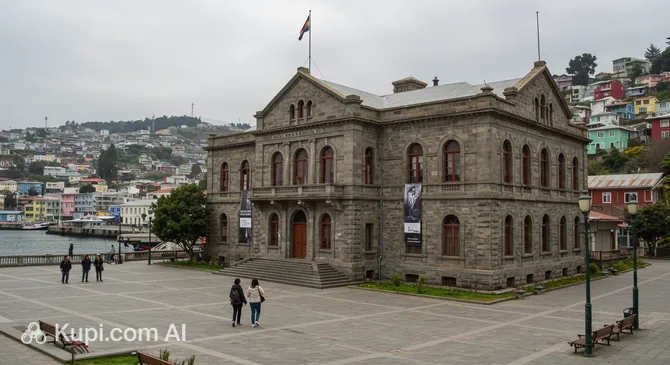
Immersing yourself in the history of the "Jewel of the Pacific" is impossible without a visit to the Maritime and Naval Museum. It is located in a majestic building on Artillería Hill and houses a rich collection dedicated to naval battles and heroes of the Chilean Navy. The exhibition includes ship models, navigation instruments, and personal belongings of sailors, and the building itself is an architectural landmark of the area.

Naval and Maritime Museum. Illustration.
Source: Kupi.com AI

Traveler photos:

A unique phenomenon that fully reflects the spirit of the city is the Open Air Museum (Museo a Cielo Abierto). This is not a building but a special route on Bellavista Hill, featuring 20 murals created by famous Latin American artists. This was one of the first initiatives in Chile to integrate high art into the urban environment. Fans of caricature and illustration will also enjoy the Mirador Lukas Museum, dedicated to the work of the famous artist Renzo Pecchenino (Lukas), who humorously depicted life in Valparaíso.

For those interested in the region's nature, the Valparaíso Museum of Natural History is open. It is located in the beautiful Palacio Lyon and offers modern interactive exhibits telling the story of the flora, fauna, and anthropology of central Chile.

Insider Tip: When visiting the Maritime Museum, be sure to go out onto its terrace. From there, you get perhaps the best panoramic view of the port and the working cranes, allowing you to appreciate the true scale of the city's maritime trade.

Getting Around

The transport system of Valparaíso is as unique as the city itself. Due to the complex terrain, a special network has formed here where modern trains coexist with historic engineering marvels. Moving around the city is not just a way to get from point A to point B, but an opportunity to immerse yourself in the local flavor.

The city's calling card is the famous funiculars, or "ascensores." These are ancient lifts that connect the flat part of the city (El Plan) with the residential areas on the hills. They work like inclined elevators and save tourists' energy, replacing the tiring climb up staircases. The fare is paid in cash right at the entrance to the turnstile or cashier. The cost is symbolic and varies depending on the specific lift, so always keep small coins with you.

In the lower, flat part of the city, the legendary trolleybuses run. Valparaíso is the only city in Chile where this mode of transport has been preserved. Local trolleybuses are a national monument: some vehicles, manufactured as far back as the mid-20th century, are still in service. A ride on them is a trip back in time. Tickets are purchased from the driver for cash; the price is fixed and very affordable.

For trips along the coast and to neighboring cities (such as Viña del Mar), the Valparaíso Metro (Merval) is ideal. This is a modern surface train, clean and fast. To pay for the fare, you will need a special Tarjeta Metroval card, which can be bought and topped up at ticket offices or machines at any station. Please note: cards from Santiago (Bip!) do not work here. The cost of the trip depends on the distance and time of day (more expensive during rush hours).

The most common, but sometimes chaotic, mode of transport is the city buses — "micros." They are brightly colored and race through the narrow streets at an enviable speed. Payment is made in cash to the driver upon entry. A more comfortable alternative to buses is the "colectivos." These are black sedans that operate like shared taxis along fixed routes indicated on a sign on the roof. They are faster than buses, only slightly more expensive, and stop at the passenger's request anywhere along the route.

Tourists also have access to standard taxi services and apps such as Uber or Cabify, which work great in the city and eliminate problems with the language barrier. If you plan to use public transport, the main advice is to always have cash (pesos) in small bills and coins with you, as bus drivers and funicular cashiers often cannot give change for large banknotes. Google Maps builds routes quite accurately, but for full confidence, it's better to check the direction with locals or the driver before boarding.

Accommodation

Accommodation in Valparaíso is not just a place to sleep, but part of the cultural experience. Unlike the neighboring resort city of Viña del Mar, which is dominated by large hotel chains and modern high-rises, Valparaíso offers tourists comfort and authenticity. Here, the basis of the hotel stock consists of small boutique hotels, stylish hostels, and apartments, often located in renovated 19th-century mansions with high ceilings, creaky wooden floors, and panoramic terraces.

Choosing the right neighborhood plays a key role in the quality of your stay. Most travelers prefer to stay on the famous tourist hills — Cerro Alegre and Cerro Concepción. These are the safest, most well-maintained, and atmospheric zones, protected by UNESCO. Staying here allows you to be in the center of the action: the best restaurants, galleries, and lookout points are nearby, and you can reach them from the center using historic elevators like the Concepción Funicular or the El Peral Funicular.

Concepción Funicular. Illustration.
Source: Kupi.com AI

Traveler photos:

For those looking for more budget-friendly options or planning a business trip, the flat part of the city — El Plan — is suitable. Inexpensive hotels and hostels are concentrated here, along with convenient transport hubs. However, keep in mind that at night this area is less picturesque and may not be as safe for walking as the tourist hills. Also popular is the Cerro Bellavista district, known for its Open Air Museum, where you can find accommodation with stunning views of the port.

Price Range and Booking:

  • Budget: Hostels in Valparaíso are famous for their friendly atmosphere. A bed in a dormitory room is inexpensive, and it's a great way to meet travelers from all over the world.
  • Mid-range and above: Boutique hotels in historical buildings offer European-level comfort at prices that are often lower than in the capital. Rooms with ocean views are more expensive, but the experience of morning coffee overlooking the bay is worth it.

It is recommended to book accommodation in advance, especially if your trip falls during the summer season (December to February). It is critical to take care of booking several months in advance if you plan to celebrate New Year here: the famous fireworks show in the bay attracts hundreds of thousands of tourists, and prices during this period skyrocket, while vacancies run out very quickly. For searching options, it is most convenient to use major international online platforms, as many local mini-hotels actively use them.

Nearby Cities

For those who want to explore the surrounding area, Valparaíso serves as an excellent starting point for day trips to several interesting nearby places:

Right next door is the famous resort of Viña del Mar, known as the "Garden City." It is the complete opposite of bohemian Valparaíso: here you will find well-kept parks, wide sandy beaches, modern buildings, and the famous Flower Clock. A trip here takes just a few minutes by metro or bus, allowing you to change scenery and enjoy a relaxed resort atmosphere.

If you want to go deeper into the continental part of the region and enjoy a warmer and drier climate, it is worth visiting Quilpué, which locals call the "City of the Sun." This cozy place is great for families, and it also features a popular zoo. For an introduction to the region's agricultural traditions, you can head to the city of Quillota, surrounded by fertile valleys where famous Chilean avocados and cherimoyas are grown.

CityPopulationDistance
Viña del Mar332 8757 km
Placilla de Peñuelas39 3449 km
Concon32 27314 km
Quilpué147 99116 km
Villa Alemana125 14022 km

These nearby destinations provide a glimpse into the diverse culture and landscapes of the region.

Shopping & Souvenirs

General Overview: Shopping in Valparaíso is significantly different from the polished luxury of Santiago. Here you won't find endless rows of high-end boutiques; instead, the city is famous for its bohemian atmosphere, antiques, and unique designer pieces. It is an ideal place for those looking for original handmade souvenirs, vintage finds, and artworks created by local masters inspired by the colorful port streets.

Main Shopping Areas: The city is clearly divided into two shopping zones. In the lower, flat part ("El Plan"), especially along Avenida Pedro Montt and Calle Condell, everyday life is in full swing: department stores, bookstores, and clothing shops are located here. However, for something truly unique, it is worth climbing the hills of Cerro Alegre and Cerro Concepción. The narrow streets of these districts are dotted with small independent boutiques, art galleries, and showrooms selling designer jewelry, clothing, and decor.

Shopping Centers: While Valparaíso is more about street trade, there are also modern malls for comfortable shopping. One of the best known is the Paseo Ross Shopping Center. It is housed in a historic building and offers a good selection of electronics and clothing stores, as well as a food court. Another popular complex is the Paseo del Puerto Shopping Center, which is located near the port and is convenient for those who want to combine shopping with a walk along the waterfront.

Paseo Ross Mall. Illustration.
Source: Kupi.com AI

Traveler photos:

Markets and Souvenirs: If you are looking for authentic gifts, definitely head to the 21 de Mayo Promenade. Along this lookout point, rows of artisans set up stalls selling everything from magnets to warm sweaters. Antique markets are also popular in the city, where you can find old nautical instruments or books.

What to Bring Back: From Valparaíso, it is worth bringing back items made of lapis lazuli — a semi-precious stone of a deep blue color mined in the Andes. Look for jewelry made of silver and copper, as well as warm items made of alpaca wool. Art lovers often buy small paintings or prints by local artists depicting the city's recognizable multi-colored houses.

Opening Hours and Payment: Large shopping centers are usually open from 10:00 AM to 9:00 PM every day. Small boutiques and shops on the hills may operate on individual schedules, often closing around 7:00 PM–8:00 PM and taking a siesta break during the day. Many small shops are closed on Sunday. Cards are accepted almost everywhere, but for purchases at street markets and in small souvenir shops, it is better to have cash pesos with you.

Tax Free: The VAT refund system (Tax Free) for goods in Chile is not as developed as in Europe, and you are unlikely to be able to use it in ordinary city shops in Valparaíso. The main benefits for tourists concern hotel accommodation (exemption from 19% VAT when paying in dollars), so when shopping, focus on the prices shown on the price tags.

Nearby cities

Reached the end of the page?

That means the route is fully explored