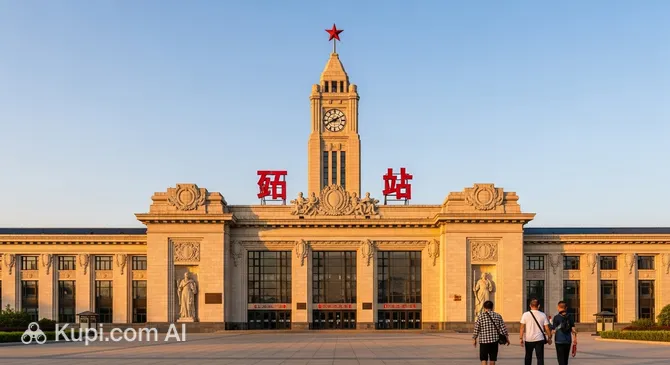
Hengyang Railway Station is one of the key transport hubs in Hunan Province, playing a vital role in the railway network of South China. The station serves both high-speed and regular trains, connecting the city with the country's major metropolises, including Beijing and Guangzhou. The station building combines functionality with modern amenities, ensuring a comfortable wait for thousands of passengers daily. Travelling through Hengyang opens access to the scenic spots of the region.
It is important for passengers to know that the station has clear zoning. To enter, you will need to pass through a security check and present your ticket along with your passport. Navigation inside the building is often duplicated in English, which simplifies orientation. Platforms are arranged sequentially, and transfers between them are made via underground tunnels or overhead bridges.
Contact Information
Official website: 12306.cn (unified portal for China Railways)
Information hotline: +86 12306 (knowledge of Chinese is required)
Address: Zhuhui District, Hengyang, Hunan, China
Opening hours: 24/7, though ticket counters may have technical breaks
Luggage storage: available in the waiting hall, cost depends on luggage size
Accessibility: ramps and elevators are available for passengers with reduced mobility
How to Get There
Reaching Hengyang Station is possible via several convenient methods. The most popular option is city buses, with routes covering most districts of the city and stopping at the station square. A trip from the city centre by bus will take about 30–40 minutes depending on traffic.
For those who value comfort, taxis are available. Drivers usually use a meter, but it is recommended to have your destination address written in Chinese characters. The journey from central hotels will take approximately 20 minutes. If you are in the Zhuhui District, you can walk there in 15–20 minutes by following the signs.
Services and Amenities
A wide range of services is provided within the station premises. Passengers can make use of spacious waiting halls, which feature seating and access to free hot water dispensers — a traditional feature of Chinese railway stations. Tickets can be purchased both at classic counters and via self-service terminals (some require a Chinese ID).
For the convenience of travellers, clean restrooms and luggage storage facilities are available. In some zones, free Wi-Fi is accessible, although a Chinese phone number may be required to connect. Special zones and elevators are also provided for passengers with disabilities.
Where to Eat
Hungry passengers won't have to go far. Inside the building and on the station square, there are fast-food outlets, including famous chains and local eateries serving Hunan-style noodles. This is an excellent option for a quick and filling meal before your journey.
For coffee lovers, there are small kiosks and shops where beverages and snacks can be purchased. Many convenience stores operate 24/7, which is convenient for night transfers. The average bill for lunch is quite reasonable, amounting to about 20–40 yuan. We recommend trying local spicy dishes if time permits.
Station History
The history of Hengyang Railway Station is inextricably linked with the development of the Beijing-Guangzhou transport line. Being one of the oldest hubs in the region, it has come a long way from a small station to a major modern terminal. A significant stage was a large-scale reconstruction, which allowed for a substantial increase in capacity.
Today, the station plays a key role in the city's economy, ensuring the connection of Hunan Province with other regions of China. The architectural appearance of the building has changed over the years, reflecting the trends of the time, but its functional significance as the "city gateway" remains unchanged.
Travel Tips
Arrive at the station at least 60 minutes before your train departs. This time is necessary to pass through security controls and document checks, which can be quite thorough in China. Be sure to keep your passport and ticket (or electronic booking) with you.
Pay close attention to the information screens: boarding ends 5 minutes before departure. If you have heavy luggage, use the elevators or escalators. For night waits, it is better to choose secure zones inside the waiting hall. Be prepared for the fact that staff may not speak English, so it is useful to have a translation app on your phone.