Support

Gate of China, Nanjing

Nearby attractions

About

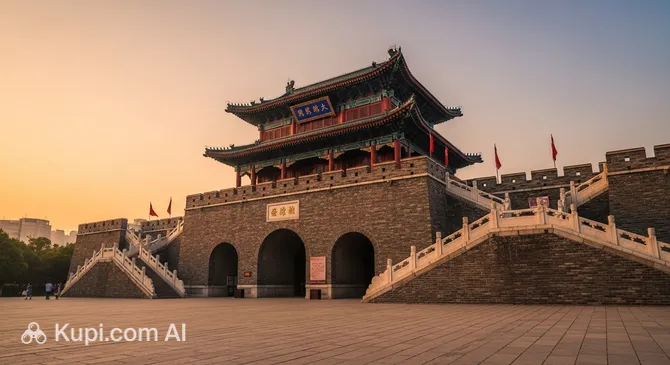
On the southern edge of the historical center that graces Nanjing sits one of the most impressive defensive structures in the world. Zhonghua Gate, or the Gate of China, is a unique fortification complex and part of the ancient city wall system that China is so proud of. It is not just an entrance to the city, but a true labyrinth of stone and brick, covering an area of about 15,000 square meters.
\n\n
Zhonghua Gate
Zhonghua Gate. Иллюстрация. Источник: Kupi.com AI
\n\n

The architectural complexity of the gate is stunning: it was designed according to the ingenious principle of "catching a turtle in a jar." The structure consists of four rows of gates and three inner courtyards, which in the event of an attack would turn into a deadly trap for the enemy. Hidden within the massive walls are 27 secret rooms, capable of accommodating up to 3,000 soldiers at once, ready for a sudden counterattack.

\n\n

The materials used in construction deserve special attention. Every brick here holds a story: they are engraved with the names of the craftsmen and the counties responsible for the quality of production. They are held together by a special mortar based on rice gluten, which provided the building with incredible durability, allowing it to stand for over 600 years in nearly pristine condition.

Contacts

If you need to clarify any visit details or ask the administration a question, you can use the official contact information provided. The landmark is located in the historic Qinhuai district.

\n\n
How to contactContact
Address2Q7J+3P2, Zhong Hua Lu, Qin Huai Qu, Nan Jing Shi, Jiang Su Sheng, Китай, 210004
Phone+86 25 8662 5435

What to Do

The main highlight that draws travelers here is the opportunity to climb the massive walls, which stand 12 meters high. The upper tiers offer a breathtaking panorama of the tiled roofs of the old quarters and modern skyscrapers in the distance. While strolling along the wide paved paths where messengers once galloped, you can examine the ancient engravings on the bricks in detail, indicating their origin.

\n\n

Be sure to look into the famous "hidden soldier caves." These vaulted inner chambers, which served as barracks and warehouses, allow you to experience the stern atmosphere of the military past. A museum is also located inside the gate, featuring models of the fortifications and archaeological finds that help visitors understand the complex design of this defensive mechanism.

\n\n

For photography enthusiasts, Zhonghua Gate offers an endless number of striking angles: from the long suites of arched passages to the majestic red walls, which look especially beautiful in the rays of the setting sun. A visit to the gate should be combined with a long walk along the city wall itself to fully appreciate the grand scale of ancient Nanjing.

Getting There

Reaching this grand defensive structure is quite simple, as it is located in the southern part of the central Qinhuai district. The fastest and most convenient way is by Nanjing Metro. You should take Line 1 and get off at Zhonghuamen station, from which the gate is within walking distance or a short bus ride away.

\n\n

If you prefer the comfort of a taxi, the trip from the main railway station will take about 20–30 minutes, depending on traffic. Numerous city buses also run in this direction, with stops located in the immediate vicinity of the fortress entrance.

\n\n

For those already nearby, walking along the preserved sections of the city wall is an excellent option. This allows you not only to reach your destination but also to fully appreciate the scale of the ancient fortifications. Parking is available for those arriving by car, though public transport is recommended on weekends to avoid traffic jams.

Ближайший город: Nanjing

History & Facts

The history of this site dates back to the 14th century, when the founder of the Ming Dynasty, Emperor Hongwu, decided to transform his city into an impregnable fortress. The construction of the massive city wall took place between 1360 and 1386. The gate, originally named Jubaomen, became the most magnificent of the thirteen entrances to the city, embodying the advanced military technology of the era.

\n\n

The monument received its current majestic name—Zhonghua Gate (or the Gate of China)—only in 1931. During this period, Nanjing once again became the capital of the republic, and the renaming emphasized the gate's symbolic significance as the main ceremonial entrance to the heart of the country.

\n\n

Remarkably, the structure has remained virtually unchanged for over 600 years. The only exceptions are the wooden towers on the upper levels, which were destroyed several times during historical upheavals. Today, this site is recognized as a national cultural heritage site, serving as a rare and priceless example of medieval fortification art.

Time Needed

To leisurely explore all three levels of the fortifications, peek into the secret rooms, and take commemorative photos, most tourists need about 1 to 2 hours. This time is quite sufficient to view the museum's interior exhibits and walk along the wide crest of the wall.

\n\n

If you plan to continue your walk along the city wall toward other districts, you should budget extra time. The scale of the structure is impressive, and the panoramic views of the old and new city often cause travelers to stay longer than originally planned.

Working Hours

Visiting this architectural complex is possible for tourists throughout the year. Typically, the site is open for tours during daylight hours, allowing visitors to fully enjoy the views from the walls and examine the details of the masonry in natural light.

\n\n

Since the exact operating schedule may change depending on the season or ongoing restoration work, it is highly recommended to check for up-to-date information on the official website or via contact numbers before your trip. Please note that ticket offices usually stop selling tickets 30–40 minutes before the grounds close.

Nearby

Exploring the surrounding southern part of the city will help you dive deeper into the local atmosphere and find entertainment for every taste. After inspecting the stern fortress walls, it is worth visiting the nearby parks and entertainment centers, which perfectly complement a cultural itinerary.

\n\n
NameDistance
Zhanyuan Garden1 km
Dr. Sun Yat-sen's Mausoleum8.7 km

Reached the end of the page?

That means the route is fully explored