Support

Buga

About

Buga is a true Colombian gem, nestled in the picturesque Cauca River valley in the heart of the Valle del Cauca department. This charming city, located in western Colombia, attracts visitors with its authentic atmosphere, rich history, and a unique blend of spirituality and natural beauty. Surrounded by green hills and fertile plains where sugarcane and coffee are grown, Buga offers guests a chance to immerse themselves in the slow pace of genuine South American life.
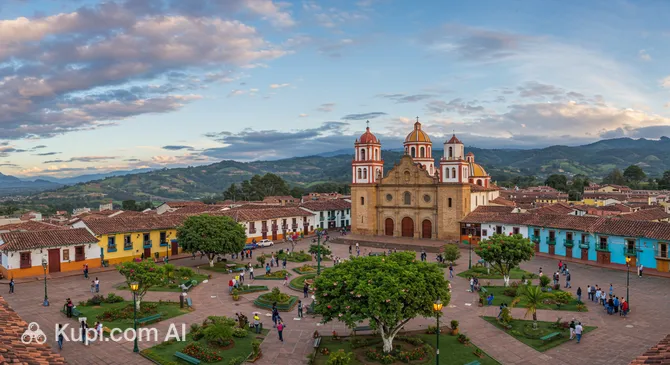
Buga. Illustration.
Source: Kupi.com AI

With a population of about 117,000 people, Buga maintains the charm of a small but lively city. Thanks to its favorable geographical position, it enjoys a pleasant mild climate, making it comfortable for walking and exploration at any time of year. The city plays an important role in the region not only as an agricultural hub but also as a significant cultural and religious center.

The main jewel of Buga, known far beyond the country's borders, is the Basilica of the Lord of Miracles (Basílica del Señor de los Milagros). This pilgrimage site attracts thousands of believers from all over Latin America every year. Beyond this shrine, the city charms with its colonial architecture, the cozy streets of its historical center, and the opportunity to explore scenic surroundings full of exotic flora and fauna.

Buga is a city where you'll want to linger: enjoy a cup of aromatic local coffee in one of the squares, stroll through shaded alleys breathing in the scents of blooming gardens, and experience the sincere hospitality of the locals. It is a wonderful place for those seeking authentic experiences and wishing to discover Colombia through its cultural and spiritual heritage.

You can find more interesting facts on the Buga city history page.

Weather Overview

Buga experiences very stable and warm weather year-round. The average monthly temperature fluctuates within a narrow range from 18.5°C to 19.2°C. Daily maximum temperatures are typically between 21.6°C and 22.6°C, while nightly minimum temperatures range from 15.1°C to 16.0°C. Precipitation is distributed fairly evenly throughout the year, with monthly amounts ranging from 17 mm to 30 mm, and almost every day of the month sees some rain. As such, you can expect warm weather with frequent but usually not overly heavy rain throughout your stay.

For more detailed information about weather conditions, including forecasts and historical data, you can visit the Buga Climate page.

Average monthly temperature

Average monthly precipitation

Interesting Facts

Beyond its famous shrines, Buga hides many surprising stories and features that not all travelers know about. This Colombian city is ready to surprise you with more than just its main basilica.

  • One of Colombia's oldest cities: Buga was founded back in the 16th century, and its historical center still preserves the charm of the colonial era with narrow cobbled streets and beautifully preserved old houses, transporting you back several centuries.

  • The Miraculous Legend of the Basilica: The city's main shrine, the Basilica of the Lord of Miracles (Basílica del Señor de los Milagros), is shrouded in a legend about a miraculous statue of Christ. It is said to have been found by an indigenous woman in the river and grew over time. Many healings are attributed to it, and thousands of pilgrims come here every year seeking miracles and comfort.

  • A Bird Paradise Nearby: Right next to Buga lies the Laguna el Sonso Nature Reserve. This is a true Eden for birdwatchers and nature lovers, where you can see rare bird species and enjoy the peaceful landscapes of mangroves and water lilies.

  • Center for Crafts and Festivals: Buga is known not only for its religious significance but also as a venue for vibrant cultural and musical festivals. Furthermore, the city is famous for its skilled artisans who create unique wood and ceramic products, which make excellent souvenirs.

How to Get There

You can reach the city of Buga, located in the picturesque Cauca Valley, in various ways, though most travelers choose a combined route: a flight to the nearest major city followed by a transfer by car or bus. You can find out more details on how to get to Buga by exploring all available route options.

Buga itself does not have its own airport, but thanks to its favorable location, it is easily accessible from several major transport hubs in the country. The most convenient and closest option is Alfonso Bonilla Aragón Airport (CLO). It serves the city of Cali but is actually located in Palmira, just 40 km from Buga. This is a major international hub receiving flights from many countries and cities across Colombia. A taxi or bus ride from here takes about 45–60 minutes, making it an ideal arrival point.

An alternative option is El Edén Airport (AXM), located in the city of Armenia, about 86 km from Buga. This is a regional airport with lower passenger traffic, but it may be convenient if you are traveling from other parts of the "Coffee Triangle." Travel time from here is about 1.5–2 hours by road.

You can also consider Matecaña International Airport (PEI) in the city of Pereira, which is about 119 km away. This is a modern and busy airport offering many connections. The road to Buga will take approximately 2–2.5 hours, but the scenic views along the way will brighten the trip.

For convenience, here is a summary of the main airports:

AirportPassenger trafficDistance
Alfonso B. Aragon Airport6.7 mln40 km
El Eden Airport780 00086 km
Matecana International Airport2.8 mln119 km
Ibague Airport160 000143 km
Benito Salas Airport383 886153 km

Regarding rail transport, there is currently no regular passenger service to Buga, as is the case in many other regions of the country. The main land method of reaching the city is via highways. Buga is located on the Pan-American Highway, providing excellent connections to Bogota, Medellin, and Cali. Intercity buses are a reliable and budget-friendly option, arriving regularly at the city terminal (Terminal de Transportes de Buga) from all corners of the country.

Main Attractions

Buga, nestled in the Valle del Cauca department, attracts travelers not only with its local flavor but also with its significant shrines and historical sites. This city in Colombia offers a unique blend of spirituality, history, and beautiful architecture, making it an interesting stop on any travel itinerary.

The main highlight of Buga is undoubtedly the Basilica of the Lord of Miracles (Basílica del Señor de los Milagros). This majestic structure is one of the most important pilgrimage centers not only in Colombia but in all of Latin America. Thousands of believers and tourists visit throughout the year to see the miraculous image of Christ and experience the special atmosphere of this holy place. The basilica's impressive architecture, its history, and its rich interior decoration leave no one indifferent.

Not far from the famous basilica is another important religious and historical building—the Old Cathedral of Saint Peter the Apostle (Antigua Catedral de San Pedro Apóstol). This cathedral, built in a characteristic colonial style, served as the city's main temple until the Basilica of Miracles was constructed. A visit to the cathedral allows you to touch the earlier pages of Buga's history and appreciate its architectural restraint and charm, which contrasts with the later and more ornate basilica.

Among Buga's other points of interest is the Liberty Bridge (Puente de la Libertad). This historic bridge over the Guadalajara River is not only an engineering feat of its time but also one of the city's symbols. A walk to the bridge and its surroundings allows you to enjoy scenic views and take beautiful photos to remember your visit to Buga.

Local Cuisine

The gastronomy of Buga is a vibrant reflection of Colombia's rich culinary traditions, offering travelers a true immersion into the flavors of the Valle del Cauca region. Here, hearty meat dishes, fresh bounty from rivers and farms, and aromatic pastries await, capable of surprising even the most discerning gourmet.

Be sure to try "sudado"—a thick and aromatic stew made of meat (usually beef or chicken) with vegetables, which is perfectly warming and satisfying. An essential part of any meal is the "arepa"—a corn pancake served with almost any dish, whether it's fresh river fish, chicken, or beef dishes generously seasoned with local spices. On the streets and in small cafes, you'll be tempted by "empanadas"—delicious fried pastries with various fillings, most often meat or potatoes.

Among drinks, freshly squeezed exotic fruit juices are especially popular, providing a boost of energy and vitamins. And, of course, you cannot imagine Colombia without its famous coffee—in Buga, it is brewed with special care, revealing every facet of its flavor. Those with a sweet tooth will appreciate desserts based on cane sugar and can try local cheeses, which perfectly complement the gastronomic experience.

Locals and tourists often prefer to eat in small family-run restaurants serving authentic dishes, or snack at bustling street markets and cafes where you can quickly and tastily try traditional snacks. The city's gastronomic life becomes particularly lively during holidays and festivals. During these days, numerous stalls with homemade food appear in the squares, and local chefs compete in the art of preparing traditional dishes, creating a unique atmosphere of celebration and hospitality.

Travel Tips

Welcome to Buga! To make your trip to this charming Colombian city as comfortable and memorable as possible, we have prepared some practical tips. They will help you find your way around and avoid potential difficulties.

  1. Clothing and Essentials:

    Buga is located in the Valle del Cauca, where a warm and humid climate prevails year-round. Bring light, breathable clothing made of natural fabrics like cotton or linen. Don't forget comfortable shoes for walking around the city and visiting the famous Basilica of the Miraculous Jesus. For visits to the Basilica (Basílica del Señor de los Milagros) and other religious sites, choose modest clothing that covers your shoulders and knees. Short tropical showers are possible, so a light raincoat or umbrella may come in handy. Sunscreen, a hat, and insect repellent will also be useful. Electrical outlets in Colombia are types A and B (American standard), voltage is 110V, so you might need an adapter.

  2. City Transport:

    Getting around Buga is quite simple. The main forms of public transport are buses (busetas) and shared taxis (colectivos) that run along the main streets. Taxis are also widely available and relatively inexpensive; it is recommended to use official services or call a car through your hotel reception. Always clarify the fare in advance or ensure the meter is turned on. Renting a car for getting around the city itself is usually unnecessary as Buga is compact, but it can be convenient if you plan to explore the surrounding area.

  3. Finances: Currency, Cards, and Tipping:

    The local currency is the Colombian Peso (COP). You can exchange money at banks or official exchange offices (casas de cambio); avoid street money changers. Credit and debit cards (Visa, Mastercard) are accepted in many hotels, restaurants, and large shops. However, always carry some cash for small expenses, markets, or public transport fares. ATMs (cajeros automáticos) are common enough, but it's safer to use those located inside bank branches. Tipping in restaurants is usually 10% and is often already included in the bill as a "propina voluntaria" (voluntary tip); tipping in taxis is not mandatory, but you can round up the fare.

  4. Health and Safety:

    Pharmacies (droguerías or farmacias) are easy to find in the city, and some may operate 24 hours. Be sure to get travel medical insurance before your trip. Buga is considered a relatively safe city, especially in the areas around the Basilica and in the center. However, as with any travel, follow basic precautions: watch your belongings, do not display expensive jewelry or electronics, and avoid walking in poorly lit and deserted places after dark. It is recommended to drink bottled water.

  5. Communication and Internet:

    The official language in Colombia is Spanish. English proficiency among the local population may be low, especially outside tourist zones. Learn a few basic phrases in Spanish, such as "Hola" (Hello), "Gracias" (Thank you), "Por favor" (Please), and "¿Cuánto cuesta?" (How much does it cost?). This will significantly ease communication. A local SIM card with internet access can be purchased at mobile operator stores (e.g., Claro, Movistar, Tigo) or at large supermarkets. Wi-Fi is available in most hotels, cafes, and some public places.

  6. Local Etiquette and Interaction:

    Colombians are very friendly and hospitable. It is customary to say hello and goodbye, even to strangers in small shops or elevators ("Buenos días" – Good morning/day, "Buenas tardes" – Good afternoon/evening). A handshake is the standard form of greeting. When addressing strangers or elders, use the respectful "usted" (You). Overall, politeness and a smile will help you connect with the locals.

  7. What to Avoid:

    First, do not photograph people without their prior permission, especially children. This can be perceived as disrespectful. Second, try to avoid discussing sensitive topics such as internal politics or conflict history unless a local person initiates the conversation.

  8. Special Tip for Buga:

    The main gem of Buga is the Basilica of the Miraculous Jesus (Basílica del Señor de los Milagros), one of the most revered pilgrimage sites in Colombia. Try to visit it not just to see the architecture but also to feel the special atmosphere of the place. Keep in mind that it can be very crowded on weekends and religious holidays. Check the mass schedule and potential special events in advance—it can make your visit even more impressive.

We hope these tips make your stay in Buga pleasant and worry-free. Enjoy the unique atmosphere of this city, its history, and the hospitality of its residents!

Entertainment & Nightlife

When the sun sets over Buga, the city transforms, offering guests and residents various options for evening relaxation. While Buga is better known for its religious and historical heritage, you can also find cozy spots here to unwind after a busy day and soak up the local atmosphere.

Main evening activity is usually concentrated in the central part of the city, especially near the main squares and lively streets. Here you can find bars and restaurants where both locals and tourists gather. Don't expect vast "nightlife districts" like in major metropolises, but cozy establishments are scattered throughout the center.

The choice of evening leisure in Buga is quite diverse, though not comparable to the nightlife of large cities. To immerse yourself in the local flavor, it's worth visiting an authentic fonda—a traditional Colombian bar where you can enjoy local drinks to the sounds of popular music like salsa or vallenato. For those who want to dance, the city has discotheques; for example, venues like Keops Disco Club or other similar local dance floors offer high-energy Latin American rhythms. If you prefer a quieter setting for conversation with friends, look for cozy cafe-bars. Some of them, such as La Central Bar Buga, offer a wide selection of drinks and light snacks. It's important to remember that the night scene in smaller cities can change, so it's best to get current recommendations from locals or your hotel staff. Additionally, you can find other bars in the center, ranging from traditional to more modern styles. Nightclubs here are generally small and focused on creating a lively and energetic atmosphere with Latin music.

You can also spend the evening in one of the many restaurants, some of which offer live music or special evening programs. This is a great opportunity to try local cuisine in a pleasant setting. Night markets are not a typical feature in Buga; evening entertainment is more concentrated around dining establishments and dance floors.

The atmosphere in evening Buga is quite relaxed and friendly. The crowd is mostly local, which adds authenticity to your experience. The dress code is usually casual unless it's a special event. Bars and restaurants start coming to life toward the evening, while clubs and salsotecas fill up later, often after 10:00 PM or 11:00 PM, and stay open until late at night, especially on weekends.

Prices in Buga's establishments are generally moderate, making evening leisure affordable. To get to your destination in the evening, taking a taxi is the most convenient and safe way to travel after dark. It is recommended to use official taxi services or call a car through trusted apps. The central areas of the city are considered relatively safe for evening walks, but you should always follow standard precautions, especially in less-lit areas and when traveling alone.

During the day, Buga offers other types of entertainment. Visitors can see its famous historical and religious landmarks, explore the colonial architecture of the historic center, stroll through city parks, or learn about the local culture. While the city lacks large amusement parks or major theaters, its charm lies in its authenticity and calm atmosphere, perfect for leisurely walks and discoveries.

Parks & Museums

Buga, a well-known religious and cultural center of Colombia, offers its guests not only a spiritual pilgrimage but also pleasant opportunities for outdoor recreation and exploring its rich heritage. The city harmoniously combines well-kept green areas with interesting museums and historical monuments, allowing every traveler to find something to their liking.

One of the main places for walking and relaxation in Buga is Parque José María Cabal. This traditional central park, located in the heart of the city, often serves as a meeting point, a venue for events, and simply a pleasant place to spend time in the shade of the trees. It is surrounded by important administrative and historical buildings, making it a starting point for getting to know Buga. Another popular green area where you can enjoy nature is the Guadalajara River embankment. This is a great place for leisurely strolls, especially in the evening when the daytime heat subsides and locals come out to breathe the fresh air.

The main cultural and religious landmark of Buga is undoubtedly the Basilica of the Lord of Miracles (Basílica del Señor de los Milagros). It is not only a pilgrimage site of world importance but also an outstanding architectural monument that strikes visitors with its grandeur and beauty. While it is primarily an active church, it may house a museum dedicated to the history of the basilica and the famous relic, where numerous votive offerings are kept and stories of miracles associated with this holy place are told. For those interested in local culture and art, it is worth looking for the Municipal House of Culture (Casa de la Cultura). Such institutions often host exhibitions by local artists, historical displays, and cultural events that provide insight into life in the Valle del Cauca region.

In addition to the famous Basilica, Buga's historical center has preserved its colonial-era charm. Walking through its streets, you can see old houses with traditional architecture, carved balconies, and cozy courtyards. Take note of the Old Cathedral of Buga (Antigua Catedral de Buga), also known as the Church of Saint Peter (Iglesia de San Pedro Apóstol). This cathedral is another important historical and architectural monument of the city, bearing witness to its rich past.

For a more authentic experience, stop by the Buga local market. Here you can not only feel the true flavor of Colombian life but also try fresh exotic fruits and local delicacies. Also, don't miss the chance to visit smaller chapels and churches in the city and its surroundings—they may hide their own little stories and a unique, peaceful atmosphere far from the main tourist routes.

Getting Around

Getting around Buga is fairly simple, thanks to several main types of public transport. The backbone of the city's transport system consists of buses (often called "busetas"—small buses) and shared taxis ("colectivos"). These types of transport cover most areas of the city and are the most popular way to get around for both locals and tourists. There is no metro, tram, or trolleybus in Buga, which is typical for cities of this size.

The fare payment system in Buga is quite straightforward. Generally, payment is made in cash directly to the driver or conductor when entering the bus or shared taxi. Specialized travel cards or complex mobile apps for fare payment are less common here. The fare is usually low, making public transport an affordable option. It is recommended to have small bills and coins for convenience.

For tourists, there are a few practical points to know. Tickets as such are not usually sold in advance—you simply pay for the ride upon boarding. Buses and "colectivos" run along specific routes, which may be indicated on the windshield or announced by the driver or an assistant. Public transport hours generally cover early morning until evening, but frequency may decrease in the late hours and on weekends. To stop a bus, simply signal with your hand at a stop or an authorized location.

In addition to public transport, other ways of getting around are available in Buga. Taxis are a common and relatively inexpensive option, especially convenient for trips with luggage or at night. They can be hailed on the street or ordered by phone. In some areas, you may find motorcycle taxis or bicycle rickshaws ("bicitaxis") offering quick trips over short distances. Bicycle rental or car-sharing options in Buga are limited, but the historic city center is quite walkable, allowing you to enjoy its atmosphere.

Accommodation

When planning a trip to Buga, you will find a variety of accommodation options to suit different preferences and budgets. The city offers a choice from economical hostels and guesthouses for budget-conscious travelers to comfortable mid-range hotels. Apartments and houses for rent are also available for those seeking more privacy or traveling with a family.

When choosing where to stay in Buga, it's worth considering areas located near major attractions, such as the Basilica of the Lord of Miracles, or with easy access to transport hubs. The central part of the city is often a popular choice due to its proximity to historical sites, restaurants, and shops. Staying in these areas will allow you to explore the city easily on foot.

The price range for accommodation in Buga varies: you can find both budget options and hotels with a higher level of service. To ensure the best selection and prices, especially during peak tourist season or during major local festivals, it is recommended to book your accommodation in advance. The most common booking methods are popular online platforms and, in some cases, contacting the hotel directly.

Nearby Cities

For those looking to explore the surrounding area, Buga serves as an excellent starting point for day trips to several interesting nearby locations:

CityPopulationDistance
Yotoco16 26310 km
San Pedro18 12814 km
Guacarí35 66215 km
Ginebra21 81519 km
Darien16 05420 km

Among these cities, Cali particularly stands out as the recognized world capital of salsa, where you can immerse yourself in infectious rhythms and visit numerous dance schools and clubs. No less interesting is Palmira, an important agricultural center known for its beautiful Cathedral of Our Lady of the Rosary of Palmar and opportunities for agrotourism. It is also worth visiting Tuluá, a lively commercial city with pleasant parks like Bolivar Park and the Juan María Céspedes Botanical Garden, which offers an introduction to local flora.

These nearby destinations provide an insight into the diverse culture and landscapes of the Valle del Cauca region.

Shopping & Souvenirs

Shopping in Buga offers tourists the chance to purchase both traditional Colombian goods and unique local items. The city, known for its religious significance, is particularly famous for souvenirs and items related to the Basilica of the Miraculous Lord of Buga. Here you can find a variety of shops, from small stalls to more modern retail outlets.

The main shopping areas in Buga are concentrated in the city center, especially on the streets adjacent to the main square and the Basilica. Here you will find many shops offering clothing, shoes, jewelry, and, of course, religious items. A walk through these lively streets can be an interesting experience in itself.

In Buga, you may encounter small shopping centers known as "centros comerciales," which offer a more concentrated selection of shops under one roof. While they may not be as large-scale as those in major metropolises, you can find shops of well-known local brands, food courts, and sometimes entertainment zones.

An integral part of shopping in any Colombian city is the markets. In Buga, as in many Colombian towns, you can find a central market (mercado municipal) where fresh fruits, vegetables, local delicacies, as well as handicrafts and souvenirs are sold at more affordable prices. It's a great place to feel the local flavor and practice your bargaining skills.

From Buga, it is worth bringing back religious souvenirs, such as small icons, medallions, rosaries, and images of the Miraculous Lord. Additionally, popular Colombian souvenirs include leather goods, textiles (such as ruanas or hammocks), high-quality coffee, emeralds (though these are best purchased in specialized stores with certificates), and sweets like "arequipe" (similar to boiled condensed milk) or "bocadillo" (guava paste).

Shops in Buga usually operate from Monday to Saturday, from approximately 9:00-10:00 AM to 6:00-7:00 PM, often with a lunch break (siesta). Some shops, especially in tourist areas, may also be open on Sunday, particularly in the morning. Common payment methods are cash (Colombian pesos), especially in markets and small shops. Credit and debit cards are accepted in most shopping centers and larger stores.

Tourists making purchases in Colombia may be eligible for a VAT (IVA) refund. Usually, this requires making a purchase of a certain amount in shops participating in the Tax Free program and properly completing the documents when leaving the country. It is recommended to check details and conditions directly in the shops or at the airport before departure.

Reached the end of the page?

That means the route is fully explored