Support

Natural History Museum University of Cauca

About

The Natural History Museum of the University of Cauca is one of the most significant scientific and educational institutions in Colombia, dedicated to the preservation and study of the region's incredible biodiversity. Founded in 1936, it serves not only as an exhibition space but also as a vital research center, housing unique collections of flora, fauna, and minerals.
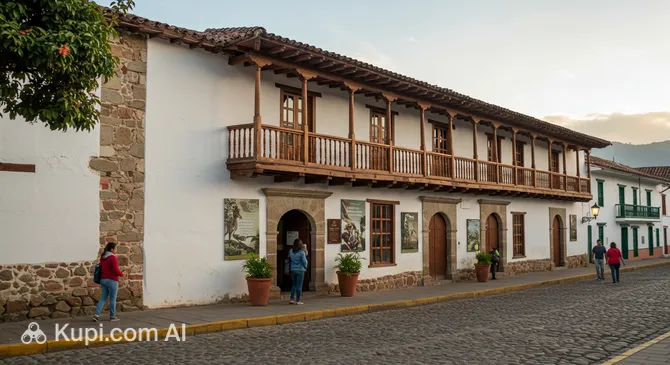
Natural History Museum of the University of Cauca
Natural History Museum of the University of Cauca. Иллюстрация. Источник: Kupi.com AI

Located in the picturesque city of Popayán, the museum invites visitors to dive into the world of nature through seven themed rooms. It features exhibits on geology, paleontology, oceanography, and entomology. A special highlight is the Ornithology Hall, widely considered one of the most comprehensive in South America—within its walls, you can see numerous bird species, including the majestic Andean condor.

Besides zoological rarities, the museum preserves a valuable herbarium and archaeological artifacts that highlight the deep connection between nature and the culture of the Cauca department. This destination will appeal to both professional scientists and tourists wishing to see the richness of Colombian nature, presented with exceptional attention to detail and taxidermy quality.

Contacts

To get the latest information on special exhibitions or to pre-book group tours, you can contact the museum administration directly.

How to contactContact
AddressCra. 2 #1a-25, Popayán, Cauca, Колумбия
Phone+57 602 8209800

What to Do

The main highlight of visiting this museum is the guided tours led by senior students from the University of Cauca's Faculty of Biology. Their lively storytelling and deep knowledge transform a standard tour into a captivating educational journey for both adults and children.

In the museum halls, you can take a close look at the collection of birds and mammals, explore the fascinating world of insects, and see rare mineral and gemstone specimens. Be sure to check out the oceanography exhibit and the archaeology hall, where finds telling the ancient history of the region are displayed. The high quality of the taxidermy allows for a "face-to-face" encounter with the inhabitants of Colombia’s forests and mountains.

For those interested in science on a deeper level, the museum offers the chance to study materials from the "Novedades Colombianas" scientific journal or request access to research collections. Don't forget to bring your camera—photography is allowed in the museum, so you can capture images of the South American continent's most exotic residents.

Getting There

The museum is located on the campus of the University of Cauca in the Urbanización Caldas district. Thanks to its central location, it is easily accessible from the historic center of Popayán on foot or by taxi—the trip takes about 10–15 minutes.

If you are arriving from Guillermo León Valencia Airport (PPN) or the city's main bus terminal, it is most convenient to use official taxi services or mobile apps like Uber or InDriver. The distance is approximately 5–7 km.

For those who prefer public transport, city buses going to the Universidad del Cauca stop are suitable. Look for signs pointing to the campus in the Caldas area. When planning a trip by car, keep in mind that the streets in this part of the city can be narrow, but parking spots can usually be found near the university territory.

Ближайший город: Popayán

History & Facts

The history of this scientific institution began in 1936, thanks to the initiative of the prominent Colombian scientist Federico Carlos Lehmann Valencia. A native of Popayán, he was not only a talented ornithologist and biologist but also a passionate conservationist who played a hand in creating many scientific institutes in Colombia.

From its very first days, the museum was envisioned as a research center, rather than just an exhibition space. Over decades of work, a vast number of type specimens have been collected here, which still attract scientists from Germany, Hungary, Brazil, the USA, and Mexico today. The museum has become an important link between the global scientific community and the unique ecosystem of southwestern Colombia.

Special historical attention is given to biodiversity conservation. The museum's collections reflect not only the natural changes in the region but also the history of human interaction with the environment, including artifacts from pre-Hispanic cultures found in the Cauca department. Today, the museum continues its founder's mission, publishing the "Novedades Colombianas" scientific journal and popularizing natural sciences among the youth.

Time Needed

For a standard tour of the museum's exhibits, most visitors need between 1 and 2 hours. This is enough time to leisurely walk through all seven themed rooms and listen to the guides' main commentary.

If you are passionate about ornithology or wish to study the geological specimens in detail, your visit may last longer. The museum is quite compact, but the density of interesting exhibits per square meter is very high, so nature lovers should set aside a bit more time for careful study.

Working Hours

The museum welcomes visitors from Monday to Saturday. The established schedule includes a midday break: from 09:00 to 12:00 and from 14:00 to 16:00. The museum is closed on Sundays.

Please note that for group visits, it is recommended to schedule your visit in advance via the university's official website or by phone to ensure a guide is available.

DayWorking hours
понедельник09:00–12:00, 14:00–16:00
вторник09:00–12:00, 14:00–16:00
среда09:00–12:00, 14:00–16:00
четверг09:00–12:00, 14:00–16:00
пятница09:00–12:00, 14:00–16:00
суббота09:00–12:00, 14:00–16:00
воскресеньеЗакрыто

Nearby

A visit to the Natural History Museum can easily be combined with a walk through the city's iconic landmarks. The surrounding area is rich in historical monuments and viewpoints that let you soak in the atmosphere of the "white city."

NameDistance
El Morro de Tulcán0.2 km
El Pueblito Patojo0.2 km
MoraCastilla0.3 km
Rincón Payanés0.3 km
Monk Coffee0.4 km
Casa Caldas Museum0.4 km
Hermitage of Jesus of Nazareth0.4 km

Reached the end of the page?

That means the route is fully explored