Support

Providencia

About

Providencia, often referred to as "Old Providence," is a breathtaking Caribbean treasure that offers a stark contrast to the bustling pace of modern life. Known for its pristine beauty and the mesmerizing "Sea of Seven Colors" that surrounds it, this mountainous island is a haven for travelers seeking tranquility and authentic nature. Although it is located closer to the coast of Central America, it is a proud part of Colombia, forming part of the Archipelago of San Andrés, Providencia, and Santa Catalina.

With a population of approximately 5,000 inhabitants, the island maintains an intimate and close-knit atmosphere. Unlike its flatter neighbor San Andrés, Providencia is volcanic and rugged, covered in lush tropical vegetation that cascades down to white sandy beaches. The climate is typically tropical, offering warm, sunny days perfect for exploration, while the local Raizal culture adds a unique layer of charm with its distinct English-Creole heritage.
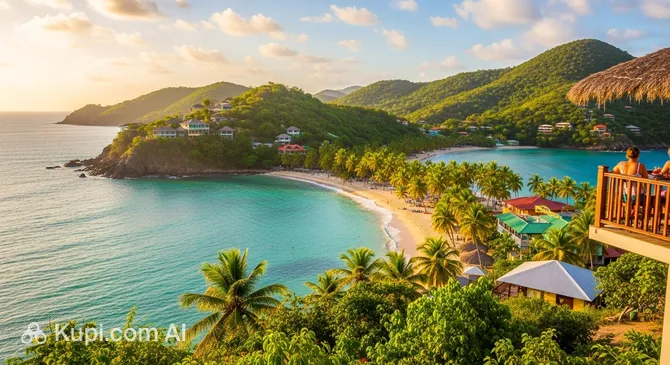
Providencia. Source: Kupi.Binoculars

The history of Providencia is as captivating as its landscape, filled with tales of English Puritans and legendary pirates like Henry Morgan, whose legacy is still felt today. Exploring the island reveals a rich cultural tapestry where traditions have been preserved for centuries, creating a welcoming environment that feels like stepping back in time to a simpler, more peaceful Caribbean era.

Visitors are drawn to the island's spectacular natural attractions. The McBean Lagoon National Natural Park is a highlight, protecting a significant portion of the second-largest coral reef in the Caribbean, making it a world-class destination for scuba diving and snorkeling. A trip to Crab Cay (Cayo Cangrejo) offers unforgettable views and crystal-clear waters, while hiking to The Peak, the island's highest point, rewards adventurers with a 360-degree panorama of the lush hills and the vibrant sea below.

Whether you are crossing the colorful Lover's Lane floating bridge to the smaller island of Santa Catalina or simply relaxing on the shores of Manzanillo Beach, Providencia promises an unforgettable escape. It is the perfect destination for eco-tourists and anyone looking to disconnect from the world and reconnect with nature in one of the most preserved corners of the Caribbean.

Weather Overview

Providencia enjoys a warm, tropical climate that makes it an inviting destination throughout the year. The temperatures are remarkably consistent, generally staying between 26°C and 28°C, which allows for comfortable beach days and outdoor exploration at almost any time. For a more detailed breakdown of what to expect during your specific travel dates, you can check the weather in Providencia page.

The island experiences two main variations in its climate patterns regarding rainfall. The drier period typically runs from January through April, with April seeing the fewest wet days (around 10) and minimal precipitation. During these months, the average temperature hovers around 26°C to 27°C. This is often considered an ideal time for visitors who prefer clearer skies for snorkeling and hiking.

From May onwards, the frequency of rain increases. October is typically the wettest month, recording precipitation on approximately 28 days, though the showers are often passing tropical bursts rather than all-day events. September is generally the warmest month, with average temperatures reaching 27.8°C and highs up to 28.6°C. Overall, you can expect consistent warmth year-round with higher chances of rain from May through December.

Interesting Facts

Beyond the main attractions, Providencia holds many fascinating secrets and unique traditions that define its distinct identity. This island is not just about scenic beauty; it is a place where nature and local customs intertwine in surprising ways.
  • The Black Crab Migration is a remarkable ecological event that typically occurs between April and June. During this time, thousands of black land crabs descend from the dry forest mountains to the sea to spawn. The phenomenon is so significant that local authorities and even the military often close roads or halt traffic to ensure the crabs cross safely, prioritizing nature over vehicles.

  • Morgan’s Head is a distinctive rock formation located on the coast of the neighboring Santa Catalina island, visible from the water. It naturally resembles a human profile and is named after the infamous pirate Henry Morgan. According to local lore, this stone sentinel guards the location of some of the buccaneer's hidden treasures, which are rumored to remain buried nearby.

  • Horse racing on the beach is a beloved traditional sport on the island, particularly at Manzanillo Beach. Unlike formal racetracks, these races take place directly on the sand, with local jockeys competing in a festive atmosphere. It is a raw and exciting display of the island's equestrian culture, often accompanied by music and local food.

  • A ban on large resorts sets Providencia apart from many other Caribbean destinations. To preserve the environment and the local Raizal economy, strict laws prohibit the construction of massive all-inclusive hotels or international chains. Accommodations are almost exclusively small, family-run posadas, ensuring an authentic experience that directly supports the community.

How to Get There

Reaching this secluded Caribbean gem typically requires a connection through the neighboring island of San Andrés, as there are no direct international flights landing immediately on Providencia. This two-step journey adds to the island's exclusive and peaceful charm. For a complete breakdown of routes and travel tips, you can read more about how to get to Providencia.

The main entry point for the archipelago is Gustavo Rojas Pinilla Airport (IATA: ADZ), located in the city of San Andres. This airport serves as a major hub with high passenger traffic, connecting the islands to mainland Colombia and international destinations. It is situated approximately 93 km from Providencia. Since this airport is on a separate island, travelers arriving here must transfer to a connecting flight or a catamaran service to reach their final destination.

Flights from San Andrés land directly at Providencia (IATA: PVA), also known as El Embrujo Airport. This small regional airport is conveniently located just 2.4 km from the center of the island. It handles a moderate amount of traffic, primarily consisting of small aircraft. Once you arrive, the journey to the main town or your accommodation is quick; a taxi or bus ride typically takes about 25 minutes.

For clarity, here is a summary of the main airports:

Airport Name City Passenger Traffic Km from City
Gustavo Rojas Pinilla Airport San Andres Large 92.8
Providencia Providencia Small 2.4

As an island destination, Providencia is not accessible by train. The only alternative to flying from San Andrés is taking a catamaran ferry. The boat trip offers a scenic route across the Caribbean Sea, though travel times can vary depending on sea conditions. Visitors should check local schedules in advance, as services may be limited depending on the season.

Main Attractions

Providencia is a destination defined by its pristine nature and rich history, offering visitors a chance to explore one of the most preserved environments in the Caribbean. The island's main attractions revolve around its spectacular marine life, volcanic landscapes, and the intriguing legacy of pirates and settlers.

Cayo Cangrejo (Crab Cay) is perhaps the most iconic landmark in the archipelago. Located within the protected waters of the national park, this small rocky outcrop is surrounded by crystal-clear, shallow waters perfect for snorkeling. Visitors can swim alongside sea turtles and vibrant reef fish in what feels like a natural aquarium. A short but steep climb to the top of the cay rewards travelers with a stunning view of the "Sea of Seven Colors," showcasing the incredible gradient of blues that surrounds the island.

For hiking enthusiasts, The Peak offers the ultimate terrestrial adventure. As the highest point on the island, reaching the summit involves a trek through tropical dry forest, where you might spot local wildlife such as lizards, orchids, and various bird species. The hike is moderately challenging but culminates in a breathtaking 360-degree panorama of Providencia and the vast barrier reef, providing a perspective that truly captures the island's isolation and beauty.

A visit to Santa Catalina Island is like stepping back in time. Connected to Providencia by the famous wooden floating bridge known as "Lover's Lane," this smaller island is car-free and peaceful. The main draw here is the historical trail leading to Fort Warwick. Here, you can explore the ruins of old fortifications and cannons used centuries ago to defend against invaders. The path also offers excellent views of Morgan's Head, a rock formation that resembles a human profile and is steeped in pirate legends.

McBean Lagoon National Natural Park is the ecological heart of the region and a UNESCO Seaflower Biosphere Reserve site. This protected area encompasses extensive mangrove forests and part of the third-largest barrier reef in the world. A boat tour through the lagoon allows visitors to glide through mystical mangrove tunnels and appreciate the vibrant turquoise waters. It is an essential stop for eco-tourists wishing to understand the diverse marine ecosystems that thrive in this corner of the Caribbean.

Local Cuisine

The gastronomic experience in Providencia is a vibrant reflection of its Raizal culture, blending Caribbean flavors with English and African influences. The island's cuisine is defined by its freshness, relying heavily on the daily catch from the sea and locally grown crops. Coconut is the heart and soul of the local kitchen, finding its way into savory stews, rice dishes, and even sweets, giving the food a distinctively rich and tropical aroma.

The undisputed signature dish of the island is Rondón (often spelled "Run Down"). This hearty casserole is a must-try for any visitor. It is typically prepared in a large pot with fish fillet, snail, pork tail, yams, cassava, plantain, and flour dumplings, all slow-cooked in a seasoned coconut milk base. It is more than just a meal; it is a communal tradition often shared among families and friends, representing the melting pot of the island's history.

Another culinary highlight is the famous Black Crab, which is considered a delicacy and holds an official denomination of origin. During the season, you can enjoy it in various forms, such as rich crab soup, crab patties (empanadas), or simply the claws sautéed in garlic and butter. For a classic beachside lunch, order a whole fried Red Snapper (Pargo Rojo), traditionally served with aromatic coconut rice, fried green plantains (patacones), and a side of breadfruit.

When it comes to drinks, the island offers refreshing options to beat the heat. The most popular alcoholic beverage is the Coco Loco, a potent cocktail made with a mix of rums and coconut cream, often served directly inside a coconut. For non-alcoholic alternatives, fresh fruit juices are abundant, with tamarind, soursop (guanábana), and plum being local favorites. Drinking cold coconut water straight from the nut is also a daily ritual for many.

The food culture in Providencia is unpretentious and incredibly relaxed. You won't find large commercial chains here; instead, dining usually takes place in small, family-run restaurants or open-air beach kiosks known as "kioskos." Areas like South West Bay and Manzanillo Beach are perfect spots to enjoy a meal with your feet in the sand, listening to reggae music while waiting for your food to be prepared fresh from scratch.

Travel Tips

Visiting Providencia is about embracing a slower, more authentic Caribbean rhythm that differs significantly from the mainland or even nearby San Andrés. To help you settle into island life smoothly and make the most of your time in this Biosphere Reserve, here are some essential practical tips for your journey.

  1. Clothing and Gear: Pack lightweight, breathable fabrics suitable for a tropical climate. Since the sun is strong, a hat and sunglasses are essential. Crucially, bring reef-safe sunscreen to protect the delicate marine ecosystem while snorkeling. You will also need sturdy sandals or comfortable sneakers if you plan to hike up to The Peak or explore the rocky coastlines.
  2. Transportation: There is no public metro or extensive bus system here. The best way to get around is by renting a golf cart (locally known as a "mule") or a scooter. This gives you the freedom to circle the island at your own pace. Taxis are available (usually pickup trucks), but renting your own vehicle is the standard choice for visitors.
  3. Finances: The local currency is the Colombian Peso (COP). Cash is absolute king on Providencia. While some larger hotels and restaurants accept credit cards, terminals often fail due to poor connectivity. There is typically only one reliable ATM on the island (located in the main town, Santa Isabel), and it frequently runs out of money. Strongly advise bringing sufficient cash with you from San Andrés or the mainland.
  4. Health and Safety: Providencia is a very safe destination with low crime rates, but general common sense applies. The main health concern is usually the sun and insects; bring effective mosquito repellent. There is a local hospital and a few drugstores in Santa Isabel (Town), but they are not open 24/7. Always drink bottled water, as tap water is not potable.
  5. Communication: The local Raizal people speak Creole (an English-based dialect) and standard Spanish. Unlike much of mainland Colombia, English is widely spoken and understood here, making communication easy for international travelers. Wi-Fi is often slow or intermittent; buying a local SIM card (Claro or Tigo often have the best coverage) can help, but expect to be partially disconnected.
  6. Local Etiquette: Islanders are incredibly friendly and polite. It is customary to greet people with a "Good morning" or "Good afternoon" when entering a shop or passing someone on the road. Embrace "Island Time"; service in restaurants can be slower than what you are used to, so relax and enjoy the view rather than rushing the staff.
  7. What to Avoid: Do not touch, stand on, or take souvenirs from the coral reefs. The ecosystem is fragile and protected. Also, avoid wearing camouflage clothing, as it is restricted for use by the military in Colombia and can cause unnecessary confusion.
  8. Additional Tip: Be mindful of resource usage. Fresh water is a precious commodity on the island, especially during the dry season. Keep your showers short and reuse towels to help support sustainable tourism efforts in this remote paradise.

By arriving with plenty of cash, a relaxed attitude, and respect for the local environment, you will find Providencia to be a welcoming haven. Disconnect from the digital world and let the gentle waves and friendly smiles guide your unforgettable stay.

Entertainment & Nightlife

Nightlife in Providencia is a world away from the neon lights and thumping bass of big-city clubs. Instead of exclusive venues with strict dress codes, you will find a relaxed, authentic Caribbean atmosphere where the sand is your dance floor and the dress code rarely requires more than flip-flops and a smile. The island's evening entertainment is centered around open-air beach bars, spontaneous bonfires, and the rhythmic beats of reggae, calypso, and soca music that fill the tropical air.

The heartbeat of the island's nightlife is undoubtedly South West Bay (Bahía Suroeste). This area features a cluster of beachfront restaurants and bars that transition seamlessly from sunset dinner spots to lively evening hangouts. Here, travelers and locals mix freely, sharing stories over cold beers or cocktails. Another key location is Manzanillo Beach, which, while quieter during the weekdays, often hosts the island's most spirited parties on weekends.

You cannot talk about nightlife in Providencia without mentioning Roland's Roots Bar on Manzanillo Beach. It is an institution on the island, famous for its massive bonfire, live reggae music, and powerful "Coco Loco" cocktails. The vibe is incredibly welcoming, often feeling more like a large family gathering than a commercial bar. In South West Bay, places like Richards Place offer a chilled atmosphere where you can enjoy fresh seafood and drinks right by the water's edge, often accompanied by local musicians playing traditional island tunes.

For practical advice, timing is everything. The nightlife here starts relatively early, often kicking off right after sunset around 7:00 PM, and winds down earlier than in major cities, usually by 1:00 AM or 2:00 AM. Prices are generally affordable, though imported spirits can be pricier. Cash is absolutely essential; very few beach bars accept credit cards, and the island's connectivity issues make digital payments unreliable. Always carry enough Colombian Pesos for your night out.

Getting around at night requires some planning. The roads are safe but can be very dark and winding. If you have rented a golf cart (mule), be extremely cautious driving at night, or better yet, designate a driver who hasn't been drinking. Taxis are available but not always patrolling; it is best to ask the bartender or restaurant staff to call one for you when you are ready to leave. The island is safe for night walks in populated areas like South West Bay, but avoid unlit, isolated stretches of road.

Regarding daytime entertainment, do not expect shopping malls, movie theaters, or amusement parks. Providencia's "entertainment centers" are its natural wonders. The closest thing to a daytime venue is the nature itself—the coral reefs serve as the aquarium, and the hiking trails replace the promenade. Cultural entertainment can be found in small impromptu gatherings or local festivals, but the island intentionally lacks large-scale artificial attractions to preserve its tranquility.

Parks & Museums

Providencia is essentially an open-air museum where history is etched into the architecture and nature acts as the grandest gallery. While the island does not boast large, formal institutions, its cultural heritage is lovingly preserved in small community venues and historical landmarks, while its "parks" are the pristine beaches and lush forests that remain largely untouched by modern development.

The Museum of History and Antiquities (Museo de Historia y Antigüedades) is the cultural heart of the island for those wishing to understand the Raizal identity. Located in the capital, Santa Isabel (often referred to simply as "Town"), this venue is dedicated to preserving the archipelago's unique history. Inside, visitors can explore a collection that includes ancient maps, navigation instruments, and traditional household items that tell the story of the island's English and Creole past. It offers a fascinating glimpse into the daily lives of the ancestors who settled this remote territory.

For a deep dive into the island's living history, the First Baptist Church in the neighborhood of The Hill serves as a significant cultural landmark. Established in the mid-19th century, it is the oldest church on the island and stands as a testament to the English Puritan influence. While not a museum in the traditional sense, the building itself is a historical archive, and attending a service here offers a moving experience of traditional gospel music and community spirit that has remained unchanged for generations.

In terms of natural areas, Almond Bay is a secluded treasure that feels like a private park. Tucked away from the main road and accessible via a paved path, this small beach is surrounded by dense tropical vegetation and features calm, shallow waters. The lack of crowds and the natural shade provided by almond trees make it an ideal spot for a quiet picnic or a relaxing afternoon immersed in nature.

While the McBean Lagoon is the primary national park, the Mangrove Boardwalk within the reserve offers a distinct "park-like" experience for pedestrians. This elevated wooden walkway winds through the dense Red Mangrove forest, allowing visitors to observe the complex root systems and diverse birdlife up close without disturbing the ecosystem. It is a serene, educational walk that highlights the vital role these forests play in protecting the coastline.

Architecturally, the entire town of Santa Isabel and the village of Bottom House serve as galleries of vernacular architecture. As you walk through these areas, observe the brightly painted wooden houses raised on stilts, a style adapted to the tropical climate and Caribbean aesthetic. These structures are not just homes but historical artifacts that reflect the island's adaptation to its environment over centuries.

For an insider experience, seek out the viewpoint at The Hill near the Baptist Church. It is not a formal park, but this high ground offers one of the most spectacular, sweeping vistas of the island and the seven-colored sea, often rivaling the more famous Peak hike but with much less physical effort.

Getting Around

Public transport in Providencia is refreshingly simple and largely informal, reflecting the island's relaxed pace and small population. Visitors should not expect a conventional urban transit network; there are no subways, trams, trains, or large public bus fleets operating on fixed schedules. Instead, the "system" is a mix of private rentals, informal taxis, and water vessels that allow you to navigate the single main road, the Circunvalar, which loops around the entire island.

The most common and practical way for tourists to get around is by renting a vehicle. The iconic mode of transport here is the golf cart, locally referred to as a "Mule." These sturdy, open-air buggies are perfect for the leisurely speeds permitted on the island and allow you to take in the scenery as you drive. For solo travelers or couples comfortable on two wheels, scooters and motorbikes are also widely available for rent. These rentals effectively replace the need for a public bus system, giving you the freedom to stop at beaches and viewpoints whenever you please.

For those who prefer not to drive, taxis are the primary alternative. However, these are not the standard yellow sedans found in cities; they are typically pickup trucks or SUVs capable of handling the island's topography. You can flag them down on the main road, but they do not cruise constantly. It is often more reliable to ask your hotel or restaurant host to call a driver for you. There is also an informal network of moto-taxis (motorcycle taxis), which are a faster and cheaper option for short trips, though they are less suited for carrying luggage.

The payment system is exclusively cash-based. There are no travel cards, tap-to-pay terminals, or mobile transport apps like Uber or Lyft operating on the island. You must pay the driver directly in the local currency (Pesos) at the end of your ride. Prices for taxi rides are generally fixed based on zones or destinations rather than metered. It is highly advisable to confirm the fare with the driver before getting into the vehicle to avoid any confusion upon arrival.

Since Providencia is an island, water transport plays a crucial role. Small boats, known as lanchas, act as water taxis, ferrying passengers to nearby attractions like Crab Cay or secluded beaches that are difficult to reach by land. These are typically hired from the main town or arranged through accommodation providers. Additionally, the neighboring island of Santa Catalina is connected to Providencia by a pedestrian-only wooden bridge, meaning all exploration there must be done on foot.

A few practical tips will ensure a smooth experience: always carry small denominations of cash, as drivers may not have change for large bills. If you choose to rent a Mule or scooter, be aware that gas stations are limited and close early in the evening, so keep your tank topped up. Finally, remember that transport availability drops significantly after dark; if you plan to stay out late for dinner or drinks, arrange your return ride in advance to ensure you aren't left waiting on a quiet road.

Accommodation

Accommodation in Providencia is refreshingly different from the typical Caribbean resort experience. You will not find towering high-rises or sprawling all-inclusive chains here. Instead, the island specializes in small, intimate lodgings that blend seamlessly with the environment. The most authentic option is the Posada Nativa, a network of family-run guesthouses where visitors can experience the local Raizal hospitality firsthand. For those seeking more comfort, there are several boutique hotels and eco-lodges that offer modern amenities while maintaining a rustic, laid-back charm.

When choosing where to stay, location plays a key role in your experience. Freshwater Bay (Bahía Agua Dulce) is widely considered the tourist hub of the island. It is the most convenient area, hosting the highest concentration of hotels, restaurants, supermarkets, and dive shops, making it an excellent base for first-time visitors who want easy access to services without needing to drive far.

For travelers looking for a quieter atmosphere right on the sand, South West Bay is a top choice. This area is famous for its long stretch of beach and relaxed vibe, perfect for watching sunsets and enjoying fresh seafood dinners nearby. Alternatively, the neighboring island of Santa Catalina offers a secluded escape; staying here feels like a retreat within a retreat, though it requires crossing the footbridge to access the main island's transport and amenities.

Regarding costs and booking, prices in Providencia tend to be slightly higher than on the Colombian mainland due to its remote location and the cost of transporting goods. The range typically spans from budget-friendly rooms in local homes to higher-end boutique suites. While major online booking platforms work for the larger hotels, many smaller posadas rely on direct communication via email or messaging apps to secure reservations.

A crucial tip for planning your stay is to book well in advance, especially if you plan to visit during the peak seasons of December, January, or Easter Week. The island has a limited number of beds, and the best accommodations fill up months ahead of time. Additionally, confirm payment methods before arrival; while some hotels accept online transfers or credit cards, many smaller establishments still prefer cash.

Nearby Cities

Given the island's remote location in the Caribbean, the definition of a "nearby city" differs significantly from the mainland experience. The most immediate and accessible destination is Santa Catalina. Connected to Providencia by the colorful "Lover's Lane" floating bridge, this smaller sister island is completely car-free. It offers a charming village atmosphere, historical ruins like Fort Warwick, and secluded walking paths that are perfect for a relaxed day of exploration on foot.

For a more bustling experience, the neighboring island of San Andres is the closest urban hub. Located approximately 93 km away, it presents a stark contrast to the tranquility of Providencia. Visitors can take a short flight or a catamaran ride to enjoy extensive duty-free shopping, vibrant nightlife, and the famous Johnny Cay Regional Park. It serves as a lively counterpart to the peaceful nature of Providencia, offering a chance to experience the more commercial side of the archipelago.

Other major cities are located on the Colombian mainland, emphasizing the island's seclusion. The table below lists the closest cities by distance, illustrating the separation between the archipelago and the continental coast:

City Population Distance (km)
San Andres 71946 93
Cartagena 1036412 720
Turbaco 115000 730
Turbana 72168 730
Arjona 75615 741

Shopping & Souvenirs

Shopping in Providencia is a reflection of the island's overall atmosphere: relaxed, unpretentious, and small-scale. Unlike the neighboring island of San Andrés, which is famous for its bustling duty-free commerce, Providencia does not offer large commercial centers, luxury boutiques, or extensive electronics stores. Instead, the shopping experience here is focused on essential goods, local handicrafts, and authentic souvenirs that support the community. Visitors should come prepared to find basic necessities rather than high-end fashion, making the experience more about discovering local culture than retail therapy.

The primary commercial hub of the island is Santa Isabel, commonly referred to by locals simply as "Town." Located at the northern end of the island, this is where you will find the main supermarkets, hardware stores, drugstores, and the island's bank. It is the best place to stock up on groceries, toiletries, and other practical supplies. Another area with a few shops is Freshwater Bay (Bahía Agua Dulce), which caters more to tourists. Here, you can find small boutiques selling swimwear, beach gear, and gifts, alongside the area's hotels and restaurants.

It is important to manage expectations regarding shopping malls: there are absolutely none on Providencia. The island has strictly limited large-scale development to preserve its environment and culture. Travelers looking for a traditional mall experience with food courts and international brand franchises will need to do their shopping on the mainland or in San Andrés before arriving. The retail landscape here consists exclusively of small, independent, family-owned businesses.

While there is no massive central market, the island has a vibrant tradition of small-scale trade. You will often find roadside stalls selling fresh tropical fruits like mangoes, plums, and avocados, depending on the season. In the mornings, local fishermen sell their fresh catch directly near the shores or in designated spots in Santa Isabel. Occasionally, a Farmers' Market is organized where locals sell homemade goods, but these are not daily occurrences. These informal markets are excellent places to interact with residents and taste the island's natural bounty.

When it comes to souvenirs, the best items to bring back are those that carry the essence of the Raizal culture. Look for artisanal handicrafts made from coconut shells, wood, or seeds, often crafted into jewelry or decorative bowls. Local culinary treats are also popular gifts; jars of traditional pique (a spicy local hot sauce) or homemade coconut sweets (cocadas) allow you to take a taste of the island home with you. Avoid buying any items made from coral or turtle shell, as the trade of these materials is illegal and harmful to the protected ecosystem.

Opening hours in Providencia generally follow a split schedule. Most shops open around 8:00 AM or 9:00 AM, close for a long lunch break (siesta) from approximately 12:30 PM to 2:30 PM, and then reopen until 6:00 PM or 7:00 PM. On Sundays and holidays, most businesses in Town are closed, though some small convenience stores in tourist areas may remain open. Regarding payment, cash is absolutely essential. While a few larger establishments may accept credit cards, connectivity is often poor, and terminals frequently fail. Always carry enough Colombian Pesos (COP) for your purchases.

Although the entire archipelago of San Andrés, Providencia, and Santa Catalina is a duty-free zone, this benefit is most tangible on the main island of San Andrés. In Providencia, while goods are technically tax-free, the selection of imported duty-free items like perfumes, liquor, and electronics is very limited compared to its neighbor. You might find some imported snacks or drinks at lower prices, but it is not a destination for bulk duty-free shopping.

Nearby cities

Reached the end of the page?

That means the route is fully explored