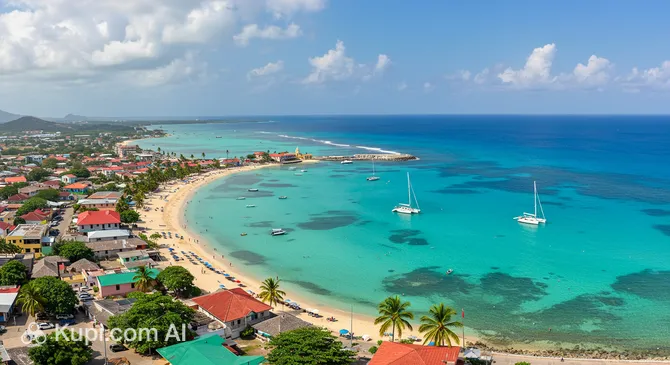
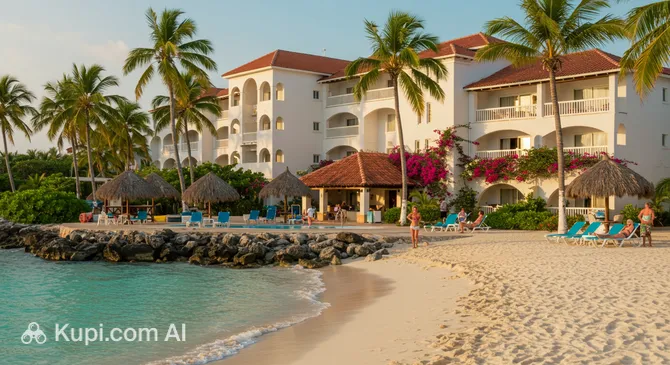
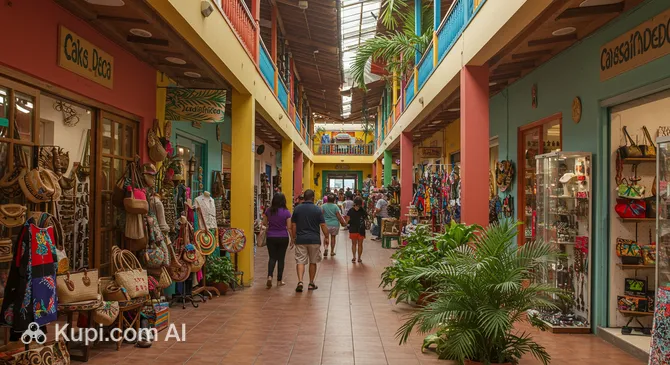
Welcome to San Andres, a breathtaking coral island located in the Caribbean Sea. Famous for its mesmerizing "Sea of Seven Colors," this destination offers a vibrant mix of cultures, rhythms, and landscapes that captivate every visitor. Although it is geographically closer to Nicaragua, the island is a proud part of Colombia and serves as the capital of the Archipelago of San Andrés, Providencia, and Santa Catalina.
San Andres. Illustration.
Source: Kupi.com AI
Home to approximately 72,000 inhabitants, the city pulses with a unique energy derived from its diverse heritage. The local culture is a fascinating blend of English, Spanish, and Creole influences, which is deeply rooted in the history of San Andres. From the legends of the pirate Henry Morgan to the distinct Raizal traditions, the island's past adds a layer of intrigue to its stunning natural beauty.
Travelers flock here not just for the sun, but for the incredible marine biodiversity. The island is part of a UNESCO Biosphere Reserve, making it a premier destination for snorkeling and diving. Key attractions include the pristine islet of Johnny Cay, known for its coconut palms and white sands, and the mysterious Morgan's Cave, where local lore suggests hidden treasures might still remain. Whether you are exploring the underwater world or enjoying the reggae beats on the shore, San Andres promises an unforgettable tropical escape.
Weather Overview
San Andres enjoys a warm tropical climate that makes it a welcoming destination for beach lovers throughout the year. The temperature remains remarkably consistent, with monthly averages hovering steadily between 26°C and 28°C. This stability means visitors can expect pleasant heat regardless of the season, with September typically being the warmest month, reaching highs around 28.5°C.
While temperatures are stable, rainfall patterns vary significantly. To help choose the best dates for your visit, it is helpful to review the current weather in San Andres. The island experiences a drier period from February to April, with April seeing the fewest rain events—only about 8 wet days on average. Conversely, the months from May through November are characterized by higher humidity and more frequent precipitation, with October often recording up to 28 wet days.
Expect warm summers with occasional rain and mild, humid conditions during the wetter months. Even during the rainy season, showers are often short and intense, quickly giving way to sunshine. Travelers should pack light, breathable clothing for the heat and a waterproof layer if visiting between May and December.
Interesting Facts
Beyond the turquoise waters and white sands, San Andres hides fascinating cultural and geological details that often escape the average visitor. The island is a treasure trove of history, unique laws, and environmental wonders waiting to be discovered.
San Andres is a designated duty-free port, functioning almost like an open-air mall where goods are tax-exempt. This status makes the San Andres Island Shopping Center and local boutiques prime spots for travelers looking for imported perfumes, liquors, and electronics at significantly lower prices.
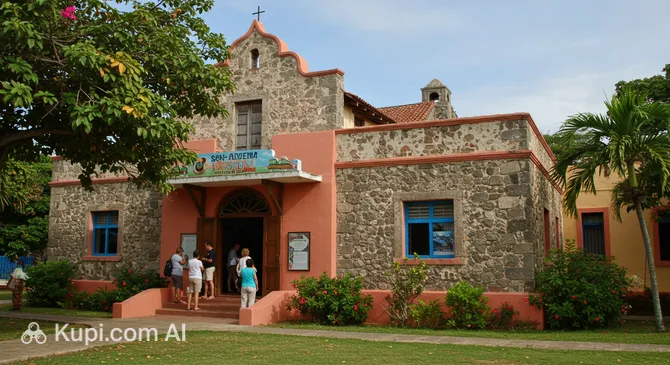
The local architecture is distinct and vibrant, reflecting the island's Anglo-Caribbean heritage. You can explore this colorful wooden style at the Islander House Museum, which showcases traditional homes built on stilts with wide balconies designed to capture the sea breeze.
Unlike most tropical paradises, the island has no permanent freshwater rivers. The population relies entirely on underground aquifers and rainwater harvesting, a geological quirk that has shaped local water conservation methods for centuries.
The archipelago forms the heart of the Seaflower Biosphere Reserve, which is one of the largest marine reserves on the planet. It encompasses about 10% of the Caribbean Sea, protecting vast coral reef systems that are crucial for the ocean's biodiversity.
Islander House Museum. Illustration.
Source: Kupi.com AI
Traveler photos:
How to Get There
Reaching this Caribbean gem is an adventure in itself, with air travel being the most practical and common method. For a detailed breakdown of all transport options and routes, you can read more about how to get to San Andres.
The primary gateway to the island is Gustavo Rojas Pinilla Airport (IATA: ADZ). Located directly in the city of San Andres, it is exceptionally convenient, situated just 1 km from the main commercial and hotel districts. Due to its close proximity, the journey to the city center is incredibly quick, typically taking less than 10 minutes by taxi or shuttle. This international airport handles a large volume of passengers annually, serving as the main hub for flights arriving from major Colombian cities like Bogota, Medellin, and Cali, as well as some international connections.
Travelers may also notice Providencia Airport (IATA: PVA) in the data, but it is important to note that this facility is located in the city of Providencia, on the neighboring island, approximately 94 km away from San Andres. It serves a smaller volume of tourists and is generally accessed via a short connecting flight or a catamaran trip from San Andres itself, rather than serving as a direct entry point for the main island.
For clarity, here is a summary of the main airports:
San Andres offers a delightful array of activities, ranging from relaxing on urban beaches to exploring legendary caves and vibrant marine ecosystems. The island's compact size allows visitors to easily hop between these fascinating spots, making every day of the trip a new adventure.
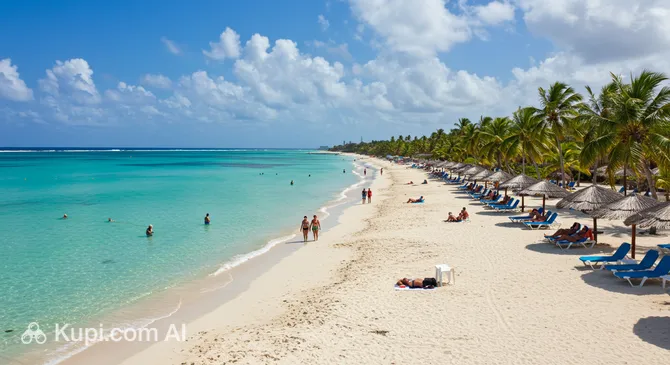
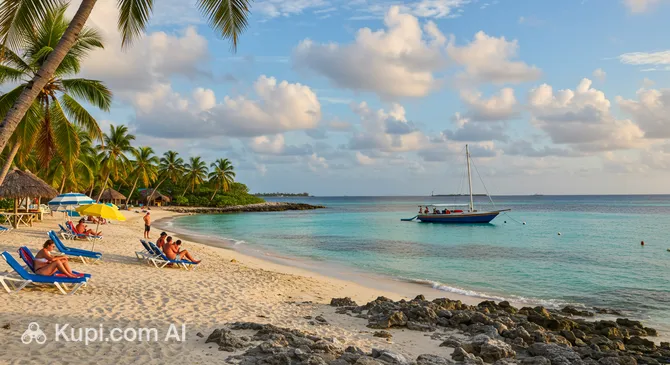
One of the most accessible and lively spots is Spratt Bight Beach. Located right in the heart of the commercial center, this expansive stretch of white sand is perfect for those who want to combine sunbathing with the convenience of nearby shops and restaurants. The beach features a scenic promenade that comes alive with music and pedestrians, offering stunning views of the nearby Johnny Cay. It is the ideal place to enjoy the island's signature turquoise waters without venturing far from your hotel.
Spratt Bight Beach. Illustration.
Source: Kupi.com AI
Traveler photos:
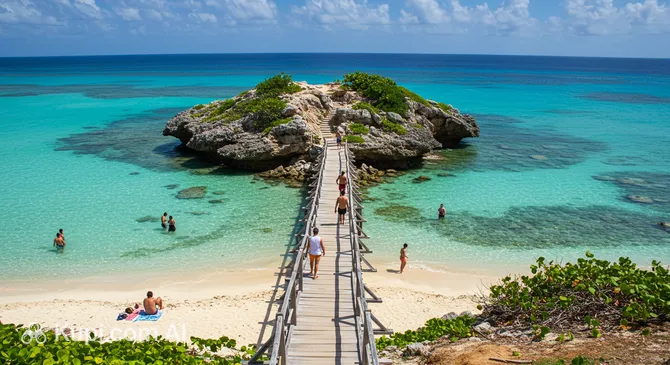
For a unique aquatic experience, travelers should head to Rocky Cay. This small, rocky islet is famous because you can walk to it from the main shore through waist-deep crystal-clear water. It is a fantastic location for snorkeling, as the surrounding waters are teeming with colorful fish. Nearby, the rusted remains of a grounded ship add a touch of mystery to the picturesque landscape, providing a dramatic backdrop for photos.
Rocky Cay. Illustration.
Source: Kupi.com AI
Traveler photos:
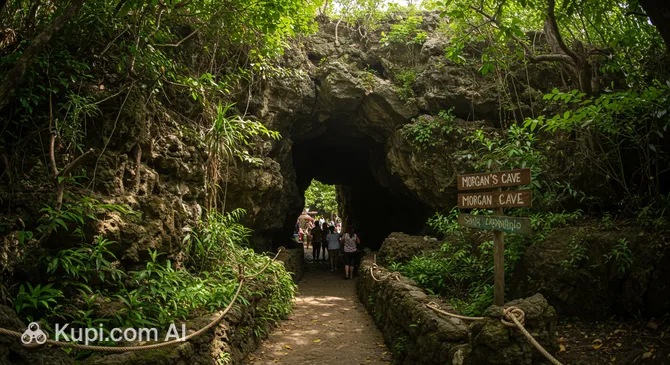
Immerse yourself in local legends at Morgan's Cave, a site steep in pirate history. According to folklore, the famous privateer Henry Morgan used this deep coral limestone cavern to hide his stolen treasures. Today, it serves as a cultural attraction where visitors can learn about the island's past myths and explore the unique geological formations that define the archipelago's underground landscape.
Morgan's Cave. Illustration.
Source: Kupi.com AI
Traveler photos:
Nature enthusiasts will find tranquility at the San Andrés Botanical Garden. Located in the center of the island, this reserve showcases the rich diversity of the local flora, from towering breadfruit trees to exotic ornamental plants. It offers a peaceful retreat from the coastal crowds and provides an educational walk through the vegetation that has sustained the islanders for generations. A climb to the observation tower within the garden rewards visitors with a panoramic view of the lush canopy meeting the sea.
Local Cuisine
The gastronomy of San Andres is a delicious reflection of its multicultural history, blending Caribbean spices with English and African influences to create unique flavors. Coconut milk and fresh seafood are the heart and soul of almost every traditional recipe, offering a culinary experience that is as vibrant as the island's culture. Visitors can expect generous portions of fish, lobster, snails, and crab, often accompanied by fried plantains and aromatic rice.
You simply cannot leave without trying Rondón (often spelled Run Down). This hearty stew is the island's signature dish, featuring fish fillet, snails, pork, yams, cassava, and plantains, all slow-cooked in rich coconut milk with dumplings. Another local delicacy is the black crab soup, renowned for its distinct flavor, as well as fish balls made from parrotfish or other local catches, which serve as perfect savory snacks.
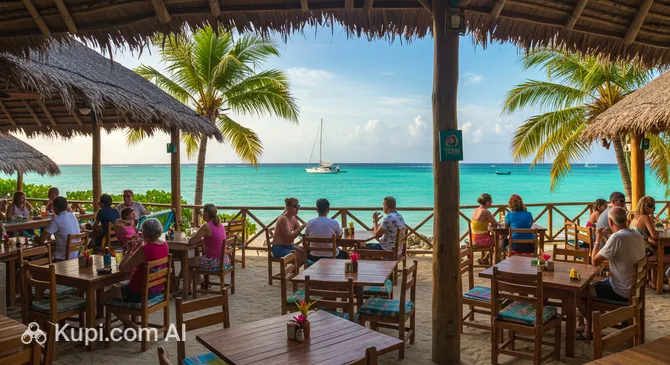
The island offers a variety of dining experiences, from casual beachside kiosks to elegant restaurants built right over the water. For a sophisticated meal with stunning views of the bay, La Regatta is widely considered the best spot on the island, serving exquisite seafood in a colorful, nautical-themed setting. If you prefer a more laid-back atmosphere known for generous portions and authentic seasoning, Capitán Mandy is a favorite among locals and savvy travelers alike.
La Regatta. Illustration.
Source: Kupi.com AI
Traveler photos:
To cool off, nothing beats the island's most iconic cocktail, the Coco Loco. Served inside a fresh coconut, this potent mix of rum, tequila, vodka, and fruit juices is a staple of the beach and nightlife scene. You might even enjoy one while visiting the popular Coco Loco nightclub. For a non-alcoholic option, try the refreshing juices made from tamarind, soursop, or the locally grown breadfruit, which are widely available at street stalls.
Travel Tips
Preparing for a trip to San Andres is exciting, but knowing a few insider details can make your Caribbean getaway much smoother and more enjoyable. Here are some practical tips to help you navigate the island's unique culture and logistics with ease.
Clothing and Gear: Pack lightweight, breathable fabrics like linen or cotton to stay cool in the tropical heat. A high SPF sunscreen and a hat are non-negotiable under the strong Caribbean sun. Crucially, bring or buy water shoes (aqua shoes); they are essential for protecting your feet from sharp coral and sea urchins at spots like Rocky Cay and Johnny Cay.
Transportation: There is no public metro or tram system here. While local buses run between the main town and San Luis, the most popular and fun way to explore the island is by renting a golf cart (known locally as a "mula") or a scooter. This allows you to drive the scenic ring road at your own pace. Taxis are also readily available, but it is wise to agree on the fare before getting in.
Finances: The official currency is the Colombian Peso (COP). While major hotels and restaurants like La Regatta accept credit cards, cash is king for beach bars, street food, and small souvenir shops. ATMs are mostly found in the North End (city center), so withdraw enough cash before heading to more remote beaches or the southern part of the island.
Health and Safety: San Andres is generally safe for tourists, but standard precautions apply; avoid leaving valuables unattended on the beach. Tap water is not potable, so strictly stick to bottled water to avoid stomach issues. Also, pack a strong insect repellent to protect against mosquitoes, especially if you are visiting during the wetter months or exploring the botanical gardens.
Communication: Unlike mainland Colombia, San Andres has a unique linguistic heritage. While Spanish is the official language, many Raizal locals speak excellent English and an English-based Creole. You will have no trouble communicating in English in most tourist areas. Wi-Fi is available in hotels, but speeds can be slower than on the mainland; buying a local SIM card (Claro or Tigo) in the city center is recommended for reliable data.
Local Etiquette: The island runs on "island time," so expect a more relaxed and slower pace of service than in big cities. A friendly greeting of "Good morning" or "Buenos días" is customary when entering shops or taxis. Tipping around 10% is standard in restaurants if service isn't included in the bill.
What to Avoid: Do not buy souvenirs made from coral, tortoise shell, or sea shells. It is illegal and harms the delicate marine ecosystem of the Seaflower Biosphere Reserve. Also, avoid standing or walking directly on coral reefs while swimming or snorkeling to help preserve this natural wonder.
Entry Requirement: Be aware that all visitors must purchase a Tourist Card (Tarjeta de Turismo) at their departure airport before boarding a flight to San Andres. You must keep the receipt safe throughout your trip, as you will need to present it again when leaving the island.
With these tips in hand, you are ready to fully embrace the laid-back rhythm and natural splendor of San Andres. Enjoy the crystal-clear waters, the warm smiles of the locals, and the unforgettable island atmosphere!
Entertainment & Nightlife
When the sun sets over the Caribbean, San Andres transforms into a vibrant hub of music and dance. The island's nightlife is a spirited reflection of its multicultural roots, where the sounds of Reggae, Calypso, Soca, and Salsa blend seamlessly with modern Reggaeton and electronic beats. Unlike the high-intensity club scenes of some mainland cities, the atmosphere here is distinctively tropical and relaxed, inviting visitors to let loose and enjoy the "rumba" in flip-flops and breezy outfits.
The heart of the action is located in the North End (El Centro), particularly around the "Zona Rosa." This area comes alive after dark, with music spilling out from open-air bars and pedestrians filling the streets. A great starting point for any night out is the area near Portofino Pier. From here, you can not only find seaside bars but also board the famous "White Night" (Noche Blanca) cruises. These boat parties are a staple of San Andres entertainment, offering dinner, drinks, and dancing while sailing under the stars around the bay.
For those looking to dance until dawn, Coco Loco is the island's most iconic nightclub. Popular with both locals and tourists, it is the place to experience the true energy of San Andres, with DJs spinning a mix of Caribbean and international hits. The dress code is generally casual, but the energy is high, making it a must-visit for party enthusiasts.
Coco Loco. Illustration.
Source: Kupi.com AI
Traveler photos:
If you prefer a venue where you can feel the sand between your toes while enjoying a cocktail, the Rocky Cay Beach Club offers a fantastic atmosphere. It often hosts events and provides a more laid-back setting compared to the enclosed clubs in the city center. Another notable spot to check out is La Barracuda, which is often a reference point for social gatherings and entertainment in the area.
Practical Advice: Nightlife in San Andres typically starts late. Bars may fill up around 9:00 PM, but clubs like Coco Loco hit their peak after 11:00 PM. Prices are generally affordable due to the island's duty-free status, especially for rum and imported spirits. In terms of safety, the main tourist zones in the North End are well-policed and safe for walking at night. However, if you are staying further south or visiting venues outside the center, it is highly recommended to call a taxi rather than walking on unlit roads.
While the nights are for dancing, daytime entertainment offers a different kind of charm. Beyond the beaches, you can explore cultural landmarks or enjoy some retail therapy. Don't miss the chance to snap a photo at the colorful "I Love San Andrés" Sign, a popular stop for capturing memories of your trip. For those interested in local commerce, the bustling avenues offer numerous duty-free shops perfect for browsing during the cooler morning hours.
Parks & Museums
While San Andres is globally renowned for its pristine beaches, the island also preserves lush green spaces and cultural landmarks that offer a deeper understanding of its heritage. Visitors willing to explore beyond the coastline will find protected ecosystems rich in wildlife and institutions dedicated to keeping the Raizal traditions alive.
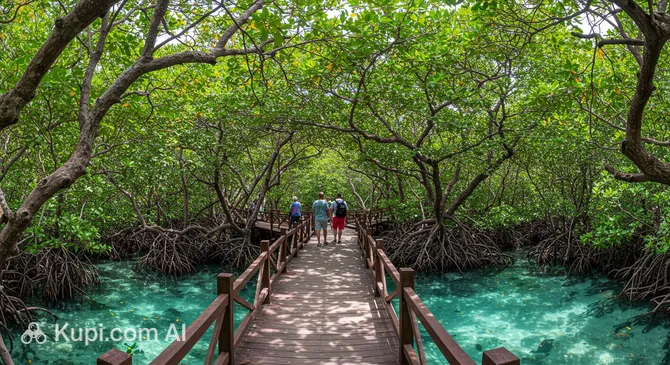
Nature lovers should not miss the Old Point Mangrove National Park, located on the eastern side of the island. This regional sanctuary is a haven for biodiversity, protecting extensive mangrove forests that serve as a nursery for marine life. Visitors can explore the park via transparent kayaks, gliding silently through the calm waters to observe colorful crabs, iguanas, and various bird species in their natural habitat. It is a peaceful escape that highlights the environmental importance of the Seaflower Biosphere Reserve.
Old Point Mangrove National Park. Illustration.
Source: Kupi.com AI
Traveler photos:
Another spectacular natural area is Rose Cay, often referred to as "The Aquarium." Although it is an islet rather than a traditional park, it functions as an open-air natural aquarium. The water here is waist-deep and incredibly clear, allowing swimmers to be surrounded by schools of friendly fish without needing heavy diving gear. It is a perfect spot for families and snorkeling enthusiasts to connect with the island's marine beauty.
Rose Cay. Illustration.
Source: Kupi.com AI
Traveler photos:
To truly appreciate the local culture, a visit to the Islander House Museum (Casa Museo Isleña) is essential. This cultural venue offers more than just a look at traditional architecture; it provides an immersive experience into the lifestyle of the island's ancestors. Guides typically explain the history of the Raizal people, demonstrate traditional dances, and showcase artifacts that date back to the plantation era. It is a vivid window into the unique Anglo-Caribbean identity of the archipelago.
For a broader sense of the island's history, a walk through the San Andrés Town Center reveals the administrative and civic heart of the city. Here, amidst the bustling commerce, you can find landmarks like the Coral Palace Square, which serves as a gathering point and hosts various cultural events. The area reflects the modern evolution of the city while retaining traces of its colonial past.
Insider Tip: For the best panoramic view of the island's greenery meeting the "Sea of Seven Colors," head to El Mirador. Located in the La Loma neighborhood, this viewpoint offers a stunning perspective of the island's geography and is a fantastic spot for photography away from the crowded beaches.
Getting Around
Navigating San Andres is refreshingly simple compared to bustling metropolises. The city and the island as a whole do not have a metro, tram, or railway system. Instead, the public transport network relies primarily on a fleet of small buses, locally known as busetas. These colorful vehicles are the lifeline of the island for locals and an authentic way for visitors to travel between the bustling North End, the residential neighborhoods of La Loma, and the beaches of San Luis.
The payment system for public transport is entirely cash-based. There are no travel cards, digital passes, or mobile apps for buying tickets. Passengers simply pay the driver directly upon boarding or when exiting, depending on the driver's preference. The fares are very affordable and are generally fixed regardless of the distance traveled on the route. It is highly recommended to carry small denominations of the local currency, as drivers may not always have change for large bills.
For tourists, using the bus is straightforward but requires a bit of flexibility. There are designated stops in the city center, but along the coastal road, you can often simply wave your hand to hail a bus. When you want to get off, just alert the driver or press the buzzer near the door. Buses typically operate from early morning, around 6:30 AM, until approximately 8:00 PM or 9:00 PM. If you plan to stay out late enjoying the nightlife, you will need to arrange alternative transportation, as bus services do not run overnight.
A popular alternative to the bus is the ubiquitous taxi service. Taxis in San Andres do not usually use meters; instead, prices are determined by a zone system established by local authorities. It is crucial to confirm the fare with the driver before getting into the car to avoid misunderstandings. Taxis are available 24/7 and can be hailed on the street or requested via your hotel reception.
Perhaps the most unique and beloved "transport" feature for visitors is the rental of golf carts (often called "mulas") and scooters. While not public transit in the traditional sense, they are the preferred method for tourists to circumnavigate the island independently. This allows you to explore the scenic 30-kilometer ring road at your own pace, stopping at beaches and attractions whenever you please. Traffic flows at a relaxed island pace, making this a safe and enjoyable option for those comfortable with driving.
Accommodation
San Andres offers a diverse range of accommodation options to suit every type of traveler, from backpackers seeking adventure to families looking for all-inclusive comfort. The island is well-developed for tourism, boasting a wide selection of properties that include luxury resorts, mid-range boutique hotels, traditional island inns known as "posadas," and budget-friendly hostels. Whether you prefer a room with a sea view in the heart of the action or a quiet cabin surrounded by nature, you will find a place that fits your style and budget.
The most popular area to stay is the North End (El Centro), which serves as the island's commercial and tourist hub. Staying here puts you within walking distance of the main beaches, duty-free shops, and the best nightlife spots. It is the ideal location for those who want convenience and easy access to restaurants and tours without needing transportation. For a more relaxed and authentic experience, the San Luis area on the eastern coast offers a quieter atmosphere with rustic wooden architecture and less crowded beaches, perfect for travelers wanting to disconnect.
For visitors looking for a comfortable stay right in the center of the action, the Bahía Sardina Hotel is a well-known option. Located just steps away from the main beach and the commercial district, it offers guests the perfect balance between relaxation and accessibility to the city's vibrant life.
Bahía Sardina Hotel. Illustration.
Source: Kupi.com AI
Traveler photos:
Prices on the island can vary significantly depending on the season and the type of service. Budget travelers can find hostels and small guesthouses starting at affordable rates, while mid-range and luxury resorts—many of which offer all-inclusive packages—command higher prices, particularly those with direct beach access. Booking platforms are widely used and reliable, but for smaller, family-run posadas, direct contact might sometimes be necessary.
Booking Tip: San Andres is a premier destination for Colombian and international tourists, meaning high-quality accommodation fills up quickly. It is highly recommended to book your stay several months in advance, especially if you plan to visit during the peak seasons of December to January, Easter week, or the mid-year holidays. securing your reservation early not only guarantees availability but often secures better rates.
Nearby Cities
For those looking to explore the surroundings, San Andres serves as an excellent base for day trips to several interesting nearby locations:
The most authentic nearby excursion is to the neighboring island of Providencia, often visited in conjunction with the smaller islet of Santa Catalina. Located approximately 90 km north, Providencia is a UNESCO Seaflower Biosphere Reserve known for its untouched natural beauty, lack of large resorts, and the iconic Lover's Bridge. It offers a quieter, more traditional Caribbean experience compared to San Andres and is perfect for a day trip by air or a short overnight stay.
Although San Andres is an archipelago situated far out in the Caribbean Sea, it maintains strong connections with the Colombian mainland. The city of Cartagena represents one of the closest major urban hubs on the continent. While the distance makes it more of a follow-up destination than a quick day trip, it is the primary cultural and historical gateway for those continuing their journey from the islands to the rest of Colombia.
These nearby destinations offer a glimpse into the diverse culture and landscapes of the region, ranging from secluded island paradises to the vibrant historical centers of the mainland coast.
Shopping & Souvenirs
Shopping is a major highlight for many visitors to San Andres, primarily because the entire island enjoys the status of a duty-free port. This unique economic designation transforms the city into a bustling commercial hub where imported goods can often be purchased at significantly lower prices than on the Colombian mainland. Tourists frequently flock here to stock up on brand-name perfumes, premium liquors, electronics, and cosmetics, making it a paradise for bargain hunters seeking international quality at attractive rates.
The heartbeat of the island's commercial activity is located in the North End (El Centro). This vibrant district is packed with shops, boutiques, and perfume stores lining the bustling streets, particularly along Avenida Las Américas and Avenida Costa Rica. As you wander through the San Andrés Town Center, you will find a lively atmosphere where modern retail stores stand side-by-side with smaller local vendors, offering a comprehensive shopping experience just steps away from the main beach.
For a more structured shopping experience, visitors should head to the San Andres Island Shopping Center. This is one of the most prominent malls in the city, providing a comfortable, air-conditioned environment to browse for duty-free items. It is a go-to destination for finding high-quality sunglasses, watches, and designer clothing, serving as a convenient one-stop location for travelers who prefer a modern mall setting over street-side browsing.
San Andres Island Shopping Center. Illustration.
Source: Kupi.com AI
Traveler photos:
While the island is famous for imports, the local markets and artisan stalls offer a taste of authentic Caribbean culture. Visitors should look for unique handicrafts made from coconut shells and wood, which are specialties of the local Raizal artisans. Another must-buy item is the traditional coconut sweet known as a cocada, or jars of coconut oil and locally grown spices. These items make for meaningful souvenirs that support the local economy and carry the true flavor of the archipelago.
When planning a shopping spree, it is important to note that many stores in San Andres observe a traditional "siesta" break. Shops typically open around 9:00 AM, close for lunch between 12:30 PM and 2:30 PM, and then reopen until 8:00 PM or 9:00 PM. While larger duty-free establishments and supermarkets may remain open throughout the day, smaller boutiques often follow this split schedule. In terms of payment, the Colombian Peso (COP) is the standard currency. Major stores accept credit cards, but carrying cash is advisable for street vendors and smaller market stalls.
Since San Andres is a duty-free zone, the tax exemption is applied directly at the point of sale. This means tourists do not need to go through a tax refund process at the airport upon departure, as the Value Added Tax (VAT) is generally not included in the prices of exempt goods. This hassle-free system makes shopping even more appealing, allowing you to enjoy your purchases immediately without worrying about paperwork.