Support

Pointe-Noire

About

Welcome to Pointe-Noire, the vibrant economic capital and the second-largest city in the Republic of the Congo. Often affectionately referred to as "Ponton la Belle," this bustling port city offers a unique blend of industrial energy and laid-back coastal charm. Situated on a headland between Pointe-Noire Bay and the Atlantic Ocean, it serves as the country's primary maritime gateway and a hub of international commerce.

Geographically, the city is defined by its stunning location along the Atlantic coast, providing a refreshing breeze that tempers the tropical climate. With a population of over 800,000 residents, Pointe-Noire is a lively metropolis that never sleeps. The city's development has been significantly shaped by its maritime importance and the construction of the Congo-Ocean Railway. You can delve deeper into the origins and growth of this fascinating metropolis by exploring the history of Pointe-Noire.
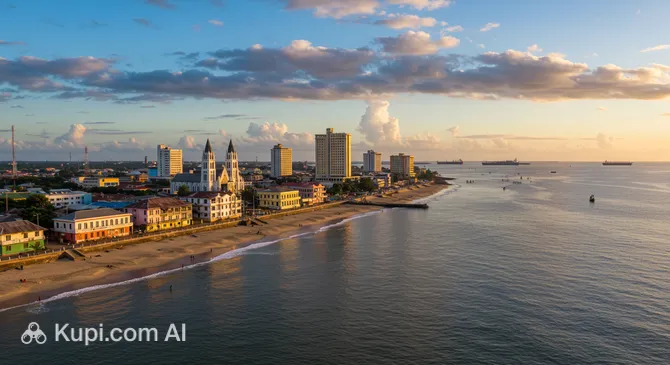
Pointe-Noire. Source: Kupi.Binoculars

For travelers, the city boasts several captivating attractions. The famous Côte Sauvage offers miles of sandy beaches where visitors can enjoy the ocean views and fresh seafood at local beach bars. Architecture enthusiasts will appreciate the colonial-era buildings, including the iconic Pointe-Noire Train Station, a symbol of the city's heritage. Just a short drive away lies the breathtaking Diosso Gorge, often called the "Grand Canyon of the Congo," featuring spectacular red rock ridges and lush green valleys.

Whether you are visiting for business or leisure, Pointe-Noire promises a memorable experience with its warm hospitality, diverse culture, and scenic beauty. It is a destination that invites you to relax by the sea while discovering the modern pulse of Central Africa.

Weather Overview

Pointe-Noire features a tropical climate with generally warm conditions and high humidity levels that define the coastal atmosphere. Temperatures are relatively stable, typically ranging from average lows of around 20°C in the cooler months to average highs reaching near 30°C in the warmer season. To help plan your trip effectively, it is helpful to review the current weather in Pointe-Noire.

The year is divided into two main periods based on precipitation. The dry season occurs from June to September, offering the coolest weather with average temperatures hovering around 23°C to 24°C. During this time, rainfall is scarce, with months like July and August seeing almost zero precipitation and only 1 or 2 wet days, making it a popular time for beach activities.

In contrast, the period from October to May is warmer and significantly wetter. March is usually the hottest month, averaging 27.3°C. Travelers visiting during these months should be prepared for frequent rain, as November and December can experience up to 28 wet days per month. Expect warm temperatures year-round, with a distinct dry season from June to September and frequent rainfall during the rest of the year.

Interesting Facts

Beyond the main attractions and bustling markets, Pointe-Noire holds many fascinating secrets that reveal its unique character and history. Here are a few intriguing facts about the city that most visitors might not know:

  • The Invisible Namesake: The city owes its name to Portuguese navigators who, in 1484, spotted black volcanic rocks on the headland and marked it as "Ponta Negra" on their maps. Interestingly, if you look for these rocks today, you won't find them; they were largely buried or destroyed during the construction of the modern port infrastructure.

  • A City Born from Rails: Unlike many ancient settlements in the region, Pointe-Noire is a relatively young city that was essentially built from scratch in the 1920s. Its primary purpose was to serve as the ocean terminus for the Congo-Ocean Railway, transforming a small fishing village into the country's economic powerhouse.

  • The Station's Legend: The iconic Pointe-Noire Train Station is the subject of a persistent local legend claiming it is an exact replica of the station in Deauville, France. While the architecture is strikingly similar and reflects the colonial style of the era, the building is a unique landmark designed specifically for its tropical setting.

  • Deceptive Waters: While the famous Côte Sauvage offers breathtaking views of the Atlantic, locals know to treat it with caution. The currents here are notoriously strong and dangerous, which is why swimming is generally discouraged on this wild side of the coast, with beachgoers preferring the calmer, protected waters of the bay.

How to Get There

Reaching this coastal metropolis is relatively straightforward, with air travel being the most convenient method for international and regional visitors. For a comprehensive guide on logistics and transportation options, you can read more about how to get to Pointe-Noire to help plan your journey.

The primary gateway to the city is Pointe Noire Airport (PNR), also known as Agostinho-Neto International Airport. It is conveniently located within the city limits, just 5.6 km from the center. This facility handles a significant volume of passengers annually and serves as a key hub for the region. A taxi or bus ride from the terminal to the downtown area typically takes around 30 minutes, making for a quick transfer upon arrival.

Another option for travelers in the broader region is Cabinda Airport (CAB). It is important to note that this airport is not in Pointe-Noire itself but is located in the city of Cabinda, approximately 98.3 km away. Due to the distance, the journey by road from Cabinda to Pointe-Noire is significantly longer, taking roughly 2 hours and 50 minutes. This route is less common for direct arrivals but remains a relevant transport hub in the vicinity.

For clarity, here is a summary of the main airports:

Airport Name City Passenger Traffic Km from City
Pointe Noire Airport Pointe-Noire Medium 5.6
Cabinda Airport Cabinda Medium 98.3

Main Attractions

Pointe-Noire offers a mix of coastal relaxation, natural wonders, and vibrant local culture. While it serves as an economic hub, the city and its surroundings provide excellent opportunities for sightseeing and exploration, ranging from dramatic geological formations to lively marketplaces.

The Côte Sauvage is arguably the city's most famous feature and a focal point for visitors. Stretching along the Atlantic Ocean, this expansive beach is renowned for its golden sands and powerful rolling waves. While the strong currents often make swimming dangerous, the area remains the center of social life in Pointe-Noire. The seafront is lined with hotels and restaurants where travelers can enjoy fresh seafood while watching breathtaking sunsets over the ocean, making it perfect for long, scenic walks.

Located just a short drive north of the city, the Diosso Gorge is a spectacular natural phenomenon often compared to a smaller version of the Grand Canyon. Over time, erosion has carved deep ridges into the red earth, creating a stunning amphitheater of rock cliffs that contrast beautifully with the surrounding lush green vegetation. It is a must-visit for nature lovers and photographers seeking dramatic landscapes within easy reach of the urban center.

For wildlife enthusiasts, the Tchimpounga Chimpanzee Rehabilitation Center is a significant highlight of the region. Managed by the Jane Goodall Institute, this sanctuary provides a safe haven for orphaned chimpanzees rescued from the illegal pet trade. Located in a protected reserve nearby, it offers a unique chance to learn about conservation efforts and, depending on access permissions, observe these incredible primates in a semi-wild environment.

To experience the daily rhythm of the city, a visit to the Grand Marché is essential. This sprawling market is a sensory experience filled with colors and scents, featuring countless stalls under distinctive blue-and-white roofs. Tourists can browse for colorful wax prints, local handicrafts, and traditional artifacts, making it the perfect place to find unique souvenirs and interact with local vendors.

Local Cuisine

The culinary scene in Pointe-Noire is a delightful fusion of traditional Congolese flavors and refined French gastronomy, heavily influenced by the city's prime coastal location. As a major port city, seafood plays a starring role on local menus, offering visitors some of the freshest catches in the region. The food culture here is vibrant and social, ranging from upscale dining establishments to lively street-side eateries.

When it comes to main dishes, you cannot leave without trying Poulet à la Moambe (Moambe Chicken). Often considered the national dish, it consists of chicken simmered in a rich, creamy sauce made from palm nut pulp, typically served with rice or fufu (a dough-like staple made from cassava or plantains). Another local favorite is Saka-Saka (also known as Pondu), a hearty stew made from crushed cassava leaves, palm oil, and spices, often cooked with smoked fish to add depth to the flavor.

Given the city's proximity to the ocean, seafood lovers are in for a treat. Grilled Gambas (giant prawns) are a signature delicacy in Pointe-Noire, usually marinated in garlic and chili. You will also frequently find Capitaine (Captain fish) on the menu, served grilled or cooked in a style known as Maboké, where the fish is spiced and steamed inside marantaceae or banana leaves to lock in the moisture and aroma.

To wash down these savory meals, locals often turn to the country's popular beers. Ngok, easily customizable by the alligator on its label, is a refreshing lager that has become a symbol of Congolese identity. For a traditional experience, adventurous travelers might try Palm Wine, a natural alcoholic beverage tapped from palm trees. If you prefer non-alcoholic options, fresh Tangawisi (ginger juice) is widely available and packs a spicy, invigorating punch.

Dining in Pointe-Noire is as much about the atmosphere as it is about the food. For an authentic local experience, visit the numerous Ngandas—informal restaurants or bars where residents gather to eat, drink, and socialize in a relaxed setting. Alternatively, the restaurants lining the Côte Sauvage offer a more scenic setting, allowing you to enjoy exquisite French-Congolese fusion cuisine while listening to the crashing waves of the Atlantic Ocean.

Travel Tips

Traveling to Pointe-Noire is an exciting adventure, but like any destination in Central Africa, a little preparation goes a long way to ensure a smooth journey. These practical tips will help you navigate the city with confidence, allowing you to focus on the beautiful beaches and vibrant culture.

  1. Clothing and Gear: Due to the tropical humidity, pack lightweight, breathable fabrics like cotton or linen. A waterproof jacket or umbrella is essential if you are visiting during the rainy season (October to May). While beachwear is fine at the Côte Sauvage, the city tends to be somewhat conservative yet stylish; smart-casual attire is recommended for dining out. Don't forget a universal travel adapter (Type C or E plugs are standard) and plenty of insect repellent.
  2. Transportation: The most convenient way to get around is by taxi, which are typically painted blue and white in Pointe-Noire. You can choose between a shared ride (often called a "100-100") or a private hire ("une course"). Taxis generally do not have meters, so it is crucial to negotiate and agree on the fare before getting into the car. For excursions outside the city, renting a car with a local driver is highly recommended for safety and navigation.
  3. Finances: The official currency is the Central African CFA Franc (XAF). Pointe-Noire is very much a cash-based economy. While upscale hotels and some major supermarkets accept credit cards (mostly Visa), smaller shops, markets, and taxis deal exclusively in cash. ATMs are available in the city center, but it is wise to carry enough cash for daily expenses. Tipping is not mandatory but is customary and appreciated for good service in restaurants.
  4. Health and Safety: Malaria is present in the region, so taking prophylaxis and sleeping under mosquito nets is strongly advised. Stick to drinking bottled water and avoid tap water. Pharmacies are available in the city center (e.g., near the Grand Marché), but carrying a personal medical kit is smart. In terms of safety, avoid walking alone in poorly lit areas at night and keep valuables secure in crowded places.
  5. Communication: The official language is French, and it is the primary mode of communication. English is not widely spoken outside of international business circles and high-end hotels. Learning a few basic phrases like "Bonjour" (Hello) and "Merci" (Thank you) will go a long way. Local SIM cards from providers like MTN or Airtel are easy to purchase with your passport and offer decent 4G coverage for staying connected.
  6. Local Etiquette: Congolese culture places high importance on greetings. It is polite to say "Bonjour" to shopkeepers, taxi drivers, and people you meet before asking any questions. Handshakes are the common form of greeting. When interacting with locals, a friendly and respectful demeanor is key; rushing or showing impatience is often considered rude.
  7. What to Avoid: Be extremely cautious about photography. Never take photos of government buildings, police stations, military personnel, the airport, or bridges, as this is strictly prohibited and can lead to trouble with authorities. Also, avoid swimming at the Côte Sauvage beaches unless you are in a specifically designated safe zone; the ocean currents and undertow are deceptively strong and dangerous.
  8. Additional Tip: Embrace the "Pontenegrin" pace of life. Lunch breaks can be long, and shops may close for a midday siesta. Instead of getting frustrated by a slower service speed, use the time to enjoy a cold local drink and soak in the relaxed coastal atmosphere.

By keeping these tips in mind, you will be well-equipped to enjoy everything Pointe-Noire has to offer, from its bustling markets to its serene sunsets. A respectful and prepared attitude will open many doors and ensure your stay is both safe and unforgettable.

Entertainment & Nightlife

As the sun sets over the Atlantic, Pointe-Noire transforms into a vibrant hub of entertainment, living up to its reputation as a city that loves to celebrate. The nightlife here is diverse, fueled by a mix of local Congolese culture and the international influence of the expatriate community. Whether you are looking for a relaxed evening by the sea or a high-energy night on the dance floor, the city offers a variety of options to suit different moods.

The epicenter of evening activity is undoubtedly the Côte Sauvage. This coastal stretch is lined with numerous bars, restaurants, and open-air lounges where the atmosphere is breezy and relaxed. It is the perfect place to start the night with a drink while listening to the sound of the ocean. Further inland, the Centre-Ville (City Center) hosts more upscale venues, including chic cocktail bars and nightclubs that stay open until the early hours of the morning.

For those seeking a lively atmosphere, specific venues stand out. Le Derrick is a well-known institution in Pointe-Noire, functioning as a social club that is particularly popular with the expatriate community and oil industry workers. It offers a safe and comfortable environment for dining and socializing. If you are in the mood for dancing, La Pyramide is one of the city's most famous nightclubs, attracting a trendy crowd with a mix of international hits, Afro-beats, and Congolese Rumba. Another popular spot is the Kaktus Bar, often praised for its live music and energetic vibe, making it a great place to experience the local rhythm.

The nightlife culture in Pointe-Noire is generally casual but stylish. In the more upscale clubs and bars in the city center, a smart-casual dress code is appreciated—think long trousers and collared shirts for men. The crowds are typically friendly, with a blend of locals and international visitors mingling freely. Friday and Saturday nights are the peak times, with venues becoming busiest after 10:00 PM.

Practicality and safety are important for a fun night out. Taxis are the best way to get around after dark. It is highly recommended to use a trusted taxi service or have your hotel or restaurant call one for you, rather than hailing one on the street late at night. Avoid walking on the beach at night, as the Côte Sauvage can be unsafe due to poor lighting and the risk of petty crime. Prices in expatriate-focused venues can be comparable to European standards, while local "Ngandas" (informal bars) are much more affordable.

During the day, entertainment options take a more cultural turn. While Pointe-Noire is not known for large amusement parks, the Institut Français du Congo acts as a cultural beacon, regularly hosting theater performances, concerts, and art exhibitions. For a relaxing afternoon, many visitors head to private beach clubs or explore the smaller local museums that showcase regional art and history, offering a quiet counterpoint to the city's energetic nightlife.

Parks & Museums

While Pointe-Noire is primarily known as a bustling economic hub, it offers a fascinating selection of cultural and natural escapes for those willing to explore beyond the city center. The region's green spaces are defined more by wild, coastal beauty than manicured urban gardens, while its museums provide a deep dive into the ancestral history of the Loango Kingdom and the colonial era.

For nature lovers, the concept of a "park" in Pointe-Noire is best represented by the magnificent Côte Sauvage. Acting as the city’s primary promenade, this palm-lined stretch along the Atlantic Ocean serves as a natural gathering place where locals and tourists come to enjoy the sea breeze. Although not a traditional garden, it offers miles of open space for walking and relaxation, with the rhythmic sound of crashing waves providing a serene backdrop to the city's energetic pace.

A short drive from the city leads to the region's most spectacular natural wonder, the Diosso Gorge. Often described as the "Grand Canyon of Central Africa," this geological marvel features dramatic ridges of red rock carved by centuries of erosion, contrasting sharply with the lush green rainforest that surrounds it. It is an essential stop for eco-tourists and photographers, offering a raw and untouched natural landscape that feels worlds away from the industrial port.

In terms of culture, the Ma-Loango Regional Museum is the area's premier historical institution. Located in Diosso, just a few kilometers north of Pointe-Noire, the museum is housed in a modest colonial building that was once a royal residence. It offers a captivating look into the history of the Kingdom of Loango, displaying traditional artifacts, royal insignia, and tools that tell the story of the region's pre-colonial past and its complex interactions with European traders.

Within the city limits, the Musée du Cercle Africain stands as a beacon of culture and history. This venue serves as both a museum and a cultural center, frequently hosting art exhibitions, theatrical performances, and community events. The building itself is historically significant, and the exhibits often focus on the evolution of Pointe-Noire, the construction of the Congo-Ocean Railway, and the vibrant contemporary art scene of the Congo.

For an authentic cultural experience, seek out the smaller art workshops and galleries scattered around the city, such as the Village Artisanal. Here, you can watch local craftsmen carve wood or paint vivid canvases, offering a personal connection to the city's artistic soul that you won't find in a traditional museum setting.

Getting Around

Public transport in Pointe-Noire is primarily road-based, as the city does not have a metro, tram, or trolleybus system. For visitors, the most visible and convenient way to navigate the urban sprawl is by using the extensive network of taxis. These vehicles are easily recognizable by their distinctive blue and white color scheme and serve as the backbone of daily mobility for local residents. While there are larger buses and minibuses that connect the city center to the suburbs, they are often crowded and less intuitive for tourists to navigate compared to the taxi system.

The taxi system operates on two distinct models, and understanding the difference is crucial for getting around efficiently. The first option is the collective taxi, locally known as "100-100" (pronounced "san-san"). These taxis pick up multiple passengers heading in the same general direction along fixed main routes. It is an extremely affordable way to travel, but it requires you to know your route well and be comfortable sharing the vehicle with strangers. To catch one, you simply stand by the roadside and signal the driver; if they honk back or slow down, shout your destination. If it matches their route, you hop in.

The second option is a private hire, referred to as "une course." This is a standard taxi service where you rent the entire vehicle to take you directly to your specific destination without stops for other passengers. This is the recommended option for tourists, especially those with luggage or those unfamiliar with the city's layout. Unlike the fixed price of the collective taxis, the fare for a "course" is not metered. You must negotiate and agree on the price with the driver before getting into the car to avoid any misunderstandings upon arrival.

Payment for all forms of public transport is made exclusively in cash using the local currency. Electronic travel passes, card readers, or ticketing apps are not part of the current infrastructure. It is essential to carry small denominations of bills and coins, as drivers often do not have change for large notes. While ride-hailing apps are beginning to emerge in the region, the traditional method of hailing a cab on the street remains the most reliable and fastest way to secure a ride during the day.

For those preferring more autonomy or comfort, car rental agencies are available, though self-driving can be challenging due to local traffic conditions. A popular alternative is renting a car with a local driver, which can be arranged through hotels or rental companies. This provides the flexibility of a private vehicle with the expertise of a local who knows the roads and driving customs. Additionally, while not an intra-city transport method, the historic Pointe-Noire Train Station is a major transport landmark. It serves as the terminus for the famous Congo-Ocean Railway, connecting the coast to the interior, and is worth visiting even if you do not plan to take a train.

Accommodation

Finding the right place to stay in Pointe-Noire is relatively easy, as the city is well-equipped to host international visitors due to its status as a major economic hub. The accommodation landscape ranges from high-end luxury hotels catering to business travelers and expatriates to more modest guesthouses and mid-range options. While the city is not packed with backpacker hostels in the traditional sense, there are affordable lodgings available if you look beyond the main commercial strips.

The choice of location largely depends on the purpose of your visit. For leisure travelers and those seeking relaxation, the Côte Sauvage area is the most desirable spot. Staying here places you right next to the ocean, with easy access to the city’s best beaches, breezy restaurants, and lively evening atmosphere. It is the perfect base for those who want to combine sightseeing with seaside leisure.

Alternatively, the City Center (Centre-Ville) is ideal for visitors who prioritize convenience and proximity to administrative offices, banks, and the Grand Marché. This area is bustling during the day and offers a wide selection of business-oriented hotels. It serves as a strategic point for getting around, with taxis readily available to take you to the coast or the airport in minutes.

Travelers should be aware that Pointe-Noire can be more expensive than other cities in the region, largely driven by the presence of the oil industry. Luxury and mid-range hotels often command international prices, especially those offering amenities like swimming pools, secure parking, and reliable Wi-Fi. It is highly recommended to book your accommodation in advance, particularly during the dry season (June to September) when the city sees an influx of visitors.

Booking methods vary depending on the type of establishment. The larger, well-known hotels are easily bookable through major online travel platforms. However, for smaller guesthouses or apartment rentals, it is often more effective to contact the property directly or rely on local recommendations. Regardless of where you stay, most reputable hotels accept credit cards, but carrying cash is always a good idea for incidental expenses.

Nearby Cities

For those looking to explore the surroundings, Pointe-Noire serves as an excellent base for day trips to several interesting nearby locations. While the city itself is a hub of activity, the interior of the region offers a different perspective on Congolese life, ranging from lush forest landscapes to important agricultural centers.

One of the most significant destinations is Dolisie, often referred to as the "capital of green gold" due to its location in the heart of the rainforest. As the country's third-largest city, it boasts a lively atmosphere and serves as a vital commercial hub. It is historically linked to Pointe-Noire by the famous Congo-Ocean Railway, making the journey itself part of the experience. Visitors can explore its bustling markets and witness the transition from coastal plains to the dense greenery of the Niari Valley.

For a closer excursion, Hinda offers a glimpse into the rural outskirts just a short drive from the coast. Its proximity makes it an accessible option for those who wish to see the countryside without committing to a long journey. Further inland, Nkayi stands out as a major agricultural center, renowned as the sugar capital of the country. A visit here provides insight into the nation's industrial farming activities and offers a chance to see the rolling landscapes that define this part of the Congo.

City Population Distance (km)
Dolisie 103,894 110
Nkayi 72,000 170
Kayes 62,521 172
Kindamba 61,304 316
Hinda 32,995 26

These nearby destinations offer a glimpse into the diverse culture and landscapes of the region.

Shopping & Souvenirs

Shopping in Pointe-Noire offers a vibrant mix of experiences that reflect the city's dual identity as a bustling African port and a cosmopolitan economic hub. Visitors can expect a diverse range of opportunities, from browsing luxury boutiques and modern supermarkets to navigating the chaotic energy of traditional open-air markets. The city is particularly famous for its high-quality handicrafts and colorful textiles, making it an excellent destination for those looking to take home a piece of Congolese culture.

The commercial heart of the city beats strongest along Avenue Charles de Gaulle. This major thoroughfare is lined with a variety of shops, banks, pharmacies, and cafes. It is the primary destination for travelers seeking European-style goods, fashion boutiques, and electronics. Walking down this street provides a comfortable shopping experience where you can find imported brands and essential travel gear in a more organized setting than the outlying districts.

While Pointe-Noire is not traditionally known for massive shopping complexes, the retail landscape is modernizing. The Grand Mall stands out as a contemporary shopping center, offering a selection of clothing stores, a food court, and a modern supermarket environment. Additionally, the commercial galleries surrounding major supermarkets like Casino serve as de facto shopping plazas, popular with the expatriate community for finding imported foods, books, and international press.

For a truly authentic experience, the city's markets are unmissable. The Grand Marché is the sprawling epicenter of local commerce, a sensory maze where you can buy everything from fresh spices and tropical fruits to vibrant fabrics. For those specifically interested in local art, the Village Artisanal is the most important stop. Unlike the general markets, this area is dedicated to craftsmen and artists, allowing you to watch them at work and purchase goods directly from the creators.

When it comes to souvenirs, Pointe-Noire offers unique treasures. The most popular items include Pagne (colorful wax print fabrics), which can be bought in lengths or tailored into clothing. Wood carvings are also a specialty, particularly the intricate masks and statues that represent the region's artistic heritage. Other excellent finds include jewelry made from malachite, wicker baskets, and paintings depicting scenes of daily Congolese life.

Understanding local business hours is crucial for a smooth shopping trip. Many smaller shops and independent boutiques observe a midday break, typically closing around 12:30 PM and reopening at 3:30 PM or 4:00 PM to avoid the peak heat. Major supermarkets and malls usually stay open throughout the day. In terms of payment, cash is king. While some upscale stores and supermarkets accept credit cards, the markets and smaller vendors deal exclusively in Central African CFA Francs (XAF). Bargaining is expected and encouraged in the markets, but prices in supermarkets and boutiques are fixed.

Tourists should be aware that a formal tax-free or VAT refund system is not generally available or easily accessible for visitors in Congo. It is best to assume that the price you pay is final and includes all applicable local taxes.

Nearby cities

Reached the end of the page?

That means the route is fully explored