Support

Aitutaki

About

Aitutaki is widely renowned as one of the most spectacular destinations in the South Pacific, often described as a jewel in the crown of the Cook Islands. Famous for its surreal beauty and laid-back pace, this island offers a quintessential tropical escape where time seems to slow down, allowing visitors to fully immerse themselves in island life.

Geographically, the atoll consists of a main island and several smaller islets scattered around a magnificent, triangular lagoon. Home to a close-knit community of approximately 2,000 people, Aitutaki provides a genuine and hospitable environment. The climate is pleasantly tropical, making it an ideal year-round destination for sun-seekers looking to relax under the palms.
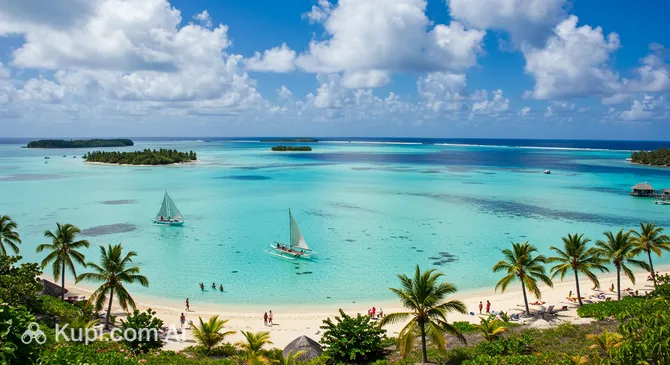
Aitutaki. Source: Kupi.Binoculars

Beyond its postcard-perfect scenery, the destination holds deep cultural roots. Delving into the history of Aitutaki allows visitors to appreciate the ancient Polynesian traditions and the historical events that have influenced the island's distinct character and charming architecture, including its oldest church.

The primary allure for most travelers is the lagoon itself, often hailed as one of the world's most beautiful. It is a playground for water enthusiasts, offering world-class snorkeling, kayaking, and boat cruises to the surrounding motu (islets). A highlight for many is visiting One Foot Island, where you can walk on pristine white sands and even get your passport stamped at one of the world's most remote post offices.

If you are looking for a slice of paradise that combines natural splendor with tranquility, Aitutaki is the place to be. It is a destination that captures the heart of every visitor, promising memories of azure waters and golden sunsets that will last a lifetime.

Weather Overview

Aitutaki is blessed with a tropical climate that ensures warm and comfortable temperatures year-round. For those wishing to plan their activities around specific conditions, checking the weather in Aitutaki is recommended. The island generally avoids extreme fluctuations, providing a steady backdrop of warmth for your holiday.

During the warmer months of January through March, average temperatures peak at about 26.9°C. This period is characterized by a higher frequency of rainfall, with January and March seeing up to 26 wet days, though the island remains lush and vibrant. The months of June through September offer a slightly cooler respite, with average temperatures settling around 24.5°C and the number of wet days dropping to as low as 10 in August.

Expect warm summers with a higher chance of rain and comfortable, drier winters ideal for sunbathing.

Interesting Facts

Beyond its celebrated lagoon and relaxing atmosphere, Aitutaki harbors unique traditions and historical footnotes that intrigue many travelers. Here are some fascinating details that make this island truly one of a kind:

  • No dogs allowed: Unlike most places in the world, this island is completely free of dogs. Local custom and strict laws prohibit them, a tradition said to stem from an ancient decree by a high chief's daughter or a historical measure to protect the community, and the ban remains in effect to this day.

  • A historic aviation hub: During the golden age of travel in the 1950s, the lagoon's islet of Akaiami was a vital stopover for the famous "Coral Route." TEAL flying boats would land on the azure waters to refuel, allowing Hollywood stars and other passengers to swim and dine on the beach before continuing their journey.

  • The oldest church: The island is home to the oldest church in the Cook Islands. Located in the main village of Arutanga and built from coral lime in 1828, this limestone structure is renowned for its impressive acoustics and historical significance.

  • A giant clam sanctuary: The lagoon serves as a critical breeding ground for giant clams, known locally as paua. A dedicated marine research station works to repopulate the reefs with these colorful and massive mollusks, which are considered a local treasure.

How to Get There

Reaching this remote atoll is an exciting part of the journey, offering stunning aerial views of the Pacific. Since the island is an isolated paradise, air travel is the primary method of arrival. For a complete guide on planning your trip, including flight connections and transfer tips, you can read more about how to get to Aitutaki.

The island is directly served by Aitutaki Airport (IATA: AIT). This small regional hub is the main point of entry for all visitors and handles approximately 80,000 passengers annually. It is conveniently located just 3.7 km from the heart of the community. Once you land, getting to your accommodation is quick and easy; a taxi or shuttle ride typically takes about 10 minutes.

Because there are no direct international flights to the atoll, almost all travelers first arrive at Rarotonga Airport (IATA: RAR). Located in the capital city of Avarua, roughly 260 km away from Aitutaki, this is the country's main international gateway, welcoming over 350,000 passengers each year. From here, you will transfer to a domestic flight for the final leg of your journey across the ocean to the lagoon.

For clarity, here is a summary of the main airports:

Airport Name City Passenger Traffic Km from City
Rarotonga Airport Avarua Medium 259.6
Aitutaki Airport Aitutaki Small 3.7

Main Attractions

Aitutaki Lagoon is undeniably the centerpiece of any visit to this destination. Often cited as one of the most magnificent lagoons in the world, its triangular expanse is filled with luminous turquoise waters that contrast stunningly with the deep blue of the surrounding ocean. Tourists are drawn here for the exceptional swimming and snorkeling opportunities, where they can glide over coral heads and encounter a diverse array of tropical fish in crystal-clear visibility.

One Foot Island (Tapuaetai) is the most celebrated of the motu (islets) dotting the lagoon and a must-visit location. Known for its blindingly white sand beaches and swaying palms, it offers a quintessential castaway experience. It is particularly interesting to travelers because of its tiny post office—one of the remotest in the world—where you can get your passport stamped as a unique souvenir of your journey to paradise.

Maunga Pu offers a different perspective of the atoll for those willing to venture inland. As the highest point on the island, standing at approximately 124 meters, this flat-topped hill is accessible via a relatively short hike. Reaching the summit rewards visitors with breathtaking 360-degree panoramic views of the entire island, the reef, and the sapphire lagoon, making it the perfect spot for photography enthusiasts.

Ootu Beach is a favorite spot located on the main island's peninsula, easily accessible without a boat. The water here is shallow, calm, and incredibly clear, making it ideal for a relaxing swim or for trying out stand-up paddleboarding. It serves as a convenient and beautiful location to soak up the sun and enjoy the scenery without venturing too far from local amenities.

Local Cuisine

The culinary landscape of Aitutaki is a delightful reflection of its tropical environment, heavily reliant on the bounty of the surrounding ocean and the fertile volcanic soil. Dining here is an unpretentious and fresh experience, where the "farm-to-table" and "ocean-to-plate" concepts are a way of life rather than a trend. Visitors can expect meals bursting with organic flavors, often enjoyed in open-air settings with stunning views of the lagoon.

At the heart of the local cuisine is Ika Mata, arguably the most iconic dish in the Cook Islands. It consists of fresh raw fish, usually marlin or tuna, "cooked" in lemon or lime juice and then mixed with fresh coconut cream, diced cucumber, tomato, and onion. It is a refreshing and creamy delicacy that perfectly complements the warm climate. Another must-try traditional dish is Rukau, made from young taro leaves cooked in coconut cream, often served as a savory side dish similar to creamed spinach but with a distinct island flavor.

For those with a sweet tooth, the local version of Poke is a unique treat. Unlike the Hawaiian raw fish dish of the same name, the Cook Islands poke is a dessert made from ripe bananas or pumpkin mixed with arrowroot and coconut cream, resulting in a warm, pudding-like texture. The island also offers an abundance of fresh tropical fruits, including sweet pawpaw (papaya), mangoes, and starfruit, which are staples at breakfast tables.

When it comes to beverages, nothing beats the simplicity of a Nu, a fresh young drinking coconut often chilled and served straight from the tree. It is the ultimate natural hydrator. In the evenings, sunset cocktails featuring local fruit juices are popular at resort bars. While there are no breweries on Aitutaki itself, you can easily find Matutu beer, a craft lager brewed on the main island of Rarotonga, alongside a selection of New Zealand wines and spirits.

The food culture on the island is relaxed and communal. While there are several excellent independent cafés and restaurants, many tourists enjoy the famous Island Nights hosted by various resorts. These evenings combine a generous buffet feast of traditional foods cooked in an umu (earth oven) with vibrant cultural performances of drumming and dance. For a more local experience, visiting the small market in Arutanga on Saturday mornings offers a chance to buy fresh produce and homemade snacks directly from the growers.

Travel Tips

Visiting Aitutaki is a dream come true for many, but a little preparation goes a long way in this remote island setting. Here are some essential practical tips to help you navigate local customs and logistics for a seamless tropical getaway.

  1. Clothing and Gear: Light, breathable fabrics are best for the humid tropical climate, but bring a light sweater for cooler evenings on the lagoon. Reef shoes are absolutely essential for protecting your feet from sharp coral while snorkeling. If you plan to attend a church service or visit the main village, pack modest attire that covers your shoulders and knees. Don't forget a power adapter for Type I outlets (the same as New Zealand and Australia).

  2. Transportation: Unlike the main island of Rarotonga, there is no public bus system here. The most popular way to explore is by renting a scooter or a bicycle, allowing you to discover the island at your own pace. Car rentals are available but limited, and taxis can be arranged but are not always instantly available, so booking airport transfers in advance is wise.

  3. Finances: The currency used is the New Zealand Dollar (NZD), often interchanged with local Cook Islands coins. While major resorts accept cards, it is crucial to carry cash for small shops, market stalls, and activity payments. There are only a few ATMs on the island, primarily in the main village of Arutanga, so withdrawing cash upon arrival or bringing it with you is recommended. Tipping is not customary but is appreciated for exceptional service.

  4. Health and Safety: The island is generally very safe, but basic precautions are necessary. The local hospital is located in Arutanga for medical needs, but pharmacy supplies can be limited, so bring your own prescription medications and a basic first-aid kit. Drink bottled or filtered water rather than tap water, and always use plenty of insect repellent to protect against mosquitoes.

  5. Communication: English is spoken fluently by almost everyone, though the local language is Cook Islands Māori. A friendly "Kia Orana" (Hello/May you live long) is the perfect icebreaker. Wi-Fi is not typically free; you usually need to purchase data vouchers for hotspots or buy a local SIM card from the provider in town to stay connected.

  6. Local Etiquette: The island culture is warm but conservative. Always ask permission before taking photos of people or their private property. Sunday is a strictly observed day of rest and worship; most businesses are closed, and noise should be kept to a minimum to respect the peaceful atmosphere.

  7. What to Avoid: Do not wear swimwear in villages, shops, or banks; it is considered disrespectful. Cover up with a sarong, shirt, or shorts when you leave the beach or pool area. Also, avoid walking on the reef without checking for delicate coral, as preserving the marine environment is vital to the locals.

  8. Sunday Experience: Even if you are not religious, attending a Sunday church service in Arutanga is a highly recommended cultural experience. The harmonious imene tuki (traditional singing) is legendary and offers a touching insight into the community spirit, but remember to dress smartly and respectfully.

By keeping these simple guidelines in mind, you will find it easy to slip into the relaxed rhythm of island life. Enjoy the warm hospitality and the breathtaking beauty that make this atoll truly special.

Entertainment & Nightlife

Nightlife in Aitutaki is a reflection of the island’s overall character: relaxed, intimate, and deeply connected to the local culture. Travelers looking for thumping nightclubs or neon-lit strips will not find them here. Instead, the evening entertainment revolves around socializing at open-air bars, enjoying spectacular sunsets, and experiencing the vibrant "Island Nights" hosted by local resorts. The atmosphere is casual and welcoming, with a dress code that rarely exceeds "smart casual" or comfortable island wear.

The primary form of evening entertainment is the traditional Island Night. These events are held on rotation by various resorts throughout the week and feature a generous buffet of local cuisine followed by a cultural performance. Dancers and drummers showcase the electrifying rhythms of the Cook Islands, often inviting guests to join in. It is the best way to mingle with other travelers and locals alike. Tamanu Beach is particularly well-regarded for its Thursday night show, which often includes a fire dance performance set against the backdrop of the lagoon.

For a more casual night out, The Boat Shed located near the airport at the Ootu peninsula is a favorite hangout. It has a maritime pub atmosphere with a large deck overlooking the water, making it a perfect spot for sundowners that turn into evening drinks. The crowd here is a mix of tourists and locals, creating a friendly and authentic vibe. Another excellent venue is the Blue Lagoon Restaurant & Bar at the Aitutaki Village, which offers a stunning view for evening cocktails and often features live local string bands playing acoustic island tunes.

Most evening venues are located along the western coast in the Amuri district or near the Ootu peninsula. Nights here end relatively early compared to big cities; most bars and restaurants close by 9:00 PM or 10:00 PM, though on Fridays and Saturdays, some may stay open a bit longer. Prices for drinks and food are comparable to New Zealand, with cocktails and imported spirits carrying a resort-standard price tag, while local beer is more affordable.

Getting around at night requires some planning. There are no streetlights on the island, plunging the roads into pitch darkness after sunset. While the island is very safe from a crime perspective, driving a scooter at night can be hazardous due to roaming dogs, potholes, and lack of visibility. If you plan to drink, do not drive. Taxis are available but limited; it is highly recommended to pre-arrange a ride or ask your venue to call one for you. Many resorts also offer shuttle services for their guests attending Island Nights.

Regarding daytime entertainment, Aitutaki remains low-key. You will not find movie theaters, large museums, or amusement parks. Entertainment here is organic. For a touch of local history and sport, visitors can head to the Aitutaki Golf Club, a rustic 9-hole course that offers a fun afternoon and a chance to chat with local members. Alternatively, the Punarei Culture Tour offers an immersive look into the island’s heritage, acting as a living museum where you can learn about traditional weaving, cooking, and history.

Parks & Museums

Unlike bustling metropolises filled with manicured city parks and grand exhibition halls, Aitutaki offers a different kind of cultural and natural immersion. Here, the "parks" are untouched tropical islets and lush jungle trails, while the "museums" are living villages and ancient sites that breathe life into the island's rich history. Exploring these spaces allows visitors to connect intimately with the land and the enduring traditions of the Cook Islands.

For nature lovers, the entire lagoon acts as a vast, open-air marine park, but the Maunga Pu nature trail offers a specific land-based green experience. A hike up this trail takes you through native vegetation and tropical forest, providing a peaceful escape into the island's greenery before rewarding you with panoramic views. Another significant natural area is the collection of uninhabited motu (islets) such as Maina and Akaiami. These protected sanctuaries are perfect for observing nesting seabirds, spotting red-tailed tropicbirds, and experiencing the raw, unpolished beauty of the Pacific environment away from human settlement.

In terms of cultural preservation, the Punarei Cultural Village stands out as the island's premier heritage site. Acting as a living museum, this recreated traditional village invites tourists to step back in time and experience the Aitutaki of old. Visitors can learn about ancient myths, see how traditional thatched huts were constructed, and participate in weaving or cooking demonstrations. It is a fascinating educational stop for anyone wanting to understand the Polynesian roots of the local community beyond the resort experience.

Another unique facility is the Aitutaki Marine Research Centre, which functions as an educational hub for marine conservation. While not a traditional museum, it offers vital insight into the island's ecology, specifically the project to breed and restore populations of the native giant clam (paua). A visit here provides a deeper appreciation for the delicate underwater ecosystem that sustains the islanders' way of life and is particularly interesting for eco-conscious travelers.

Architecturally, the island's crown jewel is the Cook Islands Christian Church (CICC) in Arutanga. Built in 1828, it is the oldest church in the country and a striking monument to the island's missionary history. Its thick walls made of coral lime and its grand acoustics make it a significant landmark. Nearby, you can also spot ancient Marae—sacred ceremonial grounds marked by volcanic stones. Although many are overgrown, they remain powerful symbols of the pre-European era and are often pointed out during cultural tours.

For a truly authentic and lesser-known experience, venture inland along the unpaved backroads near the village of Vaipae. This area, often referred to as the "Hollywood" of Aitutaki due to its spirited residents, is surrounded by lush banana and taro plantations. Riding a bicycle through these quiet, green corridors offers a glimpse into the serene, agrarian daily life of the locals that few tourists ever see.

Getting Around

Public transport in Aitutaki is quite different from what you might expect in a bustling city. There are no trains, trams, metros, or even a public bus system on the island. The pace of life here is slow and relaxed, and the transport options reflect this. Instead of relying on a scheduled network, visitors typically organize their own way around or rely on private services to explore the atoll.

Because there is no mass transit, there are no travel passes, transport apps, or smart cards to worry about. The "payment system" is straightforward: you pay for services as you use them. Most transactions, especially for small taxi fares or bicycle rentals, are conducted in cash using New Zealand Dollars (NZD). While larger rental agencies and resorts accept credit cards, it is highly advisable to carry some cash for smaller operators or spontaneous trips.

The most popular alternative to public transport—and the preferred way for tourists to see the island—is renting a scooter or motorbike. This offers the freedom to explore the coastal roads at your own pace. Bicycles are also a fantastic option given the island's relatively flat terrain and small size. Rental shops are easy to find, often located near the main village of Arutanga or attached to various accommodations. For those who prefer four wheels, rental cars are available, though the fleet on the island is small, so booking in advance is recommended.

Taxis are available but do not operate like they do in major metropolitan areas; you cannot simply hail one from the side of the road. Instead, they function more like a pre-booked shuttle service. You will need to call a taxi company in advance or ask your hotel reception to arrange one for you. Fares are generally fixed per person rather than metered, and they are particularly useful for airport transfers or dining out in the evening.

A unique and practical "transport" feature of Aitutaki involves the water. Since a significant part of the destination's appeal lies in its lagoon and surrounding islets (motu), water taxis and boat charters are essential for getting around the aquatic parts of the atoll. These can be arranged through tour operators or sometimes directly from the wharf near Ootu Beach.

If you decide to drive, remember that traffic flows on the left side of the road. The speed limit is generally 40 km/h, and drivers should be vigilant for chickens, dogs, and pedestrians wandering onto the road. A charming local quirk is the "visitor driver's license" for scooters; if you do not hold a motorcycle license from back home, you may need to take a short practical test at the local police station to obtain one. It costs a small fee and serves as a popular souvenir.

Accommodation

Accommodation in Aitutaki is designed to complement the island's natural beauty, with a strong focus on intimacy and relaxation. Unlike the larger commercial developments found in other global destinations, properties here are typically boutique-style, low-rise, and nestled directly along the coastline. The island is famous for being the only destination in the Cook Islands to offer iconic overwater bungalows, making it a top choice for honeymooners and those seeking a quintessential Pacific experience.

Most visitors choose to stay along the western coast in the Amuri district or on the Ootu peninsula. Amuri is renowned for its spectacular sunsets and hosts a variety of beachfront resorts that range from upscale to mid-level, providing easy access to the reef. The Ootu peninsula, located near the airport, is another prime location, offering access to some of the clearest, calmest waters for swimming and kayaking right from your doorstep. For those on a tighter budget or seeking a more local experience, the main village of Arutanga and its surroundings offer smaller guesthouses and holiday homes convenient to shops and the harbor.

While the island is celebrated for its luxury, there are options to suit different travel styles. High-end resorts provide full-service amenities, including spas, restaurants, and private pools, while self-catering villas and holiday homes are excellent for families or travelers wanting more independence. It is important to note that "budget" accommodation here is relative; even basic options can be pricier than on the main island of Rarotonga due to the remote location and logistics of the atoll.

Booking Tip: Because Aitutaki is a small island with limited inventory, the most desirable rooms—especially the overwater bungalows and beachfront villas—book out very quickly. It is highly recommended to secure your reservation at least six months in advance, particularly if you plan to visit during the peak dry season from June to September.

Prices generally lean towards the higher end, reflecting the exclusive nature of the destination. Luxury resorts command premium rates, while mid-range options offer a balance of comfort and value. Booking is best done through online travel platforms or specialist travel agents who can package flights and transfers, although many properties also accept direct bookings via their websites.

Nearby Cities

Aitutaki is situated within the Southern Cook Islands group, surrounded by the vast blue expanse of the Pacific Ocean. While the atoll feels delightfully remote, it is part of a network of islands that share cultural and historical ties. The closest neighbor in terms of geography is Atiu, though the most significant connection is with the capital, Avarua, located on Rarotonga.

Travel between these islands is primarily by air, with most routes connecting through the main international gateway before reaching the outer islands. Below is a list of the nearest settlements and islands, detailing their population and distance from Aitutaki:

City / Island Population Distance (km)
Atiu 400 217
Mitiaro 200 246
Avarua 5,445 260
Mauke 444 295
Mangaia 500 393

Shopping & Souvenirs

Shopping in Aitutaki is a delightful reflection of the island's relaxed and unhurried lifestyle. You will not find sprawling shopping malls, designer boutiques, or high-street fashion chains here. Instead, the retail experience is intimate and authentic, focused on essential supplies, colorful island wear, and exquisite local handicrafts. It is the perfect place to find a unique keepsake that carries the genuine spirit of the South Pacific, rather than mass-produced trinkets.

The main hub for commerce is the village of Arutanga on the west coast. This serves as the island's administrative center and is home to the largest concentration of shops. A stroll along the main road here will take you past the post office, the bank, and several general stores. While it is not a bustling district by international standards, it is where you will find the best selection of goods on the island, from groceries to gifts.

Travelers should be aware that there are no shopping malls on the island. The retail landscape consists primarily of small, family-run general stores known as "supermarkets" or trading stores. These shops stock a bit of everything, including food, beverages, toiletries, and basic clothing. They are charmingly rustic and provide a glimpse into the daily life of the local community.

For a more vibrant shopping experience, the Arutanga Market near the wharf is a must-visit, particularly on Saturday mornings. This is the social heart of the island where growers sell fresh seasonal fruit, vegetables, and drinking coconuts (nu). Alongside the produce, you can often find stalls selling homemade jams, chutneys, and freshly caught fish. It is a colorful and friendly environment where you can mingle with locals and enjoy the laid-back atmosphere.

When it comes to souvenirs, Aitutaki is renowned for its high-quality handicrafts. The island is particularly famous for its rito weaving, a traditional art form using fine coconut fibers to create intricate hats, fans, and mats. These items are highly prized and make for exceptional gifts. Other popular items include vibrant hand-painted pareu (sarongs), wood carvings, and stunning Cook Islands black pearls, which can be found in a few specialized jewelry boutiques. Additionally, getting your passport stamped at the One Foot Island Post Office is a unique and cherished "souvenir" for many visitors.

Store opening hours are generally limited compared to larger cities. Most shops in Arutanga open around 8:00 AM and close by 4:00 PM or 5:00 PM on weekdays. On Saturdays, businesses typically close at noon, and on Sundays, almost everything is closed as it is a day of rest and worship. It is important to plan your shopping needs accordingly.

Regarding payment, the currency used is the New Zealand Dollar (NZD). While some of the larger stores and resort boutiques accept credit cards, cash is essential for the market, small roadside stalls, and smaller shops. There are ATMs located in Arutanga, but carrying some cash with you is always recommended. Tax is generally included in the displayed price, and there is no specific tax-refund scheme for tourists on general purchases, though duty-free alcohol and tobacco are available for departing passengers at the airport.

Nearby cities

Reached the end of the page?

That means the route is fully explored