Support

Avarua

About

Avarua serves as the bustling heart and capital of the Cook Islands. Situated on the northern coast of the majestic island of Rarotonga, this town perfectly blends modern conveniences with traditional Polynesian charm. It is the primary gateway for international travelers and offers a unique glimpse into the island nation's vibrant culture and daily life.

Despite being the national capital, Avarua maintains a distinctively laid-back atmosphere with a population of approximately 5,445 residents. It acts as the commercial and administrative center of the archipelago, yet it never feels overcrowded, offering a welcoming and relaxed environment for travelers seeking a tropical escape without the stress of a large metropolis.
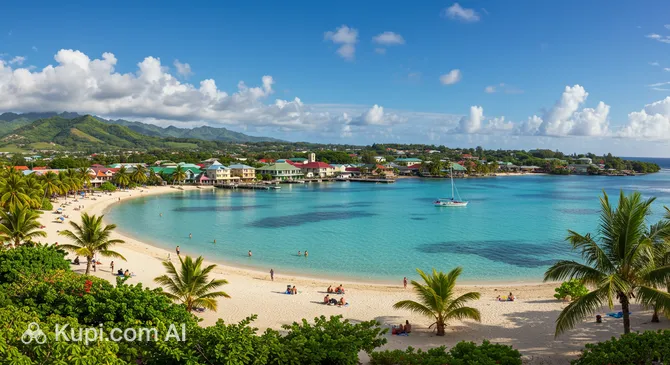
Avarua. Source: Kupi.Binoculars

Exploring the streets reveals a fascinating past deeply rooted in island traditions. Those interested in the history of Avarua will appreciate landmarks such as the iconic Cook Islands Christian Church (CICC), which dates back to the mid-19th century and stands as a testament to the region's heritage. The town is beautifully framed by the dramatic, lush peaks of Rarotonga's interior mountains, providing a stunning scenic backdrop to the coastal architecture.

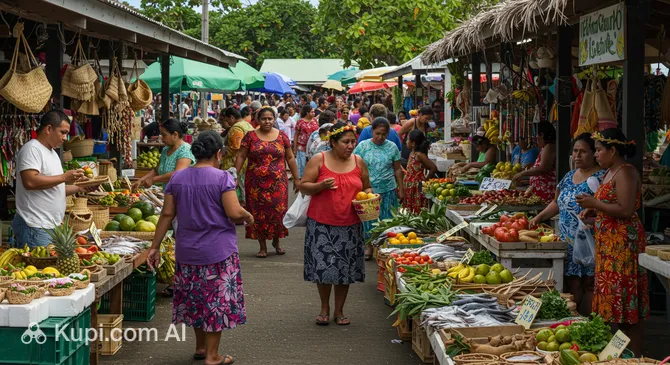
Visitors should not miss the vibrant Punanga Nui Market, especially on Saturday mornings when it comes alive with stalls selling local handicrafts, fresh tropical fruit, and colorful sarongs. The Avarua Harbour is another highlight, offering a picturesque spot to watch the sunset or enjoy the fresh ocean breeze while observing local fishermen.

Whether you are looking for cultural insights, shopping for exquisite black pearls, or simply relaxing by the water, Avarua offers a delightful starting point for your island adventure. It is a place where you can easily immerse yourself in the "island time" lifestyle while enjoying the warm hospitality of the locals.
Weather Overview

Avarua enjoys a pleasant tropical climate that makes it a welcoming destination throughout the year. The town experiences consistent warmth, with average temperatures gently fluctuating between 23°C and 26.5°C depending on the season.

The warmest period typically occurs from January to March, where daily averages reach up to 26.5°C. This season is also characterized by higher humidity and frequent rainfall, with March often seeing the highest number of wet days. In contrast, the cooler months from June to September offer slightly lower temperatures around 23°C and significantly drier conditions, making it a popular time for outdoor activities.

For those planning their trip and needing specific details, the guide to the weather in Avarua provides comprehensive monthly breakdowns. Generally, visitors can expect warm, humid summers with regular showers and milder, drier winters ideal for exploring the island.

Interesting Facts

Beyond the scenic coastline and bustling markets, Avarua holds several charming quirks and historical curiosities that often escape the casual observer. Here are some unique features that define the character of this tropical capital.

  • Avarua is one of the few national capitals in the world that functions entirely without traffic lights. Instead of busy intersections, the traffic flow is managed by two simple roundabouts, perfectly encapsulating the island's laid-back "Raro time" philosophy.

  • The city is home to a botanical marvel known as the "Seven-in-One Coconut Tree." Located on the grounds of the Takamoa Theological College, this unique natural phenomenon features seven distinct palm trunks growing from what was originally a single coconut, a sight rarely seen elsewhere in the Pacific.

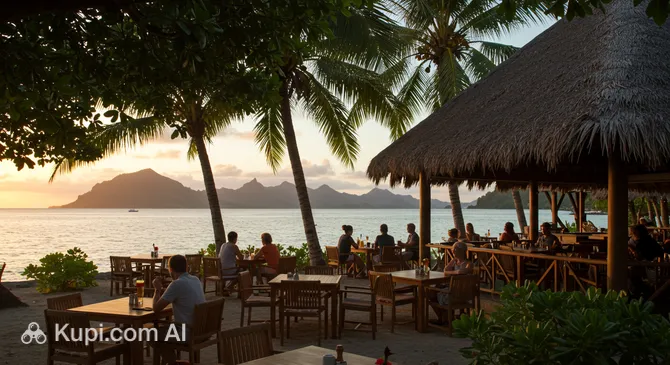
  • Local resilience is best exemplified by the iconic Trader Jacks restaurant and bar. This beloved establishment has achieved legendary status not just for its atmosphere, but for having been destroyed by cyclones—most notably Cyclone Meena in 2005—and stubbornly rebuilt in the exact same precarious waterfront spot every time.

  • Sundays in Avarua offer a surreal experience for visitors used to 24/7 commerce. The town practically shuts down completely as strict religious observance means almost all shops and businesses close, leaving the streets peacefully empty while the sound of harmonious singing drifts from the coral limestone churches.

Trader Jacks. Source: Kupi.Binoculars

How to Get There

Reaching this tropical capital is the first step of your adventure. As the main entry point to the nation, the city is well-connected internationally. For a detailed overview of travel options, you can read more about how to get to Avarua.

The primary gateway for almost all visitors is Rarotonga Airport (RAR). It is the main international hub for the country and is conveniently located just 2.2 km from the center of Avarua. Because of its close proximity, the transfer to your accommodation is quick and easy; a taxi ride typically takes approximately 5-10 minutes, allowing you to start your vacation almost immediately upon landing. This airport handles a significant number of tourists annually and serves as the central node for flights arriving from New Zealand, Australia, and the United States.

Travelers planning to explore the outer islands might also encounter Aitutaki Airport (AIT). However, it is important to note that this airport is located in the city of Aitutaki, which is about 263 km away from Avarua. It connects the main island of Rarotonga with the stunning lagoon of Aitutaki, serving as a key regional link rather than a direct entry point to the capital for international flights.

For clarity, here is a summary of the main airports:

Airport Name City Passenger Traffic Km from City
Rarotonga Airport Avarua Medium 2.2
Aitutaki Airport Aitutaki Small 262.9

There are no railway stations in Avarua or on the island of Rarotonga, as the Cook Islands do not have a passenger rail network. Once you arrive at the airport, transport within the city and around the island is primarily by road. Visitors often rent cars, scooters, or use the reliable local bus service that circles the island in both clockwise and anti-clockwise directions.

Main Attractions

Avarua offers a captivating mix of cultural heritage, social hubs, and historical landmarks that reflect the unique spirit of Rarotonga. While the town is small, its attractions provide a deep dive into the local lifestyle, from bustling markets to colonial-era architecture.

One of the most essential stops for any visitor is the Punanga Nui Market. Located near the waterfront, this vibrant marketplace is the cultural heartbeat of the island. While it is open throughout the week, Saturday mornings are when it truly comes alive with local vendors selling everything from fresh tropical fruits and vegetables to handmade quilts and intricate wood carvings. It is also the perfect place to sample traditional island cuisine and enjoy live cultural performances on the main stage.

Punanga Nui Market. Source: Kupi.Binoculars

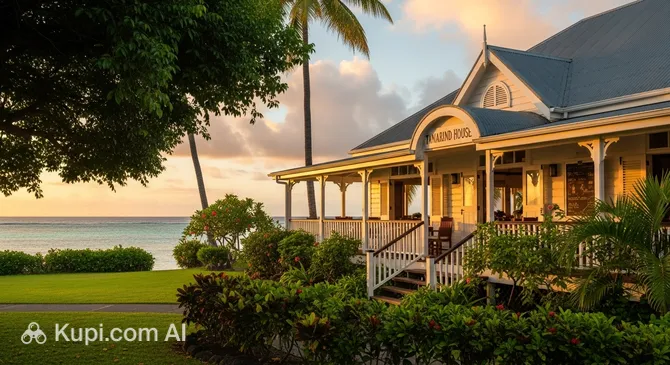
For a taste of history combined with fine dining, Tamarind House is a must-visit destination. Set in a beautifully restored colonial building that was once the home of the British Consul, this establishment sits amidst lush tropical gardens leading down to the ocean. The architecture itself is a attraction, offering a glimpse into the island's past, while the peaceful atmosphere makes it an ideal spot for a romantic dinner or a relaxed lunch away from the town center.

Tamarind House. Source: Kupi.Binoculars

No trip to Avarua is complete without experiencing the legendary atmosphere of Trader Jacks. Situated directly on the water's edge at Avarua Harbour, this iconic bar and restaurant is famous for its resilience against cyclones and its welcoming vibe. It serves as a popular gathering point for both locals and tourists to enjoy fresh seafood, watch the sunset, and soak in the social scene of the capital.

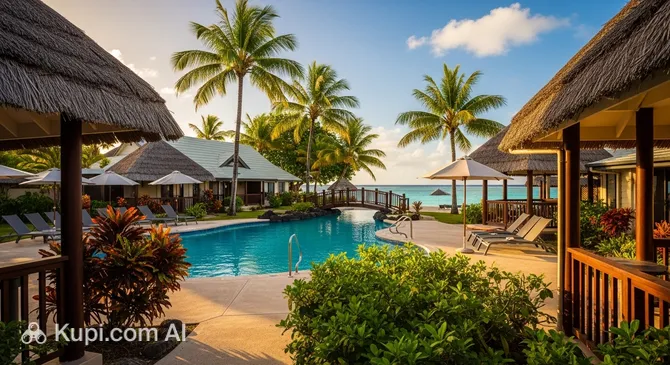
Those looking for a place to unwind might also enjoy a visit to the Club Raro Resort. While primarily a hotel, its amenities and location offer a pleasant environment for relaxation. Visitors often appreciate the swim-up bar and the scenic views of the ocean, making it a nice spot to enjoy a cocktail and embrace the laid-back island rhythm.

Local Cuisine

The culinary scene in Avarua is a delightful reflection of its island environment, heavily reliant on the freshest catch from the ocean and locally grown tropical produce. The food here is unpretentious yet bursting with flavor, often centered around staples like coconut, taro, and high-quality reef fish. Dining in the capital is less about formal etiquette and more about enjoying fresh ingredients in a relaxed, open-air setting.

The undisputed star of the local cuisine is Ika Mata, a dish that every visitor must try at least once. It consists of raw fish, typically marlin or tuna, "cooked" in lemon or lime juice and marinated in fresh coconut cream with diced vegetables like cucumber, onion, and chili. Another authentic delicacy is Rukau, made from young taro leaves cooked in coconut cream. It has a rich, spinach-like consistency and is often served as a savory side dish or paired with corned beef at traditional feasts.

For a true taste of the local food culture, travelers should head to the Punanga Nui Market. While it is a hub for crafts, the market is also a gastronomic center where you can sample homemade pastries, skewers, and hearty plates of roast pork or curry. It is the ideal place to grab affordable street food and mingle with residents enjoying their morning routine.

Dining out in Avarua ranges from casual waterfront bites to more refined experiences. Trader Jacks is a legendary spot to enjoy fresh seafood, such as seared tuna or fish and chips, right by the harbor. For those seeking a romantic dinner in a historic setting, Tamarind House offers an exquisite menu that fuses island ingredients with international cooking techniques.

Beverages are an integral part of the dining experience here. Non-alcoholic options are dominated by "Nu," fresh coconut water drunk straight from the shell, and vibrant fruit smoothies made from pawpaw and mango. For something stronger, visitors can enjoy locally brewed lagers or tropical cocktails at places like the Club Raro Resort, where the atmosphere is perfect for sipping a drink as the sun goes down.

Club Raro Resort. Source: Kupi.Binoculars

Travel Tips

Welcome to Avarua, where the pace is slow and the smiles are genuine. To help you settle into the relaxed "island time" rhythm and make the most of your tropical getaway, here are some essential practical tips for your visit.

  1. Clothing and Gear: Pack lightweight, breathable fabrics like cotton or linen to handle the tropical humidity. While swimwear is perfect for the beach, it is considered disrespectful to wear it in town or shops; always carry a sarong (pareu) or cover-up. Comfortable sandals are a must, and if you plan to explore the lagoon, bring reef shoes to protect your feet from sharp coral and stonefish.

  2. Transportation: Getting around Avarua and the rest of Rarotonga is unique and simple. There are no traffic lights, and the public bus system consists of just two routes: "Clockwise" and "Anti-clockwise," which circle the island. Scooters are the most popular way to travel, but you may need to visit the local police station in Avarua to obtain a visitor's license if you are not licensed to ride a motorcycle in your home country.

  3. Finances: The official currency is the New Zealand Dollar (NZD), though you might encounter unique Cook Islands coins, including the famous triangular $2 coin. Credit cards are widely accepted in hotels and larger restaurants in Avarua, but you will need cash for the Punanga Nui Market and smaller roadside stalls. ATMs are readily available throughout the town.

  4. Health and Safety: Avarua is a very safe destination with low crime rates, but standard precautions with valuables should still be taken. There are pharmacies in town for basic needs, and a hospital is located on the island for emergencies. Mosquitoes can be a nuisance, so packing a good insect repellent is highly recommended to avoid bites, especially during dawn and dusk.

  5. Communication: English is an official language and is spoken by everyone, so you will have no trouble communicating. However, locals appreciate it if you use a few Cook Islands Māori phrases; a cheerful "Kia Orana" (may you live long) is the standard greeting. Wi-Fi is available in most cafes and hotels, but it is often not free; buying a local SIM card upon arrival is the most cost-effective way to stay connected.

  6. Local Etiquette: Sundays are taken very seriously in Avarua. Most businesses, including shops and bars, close down for the day as locals attend church and spend time with family. It is polite to respect this quiet time; if you attend a church service, which visitors are welcome to do, ensure you dress modestly (shoulders covered and knee-length attire).

  7. What to Avoid: Do not rush or show impatience. Service here operates on "island time," which is significantly slower than in major cities. Getting frustrated or demanding quick service is seen as rude and goes against the local way of life. Relax, wait your turn, and enjoy the atmosphere.

  8. Market Tip: If you want the best selection of fresh fruit, flower garlands (ei), and local food at the Saturday Punanga Nui Market, arrive early—around 8:00 AM. By noon, many vendors will have sold out and started packing up.

By keeping these simple tips in mind, you will navigate Avarua not just as a tourist, but as a welcome guest. Embrace the slower pace, respect the local customs, and enjoy the incredible hospitality that makes the Cook Islands so special.

Entertainment & Nightlife

Nightlife in Avarua is a reflection of the island's overall character: laid-back, welcoming, and unpretentious. While you won't find the neon-lit intensity of a major metropolis, the capital offers a fun and vibrant evening scene that centers on socializing, live music, and enjoying the tropical open-air environment. The action is primarily concentrated along the waterfront near the Avarua Harbour and the main road, Ara Tapu, making it easy to hop between venues.

The atmosphere is distinctly casual. The dress code almost everywhere is "island style," meaning shorts, t-shirts, and sandals are perfectly acceptable even in the evening. The crowd is a friendly mix of tourists, expatriates, and locals unwinding after work. Most bars and clubs start to fill up around sunset, with happy hours being a popular tradition, and the energy often peaks before midnight, although some venues stay open until the early hours on weekends.

For many, the evening begins and ends at Trader Jacks. Located right on the water's edge, this institution is the heartbeat of Avarua's social scene. It transforms from a restaurant into a lively bar as the night progresses, often featuring live local bands playing everything from island reggae to classic hits. It is the perfect spot to grab a cold lager, mingle with the locals, and dance on the deck with the ocean breeze cooling you down.

If you are looking for a more resort-style evening, the Club Raro Resort offers a relaxed setting. Their pool bar is a great place to enjoy tropical cocktails under the stars. They often host "Island Nights," which combine dinner with traditional Polynesian dance performances, providing a cultural entertainment experience before the party transitions to the bar.

For a more refined evening that focuses on dining and conversation, Tamarind House provides an elegant backdrop. While less of a party venue, its heritage setting and oceanfront location make it a top choice for a sophisticated night out with fine wine and excellent food.

When it comes to practicalities, getting around at night requires some planning. The standard public bus service stops running in the early evening, but a dedicated "Night Bus" typically operates on Fridays and Saturdays, circling the island to pick up and drop off partygoers. Taxis are available, but it is advisable to book one in advance or have your venue call one for you. The town is generally very safe for night walks, but as with any destination, it is best to stay in well-lit areas and avoid walking alone on unlit backroads.

During the daylight hours, entertainment in Avarua takes a slower pace. Culture enthusiasts can visit the Cook Islands Library and Museum to learn about the nation's heritage, or catch a movie at the historic Empire Cinema, which screens the latest releases in a charmingly retro setting. For those who prefer nature, the town sits at the base of lush mountains, offering easy access to hiking trails that provide breathtaking views of the coast.

Parks & Museums

While Avarua may not be a sprawling metropolis filled with vast botanical gardens or massive museum complexes, it possesses a rich cultural tapestry interwoven with its natural tropical beauty. The city's green spaces are often functional and historical, blending seamlessly with the daily life of the islanders, while its museums provide intimate and profound insights into the Polynesian heritage that defines the Cook Islands.

For those seeking nature within the town limits, the Avarua Harbour waterfront acts as the city's primary open-air recreational area. It is more than just a docking point; it is a scenic promenade where visitors can enjoy the cool ocean breeze and watch the sunset over the Pacific. Just a short walk inland, the grounds of the Takamoa Theological College offer a serene, park-like atmosphere. Established in the 19th century, this area is lush with tropical vegetation and is famous for housing the "Seven-in-One Coconut Tree," providing a quiet retreat for a peaceful stroll amidst history.

Culture enthusiasts should make the Cook Islands Library and Museum their first stop. Located near the center of town, this institution is the custodian of the nation's history. It houses a fascinating collection of rare Pacific books, photographs, and traditional artifacts, including canoe carvings and musical instruments. It is an invaluable resource for understanding the genealogy and maritime history of the islanders. Another significant venue is the National Museum, run by the Ministry of Cultural Development, which showcases ethnographic displays and contemporary art, often hosting exhibitions that highlight the vibrant living culture of the Cook Islands.

The city's history is best experienced through its architectural landmarks. The Para O Tane Palace is a site of immense historical importance, known as the place where the treaty making the Cook Islands a British protectorate was signed. Although the building itself is not always open to the public, the surrounding grounds and the structure's colonial architecture are well worth viewing. Nearby stands the majestic Cook Islands Christian Church (CICC), built from coral limestone in 1853. Its graveyard is a historical archive in itself, containing the resting places of famous authors and island dignitaries.

For a more dynamic cultural experience, the Punanga Nui Market serves as an open-air gallery of living art. While primarily a market, it is the best place to see local artisans at work, carving wood or weaving traditional hats (rito), offering a hands-on connection to the island's artistic traditions.

A lesser-known gem for a quiet escape is the old Ara Metua road that runs parallel to the main coast road. Walking along this ancient coral road, specifically the stretch behind the town, offers a glimpse into a greener, slower-paced Rarotonga, lined with local fruit trees and older homes, away from the bustle of the main shopping strip.

Getting Around

Navigating Avarua is refreshingly simple, reflecting the relaxed pace of life on the island. Visitors will not find complex subway networks, trams, or extensive railway systems here. Instead, the public transport infrastructure relies entirely on a single, efficient bus service that connects the capital with the rest of the coastline, making it easy to get around without the stress of navigating a large metropolis.

The core of the public transport system consists of two bus routes known simply as "Clockwise" and "Anti-clockwise." These buses circle the island in their respective directions, with Avarua serving as the primary hub and starting point. The Clockwise bus runs regularly throughout the day, typically departing every hour, while the Anti-clockwise service operates on a slightly different schedule. This circular system makes it nearly impossible to get lost; if you miss your stop, you can simply stay on board until the bus loops back around.

Payment for public transport is straightforward and old-fashioned. There are no electronic travel cards, mobile apps, or ticket machines at stops. Passengers pay the driver directly in cash upon boarding. You can purchase a single-trip ticket, a return ticket, or, if you plan to use the bus frequently, a concession card (such as a 10-ride pass) which offers significant savings. It is advisable to carry small denominations of the local currency or New Zealand dollars, as drivers may not always have change for large notes.

For tourists, using the bus is an experience in itself. While there are designated bus stops in Avarua—usually marked by small shelters or signs—you can generally flag down a bus anywhere along the main road by simply waving your arm. To get off, just push the buzzer or let the driver know. The buses generally operate from early morning until late afternoon. However, a special "Night Bus" service typically runs on Friday and Saturday nights, catering to those enjoying the evening entertainment in town.

If you prefer more independence, renting a scooter or motorbike is the most popular alternative to public transport. Several rental agencies are located within Avarua. Be aware that you may need to obtain a visitor's driver's license from the local police station if your home license does not specifically cover motorcycles. Bicycles and e-bikes are also becoming increasingly popular for short trips around the town and are an eco-friendly way to explore the waterfront.

Taxis are available and can be found at designated stands in the town center or booked by phone. Unlike in many major cities, ride-sharing apps like Uber are not operational here. Taxis are reliable but can be more expensive than the bus. Since Avarua is compact and flat, walking is often the best option for exploring the immediate town center, allowing you to easily move between shops, markets, and the harbor on foot.

Accommodation

Accommodation in Avarua caters to a diverse range of travelers, offering everything from budget-friendly backpacker lodges to comfortable mid-range hotels and self-contained apartments. Unlike major tourist hubs with high-rise chains, the lodging landscape here is characterized by smaller, locally owned establishments that provide a more intimate and authentic island experience.

The town center is a convenient area for those who want immediate access to shops, cafes, and the main bus terminal. Staying centrally allows for easy exploration of cultural sites and the bustling Saturday market without the need for a rental vehicle. Alternatively, the outskirts of the town along the coast offer a more resort-style atmosphere, combining proximity to the capital's amenities with ocean views and swimming pools.

For visitors seeking a blend of convenience and resort facilities, the Club Raro Resort is a notable option situated just a short distance from the town center. It is a popular choice for those who want to enjoy amenities like a swim-up bar and ocean decks while remaining close enough to Avarua to enjoy its dining and nightlife scene.

When planning your stay, it is highly recommended to book well in advance, especially if you are visiting during the peak season from June to August or around the Christmas holidays. While there are options for various budgets, availability can become limited quickly due to the smaller size of most properties. Booking can typically be done through major online travel platforms, though contacting smaller motels or holiday homes directly can sometimes secure a better rate or a more personalized experience.

Nearby Cities

For those looking to explore the surroundings, Avarua serves as an excellent base for day trips to several interesting nearby locations:

The most renowned destination for a short visit is Aitutaki. Famous for its spectacular triangular lagoon, which is often described as one of the most beautiful in the world, it offers a stark contrast to the mountainous terrain of Rarotonga. Travelers can take a short flight to spend the day cruising the crystal-clear turquoise waters, snorkeling among coral ridges, and relaxing on the uninhabited islets (motus) that dot the reef.

For those seeking a more rugged eco-adventure, Atiu is a fascinating option. Known as the "Land of Birds," this island is geologically distinct, featuring a central plateau surrounded by a ring of fossilized coral cliffs (makatea). It is a haven for nature lovers who wish to explore ancient limestone caves, such as Anatakitaki, and observe rare bird species like the Kopeka in their natural habitat.

City Population Distance (km)
Aitutaki 2000 260
Mangaia 500 210
Mauke 444 280
Atiu 400 220
Mitiaro 200 262

These nearby destinations offer a glimpse into the diverse culture and landscapes of the region.

Shopping & Souvenirs

Shopping:

Shopping in Avarua is a relaxed affair that mirrors the easygoing pace of island life. While you will not find sprawling mega-malls or high-end fashion avenues, the town offers a charming selection of boutiques, duty-free outlets, and vibrant market stalls. It is the commercial hub of the nation, making it the best place to stock up on essentials, browse for unique local handicrafts, or hunt for the world-renowned Cook Islands black pearls.

The primary retail activity is concentrated along the main coastal road, Ara Tapu, particularly in the stretch known as the downtown area. Here, visitors can stroll comfortably between shops, enjoying the ocean breeze while browsing. Another key area is the bustling precinct around the harbour, where local vendors and larger stores cluster together, creating a convenient walkable district for tourists.

Large-scale shopping complexes are not part of the landscape here, but the CITC Shopping Centre (Cook Islands Trading Corporation) serves as the closest equivalent. It functions as a modern department store and supermarket complex, offering a wide range of goods from groceries and hardware to clothing and electronics. It is a reliable stop for travelers needing practical supplies or international brands during their stay.

The undisputed highlight of the local shopping scene is the Punanga Nui Market. Located next to the wharf, this colorful open-air marketplace is essential for anyone wanting to connect with local culture. While some stalls are open during the week, Saturday morning is the main event. It is the perfect place to find fresh seasonal fruit, organic vegetables, and an array of authentic artisan products sold directly by the creators.

When it comes to keepsakes, Black Pearls (Avaiki) are the signature luxury item of the Cook Islands, and Avarua is home to several reputable jewelers who can certify their authenticity. For more traditional handicrafts, look for Rito hats, which are intricately woven from coconut fibers, or colorful Tivaivai, the stunning hand-stitched island quilts. Locally produced coconut oils, soaps, and perfumes infused with tropical flowers like Tiare also make excellent, fragrant gifts to take home.

Business hours are generally from 8:00 AM to 4:00 PM on weekdays. Saturdays are busy in the morning, but most shops close by 12:00 PM or 1:00 PM, and almost everything is closed on Sundays, except for a few convenience stores. The currency used is the New Zealand Dollar (NZD). Credit cards are widely accepted in established stores and duty-free shops, but carrying cash is necessary for the markets and smaller roadside stalls.

Visitors can take advantage of duty-free shopping in Avarua. Several authorized retailers allow international travelers to purchase alcohol, tobacco, and perfumes at tax-free prices. You can often buy these items in town and arrange to pick them up at the airport upon your departure, making the process convenient and hassle-free.

Nearby cities

Reached the end of the page?

That means the route is fully explored