Support

Cartago

About

Cartago is an amazing city located in the heart of Costa Rica, surrounded by green hills, coffee plantations, and often shrouded in a mystical morning mist. This city, the former capital of the country, still preserves its majestic atmosphere, where the past harmoniously intertwines with the present in its architecture, traditions, and everyday life.

The city sits at an altitude of about 1,400 meters above sea level, providing it with a unique, always fresh microclimate, and the air here is filled with the aromas of mountain coffee and damp tropical greenery. Despite a relatively small population of approximately 22,775 people, Cartago is an important administrative center for the province of the same name. Its intimate atmosphere attracts those seeking authentic experiences away from the bustling tourist hubs.
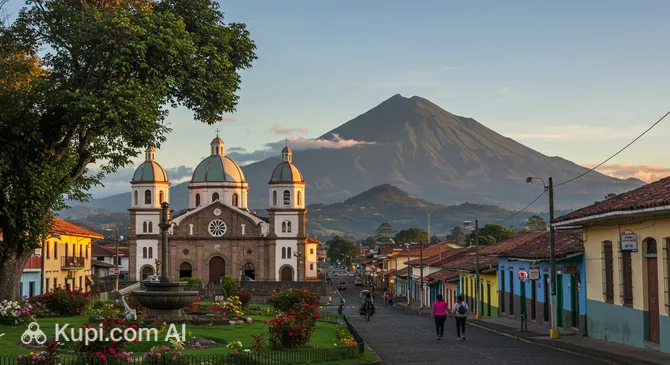
Cartago. Illustration.
Source: Kupi.com AI

Among Cartago's key features is its rich historical heritage. Tourists can visit the impressive ruins of the old Parroquia de Santiago Apóstol church, destroyed by earthquakes, which have become a symbol of the city. Another important landmark is the Basilica of Our Lady of the Angels (Basílica de Nuestra Señora de los Ángeles), the country's main pilgrimage center. Not far from the city rises the majestic Irazú Volcano, offering breathtaking panoramic views and a chance to witness the power of nature.

Cartago is a place where you can immerse yourself in the slow-paced life of Costa Ricans, taste some of the best coffee in the country, and enjoy a unique blend of history and natural beauty. If you are looking for an authentic experience and want to see a different side of Costa Rica, Cartago is undoubtedly worth your attention.

You can find more interesting facts on the history of Cartago page.

Weather Overview

In Cartago, a mild and fairly steady climate awaits you throughout the year. Average monthly temperatures fluctuate only slightly, from about 17.7°C in January to 19.7°C in May. Maximum daytime temperatures are usually in a comfortable range of 21–23°C, while minimum nighttime temperatures are around 14–16°C. Expect moderately temperate conditions in Cartago year-round, with a drier period from January to March (when only 2–3 mm of rain falls per month) and a pronounced rainy season from May to October. During these months, rainfall increases significantly (up to 16 mm in October), and almost every day can be rainy, especially from June to October, when 29–30 rainy days per month are recorded.

To better plan your trip based on weather conditions, you can find more detailed information on the Cartago Climate page.

Average monthly temperature

Average monthly precipitation

Interesting Facts

Beyond its well-known landmarks, {entity_name} holds many fascinating secrets and surprising stories. This city, one of the oldest in Costa Rica, is ready to share them with the inquisitive traveler.

  • Few people know that {entity_name} held the proud title of capital of Costa Rica for over two and a half centuries. The city was founded by Spanish conquistadors back in 1563 and remained the country's main administrative center until 1823, when capital functions were transferred to San José.

  • The devastating 1924 earthquake destroyed many buildings in {entity_name}, but paradoxically, it is thanks to this event that the city preserved its mysterious ruins of the colonial era. The most striking example is the ruins of the Cathedral of St. James (Las Ruinas de la Parroquia) on the central square, which now houses a picturesque garden inside, creating an amazing combination of history and nature.

  • The city's main sanctuary, the Basilica of Our Lady of the Angels, is home to one of Costa Rica's most revered relics — the "Black Madonna" statuette, affectionately called La Negrita. Every year in August, thousands of pilgrims from across the country and abroad flock to {entity_name} to worship this patroness of Costa Rica and ask for a miracle.

  • In {entity_name}, there is still a functioning railway station where you can take an exciting train ride to San José. This is not only a convenient way to reach the current capital but also a wonderful opportunity to enjoy the scenic landscapes of the Central Valley, passing by coffee plantations and small settlements.

How to Get There

Cartago is located in the central part of the country, in close proximity to the capital, making it easily accessible for travelers. Most tourists arrive via the region's main air gateways and then continue their journey by land. You can explore all available routes and find out more about how to get to Cartago in our detailed overview.

Cartago itself does not have its own airport, so the main transportation hub for arrival is Juan Santamaría International Airport (IATA: SJO). It is located in the city of Alajuela, approximately 35.2 km from Cartago. This is the country's largest airport, receiving flights from all over the world. The journey from the airport to Cartago by taxi or rental car usually takes about 1 hour; however, during peak hours, travel time can increase to 1.5–2 hours due to heavy traffic in the San José area.

Another option, especially if you are traveling through the country from the Pacific coast, could be the regional Quepos Airport (XQP). It is located in the town of Quepos, about 52.1 km from Cartago. It is worth noting that this is a straight-line distance on a map; the actual journey along mountain roads will take significantly longer. This airport serves mainly domestic flights and is convenient for those combining a beach holiday with a visit to the mountainous part of the country.

For convenience, here is a summary of the main airports:

AirportPassenger trafficDistance
Juan Santamaria International Airport5.7 mln35 km
Quepos Airport35 75252 km
Limon International Airport15 00099 km
Fortuna Airport13 00099 km
Tambor Airport25 000121 km

Regarding rail transport, it is not as extensively developed in Costa Rica as in Europe, and there is no station for long-distance trains in Cartago itself. However, there is a popular commuter service. You can reach Cartago by train from the capital, San José. Trains depart from the Estación del Atlántico in San José and arrive at the station in the center of Cartago. The trip takes about 45–50 minutes and is a great way to avoid capital city traffic while enjoying picturesque views of the Central Valley.

Additionally, there is an excellent bus service between San José and Cartago. Lumaca company buses depart every 5–10 minutes, making this one of the most budget-friendly and convenient ways to travel for tourists who do not plan to rent a car.

Main Attractions

Cartago, the former capital of Costa Rica, carefully preserves its history and offers travelers many interesting places to visit. Situated in a picturesque valley at the foot of the Irazú Volcano, this city combines colonial heritage and natural beauty, making it an attractive destination for tourists.

One of the main gems of Cartago and all of Costa Rica is the Basilica of Our Lady of the Angels (Basílica de Nuestra Señora de los Ángeles). This majestic structure attracts visitors not only with its impressive Byzantine-style architecture but also as the country's most important pilgrimage center. Every year, thousands of believers come here to honor the main shrine — the "La Negrita" statuette. The Basilica impresses with its size, intricate stained glass windows, and atmosphere of peace, making it a must-visit.

Not far from the basilica are the famous Ruins of the Parish Church of Santiago Apóstol (Ruinas de la Parroquia de Santiago Apóstol), often simply called "Las Ruinas." Construction of this church began back in the 16th century but was never completed due to numerous earthquakes. Today, these picturesque ruins, surrounded by a well-kept garden, represent a unique historical monument and a popular photo spot, serving as a reminder of the city's rich past and its resilience.

For lovers of nature and breathtaking landscapes, a trip to Irazú Volcano National Park is an essential part of the itinerary. This is the highest active volcano in Costa Rica, with its peak reaching 3,432 meters above sea level. On a clear day, there are stunning views of several craters, including the main one with its famous emerald-green lake, and sometimes you can see both the Pacific Ocean and the Caribbean Sea at the same time. Walking through the lunar landscapes around the craters leaves an unforgettable impression and attracts adventure seekers.

Another wonderful place, especially for flora enthusiasts, is the Lankester Botanical Garden. Founded by British naturalist Charles Lankester, this garden is famous for one of the world's largest collections of orchids. Besides orchids, you can see many other tropical plants, bamboo groves, and enjoy a peaceful stroll among exotic greenery. The garden is an important center for plant research and conservation, offering visitors a deep dive into the world of tropical nature.

Visiting these attractions will allow you to get better acquainted with the culture, history, and natural wealth of Cartago, leaving you with bright and warm memories of your journey to this amazing corner of Costa Rica.

Local Cuisine

The gastronomic scene in Cartago is a fascinating journey into the heart of Costa Rican culinary traditions, where Spanish heritage harmoniously blends with local customs. But the main star, without a doubt, is coffee. The plantations surrounding the city are famous for some of the best Arabica varieties in Costa Rica, and learning about the growing and roasting process is a must for any foodie. Local coffee shops and farms hospitably open their doors, offering not only a taste of the freshly brewed drink but also insight into the finer points of coffee art.

Among the dishes that are a must-try in Cartago, casado stands out — a hearty and balanced meal traditionally including rice, black beans, meat (often chicken, beef, or fish), fried plantains, and salad. This is the true taste of home-cooked Costa Rican cuisine. Equally popular is the local chorizo, prepared according to old recipes, which adds a spicy kick to many dishes. And on a cool evening, there is nothing better than a warming bowl of olla de carne — a rich soup with beef, corn, potatoes, yucca, and other vegetables, which is the embodiment of warmth and comfort.

While exploring Cartago, be sure to stop by the local street markets. Here you will find an abundance of the freshest tropical fruits, fragrant fried bananas (plátanos maduros), and traditional corn flour tortillas. Farmers often offer homemade cheeses and other dairy products, which will be an excellent addition to your gastronomic experience and pair perfectly with a cup of local coffee.

Speaking of drinks, it's impossible not to return to coffee. In Cartago, people drink it everywhere — from cozy coffee shops to specialized farms where you can sample a freshly brewed cup with a rich aroma and delicate taste. In addition to coffee, you can always refresh yourself with natural fruit juices, such as "frescos." As for alcoholic beverages, as in all of Costa Rica, you can find local beer and rum to complement your evening meal.

The food culture in Cartago is closely tied to traditions and family values. Locals prefer hearty home-cooked meals, and tourists can enjoy authentic cuisine in small restaurants called "sodas" or directly at the bustling markets. Occasionally, the city and its surroundings host small gastronomic festivals and fairs, where you can dive deeper into the region's culinary diversity, try dishes from different parts of Costa Rica, and purchase unique handmade edible souvenirs.

Travel Tips

Planning a trip to Cartago, the historical heart of Costa Rica? To ensure your journey goes smoothly and leaves only pleasant impressions, we have prepared some practical tips to help you feel more confident and enjoy every moment.

  1. Clothing and Essentials: The climate in Cartago is moderate, but evenings can be cool and rain is frequent, especially from May to November. Bring light clothing that can be layered, as well as a warm sweater or jacket. Be sure to bring a raincoat or umbrella. Comfortable walking shoes are your best friend for exploring the city and its surroundings. Don't forget sunscreen, repellent, and a plug adapter (Costa Rica uses Types A and B, 120V). When visiting the Basilica of Our Lady of the Angels (Basílica de Nuestra Señora de los Ángeles), observe the dress code: shoulders and knees should be covered.

  2. Transport: It is convenient to get around Cartago using public buses—this is the most affordable way. Official red taxis with a yellow triangle are also available (ensure the driver turns on the meter or agree on a price in advance). Renting a car can be useful if you plan to explore the surroundings, such as the Irazú Volcano or the Orosi Valley, but be prepared for local driving styles.

  3. Finances: The local currency is the Costa Rican colón (CRC). US dollars may be accepted in some tourist spots, but for daily expenses, especially at markets and in small establishments, it is better to have colones. You can exchange currency at banks or authorized exchange offices (casas de cambio). Credit cards (Visa, MasterCard) are accepted in many hotels, restaurants, and large stores, but it's always useful to have some cash on hand. ATMs (cajeros automáticos) are quite common. A 10% service charge (impuesto de servicio) is often already included in restaurant bills; any additional tip is at your discretion.

  4. Health and Safety: Pharmacies (farmacias) are available in the city, but 24-hour ones may be rare. It is recommended to have travel medical insurance. Cartago is considered a relatively safe city, but standard precautions apply: keep an eye on your belongings, especially in crowded places and on public transport, do not leave valuables unattended, and avoid walking in poorly lit areas after dark. Drink bottled or filtered water.

  5. Communication: The official language is Spanish. In the tourism sector, staff may speak English, but overall English proficiency is lower than in popular resorts. Learn a few basic Spanish phrases: "Hola" (Hello), "Gracias" (Thank you), "Por favor" (Please), "¿Cuánto cuesta?" (How much is it?). And of course, the famous "Pura Vida!" (Pure Life!)—a universal greeting and expression of positivity. A local SIM card can be purchased at the airport or in the city. Wi-Fi is available in most hotels and many cafes.

  6. Local Etiquette: Costa Ricans (Ticos) are very friendly and polite. It is customary to say hello ("Buenos días"—good morning, "Buenas tardes"—good afternoon/evening, "Buenas noches"—good night). "Pura Vida" is also used as a greeting or an answer to the question "How are you?". Show respect for local traditions and culture. Patience and a smile will help in making contact.

  7. What to Avoid: Do not leave valuables in plain sight in a parked car to avoid provoking theft. It is extremely important to show respect for religious sites, especially the Basilica of Our Lady of the Angels—the country's main shrine. Do not take photos during services without permission and avoid being noisy.

  8. Extra Tip: Cartago is the former capital of Costa Rica, a city with a rich history. Be sure to stroll through its historical center, view the Ruins of the Parish Church of Santiago Apóstol (Las Ruinas de la Parroquia), and of course, visit the majestic Basilica. If your trip coincides with August 2nd, you can witness the massive pilgrimage to the Basilica, but be prepared for very large crowds.

We hope these tips help you better prepare for your trip to Cartago and enjoy every moment in this charming city with its rich history. ¡Pura Vida!

Entertainment & Nightlife

In the evening, Cartago envelops its guests in an atmosphere of comfort and tranquility, offering a pleasant alternative to bustling metropolises. While the city is primarily famous for its rich history and colonial architecture, you will also find interesting options for evening leisure that reflect authentic local flavor.

The main nightlife spots in Cartago are concentrated in the central part of the city, especially around Central Park and its adjacent streets. Here, a variety of bars are at your service: from traditional "sodas," where you can enjoy local drinks and snacks in an informal setting, to more modern establishments with music. Clubs in Cartago tend to be small and mostly attract a local crowd, offering infectious Latin American rhythms and popular hits.

The atmosphere in Cartago's evening venues is usually very friendly and relaxed. The dress code in most places is casual, so you can feel comfortable. Many bars open their doors in the afternoon and stay open until late at night, and they are particularly lively on Fridays and Saturdays. For example, El Refugio Bar is considered a popular spot for a pleasant evening, known for its cozy setting and hospitality.

If you're in the mood to dance, look for venues like Ritmos de la Noche, where you can often hear live music or DJ sets. The ideal time to visit nightclubs and bars is Friday or Saturday evening, starting around 9:00–10:00 PM. Prices for drinks and club entry are usually moderate, making an evening out in Cartago quite affordable.

For moving around the city at night, it is recommended to use taxi services. Official taxis are typically red with a yellow triangle and are considered a reliable and safe option. It is best to call for a car by phone directly from the venue or use trusted taxi companies. As for safety, as in any other city, try to stick to well-lit and crowded streets, especially late at night, and do not leave your belongings unattended.

During the day, Cartago also keeps things interesting. You can dedicate time to exploring historical gems like the majestic Basilica of Our Lady of the Angels or explore the exhibits at local museums, such as the Museum of Religious Art. Strolling through well-kept parks, including Central Park, will also provide plenty of pleasant impressions and allow you to better feel the city's atmosphere.

Overall, the entertainment scene in Cartago offers a harmonious blend of cultural enrichment and the opportunity to spend a pleasant evening immersed in the unique Costa Rican atmosphere.

Parks & Museums

Cartago, the former capital of Costa Rica, offers its guests a harmonious blend of historical landmarks, well-kept green spaces, and cultural centers. This city, steeped in history, is a wonderful place for those who want to understand Costa Rican culture more deeply and enjoy natural beauty.

Among the iconic green spaces in Cartago are the gardens surrounding the famous Ruins of the Parish Church of Santiago Apóstol (Ruinas de la Parroquia). These picturesque ruins of an unfinished church, often shrouded in a light mist, create a mystical atmosphere and are a popular spot for walks and photos. While it is not a park in the traditional sense, the surrounding territory serves as an important public space. Not far from the city is the majestic Irazú Volcano National Park, where visitors can see the impressive craters of an active volcano and, if the weather is favorable, enjoy panoramic views stretching to the Atlantic and Pacific Oceans. For flora enthusiasts, the Lankester Botanical Garden is a must-visit, known for its extensive collection of orchids and other tropical plants, representing a true oasis of peace and beauty.

The cultural life of Cartago is also rich. To get acquainted with the history of the city and the region, it is worth visiting the Municipal Museum of Cartago. It is housed in the historical building of former military barracks and offers exhibits telling the story of the area’s past, starting from pre-Columbian times. The city's main architectural and spiritual symbol is the magnificent Basilica of Our Lady of the Angels (Basílica de Nuestra Señora de los Ángeles). This is not only an important pilgrimage site for believers from all over the country but also an outstanding architectural monument, attracting tourists with its rich interior and unique history associated with the image of La Negrita, the patroness of Costa Rica.

For those seeking authentic experiences, we suggest exploring the less-known corners of Cartago. Stroll through its quiet streets, take note of the colonial architecture of some buildings, or visit the local market to experience the daily life of the townspeople. It is also worth considering a trip to the nearby picturesque Orosi Valley, where old colonial churches have been preserved and beautiful views of coffee plantations open up.

Getting Around

Getting around Cartago and its surroundings can be done in several ways, the primary one being the bus service. The city's transport system is relatively simple to understand, making it accessible for tourists.

Buses are the main form of public transport in Cartago. There is an extensive network of routes connecting various city districts and providing links to other settlements, including the capital, San José. Buses are generally easy to recognize. Fares are usually paid in cash directly to the driver upon entry. The cost is low but may vary depending on the distance. For trips to other cities, tickets are most often purchased at the bus station. Schedules may not always be strictly followed, especially on city routes, so it's worth allowing extra time for waiting.

Taxis are another popular way to get around, especially for short distances or at night. Official taxis in Costa Rica are typically red with a yellow triangle on the door. It is recommended to use official taxis and ensure the driver turns on the meter (called "la maría") at the start of the trip, or agree on a price beforehand, especially if traveling outside the city. Ride-hailing apps may also be available in the region, providing a convenient alternative.

For more independent exploration of Cartago's surroundings and picturesque natural attractions, such as the Irazú Volcano, you might consider renting a car. This provides greater flexibility in planning your route and stops. However, be mindful of local traffic habits and the condition of some roads, especially in mountainous areas.

Walking is excellent for exploring Cartago's historical center, where many attractions are within walking distance of each other. The city is relatively compact, making it convenient for leisurely exploration on foot.

There are no specialized forms of transport like a metro, trams, or cable cars in Cartago. The main emphasis of the public transport system is on buses. Bicycle rentals are not yet widespread as part of the urban transport infrastructure for tourists, but they may be found in certain locations focused on active recreation.

Practical tips for tourists:

  • Always carry small change for bus fares.
  • Confirm the route and final stop with the driver or other passengers if you're unsure.
  • Bus stops aren't always clearly marked; sometimes the bus stops on request.
  • Main bus stations serve as starting points for intercity routes.
  • Public transport hours may be limited in the evenings and on weekends, so plan your trips in advance.

Accommodation

When planning a trip to Cartago, you will find a variety of accommodation options to suit different preferences and budgets. The city offers cozy guesthouses and small hotels, as well as apartments for short-term rent, allowing you to choose the most comfortable option for your stay.

Most accommodation options are concentrated in the central part of Cartago and its surroundings. By choosing to stay here, you will ensure convenient access to main attractions, such as the Basilica of Our Lady of the Angels, as well as shops, restaurants, and transport hubs. Some tourists also prefer staying in quieter areas on the outskirts if they are looking for privacy and proximity to nature.

Cartago features various types of hotels, ranging from budget to more comfortable mid-range options. While specific well-known hotels are not listed here, you can easily find suitable choices on popular online booking platforms. We recommend checking reviews from other travelers to choose a place that best meets your expectations. Family-run hotels and pensions offering an authentic experience are common.

As for booking, especially during peak tourist seasons or local holidays and festivals, it is recommended to book your accommodation in advance. This will help you not only guarantee availability but also potentially secure better rates. Most hotels and apartments can be booked through well-known international travel portals or directly on the hotels' websites.

The price range for accommodation in Cartago can generally be described as affordable, especially compared to Costa Rica's major tourist centers. You will be able to find very budget-friendly options as well as mid-level hotels with a good range of services. Regardless of your choice, planning ahead and researching options online will help make your stay in Cartago as pleasant as possible.

Nearby Cities

For those who want to explore the surrounding area, Cartago serves as an excellent starting point for day trips to several interesting nearby locations:

CityPopulationDistance
Paraiso20 6016 km
Tres Rios9 3319 km
Patarra11 92113 km
Copalchi13 67614 km
Curridabat28 81714 km

Each of these cities offers something unique for the curious traveler. San José, the capital of Costa Rica, attracts visitors with its many museums, such as the famous Gold Museum, historical architecture, and lively markets where real life bustles. A trip to Santo Domingo will give you the chance to enjoy a calmer atmosphere, stroll through its cozy streets, and appreciate its colonial heritage. Desamparados, one of the larger cantons, offers a glimpse into authentic urban life, local markets, and parks. San Vicente allows you to immerse yourself in the atmosphere of a typical Costa Rican town, perhaps visiting a local church or simply enjoying a leisurely walk. Finally, Curridabat, located very close to the capital, is interesting as an example of a modern, developing suburb reflecting the growth dynamics of the capital region.

These nearby destinations provide an insight into the diverse culture and landscapes of the Costa Rica region. Each trip promises new discoveries and impressions, complementing your visit to Cartago.

Shopping & Souvenirs

Shopping in Cartago is more about immersing yourself in the local atmosphere than chasing brands. The city offers an authentic experience with an emphasis on local goods, fresh products, and souvenirs that reflect the culture of Costa Rica. You won't find massive malls here, but you can purchase something truly unique.

The main commercial life of Cartago is concentrated in the central part of the city. Stroll along the streets adjacent to Central Park (Parque Central) and the famous Ruins of the Church of Santiago Apóstol (Ruinas de la Parroquia). It is here that you will discover many small shops, souvenir stalls, pharmacies, and stores with everyday goods.

Regarding large shopping centers, the selection within Cartago itself is limited. There may be small shopping complexes or "plazas" with a basic set of stores. Residents and tourists usually head to the capital, San José, for more large-scale shopping in modern malls.

The heart of trade in Cartago is undoubtedly the Central Market (Mercado Central). This colorful and lively place is where you can not only buy the freshest fruits, vegetables, meat, local cheeses, and aromatic spices but also find inexpensive clothing, household items, and, of course, try local delicacies. Visiting the market is a great way to feel the rhythm of the city's life and chat with the locals.

As souvenirs from Cartago and Costa Rica in general, look for: famous Costa Rican coffee, handmade wooden items (figurines, dishes), bright textiles (hammocks, bags with national patterns), painted ceramics, and, of course, various sweets and sauces, such as the popular Lizano sauce. Symbols of local fauna — toucans, sloths, frogs — also frequently decorate souvenir products.

Shops in Cartago are usually open from Monday to Saturday, roughly from 9:00–10:00 AM to 6:00–7:00 PM. Some small shops may close for a lunch break. Supermarkets generally work longer hours and may be open on Sundays. Costa Rican colones (CRC) are accepted for payment, and in tourist areas, US dollars are often accepted as well. Credit cards (Visa, MasterCard) are quite common, especially in larger establishments. However, it is better to have cash at markets and in small shops.

The standard VAT refund system (Tax Free) for tourists in Costa Rica is not as widespread as in some other countries. When making large purchases, it is worth checking for this possibility directly at the store, but you shouldn't count on it too much.

Nearby cities

Reached the end of the page?

That means the route is fully explored