Support

Palmares

About

Palmares is a charming and lively town nestled in the heart of the Alajuela province, Costa Rica. It is located approximately 35 kilometers northwest of the nation's capital, San José, in a picturesque valley surrounded by green hills and coffee plantations, creating a unique atmosphere of peace and harmony with nature.
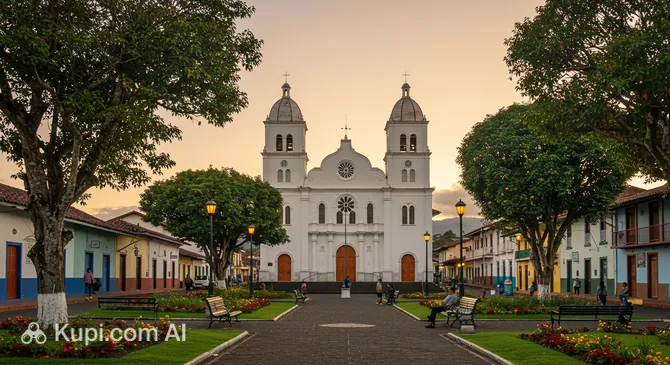
Palmares. Illustration.
Source: Kupi.com AI

With a population of about 34,716 people, Palmares maintains the spirit of a welcoming small town while playing an important role as a hub for local life, commerce, and culture. Here, century-old traditions intertwine harmoniously with modernity, and the mild climate and fresh mountain air make walking through its streets particularly pleasant at any time of year. The city is known for its hospitality, and tourists are greeted like old friends.

Palmares attracts travelers with the opportunity to immerse themselves in authentic Costa Rican culture. One of the city's main highlights is its famous festival, Fiestas de Palmares, which takes place in January and gathers thousands of visitors from all over the country and abroad. Additionally, guests can enjoy the taste of the freshest local coffee grown on surrounding plantations and explore the region's natural beauty, including scenic trails and vistas.

If you want to feel the true rhythm of life in the Costa Rican countryside, meet warm local residents, and find peace far from the city bustle, Palmares will be a real discovery for you. This city offers a unique combination of cultural heritage, natural beauty, and a warm, friendly atmosphere, leaving unforgettable impressions.

You can find more interesting facts on the Palmares city history page.

Weather Overview

The weather in Palmares is characterized by pleasant warmth year-round. The average monthly air temperature stays within 21-23°C. Expect a relatively dry period from January to March, when precipitation is minimal (1-2 mm per month), and a wetter season from May to November, with a peak of rain in October (up to 16 mm). The number of rainy days also varies significantly: from 9 days in February to 30-31 days in the summer and autumn months. For more detailed information, check out the data on the climate of Palmares.

Average monthly temperature

Average monthly precipitation

Interesting Facts

Beyond its picturesque landscapes and hospitable residents, Palmares holds many curious stories and features that make it truly unique. Here are just a few interesting facts about this charming town:

  • Every year, Palmares becomes the epicenter of one of Costa Rica's largest festivals – the Fiestas de Palmares. In January, thousands of people flock here to see grand parades, the famous "tope" horse processions, concerts, and even bullfighting, and the number of guests often exceeds the population of the town itself by several times!

  • The history of Palmares, founded in the 19th century by settlers, is inextricably linked to Costa Rica's "golden grain" – coffee. To this day, neat rows of coffee trees adorn the town's surroundings, and residents take pride in their contribution to the country's coffee fame.

  • Local folklore is full of mysterious stories about spirits and enigmatic phenomena said to occur in the surrounding forests. Legends about the "duende"—little forest people whose meeting is believed to bring luck and protect against misfortune—are particularly popular.

  • Palmares is known for its talented artisans and artists. At local fairs and street festivals, you can purchase unique handmade items and get acquainted with the work of local masters, reflecting the culture and traditions of the region.

How to Get There

The most convenient way to reach the town of Palmares, nestled in the Alajuela province of Costa Rica, is by air, using one of the nearest airports. The main international transport hub serving this region is the airport located in the city of Alajuela. From the airports, you can reach Palmares by taxi, rental car, or public transport, allowing you to choose the best option for your trip.

The primary point of arrival for most tourists planning to visit Palmares is Juan Santamaría International Airport (IATA: SJO). This major international airport is located in the city of Alajuela, approximately 26 km east of Palmares. A taxi or rental car ride from the airport to downtown Palmares usually takes about an hour, depending on traffic conditions. There are also bus routes connecting Alajuela with Palmares, providing a more economical way to reach the town.

Another option is Fortuna Airport (IATA: FON), located in the town of La Fortuna, approximately 48 km north of Palmares. This airport mainly handles domestic flights and charters. A car journey from here to Palmares takes about one and a half hours. Smaller airports, such as Quepos Airport (IATA: XQP) in Quepos, are further away but can be considered as alternatives depending on your overall Costa Rican itinerary.

For your convenience, here is a summary of the main airports from which you can reach Palmares:

AirportPassenger trafficDistance
Juan Santamaria International Airport5.7 mln26 km
Fortuna Airport13 00048 km
Tambor Airport25 00073 km
Quepos Airport35 75276 km
Cobano Airport45 00083 km

Main Attractions

Palmares, nestled in the Alajuela province of Costa Rica, may not boast a huge list of world-famous landmarks, but it charms visitors with its authentic atmosphere and several iconic sites that reflect the soul of Costa Rican culture. This city offers a relaxed introduction to local life and traditions.

One of the main hallmarks of Palmares is the Church of Our Lady of Mercy (Iglesia de Nuestra Señora de las Mercedes). This beautiful Catholic structure with its two elegant twin towers dominates the city center. The church not only serves as an important spiritual center for locals but also attracts tourists with its photogenic architecture and well-kept grounds. Visiting this site provides an opportunity to appreciate the region's religious traditions and enjoy the tranquility.

The heart of social life in the city, as in many Latin American towns, is Palmares Central Park (Parque Central). Typically located opposite the church, this park is a popular spot for relaxation, meeting people, and strolling for both locals and visitors. Here, you can sit on a bench in the shade of the trees, watch the slow pace of life, and feel the welcoming atmosphere of Palmares.

While Palmares is best known for its grand January Fiestas (Fiestas de Palmares), which draw thousands of visitors from across the country and abroad, the spirit of celebration and hospitality can be felt here year-round. A stroll through the town, exploring local craft shops, or visiting traditional "soda" cafes will allow you to dive deeper into the culture and daily life of this charming corner of Costa Rica.

Local Cuisine

A gastronomic journey through Palmares will surely begin with the enchanting aroma of freshly brewed coffee. The town is famous for its coffee plantations, and this invigorating drink is a true cult here. In numerous local cafes and coffee shops, you can try dozens of varieties, and for a full immersion, it is worth taking a coffee tour, where you will learn about the process of growing, harvesting, and roasting the beans.

The foundation of local cuisine consists of hearty and delicious traditional dishes. Be sure to try casado – a generous portion of rice and beans accompanied by meat (chicken, beef, or fish), fried plantains (plátanos), and a fresh salad. Another iconic dish, especially popular for breakfast, is gallo pinto, a flavorful mixture of rice and black beans with spices, often served with eggs or sour cream. You will also find various homemade seafood and chicken dishes on the menus of Palmares restaurants, prepared simply and deliciously.

To experience the true taste of Palmares, visit the local farmer's markets. Here, an abundance of the freshest tropical fruits, vegetables, homemade cheeses, and dairy products awaits you. It is also a great place to snack on hot empanadas – pastries with various fillings (meat, cheese, or vegetables), or treat yourself to sweet churros. Street food here is vibrant and diverse, especially during town festivals and holidays, when numerous stalls with fried plantains, sweet tortillas, and other local delicacies appear on the streets.

Among the beverages, besides the magnificent coffee, you should try the refreshing natural juices known in Palmares as "frescos" or "naturales." They are made from mango, papaya, pineapple, passion fruit, blackberry, and other exotic fruits, often with the addition of water or milk. Those looking for something stronger might appreciate the local beer, which makes an excellent accompaniment to a hearty lunch or dinner.

The dining culture in Palmares is very hospitable and focused on fresh, quality ingredients. Locals often eat in small family restaurants called "sodas," which serve authentic Costa Rican dishes at very affordable prices. Tourists will also find many cozy cafes and restaurants for every taste, offering both traditional and international cuisine. The gastronomy of Palmares is a bright reflection of Costa Rican hospitality, generosity, and love for simple yet incredibly delicious food that will surely leave warm memories of your trip.

Travel Tips

Welcome to Palmares! To make your trip to this charming corner of Costa Rica as comfortable and memorable as possible, we have prepared a few practical tips. We hope they will help you better plan your journey and enjoy every moment.

  1. Clothing and Essentials: Palmares, like all of Costa Rica, has a prevailing tropical climate. Bring light, breathable clothing made from natural fabrics. Don't forget a raincoat or umbrella, especially if traveling during the rainy season (usually from May to November). Comfortable walking shoes, sunscreen, a hat, and insect repellent are essential. For visiting churches, modest clothing covering the shoulders and knees may be required. Electrical outlets in Costa Rica are Type A and B (US standard), 120V, so an adapter may be needed.
  2. Local Transport: Palmares is a relatively small town, so you can get around using local buses or taxis. Official taxis in Costa Rica are red with a yellow triangle. Ride-hailing apps like Uber or DiDi may also be available. Renting a car can be convenient if you plan to explore the surroundings of Alajuela province, but it is not always necessary for moving within Palmares itself.
  3. Finances: The local currency is the Costa Rican colón (CRC). US dollars are also often accepted, especially in tourist spots, but change may be given in colones. You can exchange currency at banks or exchange offices (casas de cambio). Credit cards (Visa, Mastercard) are accepted in many hotels, restaurants, and shops. ATMs are fairly common. A 10% service charge (servicio incluido) is often already included in restaurant bills; if not, it is customary to leave about 10%. Tipping taxi drivers is not usually expected, but you can round up the amount.
  4. Health and Safety: Pharmacies (farmacias) are available in Palmares. It is recommended to have travel medical insurance. For drinking, it is better to use bottled water, especially during the first few days of your stay. Palmares is considered a safe enough town, but standard precautions are wise: keep an eye on your belongings, do not leave valuables unattended, and avoid poorly lit, deserted areas after dark.
  5. Communication: The official language is Spanish. In the tourism sector, staff often speak English, but knowing a few basic Spanish phrases (e.g., "Hola" – hello, "Gracias" – thank you, "Por favor" – please, "¿Cuánto cuesta?" – how much does it cost?) will be very useful and appreciated by locals. A local SIM card can be purchased from providers like Kölbi, Claro, or Movistar. Wi-Fi is available in most hotels, cafes, and some public areas.
  6. Local Etiquette: Costa Ricans, or "Ticos," are very friendly and hospitable. The greeting "Pura vida!" (pure life) is used everywhere and expresses a positive attitude toward everything. It is customary to say hello and goodbye even to strangers, for example, when entering a small shop or a bus. Respectful treatment of local culture and traditions is always valued.
  7. What to Avoid: Try not to photograph local residents, especially children, without their prior permission. Also, avoid openly criticizing the local, more relaxed pace of life or comparing it to what you are used to – this may be taken negatively. Be patient and enjoy the unhurried lifestyle.
  8. Special Tip: If your trip falls in January, do not miss the famous Fiestas de Palmares – it is one of the largest and most colorful festivals in Costa Rica, attracting thousands of visitors from across the country. Also, visit the local farmer's market (feria del agricultor) to try fresh tropical fruits and soak up the authentic atmosphere.

We hope these tips make your stay in Palmares even more pleasant and carefree. Enjoy the hospitality of Costa Rica and its amazing nature! Pura vida!

Entertainment & Nightlife

Palmares, located in the picturesque province of Alajuela, has a unique reputation in the world of entertainment. For most of the year, it is a cozy and rather quiet town, but in January, it transforms radically as it hosts the famous "Fiestas de Palmares." If you are planning a trip through Costa Rica at the beginning of the year, you might find yourself at one of the most grand parties in all of Central America, attracting thousands of tourists and locals alike.

Nightlife here is strongly seasonal. The main event is the January festival, when large temporary venues—known as "mega-bars"—are erected in the town. During this time, famous Latin American performers and DJs take the stage, playing reggaeton, salsa, and electronic music. Throughout the rest of the year, nightlife is centered around the Central Park area and along the main streets. Residents prefer cozy little establishments, sports bars, and traditional "cantinas" where they can grab a beer and discuss the latest news.

The atmosphere in Palmares' venues is very democratic and relaxed, fully aligned with the "Pura Vida" philosophy. There is practically no dress code: a comfortable casual style (jeans, t-shirts) is appropriate everywhere, from simple bars to noisy discos. The crowd here is open and friendly. The best time to go out is Friday or Saturday night when the local bars fill with life. Prices for drinks and food remain very moderate and affordable compared to expensive coastal resorts.

In terms of safety, Palmares is considered quite a calm place; however, basic precautions are necessary. At night, it is recommended to stick to well-lit central streets and avoid walking alone in remote areas. For travel after dark, it is best to use official taxis (red cars with a yellow triangle on the doors) or book a ride through trusted mobile apps.

During the day, the town offers more measured forms of leisure. The main architectural landmark and pride of the locals is the Las Mercedes Church, built entirely of stone, which is a rarity for the region. You can also stroll through the well-maintained green parks, visit local markets, or take a tour of the surrounding coffee plantations to enjoy nature and silence before the evening's festivities.

Parks & Museums

Palmares, a cozy town in the Alajuela province, offers its guests both picturesque green corners for relaxation and the opportunity to touch local culture and history. Here, you can enjoy the tranquility of nature and get acquainted with the authentic life of Costa Rica.

The heart of social life and the main place for strolling in Palmares is its Central Park (Parque Central). It is not just a well-maintained green area with trees and benches, but a true meeting place for local residents. Here, you can relax in the shade, observe the city's slow rhythm, and feel its friendly atmosphere. The park especially comes to life during town festivals and events, becoming the center of the fun. For tourists, it is a wonderful opportunity to see the daily life of the Palmareños.

Speaking of the cultural and historical heritage of Palmares, one cannot fail to mention the majestic Church of Our Lady of Mercy (Iglesia Nuestra Señora de las Mercedes). It is not just a religious building, but a true architectural gem and symbol of the city. Its two symmetrical towers are visible from afar and are the hallmark of Palmares. Visiting the church is interesting not only from a religious perspective but also to appreciate its beautiful architecture and feel the spirit of this place's history.

While Palmares may not have large museums with extensive collections, the spirit of the town and its culture can be felt by walking through its streets and interacting with the locals. Look out for small craft shops where you can find handmade items reflecting local traditions. It is also worth stopping by the local market—it is always a vibrant and colorful place where you can buy fresh fruit and souvenirs.

For more authentic impressions, try visiting one of the local "sodas"—these are small family cafes serving traditional Costa Rican dishes at very affordable prices. It is a great way not only to eat well but also to feel like part of the local community. Also, if given the opportunity, take a walk around the town's outskirts, where you can see the picturesque coffee plantations that are an important part of the region's economy and culture.

Getting Around

When planning your travel around Palmares, it is worth considering that it is a relatively small town, and its public transport system reflects its size. The primary method of public transportation here is buses, which connect various districts of the town and link Palmares with neighboring settlements.

The bus network in Palmares is well-developed enough for the needs of locals and tourists. Generally, these are standard buses running on established routes. Fares are most often paid in cash directly to the driver upon boarding. It is recommended to carry small change, as drivers may not always have change for large bills. Specialized tourist passes or complex electronic card systems are less common here than in major metropolises.

To use the bus, find a designated bus stop—sometimes they may not be very clearly marked, so don't hesitate to ask locals. Schedules may not always be strict, especially on less popular routes, so allow extra time for waiting. Buses usually start running early in the morning and end in the evening; night routes are generally non-existent.

As an alternative to public transport, taxi services are always available in Palmares. Official taxis are usually red (or orange if it is an airport taxi, though in Palmares they will be the standard red) with a yellow triangle on the doors. It is recommended to use official taxis and ensure the meter (called "maría") is turned on, or agree on a price for the trip in advance, especially for journeys outside the central part of town. Bike rentals or car sharing are not as widespread in Palmares as in large tourist centers, but for short distances, it is perfectly possible to get around on foot while sightseeing.

Accommodation

In Palmares, travelers can find a variety of accommodation options to suit different preferences and budgets. The town offers a choice ranging from cozy guesthouses and small family-run hotels to more comfortable apartments suitable for short-term and long-term rentals. You can find both budget options and mid-range housing geared toward tourists seeking comfort and a convenient location.

When choosing a place to stay in Palmares, it is worth looking at the central areas, from which it is easy to reach the main points of interest, shops, and restaurants. Staying near transport hubs can also be convenient if you plan to actively explore the town's surroundings and the Alajuela province. Overall, Palmares is a fairly compact town, so most accommodation options will be within reasonable reach of its key sites.

While Palmares may not boast many large hotel chains, small private hotels and pensions are common here, often offering more personalized service and a chance to dive deeper into the local atmosphere. These are the kinds of places that allow you to feel the true hospitality of Costa Rica.

Regarding prices and booking, the cost of accommodation in Palmares can vary depending on the season, type of housing, and amenities provided. In general, you can find options ranging from budget to mid-range. It is recommended to book accommodation in advance, especially if your trip coincides with local festivals or the high tourist season. The most common booking methods are popular online platforms and, in some cases, contacting the hotel or apartment owners directly.

Nearby Cities

For those looking to explore the surroundings, Palmares serves as an excellent starting point for day trips to several interesting nearby locations:

For example, San Ramón, located just 5 kilometers away, is known as the "city of poets and presidents" and offers guests a chance to immerse themselves in local culture, walk through its central park, and see its impressive church. Very close by is Naranjo (about 8 km), famous for its coffee plantations and scenic hills, where you can learn more about coffee production on one of the tours. For those seeking a larger urban center, Alajuela (approximately 25 km away) offers a lively central market, the Juan Santamaría Historical Museum, and serves as a major transport hub.

Below is a table with other nearby cities that may also be of interest to visit:

CityPopulationDistance
San Ramon80 5665 km
Naranjo42 7138 km
Jesus9 74410 km
Puente de Piedra10 55612 km
Grecia14 85914 km

These nearby destinations allow for a deeper acquaintance with the diverse culture and picturesque landscapes of the Costa Rica region.

Shopping & Souvenirs

Palmares offers its guests an authentic local shopping experience rather than an abundance of large shopping centers. Here, you can immerse yourself in the atmosphere of a small Costa Rican town, find unique souvenirs, and observe the daily life of its inhabitants. The town is not famous for any specific goods, but you can purchase high-quality locally produced items here.

The main retail outlets in Palmares are generally concentrated around the central park and on several of the town's main streets. These are small shops offering everyday goods, clothing, and footwear, as well as pharmacies and souvenir shops. A walk along these streets will allow you to feel the local flavor and perhaps find something interesting for yourself.

There are no large modern shopping malls in Palmares. Shopping here has a more traditional and intimate character. If you are looking for massive malls with international brands, it is better to head to the larger cities of Costa Rica.

While there may not be specialized tourist markets in Palmares, it is worth paying attention to the local municipal market (mercado municipal), if it is operating. Usually, such markets sell fresh fruits, vegetables, local products, and sometimes handmade crafts. It is a great place to try local delicacies and observe the life of the townspeople.

As souvenirs from Palmares and Costa Rica in general, traditional items are worth considering. The most popular are: excellent quality coffee, handmade wooden items, colorful hammocks, ceramics, and textiles with national motifs. Don't forget souvenirs with the phrase "Pura Vida"—the country's motto, reflecting its cheerful atmosphere.

Shops in Palmares typically operate from Monday to Saturday, roughly from 9:00-10:00 AM to 6:00-7:00 PM. Some small shops may close for a lunch break (siesta). Both Costa Rican colones (CRC) and US dollars are accepted for payment, especially in places geared toward tourists. Credit cards (Visa, MasterCard) are quite common in shops, but in markets and small family stores, it is better to have cash on hand.

As for the tax refund system (Tax Free), it is not as widespread in Costa Rica as in some European countries. Theoretically, Value Added Tax (IVA) can be refunded to tourists upon leaving the country for certain goods purchased in licensed stores. However, the procedure can be complicated and is usually relevant for expensive purchases. It is recommended to check the possibility and conditions for a tax refund directly at the store when making a purchase.

Reached the end of the page?

That means the route is fully explored