Support

Santa Ana

About

Santa Ana is a charming and cozy town located in the heart of Costa Rica, in the picturesque mountainous terrain of the San José metropolitan region. This city attracts visitors with its peaceful atmosphere, fresh mountain air, and abundance of greenery, creating a sense of being at one with nature while remaining just a few kilometers from the country's capital.
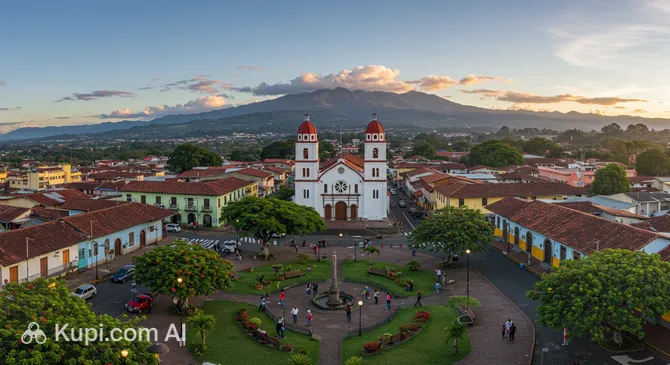
Santa Ana. Illustration.
Source: Kupi.com AI

With a population of about 13,000, Santa Ana maintains the spirit of a small, friendly town where every guest feels at home. Local residents are famous for their hospitality, and the city itself is considered one of the safest and most tranquil suburbs of San José. Traditions and modernity blend harmoniously here: you will easily find cozy cafes, stylish restaurants, authentic farmers' markets, and small boutique shops.

Santa Ana offers many reasons to visit. Nature lovers will appreciate the scenic hiking trails and parks, perfect for leisurely strolls. Art enthusiasts can visit local art galleries and workshops, while foodies will be pleasantly surprised by the variety of local delicacies and the quality of Costa Rican cuisine. The city is also known for its markets, where you can purchase fresh produce and items made by local artisans.

If you are looking for a place for a peaceful getaway, wish to get acquainted with the authentic culture of Costa Rica, and enjoy its natural beauty away from noisy tourist centers, then Santa Ana is an excellent choice for you. This city will provide you with unforgettable impressions and allow you to truly relax.

You can find more interesting facts on the Santa Ana city history page.

Weather Overview

In Santa Ana, you can expect warm weather throughout the year with an average monthly temperature of about 20-22°C. Maximum daytime temperatures usually fluctuate in the range of 23-26°C, and minimum nighttime temperatures are around 16-18°C. Precipitation is most likely from May to November, peaking in September-October (15-19 mm), while it is usually drier from January to March (1-2 mm). Learn more about the climate in Santa Ana.

Average monthly temperature

Average monthly precipitation

Interesting Facts

In addition to its picturesque landscapes and peaceful atmosphere, Santa Ana, a charming city in Costa Rica, holds many interesting features that not everyone knows about. Here are a few curious facts that will help you see this city in a new light:

  • In Santa Ana, there is not just a zoo, but a unique nature reserve called Refugio Animal de Costa Rica. This is a true rescue and rehabilitation center for wild animals, not just a place for display, which is especially appreciated by families with children who want to learn more about nature conservation.

  • The city is one of the recognized centers of pottery in Costa Rica. Local masters carefully preserve and pass down ancient ceramic-making techniques from generation to generation, ensuring that every piece is truly authentic and holds the warmth of its creator's hands.

  • One of the most vibrant and beloved traditions of the local residents is the Sunday farmers' markets. This is not just a place to buy fresh produce, but a real weekly celebration with artisanal crafts, the aromas of local cuisine, and a special friendly atmosphere where you can feel the true spirit of Santa Ana.

  • Despite its relatively small size, Santa Ana is known in the world of golf as a venue for international tournaments. Its picturesque golf courses attract not only professional athletes but also amateurs of the sport, offering high-quality play against a backdrop of magnificent scenery.

How to Get There

When planning your trip, it is important to think through your route in advance. You can find out more about how to get to Santa Ana on a special page, but here we will look at the main transport hubs located nearby.

The most convenient way for international travelers to reach the city is to fly via Juan Santamaría International Airport (IATA: SJO). Please note that this airport is not in Santa Ana itself, but in the neighboring city of Alajuela, at a distance of only about 7.5 km. This is the country's main and busiest aviation hub. Due to its close proximity, the journey to the center of Santa Ana by taxi or rental car will take only about 30–35 minutes if there is no heavy traffic.

For those traveling within Costa Rica, other regional airports may be useful, although they are located significantly further away. For example, Quepos Airport (IATA: XQP) is in the city of Quepos, about 54 km from Santa Ana. The drive from there will take about 1.5–2 hours. There are also flights to Fortuna Airport (IATA: FON) in La Fortuna (about 74 km), which is popular among tourists visiting the Arenal Volcano, but it is less convenient for traveling directly to Santa Ana than the capital's airport.

For clarity, here is summary information on the main airports:

AirportPassenger trafficDistance
Juan Santamaria International Airport5.7 mln8 km
Quepos Airport35 75254 km
Fortuna Airport13 00074 km
Tambor Airport25 00094 km
Cobano Airport45 000104 km

Main Attractions

Santa Ana, nestled in the province of San José, offers its guests several interesting spots that combine history, nature, and local flavor. While it is not the largest tourist hub in Costa Rica, there is plenty to see and do here to gain a deeper understanding of the culture and lifestyle of this wonderful country.

One of the city's key landmarks is the Church of Santa Ana (Iglesia de Santa Ana). This beautiful historical building, often designed in a traditional colonial style, serves not only as an important religious center for the local community but also attracts tourists with its architecture and peaceful atmosphere. Visiting the church allows you to touch upon the region's history and enjoy the craftsmanship of the architects of the past.

For those who appreciate nature and seek opportunities for a quiet retreat, the Santa Ana Conservation Center (Centro de Conservación Santa Ana) is an excellent choice. On its grounds, you can walk along picturesque trails and observe local flora and fauna, including various birds and small animals. This place is ideal for family vacations and for those who want to learn more about efforts to preserve Costa Rica's unique ecosystem.

To experience true local flavor and get a glimpse into the daily life of the residents, it is worth visiting the Santa Ana Municipal Market (Mercado Municipal de Santa Ana). There is always a lively atmosphere here, and the stalls are overflowing with fresh fruits, vegetables, local cheeses, pastries, and other products. It is also a great place to buy authentic souvenirs and handcrafted items, as well as to simply chat with the friendly locals.

Local Cuisine

The gastronomic scene of Santa Ana is a true discovery for foodies, offering a delightful combination of traditional Costa Rican flavors and international cuisine. When planning your culinary journey, you will find that food here is not just about satisfying hunger, but an important part of the local culture.

Among the dishes definitely worth trying in Santa Ana, two pillars of Costa Rican cuisine stand out. First is gallo pinto—a fragrant mixture of rice and black beans seasoned with spices, often served for breakfast with fried plantains (plátanos maduros) and fresh tortillas. Second is the casado—a hearty and balanced dish representing the "marriage" of rice, beans, meat (chicken, beef, or fish), salad, and fried plantains. Also look out for fresh seafood dishes prepared according to family recipes passed down through generations, and of course, enjoy the abundance of juicy tropical fruits.

The dining culture in Santa Ana is diverse. Locals and tourists love to dine in cozy cafes and restaurants where they can taste both traditional and modern dishes. Farmers' markets hold a special place; here you can not only buy the freshest products like local cheese, homemade sweets, and exotic fruits straight from the plantations, but also try the famous Costa Rican organic coffee. Street food is also popular: be sure to try chifrijo—an appetizing mix of rice, beans, crispy fried pork (chicharrones), and pico de gallo salsa, as well as various empanadas with meat or vegetable fillings.

As for drinks, a day in Santa Ana is unimaginable without a cup of aromatic Costa Rican coffee, grown and prepared here with special care. Natural juices from fresh tropical fruits like mango, papaya, pineapple, or passion fruit, known as "frescos" or "naturales," will help you cool down. While locally produced beer and rum are also available, the emphasis is often on natural and refreshing non-alcoholic drinks. The city is also known for its gastronomic festivals, which turn food tasting into a real celebration with music and dancing, allowing for a deeper immersion into the region's culinary traditions.

Travel Tips

Welcome to Santa Ana! This charming city in Costa Rica is ready to provide you with a wealth of experiences. To ensure your trip goes smoothly and leaves only pleasant memories, we have prepared some practical tips.

  1. Clothing and Essentials:

    In Santa Ana, located in Costa Rica's Central Valley, a pleasant, temperate climate prevails. Bring light, breathable clothing made from natural fabrics. Don't forget a light jacket or sweater for evening walks. Rains are possible from May to November, so a thin raincoat or umbrella will come in handy. Comfortable walking shoes, sunscreen, a hat, and insect repellent are essential. For electrical appliances, you will need a US-type adapter (Types A and B). When visiting churches, choose modest clothing that covers shoulders and knees.

  2. Transport Around the City and Surroundings:

    Santa Ana is a relatively small city, and you can get around it on foot, especially in the center. For trips to neighboring San José or other areas, it is convenient to use public buses—they run regularly and are inexpensive. Taxis (choose official red cars with a yellow triangle) and services like Uber are also available. Renting a car can be a good option if you plan to explore the surroundings and natural attractions of Costa Rica on your own, but keep in mind that traffic in the metropolitan region can be heavy.

  3. Financial Matters:

    The local currency is the Costa Rican colón (CRC). US dollars are also widely accepted in many tourist spots, but for small purchases and in smaller establishments, it is better to have colones. You can exchange currency at banks or official exchange offices (casas de cambio). Credit and debit cards (Visa, MasterCard) are accepted in most hotels, restaurants, and large stores. ATMs are quite common. A 10% service charge is often already included in restaurant bills (look for the line "servicio incluido"); if not, it is customary to leave about 10%. It is common to round up the fare for taxi drivers.

  4. Health and Safety:

    Santa Ana is considered one of the safe areas in the metropolitan region. Nevertheless, always follow basic precautions: do not leave valuables unattended, use the hotel safe, and be attentive in crowded places. Pharmacies (farmacias) are easy to find. For serious medical assistance, it is better to go to clinics in San José. Be sure to obtain travel medical insurance before your trip. Tap water in Santa Ana is generally considered safe to drink, but if in doubt, buy bottled water.

  5. Communication and Connectivity:

    The official language is Spanish. In the tourism sector, many people speak English, but knowing a few basic phrases in Spanish (e.g., "Hola" - hello, "Gracias" - thank you, "Por favor" - please, "¿Cuánto cuesta?" - how much does it cost?) will be very useful and appreciated by locals. A mobile SIM card with internet access can be purchased from local operators (e.g., Kölbi, Claro). Wi-Fi is available in most hotels, cafes, and restaurants.

  6. Local Etiquette and Interaction:

    Costa Ricans, or "Ticos," are known for their friendliness and hospitality. A key phrase you will hear everywhere is "Pura Vida" (literally "pure life"). It is used as a greeting, a farewell, an expression of agreement, or simply to describe a good mood. A handshake is common when meeting people. Using "usted" (the formal "you") is more formal and respectful, especially toward elders or people you don't know well. Don't rush; appreciate the slow pace of life—it's part of the local charm.

  7. What to Avoid:

    Try not to photograph people without their prior permission, especially locals in their daily setting. Also, do not openly criticize the local way of life or compare it negatively to your country. Show respect for local traditions and be patient if something does not happen as quickly as you are used to.

  8. Additional Tip:

    Santa Ana is not only a cozy town but also a place with developed infrastructure, good restaurants, and shops. Take the opportunity to visit the local farmers' markets (ferias), which usually take place on weekends. Here you can buy fresh fruits, vegetables, local cheeses, and artisanal crafts. It's a great way to immerse yourself in the local atmosphere and try something authentic.

We hope these tips help you better prepare for your trip and get the most enjoyment out of your stay in Santa Ana. Enjoy the hospitality, beautiful nature, and unique "Pura Vida" atmosphere in Costa Rica!

Entertainment & Nightlife

As evening falls, Santa Ana offers its guests a cozy and relaxed atmosphere, perfect for a pleasant end to the day. While it is not a metropolis with a bustling 24-hour lifestyle, you can find interesting options for evening leisure here.

Nightlife in Santa Ana is mainly centered around bars and restaurants, many of which offer not only delicious food but also pleasant music. You can find venues with live performances featuring both local rhythms and popular international songs. Some restaurants transform into lounge areas with cocktails and light snacks later at night. The atmosphere in most places is quite casual, attracting both a local crowd and expats. There is usually no specific dress code, and smart casual style is welcomed.

The main points of attraction for evening strolls and finding entertainment are the city's central streets and areas with commercial activity. This is where popular cafes and bars are concentrated. The best time to visit is from late evening onwards, especially on weekends. Prices in Santa Ana establishments are generally moderate, but it is always worth checking in advance. For traveling at night, it is recommended to use official taxis or verified ride-hailing apps.

In terms of safety, Santa Ana is considered a fairly quiet area. Nevertheless, as in any other place, it is best to stick to well-lit and busy streets at night and keep an eye on your belongings. Calling a taxi is usually easy through hotel reception or using mobile apps.

While the nightlife in Santa Ana might not be as large-scale as in the capital, it has its own charm. To find specific bars or clubs, we recommend walking through the central part of the city or checking current local guides and reviews, as offerings may change.

During the day, Santa Ana also offers leisure options. Guests can visit local markets to immerse themselves in the authentic atmosphere and purchase fresh produce or souvenirs. For nature lovers, there is the opportunity to walk through nearby parks or green zones. While the city itself may not have large world-class museums or theaters, getting to know the local culture and architecture through leisurely walks is a pleasure.

Parks & Museums

Santa Ana, nestled in Costa Rica's Central Valley, offers its guests a pleasant combination of green spaces for relaxation and interesting cultural sites that provide a deeper understanding of local flavor and history.

For nature lovers and those who enjoy quiet walks, Santa Ana and its surroundings have several wonderful places to offer. The heart of public life is often Santa Ana Central Park (Parque Central de Santa Ana)—a typical Latin American town square where you can relax in the shade of trees and observe the slow pace of local life. A more extensive green zone with trail hiking opportunities is offered by the Santa Ana Conservation Center (Centro de Conservación Santa Ana). Here, you can not only enjoy the nature of a restored forest but also learn more about the local flora and fauna. The proximity to the Escazú foothills also opens up opportunities for more active recreation and hiking with scenic views.

The cultural life of Santa Ana is closely tied to its history and traditions. One of the key places to learn about the region's heritage is the Santa Ana Historical Agricultural Museum (Museo Histórico Agrícola de Santa Ana), which is often part of the aforementioned Conservation Center. The museum's exhibition tells the story of Costa Rica's agrarian past and traditional lifestyle. While Santa Ana may not have large world-class art galleries, the city is famous for its craft traditions, especially pottery. Visiting local workshops and souvenir shops can be a true cultural immersion, where you can not only purchase unique items but also observe the artisans at work.

Among the architectural landmarks, the old Church of Santa Ana (Iglesia de Santa Ana) stands out. This beautiful colonial-era building is not only an important religious center but also a historical symbol of the city, around which the settlement was formed.

For more authentic experiences, stop by the local farmers' market (feria del agricultor) if your trip coincides with its operating days. It is a wonderful opportunity to try fresh local products and feel the true atmosphere of a Costa Rican town. Also, don't miss the chance to visit one of the many "sodas"—small family-run cafes where traditional dishes are served at affordable prices.

Getting Around

Getting around Santa Ana and its surroundings is possible in several ways, however, the primary form of public transport here is the bus. They connect different areas of the city and provide links to nearby settlements, including the capital, San José. Occasionally, on some routes, you may find shuttle taxis (colectivos), which offer a faster but slightly more expensive way to get to your destination.

The payment system on buses is quite simple. Most often, payment is made in cash directly to the driver upon boarding. It is recommended to have small bills or coins in the local currency (Costa Rican colón). On some buses, especially on routes connecting Santa Ana with larger cities, transport cards may be accepted, but for short trips around the city, cash remains the most reliable option. Tickets as such are usually not issued; payment serves as permission to travel.

Buses in Santa Ana usually start running early in the morning and end in the evening. On weekdays and during peak hours, intervals are shorter; on weekends and holidays, buses may run less frequently. To board a bus, look for marked bus stops (paradas) or, on less busy streets, simply signal the driver with your hand. You can clarify the route and schedule with locals or directly with drivers, who are often ready to help.

If you prefer a more individual approach to travel, taxi services are available in Santa Ana. Official taxis in Costa Rica are generally red with yellow triangles on the sides, and they should be equipped with meters (called "maría"). Always check that the driver turns on the meter, or agree on a price in advance, especially for long distances. Popular ride-hailing mobile apps may also be available in the region, which can be a convenient alternative.

For more freedom of movement, especially if you plan to explore the surroundings of Santa Ana and other parts of Costa Rica, you might consider renting a car. Rental points are available both at the airport and in major cities. Bicycle rentals may be available at some hotels or private points, but it is not a widespread city system. Santa Ana itself is quite compact, and many parts of it can be explored on foot while enjoying the local atmosphere.

Accommodation

When planning a trip to Santa Ana, you will find a variety of accommodation options to suit different preferences and budgets. The city offers a choice from cozy guesthouses and apartments for those seeking home comfort, to mid-range hotels and more prestigious options providing a high level of service.

The choice of neighborhood in Santa Ana often depends on your goals. Many tourists prefer to stay in places with easy access to main roads if they plan to explore the surroundings, or closer to commercial zones and restaurants. In Santa Ana, you can find both quiet residential areas and places with a more lively atmosphere. Renting apartments or villas is also a popular choice, especially for families or long stays, offering more space and flexibility.

To secure the best accommodation option, especially during the peak tourist season, it is recommended to book your stay in advance. Most hotels and apartments in Santa Ana are available for booking through popular online platforms, allowing you to compare prices and conditions. Direct booking through hotel websites is also an option.

The price range for housing in Santa Ana varies: you can find budget options as well as offers in the mid and higher price segments. This allows travelers with different financial means to find a suitable option for a comfortable stay in this Costa Rican city.

Nearby Cities

For those who want to explore the surrounding area, Santa Ana serves as an excellent starting point for day trips to several interesting nearby locations. Here are just a few options that might interest you:

  • San José (10 km): the capital of Costa Rica, offering a rich cultural program with numerous museums, theaters, and historical architecture. It is the heart of the country, where you can feel its modern rhythm and get acquainted with its historical heritage.
  • Alajuela (10 km): a large nearby city known for its bustling Central Market and as the starting point for trips to the famous Poás Volcano. The city also honors the memory of national hero Juan Santamaría.
  • Santo Domingo (11 km): a charming town that attracts visitors with its well-preserved colonial architecture and the atmosphere of old coffee plantations. An ideal place for a quiet stroll and getting to know the traditional way of life.

More detailed information about some of the closest cities, including their population and exact distance from Santa Ana, is presented in the table below:

CityPopulationDistance
Pozos15 5853 km
Matinilla12 9365 km
Escazu11 9845 km
San Antonio de Belén9 9425 km
Ciudad Colón17 4117 km

These nearby destinations allow for a deeper acquaintance with the diverse culture, history, and natural beauty of Costa Rica.

Shopping & Souvenirs

Shopping in Santa Ana offers a pleasant blend of modern conveniences and local character. While the city is not a major shopping hub like the capital, you can find interesting goods and souvenirs that reflect the culture of Costa Rica. The city is better known for its boutiques, small specialty stores, and markets offering fresh produce and handcrafted items.

The main shopping spots in Santa Ana are concentrated along the main streets and in small commercial centers. Here you will find shops for clothing, footwear, and accessories, as well as pharmacies and supermarkets. A walk through the central part of the city will allow you to discover local shops with unique products. For larger-scale shopping, many residents and tourists head to neighboring Escazú, home to major shopping centers.

Although there may not be giant malls in Santa Ana itself, modern shopping complexes like Multiplaza Escazú or Avenida Escazú are located in its vicinity and in the aforementioned Escazú, offering a wide selection of international and local brands, restaurants, and entertainment. In Santa Ana proper, you can find more compact shopping areas, such as City Place Santa Ana or Santa Ana Town Center, which offer a good selection of stores and services for daily needs and leisurely shopping.

Farmers' markets (ferias del agricultor), which usually run on weekends, hold a special place in the Santa Ana shopping scene. Here you can buy the freshest fruits, vegetables, local cheeses, pastries, and other products directly from farmers. It's not just a great place to shop, but also an opportunity to soak up the local atmosphere. Sometimes, artisanal crafts can also be found at these markets.

As souvenirs from Santa Ana and Costa Rica in general, it is worth bringing back the famous Costa Rican coffee, handmade wooden items, colorful ceramics, textiles with national patterns, as well as various crafts featuring images of local flora and fauna, such as toucans or sloths. High-quality locally produced chocolate can also be found in souvenir shops.

Most shops in Santa Ana are open from Monday to Saturday, usually from 9:00-10:00 AM to 6:00-7:00 PM. Large supermarkets and shopping centers may have longer hours, including Sundays. Both Costa Rican colones (CRC) and US dollars are accepted for payment in many tourist locations. Credit cards (Visa, MasterCard) are widely used, especially in supermarkets, restaurants, and large stores. Cash is preferred at markets and in small shops.

Regarding the Tax Free system, it is not as widespread or automated in Costa Rica as in some European countries. Value Added Tax (IVA) is included in the price of goods. The possibility of tax refunds for tourists is limited and usually not advertised. If you make large purchases in specialty stores, it is worth asking the seller about the possibility of arranging documents for a tax refund, but you should not count on it heavily.

Nearby cities

Reached the end of the page?

That means the route is fully explored