Support

Costa Rican Art Museum

About

The Museum of Costa Rican Art, also known as the Museum of Contemporary Art and Design (Museo de Arte y Diseño Contemporáneo), is one of the main cultural centers of San José, the capital of Costa Rica. This museum specializes in contemporary art and design, providing a unique platform to discover the work of both local and international artists.
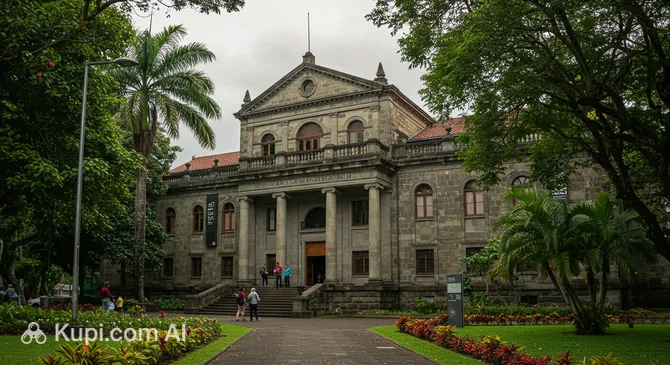
Costa Rican Art Museum. Illustration.
Source: Kupi.com AI

Traveler photos:

The museum's exhibitions cover a wide range of contemporary art movements, from painting and sculpture to installations and multimedia projects. It regularly hosts temporary exhibitions, as well as various cultural events including lectures, workshops, and presentations, making it a dynamic and constantly evolving space.

The museum building itself deserves special attention. It features colonial architecture and is a historical monument in its own right. Within its walls, modern exhibitions harmonize with the atmosphere of an old industrial site, turning a museum visit into a unique cultural experience.

Contacts

To find the latest contact details for the Museum of Costa Rican Art, such as phone numbers or email addresses, it is recommended to visit the museum's official website or contact local tourist information centers in San José. There, you can obtain the most up-to-date information on opening hours and contact methods.

How to contactContact
AddressMata Redonda District, San José Province, San José, Sabana, Costa Rica
Phone number+506 2256 1281
Websitewww.mac.go.cr

What to Do

The Museum of Costa Rican Art in San José offers visitors an engaging immersion into the world of contemporary art. Here, you can explore an extensive collection including painting, sculpture, photography, installations, and multimedia projects. The exhibitions cover various periods and styles, clearly demonstrating the evolution of art both in Costa Rica and Latin America as a whole. Walking through the halls, you will see works by both established masters and talented young artists, providing a comprehensive view of the region's artistic scene.

In addition to viewing permanent and temporary exhibitions, the museum offers various opportunities for deeper engagement with art. Visitors can participate in workshops where, under the guidance of experienced mentors, they can try their hand at different techniques. Lectures by renowned art historians, curators, and artists are held regularly, as well as cultural meetings and special events dedicated to significant milestones in the art world. This makes a visit to the museum not just a tour of exhibits, but a complete cultural experience.

One of the attractive features of the Museum of Costa Rican Art is its interactivity. Some exhibits are specifically designed for visitors to touch and explore. This approach is particularly popular with young guests, turning an introduction to art into an exciting game. In this way, the museum strives to make art accessible and interesting for the widest possible audience, regardless of age or background.

Getting There

Getting to the Museum of Costa Rican Art is quite simple, as it is located in the heart of San José. Thanks to its central location, the museum is easily accessible for both tourists and residents of the capital of Costa Rica.

If you are in the central part of San José, you can reach the museum on foot while enjoying the city's atmosphere. It is a great way to get to know the city better. Taxis are also always available to take you directly to the museum entrance from anywhere in the city.

For those who prefer public transport, there are bus stops in the immediate vicinity of the Museum of Costa Rican Art. Numerous routes pass through the city center, so finding a suitable bus is easy. If you plan to arrive by car, there are parking spaces in the surrounding area. However, it is worth noting that downtown San José can be busy during peak hours, so public transport or a taxi might be a more convenient option.

Nearest city: San José

History & Facts

The Museum of Costa Rican Art, located in San José, offers visitors more than just an art exhibition—it immerses you in history. A notable feature of the museum is its location in the building of the former National Liquor Factory (Fábrica Nacional de Licores, FANAL), built in the 19th century. Within these walls, which retain the characteristic features of colonial architecture, the Museum of Costa Rican Art now presents collections with an emphasis on contemporary art and design, creating a unique dialogue between Costa Rica's industrial heritage and modern creativity.

Construction of the FANAL factory, the museum's future home, began between 1853 and 1856 during the presidency of Juan Rafael Mora. The factory officially opened on August 24, 1856. In its time, this enterprise played a significant role in the country's economy: it not only contributed to the development of the sugar industry but also provided the population with high-quality alcoholic beverages, which helped in the fight against counterfeit products and bootleg spirits.

The factory building itself, with its expressive colonial architecture, is a valuable historical site. After production ceased, a wise decision was made to adapt the space for cultural needs, turning it into a museum. Thus, the Museum of Costa Rican Art not only introduces visitors to artworks but also allows them to experience the industrial heritage of San José, preserving the historical appearance and significance of this site for the city.

Time Needed

When planning a visit to the Museum of Costa Rican Art in San José, you should expect to spend approximately one and a half to two and a half hours exploring it. This time is usually enough to see the main exhibition, including both permanent and temporary displays, and gain a general overview of the development of Costa Rican art.

Of course, the duration of your visit may vary depending on your personal pace and interest in specific works. If you plan to study the collections in more detail, read all the information panels, or take part in any interactive programs sometimes offered by the museum, you may want to stay a little longer. Overall, it is a wonderful place to spend a couple of hours immersing yourself in the rich culture of Costa Rica through the lens of its artistic heritage.

Working Hours

When planning your visit to the Museum of Costa Rican Art in San José, it is important to check the current schedule in advance. Museums typically have specific operating hours that may change depending on the day of the week or the season. We recommend visiting the museum's official website or contacting them directly for the most up-to-date information on visiting hours, as well as the need for advance ticket booking, especially during peak tourist seasons.

Many cultural institutions like the Museum of Costa Rican Art are open year-round but may have closing days or special schedules during national holidays. Checking this information will help you plan your visit effectively and avoid any potential inconvenience.

DayOpening hours
MondayClosed
Tuesday9:00 – 16:00
Wednesday9:00 – 16:00
Thursday9:00 – 16:00
Friday9:00 – 16:00
Saturday9:00 – 16:00
Sunday9:00 – 16:00

Nearby

Visiting the Museum of Costa Rican Art in San José is a wonderful opportunity to experience the country's rich cultural heritage. However, to make your journey even more fulfilling and memorable, it is worth exploring nearby attractions. Researching the surrounding area will allow you to dive deeper into the city's atmosphere and discover new interesting places.

Several notable sites are located near the Museum of Costa Rican Art, which can complement your cultural itinerary. From picturesque parks to other museums and markets, everyone will find something to their taste. Below is a list of some of them, along with the distance.

NameDistance
La Sabana Metropolitan Park0.6 km
La Salle Natural Science Museum1.3 km
San José Central Market1.9 km
Noah's Ark Park2.1 km
Children's Museum2.1 km
Costa Rican Center of Science and Culture2.1 km
National Theater of Costa Rica2.4 km

Have you reached the end of the page?

So the route has been studied inside and out