Support

Ciego de Avila

About

Ciego de Ávila is a cozy provincial city that serves as the administrative and cultural center of the province of the same name in Cuba. Unlike bustling Havana, a calm atmosphere of authentic Cuban life prevails here. The city, home to about 278,000 people, has preserved the charm of neoclassical architecture with its characteristic columns and spacious squares.
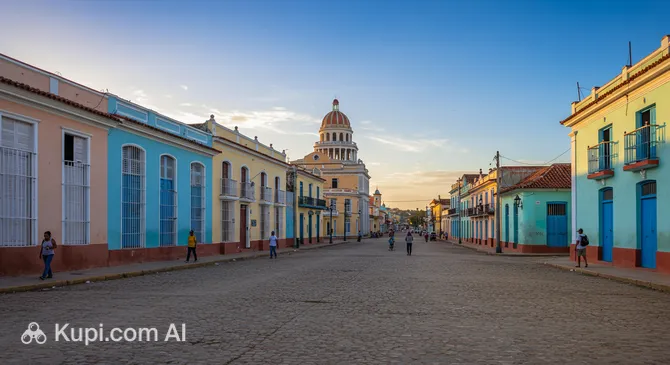
Ciego de Avila. Illustration.
Source: Kupi.com AI

Geographically, the city is located on flat terrain in the central part of the island, making it an important transportation hub. The history of Ciego de Ávila is closely linked to agricultural development and the construction of defensive lines in the 19th century. Today, it is less of a tourist hub and more of an educational and administrative center, where you can see the everyday life of Cubans as it truly is.

Strolling through the center, it is impossible not to notice the majestic building of the Main Theater (Teatro Principal) and the strict lines of the Catholic Cathedral. One of the unique historical features is Fortín de Trocha—part of an old defensive line. These architectural monuments give the city a stern elegance and serve as a reminder of its strategic past.

We recommend visiting Ciego de Ávila to those seeking authenticity who want to get to know the "other" Cuba, far from the overcrowded beach resorts. This place is ideal for slowing down, enjoying the quiet of central parks, and feeling the rhythm of provincial life.

Weather Overview

The climate in Ciego de Ávila is classified as tropical, which implies two distinct seasons. From May to October, the city experiences hot and humid weather, with air temperatures often rising to 30–35°C. During this period, heavy but brief tropical rain showers are possible, bringing long-awaited freshness.

A more comfortable time for visiting comes during the dry season, lasting from November to April. During these months, the temperature stays in a pleasant range of 22°C to 28°C, and the humidity decreases. January is considered the coolest month, with an average high of about 27.8°C, which is ideal for long walks around the city.

When planning your trip, it is worth considering that the flat terrain of the province ensures a fairly uniform microclimate throughout the region. A detailed forecast and the current weather in Ciego de Ávila will help you choose the right wardrobe for your trip. Overall, the city enjoys sunshine most of the year, and a light sea breeze sometimes reaches even the central blocks.

Average monthly temperature

Average monthly precipitation

Interesting Facts

  • The city was officially founded in May, and this month is traditionally considered a time of celebration and honoring the region's historical heritage.

  • Ciego de Ávila is often called the "city of columns" because of the abundance of neoclassical porticos, which not only decorate the buildings but also protect pedestrians from the scorching tropical sun.

  • The city's airport, known by the code AVI, is the main air gateway for tourists heading to the famous beaches of the Cayo Coco and Cayo Guillermo islands.

  • In the vicinity of the city lies Laguna de la Leche (Milk Lagoon)—Cuba's largest natural reservoir, which got its name from the unusual white tint of the water caused by gypsum deposits at the bottom.

  • The city is an important educational center: it is home to the University of Ciego de Ávila, which plays a key role in the scientific and cultural life of the entire province.

How to Get There

The transport accessibility of Ciego de Ávila makes it an important link between the capital and the resort islands. The city has a developed infrastructure, allowing you to get here both by air and by land. For those who value time, the most convenient option is a flight from Havana, which takes a little over an hour.

The main air hub of the region is the Jardines del Rey airport (IATA: AVI). It is located in close proximity to the city and serves both domestic and international flights. You can get from the terminal to the center of Ciego de Ávila by taxi or shuttle bus; the trip usually takes 20 to 40 minutes depending on traffic density.

AirportPassenger trafficDistance
Jardines del Rey Airport610 00082 km
Ignacio Agramonte International Airport250 000105 km
Santa Clara Airport500 000142 km
Jaime Gonzalez Airport50 000174 km
Sierra Maestra Airport244 km

Railway service connects the city with other provinces of Cuba. Main stations, such as the Terminal de Ferrocarriles in the neighboring city of Morón, receive trains from Havana and Camagüey. It is worth considering that a train journey can take significantly longer than a bus, but it allows you to see the picturesque agricultural landscapes of central Cuba.

Bus service is represented by the Viazul network, which offers comfortable trips for tourists. The journey from Havana by bus takes about 6–8 hours. The city is also easily accessible by car along the Carretera Central from cities such as Santa Clara or Camagüey. Detailed information about routes can be found in the how to get to Ciego de Ávila section.

Main Attractions

Although Ciego de Ávila is most often perceived as a transit point on the way to the ocean, the city hides many interesting places. The heart of city life is Parque Martí—the central park, around which the main architectural monuments are concentrated. Here you can see buildings in the neoclassical style, including the famous Main Theater (Teatro Principal), which is considered one of the best on the island thanks to its acoustics and exquisite interior.

For those interested in the history of the island's defense, a visit to Fortín de Trocha is a must. These fortifications are a reminder of the times of the struggle for independence. No less significant as a spiritual and architectural site is the local Catholic Cathedral, whose strict forms blend harmoniously into the appearance of the city's central blocks.

Family travelers should check out the city Zoo (Zoológico de Ciego de Ávila) or visit the local José Ramón Cepero stadium, where intense passions flare up during baseball matches—the primary sporting love of Cubans. If you want to change the urban setting for a natural one, the picturesque Laguna de la Leche is nearby, offering excursions and boat trips.

Overall, the city offers a relaxed sightseeing experience without the rush and queues. The region's main tourist focus is shifted toward the Jardines del Rey archipelago, but the original character of Ciego de Ávila serves as an excellent addition to a beach holiday on the islands of Cayo Coco and Cayo Guillermo.

Local Cuisine

The culinary traditions of Ciego de Ávila are classic Central Cuban, where hearty meat dishes and fresh gifts of the land play the leading role. You should definitely try lechón asado (roasted pork), which is often prepared here according to traditional recipes with a marinade of citrus juice and garlic. The side dish is most often moros y cristianos—rice cooked together with black beans, as well as fried plátanos maduros (sweet plantains).

Due to its proximity to lagoons, fresh fish and seafood often appear on the local menu. The gastronomic pride of the region is fish caught in Laguna de la Leche. In city paladares (private restaurants), you will be offered authentic Creole cuisine, characterized by rich flavors and home comfort. Most popular establishments are concentrated around the central square area.

Among drinks in Ciego de Ávila, as in the rest of the country, Cuban rum and coffee hold the top spot. Morning coffee at a local cafe is a mandatory ritual, and in the evening, it is worth ordering a classic Mojito or Daiquiri. For lovers of non-alcoholic options, there are always fresh tropical fruit juices: guava, papaya, or mango, which are particularly sweet in this region.

Travel Tips

Visiting Ciego de Ávila will give you unforgettable impressions if you prepare for the trip in advance. These practical tips will help you feel confident in the Cuban province and enjoy every moment of your journey.

  1. Clothing and items: Choose light clothing made from natural fabrics (cotton, linen), as the humidity here is high. Be sure to bring comfortable shoes for walking on cobbled streets, sunglasses, and a hat. During the rainy season (May–October), don't forget a light raincoat and a reliable mosquito repellent.
  2. Transport: Inside the city, it is most convenient to move on foot or by taxi. For long-distance trips, use Viazul buses. If you plan to rent a car, do it in advance, but remember that road conditions can be average.
  3. Finance: The main currency is the Cuban peso (CUP). Credit cards are rarely accepted, so always have a sufficient supply of cash with you. International cards may work with glitches, and ATMs are found mainly in the city center.
  4. Health and Safety: The city is generally safe, but avoid walking alone in unlit outskirts at night. Drink only bottled water. There are pharmacies, but it is better to bring specific medications with you.
  5. Communication: The primary language is Spanish. English is understood in hotels and tourist spots, but knowing basic phrases ("Hola", "Gracias", "¿Cuánto cuesta?") will significantly facilitate communication with locals.
  6. Local Etiquette: Cubans are very outgoing and friendly. Greetings are an important part of the culture. Be prepared for a slow pace of service in restaurants and shops—it is not customary to rush here.
  7. What to Avoid: You should not take photos of military facilities and police officers. Also, try not to engage in political discussions, maintaining neutrality and respect for local traditions.
  8. Extra Tip: Be sure to visit the central park in the evening when the whole city gathers there—this is the best way to feel the true atmosphere of Ciego de Ávila.

Following these simple rules will help you make your trip comfortable, safe, and filled only with positive emotions from getting to know this unique city!

Entertainment & Nightlife

Entertainment in Ciego de Ávila has a quiet, provincial character. The main place for evening leisure for locals and visitors alike is Parque Martí. As dusk falls, the park comes to life: families stroll, friends meet, and music plays. It is the best place to feel the social rhythm of the city and enjoy the evening cool.

The city's cultural program is largely centered around the Main Theater, where concerts, dance performances, and theatrical productions take place regularly. For sports fans, the José Ramón Cepero stadium is a magnet, where you can watch exciting baseball games. Daytime can be spent visiting the local dolphinarium or the zoo, which offer pleasant outdoor relaxation.

Nightlife in the city itself is not particularly diverse—you will rarely find loud nightclubs or discos in the conventional sense here. For active dancing and parties until dawn, tourists usually head to the neighboring city of Morón or directly to the resorts of the Jardines del Rey archipelago. Nevertheless, in the center of Ciego de Ávila, you can find cozy bars serving classic Cuban cocktails in a calm atmosphere.

Safety in the city is at a high level, typical for a Cuban province. Evening walks along the central lit streets are quite safe, and for trips late at night, you can always use the services of an official taxi. Ciego de Ávila offers a holiday for those who prefer cozy gatherings and cultural events over loud parties.

Parks & Museums

The green zones of Ciego de Ávila are places where life flows in a measured and calm way. The main public space is Parque Martí. This central park serves not only as a place of rest but also as an architectural ensemble that unites the city's history and modernity. Here you can relax in the shade of trees, observing the unhurried rhythm of provincial life under the canopy of neoclassical buildings.

Although there are no large national parks in the city itself, nature lovers can head to Laguna de la Leche. This is a unique natural area on the outskirts of the city, ideal for boat trips and bird watching. The surroundings of the lagoon are used by locals for picnics and active recreation, offering tourists a chance to enjoy the quiet away from the city streets.

The cultural and museum life of the city is closely intertwined with its historical architecture. The University of Ciego de Ávila largely serves as a cultural center, hosting exhibitions and scientific events. Acquainting yourself with the city's history is best started with an inspection of Fortín de Trocha, which is an open-air museum in itself, telling the story of the wars of liberation and the strategic importance of this region.

Getting Around

The public transport system in Ciego de Ávila reflects a typical Cuban way of life. The main means of transport for locals are buses, which are called guaguas here, as well as trucks converted for passenger transport—camiones. They connect the city center with the outskirts and nearby settlements. It is worth considering that during peak hours, such transport can be very crowded.

For tourists, a more convenient and reliable transport option is taxis, or máquinas. Both official taxi services and private carriers operate in the city. Additionally, Ciego de Ávila is a city with flat terrain, which is why bicycles are incredibly popular here. Renting a bike or taking a ride on a bicycle rickshaw is a great way to explore the historic center at a comfortable pace.

The central part of the city is compact enough that it is easy to move between the main attractions on foot. If you need to get to the airport or go on an excursion to the lagoons, it is best to book a taxi in advance through your hotel. Fares on public transport are paid in cash, and prices for locals and tourists may differ, so it's worth confirming the cost of the trip beforehand.

Accommodation

Accommodation options in Ciego de Ávila are primarily oriented toward transit travelers and those who want to get acquainted with real Cuban life. You won't find huge luxury all-inclusive resorts here—for that kind of holiday, you should head to Cayo Coco. In the city itself, medium and budget-class hotels predominate, located in the historical center or near the airport.

Particularly popular among foreign tourists are casas particulares—private guest houses. This is an excellent opportunity to stay in a colorful colonial mansion, chat with locals, and taste home-cooked Cuban cuisine. Most of these houses are concentrated around Parque Martí, providing walking access to all city sites.

If you are planning a trip during peak season (from December to April), it is better to book accommodation in advance, especially for the most popular private villas. The price range in the city is very democratic, allowing for a comfortable stay even on a limited budget. Payment in most places is made in cash in the local currency, so it is worth taking care of exchanging money in advance.

Nearby Cities

Ciego de Ávila is an excellent starting point for those who want to explore the central part of the island and its magnificent northern shores. Just a few dozen kilometers from here, routes lead to colonial cities and white-sand beaches, making the city a convenient base for day trips.

One of the most popular destinations is the city of Morón, located just 31 kilometers away. It is famous for its lagoons and is the gateway to the Jardines del Rey archipelago. A car trip there will take about 40 minutes. It is also worth paying attention to small authentic towns like Venezuela or Majagua, where you can see the traditional rural way of life.

CityPopulationDistance
Venezuela28 47011 km
Ciro Redondo28 37019 km
Baragua32 90921 km
Majagua26 83027 km
Morón59 37131 km

For those ready to spend a little more time on the road, there are opportunities to visit Ciro Redondo or head to the coast. The region around Ciego de Ávila offers amazing diversity: from agricultural landscapes with sugar plantations to protected natural areas. Exploring these surroundings will allow you to see Cuba in all its variety.

Shopping & Souvenirs

Shopping in Ciego de Ávila is primarily about getting to know local markets and small shops in the city center. You won't find huge shopping malls with global brands here, but you will be able to find authentic Cuban goods. The main commercial activity is concentrated on the streets adjacent to Parque Martí, where state-owned stores and private shops are located.

As souvenirs from the city, traditional Cuban products are most often brought: high-quality rum, aromatic coffee beans, and, of course, the famous cigars. It is also worth paying attention to the work of local artisans—here you can buy interesting handmade dolls, bone or wood jewelry, and wicker products, which will be an excellent reminder of the trip.

City markets deserve separate attention. Here you can not only buy fresh tropical fruits but also feel the true flavor of Cuban trade. Shops usually operate from morning until early evening, and many establishments close earlier on Sunday. Payment is made in cash, so it is recommended to always have local currency (CUP) on hand for small purchases and visiting markets.

Reached the end of the page?

That means the route is fully explored