Support

Floating Market

About

Imagine a kaleidoscope of colors right on the mirror-like surface of the water: this is the Floating Market, one of the most photogenic and vibrant attractions hidden within Willemstad. Here, along the waterfront in the historic Punda district, traditional wooden boats are moored, transformed into floating stalls filled with tropical treasures.
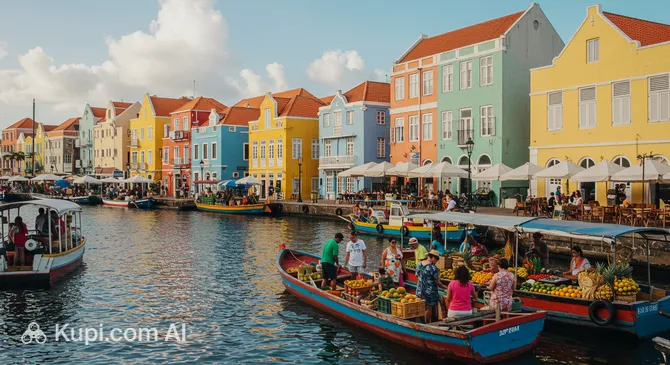
Floating Market
Floating Market. Иллюстрация. Источник: Kupi.com AI

This market is more than just a place to shop; it's a real cultural thread linking Curaçao to neighboring shores. Traders, mostly arriving from Venezuela, bring an incredible abundance of fresh fruit, vegetables, and seafood every day that you won't find in the island's typical grocery stores. Each boat is a small family business with a special atmosphere of hospitality.

Strolling along the Sha Caprileskade pier, you'll feel the authentic spirit of the Caribbean. Bright awnings protect piles of mangoes, papayas, and limes from the hot sun, while the vendors are happy to share stories about their goods. This unique blend of maritime traditions and market bustle makes it a must-visit for every traveler.

Contacts

Since the Floating Market is an open-air marketplace, it does not have an official office or a centralized telephone service. For more information, tourists are advised to contact the city's visitor information centers.

How to contactContact
Address19 Sha Caprileskade, Willemstad, Curaçao

What to Do

The main highlight of the Floating Market is, of course, gastronomic shopping. You can buy the freshest exotic fruits, vegetables, and freshly caught fish right from the decks of the boats. The vendors are often very friendly: they will not only tell you about unfamiliar fruits but might also offer you a free tasting before you buy.

For photography enthusiasts, this place is a true paradise. Bright schooners painted in every color of the rainbow, colorful vendors skillfully cleaning their catch, and long rows of ripe fruit create the perfect shots for a travel blog. Don't forget to check out the nearby souvenir shops, where you can find unique handcrafted items and crafts featuring island symbols at very reasonable prices.

After finishing your shopping, it's pleasant to just stroll along the waterfront. The market is just steps away from the famous Pontoon Bridge, so you can watch massive cruise ships pass by or go in search of a cozy cafe with a view of the channel to enjoy your purchased fruit in the shade of colonial buildings.

Getting There

The Floating Market is located in the heart of the historic Punda district at 19 Sha Caprileskade. It is easy to find by heading towards the famous Handelskade waterfront and the Queen Emma Pontoon Bridge—the market is just a few minutes' walk from these iconic landmarks.

If you are arriving from Hato Airport, a taxi ride will take about 15–20 minutes (the distance is approximately 12 km). You can also use public buses that run to the central terminal in Willemstad, from where the boat docks are within walking distance.

For those who prefer traveling by rental car or scooter, there is paid parking available around the Punda district. However, walking through the picturesque streets along the St. Anna Bay is the best way to soak up the city's atmosphere and reach the market without any hassle.

Ближайший город: Willemstad

History & Facts

The history of trade in the city's harbor dates back to 1634, when Dutch colonists established a naval base here. Since then, St. Anna Bay has become a hub of commercial life, and arriving vessels have become an integral part of the cityscape.

The tradition of the Floating Market itself is unique: for decades, traders from neighboring Venezuela have crossed the sea in small schooners to bring fresh produce to the island. This has formed a special economic bond and created a living cultural attraction that persists despite the development of modern supermarkets.

The Punda district itself, where the boats dock, is listed as a UNESCO World Heritage Site. This area carefully preserves colonial architecture from the 18th and 19th centuries, providing an authentic backdrop for the daily bustle of sailors and market vendors who continue the work of their ancestors.

Time Needed

Typically, tourists need 1 to 2 hours to leisurely walk past all the boats, chat with the friendly vendors, and take vibrant photos. This time is quite enough to choose some exotic fruits and browse the selection of souvenirs.

If you plan to combine your visit to the Floating Market with a stroll along the Handelskade waterfront and a tour of the neighboring squares, it is better to set aside about 3 hours for this part of the city. The best time to visit is during the morning hours, when the widest selection of the freshest seafood is on display.

Working Hours

The Floating Market welcomes visitors daily, following a convenient schedule for both early birds and those who enjoy evening strolls. The market opens at 6:00 AM and stays open until 7:00 PM from Monday to Sunday.

Come early if your goal is the freshest fish and the best selection of vegetables, or stop by closer to sunset when the heat subsides and the boats look especially romantic against the setting sun.

6:00 – 19:00

Nearby

A stroll through the market is just the beginning of your introduction to the charm of Curaçao. The Punda district and its surrounding neighborhoods are literally dotted with historical monuments and interesting sites worth visiting on the same day.

Exploring the area will allow you to see the contrast between the bustling trade at the pier and the majestic tranquility of the ancient forts and squares located within walking distance.

NameDistance
Curaçao Maritime Museum0.1 km
Cascada Rooftop Bar & Kitchen0.2 km
Grand Café Gouverneur De Rouville0.3 km
Kura Hulanda Museum0.3 km
Queen Emma Bridge0.3 km
Brion Square0.3 km
Old Market0.4 km

Reached the end of the page?

That means the route is fully explored