Support

Ateneo de Valencia

About

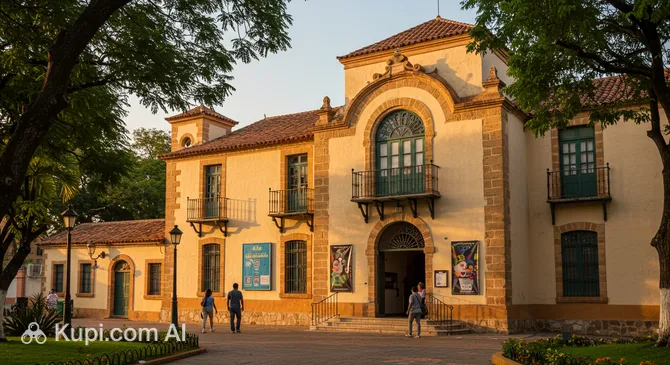
In the heart of Carabobo state, in sunny Venezuela, lies a unique cultural space — the Ateneo de Valencia. This private non-profit organization has served for decades as the main intellectual and creative engine revitalizing the city of Valencia. Combining the functions of a museum, theater, and public library, this place has become a true sanctuary for art and history lovers.
\n
Ateneo of Valencia
Ateneo of Valencia. Иллюстрация. Источник: Kupi.com AI
\n

Of particular value is the Arturo Michelena Salon Museum located here. Within its walls is one of the most significant collections of Venezuelan painting, assembled over more than sixty years. The building itself is a monument of architectural thought: it was designed by the famous José Miguel Galía and features a unique system of natural lighting created specifically for the most effective presentation of art canvases.

\n

Across the two floors of the Ateneo de Valencia, high-ceilinged exhibition halls, administrative areas, and the cozy Enrique Tejera library coexist harmoniously. The minimalist facade with sun-shading elements emphasizes the modernist character of the building, making it a recognizable symbol of the region's cultural landscape.

Contacts

If you are planning a visit to this cultural space, it is useful to have the current contact details and exact address at hand.

How to contactContact
Addresscalle colombia 100, 5XQW+QC6, C. 108 Salom, Valencia 2001, Carabobo, Венесуэла
Phone+58 241-8580046

What to Do

A visit here is always an opportunity to touch something beautiful. Be sure to stop by the Arturo Michelena Salon Museum, where a panorama of Venezuelan art's evolution unfolds before you. You can see not only classical masterpieces but also contemporary works that became part of the collection through annual salons and donations from prominent artists.

For those seeking creative expression, the doors of the Luis Eduardo Chávez center are open. Regular workshops in photography, painting, jewelry making, and acting are held here, available for both youth and adults. Immersing yourself in the live process of creativity allows you to feel the pulse of local culture from the inside.

Literature and theater lovers should check the schedule in advance. The Ateneo de Valencia hosts prestigious literary biennales and theatrical productions by experimental troupes. Even a simple walk through the building will allow you to appreciate its unique architecture and peek into the public library, where the region's intellectual heritage is kept in the quiet of the shelves.

Getting There

Finding this cultural space is easy, as it is located in the heart of the city at the intersection of Avenida Bolívar and Calle Salom. The exact address is calle Colombia 100, which serves as an excellent landmark for any taxi driver or local resident.

If you prefer public transport, use the buses or minibuses heading to the city center. Most of them stop in the immediate vicinity of Avenida Bolívar, from where you can walk to the building's entrance in just a few minutes. For travelers arriving at Arturo Michelena International Airport (VLN), it is most convenient to take a taxi — the trip will take about 20–30 minutes depending on traffic.

For those traveling by rental car, there are parking areas near the facility. Central city squares and government buildings located nearby serve as convenient navigation landmarks.

Ближайший город: Valencia

History & Facts

The history of this iconic place began on February 25, 1936, at the initiative of María Clemencia Camarán de Audé. In its early years, the cultural center did not have its own building: meetings were held in private homes, and then for 17 years, the institution occupied a cozy colonial mansion on Páez Street.

The landmark took on its modern appearance in the early 1950s. In 1951, construction began on a new headquarters designed by architect José Miguel Galía, who won a national competition. The building was officially opened in 1952, presenting citizens with a design that was advanced for its time, focused on using natural light for the best perception of art objects.

A new milestone in its development began in 1991, when a large-scale modernization was carried out under the leadership of the organization's president, José Napoleón Oropesa. During this period, the Arturo Michelena Museum and a training center were established, significantly expanding educational programs and transforming the old center into a world-class multifunctional venue.

Time Needed

To leisurely explore the current exhibitions and appreciate the building's architecture, most visitors need between 2 to 3 hours. This is enough time to spend about an hour in the Arturo Michelena Salon Museum and give some attention to the library or peek into the workshops.

If your visit coincides with literary readings, theater performances, or art workshops, you should plan for half a day. The cultural program here is quite rich, and many events deserve dedicated time beyond a simple introductory walk.

Working Hours

Since the operating schedule can change depending on current exhibitions, festivals, or theater seasons, it is recommended to check the current schedule before your visit. Typically, the institution's doors are open on weekdays and during special events.

Information regarding the access hours for the Arturo Michelena Salon Museum and the library is best checked on official resources or clarified on-site, as the cultural center often adjusts its operations to fit the program of ongoing biennales and workshops.

Nearby

A stroll through the cultural center's surroundings will allow you to dive deeper into the city's atmosphere and see many other interesting places. The historical center is rich in plazas and architectural monuments, which are easily reached on foot or by a short drive.

NameDistance
Valencia Aquarium0.7 km
Bolívar Square of Valencia0.7 km
Museum of Culture0.8 km
Mango Bajito1.1 km
Distribuidora Candelaria1.4 km
La Purísima Church1.6 km
La Guairita Bar & Restaurant1.7 km

Reached the end of the page?

That means the route is fully explored