Support

National Pantheon

About

In the heart of the historic quarter of Caracas stands a majestic structure considered the "altar of the nation" — the National Pantheon of Venezuela. This monumental building serves as a place of tribute to the heroes who dedicated their lives to the freedom and prosperity of their homeland and is a major historical monument for the entire country of Venezuela.
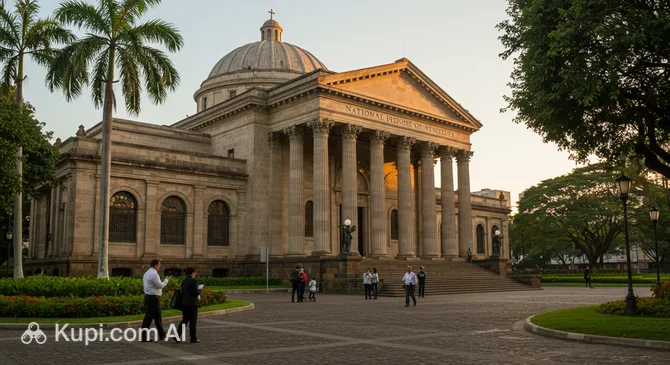
National Pantheon of Venezuela
National Pantheon of Venezuela. Иллюстрация. Источник: Kupi.com AI

Originally conceived as a church, the Pantheon was converted into a memorial complex in the late 19th century. Its architectural style, reminiscent of classical temples of memory, emphasizes the site's sacred status. The interior impresses with its austerity and solemnity, creating an ideal setting for discovering national heritage.

The Pantheon's main shrine is the bronze sarcophagus of Simón Bolívar, located in the central nave. As a key figure in the struggle for South American independence, Bolívar rests here surrounded by works of art that tell the story of his great achievements and eternal contribution to the region's development.

Contacts

For your convenience, we have prepared up-to-date contact information to help you plan your visit to this iconic memorial complex. You can contact the administration directly by phone or use the precise coordinates for city navigation.

How to contactContact
AddressG37P+6X6, Caracas 1010, Capital District, Venezuela
Phone+58 212-5061145

What to Do

A visit to the Pantheon is primarily an opportunity to honor the memory of great individuals. You can see the tombs and cenotaphs of prominent figures whose names are written in gold in South American history. Among them are Francisco de Miranda, Josefa Camejo, and the legendary chieftain Guaicaipuro.

The art collection offers a special aesthetic pleasure. The halls feature more than 1,900 paintings, many of which were created by the famous Venezuelan master Tito Salas. His large-scale canvases, decorating the vaults and walls, recreate key episodes from Bolívar's life in detail, turning a visit to the Pantheon into an engaging history lesson.

Themed guided tours are often held for travelers, during which guides explain the symbolism of each decorative element and details of the heroes' biographies. Additionally, the Pantheon serves as a venue for solemn commemorative ceremonies, allowing guests to witness living traditions of honoring national identity.

Getting There

The National Pantheon is conveniently located in the northern part of the old town, making it easily accessible for travelers. The most reliable way to get here is by using the capital's metro system. The nearest station, "Capitolio," is within walking distance: a stroll from there to the memorial entrance takes no more than 10–15 minutes.

If you prefer comfort, you can order a taxi from the city center or any other district. Drivers know the way to this site well, as it is one of the capital's main landmarks. Ground public transport routes also run toward the Pantheon.

Walking from Plaza Bolívar to the Pantheon allows you not only to reach your destination but also to enjoy the unique atmosphere of the historic streets of Caracas. Passing by colonial buildings, you can see how the past and present of the Venezuelan capital are harmoniously intertwined.

Ближайший город: Caracas

History & Facts

The history of this sacred site began long before its official opening. Originally, the Holy Trinity Church was built on this foundation in 1744. Unfortunately, the catastrophic earthquake of 1812 practically destroyed the temple, and only decades later was it decided to restore the building, giving it a new national purpose.

The modern National Pantheon was officially established on March 27, 1874, by decree of President Antonio Guzmán Blanco. His goal was to create a worthy burial place for distinguished citizens whose deeds left a mark on the destiny of Venezuela. Since then, the building has become a powerful symbol of national unity.

One of the unique features of the Pantheon is the presence of cenotaphs — symbolic empty tombs. They are installed in honor of those heroes whose remains were not found, but whose memory is sacred to the people. Among them are the tombs of the legendary Francisco de Miranda and the indigenous leader Guaicaipuro, who fought against the colonizers.

Time Needed

To leisurely explore the interiors, study the inscriptions on the tombs, and admire the magnificent ceiling paintings, an average visitor will need about 1 to 2 hours. This is the optimal time to experience the solemn atmosphere of the site without turning the visit into a tiring event.

If you have a deep interest in history or art and plan to examine each of Tito Salas's canvases in detail, we recommend setting aside a bit more time. The Pantheon often hosts commemorative ceremonies that can be fascinating to watch, which may also extend your visit.

Working Hours

When planning your visit to the Pantheon, it is important to note its specific schedule. The complex is open to guests only four days a week: Wednesday, Thursday, Friday, and Sunday. The doors of the memorial open at 9:00 AM and close quite early at 2:00 PM.

Monday, Tuesday, and Saturday are days off when indoor access is closed. We recommend arriving at opening time to have enough time to explore all the halls and art exhibits in a quiet atmosphere before the short working day ends.

DayWorking hours
ПонедельникЗакрыто
ВторникЗакрыто
Среда9:00 – 14:00
Четверг9:00 – 14:00
Пятница9:00 – 14:00
СубботаЗакрыто
Воскресенье9:00 – 14:00

Nearby

The memorial's location in the historic center makes it easy to combine your visit with other interesting sites. Exploring the surrounding area will help you dive deeper into the city's cultural life and find entertainment for the whole family.

NameDistance
House of Dr. José Gregorio Hernández0.5 km
Bolívar Square0.8 km
Simón Bolívar Birthplace House0.9 km
Carlos Cruz-Diez Museum of Print and Design1.5 km
Sambil La Candelaria1.5 km
National Art Gallery1.7 km
Museum of Contemporary Art of Caracas2.1 km

Reached the end of the page?

That means the route is fully explored