Support

San Cristobal

About

San Cristobal is often the first point of contact for travelers venturing into the enchanted world of the Galápagos. As the easternmost island in the archipelago belonging to Ecuador, it holds the distinction of housing the provincial capital, Puerto Baquerizo Moreno. Unlike some of its more uninhabited neighbors, this island offers a unique blend of pristine natural beauty and a laid-back, welcoming town atmosphere where sea lions are just as likely to be found lounging on park benches as tourists are.
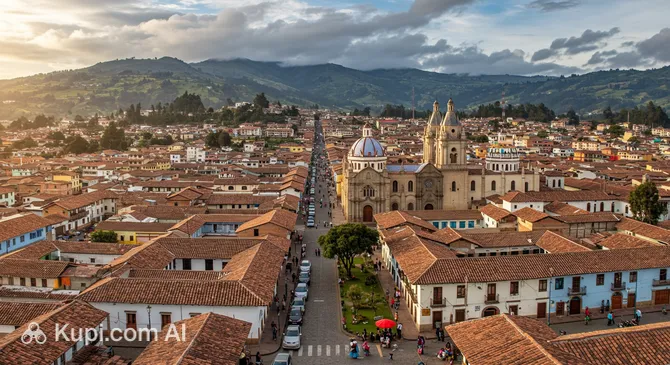
San Cristobal. Source: Kupi.Binoculars

Geographically, the island is characterized by its diverse landscapes, ranging from golden beaches to highland mists. The climate is generally subtropical, influenced by ocean currents that bring distinct warm and cool seasons. Those interested in the history of San Cristobal will find it fascinating that this was the first island Charles Darwin visited during his voyage on the HMS Beagle. Today, an excellent Interpretation Center allows visitors to explore this rich past and the conservation efforts that protect the region's unique ecosystem.

Nature enthusiasts will be thrilled by the abundance of wildlife and iconic sites. Kicker Rock (León Dormido) is a towering rock formation rising from the sea, offering some of the best snorkeling and diving opportunities to see sharks and rays. Closer to town, Cerro Tijeretas provides hiking trails with panoramic views and nesting frigatebirds, while the pristine sands of Cerro Brujo offer a breathtaking beach experience.

With its friendly community, accessible wildlife, and diverse activities, San Cristobal is a perfect base for exploration. Whether you are swimming with sea turtles or enjoying a sunset at the waterfront, this island promises an unforgettable adventure in one of the world's most extraordinary natural sanctuaries.

Weather Overview

San Cristobal enjoys a pleasant subtropical climate that is largely defined by ocean currents, dividing the year into two main seasons. To get a complete picture of what to expect during your visit, you can consult the detailed guide to the weather in San Cristobal.

The warmer season generally occurs between January and April, characterized by higher humidity and occasional showers. March is typically the warmest month, with average temperatures reaching 25.8°C and seeing the highest frequency of rain, with about 11 wet days. Conversely, the cooler and drier season runs from June through December. During this period, particularly in September, temperatures average around 21.0°C, and precipitation is extremely rare, often resulting in long stretches of dry days.

Expect warm conditions with some rainfall early in the year, shifting to cooler, drier weather in the later months.

Interesting Facts

Beyond the famous wildlife encounters and scenic beaches, San Cristobal holds several unique features that distinguish it from the rest of the archipelago. From rare ecological occurrences to historical milestones, the island offers fascinating details for the curious traveler.

  • The Only Freshwater Lake: High in the misty highlands lies El Junco, a lagoon nestled within the caldera of an extinct volcano. It holds the title of the only permanent freshwater lake in the entire Galápagos, serving as a vital natural bathhouse for frigatebirds that dive in to wash the sea salt from their wings.

  • Punta Pitt’s Rare Trio: This specific site on the eastern tip of the island is the only place in the archipelago where you can observe all three species of booby birds—Red-footed, Blue-footed, and Nazca—nesting in the same area, thanks to the unique topography that supports all their habitats.

  • The Oldest Settlement: While the islands are often thought of as pristine wilderness, the highland village of El Progreso is the oldest surviving settlement in the province. Established in the late 19th century, it offers a glimpse into the human history of the region long before tourism began.

  • A Walkable Airport: San Cristobal offers a level of convenience rare in the travel world; its airport is located just minutes from the center of Puerto Baquerizo Moreno. It is one of the few places where you can land and comfortably walk from the terminal to your hotel in town.

How to Get There

Reaching this remote paradise is an adventure in itself, primarily involving a flight from mainland Ecuador. For a comprehensive guide on routes, airlines, and transfer tips, you can read more about how to get to San Cristobal.

The most direct way to arrive is by flying into San Cristobal Airport (SCY). This airport is celebrated for its incredible convenience, situated immediately adjacent to the main town of Puerto Baquerizo Moreno. Unlike typical airport transfers that require long commutes, the terminal here is practically within walking distance of the town center, and a taxi ride takes only a few minutes. Although geographical data might indicate a distance of 20.7 km to the island's center, the facility itself is right at the gateway to the community, making arrival effortless. It handles a moderate volume of travelers, welcoming roughly 179,000 passengers annually.

Alternatively, travelers often fly into Baltra Airport (GPS), which is located near the neighboring city of Puerto Ayora. This is the busiest hub in the region, serving over 520,000 passengers per year. It is situated about 103.1 km from San Cristobal. Because it is on a different island, reaching San Cristobal from here involves a combination of land transport to Puerto Ayora and a subsequent speedboat crossing. The total travel time to the vicinity of San Cristobal, including the necessary transfers, is estimated to be around 175 minutes.

For clarity, here is a summary of the main airports:

Airport Name City Passenger Traffic Km from City
Baltra Airport Puerto Ayora High 103.1
San Cristobal Airport San Cristobal Medium 20.7

San Cristobal does not have a railway station, as there is no train network on the Galápagos Islands. Transportation between the islands is primarily conducted by public speedboats or small aircraft. Visitors arriving at other points in the archipelago will need to arrange for a maritime transfer to reach Puerto Baquerizo Moreno.

Main Attractions

San Cristobal offers a diverse array of sights that blend natural history with the breathtaking landscapes of Ecuador. Unlike some of the more remote islands in the archipelago, many of its top attractions are easily accessible from the main town, making it a favorite for travelers seeking both adventure and convenience.

A highlight for wildlife enthusiasts is the Galapaguera de Cerro Colorado. Located in the southeastern part of the island, this reserve is dedicated to the conservation of the endemic giant tortoises. Visitors can walk through a semi-natural environment to observe these ancient creatures in various stages of life, from hatchlings to fully grown adults, and learn about the vital efforts being made to restore their populations.

For those looking to experience marine life from the shore, La Lobería is an exceptional spot. Named after the large colony of sea lions that inhabit the beach, it offers opportunities to watch the playful mammals frolic in the waves or rest on the sand. The area is also known for its large marine iguanas and provides excellent snorkeling conditions where sea turtles are frequently spotted.

The Interpretation Center near Puerto Baquerizo Moreno provides a comprehensive look at the history of the islands, from their geological formation to human settlement. A network of trails leads from the center to Cerro Tijeretas (Frigatebird Hill), a vantage point named for the frigatebirds that nest in the nearby shrubs. The hike rewards visitors with sweeping views of the coastline and the ocean beyond.

Finally, no visit is complete without witnessing the majesty of Kicker Rock (León Dormido). This striking rock formation jutting out of the sea is a sanctuary for seabirds and a world-renowned location for diving and snorkeling, offering glimpses of hammerhead sharks, eagle rays, and vibrant reef fish in the deep blue waters surrounding the cliffs.

Local Cuisine

The culinary scene in San Cristobal is a delightful reflection of its island geography, offering a fresh "ocean-to-table" experience that rivals any on the mainland. As the administrative capital of the province, the local food culture here blends traditional Ecuadorian flavors with unique island ingredients. Seafood is naturally the star of the show, with daily catches ensuring that every dish is as fresh as possible.

One dish you absolutely must try is Ceviche de Canchalagua. This delicacy is unique to the islands, made from a mollusk similar to an octopus or clam that is endemic to the region. It is typically prepared with lime, onions, peppers, and cilantro, offering a texture and flavor profile you won't find anywhere else. Another local favorite is the Pescado Brujo (Scorpionfish). Despite its intimidating appearance before cooking, the white meat is incredibly tender and delicious, often served grilled or fried with a side of plantains and rice. If you are visiting during the lobster season, usually from July to December, the fresh Spiny Lobster is a luxurious treat widely available at local restaurants.

When it comes to beverages, San Cristobal has a claim to fame that surprises many visitors: its coffee. The island's highlands, particularly around El Progreso, produce distinct organic Galápagos Coffee. Grown in volcanic soil and influenced by the unique microclimate, this coffee is renowned for its smooth, balanced flavor and is a must-try for caffeine enthusiasts. For something refreshing and non-alcoholic, freshly squeezed juices made from tropical fruits like tomate de árbol (tree tomato), blackberry, or passion fruit are staples at every meal.

The dining atmosphere in San Cristobal is relaxed and unpretentious. The heart of the food scene is located along the waterfront promenade, the Malecón Charles Darwin in Puerto Baquerizo Moreno. Here, tourists and locals alike gather at open-air restaurants and kiosks to enjoy their meals with a view of the harbor. It is not uncommon to have sea lions lounging on the benches nearby as you dine, adding a charming and wild touch to the gastronomic experience. Whether you choose a sit-down restaurant or a casual street food stall, the focus is always on the quality and freshness of the local produce.

Travel Tips

Visiting San Cristobal is a dream for nature lovers, but ensuring a smooth trip requires a bit of preparation for the unique island environment. Here are some practical tips to help you navigate Puerto Baquerizo Moreno and its wild surroundings with ease and respect.

  1. Clothing and Gear: The dress code here is casual and functional. Pack lightweight, breathable clothing for the warm days, but bring a light windbreaker or raincoat, especially if you plan to visit the misty highlands like El Junco. Sturdy closed-toe walking shoes are essential for hiking on uneven volcanic terrain, while sandals are perfect for the town. Don't forget high-SPF sunscreen, a wide-brimmed hat, and polarized sunglasses, as the equatorial sun is intense. Ecuadorean power outlets are Type A and B (same as the US), so bring an adapter if needed.
  2. Transportation: The main town, Puerto Baquerizo Moreno, is small and very walkable; you can reach most shops, restaurants, and beaches like Playa Mann on foot. For longer distances or trips to the highlands, use the local white pickup trucks that serve as taxis; they are plentiful and affordable (usually costing a few dollars for short rides). There is no need to rent a car here. Bicycles are also a popular way to explore the coast.
  3. Finances: The official currency is the US Dollar. While some hotels and larger restaurants accept credit cards, cash is king in San Cristobal. Small shops, taxis, and kiosks often cannot process cards. Bring small bills ($5, $10, $20), as breaking a $50 or $100 bill can be difficult. There are ATMs in town (mostly on the Malecón), but they can occasionally run out of cash or have withdrawal limits, so it is wise to arrive with some cash on hand. Tipping around 10% is customary for good service in restaurants.
  4. Health and Safety: San Cristobal is generally very safe for tourists, but standard precautions apply. The tap water is not potable; always drink bottled or filtered water to avoid stomach issues. Pharmacies are available in Puerto Baquerizo Moreno, mostly along the main avenues, but they may not be open 24/7, so carry a basic travel kit. The sun is the biggest health risk here—reapply protection frequently.
  5. Communication: The official language is Spanish. While guides and hotel staff usually speak English, it is less common in small local shops and markets, so learning a few basic phrases like "Hola" (Hello) and "Gracias" (Thank you) is appreciated. Wi-Fi is available in hotels and cafes, but be prepared for very slow connection speeds due to the remote island location. It is best to download offline maps and translation apps before you arrive.
  6. Local Etiquette: The Galápagos culture is laid-back and friendly. Always greet people when entering a shop or taxi. The most important etiquette rule concerns the wildlife: always maintain a distance of at least 2 meters (6 feet) from any animal. Never touch, feed, or chase them. This rule is strictly enforced by national park rangers and guides to protect the unique ecosystem.
  7. What to Avoid: Do not use flash photography when taking pictures of animals, as it disturbs them. Also, strictly avoid removing anything from the natural environment—taking sand, shells, or rocks as souvenirs is illegal and can result in heavy fines at airport inspections.
  8. Additional Tip: Watch your step on the waterfront promenade (the Malecón) and even on town benches! In San Cristobal, sea lions coexist closely with humans and often nap on park benches, sidewalks, and boat landings. They have the right of way; if a sea lion is blocking your path or occupying a bench, simply walk around it or find another seat.

With these practical tips in mind, you are ready to embrace the relaxed "island time" lifestyle of San Cristobal. Respect the rules of the national park, enjoy the incredible wildlife, and soak up the warm hospitality of this extraordinary community.

Entertainment & Nightlife

Nightlife in San Cristobal reflects the island’s overall personality: laid-back, welcoming, and intimately connected to the ocean. You will not find neon-lit mega-clubs or intense party districts here. Instead, the evening entertainment focuses on open-air bars, cozy pubs, and waterfront restaurants where travelers gather to share stories of their daily adventures. The atmosphere is incredibly casual, with a "no shoes, no problem" vibe often prevailing, making it easy to transition straight from a day at the beach to a night out.

The epicenter of activity is undoubtedly the Malecón Charles Darwin in Puerto Baquerizo Moreno. As the sun sets, this promenade comes alive with locals and tourists alike. For a lively atmosphere, Barquero is a local favorite, known for its good music, cocktails, and occasional dancing, often drawing a mix of residents and visitors. Another popular spot is Zayapa, which offers a great selection of drinks and a prime location for people-watching right on the waterfront. If you are looking for a more relaxed setting to enjoy a sunset beer or a cocktail with a view of the harbor, Golden Bay provides a slightly more upscale yet comfortable terrace experience.

Practicality is key when planning your evening. The "party" usually starts with happy hour around sunset and winds down relatively early compared to big cities, with most bars closing by 1:00 AM or 2:00 AM, even on weekends. Prices are moderate; expect to pay between $5 and $10 for a cocktail and around $3 to $5 for a local beer. The dress code is universally informal—shorts, t-shirts, and sandals are the standard attire everywhere. Cash is essential, as many smaller bars may not accept credit cards or may have unreliable terminals.

Safety is rarely a concern in San Cristobal. The town is small, well-lit along the main strip, and generally very safe for walking at night. However, if you are staying on the outskirts of Puerto Baquerizo Moreno or simply feel tired, you can easily flag down one of the white pickup trucks that serve as taxis. They are inexpensive, usually costing a dollar or two for a ride within town limits, and are a reliable way to get back to your accommodation.

While the nights are quiet, daytime entertainment offers a different kind of cultural enrichment. Apart from the natural attractions, you can visit the Interpretation Center, which functions as a modern museum detailing the natural and human history of the archipelago. There are no amusement parks or large theaters on the island; the "show" here is the wildlife and the scenery. For a relaxing afternoon, browsing the small artisan shops along the waterfront for local crafts and jewelry is a pleasant way to spend time before the evening festivities begin.

Parks & Museums

San Cristobal seamlessly integrates its cultural heritage with its breathtaking natural surroundings, offering visitors a mix of educational venues and "living museums" where the exhibits are wild and free. Unlike typical cities where parks are manicured gardens, the green spaces here are protected reserves that showcase the raw beauty of the Galápagos, while the museums provide deep insight into the human and geological history of the archipelago.

El Junco Lagoon is one of the most significant natural areas on the island. Located in the highlands inside the caldera of an extinct volcano, it is the only permanent freshwater lake in the entire Galápagos. This misty, atmospheric park offers a distinct contrast to the sunny beaches below. A hike around the crater rim provides stunning views of the island, and it is a prime spot to watch frigatebirds diving into the water to wash the salt from their feathers—a behavior unique to this location.

Another vital green space is the Galapaguera de Cerro Colorado. Functioning as both a park and a conservation facility, this semi-natural reserve is dedicated to the protection and breeding of the giant tortoises. Visitors can walk along interpretive trails through native dry forests, observing these gentle giants in a habitat that closely mimics the wild. It serves as an excellent educational experience, highlighting the flora of the island alongside its most famous reptilian inhabitants.

For culture and history, the Interpretation Center (Centro de Interpretación) is the island's premier museum facility. Far more than a simple visitor center, it houses comprehensive exhibits that chronicle the geological formation of the islands, the history of human settlement, and the complex conservation challenges faced today. The displays are well-curated and offer a narrative that connects the scientific importance of the archipelago with its social reality, making it an essential stop for anyone wanting to understand the bigger picture of the Galápagos.

A unique cultural gem is the Catedral de la Inmaculada Concepción located in Puerto Baquerizo Moreno. While it serves as the main place of worship, it is fascinating for tourists due to its distinctive local art. The cathedral features colorful murals and stained glass windows that depict biblical scenes blended with Galápagos elements—you might see intricate representations of local flora and fauna, such as blue-footed boobies and sea lions, integrated into religious iconography, reflecting the deep connection between the community and their environment.

In terms of historical landmarks, the village of El Progreso offers a glimpse into the island's past. As the oldest settlement in the province, it was founded in the late 19th century and was once the center of a sugar plantation empire. Ruins of the old sugar mill and the grave of the settlement's controversial founder, Manuel J. Cobos, can still be found here. Closer to the main town, the Charles Darwin Monument stands guard at the harbor, commemorating the naturalist's first landing in the archipelago on San Cristobal's shores.

For a truly authentic and whimsical experience, venture slightly out of town to find El Ceibo. This is not just a tree, but a massive, ancient Ceiba tree that has been converted into a treehouse. It is widely considered the largest tree on the island. Locals and adventurous visitors can climb into the treehouse or explore the secret underground tunnel formed by its roots, offering a playful and memorable side trip that feels like stepping into a storybook.

Getting Around

The public transport system in San Cristobal is refreshingly simple and distinct from the complex networks found in major metropolitan areas. There are no subways, trams, or extensive municipal bus fleets here. Instead, the primary mode of motorized transportation for both locals and tourists is the white pickup truck taxi (camioneta). These double-cab trucks are ubiquitous in Puerto Baquerizo Moreno and serve as the island's main transit solution, effectively functioning as versatile shuttles that can carry passengers and their luggage or gear comfortably.

For travel to the highlands or the village of El Progreso, there is a limited local bus service. These buses are colorful and offer a very authentic local experience, typically departing from the market area in town. However, their schedules can be somewhat irregular and they are less frequent than the taxis. Most visitors prefer the speed and convenience of the pickup trucks to reach destinations like El Junco or La Galapaguera.

The payment system is strictly cash-based. There are no travel passes, smart cards, or mobile apps for paying fares. The official currency is the US Dollar. It is crucial to carry small bills ( $1, $5, $10) and coins, as drivers often do not have change for large denominations. A standard ride within the town limits of Puerto Baquerizo Moreno has a fixed, low rate, usually costing around $1.50 to $2.00. Trips to the highlands or the airport have set tariffs as well, but they are higher.

A unique component of the local transport "network" is the Water Taxi. Since the main pier cannot accommodate all sizes of vessels, small boats ferry passengers between the dock and the larger inter-island speedboats or cruise ships anchored in the harbor. These water taxis are readily available at the municipal pier and typically charge a small fee, often around $0.50 to $1.00 per person, payable directly to the boat operator in cash.

For practical advice, tourists should know that taxis do not have meters. While in-town rates are generally standard, if you are planning a longer excursion—such as hiring a driver to take you to the highlands, wait for you while you hike, and bring you back—you must negotiate and agree on the total price before getting into the vehicle. Taxis are easy to flag down on the street, or you can find them waiting at designated spots near the waterfront and the airport.

Walking is a highly viable and popular alternative. Puerto Baquerizo Moreno is compact and pedestrian-friendly, meaning you can easily walk from your hotel to most restaurants, shops, and nearby beaches like Playa Mann without needing any vehicle. For those wanting to explore further along the coast or into the lower highlands, bicycle rentals are widely available and offer a fantastic, eco-friendly way to see the sights at your own pace.

Accommodation

Accommodation in San Cristobal reflects the island's laid-back and eco-conscious character. Unlike major international resort destinations, you will not find massive high-rise hotel chains here. Instead, the hospitality scene is dominated by charming family-run guesthouses, comfortable mid-range hotels, and a select number of boutique eco-lodges. The options cater to a wide spectrum of travelers, from backpackers seeking budget-friendly hostels to couples looking for a romantic and secluded getaway.

The vast majority of places to stay are concentrated in the main town, Puerto Baquerizo Moreno. Staying here is incredibly convenient, as it places you within walking distance of the airport, the ferry dock, and the best restaurants along the Malecón. For those seeking ocean views, there are several hotels located directly on the waterfront promenade, allowing guests to wake up to the sound of sea lions. Alternatively, for a more tranquil and immersive nature experience, a few lodges are tucked away in the Highlands (Parte Alta) near El Progreso. These locations offer cooler temperatures, lush surroundings, and a peaceful retreat away from the town center.

Travelers can generally expect three main tiers of accommodation. Budget travelers will find numerous hostels and "hospedajes" offering clean, basic rooms or dormitories, often with shared kitchens. The mid-range category includes standard hotels with modern amenities like air conditioning, private bathrooms, and Wi-Fi. For those willing to spend more, the luxury segment on the island focuses on personalized service and exclusivity rather than opulence, often featuring stunning architecture that blends with the volcanic landscape and premium access to nearby beaches.

Booking Tips and Prices:

Prices in San Cristobal can vary significantly based on the season. Budget options typically range from $20 to $50 per night, while mid-range hotels often fall between $80 and $150. High-end eco-lodges can cost upwards of $200 to $400 per night. While it is possible to find a room upon arrival during the low season, it is highly recommended to book in advance, especially if you are visiting during peak months (December to January and June to August). Many of the best-rated, smaller establishments fill up quickly. Most properties are listed on major online booking platforms, which is the safest way to secure your reservation, though some smaller guesthouses may still operate primarily via direct email or WhatsApp.

Nearby Cities

San Cristobal is located in the Galápagos Archipelago, approximately 1,000 kilometers off the coast of South America. Due to its isolation in the Pacific Ocean, there are no neighboring cities in the traditional sense that can be reached by car or bus. The concept of "nearby" here refers to the closest major urban centers on the mainland of Ecuador, which serve as the primary gateways for travelers flying into or out of the islands.

The closest mainland city to San Cristobal is La Libertad, situated roughly 962 km away on the Santa Elena Peninsula. This coastal city is a commercial hub often associated with the nearby beach resorts. Another significant coastal destination is Manta, located approximately 971 km from the island. Manta is known for its tuna fishing industry and bustling port, often serving as a stopover for cruise ships heading to the Galápagos.

Slightly further inland from the coast lies Portoviejo, the capital of the Manabí province, at a distance of about 1,000 km. It is known for its rich history and agricultural surroundings. To the northeast of Portoviejo is Chone, approximately 1,040 km away, a city famous for its production of high-quality cacao and livestock.

Finally, one of the most important connections for travelers is Eloy Alfaro Parish, Guayaquil, located about 1,043 km from San Cristobal. As part of the greater Guayaquil metropolitan area, this region is key because Guayaquil's international airport is the main transit point for flights connecting the Galápagos Islands to the rest of the world.

The following table lists these mainland cities, their populations, and their distances from San Cristobal, helping to visualize the geography of your journey:

City Population Distance (km)
La Libertad 95,942 962
Manta 217,553 971
Portoviejo 206,682 1,000
Chone 52,810 1,040
Eloy Alfaro Parish, Guayaquil 230,839 1,043

Shopping & Souvenirs

Shopping in San Cristobal is a relaxed and authentic experience that mirrors the island's laid-back lifestyle. You will not find sprawling shopping complexes or high-end luxury fashion brands here. Instead, the retail scene is defined by small, family-owned boutiques, souvenir shops, and local markets that focus on unique handicrafts, organic products, and essential gear for island adventures. The charm lies in discovering locally made items that directly support the community.

The primary hub for shopping is located in Puerto Baquerizo Moreno, specifically along the Malecón Charles Darwin and the streets immediately parallel to it, such as Avenida Charles Darwin. This waterfront promenade is lined with an array of kiosks and small stores selling everything from beachwear and snorkeling gear to artisan jewelry. It is the perfect place to stroll in the late afternoon, browsing for gifts while enjoying the ocean breeze and the occasional sight of sea lions nearby.

Travelers accustomed to large commercial centers should be aware that there are no shopping malls on San Cristobal. The retail environment is strictly small-scale. For groceries and daily supplies, visitors rely on "tiendas" (small neighborhood stores) or a few slightly larger minimarkets scattered around the town center, which stock imported goods, snacks, and toiletries.

For a taste of local life, the Mercado Municipal (Municipal Market) is the place to go. Located a few blocks inland from the waterfront, this market is where residents buy fresh produce. While it is primarily a food market offering tropical fruits, vegetables, and freshly caught fish, it provides a vibrant atmosphere and a chance to interact with locals. It is an excellent spot to pick up affordable snacks like bananas, papayas, or granadillas for your day trips.

When it comes to souvenirs, San Cristobal offers some distinct treasures. The island is famous for its Galápagos Coffee, grown in the volcanic soils of the highlands near El Progreso. Buying a bag of whole beans or ground coffee is a must for any visitor. Additionally, look for Tagua nut jewelry (often called vegetable ivory), carved wooden figures of blue-footed boobies or tortoises, and organic chocolates produced in Ecuador. T-shirts with unique artistic designs of the local wildlife are also very popular and widely available.

Store opening hours can be somewhat variable, often reflecting the "island time" pace. generally, shops open around 8:00 AM or 9:00 AM and stay open until 7:00 PM or 8:00 PM. However, many smaller businesses close for a "siesta" or lunch break between 1:00 PM and 3:00 PM. Regarding payment, cash is king. The US Dollar is the official currency. While some larger souvenir stores and boutiques may accept credit cards, they often add a surcharge of 5% to 10%. It is highly recommended to carry small bills, as many vendors cannot change large denominations.

Tax-free shopping or VAT refund schemes for tourists are not standard practice in the Galápagos Islands for typical retail purchases. The prices you see usually include the Value Added Tax (IVA). Bargaining is not a strong tradition in fixed-price stores, but polite negotiation might be acceptable when buying multiple items from artisan stalls or markets.

Nearby cities

Reached the end of the page?

That means the route is fully explored