Support

Puerto Ayora

About

Puerto Ayora is the bustling heart of the Galápagos archipelago and the most populous town in the region. Located on the southern coast of Santa Cruz Island, it serves as the primary gateway for travelers exploring this unique province of Ecuador. With a population of over 11,000 residents, the town offers a lively blend of local culture, scientific research, and tourism, creating a vibrant atmosphere that contrasts beautifully with the pristine nature surrounding it.

The town sits along the picturesque shores of Academy Bay, a sheltered harbor where sea lions often lounge on benches and pelicans watch the fishing boats return. The climate here is generally warm and pleasant, influenced by the ocean currents that sustain the area's incredible biodiversity. Those interested in the history of Puerto Ayora will find that it has evolved significantly from a small settlement into a thriving hub for conservation and eco-tourism.
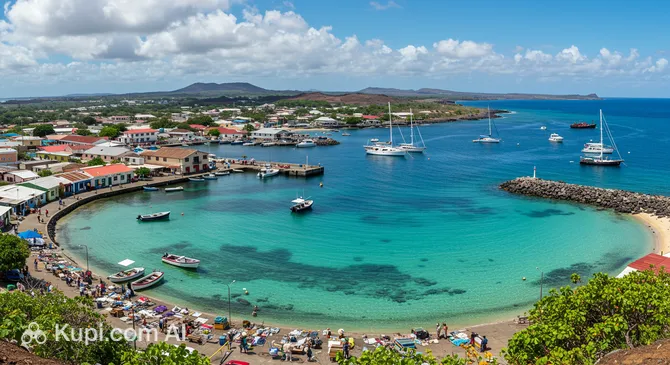
Puerto Ayora. Source: Kupi.Binoculars

Visitors are drawn to Puerto Ayora not only for its comfortable amenities but also for its proximity to world-class natural attractions. The famous Charles Darwin Research Station is located just a short walk from the center, offering a chance to see giant tortoises and learn about conservation efforts. Nearby, the stunning white sands of Tortuga Bay provide a perfect spot for spotting marine iguanas, while the crystal-clear waters of Las Grietas invite adventurers to swim between towering volcanic cliffs.

Whether you are planning to embark on a multi-day cruise or simply want to enjoy fresh seafood at a waterfront restaurant, Puerto Ayora is an ideal base for your journey. Its welcoming community and unparalleled access to wildlife make it an essential destination for anyone visiting the Enchanted Islands.

Weather Overview

Puerto Ayora enjoys a mild and pleasant tropical climate, making it a comfortable destination year-round. The temperatures remain relatively stable, generally ranging from average lows of around 20°C to highs of nearly 28°C. The warmest period typically spans from January to May, with March reaching the highest average temperature of 26.2°C.

Rainfall in the region is quite unique; while the total precipitation volume is low, the number of "wet days" varies significantly. The early months of the year, particularly February and March, see frequent but light moisture, with up to 16 wet days a month. Conversely, the second half of the year is notably drier. For travelers planning specific outdoor activities, checking the detailed weather in Puerto Ayora can help you pack appropriately.

From June through December, the weather cools down slightly, with September being the coolest month at an average of 21.9°C. During this season, precipitation is virtually non-existent, often recording 0mm of rain for several consecutive months. Expect warm, slightly more humid conditions in the first half of the year and cooler, drier days in the second half.

Interesting Facts

Beyond the main attractions, Puerto Ayora holds many fascinating secrets and unique quirks that surprise even seasoned travelers. This vibrant hub is more than just a departure point for cruises; it is a place where wildlife and daily human life coexist in unexpected ways, and where history is written in the volcanic landscape.
Las Grietas. Source: Kupi.Binoculars
  • The "Customer" Sea Lions: At the local fishermen's wharf in the center of town, it is a daily ritual to see sea lions and pelicans standing patiently alongside human customers. These animals have learned to wait for scraps of fresh fish, creating one of the most amusing and accessible wildlife spectacles where the line between nature and urban life completely blurs.

  • A Volcanic Swimming Pool: The crystal-clear waters of Las Grietas are actually held within a deep volcanic fracture formed by cooling lava. This unique formation contains a mix of fresh rainwater from the highlands and salty seawater from the ocean, creating a visible separation or halocline that snorkelers can observe as they swim between the towering cliffs.

  • Lonesome George's Legacy: For decades, the Charles Darwin Research Station was the home of Lonesome George, the last known Pinta Island tortoise. Although he passed away in 2012, his presence is still felt throughout the town, symbolizing the critical conservation efforts that define Puerto Ayora's identity.

  • Protected Path to Paradise: While Tortuga Bay is famous for its pristine white sands, few realize that its preservation is due to a strict ban on vehicles. To reach this stunning beach, visitors must walk a dedicated 2.5-kilometer cobblestone path through a cactus forest, ensuring the nesting grounds of marine iguanas and turtles remain undisturbed by traffic.

How to Get There

Reaching this remote archipelago is an exciting part of the journey, with air travel being the only practical method for international visitors. Most travelers fly from mainland Ecuador, typically from Quito or Guayaquil. For a complete breakdown of routes and transfer tips, you can read more about how to get to Puerto Ayora in our detailed guide.

The most common entry point is Baltra Airport (GPS), which serves as the primary hub for the region. While it is listed as the main airport for Puerto Ayora, it is actually located on the small neighboring island of Baltra, approximately 32.5 km away. The transfer from the airport is a unique experience involving a shuttle bus to the Itabaca Canal, a short ferry ride, and then a scenic drive across Santa Cruz Island. The entire journey takes approximately 1 hour and 10 minutes. This airport handles the majority of the tourist traffic to the islands.

Another option is to fly into San Cristobal Airport (SCY), located in the city of San Cristobal. This airport is situated about 79.9 km from Puerto Ayora. Since it is located on a different island, choosing this arrival point requires an additional inter-island transfer by speedboat or a small local flight to reach your final destination. The travel time, including the transfer between islands, is generally around 2 hours and 20 minutes.

For clarity, here is a summary of the main airports:

Airport Name City Passenger Traffic Km from City
Baltra Airport Puerto Ayora Medium 32.5
San Cristobal Airport San Cristobal Medium 79.9

Main Attractions

Puerto Ayora serves as the perfect base for exploring some of the most iconic sites in the Galápagos. The town and its surroundings offer a mix of scientific history, pristine beaches, and unique geological formations that allow visitors to get up close with the archipelago's famous wildlife.

A visit to the Charles Darwin Research Station is often the first stop for many travelers. Located just a short walk from the town center, this facility is the heart of conservation efforts in the islands. Here, you can walk through the Fausto Llerena Breeding Center to see giant tortoises at various stages of life, from tiny hatchlings to massive adults. It provides a fascinating insight into the work being done to protect these gentle giants and restore their populations across the archipelago.

Charles Darwin Research Station. Source: Kupi.Binoculars

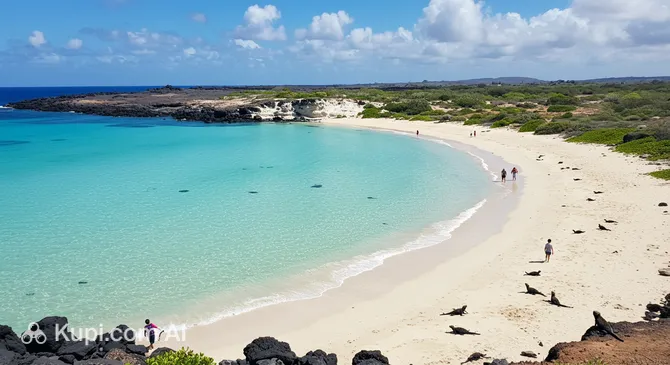
For those seeking sun and sand, Tortuga Bay is widely considered one of the most beautiful beaches in the world. Accessible via a scenic walking path surrounded by cactus forests, this expansive stretch of white sand is famous for the marine iguanas that sunbathe along the shore. While the main beach has strong currents, a sheltered cove nearby offers calm turquoise waters perfect for swimming and kayaking alongside sea turtles and reef sharks.

Tortuga Bay. Source: Kupi.Binoculars

Another spectacular natural wonder is Las Grietas, a series of deep volcanic crevices filled with crystal-clear water. This unique swimming hole is formed between two towering cliffs and features a mixture of fresh water from the highlands and salt water from the sea. The transparency of the water makes it an exceptional spot for snorkeling, allowing you to see large fish and the fascinating underwater rock formations without needing heavy diving gear.

Las Grietas. Source: Kupi.Binoculars

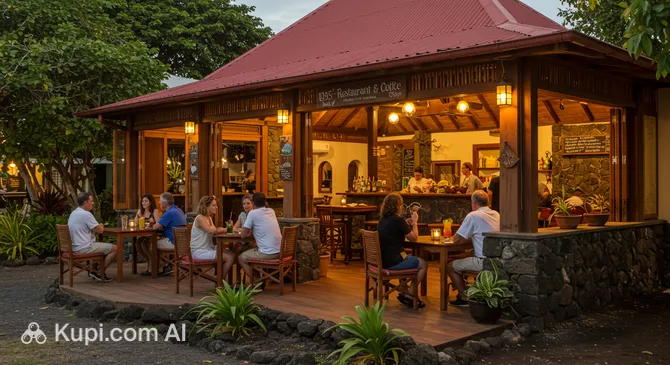
After a day of exploration, visitors can unwind at local establishments like 1835 Restaurant & Coffee. Places like this offer a chance to sample local Ecuadorian coffee and cuisine in a relaxed atmosphere. Enjoying a meal here is a great way to reflect on the day's adventures while soaking in the artistic and welcoming vibe of the town.

Local Cuisine

The gastronomy of Puerto Ayora is a delightful reflection of its island location, offering a culinary experience that is as fresh as the ocean breeze. Seafood lovers will find themselves in paradise, as the town is renowned for its "sea-to-table" philosophy. One of the most iconic local specialties is the Pez Brujo (scorpion fish), often served fried whole. Despite its somewhat intimidating appearance, the white meat is incredibly tender and flavorful. Another seasonal highlight is the Galápagos spiny lobster, or langosta, which is widely available and celebrated during the regulated fishing season, typically occurring in the latter half of the year.

For a truly authentic Ecuadorian taste, you must try ceviche. Unlike drier versions found elsewhere, Ecuadorian ceviche is typically served in a tangy broth made of lime and orange juices, tomatoes, and onions. It is traditionally accompanied by a side of chifles (thin plantain chips) and popcorn, adding a satisfying crunch to the dish. Another staple is Encebollado, a hearty fish stew made with albacore tuna and yuca, which is a beloved comfort food often enjoyed by locals for breakfast or lunch.

The heart of Puerto Ayora's food culture beats strongest at night on Charles Binford Avenue, locally known as "Los Kioscos." Every evening, this street is closed to traffic and transforms into a bustling open-air dining hall. Restaurants set up tables and chairs right on the road, displaying fresh fish, lobster, and shrimp on ice for passersby to choose from. It is a vibrant, communal experience where you can enjoy grilled seafood platters while soaking in the lively atmosphere of the town.

1835 Restaurant & Coffee. Source: Kupi.Binoculars

To accompany your meal, fresh fruit juices are ubiquitous, with exotic flavors like blackberry (mora), passion fruit (maracuyá), and tree tomato being local favorites. For those interested in a more refined setting that highlights the region's famous coffee culture, 1835 Restaurant & Coffee is a fantastic choice. This establishment offers a cozy atmosphere to enjoy distinctively prepared dishes and high-quality Galápagos coffee, making it a perfect spot to relax after a day of exploration.

Travel Tips

Welcome to Puerto Ayora, the vibrant hub of the Galápagos Islands, where preparing for your trip requires a bit more foresight than a typical beach vacation. To help you navigate the unique logistics of this remote archipelago and make the most of your adventure, we have compiled a list of essential practical tips.

  1. Clothing and Gear: The weather is generally warm, so bring lightweight, breathable clothing and a hat for sun protection. However, the evenings can get breezy, especially from June to December, so a light windbreaker or sweater is recommended. Comfortable, closed-toe walking shoes or sturdy sandals are essential for navigating uneven volcanic terrain. Don't forget a Type A or B power adapter (standard US plugs) and plenty of high-SPF biodegradable sunscreen, as the equatorial sun is intense.
  2. Transportation: Puerto Ayora is very walkable, especially along Charles Darwin Avenue. For longer distances, white pickup trucks known as camionetas serve as taxis and are affordable and readily available; you can simply flag one down. If you are taking a tour or visiting a boat in the harbor, you will likely need to use a water taxi from the main dock, so keep some small change handy for the fare.
  3. Finances: Ecuador uses the US Dollar. While credit cards are accepted in many hotels and larger restaurants (often with a surcharge), cash is absolute king here. ATMs are available near the harbor and supermarket, but they can run out of money or have withdrawal limits. It is highly advisable to bring small bills ($1, $5, $10, $20) with you, as breaking $50 or $100 bills can be difficult in smaller shops.
  4. Health and Safety: Pharmacies are available in the town center, but it is wise to bring any specific prescription medications you need, as well as motion sickness pills if you plan on boating. The most significant health risk is the sun; apply protection frequently. Tap water is not potable; strictly stick to bottled or purified water to avoid stomach issues. The town is generally very safe for tourists, even at night.
  5. Communication: The official language is Spanish. While guides and hotel staff usually speak English, it is less common among taxi drivers and shopkeepers, so learning a few basic phrases like "Hola" (Hello) and "Gracias" (Thank you) goes a long way. Wi-Fi is available in most hotels and cafes, but be prepared for slow and intermittent connection speeds due to the remote island location.
  6. Local Etiquette: The Galápagos culture is deeply rooted in conservation. The "Golden Rule" is to maintain a distance of at least 2 meters (6 feet) from all wildlife. Always give right of way to animals on paths or docks. Greetings are polite and customary; a simple smile and nod to locals creates a friendly atmosphere.
  7. What to Avoid: Never, under any circumstances, touch or feed the animals; this is strictly prohibited and enforced by law. Additionally, avoid using flash photography when taking pictures of wildlife, as it can startle or distress them. Do not remove any shells, sand, or rocks from the beaches, as this damages the ecosystem and is illegal.
  8. Eco-Conscious Travel: Single-use plastics (like straws and plastic bags) are restricted in the Galápagos to protect marine life. Bring a reusable water bottle; many hotels and tour operators offer large jugs where you can refill your bottle for free or a nominal fee, helping you stay hydrated while reducing waste.

By keeping these practical tips in mind, you will be well-equipped to enjoy the relaxed island pace and incredible natural wonders of Puerto Ayora. Respecting the local environment and customs ensures that this enchanting destination remains pristine for future explorers.

Entertainment & Nightlife

Puerto Ayora transforms as the sun sets, shifting from a hub of scientific exploration to a lively center of island nightlife. While you will not find massive nightclubs or high-tech amusement parks here, the town offers a vibrant and welcoming atmosphere that perfectly complements its laid-back island culture. The nightlife scene is concentrated primarily along the waterfront and the main avenues, where open-air bars, salsa music, and friendly crowds create an unforgettable evening experience.

The epicenter of evening entertainment is Charles Darwin Avenue, the town's main thoroughfare running parallel to the coast. Here, travelers gather after a day of diving or hiking to share stories over cold craft beers and tropical cocktails. The vibe is decidedly casual; there is no strict dress code, and shorts and sandals are the norm even in the most popular spots. Venues typically stay open until around 1:00 AM or 2:00 AM on weekends, with a mix of locals and tourists mingling freely.

For those looking to experience the local rhythm, Bongo Bar is an iconic institution located upstairs on the main avenue. It is well-known for its pool tables, diverse music playlist ranging from reggae to salsa, and a balcony that offers great people-watching opportunities. Another popular district for a unique night out is Charles Binford Avenue, or "Los Kioscos." While primarily a dining street, the communal seating and bustling energy make it a form of entertainment in itself, often featuring street musicians and a festive, block-party feel that lasts well into the night.

If you prefer a more relaxed start to your evening, 1835 Restaurant & Coffee offers a sophisticated yet cozy setting. It is an excellent venue to enjoy a quiet drink or a high-quality coffee before heading out to livelier bars. For those who enjoy dancing, places like La Panga often feature live bands playing Latin music, inviting everyone to the dance floor to try their hand at salsa or bachata.

During the daylight hours, entertainment in Puerto Ayora is more low-key and cultural. While there are no large movie theaters or theme parks, visitors can explore small art galleries showcasing local talent or visit the Maprae Museum to see pre-Columbian art. The town also features several boutique shops along the malecon where you can browse for unique jewelry and handicrafts made from tagua nuts or volcanic stone.

Safety is rarely a concern in Puerto Ayora, making night walks pleasant and worry-free. The streets are well-lit and populated, but if you need to travel further or are tired after a night out, the white pickup trucks that serve as taxis are readily available and affordable, usually costing between $1.50 and $2.00 for a ride within town. Prices for drinks are reasonable, with local beers costing around $3 to $5 and cocktails ranging from $8 to $12, allowing you to enjoy the island nights without breaking the bank.

Parks & Museums

Puerto Ayora is not only a logistical hub for island hopping but also a destination rich in green sanctuaries and cultural institutions. The town seamlessly integrates protected natural areas within its boundaries, offering visitors immediate access to the unique flora of the Galápagos, while its museums provide essential context about the archipelago's biological and human history.

One of the most significant natural areas accessible from the town is Tortuga Bay. While often celebrated as a beach, it functions as a strictly protected park. The experience begins with a walk along a paved path that winds through a towering Opuntia cactus forest, home to mockingbirds and lava lizards. This area serves as a pristine example of the dry coastal vegetation zone, allowing visitors to observe the transition from arid scrubland to the coastal dunes where marine iguanas nest.

Right within the urban area lies a hidden gem often overlooked by tourists: the Laguna de las Ninfas. This peaceful saltwater lagoon is surrounded by a boardwalk that takes you through a dense mangrove forest. It is a quiet sanctuary away from the bustling harbor, where you can observe four different species of mangroves and the clear waters reflecting the greenery. It offers a perfect, shady spot for a contemplative walk to appreciate the vital ecosystem that protects the coastline.

For a deeper dive into the scientific heritage of the islands, the Charles Darwin Research Station acts as the town's primary open-air museum and educational facility. Beyond the famous tortoise breeding centers, the station features the Van Straelen Interpretation Center, which provides comprehensive exhibits on the geology, climate, and conservation challenges of the Galápagos. It is an essential stop for understanding the delicate balance of life in this isolated environment.

Another cultural highlight is the Maprae Museum (Museo de Arte Precolombino), located near the waterfront. This small but fascinating museum showcases a collection of archaeological pieces from mainland Ecuador's coast. It offers an intriguing cultural counterpoint to the nature-focused attractions, linking the islands to the rich indigenous history of the South American continent.

In terms of architectural landmarks, the Iglesia Cristo Salvador stands out as a charming example of local adaptation. This Catholic church features beautiful stained-glass windows that depict Galápagos wildlife, such as boobies and frigatebirds, alongside religious figures. It is a unique reflection of how the local faith is intertwined with the natural world surrounding the community.

For an authentic local experience, take a short trip to the highlands to visit the Santa Cruz Highlands. While technically outside the town limits, these lush, humid scalesia forests are the natural roaming grounds for giant tortoises in the wild and offer a stark contrast to the dry vegetation near the coast. Exploring the lava tunnels here provides a geological history lesson that feels like stepping back in time.

Getting Around

The public transport system in Puerto Ayora is refreshingly simple and distinct from the complex networks found in major metropolitan areas. Due to the town's compact size and island setting, there are no subways, trams, or trains. Instead, the transportation infrastructure relies primarily on a fleet of white pickup trucks, specialized water taxis, and a limited bus service that connects the town to the highlands and the airport channel.

The most ubiquitous form of transport is the white pickup truck, locally known as a camioneta. These vehicles function as taxis and are the primary way to travel distances that are too far to walk. They are readily available and can be easily flagged down on the street or found at designated stands near the main pier. These taxis are reliable, safe, and regulated, making them the preferred choice for moving luggage or reaching destinations on the outskirts of town.

For travel across the water, "Aqua Taxis" are an essential part of the local system. These small yellow speedboats shuttle passengers between the main municipal dock and the larger cruise ships or yachts anchored in the harbor. They are also used to reach specific locations like the path to the German Beach or the entrance to Las Grietas. Service is continuous throughout the day, and the operators are usually waiting at the dock to assist passengers.

Public buses do exist but serve a specific purpose rather than circulating within the town center. They depart from the Terminal Terrestre (bus terminal) located on the edge of town and run routes to the rural highlands, including villages like Bellavista and Santa Rosa, as well as to the Itabaca Channel for airport transfers. While these buses are an economical way to cross the island, their schedules can be less frequent than taxis, so it is advisable to check departure times in advance.

The payment system in Puerto Ayora operates exclusively on cash. There are no travel cards, mobile apps, or electronic ticket machines. For taxis within the urban limits, there is typically a fixed, low fare (often around $1.50 to $2.00), though the price increases for longer trips to the highlands or secluded beaches. Water taxis also have a standard small fee, usually $1.00 per person per ride. It is crucial to carry small bills and coins, as drivers and boat operators often do not have change for large denominations.

For tourists, navigating the town is straightforward. Most of the central area, particularly along Charles Darwin Avenue, is best explored on foot. Alternatively, bicycle rentals are extremely popular and widely available. Many shops offer daily rentals, allowing visitors to cycle to nearby attractions like the Charles Darwin Research Station at their own pace. This eco-friendly option aligns perfectly with the island's conservationist ethos.

A practical tip for visitors is to always confirm the fare before beginning a journey in a taxi, especially if you are heading outside the main town area. While rates are generally standard, clarifying the cost prevents misunderstandings. Additionally, keep in mind that public transport options diminish late at night, so if you are dining out or exploring in the evening, ensure you have a plan for getting back to your accommodation.

Accommodation

Puerto Ayora offers the most diverse selection of accommodation in the entire Galápagos archipelago, catering to a wide spectrum of travelers and budgets. As the main tourism hub of the islands, the town provides everything from simple, family-run hostels and backpacker guesthouses to comfortable mid-range hotels and exclusive luxury lodges. Unlike the more remote islands where options are limited, here you can find facilities with modern amenities, including air conditioning, Wi-Fi, and swimming pools, although connectivity can still be slower than on the mainland.

The most popular area to stay is along the waterfront and Charles Darwin Avenue. Accommodation in this zone places you within easy walking distance of the main municipal dock, which is the departure point for most day tours and inter-island ferries. Staying here also means being close to the best restaurants, shops, and nightlife. For those seeking a quieter experience, there are excellent options located a few blocks inland or on the outskirts of town towards the highlands. These areas often offer more spacious grounds and a peaceful atmosphere away from the bustle of the harbor.

Regarding costs, prices in Puerto Ayora are generally higher than on mainland Ecuador due to the logistics of island life. Budget travelers can find basic rooms ranging from $30 to $80 per night, while mid-range hotels typically charge between $100 and $250. Luxury waterfront properties and eco-lodges can exceed $300 per night. While many establishments are listed on major online booking platforms, some smaller local guesthouses may offer better rates for direct bookings or walk-ins during the low season.

Booking Tip: Because the Galápagos Islands strictly regulate tourism numbers and development, accommodation capacity is finite. It is highly recommended to book your stay well in advance, especially if you are visiting during the peak seasons of December to January or June to August. Securing your room early ensures you have a comfortable base for your adventures in this unique natural paradise.

Nearby Cities

For those looking to explore the surroundings, Puerto Ayora serves as an excellent base for day trips to several interesting nearby locations. While the town is the busiest hub in the archipelago, the true magic of the Galápagos lies in island hopping. Visitors can easily take a ferry or a speedboat to inhabit other islands or join organized day tours to protected wildlife sanctuaries.

One of the most popular destinations is San Cristobal, the administrative capital of the province. Located approximately 99 km to the east, it offers a slightly more laid-back atmosphere than Puerto Ayora. Visitors here can explore the excellent Interpretation Center, walk along the boardwalk teeming with sea lions, or visit the iconic Kicker Rock (León Dormido) for world-class snorkeling. It provides a perfect contrast to Santa Cruz with its own unique history and biological highlights.

Another essential trip is to Puerto Villamil on Isabela Island. Although it requires a boat ride of about two hours, it is frequently visited for its stunning wetlands, flamingo lagoons, and the massive Sierra Negra volcano. The pace of life here is slow and sandy, with streets often made of sand rather than asphalt. For those interested in uninhabited islands, boat tours to North Seymour or Bartolomé offer chances to see frigatebirds, blue-footed boobies, and the famous Pinnacle Rock, making for unforgettable day excursions.

City Population Distance (km)
Eloy Alfaro Parish, Guayaquil 230839 1140
Manta 217553 1070
Portoviejo 206682 1098
San Cristobal 200000 99
La Libertad 95942 1061

These nearby destinations offer a glimpse into the diverse culture and landscapes of the region, ranging from bustling port towns to pristine natural reserves.

Shopping & Souvenirs

Shopping in Puerto Ayora offers a delightful and relaxed experience that mirrors the laid-back atmosphere of the islands. Unlike major metropolitan destinations filled with high-end fashion chains and sprawling department stores, the retail scene here is intimate and focused on local craftsmanship, sustainability, and unique souvenirs. Visitors will find a variety of boutiques, art galleries, and small shops that prioritize goods reflecting the natural beauty and biodiversity of the Galápagos.

The primary hub for shopping is Charles Darwin Avenue (Avenida Charles Darwin), which runs along the waterfront. This bustling street is lined with the town's best gift shops, jewelry stores, and art galleries. A stroll down this avenue allows you to browse for high-quality items while enjoying views of the harbor. It is the perfect place to find everything from hand-painted t-shirts to sophisticated artwork, all within easy walking distance of most hotels.

Travelers should not expect to find large shopping malls in Puerto Ayora. The town's commercial infrastructure is composed of small, independent businesses rather than massive retail complexes. However, there are several small commercial plazas or galleries along the main avenue where multiple boutiques are clustered together, offering a convenient way to visit several shops in one location without the overwhelming size of a traditional mall.

For a more authentic local experience, the Fisherman’s Wharf (Muelle de los Pescadores) is a must-visit "market" of a different kind. While primarily a place to buy fresh catch, it is a vibrant spectacle where locals purchase their dinner alongside pelicans and sea lions begging for scraps. For fresh produce, the Municipal Market offers a colorful array of tropical fruits and vegetables, providing a glimpse into the daily life of the residents and a chance to taste exotic local flavors.

When it comes to souvenirs, Puerto Ayora has plenty of unique treasures to bring home. Galápagos coffee, grown in the highlands of Santa Cruz, is a popular choice for its rich and distinct flavor profile. Jewelry made from tagua nut (often called vegetable ivory) is a beautiful and eco-friendly alternative to animal products. Additionally, Ecuador is famous for its fine cacao, so high-quality chocolate is widely available. You will also see many items featuring the iconic blue-footed booby, a humorous and beloved symbol of the islands.

Most shops in Puerto Ayora open around 9:00 AM or 10:00 AM and stay open until roughly 8:00 PM or 9:00 PM to accommodate tourists returning from day trips. Some smaller stores may close for a short siesta in the early afternoon, though this is less common on the main tourist strip. As for payment, the US Dollar is the official currency. While many larger boutiques accept credit cards, they often add a surcharge of 5% to 10%. Therefore, carrying cash—especially in smaller denominations—is highly recommended for smoother transactions.

Tax-free shopping is not a standard service for tourists in the Galápagos in the same way it might be in Europe. Prices displayed usually include the Value Added Tax (VAT), and there is no streamlined system for tax refunds at the airport for general consumer goods purchased in town. Travelers should budget accordingly and assume the price on the tag is the final price.

Nearby cities

Reached the end of the page?

That means the route is fully explored