Support

Alavus

About

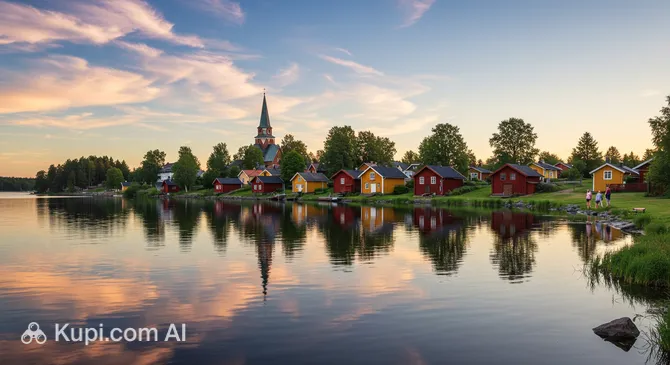
Alavus is a cozy and picturesque town nestled among the endless forests and crystal-clear lakes of the South Ostrobothnia region. Located almost in the very heart of Finland, it offers travelers a unique blend of pristine nature and deep-rooted traditions. Home to just over 12,000 people, the town has a particularly intimate and tranquil feel, with air so fresh it can make your head spin.

Alavus. Illustration.
Source: Kupi.com AI

Despite its compact size, the town serves as an important hub for the region's agriculture and forestry industries. Local history of Alavus is reflected in its architectural style, the crown jewel of which is the beautiful wooden church in the center. This is a place where you can feel the true spirit of the Finnish heartland, where the modern rhythm of life harmoniously intertwines with a sense of calm and comfort.

Tourists come here for the magnificent landscapes and the opportunity to escape the hustle and bustle of city life. Alavus is ideal for leisurely walks along well-kept trails, learning about the local way of life on charming farms, and active outdoor recreation. The hospitality of the locals and the warm atmosphere make this town a wonderful choice for a stopover during a journey across the country.

Weather Overview

The climate in this region is typical for Finland: there are four distinct seasons, each giving the town a special mood. Winters in Alavus are snowy and frosty, creating ideal conditions for winter sports enthusiasts. In January and February, the average temperature stays around -6°C, and at night, the thermometer often drops to -8°C and below.

Summer brings pleasant warmth, but sweltering heat is a rarity here. July is considered the warmest month, when the air warms up to an average of 16.6°C, and on sunny days, the temperature can reach a comfortable 20.7°C. This is the best time for nature walks, although you should be prepared for changeable weather: even in summer, especially in August, rain is possible (up to 16 rainy days).

Spring and autumn serve as transitional periods with cool air and gradually changing colors in the landscape. Expect a moderately warm summer with occasional precipitation and cold, true northern winters. To plan your wardrobe correctly for the trip, we recommend checking the detailed weather in Alavus for the dates of your visit in advance.

Average monthly temperature

Average monthly precipitation

Interesting Facts

Beyond its main attractions, Alavus holds many fascinating secrets revealed only to curious travelers. This town is not just a point on the map, but a place where old-fashioned ways are harmoniously woven into modern life.

  • A 19th-century architectural gem. The pride of the town is its wooden church, built in 1832. It is considered the true heart of Alavus, hosting major celebrations, while the interior is famous for its exceptionally warm and cozy atmosphere, which is rare for such monumental structures.

  • Living history on the farms. In the town's surroundings, you can find traditional farms where time seems to have stood still. Some farm owners warmly welcome tourists, sharing stories about the life of Finnish peasants, demonstrating animal care, and treating guests to homemade delicacies made from old recipes.

  • A center for folk festivities. Alavus is known for its regular fairs and small festivals. These are the best places to get acquainted with local culture: here you can see folk dances, listen to traditional music, and purchase unique handcrafted items.

  • Picture-perfect landscapes. The town and its surroundings are a paradise for active leisure enthusiasts year-round. In winter, people come here for skiing and snowboarding, while in summer, the region transforms into an ideal spot for fishing, cycling, and picnics on specially equipped scenic trails.

How to Get There

When planning a trip to Finland, it is important to think about your route in advance, as Alavus is located deep within the South Ostrobothnia region. There are no direct flights to the town itself, so logistics often involve transfers to ground transport. To plan your trip in detail, we recommend studying all the ways to get to the town and choosing the most suitable option.

For those who prefer flying, the closest option is Vaasa Airport (VAA), located about 108 km from Alavus. This is a convenient hub for domestic and some international flights; the journey from there by car or bus takes about one and a half to two hours. Another popular alternative is Tampere-Pirkkala Airport (TMP), situated 131 km away. Thanks to a well-developed transport network, getting here from Tampere is also straightforward.

Additionally, you might consider Kokkola-Pietarsaari Airport (KOK) in Kruunupyy (129 km) or more distant hubs like Kuopio Airport and the Swedish Umeå Airport, if your route involves complex logistics through neighboring regions.

Below is a summary table of the nearest airports:

AirportPassenger trafficDistance
Vaasa Airport177 592108 km
Jyvaskyla Airport32 000108 km
Kruunupyy Airport68 636129 km
Tampere-Pirkkala Airport168 328131 km
Umea Airport675 000215 km

Railway communication is another reliable way to reach the region. Although the station in Alavus itself is small, many tourists begin their journey via the capital. The country's main hub is the Central Station (HEC) in Helsinki, located approximately 278 km from the destination. Trains regularly depart from the capital toward Ostrobothnia, allowing you to reach the town comfortably with one transfer or on a direct train, if the schedule permits.

Information about the key railway station:

StationPassenger trafficDistance
Helsinki Central Station37 mln278 km
Härnösand Railway Station292 km

Main Attractions

While the town may seem like a quiet corner, it is home to one of the most visited tourist spots in Finland. The absolute center of attraction is the Tuuri district, home to the famous Veljekset Keskinen (The Brothers Keskinen) shopping complex. This place long ago transcended the status of a mere store, turning into a massive entertainment hub. Travelers come here for shopping, atmospheric events, and the famous giant golden horseshoe at the entrance, which has become a recognizable symbol of the area.

For those seeking cultural experiences, the Harri Art Center (Taidekeskus Harri) is a must-visit. It occupies a historic manor house situated on the picturesque shores of Lake Alavudenjärvi. The center serves as the main venue for rotating art exhibitions, while during the warmer months, it hosts summer theater productions and musical evenings. A stroll through the well-maintained grounds of the estate allows visitors to combine an appreciation for art with relaxation in nature.

Connoisseurs of architecture should pay attention to Alavus Church. The current building was erected in 1914 according to a design by architect Kauno S. Kallio. It replaced a previous church destroyed by fire, though a piece of history remains: an old bell tower, built back in the 1820s, stands next to the new building. This architectural ensemble, bringing together structures from different eras, is an important spiritual and historical symbol of the town.

Local Cuisine

The gastronomy of Alavus is the embodiment of the rural classics of the South Ostrobothnia region, where the quality and freshness of ingredients are paramount. Local dishes might seem simple, but they are incredibly hearty and prepared with special care. A true culinary point of pride here is kalakukko—a traditional fish pie baked in a dense rye crust. It is usually served hot to fully reveal the aroma of the filling. Additionally, dishes featuring river fish, forest mushrooms, and potatoes, prepared according to old family recipes, frequently appear on local tables.

When traveling through Finland, it's impossible not to appreciate the taste of local dairy products. Farmers around Alavus are famous for producing the finest butter, homemade curd, and cheeses. Finnish curd pancakes deserve special mention: they have their own unique taste and texture, noticeably different from more common versions, but every bit as delicious. Ideal accompaniments to desserts are sauces and jams made from northern berries—lingonberries, cranberries, or blueberries—gathered in the surrounding forests.

A special atmosphere prevails at the summer farmers' markets, which become a gathering point for residents and visitors alike. Here, you can buy freshly baked homemade bread, vegetables straight from the garden, and, of course, smoked fish prepared in a smoker right on-site. The town's gastronomic life comes alive during seasonal festivals: Fisherman's Days and berry festivals allow you not only to eat well but also to learn the culinary secrets of the Finnish heartland.

Travel Tips

A trip to Alavus is an immersion into the calm rhythm of the Finnish countryside, but even here, there are nuances worth knowing in advance. We have gathered a list of practical recommendations to help make your trip comfortable, avoid minor difficulties, and help you feel like a local.

  1. Clothing and gear. The weather in the region is changeable, so the main principle for clothing is layering. In winter, be sure to bring thermal underwear, a windproof jacket, and a warm hat, as frosts can be severe. In summer, even if the forecast promises warmth, bring a light windbreaker or sweater for evening walks by the lakes. If you plan to visit nature trails, ensure you have comfortable, waterproof footwear.

  2. Transport. Alavus is a small town, and public transport here consists mainly of infrequent bus routes connecting the center with surrounding villages. There is no metro or tram. The most convenient way to get around is renting a car, especially if you want to visit the famous shopping center in Tuuri or more distant natural attractions. It's best to order a taxi in advance by phone or via local apps (e.g., Valopilkku), as catching a car "by hand" on the street is virtually impossible.

  3. Finances. The country's currency is the Euro (€). Finland is one of the most "cashless" countries in the world: bank cards (Visa, Mastercard) are accepted everywhere, from large supermarkets to small ice cream kiosks. Cash might only be needed on rare occasions at farmers' markets. Tipping isn't mandatory here, as a service charge is usually included in the bill, but rounding up the amount will be appreciated.

  4. Health and safety. Alavus is a very safe place; you can walk around comfortably even after dark. The universal emergency number is 112. Note that pharmacies (Apteekki in Finnish) in small towns usually close early (around 5:00–6:00 PM) and may not be open on Sundays, so it's best to have a basic first-aid kit with you. In summer, there can be ticks in the forests, so use repellents.

  5. Communication. The primary language is Finnish, but most locals, especially young people and service workers, speak English very well. For mobile internet, it's most cost-effective to buy a prepaid SIM card (e.g., DNA, Elisa, or Telia) from an R-kioski shop. Free Wi-Fi is often available in cafes, libraries, and public spaces.

  6. Local etiquette. Finns value personal space and silence. Greetings are usually limited to a brief handshake. In public places, it's not customary to speak loudly or gesture actively. If you're invited to a sauna, remember it's an important part of the culture: it's standard to go in without clothes (though in mixed groups or public saunas, swimwear may be acceptable; it's best to check beforehand).

  7. What to avoid. Never enter a Finnish home with your shoes on—they are always removed at the door. This rule also applies to some rental cottages. Also, avoid being late: punctuality is seen as a sign of respect, and even a 5–10 minute delay can be viewed negatively.

  8. Everyman's Right. In Finland, there is a unique rule called "Everyman's Right" (Jokamiehenoikeus). You are free to walk through forests and pick berries and mushrooms, even if the forest is privately owned. The main condition is not to go too close to residential houses, not to make noise, and not to leave trash behind. This is a great way to freely supplement your diet with fresh blueberries or lingonberries in season!

By following these simple tips, you can enjoy the peaceful atmosphere of Alavus without unnecessary worries. The locals appreciate politeness and respect for their way of life, so an open attitude and a smile will be your best companions on this journey.

Entertainment & Nightlife

Relaxation in Alavus isn't limited to walking and shopping: the town offers a rich program for those who prefer activity and new experiences. The infrastructure of this corner of Finland is excellently developed for sports and family leisure in any season.

Active lifestyle enthusiasts will appreciate the local sports facilities. A modern swimming pool (Uimahalli) operates in the town center, where in addition to swimming lanes, there is a children's pool, a jacuzzi, and, of course, traditional saunas for post-workout relaxation. Nearby is an ice arena, which is open for public skating during the season, allowing guests to confidently hit the ice even in summer.

During the warmer months, the town beaches on Lakes Alavudenjärvi and Vähäjärvi become popular gathering spots. These areas are equipped with swimming zones, changing rooms, and beach volleyball courts. Disc golf (frisbee golf) is particularly popular here: Alavus and its surroundings feature several courses of varying difficulty that wind through picturesque forest areas and parks. It's a great way to combine a nature walk with a fun game.

For families with children, the summer Children's Traffic Park (Liikennepuisto) is a real find. This is a safe area with miniature roads, signs, and traffic lights, where young drivers can ride pedal cars while learning the rules of the road in a playful way. For teenagers and extreme sports fans, the town features a high-quality skate park.

The Tuuri district, known to many travelers, is worth visiting for its large-scale entertainment events. In the summer, a massive funfair (Tivoli) sets up here, offering thrills for both children and adults. Additionally, this venue regularly hosts music festivals, vintage car shows, and other public events, creating a festive atmosphere under the open sky.

Parks & Museums

The green spaces and cultural heritage of Alavus are a harmonious extension of its tranquil lifestyle, where history sits alongside untouched nature. The town and its surroundings offer travelers not only picturesque walking routes but also sites that preserve the memory of important events in Finland's past.

Lake Alavudenjärvi and Riverside Park
This is perhaps the main natural attraction within the town limits. The lake's shoreline is developed for comfortable recreation, featuring walking and cycling paths that are perfect for a leisurely promenade. In summer, this spot attracts picnic lovers and beachgoers, and from special towers, you can observe the many waterfowl nesting in the reeds. In winter, the lake transforms into a vast arena for cross-country skiing and ice fishing.

Pahajoki Nature Trail
For those who want to delve deeper into the wild, the route along the Pahajoki River is an excellent choice. This area is famous for its rapids and dense forests, creating an atmosphere of fairytale seclusion. The sound of water and the scent of pine needles make a walk here a true session of nature therapy. The trail is equipped with campfire spots, so tourists often stop here to grill sausages and enjoy the silence away from civilization.

Alavus Museum (Alavuden museo)
Located in the historic building of a former granary, this museum is the keeper of the region's peasant traditions. The exhibition immerses guests in the life of South Ostrobothnia in past centuries: it houses old tools, household items, textiles, and furniture. This place will be of interest to those who want to understand how ordinary Finns lived, worked, and celebrated before the dawn of the technological era.

War Veterans' Heritage Room (Sotaveteraanien perinnetila)
The town's history is inextricably linked to the Finnish War of 1808–1809, and this small but significant museum pays tribute to the country's defenders. The collection includes uniforms, medals, photographs, and personal items of veterans from various eras. For history buffs, it's a unique opportunity to learn about the region's role in the establishment of the state's independence and to see rare artifacts.

Alavus holds a special place on the country's historical map thanks to the famous Battle of Alavus in 1808. In memory of this event, a majestic Memorial is installed in the town, located near the church. It is not just a monument but an entire open-air historical complex where you can feel the breath of the past. The architecture of the memorial itself is austere and solemn, emphasizing the importance of the victory won here by Finnish troops.

If you have time left, it's worth checking out the surroundings of the village of Töysä, which is now part of Alavus. There you can find small private exhibitions and artisan workshops, often hidden from the eyes of the mass tourist but full of authentic charm.

Insider Tip: Few people know that the best sunsets in the town can be observed not from the central beach, but from the hill near the old church bell tower. From there, you get a panoramic view of the lake and the rooftops, painted in the golden tones of the setting sun—an ideal location for atmospheric photos.

Getting Around

The public transport system in Alavus has its own characteristics typical of the region's small and cozy towns. You won't find subways, trams, or trolleybuses here. The town is quite compact, so many distances in the center can easily be covered on foot. However, for trips to outlying areas, the famous shopping center in Tuuri, or neighboring settlements, tourists will need to use buses, trains, or taxis.

Railway communication plays a key role in the life of the town. Alavus station is served by the national railway company, VR. Trains are the most reliable way to get here from major centers or to visit nearby Seinäjoki. It's important to note that the Tuuri district has its own railway platform, making the train an ideal option for shopping tourists. Train tickets should be purchased in advance, as there are no ticket offices at the station itself.

The bus network connects the town center with surrounding villages and other regions. The main point of reference for travelers is the bus station and the Matkahuolto service schedule. It's worth considering that local city routes are often oriented toward school schedules and weekday working hours. On weekends and holidays, the number of trips can be significantly reduced, so bus trips should be planned carefully, checking the current schedule online.

Regarding fare payment, the most convenient and modern way is to use mobile applications. For trains, it's the VR Matkalla app, and for intercity and regional buses, it's Matkahuolto Reitit ja Liput. On buses, you can often pay the driver with a bank card, but cash is being accepted less and less. There are no unified city travel cards like in large metropolises; tickets are usually bought for a specific trip or route.

For maximum freedom of movement, we strongly recommend considering alternative options. Renting a car is perhaps the best way to explore the picturesque surroundings of South Ostrobothnia at your own pace, without depending on a schedule. Taxi services also operate in the town. It's better to book a car in advance by phone or through an app (such as Valopilkku), as "hailing" a free car on the street is almost impossible. In summer, cycling is popular—the terrain is quite flat, and the views are magnificent.

A practical tip for tourists: if you're planning a trip to the Tuuri shopping village, check for special free buses or "shopping shuttles" that are sometimes launched during the peak tourist season or during major sales. Otherwise, the train remains the fastest way (about 10 minutes) to get there from the center of Alavus.

Accommodation

Where to stay:

Accommodation options in Alavus and its surroundings reflect the calm and cozy character of the region. You won't find massive chain skyscrapers or ultra-luxury resorts here. Instead, hospitable Finland offers travelers comfortable mid-range hotels, small family-run B&Bs, and, of course, plenty of options for nature retreats—from equipped campsites to secluded cottages on lake shores.

When choosing where to stay, you should consider the purpose of your trip. If proximity to transport hubs, shops, and main city services is important, it's best to stay in the town center. This is a convenient starting point for walking to the church and museums. However, if the main goal of your visit is the famous shopping and entertainment, it makes sense to look for accommodation in the Tuuri district. This part of town has a more active pace, especially in summer, and is located in the immediate vicinity of the Veljekset Keskinen shopping complex.

Renting countryside houses and cottages (known as mökki in Finnish) is particularly popular in the region. This is the ideal choice for those who want to experience the local lifestyle: with a private sauna, access to a lake, and the chance to grill on the terrace. Such options are scattered throughout the picturesque surroundings and are great for families or groups of friends traveling by car.

For car travelers and caravanning enthusiasts, one of the country's largest and most popular camping areas is located in the Tuuri district. It's an entire village with its own infrastructure, which becomes a hub for tourists from all over Scandinavia during the peak season.

Booking tips and prices:

  • Seasonality. Alavus is a popular destination for domestic tourism, especially during the summer months and the Christmas sales period. During these times, as well as during major festivals in Tuuri, the demand for accommodation spikes. We strongly recommend booking rooms or cottages in advance—several weeks or even months ahead.

  • Price range. The cost of accommodation here can be described as moderate. Budget travelers can find affordable spots at campsites or hostels. Hotels and high-quality apartments fall into the mid-price segment. Cottage rental prices vary depending on amenities and location, but they are often cost-effective when shared by a large group.

  • How to book. Most hotels and apartments are listed on popular international booking platforms. However, to find unique cottages or camping spots, it is sometimes better to use local Finnish websites or contact the accommodation providers directly through their official pages.

Nearby Cities

For those who want to explore the surrounding area, Alavus serves as an excellent starting point for day trips to several interesting nearby locations:

Just 45 kilometers away is Seinäjoki—the dynamic capital of the South Ostrobothnia region. This city is world-famous for its administrative and cultural center designed by the renowned architect Alvar Aalto. In the summer, Seinäjoki transforms into the country's music capital thanks to the Tangomarkkinat (Tango Festival) and the Provinssi rock festival, attracting thousands of guests with its energy and events.

If you're looking for a sea breeze, head to the city of Vaasa, located about 117 km to the west. This is the sunniest city in Finland, where Swedish influence is strongly felt. Vaasa serves as the gateway to the Kvarken Archipelago, a UNESCO World Heritage site. Here, you can enjoy walks along the waterfront, visit museums, and see unique natural landscapes formed during the Ice Age.

Lakeside landscape and urban culture enthusiasts should visit Jyväskylä (116 km). The city is famous for its architecture, its large student population, and its magnificent location on the shores of Lake Päijänne. It's a great place for shopping, visiting museums, and walking through illuminated parks, as Jyväskylä proudly holds the title of "City of Light."

CityPopulationDistance
Nurmo10 78545 km
Seinäjoki64 15045 km
Alajärvi10 00647 km
Lapua14 60953 km
Ilmajoki12 15956 km

These nearby destinations offer a glimpse into the diverse culture and landscapes of the region, from the seacoast to dense forests and lake districts.

Shopping & Souvenirs

Shopping in Alavus is a phenomenon that goes far beyond typical purchases in a small provincial town. Thanks to its unique location and one of the country's most famous shopping attractions, this region attracts millions of visitors annually. Here you can find a striking contrast: from quiet shops in the town center to giant retail spaces where life hums from morning until evening.

Main Shopping Districts

The shopping geography of Alavus is clearly divided into two zones. The first is the town center (Alavus Keskusta) itself, where small specialized stores, pharmacies, cozy clothing and home decor boutiques, and familiar chain supermarkets are concentrated. This is the place for leisurely "local-style" shopping. The second and main zone is the Tuuri district, located a few kilometers from the center. This is where the main flow of tourists heads for large-scale shopping and entertainment.

Shopping Centers

When talking about shopping in Alavus, it's impossible not to mention Veljekset Keskinen (The Keskinen Brothers' Village Shop) in Tuuri. It is not just a shopping center, but the second-largest department store in Finland and a true retail legend. The complex is so vast that it is called a "shopping town." Here, literally everything is gathered under one roof: from food and household goods to electronics, branded clothing, and fishing gear. Special attention should be paid to the food department, which is famous for its incredible range of fresh fish, meat, and pastries.

Markets

During the summer season and in the run-up to Christmas, the town's market life comes alive. Fairs are regularly held in the market square in the center of Alavus, where local farmers sell seasonal berries (strawberries, blueberries, cloudberries), vegetables, honey, and homemade baked goods. Flea markets (known in Finnish as kirpputori) are also very popular in the region. Finns love giving items a second life, so you can find unique vintage dishes, Iittala glass from past collections, or antique interior items for a nominal price at these sales.

Souvenirs

From a trip to Alavus, it's worth bringing back items that reflect the spirit of the South Ostrobothnia region. Look out for the following souvenirs:

  • Finnish Knives (Puukko): The region is famous for its master knife-makers. A high-quality knife with a handle made of curly birch makes an excellent gift.
  • Textiles and Handicrafts: In local shops, you can find knitted wool socks, mittens with traditional patterns, and linen products.
  • Food Products: Rye bread, licorice candies, Fazer chocolate, and, of course, cloudberry or lingonberry jam.
  • Souvenirs from Tuuri: The Keskinen Brothers' store sells many items featuring the symbol of the famous golden horseshoe, which is considered a lucky charm.

Opening Hours and Payment

Large retail outlets, especially in Tuuri, operate on a very tourist-friendly schedule, often open seven days a week and until late in the evening (usually until 9:00 PM or 10:00 PM). Shops in the town center have more standard hours: weekdays from 9:00–10:00 AM to 5:00–6:00 PM, with shorter hours on Saturday, and many small shops may be closed on Sundays. Bank cards (Visa, Mastercard) are accepted almost everywhere; contactless payment by phone or watch is also widespread. Cash might only be needed at small outdoor stalls.

Tax Free

Tourists residing outside the European Union can take advantage of the tax refund system (Tax Free) when making purchases at most large stores, including Veljekset Keskinen. Look for the Global Blue logo in shop windows or at checkouts. If the purchase amount on a single receipt exceeds the established minimum (usually 40 euros), ask the salesperson to issue a special receipt. Refunds can be obtained upon leaving the EU by presenting unopened purchases, the receipt, and your passport at customs or a refund point.
Reached the end of the page?

That means the route is fully explored