Support

Roanne

About

Roanne is a cozy and welcoming city located in the heart of the Auvergne-Rhône-Alpes region. Stretching along the banks of the majestic Loire, it offers travelers a chance to see authentic, non-touristy France. The city is conveniently nestled between picturesque hills and green valleys, creating the perfect setting for a relaxing getaway.

Located approximately 80 kilometers northwest of Lyon, Roanne combines provincial charm with the energy of a cultural center. With a population of about 34,000, it never feels overly crowded, yet life here is always bustling. It is a place where an atmosphere of unhurried happiness prevails, and time seems to slow down for the sake of enjoying the moment.
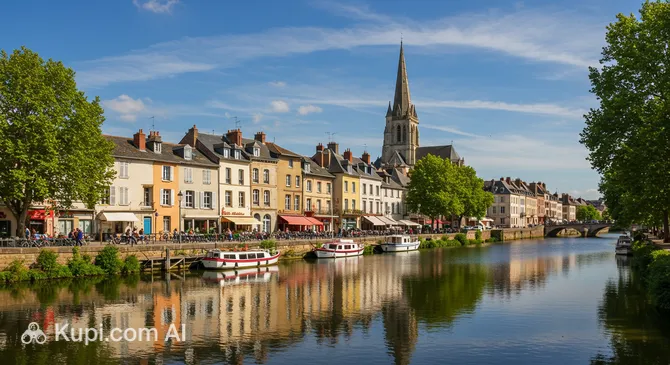
Roanne. Illustration.
Source: Kupi.com AI

Roanne's long history is inextricably linked to the river and trade, but today the city is better known as a significant spot on the country's gastronomic map. People come here not only for the architecture but also for the magnificent cuisine. Strolls along the marina and the canal embankments have become the city's trademark, inviting tourists to enjoy the fresh air and beautiful views.

Roanne is particularly attractive during the summer season when the city beach, Roanne-Plage, opens. During this time, the embankments are filled with laughter, music, and entertainment. Visiting local markets, cozy cafes, and simply walking through the ancient streets will give you an unforgettable experience. If you are looking for a place to feel the true French art de vivre (art of living), Roanne is an excellent choice for your journey.
Weather Overview

The climate in Roanne can be described as mild and temperate, making the city pleasant to visit at any time of year. Summer here brings warmth but is rarely exhaustingly hot: in July and August, daytime temperatures usually reach a comfortable 26°C. This is an ideal time for walks along the embankments and outdoor recreation.

Winters in the region are cool but generally without severe frosts. In January and February, the average temperature hovers around 4–6°C, although at night the thermometer can drop to 1°C. Travelers should be prepared for precipitation: December is considered the wettest month, when rain can fall for up to 18 days.

Expect a warm summer with occasional sunny days and cool winters with a high probability of precipitation. The transition seasons also have their charm: spring arrives gradually, warming the air from 7°C in March to 14°C in May. To choose the best dates for your trip and pack your suitcase correctly, we recommend checking the forecast for the weather in Roanne during your planned visit.

Average monthly temperature

Average monthly precipitation

Interesting Facts

Beyond its main attractions, Roanne holds many fascinating secrets that make it a unique travel destination. This city knows how to surprise guests with its combination of historical traditions and unexpected modern solutions.

  • Roanne is officially known as the home of the largest river port in France. The Port de Plaisance harbor attracts sailors from all over Europe and serves as a picturesque location for walks, highlighting the city's inseparable link with the water.

  • During the summer months, the city opens its own beach — Roanne-Plage. The Loire embankment transforms into a recreation area with sand and entertainment, following the example of the famous Paris beaches.

  • The Musée Joseph Déchelette, located in an ancient 18th-century mansion, is a true treasure trove. Its walls combine rich collections of archaeology and fine arts, which is quite rare for regional museums.

  • The city is considered a paradise for gourmets thanks to its markets. The indoor market Les Halles and regular street fairs on Tuesdays and Fridays offer the best products from the Auvergne-Rhône-Alpes region.

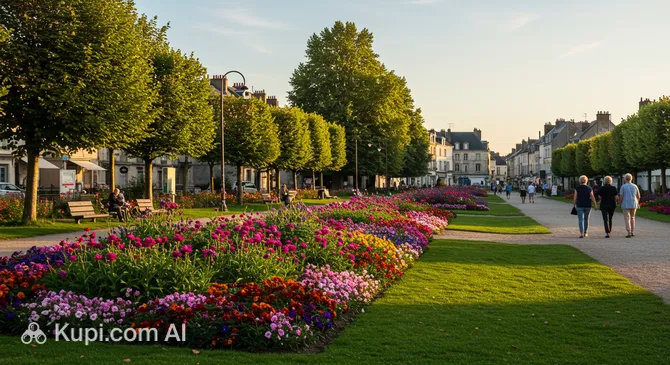
  • Among the urban oases, Beaulieu Park deserves special attention. This historical green zone allows you to enjoy peace and nature without leaving the city limits.

Beaulieu Park. Illustration.
Source: Kupi.com AI

Traveler photos:

How to Get There

When planning a trip to this cozy corner of the Auvergne-Rhône-Alpes region, it is important to think through the logistics in advance. Roanne does not have its own airport, so tourists usually fly into major nearby cities and then continue their journey by land. You can explore all ways to get to the city in more detail in our dedicated section.

The most convenient option for many travelers is Lyon–Saint-Exupéry Airport (LYS), located in Lyon. It is about 86 km from Roanne and is a major international hub with excellent transport links. A trip from the airport to your destination by taxi or bus usually takes about 2.5 hours.

Another close option is Clermont-Ferrand Auvergne Airport (CFE), located in Clermont-Ferrand, approximately 76 km away. This is a less busy airport, which can be a plus for those who dislike crowds. The journey time to Roanne is about 2 hours 15 minutes. You might also consider flying into Geneva Airport (GVA), located in Geneva. Although it is further away (about 159 km), the large number of international flights makes it a popular choice; the transfer will take about 4 hours.

For clarity, here is a summary of the main airports:

AirportPassenger trafficDistance
Clermont-Ferrand Auvergne Airport231 34476 km
Lyon Saint-Exupéry International Airport10.0 mln86 km
Loudes Airport6 700110 km
Grenoble-Isère Airport307 979124 km
Chambéry Airport169 000147 km

Rail service in France is highly developed, and many tourists prefer to reach the region by train. Keep in mind that major high-speed lines pass through neighboring metropolises. Roanne itself does not have a station on the list of major TGV hubs, so routes are often built through Lyon's stations.

The main railway hub of the region is Lyon-Part-Dieu station (XYD), located in Lyon, about 69 km from Roanne. This is one of the busiest stations in the country, receiving trains from all over Europe. From here, you can easily transfer to a regional train or use road transport. Lyon-Perrache station (XYL) is also convenient; it is also in Lyon (about 67 km from Roanne) and serves many destinations.

Below is information about the nearest major railway stations:

StationPassenger trafficDistance
Gare de Lyon-Perrache7.6 mln67 km
Lyon Part-Dieu Station40.1 mln69 km
Valence TGV Station3.3 mln136 km
Grenoble Railway Station8.8 mln159 km
Dijon Railway Station5.8 mln160 km

Main Attractions

Roanne is a city that reveals itself to travelers gradually. Its attractions do not shout for attention but rather invite a leisurely acquaintance, combining medieval architecture with the picturesque landscapes of the Loire. A walk through the city will allow you to immerse yourself in the atmosphere of the French province with its rich cultural heritage.

The heart of the historical part of the city is the Old Center (Vieux Roanne). Traces of the medieval past are preserved here, the main one being the 12th-century donjon tower—a remnant of an ancient castle. Nearby rises the Church of Saint-Étienne with its recognizable architecture and stained glass windows. A stroll through the narrow cobbled streets around Place du Maréchal de Lattre de Tassigny will transport you several centuries back, allowing you to see a completely different, ancient Roanne.

For connoisseurs of art and history, the Musée Joseph Déchelette is a must-see. Housed in an elegant mansion, it boasts a collection that many large cities would envy. It contains unique exhibits: from Egyptian antiquities and Gallo-Roman archaeology to paintings and famous local ceramics. This place allows you to understand how deep the historical roots of this region go.

If you are looking for a place to relax in nature within the city limits, Beaulieu Park is an ideal choice. It is a true green oasis, laid out in the English style, where century-old trees provide pleasant shade even on the hottest days. The park features a beautiful chateau, and its well-kept alleys and ponds make it a favorite spot for strolls for both locals and tourists wishing to escape the city bustle.

To round off your introduction to the city, visit the Port de Plaisance. Located on the canal connecting Roanne to Digoin, this port gives the city a resort-like charm. Watching the numerous yachts and boats, walking along the calm water, and the opportunity to rent a boat make this area one of the most romantic and relaxing spots in the city.

Local Cuisine

Roanne is a true paradise for food lovers, famous far beyond the borders of the region. The city became renowned throughout France for its exceptional cuisine, where traditions intertwine with high culinary art. Everyone will find something to their taste here: from cozy family bistros to world-famous establishments like the legendary Troisgros restaurant, which has held its Michelin stars for decades.

The foundation of the local menu consists of rich and aromatic meat dishes. Travelers should definitely try the tender foie gras, hearty pâtés, and traditional terrines, which are prepared here with special skill. During the hunting season, restaurants often serve magnificent roasts of local game. An essential attribute of any meal is rosette de Lyon—the famous dry sausage, thinly sliced and served with a crusty baguette.

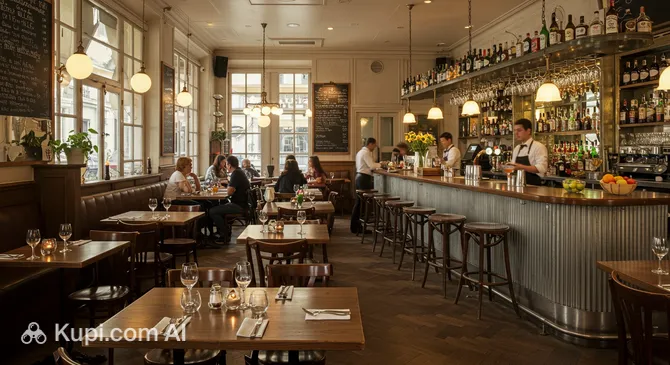
Au Bureau. Illustration.
Source: Kupi.com AI

Traveler photos:

Cheese lovers will appreciate the soft and creamy Saint-Marcellin, which pairs perfectly with a glass of local wine. Speaking of drinks, the region is famous for its Côte Roannaise vineyards. Red and rosé wines made from the Gamay grape are characterized by their lightness and fruity notes, perfectly complementing meat appetizers. Popular non-alcoholic drinks include freshly squeezed juices and, of course, the strong coffee with which the French begin their day.

Those with a sweet tooth won't be bored in Roanne either. It's customary here to start the morning with the freshest croissants, baked according to special recipes, or local pies with seasonal fruits. For the best products, locals head to the Les Halles market or street fairs, where stalls overflow with fresh vegetables, sausages, and homemade pastries. This is the best place to get a real taste of the region.

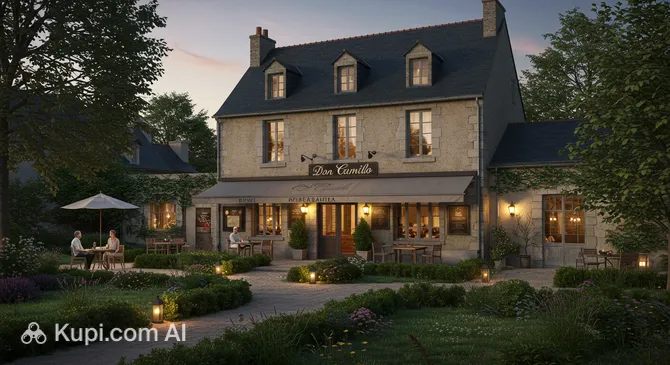
The choice of establishments in the city is vast. If you want to enjoy the atmosphere of a classic French brasserie or simply have a delicious dinner in a pleasant setting, you can visit the Au Bureau restaurant. For those who prefer variety and want to try dishes with an Italian accent in the heart of France, Don Camillo opens its doors. Gastronomic festivals held here year-round make Roanne an ideal destination for a tasty journey.

Travel Tips

A trip to Roanne promises to be peaceful and gastronomically rich, but to make your trip as comfortable as possible, it's worth considering a few local peculiarities. We have prepared a list of practical tips to help you easily navigate the city and avoid typical tourist mistakes.

  1. Clothing and Seasonality. The weather in the region can be changeable, so the best principle for your wardrobe is layering. Even in summer, bring a light jacket or cardigan for evening walks along the Loire. Since the historical center is paved with cobblestones, be sure to bring comfortable flat shoes. If you plan to visit Michelin-starred restaurants, you should bring a smart casual outfit.
  2. Transport Accessibility. Roanne is a compact city, and it's most pleasant to move around its center on foot. For trips to outlying areas, the STAR bus network operates; tickets can be bought from the driver or at kiosks. Renting a car in the city itself is not essential, but it will come in handy if you want to explore the picturesque surroundings and the region's vineyards.
  3. Financial Matters. The currency is the Euro. Bank cards are accepted almost everywhere, from supermarkets to museums. However, for purchases at the famous market or in small bakeries, it's better to have some cash (small bills and coins). Tips in France are usually included in the bill, but leaving 1–2 euros on the table as a sign of gratitude is considered good manners.
  4. Health and Safety. Roanne is a quiet and safe city where you can walk even late in the evening. Pharmacies are easy to recognize by the flashing green cross; duty pharmacies operate on weekends and at night (information about them is posted on the doors of any closed pharmacy). The single emergency number is 112.
  5. Language and Connectivity. The main language of communication is French. In tourist offices and large hotels, staff speak English, but this is rare in small shops. Learn a few phrases: "Bonjour" (hello) and "Merci" (thank you)—this will open many doors for you. Wi-Fi is available in many cafes and public places, and a SIM card can be bought at tobacco kiosks (Tabac) or mobile phone shops.
  6. Local Etiquette. The main rule of politeness is to always say hello upon entering a shop, cafe, or elevator to the staff and those present. Not greeting people is perceived as rudeness. In restaurants, it is not customary to speak loudly; the French value privacy and a calm atmosphere during a meal.
  7. Things to Avoid. At food markets, do not touch fruits and vegetables with your hands unless you intend to buy them; it's better to ask the vendor to choose the produce for you—they will do so with pleasure. Also, don't try to have dinner at 5:00 PM or 6:00 PM—most restaurant kitchens only open for dinner after 7:00 PM or 7:30 PM.
  8. Operating Hours ("The Sacred Lunch"). Remember the traditional break: many shops, banks, and institutions close from 12:00 PM to 2:00 PM. At this time, the city comes to a standstill as everyone goes to lunch. Plan your shopping and important business for the morning or afternoon, and at lunchtime, it's best to follow the local example and enjoy a meal.

Following these simple rules will help you quickly feel the rhythm of life in Roanne and focus on the main thing—enjoying the architecture, nature, and magnificent cuisine of this corner of France. We wish you a light and memorable journey!

Entertainment & Nightlife

Nightlife in Roanne differs from that of noisy metropolises: you won't find endless raves until dawn here, but you can enjoy the cozy, friendly atmosphere of the French province. An evening in this city is a time for long dinners, a glass of wine on a terrace, and leisurely walks along the river. Main activity is concentrated in the historical center and the port area, where lights reflect in the canal waters, creating a romantic mood.

The area around pedestrian streets such as rue Charles de Gaulle often becomes a magnet for those wanting to spend the evening in lively company. Popular bars and pubs are located here, where both young people and the older generation gather. The dress code in most establishments is relaxed: casual style is appropriate everywhere unless you are attending a formal event.

One of the most popular spots for evening relaxation is the pub-restaurant Au Bureau. This establishment, designed in the style of a traditional English pub, is famous for its laid-back atmosphere. People come here to have a beer with friends, watch sports broadcasts, or listen to music. It’s a great starting point for the evening, always noisy and fun.

If you prefer a quieter evening with a gastronomic focus, it's worth checking out Don Camillo. Although it is primarily a restaurant, its cozy setting is perfect for lingering over a glass of wine after a delicious dinner. A warm atmosphere reigns here, ideal for couples or small groups of friends who want to chat without too much noise.

Don Camillo. Illustration.
Source: Kupi.com AI

Traveler photos:

Culture lovers should pay attention to the schedule of the Théâtre de Roanne. This magnificent Italian-style building offers a rich program ranging from classical plays to modern dance shows. For large-scale concerts and shows, Le Scarabée in the suburb of Riorges hosts many famous French and international performers. During the day, the city offers museum visits or shopping in the center.

Practical Tips and Safety:

  • Opening hours: Most bars close around 1:00 AM, though they may stay open later on weekends. Restaurants usually take their last orders until 9:30–10:00 PM.
  • Prices: The average price for a cocktail in a bar is 8–10 euros, and a pint of beer is around 6–8 euros.
  • Transport: Public transport is infrequent at night. The historical center is compact and safe to navigate on foot. If your hotel is far away, it is better to book a taxi in advance by phone or through an app, as catching a car on the street at night is difficult.
  • Safety: Roanne is a peaceful city. Central areas and the embankment are well-lit and safe for walking; however, as anywhere else, you should keep an eye on your personal belongings and avoid unlit outskirts alone.

Parks & Museums

Roanne harmoniously combines the dynamics of a modern city with the serenity of nature, offering tourists not only gastronomic delights but also magnificent places for walks and cultural enrichment. Green oases sit alongside historical buildings, creating a unique atmosphere for relaxation and discovery.

Among the city's natural areas, Beaulieu Park holds a special place. It is the oldest and one of the most beautiful parks in Roanne, designed in an elegant English style. Here you can stroll along winding alleys in the shade of century-old trees, admire well-tended flower beds, and enjoy the peace away from the city noise. A historical chateau is located within the park, giving the walk a special romantic charm.

Another important green zone is Parc du Renaison. This is a more modern space, ideal for family vacations and active leisure. Extensive lawns, a pond, and playgrounds make it a popular spot among locals. If you prefer waterscapes, head to the Port de Plaisance—the promenade along the canal and the Loire River will give you a resort-like feeling right in the city center.

The city's main cultural treasure is undoubtedly the Musée de Beaux-Arts et d'Archéologie Joseph Déchelette. Housed in a magnificent 18th-century mansion, it holds vast collections covering the period from prehistoric times to the present day. Visitors can see unique Egyptian antiquities, Gallo-Roman artifacts found in the area, as well as an impressive collection of ceramics and paintings. This is a must-visit for anyone who wants to better understand the region's history.

History buffs should pay attention to the architectural monuments of the old center. The dominant feature here is The Donjon (Le Donjon)—a surviving 12th-century castle tower that serves as a reminder of Roanne's medieval past. Nearby is the Church of Saint-Étienne, famous for its stained glass windows depicting biblical scenes and the history of a local martyr.

For those seeking authentic experiences, we suggest visiting the Écomusée du Roannais if you have the chance to go slightly outside the center. It tells the story of the region's industrial and artisanal past. And if you stay in the city, simply take a walk along the embankments at sunset—this is when Roanne's architecture and nature merge into a single picturesque scene.

Getting Around

The transport system in the city of Roanne is characterized by simplicity and convenience, which is not surprising for such a compact location. There are no subways or trams here, and the main way for locals and tourists to get around is by bus. The city network is operated by STAR (Service des Transports de l'Agglomération Roannaise), whose routes connect the historical center, the railway station, and adjacent suburbs like Riorges and Le Coteau.

The bus network consists of several main lines running at regular intervals on weekdays and Saturdays. It's important for tourists to remember that on Sundays and public holidays, the number of trips is significantly reduced, and some routes may not operate at all. The central transfer hub is the railway station area, from where you can easily reach almost any part of the city. Bus stops have electronic displays or schedules to help you orient yourself with transport arrival times.

The fare system is unified and intuitive. The most popular option for a short visit is a single ticket (Ticket Unité), which is valid for one hour and allows for transfers. It is most cost-effective to purchase tickets in advance at the specialized Point City office (located near the station), at tobacco kiosks, or through the MyBus mobile app. Buying a ticket from the driver is also possible but will cost a bit more, and you'll need exact change.

Don't forget the validation rules: when entering the bus, the ticket must be stamped in a special machine, even if you just bought it from the driver or are transferring. For those planning to move around a lot during the day, there is a 24-hour pass that allows for significant savings. Fines for fare evasion in France are quite high, so keep your ticket until the end of your trip.

An excellent alternative to buses in warm weather is the STAR vélos bike rental system. Roanne and its surroundings have relatively flat terrain, making cycling comfortable and pleasant, especially along the embankments of the Loire and the canal. Rental points are located at key spots throughout the city, and the rates are very reasonable.

Taxis in Roanne are not usually hailed on the street. It's better to book a car in advance by phone or look for them at special stands, one of which is located at the exit of the railway station. Given the small size of the city's central part, many attractions are within walking distance of each other, so you might only need public transport for trips to distant parks or shopping centers on the outskirts.

Accommodation

Roanne offers travelers a balanced choice of accommodation options to satisfy both tourists seeking comfort and those traveling on a budget. Since the city is not a huge metropolis, you won't find giant resort complexes here; however, there is an abundance of cozy middle-class hotels, small family-run inns with special charm, and modern apartments for short-term rentals.

When choosing an area, you should consider the purpose of your visit. The Railway Station area is the most practical option for those traveling by public transport. Staying here puts you within walking distance of bus stops and major shops. If you are looking for a more picturesque atmosphere, look into the area around the Port de Plaisance or the historical center. Staying by the river or near the ancient streets will allow you to enjoy peace and beautiful views right from your window.

The price range for accommodation in Roanne can be described as moderate, especially compared to major tourist centers like Lyon or Paris. Here you can find high-quality budget options as well as more elegant luxury rooms at a reasonable cost. While popular international online platforms are convenient for booking, many local hotels happily accept bookings directly through their websites, sometimes offering special bonuses like included breakfast.

An important planning tip: although Roanne is a peaceful city, during the summer season and gastronomic festivals, the best accommodation options sell out quickly. To guarantee yourself comfortable lodging at a good price, we recommend booking a room several weeks before your trip, especially if you plan to visit in July or August.

Nearby Cities

For those who want to explore the surroundings, Roanne serves as an excellent starting point for day trips to several interesting nearby locations:

Just an hour's drive away is the famous resort town of Vichy. It is world-renowned for its thermal springs, magnificent parks, and exquisite Napoleon III-era architecture. It’s an ideal place for a relaxed break, where you can walk along elegant promenades and taste healing mineral water straight from the source.

Wine and history lovers should head to Mâcon, picturesquely situated on the banks of the Saône River. This city, with its bright colorful facades, is called the southern gateway to Burgundy. Here you can enjoy excellent local wines and immerse yourself in the atmosphere of an ancient trading town.

Equally interesting is Villefranche-sur-Saône—the historical capital of the Beaujolais region. The city hides true architectural treasures: behind modest facades on the main Rue Nationale lie amazing Renaissance courtyards that are definitely worth finding.

CityPopulationDistance
Riorges10 8482 km
Tarare10 58732 km
Saint-Yan1 10041 km
Thiers11 78446 km
Paray-le-Monial9 21446 km

These nearby destinations provide a glimpse into the diverse culture and landscapes of the region, from the vineyards of Beaujolais to the aristocratic resorts of Auvergne.

Shopping & Souvenirs

Shopping in Roanne is a pleasant and relaxed activity that allows you to combine purchases with a stroll through the beautiful historical center. The city does not claim to be a world fashion capital, but it has its own unique specialization. Roanne is historically known as a center of the textile industry, so you can find high-quality knitwear and clothing from local manufacturers here. Additionally, the region's gastronomic fame makes it an ideal place to buy delicacies while traveling through France.

The main shopping streets are concentrated in the city center's pedestrian zone ("Cœur de Ville"). The main arteries for window shoppers are Rue Charles de Gaulle and Rue Jean Jaurès. These streets host many clothing boutiques, shoe stores, perfumeries, and cozy bookstores. Walking along these cobbled streets, you will find both well-known French brands and independent shops with unique selections.

As for shopping centers, Espace Saint-Louis is located in the very heart of the city. This is a small but convenient shopping complex where a supermarket and several clothing and accessory stores are gathered under one roof. For larger-scale shopping, locals usually head to commercial zones on the outskirts, such as the Mably district, but for tourists, the central quarters with their special atmosphere are most interesting.

An integral part of the French lifestyle is the market. In Roanne, the main attraction for foodies is the Halles Diderot indoor market. Here you can buy the freshest cheeses, cured meats, fish, and seasonal fruits. It is the perfect place to choose edible gifts. Also, on Fridays and Tuesdays, lively street markets unfold in the city squares, selling not only food but also clothing, flowers, and household goods.

When choosing souvenirs, look for the gastronomic symbols of the city. A must-buy is Praluline—the famous sweet brioche with pink pralines, created by a local pastry chef. it has become a true sweet trademark of Roanne. It's also worth bringing back a bottle of wine from the Côte Roannaise vineyards or artisanal chocolate. Given the city's textile past, high-quality knitwear or home textiles from local factories make excellent gifts.

Opening hours for shops in Roanne follow the traditional French schedule. Most boutiques are open from 10:00 AM to 7:00 PM, but it's important to remember that many close for a lunch break from 12:00 PM to 2:00 PM. Sunday is a day off for the vast majority of retail outlets, and on Mondays, many shops only open after lunch. Credit cards are accepted almost everywhere, but for small purchases at the market, it's better to have some cash on hand.

Tourists residing permanently outside the EU can use the Tax Free (VAT refund) system. If you make a one-time purchase in a single store for over 100.01 euros, you are entitled to a tax refund. Don't forget to ask the salesperson to fill out a détaxe form and look for corresponding stickers in shop windows.

Nearby cities

Reached the end of the page?

That means the route is fully explored