Support

Hildesheim

About

Hildesheim is a charming city in Germany, a true gem of Lower Saxony, comfortably situated just 30 kilometers southeast of Hannover. The city stretches along the banks of the picturesque Innerste River, amidst rolling hills and green landscapes, creating a unique atmosphere where natural beauty and rich history harmoniously intertwine. Here, every corner breathes antiquity, inviting travelers to dive into its unique world.

With a population of about 102,000 people, Hildesheim is an important cultural and administrative center of the region. Its history spans over a thousand years, which is felt at every step: from medieval streets with half-timbered houses to majestic cathedrals. The city has managed to preserve the spirit of past eras while offering the comforts of a modern European city.
Hildesheim. Illustration.
Source: Kupi.com AI

Hildesheim is especially famous for its architectural masterpieces, two of which — St. Mary's Cathedral (Mariendom) and St. Michael's Church — are included in the UNESCO World Heritage list. These Romanesque structures amaze with their grandeur and historical significance. Be sure to walk along the famous "Rose Route," which will lead you past the main attractions, including the legendary Thousand-Year Rosebush at the Mariendom, a symbol of the city's resilience and rebirth.

Hildesheim is a city that makes you fall in love with it at first sight. It is perfect for those who appreciate leisurely walks through historical sites, wish to discover unique museums, and enjoy the atmosphere of old Europe. A visit to Hildesheim will give you unforgettable impressions and allow you to touch Germany's rich cultural heritage.

You can find more interesting facts on the Hildesheim city history page.
Weather Overview

The weather in Hildesheim is characterized by a temperate climate. Summer here is warm, with an average temperature in the hottest month, August, around 19.2°C (maximum temperatures can reach 23.8°C). Winters in Hildesheim are cool, with an average January temperature around 3.1°C (minimum temperatures drop to 1.2°C). Precipitation is relatively even throughout the year, but the total amount is small, usually 2-3 mm per month, with the number of rainy days ranging from 11 to 17 per month. Expect moderately warm summers with occasional light rain and cool, fairly damp winters. For more detailed information, you can explore the Hildesheim climate on our dedicated page.

Average monthly temperature

Average monthly precipitation

Interesting Facts

In addition to its famous landmarks, Hildesheim holds many amazing stories and facts that make it truly unique. Ready to learn a few secrets of this ancient city?

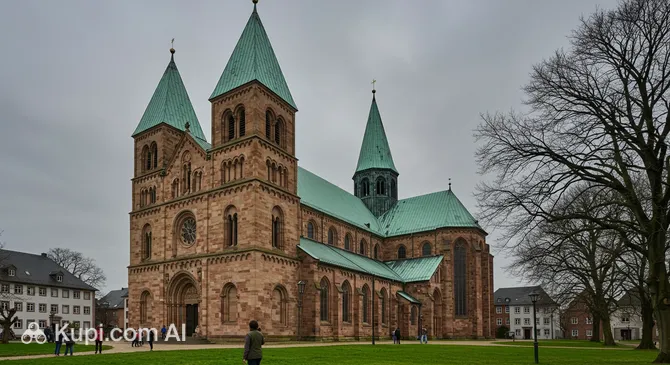
St. Mary's Cathedral. Illustration.
Source: Kupi.com AI

Traveler photos:

  • The symbol of Hildesheim and its true wonder is the Thousand-Year Rosebush (Tausendjähriger Rosenstock), which, according to legend, has been growing by the apse of St. Mary's Cathedral since the 9th century. Legend has it that it grew on the spot where the Virgin Mary appeared to Bishop Bernward during a hunt. Despite the destruction during World War II, the bush survived and continues to bloom, symbolizing the city's resilience.

  • Hildesheim is home to one of the most significant collections of Ancient Egyptian and Ancient Peruvian art in Europe. The Roemer- und Pelizaeus-Museum also boasts the second-largest collection of Chinese porcelain on the continent – a true treasure trove for antiquity lovers in a relatively small German city.

  • Every year in August, Hildesheim becomes a magnet for thousands of gothic and metal music fans from around the world. The city hosts the famous M’era Luna festival, one of the largest gothic festivals in Europe, turning the city into a center of dark romance and powerful guitar riffs.

  • Hildesheim boasts the highest church spire in Lower Saxony. The tower of St. Andrew's Church (St. Andreaskirche) reaches a height of 114.5 meters, and its observation deck offers a breathtaking view of the city and its surroundings. Additionally, this church houses one of the largest organs in Northern Germany.

How to Get There

Hildesheim is located in the heart of Germany and enjoys excellent transport accessibility. When planning your trip, we recommend checking all ways to get to the city in advance to choose the most convenient route.

Since there is no airport in Hildesheim itself, the main air hub for travelers is Hannover Airport (HAJ). It is located in the city of Hannover, just 38 km from the center of Hildesheim. It is a major international airport receiving flights from many countries. Travel time by taxi or transfer is about 40–50 minutes. As an alternative, you can consider Bremen Airport (BRE), located in the city of Bremen (approximately 127 km from Hildesheim). This is also an important transport hub for the region with good passenger traffic.

For clarity, here is a summary of the main airports:

AirportPassenger trafficDistance
Hannover Airport5.3 mln38 km
Kassel-Calden Airport107 61592 km
Paderborn Lippstadt Airport818 378111 km
Bremen Airport1.8 mln127 km
Erfurt Airport138 002148 km

Rail travel is one of the most comfortable ways to reach the region. The key hub is Hannover Central Station, located in the city of Hannover, just 29 km from Hildesheim. From here, suburban trains (S-Bahn) and regional expresses run regularly to Hildesheim, with a travel time of about 30 minutes. The Kassel-Wilhelmshöhe station in the city of Kassel (about 100 km) also plays an important role, serving as a major hub for high-speed ICE trains connecting the south and north of Germany.

Below is information about the nearest major railway stations:

StationPassenger trafficDistance
Hanover Main Station91.3 mln29 km
Messe Bahnhof (Messe-Bf) Station37 km
Kassel-Wilhelmshöhe Station10.9 mln100 km
Bremen Hauptbahnhof43.8 mln129 km
Osnabrück Hauptbahnhof12.8 mln130 km

Main Attractions

Hildesheim, a charming city in Lower Saxony, prides itself on its rich history and unique architectural monuments, many of which are included in the UNESCO World Heritage list. Travelers are drawn to its medieval streets, impressive churches, and cozy atmosphere.

St. Mary's Cathedral. Illustration.
Source: Kupi.com AI

Traveler photos:

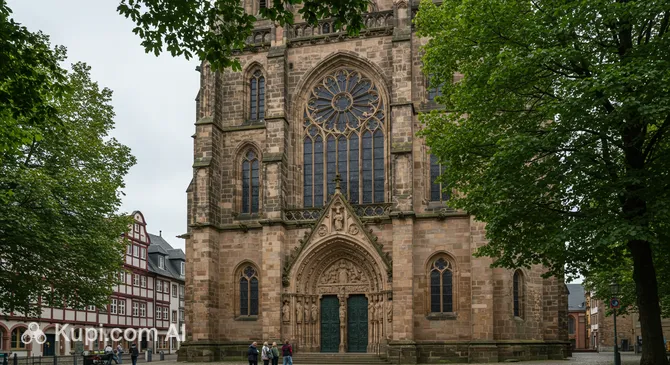
One of the city's main jewels is St. Mary's Cathedral (Hildesheimer Dom). This majestic Romanesque cathedral, founded back in the 9th century, is famous for its bronze Bernward Doors and the 11th-century Christ Column, as well as the legendary Thousand-Year Rosebush, which, according to tradition, has been growing by the cathedral's apse for over 1,000 years. A visit to the cathedral is an immersion into the deep history and art of the early Middle Ages.

St. Michael's Church. Illustration.
Source: Kupi.com AI

Traveler photos:

Not far from the cathedral is another World Heritage site — St. Michael's Church (Michaeliskirche). This early Romanesque church, built in the 11th century, is considered one of the finest examples of Ottonian architecture. Its 13th-century painted wooden ceiling, depicting the Tree of Jesse, and the building's harmonious proportions are particularly impressive.

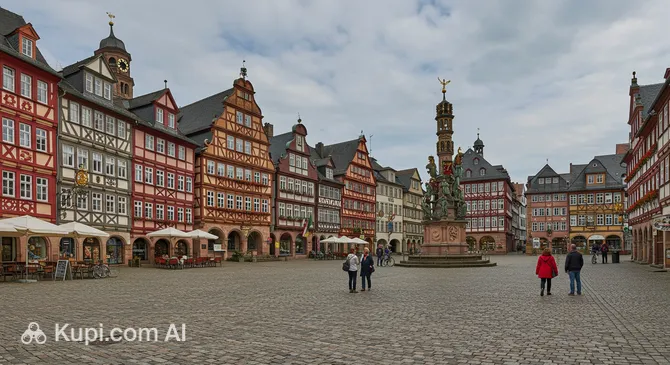
Hildesheim Market Square. Illustration.
Source: Kupi.com AI

Traveler photos:

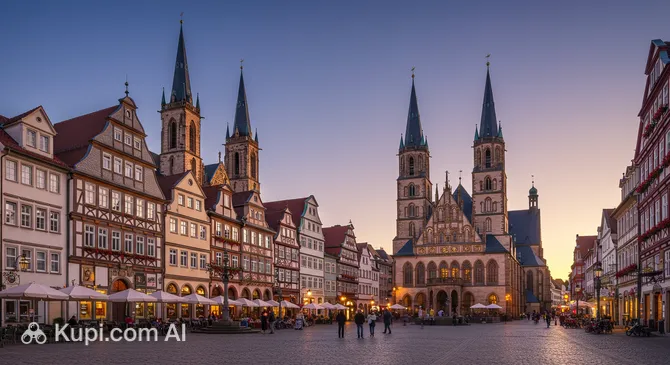
The heart of Hildesheim is undoubtedly the Market Square (Marktplatz). After the destruction of World War II, it was carefully restored and today delights the eye with its half-timbered houses, among which the famous Knochenhauer-Amtshaus (Butchers' Guild Hall) stands out, considered one of the most beautiful half-timbered buildings in the world. The square is an ideal place for walking and getting to know the atmosphere of the old town.

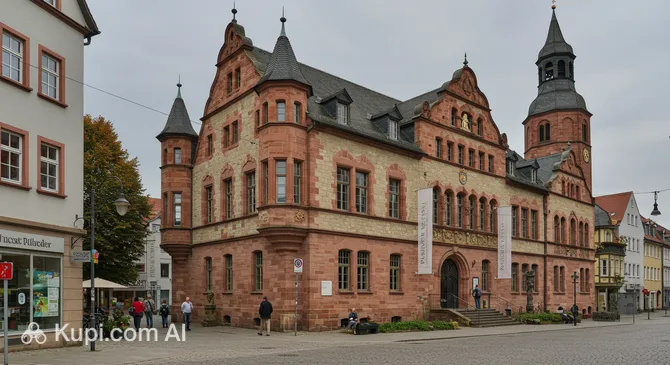
Roemer and Pelizaeus Museum. Illustration.
Source: Kupi.com AI

Traveler photos:

For history and art lovers, the Roemer- und Pelizaeus-Museum is a must-visit. It is famous for its outstanding collection of Ancient Egyptian art, one of the best in Europe, as well as exhibitions dedicated to ancient Chinese porcelain and the history of Hildesheim. The museum offers a fascinating journey through millennia and different cultures.

Local Cuisine

The cuisine of Hildesheim is an appetizing immersion into the gastronomic traditions of Lower Saxony, where hearty dishes made from fresh farm products are valued. If you want to experience the true taste of the region, Hildesheim will not disappoint. Local culinary practices focus on ingredient quality and time-tested recipes, offering visitors an authentic gastronomic experience.

Among the dishes that are a must-try in Hildesheim, classic German specialties stand out. Look for pork roast (Schweinebraten), hearty blood sausage (Blutwurst), and various versions of stewed cabbage, often served with potatoes. Bread holds a special place in the hearts of locals and on menus: local bakeries take pride in their rye and wheat bread with a crispy crust. Don't miss the fragrant apple and plum cakes, as well as the famous Stollen – a Christmas pastry with nuts and raisins, prepared here according to old recipes, especially relevant during the winter season.

As for drinks, like in the rest of Germany, beer is highly respected in Hildesheim – you can find both popular German brands and products from local breweries. In the cold season, traditional mulled wine (Glühwein) will keep you warm. Popular non-alcoholic drinks include various juices (Apfelschorle – apple juice mixed with mineral water), lemonades, and, of course, coffee, served in numerous cafes.

Hildesheim Market Square. Illustration.
Source: Kupi.com AI

Traveler photos:

The food culture in Hildesheim is diverse. Locals and tourists love to dine in traditional restaurants and inns (Gasthöfe), where regional dishes are served. Cozy cafes in the historical center invite you for a cup of coffee with fresh pastries. Don't forget street food – the famous German sausages (Bratwurst) and fresh pretzels (Brezel) are always at your service. To feel the true spirit of the city and find the freshest local products, be sure to visit the Hildesheim Market Square. Here you can buy homemade cheeses, smoked meats, honey, and seasonal berries. You can also find establishments with more modern cuisine in the city, such as Leidenschaft Restaurant, which offers an interesting gastronomic experience.

Hildesheim's gastronomic scene attracts tourists with its authenticity and commitment to quality. Its main features are hearty, solid dishes made from local products, with special attention to bread and pastries. The city is also famous for its seasonal offerings and gastronomic fairs, which turn an introduction to local cuisine into a true celebration of taste.

Travel Tips

Welcome to Hildesheim! To ensure your trip to this historic German city goes smoothly and leaves only pleasant impressions, we have prepared some practical tips. They will help you navigate better and enjoy every minute of your stay.

  1. Clothing and Essentials:

    The climate in Hildesheim is temperate, so the best strategy is layered clothing. It can be warm in summer, but evening chills or sudden rain are not uncommon, so a light jacket or raincoat will come in handy. In winter, warm clothing is required. Be sure to bring comfortable shoes, as the historical center is best explored on long walks. Don't forget an adapter for electrical appliances (Type F sockets are used in Germany). When visiting Hildesheim's famous churches, such as the Cathedral or St. Michael's Church (UNESCO World Heritage sites), choose modest clothing that covers shoulders and knees.

  2. Getting Around the City:

    Moving around Hildesheim is quite convenient. The city has a well-developed network of buses (Stadtverkehr Hildesheim - SVHI), which covers all main areas. For trips to neighboring cities and regions, you can use regional trains. Taxis are available but can be more expensive than public transport; you can try using apps like Free Now. Renting a car is not a necessity for seeing Hildesheim itself, as the city center is compact and easily covered on foot, but it may be useful if you plan to explore the surroundings of Lower Saxony.

  3. Financial Matters:

    The official currency in Germany is the Euro (EUR). You can exchange money at banks or exchange offices. Credit and debit cards (Visa, Mastercard) are widely accepted in most shops, restaurants, and hotels. ATMs (Geldautomat) are easy to find throughout the city. An approximate daily budget could be 50-100 euros per person (excluding accommodation), depending on your preferences. Tips in restaurants are usually 5-10% of the bill if you are satisfied with the service; in cafes, it is common to round up the amount.

  4. Health and Safety:

    Hildesheim is generally a safe city. Observe standard precautions: keep an eye on your belongings in crowded places and avoid poorly lit or deserted areas after dark. Pharmacies (Apotheke) are easy to find by the green cross; there is a system of on-duty pharmacies (Notdienst-Apotheke) for emergencies outside business hours (information can usually be found on the door of the nearest pharmacy or online). The emergency number is 112. Having travel medical insurance is highly recommended.

  5. Communication:

    The official language is German. In tourist areas, hotels, and among young people, many speak English, but knowing a few basic phrases in German will be useful and appreciated by locals: "Hallo" (Hello), "Guten Tag" (Good day), "Danke" (Thank you), "Bitte" (Please/You're welcome), "Sprechen Sie Englisch?" (Do you speak English?). A SIM card with internet access can be purchased at supermarkets or mobile phone shops. Wi-Fi is available in many hotels, cafes, and some public areas.

  6. Local Etiquette:

    Germans value punctuality, so try not to be late for meetings. When meeting, it is customary to shake hands and maintain eye contact. In public places like transport or museums, try to behave reservedly and not too loudly. The form "Sie" (You) is used in formal situations and with strangers, while "du" (you) is for friends and family.

  7. What to Avoid:

    Firstly, do not walk in bicycle lanes – they are meant exclusively for cyclists, and pedestrians on them can create dangerous situations. Secondly, if you are renting an apartment or staying with locals, pay attention to waste sorting rules. In Germany, this is taken very seriously, and non-compliance can cause displeasure.

  8. Special Tip for Hildesheim:

    Be sure to spend time at the Market Square (Marktplatz) – the heart of historical Hildesheim. Here you will see magnificently restored half-timbered houses, including the famous Knochenhauer-Amtshaus (Butchers' Guild Hall). This is not only a great place for photos but also an opportunity to feel the atmosphere of the old town. Also remember that most shops in Germany are closed on Sundays, so plan your shopping in advance.

We hope these tips make your stay in Hildesheim as comfortable and fulfilling as possible. Enjoy its unique atmosphere, rich history, and the hospitality of its residents!

Entertainment & Nightlife

Hildesheim, a charming city in Lower Saxony, offers its guests not only rich history and culture but also diverse opportunities for evening and night-time leisure. Although Hildesheim is not famous for boisterous round-the-clock parties like large metropolises, you can find cozy places here to enjoy an evening and dive into the nightlife.

The main concentration of evening establishments is in the city center, especially around the historical Market Square and its adjacent streets. Here, the atmosphere is conducive to relaxed leisure: the crowd is mixed – from students to older locals and tourists. Most bars and pubs open in the afternoon and stay open until late evening or midnight, while some clubs stay open until early morning, especially on weekends. The dress code in most places is quite democratic; smart casual will be appropriate almost everywhere.

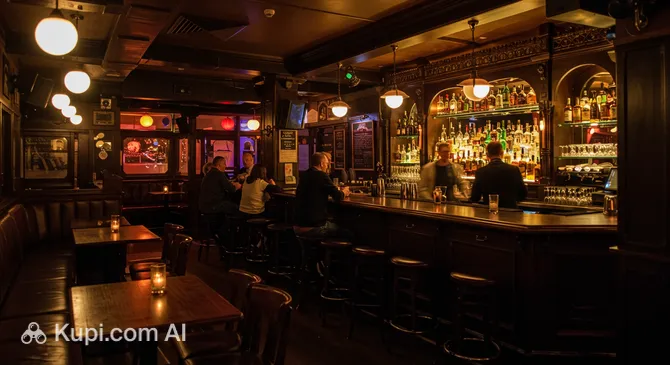
The Wild Geese Irish Pub. Illustration.
Source: Kupi.com AI

Traveler photos:

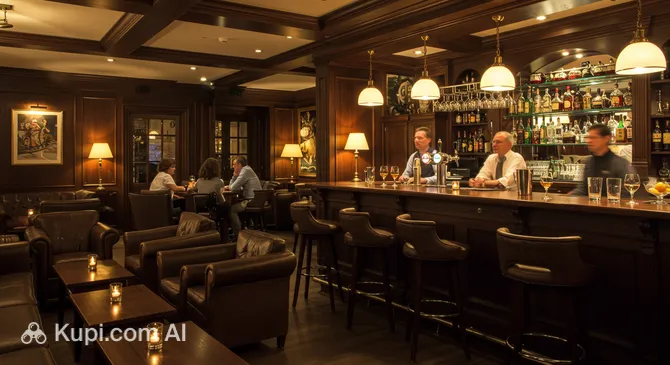
Among the popular spots for evening pastimes is the The Wild Geese Irish Pub, where a relaxed atmosphere prevails, live music plays, and a wide selection of beer is offered. Another establishment worth noting is the Bar at the hotel in Hildesheim, which can offer a quieter setting and refined drinks. It is also worth stopping by Leidenschaft Restaurant, which transforms into a lively bar in the evening. The best time to visit bars is after 8:00 PM, and clubs closer to midnight. Drink prices are generally moderate, comparable to the average in Germany.

Bar at Hildesheim Hotel. Illustration.
Source: Kupi.com AI

Traveler photos:

You can get around the city at night by taxi, which are available in central areas or can be called by phone. Hildesheim is generally considered a safe city; however, as everywhere, you should observe standard precautions, especially in less populated areas late at night.

During the day, Hildesheim also offers many interesting activities. History and culture enthusiasts can visit the famous Roemer- und Pelizaeus-Museum with its unique collections of Ancient Egyptian art, or take a stroll through the scenic Ernst-Ehrlicher-Park. The city also has theaters and concert halls, whose schedules are worth checking in advance. For family outings, the Wildgatter Hildesheim wildlife park is a great choice.

Parks & Museums

Hildesheim, a city with a rich history, offers its guests not only architectural masterpieces but also wonderful opportunities for outdoor relaxation and immersion into the world of art and culture. Here, everyone will find something for themselves, whether it's a walk through an ancient park or exploring unique museum collections.

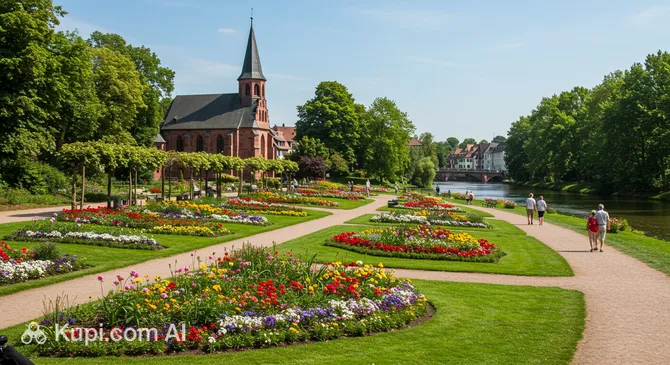
For nature lovers and quiet strolls, Hildesheim offers several wonderful green zones. One of the most famous is the Magdalene Garden (Magdalenengarten), the oldest surviving monastery garden in Lower Saxony. It enchants with its rose gardens, herb gardens, and quiet corners ideal for solitude. The garden gained special fame from the legendary Thousand-Year Rosebush at St. Mary's Cathedral, symbolizing the city's resilience. Another popular spot for relaxation is Ernst-Ehrlicher-Park, which offers spacious lawns and picturesque paths for walking and picnics.

Magdalen Garden. Illustration.
Source: Kupi.com AI

Traveler photos:

Hildesheim's cultural life is centered around its outstanding museums. The primary one is undoubtedly the Roemer- und Pelizaeus-Museum. It is world-renowned for its impressive collection of Ancient Egyptian art, one of the best in Europe, as well as exhibits dedicated to the culture of Ancient Peru and the city's history. Visitors can spend hours studying sarcophagi, mummies, sculptures, and everyday items of ancient civilizations.

Roemer and Pelizaeus Museum. Illustration.
Source: Kupi.com AI

Traveler photos:

No less significant are the UNESCO World Heritage sites — St. Mary's Cathedral (Hildesheimer Dom) and St. Michael's Church (Michaeliskirche). These magnificent Romanesque structures are not only architectural masterpieces but also keepers of priceless artworks. The Cathedral Museum (Dommuseum Hildesheim), adjacent to St. Mary's Cathedral, presents a rich collection of church treasures, including the famous bronze Bernward Doors and the Christ Column.

St. Mary's Cathedral. Illustration.
Source: Kupi.com AI

Traveler photos:

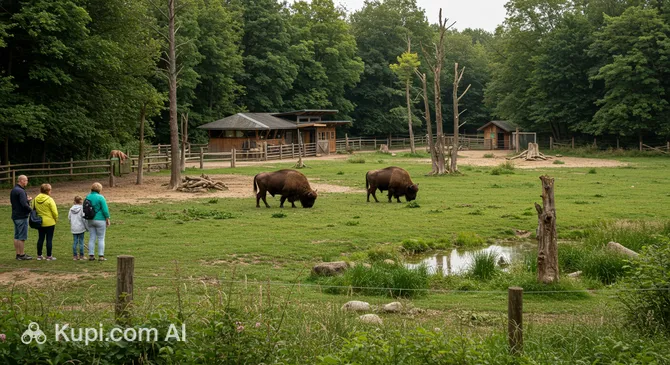
For family leisure, the Wildgatter Hildesheim is perfect — a small zoo or, more accurately, a wildlife park where you can observe local animal species in conditions close to their natural habitat. It's a great place to spend time with children and enjoy nature.

Wildgatter Hildesheim. Illustration.
Source: Kupi.com AI

Traveler photos:

A tip for the curious: stroll through the lesser-known streets around the Market Square to discover charming half-timbered houses and small craft shops. It's also worth paying attention to the Innerste River embankment, where you can spend pleasant time enjoying the views and peaceful atmosphere.

Getting Around

Public transport in Hildesheim is mainly represented by an extensive network of bus routes that provide convenient movement both through the city center and to its outlying districts. The buses of Stadtverkehr Hildesheim (SVHI) are the primary means of transport for many residents and visitors. They run according to schedules that can be found at stops, on the carrier's official website, or in mobile apps.

The fare payment system in Hildesheim is quite standard for German cities. You can purchase single tickets (Einzelticket), short-trip tickets (Kurzstreckenticket), day passes (Tagesticket), which can be advantageous for several trips during the day, as well as weekly or monthly passes. Tickets can be bought at vending machines at some stops, directly from the bus driver (usually accepting cash, sometimes cards), or via mobile apps of regional transport associations such as GVH (Großraum-Verkehr Hannover), to which Hildesheim belongs. The cost of a single ticket is usually a few euros, while a day pass costs slightly more but allows for an unlimited number of trips.

Tourists are recommended to purchase tickets in advance, especially if many trips are planned. It is important to remember that single tickets not purchased from the driver often require validation (stamping) in special devices on the bus or on the platform before starting the journey. Buses usually start running early in the morning and stop late in the evening; however, at night and on weekends, intervals may be longer, and some routes may not operate. Always check the current schedule.

As an alternative to public transport, taxi services are available in Hildesheim, which can be called by phone or found at special ranks. Also, like in many European settlements, bicycle rental is popular in the city – it's an excellent way not only to get to your destination but also to enjoy the city views. Car-sharing options may also be available; it's worth checking for relevant services upon arrival. There are no unique types of transport, such as a historical subway or cable cars, in Hildesheim; the emphasis is on the efficiency of the bus service.

Accommodation

In Hildesheim, tourists are offered a diverse choice of accommodation options capable of satisfying various preferences and budgets. Travelers can find everything from cozy guesthouses and budget hostels to comfortable mid-range hotels. Apartments and rental options are also available, which is particularly convenient for families or those planning a longer stay.

When choosing a place to stay, it is worth paying attention to the city's central districts. Staying near iconic sites like the Hildesheim Market Square or St. Mary's Cathedral will provide easy access to many attractions and restaurants. Options near major transport hubs are also convenient, facilitating movement around the city and its surroundings.

The price range for accommodation in Hildesheim varies from budget options to more expensive offerings. It is recommended to book your accommodation in advance, especially if your trip falls during the peak tourist season or during major city events. The most popular booking methods are international online platforms, as well as direct booking through hotel or guesthouse websites.

Nearby Cities

For those looking to explore the surroundings, Hildesheim serves as an excellent starting point for day trips to several interesting nearby locations:

CityPopulationDistance
Giesen9 7096 km
Harsum11 4966 km
Bad Salzdetfurth13 26611 km
Nordstemmen12 12312 km
Sarstedt19 42312 km

Each of these towns offers something unique for an engaging day trip. Peine attracts with its historical center, where you can stroll through ancient streets and visit the local museum. Lehrte, known as an important railway hub, also offers pleasant green areas for relaxation and a typical small-town German atmosphere. In Laatzen, you'll find the famous Hannover Messe exhibition complex, as well as the Park of the Senses (Park der Sinne), a wonderful place for walks. Springe, located at the foot of the picturesque Deister hills, is a find for nature lovers and hikers; the local bison reserve is particularly popular. Ronnenberg, in turn, offers a quiet getaway and the chance to explore the charming Calenberger Land region.

These nearby destinations provide insight into the region's diverse culture and landscapes. Each trip promises new discoveries and impressions, whether they be historical sights, natural beauty, or simply the charm of small German towns.

Shopping & Souvenirs

Hildesheim offers pleasant shopping opportunities, combining the charm of a historical city with modern stores. Although the city is not famous for any unique world-class goods, here you can find high-quality German products, fashionable clothing, books, and, of course, souvenirs reminding you of Hildesheim's rich history.

The main magnet for shopping enthusiasts is the pedestrian zone in the city center. Almsstraße and its adjacent side streets abound with clothing, shoe, accessory, and cosmetic stores, as well as department stores. Here you can find both well-known chain brands and small local boutiques. A walk along these streets is a pleasure in itself thanks to the beautiful architecture and cozy atmosphere.

For those who prefer shopping under one roof, Hildesheim has a modern shopping center, the Arneken Galerie. It features a wide choice of stores in various categories, from fashion and electronics to home goods and grocery supermarkets. The gallery also has a food court where you can have a snack after a successful shopping trip.

Arneken Galerie. Illustration.
Source: Kupi.com AI

Traveler photos:

The heart of city life and trade has historically been the Hildesheim Market Square. Weekly markets (Wochenmarkt) are regularly held here, where local farmers and producers offer fresh products: vegetables, fruits, cheeses, meat products, pastries, and flowers. This is a great place to feel the local flavor and buy something delicious. Seasonal fairs and Christmas markets are also frequently set up on the square and its surroundings.

As souvenirs from Hildesheim, tourists often bring back items related to its famous UNESCO World Heritage sites — St. Mary's Cathedral and St. Michael's Church. These can be magnets, postcards, small reproductions, books, or items featuring the image of the legendary "thousand-year rose." Local sweets, beer, and small handmade items are also popular.

Most shops in Hildesheim are open from Monday to Saturday, usually from 10:00 AM to 6:00 PM or 7:00 PM. Large shopping centers and some supermarkets may have longer opening hours. On Sundays and public holidays, almost all shops are closed, except for some souvenir shops and stores at the railway stations. Both cash (Euro) and bank cards (Visa, Mastercard) are accepted. In small shops and at markets, it's preferable to have cash on hand.

Tourists from non-European Union countries can take advantage of the Tax Free system and reclaim VAT on purchases made in participating stores. To do this, you need to make a purchase for a certain amount (check in the store), fill out a special Tax Free form, and present it along with the goods at customs when leaving the EU.

Nearby cities

Reached the end of the page?

That means the route is fully explored