Support

Ludwigsburg

About

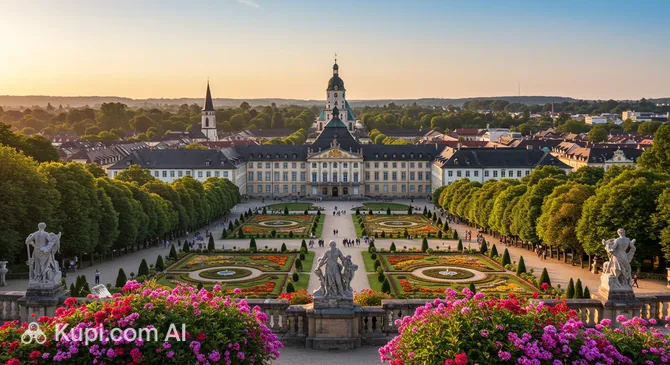
Ludwigsburg is a true Baroque masterpiece on the map of Germany, nestled just 20 kilometers north of Stuttgart. The city looks as if it stepped off the pages of a fairy tale, adorned with majestic palaces, manicured parks, and atmospheric streets where history and modernity intertwine in an elegant dance. Geographically, Ludwigsburg is situated in the picturesque Neckar River valley, which lends it a special charm.

Ludwigsburg. Illustration.
Source: Kupi.com AI

With a population of about 93,500 people, Ludwigsburg is considered a medium-sized city, yet its cultural and historical significance is hard to overstate. It serves as the administrative center of the Ludwigsburg district and is famous for its rich architecture and numerous festivals. The atmosphere here is remarkably harmonious, combining the dynamics of modern life with the peaceful elegance of its old quarters.

The crown jewel of Ludwigsburg is undoubtedly the magnificent Residential Palace—one of the largest Baroque palace complexes in Europe, surrounded by the enchanting "Blooming Baroque" (Blühendes Barock) gardens. Also worth noting are Favorite Palace and the Monrepos Lakeside Palace with its scenic lake. These sites attract tourists with their beauty and rich history.

Ludwigsburg is a city that knows how to surprise and enchant. Here, you can feel like the protagonist of a historical novel while strolling through the alleys of blooming parks and the terraces of palaces. It is a place where you’ll want to linger to enjoy the unhurried pace of life, the beauty of the architecture, and the hospitality of the locals. A visit to Ludwigsburg will give you unforgettable impressions and vivid emotions.

You can find more interesting facts on the history of Ludwigsburg page.

Weather Overview

In Ludwigsburg, a moderate climate awaits you. Summers are generally warm, with average temperatures in July and August around 20°C, while maximum values can reach 25°C. Winters are quite cool; the average temperature in January is about 2.6°C, with nighttime frosts. Precipitation is distributed relatively evenly throughout the year, with a small amount of rainfall each month, but with a noticeable number of rainy days, especially in December and January. Expect a warm summer with occasional rain and cool winters with frequent precipitation.

For a more detailed forecast and weather information by month, we recommend checking the Ludwigsburg Climate page.

Average monthly temperature

Average monthly precipitation

Interesting Facts

Ludwigsburg is not just about the splendor of Baroque architecture and lush gardens. This German city holds many fascinating stories and little-known details that make it truly special.

  • Ludwigsburg is often called the "German Versailles." The city earned this nickname thanks to its main jewel—the Ludwigsburg Residential Palace (Residenzschloss Ludwigsburg), one of the largest and most impressive Baroque palace complexes in Europe. The palace was built in the early 18th century at the initiative of Duke Eberhard Louis of Württemberg.

  • Every year, the city is transformed by the famous Baroque Christmas Market (Barock-Weihnachtsmarkt). The historic center turns into a real winter fairy tale with thousands of twinkling lights, festive music, and the aromas of mulled wine and gingerbread, attracting visitors with its unique atmosphere.

  • One of the main "green" attractions is the Blühendes Barock ("Blooming Baroque") park. This is more than just a park; it’s a whole world of themed gardens, colorful flower festivals, and even a special Fairy Tale Garden (Märchengarten), where characters from favorite children's stories come to life.

  • Ludwigsburg is closely connected with the name of the great German poet Friedrich Schiller, who spent part of his youth here. Furthermore, the city's ancient palaces are shrouded in legends: it is said that in their halls, one can still hear the echoes of the lavish balls and mysterious masquerades of the past.

How to Get There

There are several ways to reach Ludwigsburg, but the most popular options among tourists are flying followed by a transfer, or traveling by train.

The primary and most convenient option for air travelers is Stuttgart Airport (IATA: STR). This major international airport is located in Stuttgart, only about 22 km south of Ludwigsburg. A trip from the airport to the center of Ludwigsburg by taxi or public transport (e.g., S-Bahn with a transfer) takes approximately 50-60 minutes. Another airport to consider is Baden Airpark (IATA: FKB), located near the city of Karlsruhe, about 83 km west of Ludwigsburg. The journey from there takes about 1.5-2 hours. Other international airports, such as Memmingen Airport (IATA: FMM) in Memmingen (approx. 127 km) or Strasbourg Airport (IATA: SXB) in France (approx. 122 km), also serve the region but are located further away.

For your convenience, here is a summary of the main airports serving the Ludwigsburg area:

AirportPassenger trafficDistance
Stuttgart Airport9.1 mln22 km
Mannheim Airport40 00082 km
Baden-Airpark1.8 mln83 km
Strasbourg Airport1.3 mln122 km
Frankfurt Egelsbach Airport80 000126 km

Rail travel is also an excellent way to reach Ludwigsburg, especially if you are traveling within Germany or from neighboring European countries. The closest and most significant railway station is Stuttgart Hauptbahnhof (ZWS), located in Stuttgart, approximately 12 km from Ludwigsburg. This is a major transport hub from which you can easily reach Ludwigsburg by S-Bahn suburban train (lines S4, S5) or taxi, taking about 20-30 minutes. You could also consider Karlsruhe Hauptbahnhof (KJR), the main station in Karlsruhe, which is about 59 km away. From there, Ludwigsburg can be reached by train in about an hour or an hour and a half, depending on the schedule and transfers.

Below is information on the main railway stations from which you can reach Ludwigsburg:

StationPassenger trafficDistance
Stuttgart Hauptbahnhof80.3 mln12 km
Bruchsal6.4 mln54 km
Karlsruhe Hauptbahnhof21.9 mln59 km
Baden-Baden Railway Station2.2 mln74 km
Mannheim Hauptbahnhof36.5 mln84 km

Additionally, Ludwigsburg has good road connections thanks to its proximity to the region's main autobahns. If you are traveling by car, this can also be a convenient option.

Main Attractions

Ludwigsburg, located in the state of Baden-Württemberg, offers its guests interesting places to visit that cater to a wide range of tastes. From modern cultural events to spaces for relaxation and sports, the city has plenty to surprise and delight its visitors.

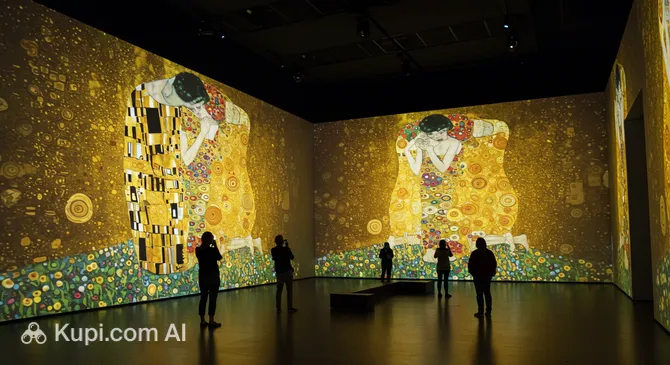
One of the cultural highlights is the Immersive Klimt Exhibition in Ludwigsburg. This is a unique opportunity to dive into the world of the famous Austrian artist Gustav Klimt in an entirely new way. Thanks to modern technology, his masterpieces come to life, surrounding visitors with gold and vibrant colors, creating unforgettable impressions and allowing for a deeper understanding of the master's work. This is a must-visit for art lovers and those seeking new forms of cultural leisure.

Klimt Immersive Experience Ludwigsburg. Illustration.
Source: Kupi.com AI

Traveler photos:

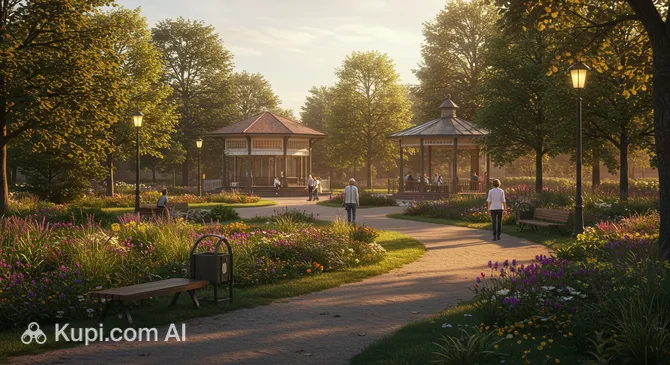
For lovers of nature and quiet relaxation, the Salamander-Stadtpark Kornwestheim is a perfect choice. Although it is technically located in neighboring Kornwestheim, it is easily accessible from Ludwigsburg and is a popular recreation spot. This urban park offers vast green areas for walking, outdoor relaxation, and picnics. It’s a great place to take a break from the city bustle, enjoy nature, and spend time with family or friends, offering space for both relaxation and active pastimes.

Salamander City Park Kornwestheim. Illustration.
Source: Kupi.com AI

Traveler photos:

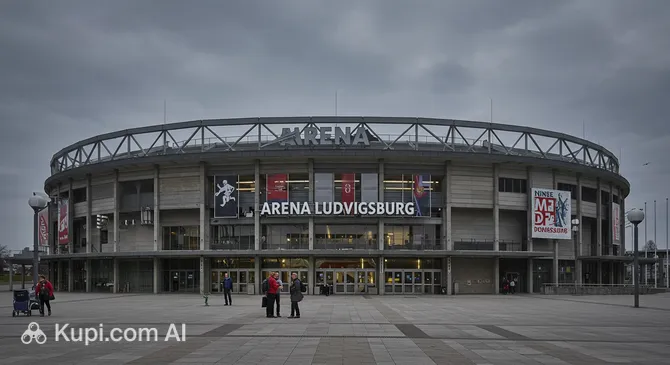
Fans of sports and large-scale events will be interested in the MHP Arena Ludwigsburg. This modern multi-purpose facility is the home court for local sports teams, specifically the MHP Riesen Ludwigsburg basketball club, as well as a venue for concerts, shows, and other major events. Attending an event at the arena can be a highlight of your trip, allowing you to experience the local sporting or cultural atmosphere and see the city from a different, more dynamic perspective. Check the event schedule for your visit—you might catch an exciting match or a concert by a famous performer.

Arena Ludwigsburg. Illustration.
Source: Kupi.com AI

Traveler photos:

Local Cuisine

Ludwigsburg is a true paradise for fans of traditional Swabian cuisine, known for its hearty and soul-warming dishes. Be sure to try the famous "Maultaschen"—large Swabian dumplings which, according to legend, were invented by monks to "hide" meat during Lent. They are filled with meat, spinach, and aromatic spices. Equally popular are "Spätzle"—tender homemade egg noodles often served with cheese and fried onions. Meat lovers should look out for "Sauerbraten"—marinated beef in a rich sauce that literally melts in your mouth. For dessert, apple strudel or local cakes with seasonal fruits await you.

When it comes to drinks, one cannot fail to mention the local wines, especially the refreshing Riesling from the vineyards stretching around Ludwigsburg. The city is famous for its markets, such as the one on the central Marktplatz, where you can buy fresh farm products, homemade sausages, cheeses, and, of course, wine. A special point of pride for Ludwigsburg is the famous Pumpkin Festival, which attracts visitors with an incredible variety of pumpkin dishes—from soups and pies to pumpkin beer.

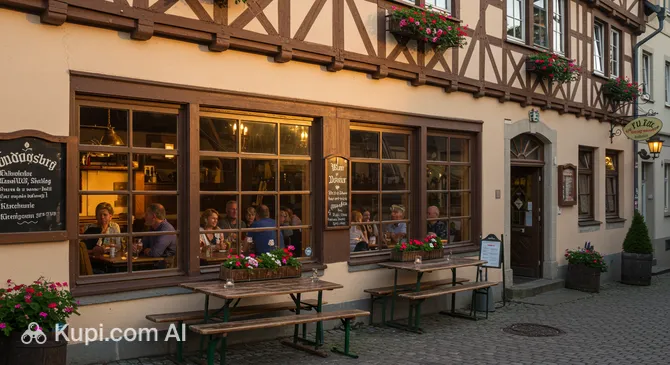
The dining culture in Ludwigsburg is diverse: from cozy restaurants to lively street food. On the city streets, you can snack on aromatic sausages, fresh rolls, and various sweets sold directly from stalls. In the warmer months, it is particularly pleasant to sit on the terrace of one of the many cafes, enjoying a glass of cool drink and the atmosphere of the old town. For a more thorough introduction to local and European cuisine, you can visit, for example, the VIVA restaurant, which offers a varied menu in a pleasant setting.

VIVA. Illustration.
Source: Kupi.com AI

Traveler photos:

Travel Tips

Welcome to Ludwigsburg! To make your trip to this charming city in Germany as comfortable and pleasant as possible, we have prepared some practical tips. These will help you better navigate on-site and avoid potential inconveniences.

  1. Clothing and Essentials: The climate in Ludwigsburg is temperate, so choose clothing according to the season. In summer, light clothing is useful, but don't forget a sweater or light jacket for the evenings. In autumn and spring, it's worth bringing a raincoat and warm clothes, and in winter, a down jacket, hat, and gloves. Be sure to bring comfortable shoes, as you will be walking a lot, especially if you plan to visit the famous Ludwigsburg Palace and its gardens. Don't forget an adapter for electrical appliances (type F). When visiting churches or other religious sites, stick to a modest style of clothing.
  2. Transportation in the City: Ludwigsburg is well-connected to Stuttgart by S-Bahn suburban trains (lines S4 and S5). Within the city, it is convenient to use the local buses of the VVS network. The city is quite compact, and many attractions are within walking distance. Taxis are available, but public transport is often a more economical and convenient option. Renting a car can be useful if you plan trips around the Baden-Württemberg region, but for moving within Ludwigsburg itself, it is not necessary, and parking in the center can be difficult.
  3. Financial Matters: The official currency is the Euro (€). You can exchange money at banks or exchange offices, but it is more profitable to withdraw cash from ATMs (Geldautomat), which are widely available. Credit and debit cards (especially Visa and Mastercard) are accepted in most shops, restaurants, and hotels. However, small establishments or markets may prefer cash. Check the possibility of cashless payment in advance. Tips in restaurants are welcome (usually 5-10% of the bill or rounding up) if you are satisfied with the service.
  4. Health and Safety: Pharmacies (Apotheke) are easily found by the red "A" sign; some of them are open 24/7 or on a rotating emergency schedule (Notdienst). If medical assistance is needed, EU citizens are advised to have a European Health Insurance Card (EHIC); other tourists are strongly encouraged to take out travel insurance. Ludwigsburg is a very safe city. Observe standard precautions: keep an eye on your belongings in crowded places and do not leave valuables unattended.
  5. Language and Communication: The official language is German. Many residents, especially in the tourism sector and among the youth, speak English. However, knowing a few basic German phrases like "Hallo" (Hello), "Danke" (Thank you), "Bitte" (Please/You're welcome), and "Sprechen Sie Englisch?" (Do you speak English?) will be appreciated by the locals. SIM cards from local operators can be purchased at mobile phone shops or supermarkets. Wi-Fi is available in many hotels, cafes, and some public places. For navigation and planning public transport routes, the VVS or DB Navigator apps can be very useful.
  6. Local Etiquette: When greeting someone, a handshake is typical, along with saying "Guten Tag" (Good day) or "Hallo" (Hello). Germans value punctuality, so try not to be late for meetings. In public places and on transport, it is customary to behave with restraint and not make noise. When addressing strangers, especially older people, it is polite to use the formal "Sie" (You).
  7. What to Avoid: Try not to cross the road at an unauthorized place (jaywalking)—it is frowned upon and can result in a fine. Also, avoid excessively loud behavior in public places, especially in residential areas in the evening. Germany takes waste sorting very seriously, so pay attention to the rules for separate waste collection if you stay in an apartment.
  8. Special Tip for Ludwigsburg: Be sure to set aside enough time to visit the Ludwigsburg Residential Palace—one of the largest Baroque palace complexes in Europe—and its adjacent "Blühendes Barock" (Blooming Baroque) gardens. If your trip falls in autumn, don't miss the famous Pumpkin Exhibition (Kürbisausstellung)—it is a colorful and unforgettable sight! Also, remember that most shops close early on Saturdays and do not work on Sundays.

We hope these tips help you plan an unforgettable trip to Ludwigsburg. We wish you a pleasant stay and vivid impressions of this beautiful city!

Entertainment & Nightlife

Ludwigsburg offers its guests a variety of options for evening and night-time relaxation. While the city may not boast the scale of nightlife found in major metropolises, it possesses a cozy and friendly atmosphere that allows for a pleasant time after a busy day.

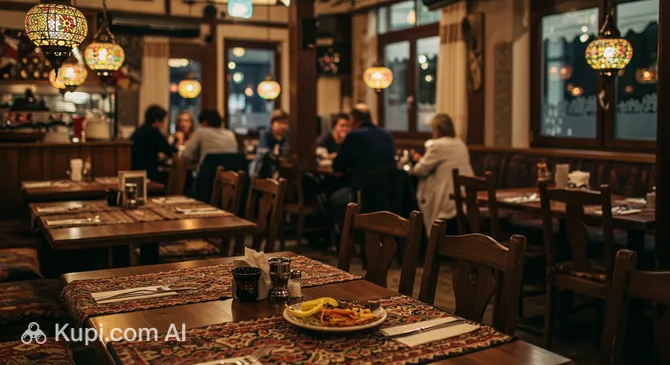
The main concentration of evening venues is found in the historical center of Ludwigsburg, particularly around the Market Square (Marktplatz) and its surrounding lively streets. Here, you can find various bars, ranging from traditional German pubs to modern lounges, as well as restaurants, many of which stay open late. For connoisseurs of good cuisine and a pleasant evening setting, you can visit, for example, the VIVA restaurant or Antep Restaurant, where you can enjoy delicious food and drinks in a relaxing atmosphere.

Antep Restaurant. Illustration.
Source: Kupi.com AI

Traveler photos:

Those who enjoy cultural events and concerts should check the schedule at the MHP Arena Ludwigsburg, which frequently hosts performances by famous artists and other spectacular events. Although specialized nightclubs are not very numerous in Ludwigsburg, some bars transform into dance floors with DJs closer to the weekend, creating a lively atmosphere for those who want to dance.

The atmosphere in Ludwigsburg's evening venues is generally laid-back and welcoming. The crowd is mixed—ranging from students to middle-aged adults. Most bars and restaurants are open until midnight or 1:00 AM on weekdays and stay open later on weekends. There is usually no specific dress code; a casual or smart-casual style prevails, so you can feel comfortable in relaxed clothing.

Practical tips: The best time to explore the city's nightlife is Friday and Saturday when the venues are most lively. Average prices for drinks and food are comparable to other cities in Germany. Getting around the city at night is easiest by taxi; they can be called by phone or found at designated stands in the city center. Ludwigsburg is considered a fairly safe city, though standard precautions, especially at night, are always recommended. Try to stick to well-lit and busy streets during nighttime walks.

During the day, Ludwigsburg also offers many interesting activities. Visitors can check out fascinating museums, such as the Immersive Klimt Exhibition in Ludwigsburg, or stroll through picturesque parks like Salamander-Stadtpark Kornwestheim, which is nearby and serves as an excellent spot for outdoor relaxation.

Parks & Museums

Ludwigsburg, a city with a rich heritage, invites its guests to enjoy the splendor of its manicured parks and discover fascinating museum exhibitions. Here, everyone will find something for the soul: from lush Baroque gardens to modern art spaces reflecting the city's cultural diversity.

One of the city's crown jewels is undoubtedly "Blühendes Barock" (Blooming Baroque)—a vast palace park surrounding the Ludwigsburg Residential Palace. It is a true work of landscape art where you can stroll for hours among flower beds, fountains, and sculptures, and visit the famous Fairy Tale Garden (Märchengarten), which will delight both children and adults. Nearby lies Favoritepark, featuring the hunting palace of the same name and a lake—an ideal spot for quiet walks and observing animals in spacious enclosures. For those seeking more modern green zones for relaxation and active leisure, the Salamander-Stadtpark Kornwestheim can be very interesting.

Ludwigsburg's cultural life is equally vibrant. The Ludwigsburg Residential Palace itself is not only an architectural masterpiece but also home to several significant museums. Within its walls are the Ceramics Museum (Keramikmuseum), which displays an impressive collection of locally produced porcelain; the Fashion Museum (Modemuseum), showcasing the history of costume from the 18th century to the present; and the Baroque Gallery (Barockgalerie) with canvases by Old Masters. For fans of contemporary art, the Immersive Klimt Exhibition in Ludwigsburg is a real discovery, offering a new perspective on the work of the great Austrian artist.

In addition to the residence and Favoritepark, the historical character of Ludwigsburg is shaped by the Market Square (Marktplatz), one of the most beautiful Baroque squares in Germany. It is surrounded by arcades and Baroque-style buildings, including two symmetrically placed churches—the Protestant City Church and the Catholic Church of the Holy Trinity. A stroll across this square is an immersion into the atmosphere of the 18th century.

For an authentic experience, don’t limit yourself to just the famous sights. Turn off the main tourist routes and explore the quiet streets of the old town, where you can find cozy cafes and small artisan shops. Also, keep an eye out for various cultural events and festivals often held within the palace complex or at other city locations, such as the MHP Arena Ludwigsburg.

Getting Around

Getting around Ludwigsburg and its surroundings is convenient thanks to a well-developed public transport system, which is part of the Stuttgart Transport Association (VVS). The backbone of the transport network consists of S-Bahn suburban trains and buses.

Main Types of Transport:

S-Bahn (City Train): The S4 (towards Marbach am Neckar, Backnang, and Stuttgart Schwabstraße) and S5 (towards Bietigheim-Bissingen and Stuttgart Schwabstraße) lines pass through Ludwigsburg. This is a fast and convenient way to reach Stuttgart and other neighboring cities. Trains run frequently, especially during peak hours.

Buses: The city and regional bus network (Stadtbusse and Regionalbusse) densely covers Ludwigsburg and connects it with nearby settlements not served by the S-Bahn. Buses are the primary mode of transport for moving within the city.

Payment System:

A unified VVS tariff system operates in Ludwigsburg. This means that the same ticket is valid for trips on the S-Bahn, regional trains (within VVS zones), and buses. There are various types of tickets:

  • Einzeltickets (Single Tickets): Valid for one trip in one direction with the possibility of transfers. The price depends on the number of fare zones crossed.

  • Tagestickets (Day Tickets): Allow for unlimited trips during the day within the selected zones. Options exist for one person (EinzelTagesTicket) or for a group of up to 5 people (GruppenTagesTicket).

  • Wochen- und Monatskarten (Weekly and Monthly Passes): Economical for those planning to use transport frequently.

  • Kurzstreckenticket (Short-distance Ticket): For short trips (usually a few stops).

Tickets can be purchased at machines at S-Bahn stations and some bus stops, at VVS customer service centers, and via mobile apps (such as VVS Mobil). Some single tickets can be bought from the bus driver, but this may be more expensive.

Practical Tips for Tourists:

  • Purchase and Validation: Paper tickets bought at a machine (except those printed with a pre-selected start date and time) must be validated (stamped in a special orange or yellow validator) before the journey or immediately upon entering the bus. Tickets purchased via a mobile app are usually active immediately or require activation before the trip.

  • Operating Hours: Public transport starts early in the morning (around 5:00-6:00 AM) and ends late at night (around midnight or 1:00 AM). On weekends and holidays, intervals may increase, but night bus routes also exist.

  • Route Planning: To plan trips, it is convenient to use the VVS website (vvs.de) or mobile apps like VVS Mobil or DB Navigator, which show schedules, routes, and costs.

Alternative Ways to Get Around:

  • Taxi: Available in the city; taxi stands are usually found at the station and other busy spots. They can also be ordered by phone or app.

  • Bike Rental: The RegioRadStuttgart bike-sharing system operates in Ludwigsburg and the Stuttgart region, offering both regular and electric bikes. This is a great way to explore the city and its parks, especially in good weather.

  • Car Sharing: Various car-sharing services are available in the city, providing cars for short-term rental.

Overall, public transport in Ludwigsburg is reliable and efficient, making moving around the city and its surroundings simple and convenient for tourists.

Accommodation

In Ludwigsburg, travelers will find a variety of accommodation options to suit different preferences and budgets. The city offers a choice ranging from cozy guesthouses and modern apartments to comfortable hotels. Whether you are looking for a budget-friendly option or a more luxurious stay, you can find suitable housing here.

Areas near major attractions, such as the Ludwigsburg Residential Palace, or those with good access to public transport, can be particularly convenient for tourists, making it easier to move around the city and its surroundings. The central part of the city is often a popular choice due to its proximity to shops, restaurants, and cultural sites.

While specific hotel names are not provided in the available data, you can generally find both mid-range hotels offering a good balance of price and quality, as well as more refined options for those seeking enhanced comfort. Apartment rentals are also popular and can be a convenient option for families or long-term stays.

Regarding booking, it is recommended to plan your stay in advance, especially if your trip coincides with the peak tourist season or major events in the city. Accommodation prices can vary from budget to higher-end, depending on the type of accommodation, its location, and the season. The most common booking methods are popular online platforms, as well as direct booking through hotel or guesthouse websites.

Nearby Cities

For those looking to explore the surrounding area, Ludwigsburg serves as an excellent starting point for day trips to several interesting nearby locations:

CityPopulationDistance
Kornwestheim33 8033 km
Asperg13 4865 km
Freiberg am Neckar16 1535 km
Möglingen11 3615 km
Tamm12 6856 km

Each of these cities offers something unique, making them attractive for short visits. For example, Stuttgart, the capital of Baden-Württemberg, attracts visitors with its world-famous Mercedes-Benz and Porsche automobile museums, magnificent palaces like the New and Old Palaces, as well as a vibrant cultural life and numerous parks. Waiblingen will charm you with its well-preserved medieval Old Town featuring half-timbered houses and towers along the Rems River, offering a peaceful atmosphere for strolling. Meanwhile, Bietigheim-Bissingen delights travelers with its picturesque historic center, bridges over the Enz River, and remnants of medieval fortifications, and it is also well-known for its wine.

These nearby destinations provide insight into the diverse culture and landscapes of the region. A trip to any of these cities will offer new experiences and complement your journey through Germany.

Shopping & Souvenirs

Shopping in Ludwigsburg: From Cozy Boutiques to Vibrant Markets

Ludwigsburg offers pleasant shopping opportunities, combining the charm of a historic city with a variety of modern stores. Here, you can find well-known chain brands as well as small local shops offering unique goods. While the city is not famous for a single exclusive product, high-quality German goods and regional products are presented in abundance.

Main Shopping Districts and Streets

The magnet for shopping enthusiasts in Ludwigsburg is undoubtedly its historic center. The main shopping arteries are the pedestrian streets Kirchstraße and Myliusstraße, as well as the adjacent side streets. These areas are home to many shops selling clothing, shoes, accessories, cosmetics, bookstores, and jewelry salons. Walking these streets is a pleasure in itself, thanks to the beautiful architecture and cozy atmosphere.

Shopping Centers

If you prefer to do all your shopping in one place, visit the Marstall Center. Located in the city center, it offers a wide range of stores across various categories—from fashion and electronics to home goods and a supermarket. It is a modern and convenient complex where you can spend several hours, combining shopping with a break at one of the cafes.

Ludwigsburg Markets

Markets hold a special place in the commercial life of Ludwigsburg. The heart of the city is the Market Square (Marktplatz), one of Germany's most beautiful Baroque squares. Several times a week, a lively farmers' market (Wochenmarkt) takes place here, where you can buy fresh local products—vegetables, fruits, cheeses, meat delicacies, pastries, flowers, and much more. It’s a great place to feel the local flavor and pick up delicious souvenirs. During the pre-Christmas period, this square hosts the famous Baroque Christmas Market, which attracts visitors from all over the region.

What to Bring Back from Ludwigsburg: Souvenirs and Local Goods

As souvenirs from Ludwigsburg, you can bring back items related to its main attraction—the magnificent Ludwigsburg Palace and the "Blooming Baroque" gardens. These could be postcards, magnets, albums, or small items featuring the palace. It is also worth paying attention to the local wines of the Württemberg region. Although the Ludwigsburg Porcelain Manufactory no longer exists in its previous form, you can sometimes find antique or vintage-style porcelain pieces. Of course, don't forget traditional German sweets and delicacies.

Store Hours and Payment Methods

Most shops in Ludwigsburg are open from Monday to Saturday, usually from 9:00-10:00 AM to 6:00-8:00 PM. Large shopping centers and supermarkets may have longer hours. Small shops sometimes close for a lunch break. On Sundays and public holidays, almost all shops are closed, except for some souvenir shops and stores at train stations. Common payment methods are cash (Euros) and bank cards (EC-Karte, Visa, Mastercard). However, small shops or markets may prefer cash, so it’s always useful to have some on hand.

Tax Free

Tourists from non-EU countries can take advantage of the Tax Free system and get a VAT (Mehrwertsteuer) refund on purchases made in Germany. To do this, the purchase amount in a single store must exceed a certain minimum (usually around 25-50 euros; it's best to check the exact amount in the store). When making a purchase, you must ask the salesperson for a special Tax Free Form, which you will then need to present along with the goods to customs when leaving the EU to receive a stamp. Refunds can be obtained at special refund points at the airport or through a bank card refund system.
Reached the end of the page?

That means the route is fully explored