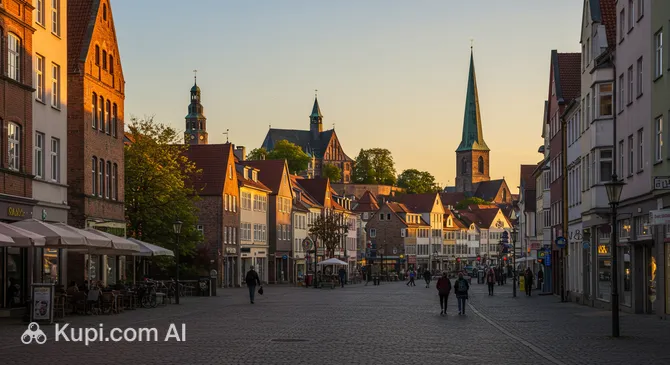
Oldenburg is a picturesque and cozy city in northwestern Europe, situated on the banks of the Hunte River in the federal state of Lower Saxony. It harmoniously combines the dynamism of a modern university center with the noble charm of the past. If Germany is your travel destination, this city is an excellent choice, serving as a bridge between the busy North Sea ports and the peaceful rural landscapes of the region.
Oldenburg. Illustration.
Source: Kupi.com AI
With a population of around 170,000, Oldenburg holds an important place in the region while maintaining the friendliness and comfort of a smaller town. Thanks to its university and research centers, the city breathes an atmosphere of youth and intellectual freedom. The centuries-old history of Oldenburg has left its mark on the city's appearance: the historic center, with its narrow streets and architectural gems, invites guests to immerse themselves in the atmosphere of past eras.
One of the city's main features is its love for nature and an active lifestyle. Oldenburg is literally immersed in the greenery of parks and gardens, and thanks to its extensive network of paths, it is considered a true paradise for cyclists. A stroll through the central pedestrian zone offers encounters with cozy cafes and interesting shops. Oldenburg is worth visiting for its unique blend of cultural discoveries, North German hospitality, and the opportunity to take a break from the hustle and bustle of major metropolises.
Weather Overview
Oldenburg's climate can be described as temperate, with mild winters and comfortable summers, typical for a region influenced by maritime air masses. It rarely gets extremely hot or cold, making walks through the city pleasant in most seasons. Since the current weather in Oldenburg can be quite changeable, it is recommended to check the forecast before your trip to choose suitable clothing.
The warmest month is usually August, with an average temperature of about +18.5°C and daytime highs up to +22.8°C, while January is considered the coldest period with average values around +3.8°C. Expect moderately warm summers and cool winters, but keep in mind the high probability of precipitation throughout the year: an average of 11 to 16 rainy days is recorded monthly, so an umbrella will be useful in any season.
Average monthly temperature
Average monthly precipitation
Interesting Facts
Beyond its main attractions, Oldenburg holds many fascinating stories and unique features that reveal its character from a new perspective. This city knows how to surprise with its blend of an aristocratic past and an eco-friendly present.
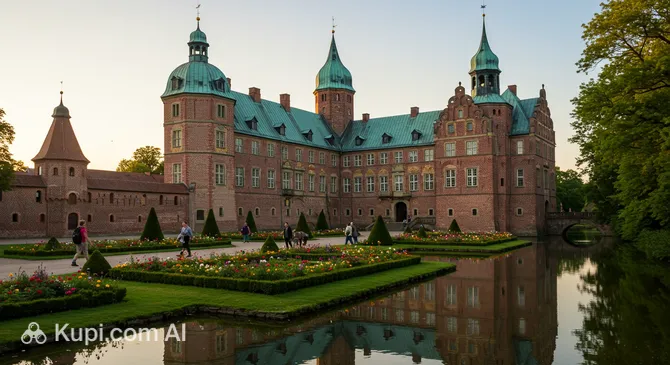
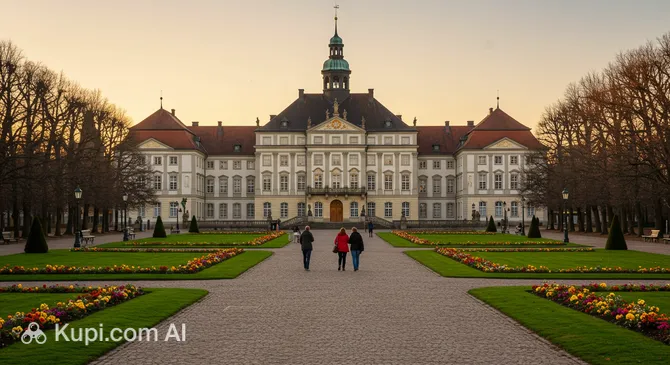
The city served as the residence of counts and grand dukes for a long time, and its architectural landmark is the majestic Oldenburg Castle. In the early 17th century, Count Anton Günter transformed the medieval fortress into a luxurious Renaissance palace, which today serves as an important cultural center for the region.
Oldenburg rightfully bears the title of one of the "greenest" cities in Northern Germany. The local Palace Garden (Schlossgarten) is famous for its centuries-old trees, while the university's Oldenburg Botanical Garden attracts lovers of rare plants and silence.
One of the most recognizable symbols of the city is the Lappan Tower. This is Oldenburg's oldest structure, which has survived many historical events, including the devastating fire of 1676, and remains today as a reminder of its medieval past.
Locals have a clear preference for two-wheeled transport: Oldenburg is considered a true city of cyclists. A developed network of bike lanes and a flat landscape make the bicycle the most popular and convenient way to get around, creating a special, quiet atmosphere in the city without unnecessary noise.
Oldenburg Castle. Illustration.
Source: Kupi.com AI
Traveler photos:
How to Get There
Planning a trip to Oldenburg begins with choosing the best route. The city is conveniently located in the northwest of the country, making it easy to reach by various means of transport. You can find more details about how to get to Oldenburg on our dedicated page, where all possible options are collected, while below we consider the key transport hubs nearby.
The nearest airport to the city is Bremen Airport (BRE). It is important to note that it is not in Oldenburg itself, but in the neighboring city of Bremen, about 40 km away. This is a convenient option for travelers who value their time: a taxi or bus ride from here will take approximately 80 minutes. Although the airport is smaller than major capital hubs, it serves enough flights for a comfortable arrival.
For those flying from afar or preferring major international connections, Hamburg Airport (HAM) is an excellent choice. This is a large international airport located in the city of Hamburg, about 130 km from Oldenburg. The journey by car or shuttle from here will be longer — expect it to take about 3.5 hours (around 215 minutes), but the wide range of flight options compensates for the travel time.
For clarity, here is a summary of the main airports used to reach the region:
Rail connections in Germany are excellent, and many tourists prefer this mode of transport. It is worth noting that major high-speed trains (ICE) often stop in neighboring metropolises, from where Oldenburg is easily reached via regional lines. One of the key points is Bremen Main Station. It is located in the city of Bremen, approximately 41 km from the center of Oldenburg. This is a major transport hub serving millions of passengers annually.
An even larger hub is Hamburg Hauptbahnhof (Hamburg Central Station). Located in the city of Hamburg (about 128 km from Oldenburg), this station is considered one of the busiest in Europe and provides connections to almost every corner of the continent. Upon arrival here, you can continue your journey to Oldenburg by train or car.
Below is information about the nearest major railway stations:
Oldenburg is a city where history meets modernity, and architectural masterpieces are surrounded by picturesque parks. A stroll through the local sights will allow you to gain a deeper understanding of Lower Saxony's culture and enjoy the unique atmosphere of this university city. Here are several places that should definitely be included in your travel itinerary.
The absolute centerpiece of the historic center is the majestic Oldenburg Castle. This former residence of counts and grand dukes now serves as the home of the State Museum for Art and Cultural History. Visitors can not only admire the luxurious Rococo and Neoclassical interiors but also see extensive collections of paintings, decorative arts, and historical artifacts that tell the story of the region's past.
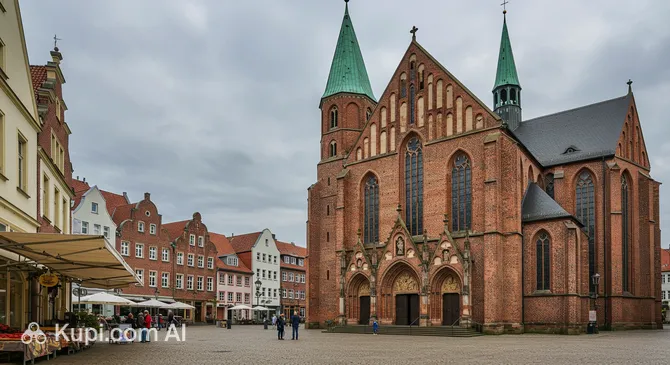
Right next to the castle is another architectural symbol of the city — St. Lamberti Church. From the outside, the building looks like a typical example of Neo-Gothic architecture with a high main tower and four corner turrets; however, a real surprise awaits tourists inside. The church interior is designed in a Neoclassical style and features a bright rotunda with a dome, creating a striking contrast with the exterior and making the temple unique for northern Germany.
St. Lamberti Church. Illustration.
Source: Kupi.com AI
Traveler photos:
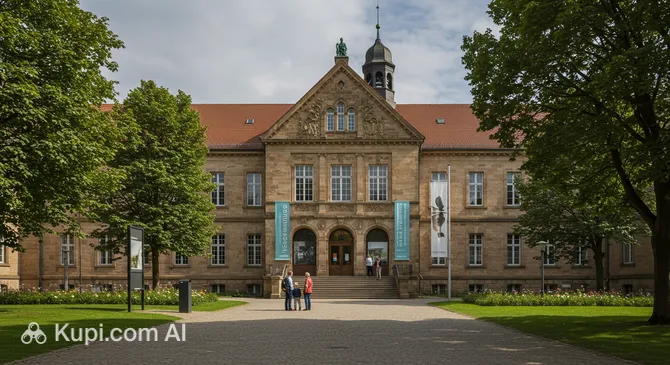
History and natural science enthusiasts should visit the State Museum of Nature and Man in Oldenburg. The museum's exhibition fascinatingly tells the story of human interaction with the environment over millennia. Special attention is given to bog archaeology: the famous "bog bodies" and ancient finds provide a glimpse into the mysterious past of these lands.
For those seeking tranquility and a break from the city noise, the Oldenburg Botanical Garden is the perfect spot. Located at the university, this garden is home to thousands of plant species from all over the world. Here you can walk through themed zones, see rare medicinal herbs, and enjoy bird songs surrounded by century-old trees and blooming flower beds.
Local Cuisine
Oldenburg's cuisine is a true feast for those who appreciate hearty and flavorful North German dishes. The city's main gastronomic pride is Grünkohl (curly kale). This dish is traditionally served in the winter, stewed with potatoes and the famous "Pinkel" sausages. Locals love this treat so much that they organize festive "kale tours" (Kohlfahrt) in its honor, featuring tastings, games, and folk celebrations.
The proximity of the North Sea leaves its mark on local restaurant menus. Fresh fish and seafood are a must-try here. Among the delicacies, smoked eel, marinated herring, and various fish appetizers are particularly popular. These dishes pair perfectly with a glass of local beer or a refreshing apple cider, which are typical drinks of the region.
Those with a sweet tooth will also find plenty to indulge in. Oldenburg has a very developed cafe culture, where display cases entice with the aroma of fresh pastries. Don't miss the chance to try traditional North German waffles, berry pies, and strudels. Cozy confectioneries can be found at literally every step, inviting you to relax after a stroll through the city.
The city's gastronomic scene is diverse: from traditional inns to modern establishments. You can visit farmers' markets to buy local products or head to one of the popular restaurants. For example, a well-known meeting spot is Casablanca, where you can not only grab a bite but also immerse yourself in the city's cultural life. Overall, Oldenburg offers guests warm hospitality and the chance to enjoy flavors that are impossible to forget.
Travel Tips
Preparing for a trip to Oldenburg doesn't require complex efforts, but knowing a few local peculiarities will make your stay in Lower Saxony much more comfortable. We've gathered practical recommendations to help you easily blend into the rhythm of this cozy university city and avoid typical tourist mistakes.
Clothing and Weather: The climate here is typically North German — mild but damp. Even if the forecast promises sun, always bring an umbrella or a quality raincoat, as rain can start unexpectedly. For walking on the cobblestones of the historic center, comfortable waterproof flat shoes are best.
Transport: Oldenburg is a true city of cyclists. The most convenient way to feel like a local is to rent a bike; rental points are available at the station and in the center. Public transport consists of buses (VWG company) that run strictly on schedule. Renting a car for travel within the city itself is impractical due to the compact center and paid parking.
Finances: The currency is the Euro. Although major supermarkets and restaurants accept cards, Germany remains a country that loves cash. Always have small bills and coins for payments in bakeries, kiosks, small cafes, and for bus fares. It is customary to leave a tip (Trinkgeld) of 5–10% of the bill or simply round up the amount.
Health and Safety: Oldenburg is one of the safest cities in Germany; you can walk around safely at any time of day. Pharmacies are easily recognized by the red letter "A" (Apotheke). If you need medicine at night or on a Sunday, look on any pharmacy door for the address of the nearest duty point (Notdienst).
Communication: The official language is German, but thanks to the university and the large number of young people, the level of English proficiency is very high. For connectivity, it's convenient to buy a prepaid SIM card at supermarkets (Aldi, Lidl) or mobile phone shops; a passport is required for registration. Free Wi-Fi is available in many cafes and public areas in the center.
Local Etiquette: The universal greeting in this region is a short and friendly "Moin," which is appropriate in the morning, afternoon, and evening. When entering small shops, it's customary to greet the staff. Germans value peace and quiet, so try not to be noisy on public transport or in residential areas after 22:00.
What to Avoid: The biggest mistake a tourist can make in Oldenburg is walking on the bike lane. Cyclists here ride fast and confidently, considering the lane their rightful territory, so an inattentive pedestrian risks not only hearing an angry bell but also causing a collision.
Store Hours: Keep the "Sunday rest" (Ruhetag) in mind. On Sundays, all supermarkets, shopping centers, and most stores are closed. Only some bakeries (in the morning), cafes, and shops at gas stations or the train station remain open, so it's worth stocking up on groceries in advance.
By following these simple tips, you can avoid minor troubles and fully focus on the beautiful architecture and hospitality of Oldenburg. May your trip be easy, interesting, and full of pleasant discoveries!
Entertainment & Nightlife
Oldenburg's nightlife directly reflects its status as a lively university city. There is no pretentiousness or excessive pricing typical of large metropolises; instead, a friendly, democratic, and very vibrant atmosphere prevails. The epicenter of evening entertainment is the historic center (Innenstadt), especially the area around Wallstraße. Locals often call this zone the "pub mile": establishments here are located literally door-to-door, and the crowd moves freely between them all night long.
To start the evening, cozy bars with a relaxed atmosphere are perfect. Fans of quality cocktails and a Latin American vibe should check out Muchos Mas — a popular meeting spot that is always noisy and fun. If you prefer a quieter gastronomic experience, consider Gaston Flammkuchen Oldenburg. Here you can enjoy a glass of wine and traditional Alsatian pies in pleasant company. The dress code in most of the city's bars and clubs is casual, so you will feel perfectly comfortable in easygoing clothes.
Those planning to dance until morning should head to Lange-Straße. This is where the Nightclub on Lange-Straße is located, attracting young people with modern music and themed parties. An alternative to clubbing is active leisure for groups: for example, Schulz Bowling and Restaurant offers a combination of dinner and an exciting game of bowling. Major star concerts, sports matches, and large-scale shows usually take place at the city's main indoor venue — the EWE Arena; be sure to check its schedule in advance.
During the day, Oldenburg offers more laid-back entertainment. After a big night out, the perfect place to recharge is OLantis Huntebad Adventure World — a modern water complex with pools, saunas, and wellness areas. The city also has theaters and cinemas that can add variety to your cultural program.
In terms of safety, Oldenburg is considered one of the calmest cities in the region. Walking through the center at night does not cause concern, and the streets are well-lit. Public transport is reliable: special night buses (Nachtbus) cover the main routes on weekends. Taxis are easy to find at designated stands in the center or can be called by phone; the average trip across the city is inexpensive due to the compact distances.
Parks & Museums
Oldenburg harmoniously combines its fame as a "city of science" with its reputation as one of the region's greenest corners. Here, cultural enrichment can easily alternate with leisurely walks in the fresh air, as parks and museums are conveniently accessible from one another. The city offers tourists a rich program where historical heritage is intertwined with the beauty of northern nature.
For lovers of peace and solitude, the Eversten Forest (Eversten Holz) is a real find. It is not just a park but a protected landscape area of about 130 hectares that historically served as hunting grounds. Today, there are wide avenues for walking and jogging, and centuries-old oaks and beeches create a unique atmosphere of a fairytale forest right within the city limits. It is the perfect place to take a break from the urban rush while enjoying bird songs and fresh air.
Another green gem is the Oldenburg Botanical Garden, belonging to the local university. Its territory contains thousands of plant species from different climate zones: from alpine hills to tropical greenhouses. The garden is beautiful at any time of year but is particularly impressive in spring and summer when the blooming reaches its peak. Additionally, it is worth visiting the Palace Garden (Schlossgarten), designed in the English landscape style, which is famous for its rhododendrons and picturesque views over the water.
State Museum for Nature and Man Oldenburg. Illustration.
Source: Kupi.com AI
Traveler photos:
The city's cultural life is centered around its historical symbols. The main exhibition space is Oldenburg Castle, which houses the State Museum for Art and Cultural History. Here you can see extensive collections spanning from the Middle Ages to the 20th century, including decorative arts, paintings, and the historical interiors of the dukes.
Those interested in archaeology and natural science should definitely visit the State Museum of Nature and Man in Oldenburg. The museum's exhibition is unique in its approach: it combines the region's natural landscapes (bogs, coastline, forests) with the history of their settlement. You will learn a lot about the famous "bog bodies" and how life in Lower Saxony has changed over millennia.
Insider Tip: If you find yourself in Oldenburg in the spring, be sure to find time for a stroll through the Palace Garden during the blooming period of azaleas and rhododendrons — this sight is considered one of the most colorful in Northern Germany. And for fans of contemporary art, we recommend checking the temporary exhibitions at the Horst Janssen Museum, which is dedicated to graphic arts and located in the immediate vicinity of the historic center.
Getting Around
Public transport in Oldenburg is characterized by punctuality and comfort, fully meeting the needs of this compact city. You won't find subways or trams here — the main means of transport is an extensive network of bus routes operated by the VWG company. Buses connect the center with all outlying districts and suburbs. The main transfer hubs are the Central Bus Station (ZOB) at the railway station and the stop near the Lappan Tower, through which most lines pass.
The city is part of the VBN transport association, which significantly simplifies the fare payment system. For tourists, the most convenient option is the day ticket (TagesTicket), which allows unlimited travel for one or more passengers during the day. Single tickets (EinzelTicket) and short-trip tickets are also available. You can purchase them directly from the driver upon boarding (it's best to have change), at machines at major stops, or via mobile apps like FahrPlaner or DB Navigator, which saves you the hassle of dealing with cash.
However, the real king of the road in Oldenburg is the bicycle. Thanks to the flat terrain and excellent infrastructure, two-wheeled transport is often faster and more convenient than the bus. Rental points are located in strategically important places, including right at the station. Renting a bike is not just a way to save money, but also a chance to feel like a real local, enjoying the freedom of movement through picturesque streets and parks.
For those who prefer the comfort of a car, taxi services and car-sharing are available. Taxis are easy to find at designated stands in the center or can be called by phone, and car rental apps allow for short-term rentals. This is especially relevant at night on weekdays when bus services stop. However, on weekends (the nights of Friday to Saturday and Saturday to Sunday), special night buses (Nachtexpress) run every hour to take late-night revelers from the center to residential areas.
It's important to remember a few practical nuances: boarding the bus is usually through the front door so the driver can check tickets. If you bought a ticket in advance from a machine and it doesn't have a time stamp, it must be validated immediately after boarding. Within the historic center, you'll likely not need transport — it's an extensive pedestrian zone designed for leisurely walks, where all the main sights are within arm's reach.
Accommodation
Where to stay:
Oldenburg offers travelers a decent selection of accommodation options that will satisfy both budget tourists and those accustomed to a high level of comfort. The city's hotel industry is primarily represented by mid-range hotels (3–4 stars), cozy family-run guesthouses (Gasthaus), and modern apartments. There are virtually no luxury five-star resorts here, but the level of service in existing hotels is traditionally high and meets German quality standards.
The most popular and convenient area to stay is the historic center (Innenstadt). Staying here puts you within walking distance of major attractions, shops, and restaurants. It is an ideal choice for those who want to feel the pulse of the city. A good landmark is Schlossplatz — staying near this square will allow you to start each morning with a view of beautiful historic buildings and quickly reach museums and parks.
Schlossplatz. Illustration.
Source: Kupi.com AI
Traveler photos:
If the purpose of your visit is to attend a concert or sporting event, it makes sense to consider accommodation near the Weser-Ems Halle or the multifunctional EWE Arena complex. These facilities are within walking distance of the station and the center, but choosing a hotel in the immediate vicinity will save time after evening shows. For travelers with a car or shopping enthusiasts, the Wechloy district, home to the large Einkaufsland Wechloy shopping center, may be convenient. It is easier to find a hotel with parking here, and you can reach the center by bus or car in 10–15 minutes.
Price Range and Booking:
The cost of living in Oldenburg is generally lower than in neighboring metropolises like Hamburg or Bremen.
* Budget Segment: Hostels and inexpensive guesthouses are moderately priced, but their number is limited.
* Mid-Range: Most hotels offer rooms at prices affordable for the average tourist, with breakfast often included in the rate.
* Apartments: A popular option for families and long-term stays, widely available on online platforms.
Booking Tip: Oldenburg is a university city where conferences and festivals frequently take place. We strongly recommend booking your accommodation in advance (2–3 months), especially if your trip coincides with the Christmas markets in December or summer city festivals. You can use major international aggregators or book directly through hotel websites.
Nearby Cities
For those wishing to explore the surrounding area, Oldenburg serves as an excellent starting point for day trips to several interesting nearby locations.
Just a 15-minute train ride away is Bad Zwischenahn — a popular resort on the shores of the picturesque Lake Zwischenahn. It is an ideal place for nature and wellness lovers: here you can stroll through the beautiful Spa Park, take a boat trip on the "White Fleet," or try the famous local delicacy — smoked eel, served in traditional restaurants.
If you are drawn to the sea, it is worth heading to Varel. This town is located near the Jade Bight and is known for its cozy harbor and historic architecture. Very close by is the resort area of Dangast — the oldest seaside resort on the North Sea coast, where you can enjoy the salty breeze, views of the Wadden Sea (tidal flats), and the creative atmosphere so appreciated by artists.
Garden and park enthusiasts will love a trip to Westerstede. This town bears the unofficial title of "rhododendron capital": in spring and early summer, it is literally buried in flowers. The massive "Hobbie" landscape park attracts thousands of tourists with its blooming alleys, creating a unique fairytale atmosphere for walking and cycling.
These nearby destinations offer a glimpse into the region's diverse culture and landscapes, from the blooming gardens of Ammerland to the rugged beauty of the North Sea coast.
Shopping & Souvenirs
Shopping in Oldenburg is a pleasant combination of a leisurely stroll through the historic center and visits to modern shopping complexes. The city boasts one of the oldest and longest pedestrian zones in Germany, making the shopping process particularly comfortable. There is no big-city rush here, but instead, an excellent mix of well-known international brands, exclusive boutiques, and cozy bookstores that are harmoniously integrated into the architecture of the old town.
The heart of shopping life consists of the central streets Lange Straße and Achternstraße. Most fashion stores for clothing, shoes, and accessories are concentrated here. Walking along these pedestrian arteries, you can visit both large department stores and small private shops offering unique goods. The area around Wallstraße and the Nikolaiviertel district are better suited for those looking for designer items, antiques, and original interior pieces.
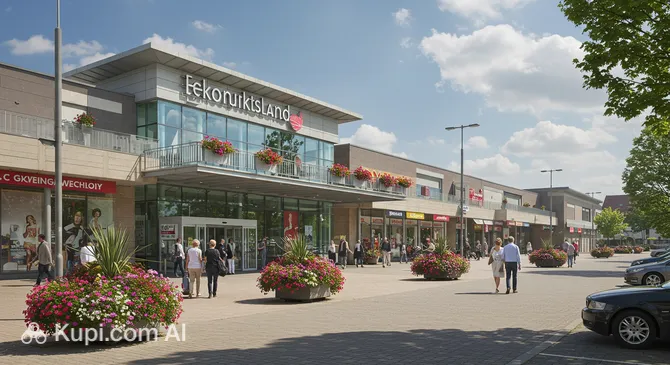
For those who prefer a "one-stop shop" format, Oldenburg has several large shopping centers. In the very center, near the castle, is the popular "Schlosshöfe" mall with dozens of stores. If you are willing to venture outside the historic core, check out Einkaufsland Wechloy. This is a large-scale shopping complex offering a huge selection of goods, from electronics to food. Next to it is the famila XXL Oldenburg Wechloy hypermarket, convenient for buying delicacies and household goods.
Einkaufsland Wechloy. Illustration.
Source: Kupi.com AI
Traveler photos:
The city's markets, which are an important part of local culture, deserve special attention. The main market at the Rathausmarkt, at the foot of St. Lamberti Church, operates several times a week. Here, local farmers sell fresh vegetables, fruits, cheeses, and flowers. It is the best place to feel the region's character and try street food.
As souvenirs from Oldenburg, tourists often bring home items related to the local culinary pride — Grünkohl kale. This could be special mustard, sauces, or even themed souvenir sets. Given the proximity to East Frisia, high-quality tea and traditional rock sugar (Kluntje) make excellent gifts. Products from local artisans and marzipan are also popular.
Shops in the city center are usually open from Monday to Saturday from 10:00 to 18:00 or 19:00, while large shopping centers may stay open until 20:00. Sunday in Germany is traditionally a day of rest when almost all retail outlets are closed, except for some bakeries and shops at the station. Cash euros and bank cards are widely accepted, but in small kiosks or at the market, it's better to have small bills on hand.
Tourists residing permanently outside the European Union can take advantage of the Tax Free system. If you make a purchase above the established minimum (usually 50 euros) in a store with a Global Blue logo or similar, don't forget to ask for a special receipt to process the VAT refund when leaving the country.