Support

Osnabruck

About

Osnabrück is a city where history meets nature, and every corner breathes a special charm. It is a place where the past and modernity harmoniously intertwine, creating a unique atmosphere for travelers.

It is nestled in western Germany, in the federal state of Lower Saxony, between the picturesque wooded hills of the Teutoburg Forest and the Wiehengebirge mountain range. With a population of about 165,000, Osnabrück is a significant cultural and administrative center of the region. The city's geographical location is unique: it is literally immersed in greenery and surrounded by one of the largest UNESCO Global Geoparks in Germany — TERRA.vita, making it a true magnet for nature lovers and outdoor enthusiasts.
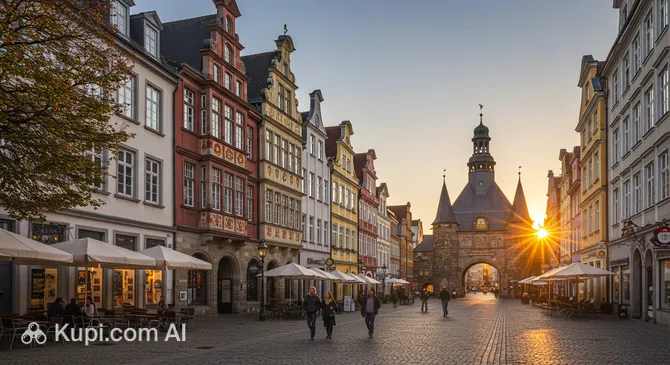
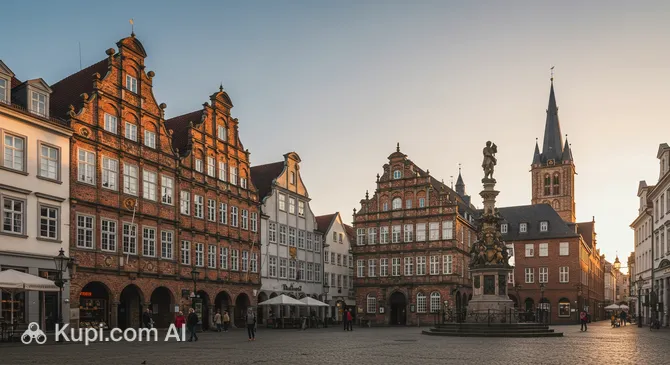
Osnabrück. Illustration.
Source: Kupi.com AI

Osnabrück is famous for its historic center with narrow streets, old half-timbered houses, and iconic landmarks such as the Town Hall of the Peace of Westphalia and St. Peter's Cathedral. The city also prides itself on its university, theaters, and diverse museums, including the Felix Nussbaum Haus, dedicated to the work of the artist born in Osnabrück.

The atmosphere of Osnabrück is surprisingly harmonious: ancient cathedrals neighbor modern art objects, historic town halls sit near cozy coffee shops, and bustling markets coexist with quiet parks. The city is ideal for those who appreciate slow contemplation, love discovering new facets of European culture, and seek inspiration in every day. Visit Osnabrück to enjoy its authentic atmosphere, unique museums, and picturesque natural landscapes.

You can find more interesting facts on the history of Osnabrück page.

Weather Overview

The weather in Osnabrück is characterized by a temperate climate. You can expect warm summers, with average temperatures in July and August reaching +18-19°C (with maximums up to +23.6°C), and cool winters with average temperatures in January around +3.7°C and in February around +4.6°C (with minimums down to +1.7°C). Precipitation occurs regularly throughout the year, with the number of rainy days varying from 11 in June and September to 16 in January and December. For detailed monthly weather information, please visit the Climate of Osnabrück page.

Average monthly temperature

Average monthly precipitation

Interesting Facts

Beyond its well-known historical milestones, Osnabrück hides many surprising details and stories that make it truly unique. Ready to learn a few of them?

Felix Nussbaum House – Museum of Cultural History. Illustration.
Source: Kupi.com AI

Traveler photos:

  • The famous Peace of Westphalia, which ended the Thirty Years' War, was concluded not only in Münster but also here, in Osnabrück. The original documents of this fateful treaty are still carefully preserved in the city's historic Town Hall, and Osnabrück itself proudly carries the title of "City of Peace."

  • Osnabrück is home to the Felix Nussbaum Haus – Museum of Cultural History, dedicated to the tragic fate of the artist born in the city. The museum's unique building was designed by the world-renowned architect Daniel Libeskind, who also designed the Jewish Museum in Berlin.

  • According to local legends, the majestic St. Peter's Cathedral was not built on an empty site, but on the foundations of an ancient pagan shrine, which adds a special aura of mystery to this holy place.

  • Osnabrück is proud of its status as a "green capital" thanks to its abundance of parks and gardens. One of its gems is the Osnabrück Zoo, which is considered one of the best in the region and offers visitors immersion into unique themed worlds, including the famous underground zoo.

How to Get There

You can reach Osnabrück, located in the state of Lower Saxony in Germany, in various ways. The city has a well-developed transport infrastructure, making it accessible from both other regions of the country and from abroad. The main options are air and rail travel.

For travelers choosing air transport, there are several airports relatively close to Osnabrück. The most convenient of these is Münster Osnabrück International Airport (FMO). It is located about 29.6 km southwest of the center of Osnabrück, in the town of Greven (noted in some data as belonging to Münster). A taxi or bus ride from the airport to Osnabrück takes about 45-60 minutes. This airport serves a range of European destinations and is an important regional transport hub.

Other airports can also be considered. For instance, Paderborn Lippstadt Airport (PAD) is about 84 km from Osnabrück (about 1.5-2 hours away), and Dortmund Airport (DTM), one of the region's major airports, is located at a distance of about 90 km (roughly 1.5-2 hours away). Both airports offer a wider selection of international flights.

For clarity, here is a summary of the main airports serving Osnabrück:

AirportPassenger trafficDistance
Munster Osnabruck International Airport1.3 mln30 km
Paderborn Lippstadt Airport818 37884 km
Dortmund Airport3.1 mln90 km
Bremen Airport1.8 mln99 km
Hannover Airport5.3 mln114 km

Osnabrück is an important railway hub in Germany, so traveling by train is a convenient and often fast way to reach the city. The city's main railway station, Osnabrück Hauptbahnhof (ZPE), is located almost in the center, just 1.2 km from the historic part. Although some databases might list the city for this station as Münster, it is effectively the central station of Osnabrück itself, serving a large number of regional and long-distance routes, including ICE high-speed trains.

If you are arriving in the region via other major cities, Osnabrück is easily reachable by train. For example, from Münster Hauptbahnhof, which is about 45 km away, trains run regularly, with a travel time of about 30-40 minutes. This is a major transport hub connected to many cities in Germany and Europe.

For those who prefer to travel by train, information on some railway stations is provided below:

StationPassenger trafficDistance
Osnabrück Hauptbahnhof12.8 mln1 km
Münster Hauptbahnhof24.1 mln46 km
Dortmund Hauptbahnhof47.5 mln94 km
Bremen Hauptbahnhof43.8 mln103 km
Messe Bahnhof (Messe-Bf) Station114 km

In addition, Osnabrück is easily accessible by car, as the city is well-connected to the German autobahn network. Intercity buses also offer regular services to many cities in Germany and neighboring countries.

Main Attractions

Osnabrück, a city with a rich history and culture, offers its guests many interesting places. A stroll through its streets is a true journey through time, where every corner holds its own secrets and legends. To make your acquaintance with the city as complete as possible, you should pay attention to its key attractions.

The heart of the city is undoubtedly the Osnabrück Old Town. Here you can enjoy a medieval atmosphere, walking along narrow cobbled streets while admiring half-timbered houses and historic buildings. The Market Square with its Gothic Town Hall, where the Peace of Westphalia was signed in 1648, ending the Thirty Years' War, adds a special charm to this place. This location literally breathes history and attracts tourists with its authenticity and beauty.

Osnabrück Old Town. Illustration.
Source: Kupi.com AI

Traveler photos:

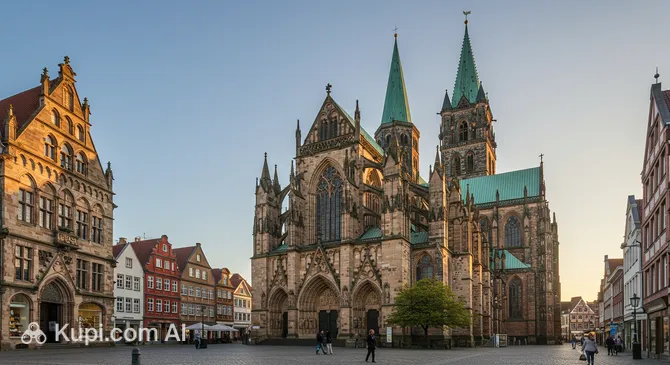
Not far from the Market Square stands the majestic St. Peter's Cathedral. This Late Romanesque cathedral, the construction of which began in the 11th century, impresses with its size, austere architecture, and interior decoration. The two asymmetrical towers of the cathedral are one of the symbols of Osnabrück. Inside, you can see ancient frescoes, sculptures, and an impressive organ. The cathedral is of interest to both believers and connoisseurs of medieval architecture.

St. Peter's Cathedral (Osnabrück). Illustration.
Source: Kupi.com AI

Traveler photos:

For those interested in 20th-century art and history, the Felix Nussbaum Haus – Museum of Cultural History is a must-visit. The museum building, designed by the famous architect Daniel Libeskind, is a work of art in itself. Inside is the world's largest collection of works by Felix Nussbaum, a Jewish artist born in Osnabrück who perished during the Holocaust. His paintings reflect the tragic fate of the artist and his time, prompting reflection on important historical events.

Felix Nussbaum House – Museum of Cultural History. Illustration.
Source: Kupi.com AI

Traveler photos:

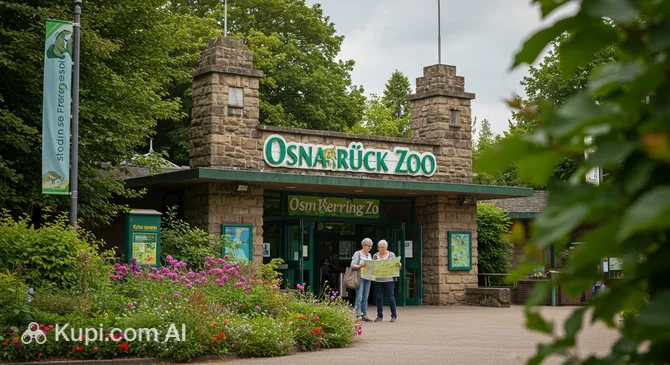
If you are traveling with family or simply love nature and animals, the Osnabrück Zoo is an excellent place to relax. Located in a picturesque forest area, it offers a unique "zoo without bars" concept, where many animals live in spacious enclosures that mimic their natural habitat. Here you can see animals from all over the world, including rare and endangered species. The zoo is constantly evolving, offering new themed zones and educational programs.

Osnabrück Zoo. Illustration.
Source: Kupi.com AI

Traveler photos:

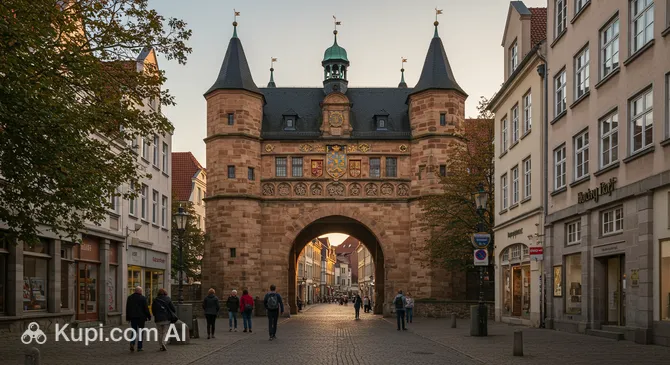
Among the city's historical fortifications, the Heger Tor stands out — one of the surviving medieval city gates. These gates, built in the 13th century, once served as an important part of Osnabrück's defensive system. Today, Heger Tor is a popular photo spot and a reminder of the city's rich past. A walk to the gate will allow you to better feel the historical atmosphere of Osnabrück and imagine how the city looked many centuries ago.

Heger Gate. Illustration.
Source: Kupi.com AI

Traveler photos:

Local Cuisine

The gastronomy of Osnabrück is an appetizing blend of Lower Saxony traditions and fresh culinary trends. Local cuisine is famous for its game dishes and seasonal vegetables, but the real star is the famous Osnabrück ham. It is usually served with spicy mustard and freshly baked bread, offering guests an authentic taste of the region.

Among the dishes that you should definitely try in Osnabrück, "Grünkohl mit Pinkel" stands out – a hearty curly kale dish with a special smoked sausage, particularly popular during the cold season. Potato and asparagus dishes are also highly valued and prepared here in many variations, as are various pies filled with fruit gathered from local orchards.

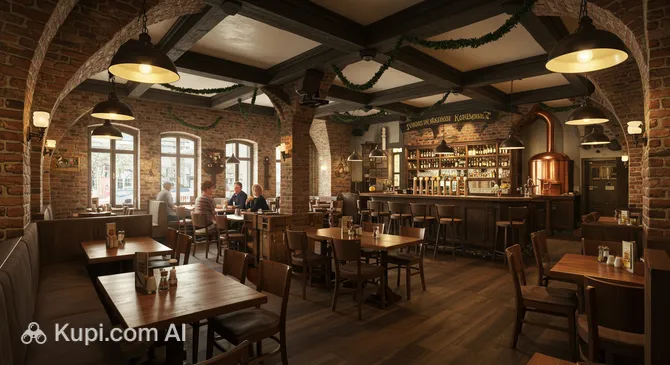
Rampendahl Brewery. Illustration.
Source: Kupi.com AI

Traveler photos:

The dining culture in Osnabrück is diverse. Locals and tourists can enjoy delicacies in numerous cozy restaurants. One place where you can get acquainted with local cuisine and traditional brewing is the Rampendahl Brewery. Fresh products from surrounding farms can always be found at markets, such as the Markthalle Osnabrück. Street food lovers will appreciate the local sausages, aromatic pretzels, and sweet buns often sold in the central squares.

Of course, an introduction to Osnabrück's gastronomy would be incomplete without tasting famous German beer. The city also hosts food festivals where you can try fresh cheeses, sausages, and other regional specialties. For those looking for more modern flavors, there are fine-dining restaurants where traditional recipes take on a new, unexpected sound. And you can finish your meal or simply relax with a cup of aromatic coffee in one of the atmospheric coffee shops in the city's historic center.

Travel Tips

Planning a trip to charming Osnabrück? Excellent! To make your journey through this historic city as comfortable as possible and leave only pleasant memories, we've gathered some useful tips for you.

  1. Clothing and gear for the season: The climate in Osnabrück is temperate, with warm summers and mild, but sometimes cool winters.

    Always bring comfortable shoes for walking on the cobblestones of the old town. In summer, light clothing, sunglasses, and sunscreen will come in handy, but don't forget a light jacket or sweater for the evening. In autumn and spring, the weather is changeable, so layering and a waterproof jacket or umbrella will be very useful. In winter, you'll need warm clothes, a hat, and gloves. There is no specific dress code for visiting churches like St. Peter's Cathedral or St. Mary's Church, but modest clothing is appropriate. Don't forget a power adapter (Type F).

  2. Getting around the city: Osnabrück is a fairly compact city, especially its historic center, which is pleasant to explore on foot.

    The main mode of public transport is buses (Stadtbus Osnabrück), which have a well-developed network covering the entire city. Tickets can be bought from the driver or at vending machines. Taxis are available and can be called by phone or found at designated stands. Renting a car can be useful if you plan trips around Lower Saxony, but for getting around Osnabrück itself, it is not necessary; furthermore, parking in the center can be expensive and limited.

  3. Financial matters: The official currency in Germany is the Euro (EUR).

    You can exchange currency at banks or exchange offices, but it's often more advantageous to withdraw cash from ATMs (Geldautomat), which are widespread. Most hotels, restaurants, and shops accept bank cards (Visa, Mastercard). However, it's always useful to have some cash on hand, especially for small purchases or in small cafes. The approximate daily budget for a tourist in Osnabrück can range from 50-70 Euros for a budget traveler (hostel stay, self-catering, free entertainment) to 100-150 Euros and up for a more comfortable stay (mid-range hotel, dining in cafes, paid attractions). Tips in restaurants are usually 5-10% of the bill if you liked the service, or you can simply round up the bill. It's also common to round up the fare in taxis.

  4. Health and safety: Osnabrück is a safe city.

    Nevertheless, standard precautions, such as keeping an eye on personal belongings in crowded places, are never out of place. Pharmacies (Apotheke) are easy to find by the green cross; some are open at night and on weekends (Notdienst – duty pharmacy). For emergency medical assistance, call 112. EU citizens are advised to carry a European Health Insurance Card (EHIC); other tourists should take out travel insurance.

  5. Language and communication: The official language is German.

    In tourist areas, hotels, and among young people, many speak English. However, knowing a few basic German phrases like "Hallo" (Hello), "Danke" (Thank you), "Bitte" (Please/You're welcome), and "Sprechen Sie Englisch?" (Do you speak English?) will be appreciated by the locals. Mobile coverage and Wi-Fi are available everywhere. A SIM card from a local operator can be purchased at mobile shops or supermarkets.

  6. Local etiquette: Germans value punctuality, so try not to be late for appointments.

    A handshake is the standard greeting when meeting someone. In public places, especially on transport, try to keep noise levels down. Using the formal "You" (Sie) is the norm when communicating with strangers, especially older people. Switching to the informal "you" (du) usually happens by mutual agreement.

  7. What to avoid: Try not to jaywalk (crossing the road in the wrong place), as Germans take traffic rules very seriously.

    Also, avoid overly loud behavior in public places, especially in the evening and at night, to avoid disturbing others.

  8. A special feature of Osnabrück: The city is known as the "City of Peace" (Friedensstadt) due to the signing of the Peace of Westphalia here in 1648.

    Be sure to visit the historic Town Hall where the negotiations took place. Also, note that most shops in Germany, including Osnabrück, are closed on Sundays and public holidays, except for some establishments at the station or small bakeries. Plan your shopping in advance!

We hope these tips help you better prepare for your trip and fully enjoy your stay in Osnabrück – a city with a rich history, cozy atmosphere, and hospitable residents. Have a great trip!

Entertainment & Nightlife

When the sun sets, Osnabrück transforms, offering its guests and residents diverse opportunities for evening and night life. Despite its size, the city boasts a vibrant nightlife capable of satisfying various tastes – from cozy bars to energetic nightclubs.

The main center of attraction for nightlife lovers is traditionally the Old Town (Altstadt). Here, among historical buildings, many bars, pubs, and restaurants are concentrated, creating a unique atmosphere. The streets come alive especially on weekends, when locals and tourists come out to enjoy the evening.

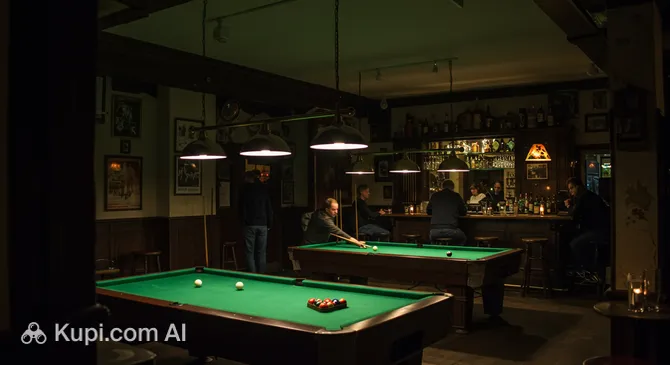
If you prefer a calmer setting for socializing with friends over a drink, you will find plenty of bars in Osnabrück, ranging from traditional German "Kneipen" to modern lounge bars. For example, check out the Skyline Billard Café, where you can not only have a drink but also play a game of billiards in good company. The atmosphere in bars is usually relaxed, and the dress code is casual.

Skyline Billiard Café. Illustration.
Source: Kupi.com AI

Traveler photos:

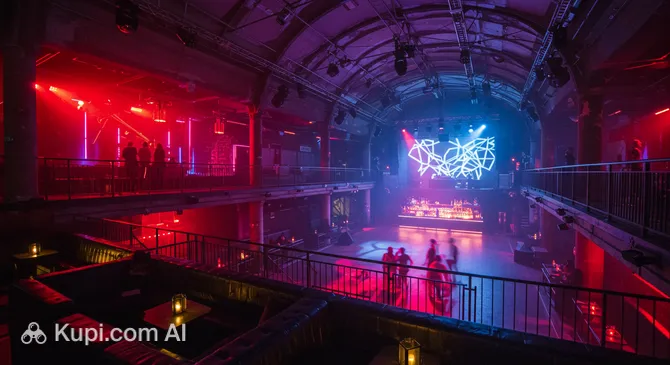
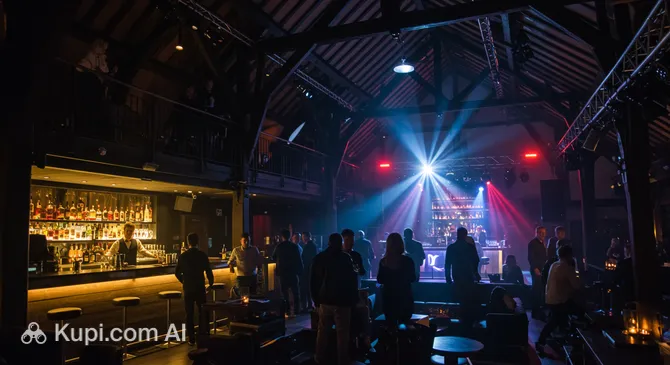
For those looking to dance until dawn to loud music, Osnabrück offers several popular nightclubs and concert venues. One well-known spot is Alando Palais, a complex featuring several dance floors with different music styles that often hosts themed parties. Another popular venue is Rosenhof, known not only as a club but also as a venue for live concerts across various musical genres. You can hear both local and visiting performers here.

Alando Palais. Illustration.
Source: Kupi.com AI

Traveler photos:

The atmosphere in Osnabrück's nightlife establishments is quite democratic. The crowd is mixed, ranging from students to middle-aged people. Clubs usually start filling up closer to midnight and stay open until the early morning, especially on Fridays and Saturdays. There is no specific dress code in most places, but a neat appearance is welcomed. Some venues may host events with a specific theme or musical style, so it's worth checking the schedule in advance.

Rosenhof. Illustration.
Source: Kupi.com AI

Traveler photos:

When planning your nightly leisure, keep in mind that getting to your hotel or apartment late at night is most convenient by taxi. Public transport runs less frequently during the night. Average drink prices in bars and clubs are comparable to other German cities. The best time to visit clubs is after 11:00 PM, while bars can be enjoyed earlier in the evening.

Regarding safety, Osnabrück is considered a fairly peaceful city. Walking through the central streets in the evening is generally safe. Nevertheless, it is always wise to follow standard precautions: keep an eye on your belongings and avoid poorly lit or deserted areas. You can call a taxi by phone or through specialized apps.

By day, Osnabrück also offers plenty of interest. You can visit theaters, explore museums such as the Felix Nussbaum Haus – Museum of Cultural History, or spend time outdoors in one of the parks. For family leisure, the Osnabrück Zoo or the Nettebad water park are excellent choices.

Parks & Museums

Osnabrück, a city with a rich history and culture, offers its guests both peaceful green spots for relaxation and fascinating museums that reveal its multifaceted heritage. Everyone will find something for themselves here, whether it's a stroll through a picturesque park or an immersion into the world of art and history.

For nature lovers and those who enjoy quiet walks, Osnabrück offers several beautiful parks. Bürgerpark is a vast city park, an ideal place for a picnic, a leisurely stroll, or simply relaxing in the fresh air. No less attractive is the Schlossgarten, the garden of Osnabrück Castle, which now houses the university. It offers picturesque views and is a great spot for photo sessions. If you are looking for more wild nature, the area around the Rubbenbruchsee lake offers forest trails and birdwatching opportunities.

The cultural life of Osnabrück is equally rich. One of the most iconic sites is the Felix Nussbaum Haus – Museum of Cultural History. This unique architectural structure, designed by Daniel Libeskind, holds the world's largest collection of works by the artist Felix Nussbaum, a native of Osnabrück whose life was tragically cut short during the Holocaust. The museum also highlights the cultural history of the region. Another important site is the Erich Maria Remarque Peace Center, dedicated to the life and work of the famous writer, author of "All Quiet on the Western Front," who was also born in Osnabrück. For connoisseurs of sacred art, the Diocesan Museum (Diözesanmuseum), located next to the cathedral, presents a collection of religious art and artifacts.

In addition to parks and museums, there are other interesting places in Osnabrück. The Osnabrück Zoo is a wonderful place for family recreation, where you can see animals from all over the world in spacious enclosures mimicking their natural habitats. The Osnabrück Old Town itself is a true open-air attraction where every corner breathes history. Here you will find iconic structures such as the majestic St. Peter's Cathedral and the historic city gate Heger Tor.

St. Peter's Cathedral (Osnabrück). Illustration.
Source: Kupi.com AI

Traveler photos:

For authentic experiences, we suggest walking along the Hase River on the Haseuferweg promenade or exploring the lesser-known but charming streets and courtyards in Neustadt to feel the true rhythm of the city.

Getting Around

Getting around Osnabrück is quite convenient thanks to a well-developed public transport system, primarily based on buses. The municipal transport company Stadtwerke Osnabrück manages an extensive network of routes covering both the center and outlying districts.

Main types of transport and fares:

The primary mode of transport in Osnabrück is the bus. There is no metro or tram system in the city. Buses run regularly and on schedule, which can be found at stops, on the official Stadtwerke Osnabrück website, or in mobile apps (such as VOSpilot, which covers the Osnabrück transport region).

The fare system in Osnabrück is part of the VOS (Verkehrsgemeinschaft Osnabrück) transport association. This means that tickets are valid on routes of various carriers within specific tariff zones. Several types of tickets are available:

  • EinzelTicket (Single Ticket): for one trip. The price depends on the tariff zone, usually between 2-4 euros.
  • TagesTicket (Day Ticket): allows unlimited travel throughout the day. Options exist for individuals and small groups (up to 5 people). This is a cost-effective option if you plan to move around a lot.
  • Kurzstrecke (Short Trip): a cheaper ticket for trips covering just a few stops.
  • WochenTicket/MonatsTicket (Weekly/Monthly Pass): for those planning a longer stay.

Practical tips for tourists:

  • Where to buy tickets: Tickets can be purchased directly from the bus driver (it's best to have small change), at vending machines at major stops, and at Stadtwerke Osnabrück customer centers. Tickets are also available via mobile apps.
  • Validation: Tickets bought from the driver are usually already activated. If you buy a ticket from a machine that requires stamping, look for a special validator inside the bus (usually yellow or orange) and stamp your ticket at the start of your journey.
  • Operating hours: Buses start running early in the morning (around 5-6 AM) and finish late at night (around midnight or 1 AM). On weekends and holidays, night buses (NachtBus) operate on major routes but with longer intervals.

Alternative ways to get around:

  • Taxis: Several taxi services operate in Osnabrück. They can be called by phone or found at designated taxi stands.
  • Bicycle Rental: Osnabrück is a fairly bicycle-friendly city. There are bike rental points, which can be a great way to see the sights in good weather.
  • Car Sharing: Car-sharing services are available in the city, providing cars for short-term rental.

Overall, Osnabrück's public transport system is efficient and easy to understand. By using buses, you can easily reach most places of interest in the city.

Accommodation

In Osnabrück, you will find a variety of accommodation options to suit the needs of any traveler. The city offers a wide choice: from cozy guesthouses and budget hostels for thrifty tourists to comfortable mid-range hotels and stylish apartments for those who value independence. Short-term rentals are also available, which can be convenient for families or large groups.

When choosing a place to stay in Osnabrück, consider areas that provide easy access to main attractions and transport hubs. Especially popular among tourists is the historic city center, known as Osnabrück Old Town. Staying here will put you within walking distance of many iconic sites, restaurants, and shops. The areas adjacent to the main railway station (Hauptbahnhof) are also convenient due to excellent transport accessibility.

Osnabrück Old Town. Illustration.
Source: Kupi.com AI

Traveler photos:

To guarantee the best accommodation option, especially during peak tourist season or large events, it is recommended to book your stay in advance. Prices for accommodation in Osnabrück range from budget to higher-end, depending on the type of accommodation and its location. Most hotels and apartments can be easily booked through popular online platforms like Booking.com, Expedia, or directly on the hotels' websites.

Nearby Cities

For those who want to explore the surroundings of Osnabrück, the city serves as an excellent starting point for day trips to several interesting nearby locations. For example, you can visit Bramsche, where you can learn about the history of textile production at the Cloth Maker Museum, or head to Ibbenbüren, which attracts nature lovers with its picturesque Dörenther Klippen rocks in the Teutoburg Forest. Below is a table with some options for such trips:

CityPopulationDistance
Belm13 8966 km
Wallenhorst23 0818 km
Hasbergen11 0248 km
Lotte14 1359 km
Georgsmarienhütte31 8279 km

These nearby destinations, along with other small towns and natural corners of the Germany region, particularly the state of Lower Saxony, allow for a deeper acquaintance with the diverse culture, history, and landscapes of this part of Germany.

Shopping & Souvenirs

Osnabrück offers pleasant shopping opportunities, combining the charm of historic streets with modern stores. While the city isn't famous for unique, world-renowned goods, you can find high-quality German products, fashionable clothing, books, and local delicacies here. Most shopping activity is concentrated in the city center, making the process convenient and enjoyable.

The main shopping artery of Osnabrück is Große Straße, which runs through the historic center. Here you will find department stores, shops of famous clothing and shoe brands, perfumeries, and jewelry boutiques. Another popular shopping street is Krahnstraße, where many boutiques and specialized stores are also located. A stroll along these streets is a pleasure in itself thanks to the beautiful architecture.

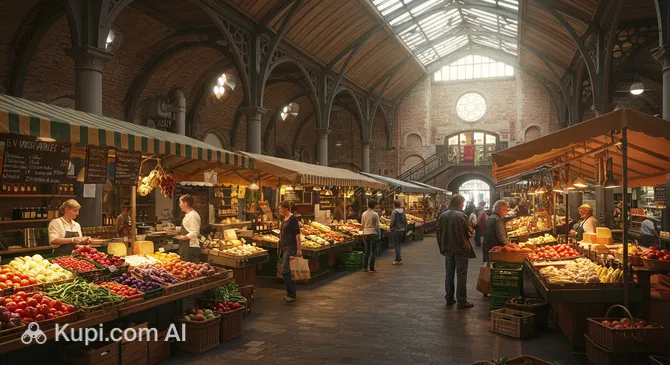
There are several shopping centers in Osnabrück where you can find everything you need under one roof. One notable spot is the Markthalle Osnabrück, which offers a variety of shops and cafes. It is also worth mentioning the De Blankenburg shopping center, where you can find clothing, electronics, and home goods stores.

Markthalle Osnabrück. Illustration.
Source: Kupi.com AI

Traveler photos:

Markets hold a special place in the city's commercial life. The weekly market Wochenmarkt am Domhof, held near St. Peter's Cathedral, is an excellent place to buy fresh farm products, cheeses, sausages, pastries, and flowers. Here you can feel the true atmosphere of the city and try local specialties. Sometimes themed fairs and flea markets are held in the city, which are worth checking out in advance.

As souvenirs from Osnabrück, you can bring back products related to the city's history, such as books or postcards featuring the Town Hall where the Peace of Westphalia was signed. Local sweets, beer from regional breweries, and small handcrafted items are also popular. In bookstores, you can find interesting publications about the Lower Saxony region.

Shops in Osnabrück are usually open from Monday to Saturday, from approximately 10:00 AM to 7:00 PM or 8:00 PM for large shopping centers and stores on main streets. Smaller shops may close earlier and have a lunch break. Most shops are closed on Sundays, with the exception of some souvenir shops and stores at the railway station. Cash (Euros) and bank cards (EC cards, Visa, Mastercard) are accepted. However, small shops or markets may prefer cash.

For tourists from countries outside the European Union, there is a possibility of a value-added tax (Mehrwertsteuer, MwSt.) refund through the Tax Free system. To do this, you must make a purchase for a certain amount in a store that supports this system, correctly fill out a special check (Tax Free form), and present it along with the goods at customs when leaving the EU.

Reached the end of the page?

That means the route is fully explored