Support

Egilsstadir

About

Welcome to Egilsstadir, the vibrant heart and principal service hub of the eastern region. Often referred to as the capital of the East, this charming town offers a perfect blend of modern convenience and proximity to untouched wilderness. Situated on the banks of the glacial river Lagarfljót, it serves as an essential stop for travelers exploring the Ring Road, providing a warm and friendly atmosphere amidst dramatic landscapes.

Geographically, the town is located in the expansive Fljótsdalshérað valley, which is known for its relatively mild climate compared to the rest of Iceland. With a population of approximately 2,300 residents, it may seem small by international standards, but it is a bustling center for commerce and transport in Austurland. The town is surrounded by fertile farmland and scenic mountains, making it a picturesque destination in its own right.
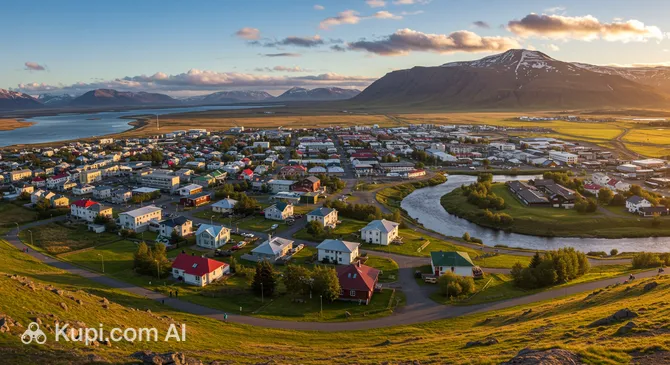
Egilsstadir. Source: Kupi.Binoculars

While the area has been inhabited for centuries, the town itself is a modern development. The history of Egilsstadir as an urban center began largely in the 20th century, established to serve the surrounding rural communities. Despite its youth, it has quickly grown into a vital connecting point, boasting an airport and essential infrastructure that links the remote East Fjords with the rest of the country.

Visitors are spoiled for choice when it comes to nearby natural attractions. Just a short drive away lies Hallormsstaðaskógur, the largest national forest in the country, offering extensive hiking trails and picnic spots. Adventure seekers often head to the majestic Hengifoss waterfall, one of the highest in the country, distinguished by its striking red clay strata. For those looking to relax, the geothermal floating pools of Vök Baths on Lake Urriðavatn provide a unique and soothing experience.

Whether you are passing through on a road trip or planning a dedicated stay to explore the East Fjords, Egilsstadir is an excellent base. Its combination of reliable services, stunning natural surroundings, and local legends—such as the tale of the Lagarfljót Wyrm—makes it a destination well worth visiting.

Weather Overview

Travelers visiting this eastern hub should prepare for a climate that remains relatively cool year-round, influenced by its inland location. The weather in Egilsstadir generally features cold winters and mild, fresh summers. Temperatures typically range from winter lows around -8°C to summer highs near 12°C, requiring warm clothing regardless of when you visit.

Winter is the coldest season, with December and January seeing average temperatures drop to approximately -5.2°C and -4.3°C respectively. These months are characterized by short daylight hours and frequent precipitation, with January recording about 19 wet days. It is a time for cozy indoor activities and hunting for the Northern Lights in the crisp air.

Summer offers the most comfortable conditions for exploration, particularly in July, which is the warmest month with an average temperature of 9.6°C and daily highs reaching up to 12.3°C. While this season is milder, rain is still a possibility; even the driest months like April and August experience around 14 wet days. October tends to be the dampest month in terms of frequency, with precipitation occurring on up to 20 days.

Interesting Facts

Beyond the main attractions, Egilsstadir holds many fascinating secrets and local legends that often surprise visitors. From ancient creatures lurking in the depths to unique wildlife found nowhere else on the island, this young town has a character all its own.
  • The region surrounding the town is the only place in the entire country where wild reindeer can be found. These animals were originally imported from Norway in the 18th century for a farming experiment that ultimately failed, leading them to roam free in the East Iceland highlands ever since.

  • Local folklore concerning the Lagarfljót Wyrm, a cryptid said to inhabit the adjacent lake, is taken remarkably seriously. In 2012, a local resident captured video footage of a mysterious swimming object, and a government-appointed truth commission officially voted to declare the video authentic, further fueling the legend.

  • Although the town itself was mostly developed in the 20th century, its name comes from the historic farm Egilsstaðir, which has deep roots in the Icelandic Sagas. The site is mentioned in ancient texts as a place of assembly and the residence of chieftains, linking the modern service hub to the island's medieval past.

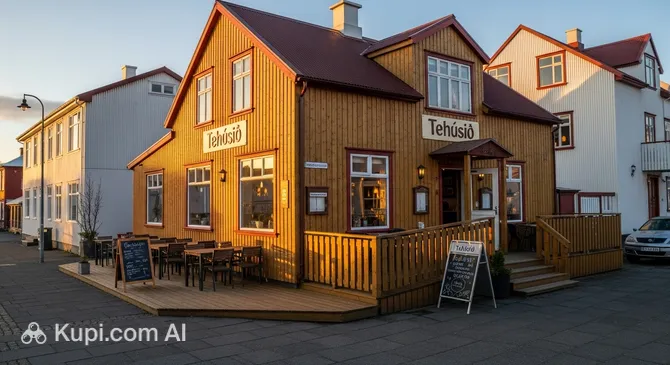
  • The popular establishment Tehúsið is more than just a place to eat; the building was constructed in 1944 specifically to house the director of the local cooperative society. It has since been transformed into a cultural landmark that preserves the architectural spirit of the town's early development years.

Tehúsið. Source: Kupi.Binoculars

How to Get There

Reaching the capital of the East is a scenic adventure, whether you choose to fly or drive through the dramatic landscapes. For a comprehensive guide on the best routes and transport modes, you can read more about how to get to Egilsstadir. The town serves as a major crossroads for the region, making it well-connected compared to more remote fjords.

The most direct way to arrive is by flying into Egilsstadir Airport (EGS), which is located right within the town limits. It acts as the primary aviation hub for East Iceland, offering regular domestic flights from Reykjavik. Since the terminal is only about 2.5 km from the town center, the transfer is incredibly quick; a taxi ride typically takes approximately 5 minutes.

Another option for travelers exploring the northern part of the country is to fly into Akureyri Airport (AEY) in the city of Akureyri. However, it is important to note that this airport is approximately 176 km away from Egilsstadir. Traveling from Akureyri involves a substantial overland journey, taking roughly 3.5 to 4 hours by car. This route is best suited for those planning a road trip along the Ring Road rather than a direct visit.

For clarity, here is a summary of the main airports:

Airport Name City Passenger Traffic Km from City
Egilsstadir Airport Egilsstadir Small 2.5
Akureyri Airport Akureyri Medium 176.0

Main Attractions

Egilsstadir serves as the perfect gateway to the natural wonders of East Iceland, offering a mix of relaxation, outdoor adventure, and local culture. While the town itself is a modern service hub, its surroundings are packed with some of the country's most spectacular sights, ranging from geothermal spas to towering waterfalls.

One of the premier experiences in the area is Vök Baths. Located just a few minutes from the town center on the bank of Lake Urriðavatn, this geothermal destination features floating infinity pools that allow visitors to soak in warm water while being surrounded by the cool lake. The water here is so pure it is certified as drinkable, and the facility offers a stunning view of the surrounding landscape, making it a favorite spot for relaxation year-round.

For hiking enthusiasts, a trip to Hengifoss is essential. It is one of the highest waterfalls in the country, plunging 128 meters into a dramatic gorge. What makes it truly unique are the striking layers of red clay sandwiched between basalt strata in the cliff face behind the falls. The hike up to the waterfall takes about an hour and passes another beautiful waterfall, Litlanesfoss, which is framed by impressive hexagonal basalt columns.

Kjöt & Fiskur Fresh Fish. Source: Kupi.Binoculars

Food lovers exploring the town should not miss Kjöt & Fiskur Fresh Fish. This establishment is a local favorite, functioning as both a fish market and a casual eatery. It is renowned for offering some of the freshest seafood in the region, sourced directly from the nearby fjords. Visitors often praise their authentic fish and chips, providing a true taste of Icelandic coastal cuisine in a friendly, unpretentious setting.

Those looking to experience the town's social scene will find a welcoming atmosphere at Tehúsið. Situated in the heart of the town, this venue operates as a vibrant hostel bar and café. It is known for its cultural events, live music, and excellent selection of local drafts. It is a great place to mingle with locals and fellow travelers after a day of exploring the wilderness.

Finally, just south of the town lies Hallormsstaðaskógur, Iceland's largest national forest. Unlike the moss-covered lava fields found elsewhere, this area offers lush woodlands with over 40 kilometers of marked trails. It is a fantastic spot for family picnics, birdwatching, and enjoying the rare experience of a dense forest in the Icelandic landscape.

Local Cuisine

The culinary scene in Egilsstadir is a direct reflection of its location in the fertile Fljótsdalshérað valley and its proximity to the wild highlands. Gastronomy here focuses heavily on farm-to-table principles, utilizing fresh ingredients sourced from local farmers and hunters. The town offers a mix of hearty traditional fare designed to fuel outdoor adventures and modern Icelandic cuisine that creatively uses local resources.

The undisputed signature dish of the region is reindeer. East Iceland is the only part of the country where wild reindeer roam free, making Egilsstadir the prime destination to sample this delicacy. You will find it featured on many menus, prepared in various ways ranging from sophisticated carpaccio and tender steaks to gourmet reindeer burgers. Alongside game meat, free-range Icelandic lamb remains a staple, renowned for its delicate flavor derived from the wild herbs and berries the animals graze on.

Seafood is another pillar of the local diet, with fresh catches arriving daily from the nearby East Fjords. For a truly authentic experience, visitors often head to Kjöt & Fiskur Fresh Fish. This establishment functions as both a fishmonger and a casual restaurant, allowing you to choose your fish from the counter and have it cooked on the spot. It is a perfect example of the town's unpretentious food culture, where the quality of the ingredients takes center stage over elaborate presentation.

When it comes to drinks, the purity of the local water makes it the beverage of choice for many, but the region also embraces Iceland's growing craft beer culture. Local bars and restaurants often feature selections from microbreweries located in the East. For a relaxed evening, Tehúsið offers a vibrant atmosphere where locals and travelers mingle. It is a great spot to enjoy a cold pint or a hot coffee while soaking in the town's community spirit.

Travel Tips

Planning a trip to Egilsstadir is generally straightforward, but being prepared for the unique conditions of East Iceland will make your journey much smoother. As the primary service hub for the region, this town offers more amenities than the surrounding fjords, yet it still operates with the rhythm of a remote countryside community.

  1. Clothing and Gear: The weather in this part of Iceland can change rapidly, so the key to comfort is layers. Bring a waterproof and windproof outer shell, warm thermal base layers, and sturdy, waterproof hiking boots, especially if you plan to visit Hengifoss. If you intend to visit Vök Baths, don't forget your swimsuit, though towels can usually be rented.
  2. Transportation: While you can arrive by air, a rental car is highly recommended for exploring the area effectively. Public transport within the town and to nearby attractions is very limited. If you plan to drive into the highlands or during winter, a 4x4 vehicle is essential. Taxis are available but can be expensive for long distances.
  3. Finances: The local currency is the Icelandic Króna (ISK), but cash is rarely needed. Credit and debit cards are accepted almost everywhere, including small kiosks and food trucks. Crucial tip: Ensure you know the PIN for your card, as unmanned gas stations often require it. Tipping is not expected, as service charges are included in the bill.
  4. Health and Safety: Egilsstadir is very safe, but nature poses the biggest risks. Always check road conditions on road.is and weather alerts on vedur.is before heading out. For medical needs, there is a local pharmacy (Apótek) and a health care center (Heilsugæslustöð), but note that pharmacies generally close in the early evening and are closed on Sundays. Dial 112 for any emergency.
  5. Communication: English is spoken fluently by almost everyone, so language barriers are non-existent for most travelers. Free Wi-Fi is standard in hotels, cafes, and at the airport. If you need constant connectivity for maps, buying a local SIM card at the airport or a gas station is affordable and offers excellent coverage, even in many remote areas.
  6. Local Etiquette: The most important rule concerns the swimming pools. You are required to shower completely naked with soap before putting on your swimsuit and entering the water. This is a strict hygiene rule in Iceland. Additionally, always take off your shoes when entering a private home.
  7. What to Avoid: Never drive off-road. It is strictly illegal and causes permanent damage to the fragile sub-arctic vegetation. Stick to marked tracks and roads. Also, avoid buying bottled water; the tap water in Egilsstadir is some of the purest in the world and is free to drink.
  8. Shopping Tip: Be mindful of opening hours. Grocery stores like Bónus and Nettó may close earlier than you are used to (often around 18:00 or 19:00), and hours are reduced on weekends. Stock up on snacks and supplies during the day if you plan to be out late chasing the Northern Lights.

By keeping these practical tips in mind, you can focus on enjoying the stunning landscapes and warm hospitality of the East. Egilsstadir is a welcoming base, and a little preparation ensures that your adventure into the wilds is safe, respectful, and unforgettable.

Entertainment & Nightlife

Entertainment and Nightlife:

Given the size of Egilsstadir, with a population of just over 2,000 people, visitors should not expect a bustling metropolis with a wild clubbing scene or sprawling nightlife districts. Instead, the evening entertainment here is defined by a cozy, relaxed atmosphere known locally as "huggulegt." The nightlife centers around a few key establishments, hotel lounges, and restaurants where locals and travelers gather to share stories, enjoy live music, and sample local beverages. It is the perfect place to unwind after a long day of hiking rather than to party until dawn.

The social heart of the town after dark is undoubtedly Tehúsið. This venue serves as a hostel bar, café, and cultural hub all in one, offering the most vibrant atmosphere in town. It is renowned for its selection of Icelandic craft beers on tap and frequently hosts live music nights, pub quizzes, and other community events. The crowd is a diverse mix of backpackers, road-trippers, and local residents, creating an open and friendly environment where it is easy to strike up a conversation.

For those looking to start their evening with a high-quality meal before settling in for drinks, Kjöt & Fiskur Fresh Fish offers a casual yet authentic dining experience. While primarily a restaurant and market, its relaxed setting makes it a great spot to enjoy the evening ambiance of the town. Additionally, many travelers choose to spend their evenings in the bars of the major hotels, such as the Lake Hotel or Icelandair Hotel, which offer sophisticated lounges perfect for a quiet glass of wine with a view.

Practicalities for a night out in Egilsstadir are straightforward. The dress code is universally casual; hiking gear, wool sweaters, and jeans are the standard attire, even in the nicest venues. Bars typically close around 01:00 on weekends, though weeknights may end earlier depending on the crowd. Prices are consistent with the rest of Iceland, meaning alcohol can be expensive, so many visitors take advantage of "Happy Hour" specials that are common in the late afternoon.

Safety is rarely a concern in this peaceful community. The town is small enough to walk almost anywhere, and the streets are perfectly safe at night. However, during winter, icy sidewalks can be slippery, so sturdy footwear is recommended even for a short walk to a bar. Taxis are available but not always waiting on the street corner; it is best to ask a bartender or hotel receptionist to call one for you if needed.

During the daylight hours, entertainment shifts towards culture and wellness. The East Iceland Heritage Museum (Minjasafn Austurlands) provides fascinating insights into the region's history, from reindeer hunting to rural life. For a classic Icelandic pastime, the local swimming pool, Egilsstaðasundlaug, is a popular gathering spot featuring hot tubs and slides, offering a refreshing way to relax before the evening begins.

Parks & Museums

While Egilsstadir is widely known as a commercial hub, it also serves as a cultural repository for East Iceland and offers immediate access to serene green spaces. The town seamlessly blends its role as a modern service center with a deep respect for local history and the surrounding wilderness, providing visitors with educational exhibitions and refreshing nature walks right at their doorstep.

Selskógur is the town's premier outdoor recreational area, located on the eastern edge of the settlement. This charming birch forest is crisscrossed with woodchip trails that are perfect for jogging, casual strolling, or family picnics. It provides a sheltered escape from the wind and offers a sense of being deep in the wilderness while only being minutes away from the town center. For a more extensive nature experience, the famous Hallormsstaðaskógur is just a short drive south. As Iceland's largest national forest, it functions as a massive arboretum with over 40 kilometers of trails, showcasing tree species that are rarely found elsewhere on the island.

For those interested in the region's heritage, the East Iceland Heritage Museum (Minjasafn Austurlands) is an essential stop. The museum is best known for its unique exhibition on wild reindeer, detailing the history, biology, and survival of the herds that roam the East Fjords. Beyond the wildlife, the museum offers a glimpse into the traditional rural life of the area, featuring artifacts from old farmsteads and displays on the distinct culture of the eastern inhabitants.

Art enthusiasts should visit Sláturhúsið Culture Center. Housed in a converted slaughterhouse, this venue has been transformed into a dynamic space for contemporary art, theater, and music. It reflects the town's creative spirit, hosting rotating exhibitions and workshops that often focus on modern Icelandic culture and community projects. It stands as a testament to the town's ability to repurpose its industrial past for artistic expression.

In terms of architecture, Egilsstaðakirkja is the most prominent landmark. This modern church, with its distinct curved lines and bright interior, dominates the skyline and offers beautiful views over the town and the lake from its grounds. While exploring historical buildings, visitors can also admire Tehúsið. Originally built in 1944 to house the cooperative society's director, it is a significant piece of local architectural history that has been preserved and repurposed for modern use.

For a truly authentic local experience, take the short hike to Fardagafoss just outside the town limits. While many tourists rush to the larger waterfalls further afield, this gem offers a unique feature: a cave behind the cascading water. Legend says that a troll lived in the cave, and if you make a wish while standing there, it might just come true.

Getting Around

Navigating Egilsstadir is a straightforward and stress-free experience, primarily because the town is compact and designed on a human scale. Due to its small population size, there is no complex urban public transport network such as a metro, tram, or trolleybus system. For most visitors staying within the town center, the most efficient and pleasant way to get around is simply by walking. The majority of hotels, restaurants, shops, and the local swimming pool are located within a short distance of one another, making pedestrian travel the primary mode of transport.

The only scheduled bus service available is operated by Strætó, the national public transportation provider. However, it is important for tourists to understand that these buses function as regional connectors rather than internal city transit. They link the town to the domestic airport, the nearby ferry port in Seyðisfjörður, and other settlements along the Ring Road. The main bus stop is centrally located, typically near the campsite and tourist information area, serving as the hub for travelers heading out to explore the surrounding fjords or traveling to other parts of the region.

When it comes to payment for these regional buses, the system is modern and user-friendly. While you can usually pay the fare with a credit or debit card directly on board, using the official "Klapp" mobile app is often recommended for planning journeys and purchasing tickets digitally. Fares are calculated based on distance zones since these are inter-town routes. Because there is no internal city bus network for short local hops, day passes or city travel cards for moving strictly within the town limits do not exist.

For those who prefer private transport, taxis are available but operate on a limited scale compared to larger cities. You cannot generally hail a taxi on the street; instead, you must call the local taxi station to book a ride in advance. This is particularly important if you require a transfer to the airport or have a specific dinner reservation, as the number of available vehicles can be low, especially during peak tourist seasons or late at night.

Given the town's role as a gateway to the vast eastern wilderness, the most popular transport alternative is renting a car. Several major rental agencies have offices at the airport and in the town center, offering a range of vehicles suitable for the rugged terrain. Having a car provides the freedom to visit attractions that are inaccessible by public bus. Additionally, during the summer months, bike rentals are a fantastic option for getting around locally, allowing you to explore the nearby forest trails and riverside paths at a leisurely pace.

Accommodation

Where to Stay:

As the primary service hub for East Iceland, Egilsstadir offers the most diverse range of accommodation in the region. Travelers can find options to suit various travel styles and budgets, ranging from well-equipped campsites and cozy hostels to family-run guesthouses and modern hotels. While the selection is broader here than in the remote fjords, the town retains a welcoming, small-community feel across all its lodging establishments.

The town is relatively compact, meaning location is rarely an issue; almost every accommodation is within a short distance of the main services. Staying in the town center is particularly convenient for those traveling by bus or arriving by air, as it places you within walking distance of the airport, supermarkets, and local restaurants. For visitors seeking a more scenic experience, there are properties located on the outskirts near the banks of the river Lagarfljót, offering peaceful views and easy access to nature trails while still being just a few minutes' drive from the Ring Road.

In terms of specific types of lodging, guesthouses and farm stays are very popular in this area. These often provide a more personal touch, sometimes offering breakfast with local ingredients and a chance to chat with hosts about the area's history. For budget-conscious travelers, the local campsite is renowned for its excellent facilities, including hot showers and laundry services, making it a favorite stop for those touring the island in campervans or tents.

Booking Advice: It is crucial to book your accommodation well in advance, especially if you plan to visit during the peak summer months of June, July, and August. As a key stop on the Ring Road, Egilsstadir fills up quickly with road-trippers. During the winter, availability is better, but some smaller guesthouses may close for the season, so it is wise to confirm your reservation ahead of time.

Price ranges generally reflect the standard for the country, with hotels and private apartments falling into the mid-to-high price bracket, particularly in summer. Hostels and sleeping bag accommodation in guesthouses offer more affordable alternatives. Most properties can be easily booked via major online platforms, though contacting smaller family-run places directly can sometimes yield better availability or specific room requests.

Nearby Cities

Situated in the heart of the East, Egilsstadir serves as an ideal launchpad for exploring the diverse landscapes of the region. From remote fjords to bustling northern towns, several fascinating destinations are within reach for those willing to hit the road.

One of the most spectacular day trips is to Borgarfjörður Eystri, located to the northeast. This remote village is a paradise for hikers and nature enthusiasts, renowned for its dramatic rhyolite mountains and deep connection to folklore about the hidden people. During the summer months, it becomes one of the best places in the country to observe puffins up close in their natural habitat.

For a change of pace, travelers can head west to Akureyri, often called the Capital of the North. Although it requires a drive across the highlands, this vibrant city offers a rich cultural scene, featuring the world's northernmost botanical garden, interesting museums, and a variety of shops and restaurants that provide a lively urban contrast to the quiet eastern fjords.

City Population Distance (km)
Borgarfjörður Eystri 20000 220
Akureyri 18925 177
Selfoss 6878 349
Vestmannaeyjar 4300 357
Saudarkrokur 2682 248

Whether you are seeking wildlife encounters or cultural experiences, these nearby locations offer excellent opportunities to extend your Icelandic adventure.

Shopping & Souvenirs

As the commercial center of East Iceland, Egilsstadir serves as the primary shopping destination for the entire region. While it may not offer the extensive retail districts found in the capital, it provides a vital selection of stores catering to both locals and travelers. It is the ideal place to stock up on essentials, outdoor gear, and unique local handicrafts before venturing further into the remote fjords where shops are scarce.

For those seeking authentic souvenirs, the town is a hub for regional creativity. Visitors can explore local design shops that specialize in high-quality Icelandic craftsmanship. These establishments often feature beautiful wool products, handmade ceramics, and artwork created by residents of the East. Purchasing items here is a wonderful way to find a meaningful gift while directly supporting the local artisan community.

Culinary enthusiasts and travelers staying in self-catering accommodation will appreciate the access to fresh, local ingredients. A key stop for food shopping is Kjöt & Fiskur Fresh Fish, a specialized market known for offering the finest catches from the nearby harbors. Here, you can purchase fresh Arctic char, cod, and locally raised lamb, allowing you to prepare your own delicious meal with the best produce the region has to offer.

On a practical level, the town hosts the largest supermarkets in the eastern part of the country. Travelers embarking on a road trip along the Ring Road are strongly advised to visit these grocery stores to purchase food, snacks, and other necessities. Since many of the smaller villages in the surrounding area have limited or no retail services, ensuring you are well-provisioned in Egilsstadir is a smart travel tip.

Nearby cities

Reached the end of the page?

That means the route is fully explored