Support

Akureyri

About

Akureyri is affectionately known as the "Capital of the North" and offers a vibrant mix of culture, nature, and hospitality. As the second-largest urban area in Iceland outside the capital region, it serves as a vital hub for travelers exploring the northern part of the island. Despite its proximity to the Arctic Circle, the town is known for its surprisingly mild climate and lush vegetation, creating a unique atmosphere that charms visitors year-round.

Akureyri. Source: Kupi.Binoculars

Located at the base of the majestic Eyjafjörður fjord and surrounded by snow-capped mountains, the setting is truly picturesque. With a population of approximately 19,000 residents, Akureyri maintains a cozy, small-town feel while providing all the amenities of a modern city. The town has deep roots as a trading station dating back centuries; to understand how it evolved into today's cultural center, you can explore the history of Akureyri.

Travelers are often drawn to the iconic Akureyrarkirkja, a modernist church that dominates the city skyline, and the remarkable Arctic Botanical Garden (Lystigarðurinn), which defies the latitude by hosting thousands of plant species. Whether you are looking for excellent skiing opportunities at Hlíðarfjall or simply want to enjoy a relaxing soak in the local geothermal pools, Akureyri is a delightful destination that welcomes everyone with open arms.

Weather Overview

The climate in this northern town is characterized by cold winters and cool, mild summers, shaped significantly by its proximity to the Arctic Circle. Despite its latitude, the mountains sheltering the fjord often help create a microclimate that is slightly calmer than the coast. When planning your trip, it is helpful to check the detailed weather in Akureyri to pack appropriately for the conditions.

Winter months, particularly December through March, see average temperatures hovering between -4°C and -7°C. This is the coldest period of the year, with January often experiencing lows around -7.9°C. Precipitation is frequent during this time, with wet days occurring roughly 18 to 22 times a month, turning the landscape into a snowy wonderland perfect for winter sports.

Summer brings a pleasant change, though temperatures remain modest compared to southern destinations. July is typically the warmest month, with an average temperature of 9.3°C and highs reaching nearly 12°C. While the weather is milder, rain is still a common occurrence, with about 16 to 19 wet days per month from June to August. Travelers should expect cool days and prepare for frequent, albeit often light, precipitation throughout the year.

Interesting Facts

Beyond the main attractions, Akureyri holds many fascinating secrets and quirky details that give the town its unique character. Here are a few surprising facts that make the "Capital of the North" truly special:

  • Heart-Shaped Traffic Lights: One of the most charming features of the town is its traffic lights. Following the financial crisis in 2008, the city replaced the red stop lights with glowing red hearts to lift the spirits of residents and remind them to stay positive. The "Smile with your Heart" campaign was so successful that the hearts remain today as a permanent symbol of the town's warmth.

  • A Window with a History: The iconic Akureyri Church houses a central stained-glass window with a mysterious past. Local legend says that this beautiful piece of art originally belonged to Coventry Cathedral in England. It is believed to have been removed for safekeeping during World War II and eventually found its way to Iceland, becoming a treasured part of the church's interior.

  • Midnight Sun Golf: Akureyri is home to the world's most northerly 18-hole golf course, Jaðarsvöllur. Every year around the summer solstice, it hosts the Arctic Open, a unique tournament where participants play golf throughout the night under the bright midnight sun, an experience found in very few places on Earth.

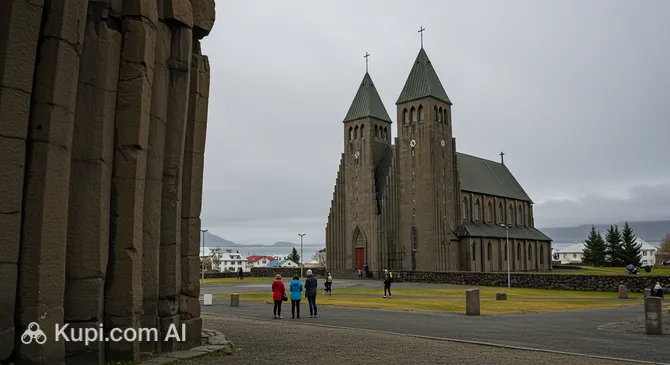
Akureyri Church. Source: Kupi.Binoculars

How to Get There

Reaching the "Capital of the North" is a journey through some of Iceland's most spectacular landscapes. Whether you choose a quick domestic flight or a scenic drive, the trip to this charming town is part of the adventure. You can find detailed information on all ways to reach the city on our dedicated page.

The most convenient option for travelers is Akureyri Airport (AEY), which is located directly in the city, just 2.6 km from the center. It is a key regional hub with an annual passenger traffic of approximately 200,000 people. Because of its close proximity, the transfer to downtown is very quick, taking approximately 5-10 minutes by taxi.

Since Akureyri's airport primarily handles domestic flights, most overseas visitors first arrive at Keflavik International Airport (KEF). This major international gateway is located near Reykjavik, approximately 286 km from Akureyri in a straight line. From there, many travelers transfer to the domestic hub, Reykjavik Airport (RKV), roughly 251 km away, to catch a connecting flight north. If you prefer to travel by road from the southern airports, be aware that the drive is significantly longer than the flight distance suggests, taking roughly 6 to 7 hours by bus or car.

For clarity, here is a summary of the main airports:

Airport Name City Passenger Traffic Km from City
Keflavik International AirportReykjavikLarge285.8
Reykjavik AirportReykjavikMedium251.3
Akureyri AirportAkureyriMedium2.6
Egilsstadir AirportEgilsstadirSmall176.6
Isafjordur AirportIsafjordurSmall233.9

Main Attractions

Akureyri packs a surprising amount of culture and charm into its compact size, offering visitors a variety of sights ranging from architectural landmarks to culinary favorites. Exploring the town center is easy on foot, allowing you to take in the relaxed atmosphere and scenic fjord views between stops.

Standing tall on a hill overlooking the city, Akureyri Church (Akureyrarkirkja) is the town's most famous symbol. Designed by the renowned architect Guðjón Samúelsson, the building’s distinctive style features rising basalt-like columns that pay homage to Iceland’s volcanic landscape. Visitors should take the time to climb the steps to the entrance, where they are rewarded with a sweeping view of the fjord. Inside, the church is equally impressive, housing a large pipe organ and a suspended ship model that reflects the nation's seafaring history.

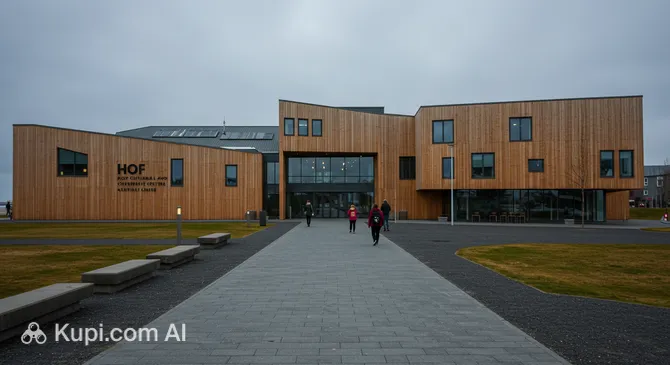
Down by the waterfront, you will find the Hof Cultural and Conference Centre. This striking circular building is a masterpiece of modern Nordic architecture, designed to blend seamlessly with the surrounding environment. The exterior is clad in Icelandic basalt, giving it a rugged yet elegant appearance. Hof serves as the heart of the local arts scene, hosting concerts, exhibitions, and events throughout the year. Even if you don't catch a show, the building itself is a photogenic highlight worth visiting.

Hof Cultural and Conference Centre. Source: Kupi.Binoculars

While not in the immediate city center, the Arctic Botanical Garden (Lystigarðurinn) is an essential stop for any visitor. It is one of the northernmost botanical gardens in the world and defies the odds by hosting thousands of plant species just moments from the Arctic Circle. The garden is a lush, colorful oasis that offers a peaceful retreat for a leisurely walk. It is open year-round, but it truly comes alive during the summer months when the flowers are in full bloom.

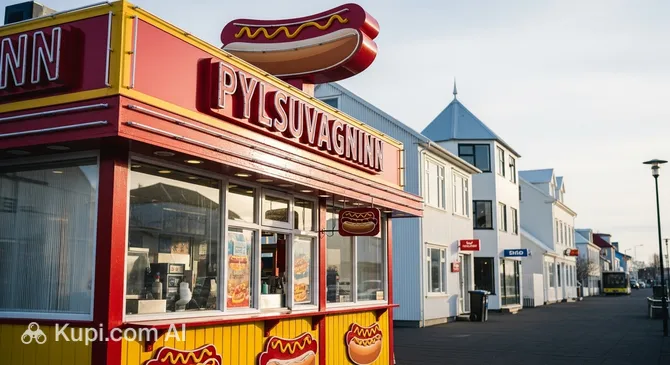
For a taste of local life, make sure to stop by Pylsuvagninn in Akureyri. Located in the town center, this iconic hot dog stand is considered by many to serve some of the best hot dogs in Iceland. It is a simple but beloved institution where you can enjoy a classic Icelandic "pylsa" topped with raw and fried onions, ketchup, sweet mustard, and remoulade. It is the perfect spot for a quick, affordable, and authentic bite while exploring the city.

Pylsuvagninn in Akureyri. Source: Kupi.Binoculars

Local Cuisine

The culinary scene in Akureyri is a delightful reflection of its location, nestled between fertile farmlands and the cold, nutrient-rich waters of the Eyjafjörður fjord. The town is known for its emphasis on fresh, local ingredients, particularly seafood and lamb. A dish you simply must try is plokkfiskur, a traditional Icelandic fish stew made from boiled cod or haddock mixed with potatoes and a creamy white sauce (béchamel). It is typically served with dark, sweet rye bread and plenty of Icelandic butter, offering a hearty and comforting meal that locals have cherished for generations.

Meat lovers will appreciate the high-quality Icelandic lamb, which is free-roaming and feeds on wild herbs and berries during the summer. It is often served as a roasted rack or in the form of kjötsúpa, a rich meat soup with vegetables that is perfect for warming up after a day of exploring. Another surprising local obsession is ice cream. Regardless of the temperature outside—even in the depths of winter—locals flock to ice cream shops to enjoy a "bragðarefur," a soft-serve blended with your choice of candies and fruits. It is a quintessential Akureyri experience to stand in the snow enjoying a cold treat.

When it comes to drinks, Akureyri has put itself on the global map as the home of the Einstök brewery. Brewed just 60 miles south of the Arctic Circle using pure glacial water, their craft beers, particularly the White Ale, are available in almost every bar and restaurant in town. For a non-alcoholic option, try the classic Icelandic mix of Malt og Appelsín, a blend of malt ale and orange soda that is considered a festive staple but enjoyed year-round.

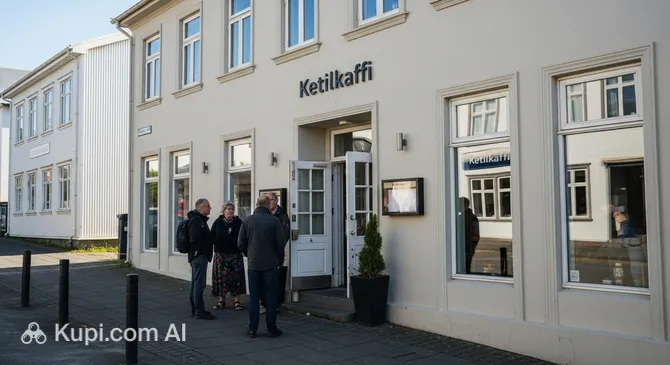
Ketilkaffi. Source: Kupi.Binoculars

The dining culture here is relaxed and unpretentious, with a strong café culture that invites you to linger. Many eateries are housed in charming, renovated historic buildings that add to the atmosphere. A perfect example of this cozy vibe is Ketilkaffi, located inside the Akureyri Art Museum. It is a popular spot for both lunch and afternoon coffee, where you can enjoy homemade cakes, soups, and fresh bread while surrounded by inspiring art and a view of the town center.

Travel Tips

Preparing for a trip to the "Capital of the North" requires a bit of planning due to its unique location near the Arctic Circle. Here are some practical tips to ensure your visit to Akureyri is smooth, comfortable, and unforgettable.

  1. Clothing and Gear: The weather in Iceland can change rapidly, so the "layering" method is essential. Start with a thermal base layer, add a warm fleece or wool sweater, and finish with a high-quality windproof and waterproof jacket. Even in summer, bring a hat and gloves. Sturdy, waterproof walking boots are a must for exploring nature, and if you visit in winter, consider bringing crampons for icy sidewalks. Don't forget your swimsuit—visiting the local geothermal pools is a year-round activity!
  2. Transportation: One of the best perks of Akureyri is that the local city buses (SVA) are completely free to use. The bright yellow buses cover most of the town and are a reliable way to get around. The town center itself is compact and very walkable. However, if you plan to explore the surrounding attractions like Lake Mývatn or the waterfalls, renting a car is highly recommended. Taxis are available but can be quite expensive.
  3. Finances: The local currency is the Icelandic Króna (ISK). Iceland is almost entirely a cashless society; credit and debit cards are accepted everywhere, from hotels to tiny food trucks. You likely won't need physical cash, but it can be nice to have a small amount for souvenirs. Tipping is not expected, as service and VAT are included in the bill, but rounding up the amount is appreciated for exceptional service.
  4. Health and Safety: Akureyri is an incredibly safe city for travelers, with very low crime rates. The general emergency number for police, fire, and ambulance is 112. Pharmacies (called Apotek) are well-stocked but typically close in the early evening (around 6:00 PM) and have limited weekend hours, so plan ahead for any medication needs.
  5. Communication: The official language is Icelandic, but English is spoken fluently by almost everyone, so you will have no trouble communicating. Free Wi-Fi is widely available in cafes, hotels, and public spaces. If you need mobile data for navigation, you can buy a prepaid SIM card at gas stations or convenience stores; coverage is generally excellent even in remote areas.
  6. Local Etiquette: The most important rule to follow involves the swimming pools. You are required to shower completely naked with soap before putting on your swimsuit and entering the pool. This is a strict hygiene rule taken very seriously by locals. Also, it is polite to remove your shoes when entering someone's home.
  7. What to Avoid: Do not buy bottled water in stores. The tap water in Akureyri comes from pure mountain springs and is considered some of the cleanest and best-tasting water in the world—just bring a reusable bottle. Additionally, never drive off-road; it is illegal and damages the fragile sub-arctic vegetation, which takes decades to recover.
  8. Parking Tip: In the town center, parking is free but time-limited. To avoid a fine, you must use a parking clock (placed on your dashboard) to indicate your arrival time. You can pick up a clock for free at banks, tourist information centers, or gas stations.

With these tips in mind, you are fully prepared to embrace the charm of northern Iceland without any hassles. Enjoy the crisp air, the friendly atmosphere, and the stunning natural beauty that awaits you in Akureyri!

Entertainment & Nightlife

Entertainment in Akureyri is vibrant and surprising, offering a lively mix that rivals much larger cities. The nightlife scene is concentrated in the compact city center, particularly around the pedestrian street Hafnarstræti and the area known as Kaupvangsstræti, often called the "Art Street." This proximity makes it easy to hop between venues on foot, enjoying the crisp evening air between stops. The atmosphere is generally relaxed and welcoming, with a crowd that ranges from university students to locals and tourists mingling in high spirits.

For live music enthusiasts, the town is a true gem. The legendary venue Græni Hatturinn (The Green Hat), located in the basement of a historic house on the Art Street, is famous across Iceland for hosting top-tier bands and intimate concerts. If you prefer a classic pub vibe, Götubarinn is a local favorite. With its unique interior filled with antiques and a piano that often sparks impromptu sing-alongs, it offers a warm and authentic Icelandic night out. Craft beer lovers should also look for bars serving the local Einstök brew on tap.

For a more cultural evening, check the schedule at the Hof Cultural and Conference Centre. While it is the architectural crown jewel of the waterfront by day, in the evenings it transforms into a bustling venue for concerts, theater performances, and events. Catching a show here is a fantastic way to start your night before heading to the bars.

Nightlife in Akureyri typically peaks late on weekends, with bars filling up around midnight and staying open until 1:00 AM or even 3:00 AM on Fridays and Saturdays. The dress code is "smart casual"—locals like to look good, but practical footwear is always accepted given the climate. Be prepared that alcohol prices can be high compared to other countries, which is why many locals enjoy "pre-drinks" at home before heading out.

No night out is complete without a visit to Pylsuvagninn in Akureyri. Located in the town square, this hot dog stand is the traditional meeting point for late-night revelers. It is the perfect place to grab a warm, affordable snack and soak up the buzzing atmosphere of the crowd before heading home.

Safety is rarely a concern in Akureyri; the town is very safe for walking at night, even for solo travelers. Taxis are available at the rank in the center (Ráðhústorg) or can be ordered by phone via BSO Taxi, which is the most convenient way to return to your accommodation if you are staying outside the immediate downtown area.

During the daylight hours, entertainment shifts towards family-friendly and cultural activities. You can catch a movie at the local cinema, explore the various art galleries, or visit the Akureyri Museum. For a uniquely Icelandic pastime, spend your afternoon or early evening at the local geothermal swimming pools, which serve as a social hub for people of all ages to relax and chat.

Parks & Museums

Beyond its dramatic fjord landscape, Akureyri surprises visitors with its dedication to green spaces and a rich cultural heritage that rivals larger European cities. The town is home to lush public gardens that defy the Arctic latitude, as well as a collection of museums that offer deep insights into Icelandic history and contemporary art.

While the Arctic Botanical Garden is the most famous green space, locals often prefer the expansive tranquility of Kjarnaskógur. Located just south of the town, this sprawling woodland area is a testament to successful reforestation efforts in Iceland. It is a favorite recreational spot for families and nature lovers, offering a network of hiking and mountain biking trails, playgrounds, and designated grilling areas. In winter, the forest transforms into a premier destination for cross-country skiing, with groomed tracks running through the snow-laden trees.

Another gem for nature enthusiasts is Naustaborgir, a protected nature reserve located north of Kjarnaskógur. This area is characterized by interesting volcanic rock formations and diverse birdlife, making it an excellent spot for a peaceful walk. The paths here wind through birch bushes and offer stunning views over the Eyjafjörður fjord, providing a quieter alternative to the more central parks.

For a dive into the region's past, the Akureyri Museum (Minjasafnið á Akureyri) is an essential stop. Housed in the historic Villa Kirkjuhvoll, the museum traces the history of the Eyjafjörður area from the settlement age to the modern day. Visitors can explore fascinating artifacts related to the fishing industry, trade, and daily life of early settlers. The garden surrounding the museum is also home to a 19th-century timber church, adding to the site's historical atmosphere.

Art lovers should head to the Akureyri Art Museum (Listasafnið), located in the heart of the arts district known as "The Ravine" (Listagilið). As one of the few art museums in Iceland located outside the capital area, it plays a crucial role in promoting both Icelandic and international contemporary art. The exhibitions change regularly, ranging from photography and sculpture to avant-garde installations, ensuring there is always something new and thought-provoking to see.

The city's cultural landscape is anchored by the Hof Cultural and Conference Centre. While known for its architecture, it also serves as a vital gallery space and venue for cultural events, bridging the gap between the town's natural beauty and its artistic ambitions. Nearby, you can admire the Akureyri Church, which, in addition to being a place of worship, stands as a monumental piece of architectural history that defines the town's profile.

A stroll through the Old Town (Innbærinn) serves as an open-air museum of sorts. Located along the southern waterfront, this area contains some of the oldest and most beautifully preserved timber houses in Iceland. Walking these quiet streets gives you a sense of what the town looked like in the 18th and 19th centuries, with colorful buildings nestled against the hillside.

For a truly unique experience, visit the Icelandic Aviation Museum located near the airport. It houses a remarkable collection of aircraft that tell the story of Icelandic aviation history, from the first attempts at flight to the modern era. It is a hidden gem that offers a fascinating look at how air travel connected this remote island to the rest of the world.

Getting Around

Navigating Akureyri is remarkably stress-free, thanks to its compact size and visitor-friendly infrastructure. The town center is small enough to be explored comfortably on foot, with most shops, restaurants, and cultural venues located within easy walking distance of each other. In the summer months, walking is the best way to soak up the atmosphere, while in winter, the municipality works hard to keep the main sidewalks and paths clear of snow.

A unique feature of the local transport system is that the city buses, known as SVA (Strætisvagnar Akureyrar), are completely free of charge. This service runs daily and connects the downtown area with the suburbs, the swimming pool, and other key locations. The bright yellow buses typically run every 30 to 60 minutes, though the schedule is reduced on weekends and public holidays. It is an excellent and budget-friendly way to get around the town.

For those planning to rent a car to explore the surrounding Diamond Circle or coastal villages, driving within Akureyri is straightforward. However, visitors must be aware of the local parking regulations. Parking in the town center is free, but it is time-limited. You are required to display a parking clock on your dashboard indicating your arrival time to avoid a fine. These clocks can be obtained for free at banks, gas stations, and tourist information centers.

Taxis are another reliable option, operating 24 hours a day from the BSO taxi station located at Ráðhústorg in the city center. While convenient, taxi rides can be expensive, so they are often used for shorter trips or when carrying heavy luggage. Recently, electric scooters have also become a popular way to zip around the city during the warmer months, offering a fun and flexible alternative for short distances.

Accommodation

Where to Stay:

Akureyri offers a surprisingly diverse range of accommodation options, catering to everything from backpackers on a budget to travelers seeking a touch of Nordic luxury. The selection includes full-service hotels, cozy family-run guesthouses, modern apartments, and well-equipped campsites. Whether you are looking for a simple room or a fully furnished suite, you will find something to suit your needs in the "Capital of the North."

For most visitors, staying in the city center (Miðbær) is the most convenient choice. Being close to the pedestrian street Hafnarstræti puts you within walking distance of the main restaurants, shops, and the bus station. This area is perfect if you want to be in the heart of the action and explore the town on foot. Alternatively, if you prefer a quieter experience with scenic views of the fjord and better chances of spotting the Northern Lights in winter, look for properties located on the hillsides or in the outskirts of the town.

The hotel scene in Akureyri ranges from modern establishments located near the waterfront to historic buildings nestled near the church. Many travelers also opt for guesthouses, which often provide a more personal touch and a homely atmosphere. For those who want to be closer to nature and enjoy more privacy, renting a summer cottage or "bústaður" in the surrounding countryside is a popular local option that offers a unique Icelandic experience.

Booking Tip: Tourism in Iceland is very seasonal, and Akureyri is a key stop on the Ring Road. During the peak summer months (June to August), accommodation fills up extremely fast. It is highly recommended to book your room several months in advance to secure your preferred location and avoid high last-minute prices.

Prices in Akureyri generally reflect the high standard of living in Iceland. Hotels and private apartments typically fall into the mid-to-high price range, particularly during the summer. Budget travelers can find more affordable rates at local hostels or by choosing to visit during the shoulder seasons (spring and autumn). Booking is easily done through major online platforms, which offer the widest range of choices, though booking directly with smaller guesthouses is also common.

Nearby Cities

For those looking to explore the surroundings, Akureyri serves as an excellent base for day trips to several interesting nearby locations:

City Population Distance (km)
Borgarfjörður Eystri 20000 91
Saudarkrokur 2682 71
Hofn 2389 209
Egilsstadir 2332 177
Húsavík 2300 53

One of the most popular excursions from Akureyri is a visit to Húsavík, often celebrated as the "Whale Watching Capital of Europe." Located just an hour's drive away, this charming town sits on the eastern shore of Skjálfandi Bay. Visitors flock here for the incredible opportunity to spot humpback whales, minke whales, and even blue whales in their natural habitat. Beyond the wildlife, the town itself is picturesque, featuring a colorful harbor and the iconic wooden Húsavíkurkirkja church, built in 1907.

Heading west, Saudarkrokur offers a deep dive into Icelandic history and heritage. As the largest town in the Skagafjörður region, it is famous for its rich equestrian tradition; the area is the heartland of the Icelandic horse. Nearby, travelers can relax in the historic Grettislaug geothermal pool, named after a legendary outlaw from the Icelandic Sagas, or explore the black sandy beaches that line the coast. It provides a quieter, more rural contrast to the bustle of Akureyri.

These nearby destinations offer a glimpse into the diverse culture and landscapes of the region.

Shopping & Souvenirs

Shopping in Akureyri offers a pleasant and relaxed experience, serving as the commercial hub for the entire northern region of Iceland. While it may not have the sheer volume of shops found in a major metropolis, the town provides a surprisingly diverse selection of goods, blending international brands with unique local design. Visitors can find everything from high-quality outdoor gear and authentic woolen products to handcrafted art and Nordic interior design items, all within a compact and walkable area.

The heart of the shopping scene is located in the town center, particularly along Hafnarstræti. This pedestrian-friendly street is lined with colorful boutiques, souvenir shops, and bookstores. It is the perfect place to stroll, browse for gifts, and soak up the local atmosphere. Just a short walk away lies Kaupvangsstræti, often referred to as the "Art Street." This area is famous for its creative flair, housing galleries and workshops where you can purchase distinctive ceramics, paintings, and handicrafts directly from local artisans.

For a more modern and comprehensive shopping experience, travelers should head to Glerártorg. As the largest shopping mall in northern Iceland, it houses dozens of stores under one roof, including fashion chains, grocery stores, electronics shops, and a pharmacy. Located just a short distance north of the city center, it is a convenient stop for stocking up on supplies or finding clothing suitable for the unpredictable Icelandic weather.

While Akureyri does not have large permanent market halls like many European cities, the focus here is on specialty stores and seasonal pop-ups. During the summer, you may find small outdoor stalls or farmers' markets selling fresh local produce, such as berries and artisanal jams. For food lovers, specialty shops in the town center often carry local delicacies, including dried fish (harðfiskur) and Icelandic chocolate, which make for excellent edible souvenirs.

When it comes to souvenirs, the most coveted item is undoubtedly the Lopapeysa, the traditional Icelandic wool sweater. These are renowned for their warmth and durability, making them perfect for the local climate. Other popular keepsakes include jewelry made from volcanic rock, skin care products using Icelandic herbs, and high-performance outdoor clothing from renowned local brands like 66°North and Cintamani.

Store opening hours in Akureyri are generally from 10:00 AM or 11:00 AM to 6:00 PM on weekdays. On Saturdays, shops often close earlier, typically around 4:00 PM, and many are closed on Sundays, although the shopping mall and larger supermarkets usually have extended hours. Payment is incredibly easy, as credit and debit cards are accepted almost everywhere, even for small purchases. Contactless payment is the standard, and carrying large amounts of cash is rarely necessary.

Tourists residing outside of Iceland can take advantage of Tax-Free shopping. If you spend more than 6,000 ISK on a single receipt in a participating store, you are eligible for a VAT refund. Look for the "Tax-Free" sign in the window and ask the staff for a refund form at the time of purchase. You can then claim your refund at the airport before leaving the country, making those high-quality woolen sweaters a bit more affordable.
Reached the end of the page?

That means the route is fully explored