Support

Isafjordur

About

Isafjordur is the largest town in the remote Westfjords peninsula and serves as a vibrant cultural and economic hub for this breathtaking region. Surrounded by steep, flat-topped mountains and nestled in the deep waters of the Skutulsfjordur, this charming town offers a unique blend of urban life and raw wilderness. For travelers exploring Iceland, it stands out as a picturesque destination where nature's grandeur meets genuine small-town hospitality.

Geographically, the town is built on a curving sand spit that extends into the fjord, providing natural shelter that has made it an ideal harbor for centuries. Despite its modest population of approximately 2,620 residents, Isafjordur feels surprisingly cosmopolitan, boasting excellent restaurants, cafes, and a lively arts scene. The climate here is subpolar oceanic, characterized by cool summers and snowy winters, which transforms the surrounding slopes into a paradise for skiing and winter sports enthusiasts.

The town's roots run deep, originally developing as a major fishing and trading center. Visitors interested in the history of Isafjordur will find a fascinating legacy preserved in its well-maintained architecture. The town center features some of the oldest timber-frame houses in the country, dating back to the 18th century, which were originally constructed by Danish merchants and now add a colorful, historic charm to the streets.
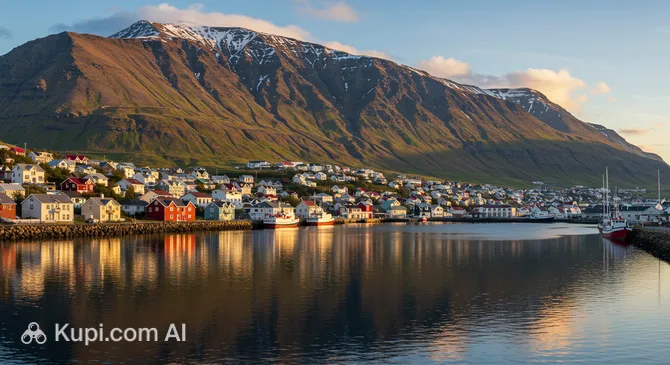
Isafjordur. Source: Kupi.Binoculars

Among the key attractions is the Westfjords Heritage Museum, located in one of these historic buildings, offering deep insight into the maritime life that defined the region. Isafjordur is also the primary gateway to the uninhabited Hornstrandir Nature Reserve, a haven for hikers and those seeking to spot the elusive Arctic fox in its natural habitat. Whether you are strolling through the old town or embarking on a kayaking adventure in the calm fjord waters, the area offers unforgettable experiences.

With its dramatic scenery and welcoming community, Isafjordur is an unmissable stop on any Westfjords itinerary. It invites you to slow down, breathe in the fresh mountain air, and experience the authentic spirit of the north.
Weather Overview

The climate in Isafjordur is defined by its northern location in the Westfjords, resulting in cool summers and cold winters. The weather can be quite changeable, and while precipitation is frequent year-round, the volume remains relatively low. Visitors should generally expect cool summers with occasional rain and cold, snowy winters.

Summer is the most popular time to visit, particularly from June to August, when the town experiences its mildest conditions. During this period, average temperatures range from 6.1°C to 8.2°C, with July seeing daily highs reaching nearly 10°C. These months also offer the most stable conditions, with fewer wet days compared to the rest of the year.

Winter, stretching from December to March, brings freezing temperatures and shorter days. Average temperatures drop to between -2.2°C and -2.7°C, and the frequency of precipitation increases significantly, with January experiencing up to 23 wet days. For travelers planning a trip, checking the specific weather in Isafjordur is recommended to pack appropriately for the season.

Interesting Facts

Beyond its scenic landscapes and maritime history, Isafjordur holds many fascinating secrets and quirky traditions that surprise even seasoned travelers. From unique atmospheric phenomena to unusual sporting events, the town offers a glimpse into a distinct way of life shaped by its remote location.
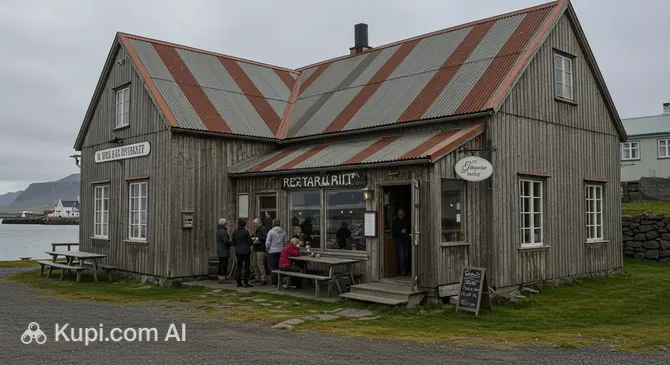
Tjöruhúsið. Source: Kupi.Binoculars
  • A Thrilling Arrival: The local airport is famous in the aviation world for having one of the most challenging approaches globally. To land safely, pilots must execute a sharp, 180-degree turn within the narrow fjord walls just moments before touching down on the runway.

  • The Disappearing Sun: Due to the steep, flat-topped mountains surrounding the town, the sun does not shine directly on Isafjordur for roughly two months during the depth of winter. When the first rays finally reach the town again on January 25th, locals celebrate with a beloved tradition known as "Sólarkaffi" or Sun Coffee.

  • Muddy Championships: Surprisingly, this quiet town is the host of the European Championship in Swamp Soccer. Held annually during the Verslunarmannahelgi holiday weekend in August, this event sees teams competing in deep mud, prioritizing humor and fun over athletic precision.

  • Living History: The town center contains some of the oldest timber frame houses in the country, remarkably preserved since the 18th century. One of these, Tjöruhúsið, was built in 1781 and has transformed from a Danish trade warehouse into one of the most acclaimed seafood restaurants in the region.

How to Get There

Reaching the remote and beautiful Westfjords requires a bit of planning, but the journey offers spectacular views of Iceland's rugged landscape. Whether you choose to fly or drive, the trip is part of the adventure. You can find more about how to get to Isafjordur and the various transport options in our detailed guide.

The fastest way to reach the town is by air. Isafjordur is served by its own local airport, Isafjordur Airport (IATA: IFJ), located in the fjord just 1.9 km from the town center. The flight approach is famous for its scenic and thrilling descent between the mountains. Once you land, the town is just a short drive away, taking approximately 5 to 10 minutes by taxi or shuttle.

Most international visitors will first arrive at Keflavik International Airport (IATA: KEF), the country's main international hub located near Reykjavik, about 234 km from Isafjordur. Since there are no direct international flights to the Westfjords, travelers typically transfer to Reykjavik Airport (IATA: RKV) in the city center for a domestic flight to Isafjordur. Alternatively, some may choose to rent a car and drive, a journey that allows you to see the changing landscapes of the countryside.

For clarity, here is a summary of the main airports:

Airport Name City Passenger Traffic Km from City
Keflavik International Airport Reykjavik Large 234.3
Reykjavik Airport Reykjavik Medium 223.9
Akureyri Airport Akureyri Medium 235.1
Isafjordur Airport Isafjordur Small 1.9

Iceland does not have a public railway system, so there are no train stations in Isafjordur or the surrounding areas. Visitors who prefer not to fly typically travel by road. You can rent a car for a scenic road trip along the fjords or utilize the long-distance bus services that connect the Westfjords with the rest of the country during the summer months.

Main Attractions

Isafjordur may be small, but it punches above its weight when it comes to culture, history, and natural beauty. The town's compact center is easily explorable on foot, allowing visitors to wander between historic timber houses, vibrant cultural venues, and scenic viewpoints. Whether you are a food lover, a history buff, or an outdoor enthusiast, the local attractions offer a genuine taste of life in the Westfjords.

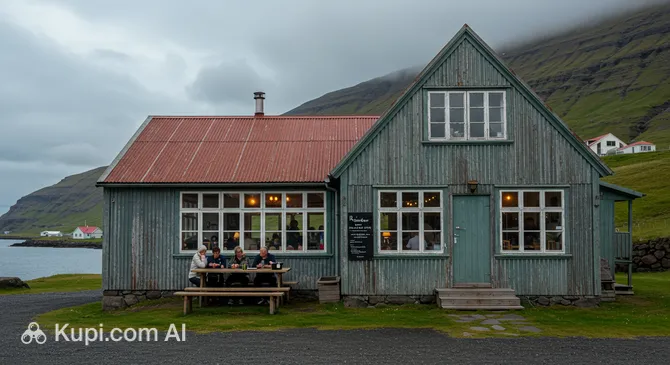
One of the most famous culinary and historical landmarks in the region is Tjöruhúsið. Located in the Neðstikaupstaður area near the harbor, this family-run restaurant is housed in a beautifully preserved log building constructed in 1781. It is renowned not just for its rustic atmosphere, but for serving some of the freshest seafood in Iceland, often caught just hours before reaching your plate. Dining here is a communal experience, where guests sit at long wooden tables and enjoy a legendary fish buffet that highlights the catch of the day.

Tjöruhúsið. Source: Kupi.Binoculars

Just a few steps away lies the Westfjords Heritage Museum, situated in one of the town's oldest 18th-century houses. This museum is a treasure trove for those wishing to understand the maritime soul of Isafjordur. The exhibits vividly narrate the history of the fishing industry, featuring everything from antique diving equipment and sun compasses to a collection of accordions. The surrounding area, with its cluster of historic buildings, provides a picturesque backdrop that transports visitors back to the era of Danish trading posts.

For a mix of history and modern social life, travelers should visit Húsið. Known simply as "The House," this establishment is located in another historic building and serves as a cozy restaurant, café, and bar. It is a central meeting point for locals and tourists alike, offering a warm atmosphere to enjoy a coffee or a meal. In the evenings, it often becomes a hub of activity, making it an excellent place to experience the town's friendly community vibe.

Húsið. Source: Kupi.Binoculars

Nature lovers looking for a rewarding short hike should head to Naustahvilft, locally known as the Troll Seat. This large depression in the mountainside above the airport is easily accessible via a steep but short trail. The hike takes about 30 minutes for reasonably fit walkers and rewards them with a stunning panoramic view of Isafjordur, the spit of land it sits on, and the surrounding fjord. According to local folklore, the depression was formed by a troll who sat down to rest, leaving her imprint on the landscape forever.

Local Cuisine

The culinary landscape of Isafjordur is inextricably linked to the ocean, offering some of the freshest seafood you will find anywhere in Iceland. As a historic fishing town, the local diet is centered around the daily catch brought into the harbor, meaning that fish here is not just a meal but a way of life. For gastronomic travelers, this ensures that dishes are prepared with ingredients that were often swimming in the cold North Atlantic waters just hours prior.

When visiting, you simply must try Plokkfiskur, a traditional Icelandic fish stew made from boiled cod or haddock, potatoes, onions, and a creamy béchamel sauce. It is hearty comfort food that perfectly counters the cool Westfjords weather. Another local staple is Harðfiskur, dried fish jerky that serves as a popular high-protein snack. It is typically eaten with a generous layer of Icelandic butter to soften the texture, providing a savory taste of the region's preservation history.

The dining culture in Isafjordur is relaxed and unpretentious, often housed within the town's charming historic timber buildings. A quintessential experience is the all-you-can-eat fish buffet, a concept perfected by Tjöruhúsið. Here, the food is served in large sizzling skillets straight from the kitchen, featuring a variety of species such as wolffish, cod, and halibut prepared with simple yet delicious marinades. This communal style of eating, where guests share long wooden tables, reflects the welcoming spirit of the community.

For drinks, the most essential beverage is the local tap water, which is glacial, pure, and free of charge. Coffee culture is also deeply ingrained here, with locals frequently gathering to socialize over a hot cup. Places like Húsið offer a cozy environment to enjoy a coffee by day or a pint of beer by night. Speaking of beer, the Westfjords has a burgeoning craft beer scene, and you can often find locally brewed ales that use the region's pristine water as a base, providing a crisp and refreshing accompaniment to the rich seafood.

Travel Tips

Welcome to Isafjordur, the charming capital of the Westfjords! To ensure your adventure in this remote and breathtaking part of Iceland is as smooth as possible, we have gathered some essential practical advice for your trip.

  1. Clothing and Gear: The weather in the Westfjords is notoriously unpredictable. Regardless of the season, the key is layers. Bring a waterproof and windproof jacket, thermal base layers, and sturdy hiking boots, as the terrain can be uneven. If you plan to visit in winter, crampons (micro-spikes) for your shoes are highly recommended for walking on icy streets.

  2. Transportation: Isafjordur is very compact and best explored on foot; you can walk across the town center in about 15 minutes. There is no local metro or train system. For exploring the surrounding fjords, renting a car is essential, though you should be prepared for gravel roads and steep mountain passes. Taxis are available but can be expensive and should be booked in advance.

  3. Finances: The local currency is the Icelandic Króna (ISK). Iceland is almost entirely a cashless society, and credit or debit cards are accepted everywhere, from hotels to small kiosks. You will need a card with a 4-digit PIN for automated gas stations. Tipping is not mandatory or expected, as service charges are typically included in the bill.

  4. Health and Safety: Isafjordur is extremely safe with very low crime rates. The main risk to be aware of is the weather; always check forecasts before heading out on hikes or drives. There is a local pharmacy (Apótek) in the town center for basic needs and a hospital for medical assistance. Dial 112 for any emergency services.

  5. Communication: The official language is Icelandic, but English is spoken fluently by almost everyone, so you will have no trouble communicating. Free Wi-Fi is widely available in cafes, hotels, and the tourist information center. If you need mobile data, you can buy a prepaid SIM card at gas stations or convenience stores.

  6. Local Etiquette: If you visit the local swimming pool (which is highly recommended), strict hygiene rules apply. You must shower completely naked with soap before putting on your swimsuit and entering the pool area. Additionally, it is polite to remove your shoes when entering a private home.

  7. What to Avoid: Do not buy bottled water in stores. The tap water in Isafjordur flows directly from the mountains, is strictly monitored, and tastes better than anything you can buy. Also, never drive off-road; it is strictly illegal and damages the fragile sub-arctic vegetation, which takes decades to recover.

  8. Driving Tip: When driving near Isafjordur, you will likely encounter the Vestfjarðagöng tunnel. Be aware that parts of it are single-lane with designated passing places (marked 'M'). If the passing place is on your right, you must pull over to let oncoming traffic pass. If it is on your left, you have the right of way, but drive cautiously.

Isafjordur is a place where nature dictates the pace of life, so relax and embrace the unique rhythm of the Westfjords. We hope these tips help you have a safe and unforgettable journey in this magical corner of the world!

Entertainment & Nightlife

While Isafjordur is a small town nestled in the remote Westfjords, its nightlife is surprisingly vibrant and welcoming. You will not find sprawling nightclubs or neon-lit districts here; instead, the evening scene is defined by cozy pubs, a strong sense of community, and the warm glow of historic timber houses. The nightlife is concentrated in the compact town center, particularly around the Silfurtorg square and the harbor area, making it easy to hop between venues on foot without the need for transportation.

The atmosphere is distinctly relaxed and informal. There is no strict dress code; locals and visitors alike often mingle in casual attire or even hiking gear after a day of exploring the mountains. During the summer months, the midnight sun creates a unique energy where the distinction between day and night blurs, and people stay out late enjoying the endless daylight. In winter, the warm interiors of the local bars provide a comforting refuge from the snowy fjords.

For a genuine taste of local social life, Húsið is the undisputed heart of the town's evening scene. By day, it is a charming café, but as the evening progresses, it transforms into a lively bar where friends gather to chat, drink, and listen to music. It is known for its friendly vibe and often hosts live bands or events, making it the perfect place to meet locals and fellow travelers. If you are a craft beer enthusiast, you should also seek out Dokkan Brugghús, the first and only brewery in the Westfjords, located near the harbor, offering a selection of locally brewed ales.

Dining often merges with evening entertainment here. Many visitors start their night with a hearty meal at Tjöruhúsið. Although primarily a restaurant famous for its seafood skillets, the communal seating at long wooden tables naturally fosters conversation and a festive atmosphere that often continues well into the evening. Since these venues are popular and the town is small, it is wise to arrive early or make reservations where possible, especially during the peak summer season.

Practicalities in Isafjordur are straightforward. The town is incredibly safe, and walking alone at night is not a concern. Taxis are available if you need to travel to the outskirts, but for most visitors staying in the center, everything is within a 5 to 10-minute walk. Prices for alcohol are typical for Iceland—meaning they can be high—so look out for "Happy Hour" offers which are common in local establishments.

Beyond the bars, Isafjordur offers rich cultural experiences during the day. The Edinborg Cultural Center is the hub for arts, hosting theater performances, concerts, and exhibitions year-round. For a more relaxing form of entertainment, the local swimming pool is a favorite pastime for residents of all ages, offering hot tubs and steam baths that serve as a social meeting point just as much as the pubs do.

Parks & Museums

While Isafjordur is famous for its dramatic fjord landscapes, the town itself cultivates a thoughtful balance between curated green spaces and institutions that preserve its rich heritage. For a settlement of its size, it offers an impressive array of cultural venues and natural retreats where visitors can connect with both the history of the Westfjords and the raw beauty of the Icelandic environment.

Tungudalur Valley is the premier outdoor recreation area for locals and visitors alike, located just a short drive from the town center. Unlike much of Iceland, which is often treeless, this valley features a rare and beautiful low-growing birch forest and planted conifers, offering a sheltered spot for picnics and walks. The area is home to the majestic Bunárfoss waterfall, which cascades down the mountainside and can be reached via a scenic hiking trail. In summer, the valley hosts a golf course, while in winter, it transforms into a ski resort, making it a year-round hub for nature lovers.

In the heart of the town lies Jónsgarður, a charming public park that serves as a green oasis amidst the urban settlement. It is a popular spot for families and features a playground, walking paths, and well-tended flower beds that bloom vibrantly during the short summer. The park's most iconic feature is a massive arch made from the jawbones of a blue whale, a striking monument that pays homage to the region's deep connection with the ocean and whaling history.

The cultural anchor of the town is the Westfjords Heritage Museum (Byggðasafn Vestfjarða), situated in the historic Neðstikaupstaður district. Housed in one of Iceland's oldest timber buildings, the museum provides a fascinating look into the maritime history that built Isafjordur. Visitors can explore exhibits on the evolution of fishing, from open rowboats to motorized trawlers, and view a quirky collection of accordions, which were once the primary instrument for social gatherings in these remote fjords.

For a more contemporary and intimate cultural experience, the Museum of Everyday Life (Hversdagsasafn) offers a unique perspective. Instead of grand historical narratives, this small museum focuses on the poetic and personal stories of local residents. Through sensory exhibits, photography, and collected objects—such as a display of shoes accompanied by the stories of those who wore them—it captures the essence of what it means to live in this remote part of the world.

The Neðstikaupstaður area itself acts as an open-air museum of architecture. This cluster of 18th-century timber houses, built by Danish merchants, is the oldest preserved group of buildings in Iceland. Walking among these tarred black structures gives you a tangible sense of the trading post era. It is here that you will find the Heritage Museum and the renowned Tjöruhúsið, creating a seamless blend of living history and culture.

Insider Tip: If you visit Tungudalur, keep an eye out for the "Elf Stone" marked on local maps. Icelandic folklore is rich with stories of the Huldufólk (hidden people), and locals treat these sites with great respect, often avoiding construction near them to not disturb the inhabitants.

Getting Around

Navigating Isafjordur is refreshing and straightforward, primarily because the town is compact and pedestrian-friendly. Due to its small size and remote location in the Westfjords, there is no complex urban public transport network such as a metro, tram, or trolleybus system. For the vast majority of visitors, the most effective way to get around the town center is simply on foot, as most hotels, restaurants, and attractions are located within a short walking distance of one another.

While there is no internal city bus service for traversing the town center itself, a local bus network connects Isafjordur with the neighboring communities of Hnífsdalur and Bolungarvík. These buses run on a scheduled timetable, which is generally more frequent on weekdays than weekends. This service is vital for those wishing to explore the immediate outskirts or visit the nearby fishing villages without a car. Additionally, the national bus operator, Strætó, provides long-distance connections to other parts of the Westfjords and towards Reykjavik, though these services are infrequent and seasonal.

For payment, the system is modern and convenient. Iceland is a leader in cashless transactions, and this extends to transport in the Westfjords. You can typically pay for bus fares using a credit or debit card directly with the driver. If you are using the Strætó long-distance services, tickets can be purchased via their official app or website. There is no need to worry about buying physical paper tickets from kiosks or validating them at machines before boarding; the process is digital and streamlined.

Taxis serve as the primary alternative for direct transport, especially for trips to and from the airport or for reaching specific hiking trailheads like Tungudalur. However, unlike in major cities, you cannot simply hail a cab on the street. There is a local taxi service (often a single operator or small company), and it is essential to book your ride in advance by phone to ensure availability. Ride-sharing apps like Uber or Lyft do not operate in this region.

For tourists who want the freedom to explore the dramatic landscapes surrounding the town, renting a car is the most popular and practical option. Several rental agencies operate in Isafjordur, allowing you to access remote fjords at your own pace. Alternatively, during the summer months, bicycle rentals are available and offer a scenic way to travel along the coast. Finally, for those heading to the uninhabited Hornstrandir Nature Reserve, the "public transport" takes the form of scheduled passenger ferries that depart from the harbor, serving as the only link to this wilderness area.

Accommodation

Finding the perfect place to stay in Isafjordur is an essential part of the Westfjords experience, offering a cozy retreat after a day of exploring the rugged wilderness. Despite its remote location, the town provides a surprisingly varied range of accommodation options to suit different travel styles. Visitors can choose from full-service hotels that offer modern amenities, charming family-run guesthouses often set in historic timber buildings, and self-catering apartments ideal for those who prefer more independence. For the budget-conscious and outdoor enthusiasts, there is also a well-equipped campsite located in the scenic Tungudalur valley, just a short distance from the town center.

The most convenient area to stay is undoubtedly the town center, located on the sand spit that extends into the fjord. Staying here places you within easy walking distance of the harbor, restaurants, and cultural attractions like the heritage museum. Because Isafjordur is compact, almost any accommodation within the main settlement offers excellent accessibility to local services and tour operators. For a quieter experience surrounded by nature, visitors might look for options slightly further inland near the valley, though having a car is recommended for these locations.

Booking Tip: Accommodation in Isafjordur is limited compared to the high demand during the peak summer season (June to August). It is highly recommended to book your stay several months in advance to secure your preferred choice. During the winter months, availability is better, but some smaller guesthouses may operate on reduced schedules, so it is always wise to confirm ahead of time.

In terms of pricing, accommodation here generally follows the Icelandic standard, which can be higher than in many other European destinations. Prices typically range from mid-range to high, especially for hotels and private apartments. Budget travelers can find more affordable rates at hostels or the campsite. Booking is most easily done through major online travel platforms, though many local guesthouses also accept direct bookings via their websites or email.

Nearby Cities

For those looking to explore the surroundings, Isafjordur serves as an excellent base for day trips to several interesting nearby locations:

Just a short 15-minute drive through the mountain tunnel lies Bolungarvík, the northernmost town in the Westfjords. It is home to the fascinating Osvör Maritime Museum, a reconstructed fishing station that offers a glimpse into the harsh lives of Icelandic fishermen in centuries past. Visitors can also drive up to the top of Bolafjall mountain (accessible in summer) for one of the most spectacular panoramic views in Iceland, stretching all the way to the Hornstrandir Nature Reserve.

Another charming destination is Suðureyri, located in a neighboring fjord about 20 minutes away. Known as the "Eco-Village," it is famous for its sustainable fishing practices and geothermal energy. Travelers can take a "Food Trail" walking tour to taste fresh local fish, visit the geothermal swimming pool, and experience the slow, authentic pace of life in a remote Icelandic fishing community.

For those willing to venture a bit further, the village of Flateyri offers a unique cultural experience. It is home to the Old Bookstore, which has been run by the same family since 1914 and sells books by weight. The village is also known for its massive avalanche defense structure, which protects the town and serves as a viewing platform for visitors to admire the fjord's beauty.

City Population Distance (km)
Reykjavik 135688 222
Kópavogur 34140 226
Hafnarfjordur 29974 231
Borgarfjörður Eystri 20000 227
Keflavik 16463 233

These nearby destinations offer a glimpse into the diverse culture and landscapes of the region.

Shopping & Souvenirs

Shopping:

Shopping in Isafjordur is a relaxed and intimate experience that reflects the town's small size and close-knit community. You will not find bustling high streets filled with international fast-fashion chains here; instead, the retail scene focuses on quality, local craftsmanship, and practical outdoor necessities. Visitors can expect to find charming boutiques selling Icelandic design, high-quality knitwear, and essential gear for exploring the Westfjords, all set against the backdrop of the town's historic architecture.

The main hub for shopping is centered around Aðalstræti and Hafnarstræti in the heart of the town. These streets are easily walkable and host a variety of locally owned businesses. Here, you can browse through bookstores, gift shops, and clothing stores that cater to both locals and tourists. The atmosphere is unhurried, allowing you to chat with shop owners who are often happy to share the stories behind their products, from hand-knitted items to artwork inspired by the surrounding fjords.

Travelers accustomed to large commercial centers should note that there are no shopping malls in Isafjordur. The retail landscape is traditional, with standalone shops rather than large complexes. for daily necessities and groceries, there are supermarkets such as Bónus and Netto, which are centrally located and offer a wide range of food and household items. These are the go-to places for hikers stocking up on supplies before heading into the nature reserves.

While there is no permanent daily market hall, the town's connection to the ocean means that fresh local produce is always available. The "market" experience here is often found in the direct sale of fresh fish or at pop-up events during festivals. In the summer, you may encounter small local fairs or stalls selling homemade goods, jams, and crafts, but these are sporadic rather than a daily fixture of city life.

When it comes to souvenirs, the most prized item to bring back is undoubtedly the Lopapeysa, the traditional Icelandic wool sweater. These are often hand-knitted by locals and sold in town, offering both warmth and a piece of cultural heritage. Other excellent keepsakes include Harðfiskur (dried fish), which is a local delicacy, jewelry made from lava stone, and high-quality outdoor clothing. Since the Westfjords weather can be harsh, the local shops stock some of the best weather-protective gear available.

Store opening hours in Isafjordur are generally from 10:00 AM or 11:00 AM to 6:00 PM on weekdays. On Saturdays, shops often close earlier, around 2:00 PM or 4:00 PM, and many are closed on Sundays, although supermarkets usually have longer operating hours throughout the week. Payment is incredibly convenient, as credit and debit cards are accepted almost everywhere, even for small purchases. Cash is rarely needed, but it can be useful to have a small amount just in case.

For international visitors, Tax-Free shopping is available in many stores. If you spend more than 6,000 ISK on a single receipt in a participating shop (look for the "Tax Free" sign in the window), you are eligible for a VAT refund. Be sure to ask the staff for a tax-free form at the time of purchase, which you can then validate and cash in at the customs point when departing from Keflavik International Airport.

Nearby cities

Reached the end of the page?

That means the route is fully explored