Support

Reykjavik

About

Reykjavik is a city of striking contrasts, where cosmopolitan energy meets raw natural beauty. As the capital of Iceland, it serves as the cultural, economic, and governmental hub of the island, famously holding the title of the world's northernmost sovereign capital. Despite its relatively small size, the city pulses with creativity, offering a vibrant music scene, top-tier restaurants, and a cozy yet modern atmosphere that instantly charms visitors.

Located in the Capital Region on the southwestern coast of the country, the city is home to approximately 135,000 people, making it the most populous area on the island. The climate here is oceanic, characterized by cool summers and relatively mild winters, though the weather is known for its unpredictability. Whether bathed in the endless daylight of the Midnight Sun or illuminated by the dancing Northern Lights during the darker months, the city offers a unique experience in every season.
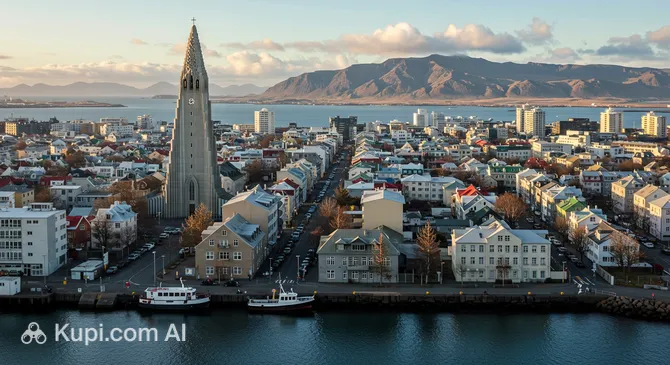
Reykjavik. Source: Kupi.Binoculars

While it is a thoroughly modern metropolis today, the area has deep roots going back to the settlement era. diving into the history of Reykjavik reveals its transformation from a humble farmstead established by Ingólfur Arnarson into a thriving center of commerce and culture. The city's streets are lined with colorful corrugated iron houses and quirky street art, reflecting a spirit that honors tradition while embracing innovation.

Travelers are drawn to iconic landmarks such as the towering Hallgrímskirkja church, which offers panoramic views of the colorful rooftops and the surrounding mountains. The waterfront is dominated by the spectacular Harpa Concert Hall, an architectural masterpiece with a glass façade that mimics the basalt landscapes of the island. Whether you are using the city as a base to explore the Golden Circle or staying to enjoy its geothermal pools and museums, Reykjavik promises an unforgettable adventure.
Weather Overview

The climate in the capital is defined by cool temperatures and frequent precipitation throughout the year. Summers are generally mild rather than hot, with July being the warmest month, boasting an average temperature of about 11.1°C and highs reaching 13.6°C. In contrast, winters are cold but often moderated by the ocean, with January averages hovering around -2.4°C and lows dipping to -4.9°C.

Travelers should be prepared for changeable conditions regardless of the season. The city experiences a consistent number of wet days, typically between 15 and 20 days per month, meaning rain or snow is a common companion. For a more detailed breakdown of what to expect during your specific travel dates, checking the report on weather in Reykjavik is highly recommended. Expect cool, breezy summers and cold winters with frequent precipitation.

Interesting Facts

Beyond the famous landmarks and bustling main streets, Reykjavik holds a treasure trove of fascinating secrets and unique quirks that often surprise visitors.
  • For sixty years, specifically from 1924 to 1984, keeping dogs as pets was actually illegal in the city. The ban was originally implemented to prevent the spread of a specific parasite, and while it has long since been lifted, this historical quirk contributed significantly to the capital's strong culture of cat ownership.

  • Walking through the city center in winter is surprisingly safe and slip-free thanks to geothermal energy. Many sidewalks and streets, including the popular Rainbow Street (Skólavörðustígur), are heated from underneath by excess hot water from the heating system, keeping them clear of snow and ice without the need for shoveling.

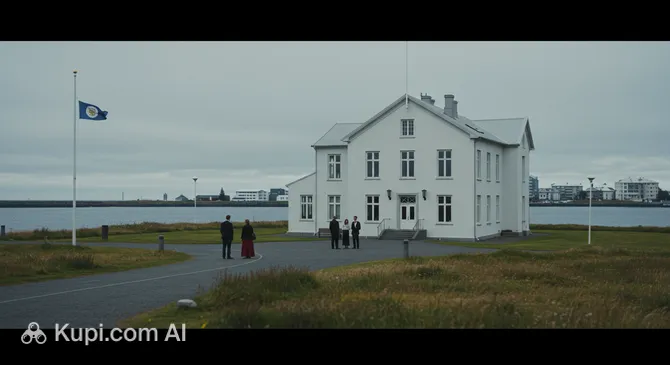
  • The unassuming white building on the waterfront known as Höfði House played a pivotal role in global history. It was the site of the 1986 Reykjavik Summit between US President Ronald Reagan and Soviet leader Mikhail Gorbachev, a meeting widely credited as a significant step toward ending the Cold War.

  • The city is home to one of the world's most unusual institutions, the Icelandic Phallological Museum. This unique facility houses a massive collection of specimens from almost all the land and sea mammals that can be found in the country, attracting curious travelers from around the globe.

Höfði House. Source: Kupi.Binoculars

How to Get There

Reaching the world's northernmost capital is the first step of an unforgettable Icelandic adventure. While the island's remote location might seem daunting, it is well-connected to major cities across Europe and North America. For travelers planning their journey, finding out more about how to get to Reykjavik is essential for a smooth arrival. The vast majority of visitors arrive by air, landing at one of the country's key aviation hubs.

The primary gateway for international travelers is Keflavik International Airport (KEF). Handling millions of passengers annually, it serves as the main point of entry for the country. Although the data lists its location as Reykjavik, it is situated approximately 37.1 km from the city center. The journey from the terminal to downtown is scenic and straightforward; a trip by taxi or airport shuttle bus typically takes about 45 to 50 minutes. This airport handles the bulk of international traffic, connecting the island to destinations worldwide.

Closer to the heart of the city lies Reykjavik Airport (RKV). Located just 1.9 km from the center, this facility is much smaller and primarily serves domestic flights and connections to Greenland. Because of its proximity, the commute is incredibly short, taking only a few minutes to reach the downtown area. While it sees significantly less traffic than its international counterpart, it remains a vital hub for internal travel within Iceland.

For clarity, here is a summary of the main airports:

Airport Name City Passenger Traffic Km from City
Keflavik International Airport Reykjavik Large 37.1
Reykjavik Airport Reykjavik Medium 1.9
Akureyri Airport Akureyri Medium 248.9
Isafjordur Airport Isafjordur Small 220.3

Main Attractions

Reykjavik packs an impressive punch when it comes to sightseeing, offering a mix of architectural wonders, historical treasures, and artistic landmarks within a compact, walkable center. From soaring towers to interactive nature exhibits, the city's top attractions reflect the unique character of the island and its people.

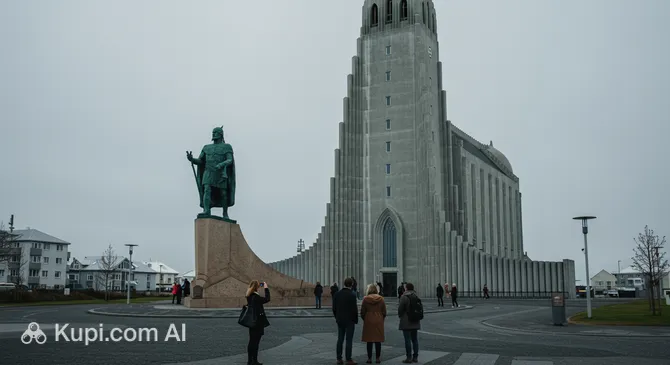
Dominating the skyline is the iconic Hallgrimskirkja, a Lutheran church that serves as the city's most recognizable landmark. Its striking concrete façade was designed to resemble the basalt lava columns found in Iceland's nature. Visitors can take an elevator to the top of the 74-meter tower, which rewards them with a breathtaking panoramic view of the colorful corrugated iron rooftops, the bay, and the mountains beyond.

Hallgrimskirkja. Source: Kupi.Binoculars

Perched atop Öskjuhlíð hill, Perlan is a glass-domed architectural gem that offers much more than just a view. Built over six hot water tanks, it houses the "Wonders of Iceland" exhibition, which includes a real indoor ice cave, a planetarium, and interactive displays about glaciers and volcanoes. The 360-degree observation deck is one of the best places to survey the capital region and the surrounding landscapes.

A stroll along the scenic waterfront leads to the mesmerizing sculpture known as the Sun Voyager (Sólfar). While it resembles a Viking longship, the artist intended it as an ode to the sun and a dream of hope and undiscovered territory. The gleaming steel structure is a favorite among photographers, especially when the majestic Mount Esja is visible across the bay in the background.

Sun Voyager. Source: Kupi.Binoculars

To dive deep into the country's heritage, a visit to the National Museum of Iceland is essential. The museum takes visitors on a journey through time, from the settlement era to the modern day, showcasing thousands of artifacts. Highlights include the famous Valþjófsstaður door and displays that vividly tell the story of how the island nation evolved over the centuries.

For contemporary culture, the Reykjavík Art Museum – Hafnarhús is a vibrant hub located near the old harbor. Housed in a renovated warehouse, it is the home of the Erró collection and focuses on progressive and experimental art. It is a dynamic space that frequently hosts exhibitions by both local and international artists, making it a cornerstone of the city's creative scene.

Local Cuisine

Local Cuisine:

Reykjavik is a culinary hotspot where traditional Icelandic heritage meets modern gastronomic innovation. The city’s location on the coast ensures a steady supply of the freshest seafood, while the surrounding countryside provides high-quality free-range lamb. Chefs in the capital take pride in using these local ingredients, often adding a contemporary twist to classic recipes to create something truly unique.

For a taste of history, adventurous eaters can try Hákarl (fermented shark), usually washed down with a shot of Brennivín, the local caraway-flavored schnapps. However, for a more palatable traditional meal, Plokkfiskur (a creamy fish stew) and Kjötsúpa (lamb meat soup) are hearty favorites that warm the soul. Don't forget to try Skyr, a thick and creamy dairy product that has been a staple here for over a thousand years.

When exploring the city center, you will find a variety of dining options ranging from cozy family-run spots to trendy gastropubs. Old Iceland is a fantastic choice for those wanting to experience dishes that highlight indigenous herbs and spices in a warm, inviting setting. The menu focuses on showcasing the best of local produce with a creative touch.

Old Iceland. Source: Kupi.Binoculars

For a more casual bite, Icelandic Street Food is renowned for its quick and delicious servings of traditional soups, often served in edible bread bowls. If you are looking to enjoy the city's vibrant nightlife along with some food, Bastard Brew & Food offers a lively environment with craft beers and hearty bar bites. Another excellent spot for food lovers is KRÖST, known for its grilled delicacies and fine wines.

Finally, no visit is complete without trying the famous Icelandic hot dog, or pylsa, made from a blend of lamb, pork, and beef. It is typically topped with raw and crispy onions, ketchup, sweet brown mustard, and remoulade, creating a flavor combination that is beloved by locals and tourists alike.

Travel Tips

Preparing for a trip to Reykjavik is exciting, but a few practical insights can make your journey significantly smoother and more budget-friendly. To help you navigate local customs, weather quirks, and logistics like a pro, here is a guide to the essentials of visiting the world's northernmost capital.

  1. Clothing and Gear: The Icelandic weather is notoriously unpredictable, so the key is to dress in layers. Bring a thermal base layer, a warm fleece or wool sweater (the local lopapeysa is perfect), and a high-quality windproof and waterproof outer shell. Sturdy, waterproof walking shoes are essential for navigating wet streets or snowy paths. Don't forget your swimsuit, as visiting the geothermal pools is a must regardless of the season.
  2. Transportation: The city center is compact and very walkable, so you can easily explore most main attractions on foot. For longer distances, the public bus system, known as Strætó, is reliable and covers the Capital Region well; you can pay via their mobile app. Note that there are no trains or metro systems in the country. Ride-hailing apps like Uber or Lyft do not operate here, and regular taxis can be quite expensive, so plan accordingly.
  3. Finances: The local currency is the Icelandic Króna (ISK), but cash is rarely needed. The country is one of the most cashless societies in the world, and credit or debit cards (Visa and Mastercard) are accepted almost everywhere, from hot dog stands to public toilets. Tipping is not mandatory or expected, as service charges are included in the bill, though rounding up is appreciated for exceptional service.
  4. Health and Safety: Reykjavik is consistently ranked as one of the safest cities in the world, with very low crime rates. Pharmacies, marked as Apotek, are widely available during the day, and the emergency number for police, fire, or ambulance is 112. The biggest safety hazard is often the weather; in winter, sidewalks can be icy, so walk with care.
  5. Communication: The official language is Icelandic, a North Germanic language that has changed little since the Viking Age. However, English is spoken fluently by almost everyone, so you will have no trouble communicating. Free Wi-Fi is available in most cafes, hotels, and public spaces. If you need mobile data, you can buy a prepaid SIM card at convenience stores or the airport.
  6. Local Etiquette: The most important rule to follow concerns the swimming pools. Before entering the water, you are strictly required to shower completely naked with soap. This is a matter of hygiene and is taken very seriously by locals. In general, people here are polite but reserved; respect queues and personal space.
  7. What to Avoid: Do not buy bottled water in stores. The tap water in Reykjavik is some of the cleanest and best-tasting in the world, sourced directly from natural springs. Bring a reusable bottle and fill it up for free anywhere—it is safe, eco-friendly, and saves you money.
  8. Additional Tip: If you plan to enjoy a drink, be aware that alcohol is heavily taxed and expensive. Beer and wine are not sold in supermarkets but only in state-run liquor stores called Vínbúðin, which have limited opening hours. Locals often buy their alcohol at the duty-free store upon arrival at the airport or make use of "Happy Hour" deals at downtown bars.

With these tips in hand, you are well-equipped to embrace the warmth of local hospitality and the cool breeze of the North Atlantic. Whether you are chasing the Northern Lights or simply enjoying a coffee by the harbor, a little preparation ensures your Reykjavik adventure will be as seamless as it is memorable.

Entertainment & Nightlife

Reykjavik is famous for its electric nightlife, often referred to by locals as the "runtur" or the weekend pub crawl. Despite its small size, the city boasts a partying scene that rivals much larger capitals, characterized by a close-knit, energetic, and incredibly safe atmosphere. The nightlife is concentrated in a very compact area, primarily along the main shopping street, Laugavegur, and its connecting streets, Bankastræti and Austurstræti. This proximity makes it easy to hop from one venue to another without ever needing a taxi, creating a vibrant flow of people throughout the night.

The atmosphere in the capital is unpretentious and inclusive. Most venues operate as cafés or restaurants during the day and transform into buzzing bars and clubs as the evening progresses. There is rarely a strict dress code; "smart casual" is the norm, though locals tend to dress stylishly. It is worth noting that the nightlife starts late. Bars typically stay open until 1:00 AM on weekdays and as late as 4:30 AM on weekends, with the crowds often not peaking until well after midnight.

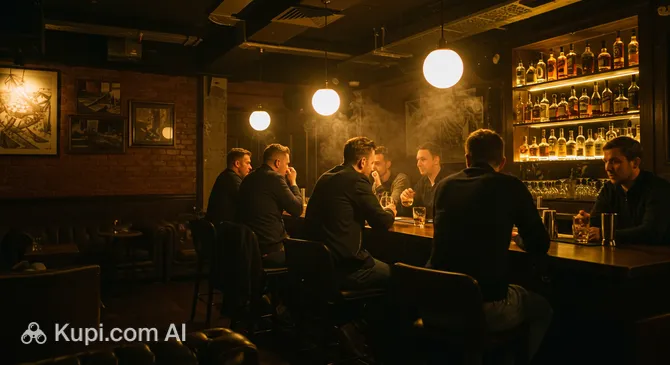
For those looking for a classic rock vibe and a cozy setting, the Dillon Whiskey Bar is a legendary spot on Laugavegur. Housed in a historic timber building, it is known for its extensive selection of over 170 whiskeys and its lively upper floor, which frequently hosts DJ sets and rock music. It attracts a mix of locals and tourists who appreciate a good drink and a lack of pretense.

Dillon Whiskey Bar. Source: Kupi.Binoculars

Another staple of the downtown scene is Gaukurinn, a venue celebrated for its inclusive and alternative spirit. It is a hub for the LGBTQ+ community and fans of underground music, regularly hosting live bands, drag shows, and comedy nights. If you prefer a more relaxed evening with a view, many visitors head to the harbor area, where the mood is slightly more laid-back but equally welcoming.

While the nights are for partying, the city offers plenty of entertainment during the day as well. Interactive experiences have become very popular, such as FlyOver Iceland, which uses state-of-the-art technology to simulate the feeling of soaring over the island’s glaciers and volcanoes. For music history buffs, the quirky The Icelandic Punk Museum, located in a former underground public toilet, offers a fascinating look at the country's punk roots.

When enjoying a night out, safety is rarely a concern; Reykjavik is one of the safest cities in the world, and walking home or to your hotel is generally fine. However, always be mindful of icy streets in winter. Taxis are available 24/7 at designated ranks downtown (such as at Lækjartorg square), but they can be expensive. Since rideshare apps like Uber do not operate here, sticking to the walkable city center or using local taxi companies like Hreyfill is the best way to get around.

Parks & Museums

Parks & Museums:

Reykjavik is a city where the boundaries between urban life and nature are beautifully blurred, offering visitors a wealth of green spaces and cultural institutions that celebrate the island's unique heritage. Whether you are looking to stroll along a rugged coastline, admire modernist art, or learn about the giants of the sea, the capital provides ample opportunities to explore both the outdoors and the creative spirit of Iceland.

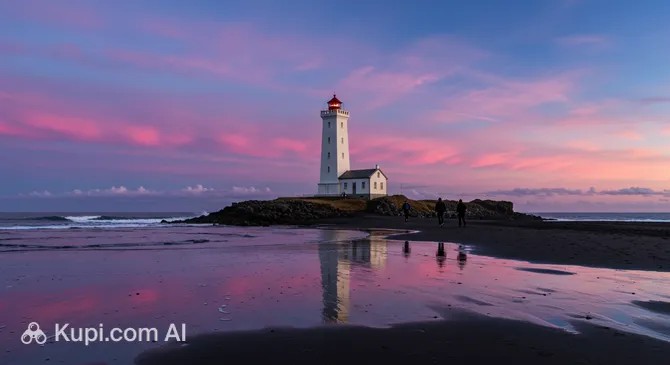
For a refreshing escape into nature without leaving the city limits, a visit to the Grótta Lighthouse is a must. Located on the tip of the Seltjarnarnes peninsula, this nature reserve is a favorite spot for locals to enjoy sunset walks, birdwatching, and, in winter, undisturbed views of the Northern Lights. The area is connected to the mainland by a narrow spit of land that is submerged at high tide, so visitors should check the tide tables before walking out to the lighthouse itself.

Grótta Lighthouse. Source: Kupi.Binoculars

Families and animal lovers will find the Reykjavík Park and Zoo (Húsdýragarðurinn) to be a delightful destination. Situated in the recreational valley of Laugardalur, this facility focuses on Icelandic farm animals, including the famous settlement horses, as well as wild native species like Arctic foxes, minks, and seals. It is more than just a zoo; it serves as an educational center and a family park with rides, making it a lively spot on weekends.

When it comes to art, the city boasts impressive venues that are often set within beautiful surroundings. The Reykjavík Art Museum – Kjarvalsstaðir is a prime example, located in the middle of Klambratún Park. This building is a masterpiece of Nordic modernism and is dedicated primarily to the works of Jóhannes S. Kjarval, one of the nation's most beloved painters. Its floor-to-ceiling windows connect the art inside with the peaceful parkland outside, creating a serene atmosphere for appreciation.

To understand the sheer scale of the marine life inhabiting the surrounding waters, travelers should head to the harbor area to visit Whales of Iceland. This exhibition features life-sized models of the 23 whale species found in Icelandic waters, hanging from the ceiling in an ambient, underwater-like setting. It provides a unique perspective on these gentle giants that is impossible to get even on a whale-watching tour.

For a truly unique cultural experience, seek out the Ásmundur Sveinsson Sculpture Museum. Housed in a distinctive white dome-shaped building designed by the artist himself, the museum is surrounded by a sculpture garden that is free to the public. It is a hidden gem where you can admire monumental figures inspired by folklore and nature, offering a quiet moment of reflection away from the busier downtown streets.

Getting Around

Public transport in Reykjavik is efficient, reliable, and primarily based on a comprehensive bus network known as Strætó. Unlike many other European capitals, the city does not have a metro, tram, or train system, so the distinctive yellow buses are the main way to get around for those not driving. The network covers the entire Capital Region, making it easy to reach suburban areas, swimming pools, and trailheads that are further from the city center.

For payment, the system has moved largely towards digital solutions. The most convenient way to pay is by downloading the official Klapp app (Klappið), which allows you to buy single tickets or period passes directly on your smartphone. Upon boarding, you simply scan the QR code displayed on your phone against the scanner near the driver. If you prefer physical media, you can purchase paper tickets or rechargeable Klapp smartcards at selected convenience stores and gas stations. While you can pay with cash on the bus, drivers do not give change, so you must have the exact fare ready.

A single bus ticket is valid for 75 minutes, allowing for unlimited transfers within that timeframe. If you are using the app, the countdown begins when you activate the ticket. Buses typically run from around 6:30 AM until midnight on weekdays, with slightly later start times on weekends. On Friday and Saturday nights, a special night bus service operates to help partygoers get home safely from the downtown area.

Tourists planning to do a lot of sightseeing should consider the Reykjavik City Card. This pass offers unlimited free travel on the Strætó bus system within the capital area, along with free entry to many museums and thermal pools. It is a cost-effective option for visitors who want to maximize their experience without worrying about individual transport fares.

For alternatives to the bus, electric scooters have become incredibly popular. Rental services like Hopp have scooters scattered all over the city; you simply unlock them with an app and ride. They are perfect for short trips across the compact downtown area. Taxis are available and safe but can be quite expensive. It is important to note that ride-sharing services like Uber or Lyft do not operate here, so you will need to rely on local taxi companies, which can be booked via phone or their own apps.

Finally, for a unique transport experience, you can take the ferry to Viðey Island. Departing from the Old Harbour or Skarfabakki pier, this short boat ride transports you to a peaceful island known for its history, hiking trails, and the Imagine Peace Tower. It is a scenic addition to the public transport network that doubles as a lovely excursion.

Accommodation

Finding the perfect place to stay in Reykjavik is straightforward, as the city offers a diverse range of accommodation options to suit various travel styles and budgets. While the capital is known for being a relatively expensive destination, visitors can choose from high-end luxury hotels, stylish boutique guesthouses, lively hostels, and comfortable private apartments. The standard of quality is generally very high, with clean, modern facilities being the norm across the board.

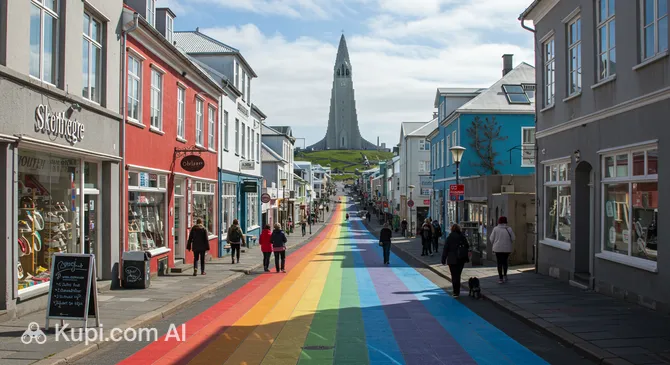
For most travelers, the best area to stay is in the downtown district, commonly referred to by its postal code, 101 Reykjavik. This area encompasses the heart of the city, placing you within walking distance of major museums, restaurants, and nightlife. Staying near the main shopping artery, Laugavegur, or the vibrant Rainbow Street (Skólavörðustígur) ensures that you are never far from the action. This central location is particularly convenient in winter, as you won't have to travel far to find a warm café or a good meal.

Rainbow Street (Skólavörðustígur). Source: Kupi.Binoculars

Another popular neighborhood is the Old Harbour area and the growing district of Grandi. These spots are perfect for those who want to be close to the sea and attractions like the Harpa Concert Hall, offering a slightly more industrial-chic vibe. For budget-conscious travelers, the city has several high-quality hostels and a large, well-equipped campsite in Laugardalur, which is open year-round, though camping outside designated areas is strictly prohibited.

Booking Tip: Accommodation in Reykjavik fills up incredibly fast, especially during the peak summer months (June to August) and the holiday season. It is highly recommended to book your room several months in advance to secure your preferred dates and better rates. If you are visiting to see the Northern Lights in winter, early booking is just as important, as the city is a popular base for winter tours.

Regarding costs, be prepared for prices that are higher than the European average. Luxury and mid-range hotels can be quite pricey, while guesthouses with shared facilities offer a more affordable alternative. Booking is most commonly done through major online travel platforms, but checking directly with smaller guesthouses can sometimes yield special offers. Regardless of where you choose to stay, the compact nature of the city means you will likely be well-connected to everything this unique capital has to offer.

Nearby Cities

For those looking to explore the surroundings, Reykjavik serves as an excellent base for day trips to several interesting nearby locations. Just a short drive from the capital, visitors can discover charming towns that offer a different pace of life, unique cultural attractions, and stunning coastal views.

Located just south of the city, Hafnarfjordur is often called the "Town of the Elves" due to local folklore claiming that the "Hidden People" live in the lava rocks scattered throughout the area. It features a beautiful harbor, a vibrant arts scene, and the Viking Village, which hosts a popular annual festival. It is an ideal spot for a relaxing afternoon stroll along the waterfront or a visit to the local museum.

Another fascinating destination is Keflavik, situated on the Reykjanes Peninsula. While best known for its international airport, the town has much more to offer, including the Icelandic Museum of Rock 'n' Roll and Viking World, home to a magnificent replica of a Viking ship. The surrounding landscape is rugged and dramatic, showcasing the raw volcanic nature of the island.

Kópavogur, the country's second-largest municipality, sits immediately adjacent to Reykjavik. It is known for its distinctive church with varied arches and the Gerðarsafn Art Museum, which focuses on modern and contemporary art. Recently, it has become a hotspot for wellness travelers thanks to the Sky Lagoon, a geothermal spa that offers an infinity edge overlooking the North Atlantic.

City Population Distance (km)
Kópavogur 34140 4
Hafnarfjordur 29974 9
Borgarfjörður Eystri 20000 167
Keflavik 16463 34
Gardabaer 16299 6

These nearby destinations offer a glimpse into the diverse culture and landscapes of the region.

Shopping & Souvenirs

Shopping in Reykjavik is a delightful experience that focuses more on quality and uniqueness than on mass consumption. While you will find international brands, the real charm lies in the local boutiques, design shops, and galleries that showcase the creativity of Icelandic culture. The city is particularly renowned for its world-class outdoor gear, Nordic design homeware, and, of course, the famous Icelandic wool products that are essential for the local climate.

The heart of the shopping scene beats along Laugavegur, the main commercial street in downtown. This walkable strip is lined with an eclectic mix of souvenir shops, high-end fashion boutiques, and vintage stores. Branching off from it is the picturesque Rainbow Street (Skólavörðustígur), which is the go-to destination for art lovers and those seeking high-quality local crafts. Here, you can find hand-knitted goods, ceramics, and jewelry made from lava rock, all while enjoying the view leading up to the Hallgrímskirkja church.

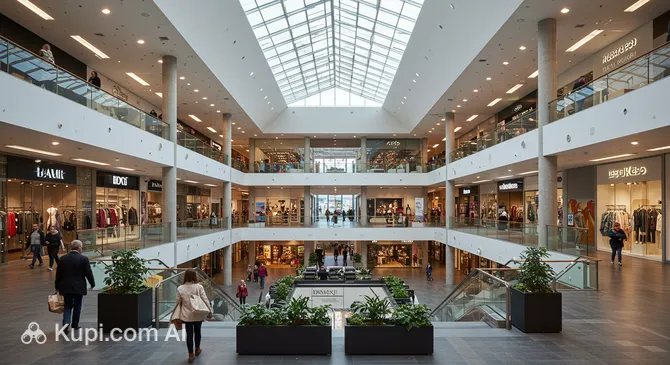
For those who prefer a modern indoor shopping experience, the city and its surroundings offer excellent malls. Kringlan is the largest shopping center within Reykjavik itself, housing over 150 shops, a cinema, and a variety of restaurants. It is a convenient place to find everything from fashion to electronics under one roof. Further out, in the neighboring municipality, you will find Smáralind, the biggest mall in the country, which offers a vast selection of international retailers and entertainment options.

Kringlan. Source: Kupi.Binoculars

If you are hunting for a bargain or a truly authentic experience, head to the Kolaportið Flea Market located near the old harbor. Open only on weekends, this indoor market is a treasure trove of vintage clothing, books, and antiques. It is also the best place to buy a hand-knitted lopapeysa (wool sweater) directly from the locals who made them, often at a better price than in high-street souvenir shops. The food section offers a taste of traditional delicacies, including dried fish and fermented shark.

When it comes to souvenirs, the most iconic item to bring home is undoubtedly the lopapeysa. These sweaters are not only stylish but incredibly warm and water-repellent. Other popular gifts include skincare products made with silica and algae from the Blue Lagoon, artisan sea salt blends, and jewelry incorporating distinctive Icelandic stones. Design lovers will also appreciate the minimalist Nordic aesthetic found in local home decor items.

Most shops in the city center are open from 10:00 AM or 11:00 AM until 6:00 PM on weekdays, with shorter hours on weekends. Thursdays and Fridays often see extended opening times in the malls. Payment is incredibly easy, as Iceland is almost entirely a cashless society. Credit and debit cards, as well as mobile payments like Apple Pay, are accepted virtually everywhere, even for small purchases at market stalls.

International visitors can take advantage of the Tax-Free shopping scheme. If you spend a certain minimum amount (typically 12,000 ISK) on a single receipt in a store displaying the "Tax Free" sign, you can claim a refund of the VAT (usually around 14%) upon departure. Be sure to ask the shop staff for a tax refund form at the time of purchase and present your goods, form, and passport at the customs point at Keflavik Airport before you leave.

Nearby cities

Reached the end of the page?

That means the route is fully explored