Support

Agatti

About

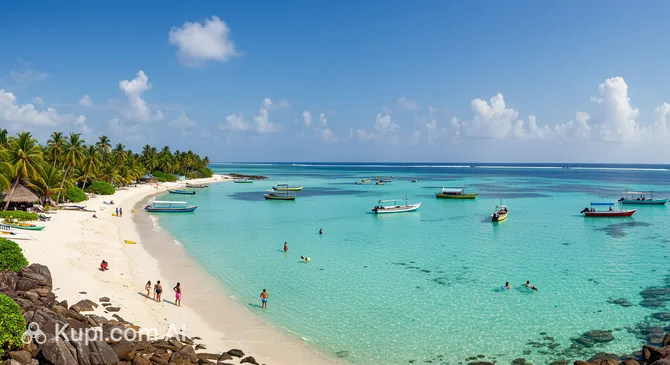
Agatti Island is a stunning jewel in the Lakshadweep archipelago, offering a slice of tropical paradise to travelers seeking serenity and natural beauty. As one of the few inhabited islands in this union territory of India, it is renowned for its breathtaking coral reefs, turquoise blue lagoons, and pristine white sand beaches that stretch as far as the eye can see.

Agatti. Source: Kupi.Binoculars

Geographically, the island is a narrow strip of land, approximately 7.6 kilometers long, surrounded by the vast expanse of the Arabian Sea. Its tropical climate ensures warm and pleasant weather year-round, making it an ideal destination for sun-seekers. While the history of Agatti is deeply intertwined with the ancient maritime traditions of the region, today it stands primarily as a haven for eco-tourism and peaceful relaxation.

Visitors are often captivated by the rich marine life visible through the crystal-clear waters. The island is a premier hotspot for water sports, including snorkeling, scuba diving, and kayaking, allowing tourists to explore the vibrant underwater world up close. Another unique feature is the Agatti Aerodrome, which offers a spectacular landing experience as the airstrip appears to float on the ocean surface, providing a dramatic welcome to this island retreat.

Whether you are looking to unwind under the swaying coconut palms or embark on an aquatic adventure, Agatti promises an unforgettable escape. It serves as the perfect gateway to explore the untouched beauty of the Lakshadweep islands, inviting you to experience nature in its purest form.

Weather Overview

Agatti enjoys a tropical climate characterized by steady warmth and distinct seasonal changes in rainfall. The island maintains a consistent temperature range throughout the year, generally staying between 26°C and 29°C. Travelers can expect warm conditions regardless of when they visit, with the hottest months being April and May. For specific forecasts and seasonal trends, you can consult the weather in Agatti page.

The early part of the year, specifically from January to April, constitutes the dry season. During these months, rainfall is virtually non-existent (0mm to 1mm), and there are very few wet days, making it an excellent time for outdoor activities. April sees the temperature rise slightly, reaching an average of around 28.8°C.

The weather pattern shifts significantly starting in May, leading into a period of frequent precipitation. June is typically the wettest month in terms of frequency, recording up to 27 wet days. This trend of regular rainfall continues through October, before the skies begin to clear up again in November and December.

Interesting Facts

Beyond its reputation as a tropical gateway, Agatti holds several intriguing characteristics that set it apart from typical beach destinations. This narrow strip of land is not just a transit point but a location defined by unique geographical and administrative quirks.

  • A runway on the water: Agatti Airport is home to one of the most scenic runways in the world. The airstrip is built on a narrow sliver of land that juts out into the ocean, creating the thrilling optical illusion that your plane is landing directly on the turquoise waters of the Arabian Sea.

  • Strict entry regulations: Unlike most tourist destinations in India, you cannot simply book a flight and arrive here. Agatti falls under a protected zone, requiring a special entry permit for all visitors, including Indian citizens. This regulation helps preserve the island's fragile ecology and cultural heritage.

  • Lagoon larger than land: The island is a geographical marvel where the water dominates the land. The total land area of Agatti is only about 3.84 square kilometers, whereas its stunning lagoon covers approximately 17.5 square kilometers—nearly five times the size of the island itself.

  • A dry island: Travelers looking for a tropical cocktail should be aware that Agatti follows strict prohibition laws. The sale and consumption of alcohol are banned on the island to respect local customs, with the nearby Bangaram Island being the only exception in the region where it is permitted.

  • Sustainable fishing hub: Fishing is the primary industry here, but it is done with a unique traditional method. The local fishermen are renowned for using the "pole and line" technique for catching tuna, a sustainable practice that avoids bycatch and protects the marine ecosystem, setting a global example for eco-friendly fishing.

How to Get There

Reaching this tropical paradise is an exciting part of the journey, with air travel being the most convenient and popular option. As the gateway to the Lakshadweep archipelago, the island is well-connected to the mainland, specifically via Kochi (Cochin). For a detailed overview of all travel options, including sea routes and permits, you can read more about how to get to Agatti.

The island is served by its own domestic hub, Agatti Island Airport (AGX), which is renowned for its scenic location on a narrow strip of land surrounded by turquoise waters. It is situated approximately 4.2 km from the main town center. Flights typically operate from Kochi, making it the primary transit point for international and domestic travelers. Upon arrival, the transfer to the town center or nearby resorts is quick and easy; the journey takes about 26 minutes by taxi or local transport. As the only airstrip in the archipelago, Agatti Island Airport plays a vital role in local tourism, handling a regional volume of passengers looking to explore the coral islands.

For clarity, here is a summary of the main airport serving the destination:

Airport Name City Passenger Traffic Km from City
Agatti Island Airport Agatti Regional 4.2

Since Agatti is an island located in the Laccadive Sea, there is no railway connectivity. Visitors who prefer not to fly can opt for passenger ships that operate from Kochi to Agatti. These voyages offer a different experience of the Arabian Sea but take significantly longer than a flight, usually requiring an overnight journey. It is important to note that all visitors must obtain a special entry permit from the Lakshadweep Administration before traveling to the island.

Main Attractions

Agatti is a destination defined not by grand monuments or bustling theme parks, but by the raw, untouched beauty of nature. The attractions here are centered around the mesmerizing ocean, the pristine sands, and the vibrant marine life that thrives in the coral reefs. Visitors come here to disconnect from the world and immerse themselves in a tranquil aquatic wonderland.

Agatti Lagoon and Beach
The island is encompassed by a vast, shallow lagoon that is often considered one of the most beautiful in the region. The water here is so clear that the ocean floor is visible from the surface, shimmering in shades of turquoise and aquamarine. The beaches lining the lagoon feature powdery white sand and tall coconut palms, offering a picture-perfect setting for sunbathing and leisurely walks. It is the heart of the island's tourism, providing a safe and calm environment for swimming.

Kalpitty Island
Located just a short boat ride from the southern tip of Agatti, Kalpitty is a tiny, uninhabited islet that serves as a popular excursion spot. It is renowned for its scenic beauty and isolation, making it an ideal location for watching spectacular sunsets. The waters surrounding Kalpitty are also a nesting ground for sea turtles, and lucky visitors can often spot them swimming in the shallows or resting on the shore.

Scuba Diving and Snorkeling Sites
For those eager to explore beneath the waves, the coral reefs around Agatti offer a world-class diving experience. The island boasts several dive sites where the visibility is excellent, allowing divers to see a kaleidoscope of colorful fish, live coral, and other marine creatures. Even if you are not a certified diver, snorkeling in the calm lagoon provides an equally enchanting glimpse into the rich biodiversity of the Lakshadweep sea.

Golden Jubilee Museum
While nature dominates the itinerary, the Golden Jubilee Museum offers a rare cultural pause. It is the only museum on the island and provides insight into the history and traditions of the Lakshadweep people. The collection includes antique jars, wooden chests, traditional household items, and artifacts that showcase the maritime heritage of the islanders, giving tourists a deeper understanding of the local way of life.

Local Cuisine

The local cuisine of Agatti is a delightful reflection of its island geography, heavily reliant on the bounty of the Arabian Sea and the abundance of coconut palms. The food here bears a strong resemblance to the culinary traditions of Kerala, characterized by the generous use of spices and coconut, yet it maintains a distinct flavor profile unique to the Lakshadweep archipelago. Seafood lovers will find themselves in a gastronomic paradise, where the catch of the day is often transformed into a mouthwatering feast within hours of leaving the water.

Tuna is the undisputed king of the local diet and features prominently in almost every meal. One of the must-try dishes is Mus Kavaab, a spicy and savory tuna curry that is a staple in local households. Another signature preparation is Rayereha, a red tuna curry that pairs perfectly with rice or Malabar parotta. For those who prefer milder flavors, Sanath is a delicious white curry made with coconut milk and fish, offering a creamy and fragrant alternative to the spicier red curries. Vegetarians can enjoy dishes centered around beans and lentils, though the options are generally more limited compared to the seafood variety.

When it comes to beverages, the island offers the ultimate natural refresher: fresh tender coconut water. It is widely available, incredibly sweet, and the perfect way to stay hydrated in the tropical heat. Visitors should be aware that Agatti is a dry island, meaning the sale and consumption of alcohol are strictly prohibited to respect local customs. You will not find bars or liquor stores here; instead, the drink culture revolves around tea, coffee, and fresh fruit juices.

The dining scene in Agatti is modest and intimate, lacking the commercial bustle of large restaurant chains. Most tourists enjoy their meals at the island's resorts or guesthouses, which serve buffet-style spreads featuring both local specialties and standard Indian cuisine. Outside of the hotels, there are a few small local eateries and shacks where you can sample authentic homemade dishes. These spots offer a genuine taste of the island's hospitality, serving simple but flavorful meals like Biryani and fried fish straight from the pan.

Travel Tips

Planning a trip to this serene island requires a bit of preparation to ensure your tropical getaway is as smooth as the calm lagoon waters. Here is a set of practical tips to help you navigate the unique customs and logistics of visiting Agatti.

  1. Clothing and Gear: Due to the tropical climate, lightweight cotton or linen clothing is your best friend here. While swimwear is appropriate at the resort beaches, it is important to dress modestly when exploring the local villages; cover your shoulders and knees to respect local norms. Don't forget to pack high-SPF sunscreen, sunglasses, and a hat, as the sun can be quite strong. A waterproof bag for your electronics during boat rides is also highly recommended.

  2. Transportation: Agatti is a small island, and there are no public buses or trains. The most common way to get around is by auto-rickshaw, which serves as the local taxi. You can also rent bicycles to explore the island at a leisurely pace. Since the island is narrow and scenic, walking is often the most enjoyable way to see the sights.

  3. Finances: The local currency is the Indian Rupee (INR). It is crucial to carry sufficient cash with you from the mainland (Kochi), as ATMs on the island can be unreliable or run out of money. Credit cards are generally accepted only at major resorts and hotels; small shops and local eateries deal strictly in cash.

  4. Health and Safety: Agatti is a very safe destination with a low crime rate. However, medical facilities are basic, consisting mainly of a government Primary Health Center. It is advisable to bring a personal medical kit with essential prescription medicines, seasickness pills, and insect repellent. For any serious medical emergencies, evacuation to the mainland would be necessary.

  5. Communication: The primary language spoken is Malayalam, though English is understood by resort staff and many locals involved in tourism. Mobile network connectivity can be spotty; BSNL is generally the most reliable service provider here, while other private networks may have no signal at all. Wi-Fi is available at resorts but speeds can be slow, so be prepared for a digital detox.

  6. Local Etiquette: The island has a conservative culture. Always ask for permission before taking photos of the local people, especially women. Public displays of affection are frowned upon. If you are invited into a local home, remember to remove your shoes before entering.

  7. What to Avoid: Strictly avoid carrying or consuming alcohol outside of permitted zones (like Bangaram), as Agatti is a dry island and possession is a legal offense. Additionally, do not pick up corals or shells from the beach or lagoon; the ecosystem is fragile and protected by strict environmental laws.

  8. Permit Requirement: Remember that a special entry permit is mandatory for visiting Agatti. Ensure you have multiple physical copies of your permit and ID documents, as they are checked upon arrival at the airport and may be needed at your accommodation.

By keeping these simple tips in mind, you can focus entirely on soaking up the sun and enjoying the pristine beauty of the Lakshadweep archipelago. Agatti is a place to slow down and respect nature, rewarding prepared travelers with an experience of unmatched tranquility.

Entertainment & Nightlife

Travelers planning a trip to Agatti should adjust their expectations regarding nightlife before arrival. Unlike the bustling party scenes found in Goa or Thailand, Agatti is a tranquil haven that goes to sleep early. The island strictly enforces a prohibition on alcohol, meaning there are no bars, pubs, discos, or nightclubs here. The sale and consumption of liquor are banned to respect local customs and Islamic traditions, creating an atmosphere that is peaceful, family-friendly, and focused on nature rather than partying.

The evening entertainment in Agatti revolves around the mesmerizing natural beauty of the Lakshadweep archipelago. As the sun sets, the island transforms into a quiet retreat where the primary soundtrack is the rustling of palm leaves and the gentle lapping of waves. The lack of light pollution makes Agatti a world-class destination for stargazing. On clear nights, the Milky Way is often visible to the naked eye, offering a spectacular show that rivals any city entertainment.

For those seeking activity after dark, night fishing is a popular excursion organized by local resorts and boatmen. It is a thrilling experience to head out into the open sea under the moonlight, where you can try your hand at traditional fishing methods. Another magical phenomenon to look out for is the bioluminescent plankton that sometimes washes up on the shores, causing the beaches to glow with a surreal blue light—a natural "light show" that is truly unforgettable.

Social life in the evenings is concentrated within the few tourist accommodations on the island. The Agatti Island Beach Resort serves as the main social hub for visitors. Here, guests often gather at the open-air restaurant to enjoy fresh seafood dinners and share travel stories. The resort occasionally organizes beachside barbecues (non-alcoholic) and bonfires, providing a cozy and communal atmosphere. Another spot to experience a quiet evening meal is the dining area at Sea Shells Beach Resort, which offers a relaxed setting right by the water.

For a taste of local life, a walk near the Agatti Jetty in the early evening can be interesting. Small local tea stalls and snack shops operate here, serving hot tea, coffee, and local fried snacks. It is a humble but authentic way to observe the local culture, though visitors should note that these establishments close relatively early, usually by 9:00 PM or 10:00 PM.

Practical Advice and Safety:
Since the island is quiet and street lighting can be minimal in some areas, it is advisable to carry a flashlight if you plan to walk outside your resort at night. The island is extremely safe, with virtually zero crime, making night walks along the designated beach areas very secure. However, out of respect for the conservative local culture, tourists should dress modestly and avoid loud behavior in residential areas. Taxis (auto-rickshaws) are available but less frequent late at night; it is best to arrange transport through your hotel if needed.

While nightlife is subdued, the daytime offers plenty of excitement to balance your itinerary. Visitors can explore the Golden Jubilee Museum to learn about the island's maritime history or spend the day at the water sports centers engaging in kayaking, snorkeling, and glass-bottom boat rides. The contrast between the active days and the serene, star-filled nights makes Agatti a perfect destination for a digital detox and deep relaxation.

Parks & Museums

Agatti is a destination where the concept of a "park" is redefined by the landscape itself. Unlike bustling cities with manicured botanical gardens, this island offers a raw and intimate connection with nature. Here, the "green spaces" are lush coconut groves, and the recreational areas are defined by the contrasting characters of the coastline, offering visitors a unique opportunity to explore two distinct natural worlds on a single strip of land.

The Lagoon vs. The Open Sea
One of Agatti's most fascinating natural features is the dramatic difference between its western and eastern shores. On the western side, you will find the tranquil Lagoon, a vast pool of turquoise water protected by a coral reef. This area functions as a calm, natural swimming pool perfect for relaxation and water sports. In stark contrast, the eastern coast faces the Open Sea. Here, the water is a deeper blue, the shoreline is rockier, and the waves crash with more vigor. Walking from one side of the island to the other allows travelers to experience this striking geographical duality, from serene shallows to the raw power of the Indian Ocean.

The Coconut Groves
The heart of the island is dominated by dense coconut plantations that act as Agatti's central green lung. Walking or cycling through the narrow, sandy paths shaded by towering palms offers a cool and refreshing retreat from the tropical sun. These groves are not merely scenic; they are the lifeline of the local economy. Visitors can observe traditional harvesting methods in what is essentially a living, working agricultural garden, providing a peaceful atmosphere that rivals any urban park.

Desalination Plant
While not a traditional museum, the Agatti Desalination Plant is a significant technological landmark that draws the interest of eco-conscious travelers. It utilizes Low Temperature Thermal Desalination (LTTD) technology to convert seawater into potable water, a critical resource for the islanders. Viewing this facility offers a unique educational insight into how isolated island communities sustain themselves and adapt to their environment using sustainable engineering.

Eastern Jetty
For a scenic end to the day or an early start, the Eastern Jetty serves as a vital community space. Less frequented by tourists than the western beaches, this area offers an unfiltered view of the island's geography and local life. It is the premier spot to watch the sunrise or witness the stunning moonrise over the vast Arabian Sea. It is also an excellent place to watch local fishermen returning with their daily catch, offering a glimpse into the authentic maritime culture of India's smallest union territory.

Getting Around

Navigating Agatti is a refreshingly simple experience compared to the complex transit networks of major metropolitan areas. Due to the island's small size and narrow geographical layout, there is no heavy public transport infrastructure such as a metro, trams, or a public bus service. The transport system here is informal, relaxed, and perfectly suited to the slow pace of island life.

The primary mode of motorized public transport is the auto-rickshaw. These three-wheeled vehicles serve as the local taxis and are readily available at key transit points like the airport and the jetty. They are the lifeline of local mobility, shuttling both residents and tourists between the resorts, the main town, and the beaches. Since the island is only about 7 kilometers long, a trip from one end to the other is quick and offers scenic views of the coastline along the way.

When it comes to payment, cash is the only accepted method. There are no travel cards, digital ticketing systems, or transport apps like Uber or Ola operating on the island. Visitors should ensure they carry sufficient local currency in smaller denominations, as drivers may not always have change for large notes. Fares are generally modest and standard for specific distances, but it is always good practice to confirm the price with the driver before starting your journey.

For a more immersive experience, bicycles are a highly popular alternative among tourists. Many resorts and local guesthouses offer bike rentals, allowing visitors to explore the coconut groves and coastal roads at their own leisure. Given the flat terrain and lack of heavy traffic, cycling is a safe, eco-friendly, and enjoyable way to discover the hidden corners of the island.

Walking is also a viable and pleasant option for getting around specific neighborhoods. However, since street lighting can be minimal in certain stretches, tourists are advised to plan their movements primarily during daylight hours. If you need to travel after sunset, it is recommended to arrange an auto-rickshaw through your hotel or resort reception to ensure a reliable ride back to your accommodation.

Accommodation

Finding accommodation in Agatti is a unique experience compared to other popular tourist destinations. The options here are quite limited, reflecting the island's commitment to preserving its fragile ecology and maintaining a peaceful atmosphere. Travelers will not find high-rise international hotel chains or sprawling luxury complexes. Instead, the accommodation landscape is dominated by a few eco-friendly resorts, beach cottages, and government-approved guesthouses that focus on simplicity and proximity to nature.

Given the island's narrow geography—it is only a few hundred meters wide at many points—location is never an issue. Almost every place to stay is located directly on the beach or within a very short walk of the water. The most desirable areas are situated along the western coastline, facing the calm lagoon. Staying here offers immediate access to the white sandy beaches and the mesmerizing turquoise waters, making it convenient for swimming and sunbathing right outside your door. The proximity to the airport is also a major advantage, as transfers to any resort on the island typically take less than 20 minutes.

The most well-known establishment on the island is the Agatti Island Beach Resort. It is often the primary choice for visitors, offering cottages that face the sea and providing a gateway to various water sports activities. Another popular option is Sea Shells Beach Resort, which offers a more intimate, homestay-like atmosphere. These properties generally provide air-conditioned rooms and essential amenities, but visitors should expect rustic charm rather than ultra-modern luxury.

Securing your accommodation well in advance is not just a recommendation; it is a necessity. A confirmed hotel booking is a mandatory requirement for obtaining the entry permit needed to visit Lakshadweep. You cannot simply arrive on the island and look for a room. It is highly advisable to book your stay at least two to three months prior to your trip, especially if you plan to visit during the peak season from October to May.

Due to the limited inventory and high demand, prices in Agatti tend to be in the mid-range to high bracket. Budget backpacker hostels are virtually non-existent. Booking is typically done through authorized travel agents or the government-run SPORTS (Society for Promotion of Nature Tourism and Sports) website. These packages often include the entry permit processing, meals, and transfers, offering a hassle-free way to manage the logistics of your island getaway.

Nearby Cities

For those looking to explore the surroundings, Agatti serves as an excellent base for day trips to several interesting nearby locations. While the island is geographically isolated in the Laccadive Sea, short boat excursions to neighboring uninhabited islets offer a chance to experience the pristine diversity of the archipelago.

Bangaram Island is the most sought-after destination for a day trip from Agatti. Located approximately 45 minutes away by speed boat, this uninhabited island is famous for its breathtaking coral reefs and bioluminescent plankton that lights up the beach at night. Unlike Agatti, alcohol is permitted on Bangaram, making it a popular spot for international tourists seeking a relaxed tropical atmosphere alongside unparalleled snorkeling opportunities.

Thinnakara Island, situated just across the lagoon from Bangaram, offers a more rugged and secluded experience. It is a haven for nature lovers, particularly known for the sea turtles that can often be seen swimming in its crystal-clear waters. The island's vast, shallow lagoon is perfect for kayaking and swimming, providing a tranquil escape where the only footprints in the sand are likely to be your own.

While true day trips are limited to the immediate coral islands, the following cities on the mainland serve as the closest major urban centers and gateways to the archipelago:

City Population Distance (km)
Ullal 65,861 362
Kannur 232,486 365
Taliparamba 67,441 369
Mangalore 623,841 369
Thalassery 99,386 373

These nearby destinations offer a glimpse into the diverse culture and landscapes of the region, acting as perfect cultural extensions to a beach holiday in Lakshadweep.

Shopping & Souvenirs

General Overview
Shopping in Agatti is a modest and low-key affair, reflecting the simple island lifestyle of Lakshadweep. Travelers should not expect high-end boutiques, luxury brands, or sprawling retail complexes. Instead, the shopping scene here is focused on daily essentials and unique local products. It is an experience best suited for those looking to buy authentic, locally made items rather than mass-produced goods. The charm lies in interacting with friendly local shopkeepers and discovering the limited but distinct offerings of the island.

Main Shopping Areas/Streets
The commercial activity on the island is concentrated along the main road that connects the airport to the village, particularly in the vicinity of the Agatti Jetty. This area serves as the island's primary hub, where you will find small roadside shops, grocery stores, and stalls selling basic necessities. A stroll down this strip offers a glimpse into the daily life of the islanders, with shops often doubling as social gathering spots.

Shopping Malls
It is important for tourists to know that there are no shopping malls or department stores in Agatti. The island's infrastructure is designed to support eco-tourism and the local community, keeping commercialization to a minimum. If you require specialized trekking gear, electronics, or specific fashion items, it is highly advisable to purchase them on the mainland in cities like Kochi before traveling to the island.

Markets
While there are no large organized tourist markets, the local fish market is a vibrant spot worth visiting to witness the island's maritime culture. Here, you can see the fresh catch of the day, primarily tuna, being brought in by the fishermen. For general shopping, small "supermarkets" (which are essentially larger convenience stores) in the village center stock snacks, beverages, and toiletries. These markets are functional rather than decorative, catering primarily to the needs of the residents.

Souvenirs
The best souvenirs from Agatti are edible ones. The island is famous for its tuna pickle, a spicy and savory local delicacy that is highly recommended for seafood lovers. You can also find high-quality organic coconut oil and coconut powder, given the abundance of palm groves. Important Warning: Visitors strictly must not buy, collect, or transport coral, shells, or any marine artifacts. The possession and transport of these items are illegal under strict environmental protection laws, and airport security conducts thorough baggage checks.

Opening Hours and Payment
Shops in Agatti typically open around 9:30 AM and close by 8:00 PM or 9:00 PM. However, it is common for businesses to close for a few hours in the afternoon, between 1:00 PM and 4:00 PM, for a siesta. Additionally, since the island has a predominantly Muslim population, many shops may remain closed or have restricted hours on Fridays. Cash is the absolute rule here; credit and debit cards are rarely accepted in small shops, so ensure you carry sufficient Indian Rupees (INR) in smaller denominations.

Tax-Free
There is no tax-free shopping or VAT refund scheme available for tourists in Agatti. The prices are generally fixed, and while polite bargaining might be possible in small stalls, it is not a widespread practice given the reasonable pricing of local goods.
Reached the end of the page?

That means the route is fully explored