Support

Belagavi

About

Nestled in the foothills of the Western Ghats, Belagavi is a captivating destination that offers a unique blend of natural beauty and cultural diversity. Located in the state of Karnataka, this bustling city serves as a vibrant commercial hub while retaining a serene atmosphere that charms every visitor. As you explore this part of India, you will discover a place where ancient traditions seamlessly coexist with modern development, creating a rich tapestry of experiences for travelers.

Geographically, the city is blessed with a cool and pleasant climate throughout the year, making it a refreshing escape from the heat often found in the surrounding plains. With a population of nearly half a million, it is lively enough to offer excellent amenities yet remains approachable and easy to navigate. The lush green surroundings, rolling hills, and abundant vegetation provide a picturesque backdrop to the urban landscape, earning it a reputation for scenic beauty.
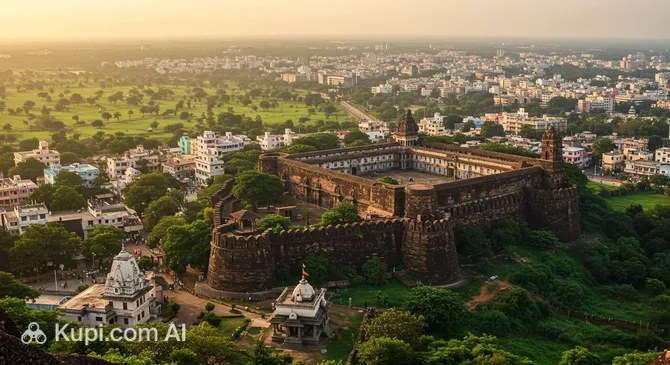
Belagavi. Source: Kupi.Binoculars

The history of Belagavi is deeply etched into its architecture and monuments, reflecting the influence of various dynasties over the centuries. One of the city's most prominent landmarks is the ancient Belgaum Fort, a massive structure that houses shrines of different faiths, including the intricate Kamal Basti Jain temple. Beyond its heritage, the region is a gateway to natural wonders like the majestic Gokak Falls, often compared to Niagara Falls for its impressive horseshoe-shaped drop.

Whether you are here to savor the famous local sweet, Kunda, or to wander through its verdant parks, the city promises a memorable experience. Its strategic location near the borders of neighboring states adds to its eclectic cultural vibe, offering a mix of languages, cuisines, and customs. Belagavi is truly a hidden gem waiting to be explored, perfect for those seeking a harmonious mix of heritage, nature, and relaxation.
Weather Overview

Belagavi is known for its moderate and generally pleasant climate, which serves as a refreshing change from the tropical heat typical of the region. The weather in Belagavi is influenced by its elevation, resulting in mild winters and warm summers. Visitors can expect a pattern of warm, sunny days in the earlier part of the year, followed by a prolonged period of frequent showers during the monsoon season.

The summer season, particularly April, brings the warmest temperatures, with averages around 28.0°C and maximum highs reaching 34.2°C. As May approaches, the heat persists, but the number of wet days begins to increase. From June through September, the city experiences its monsoon phase; July is notably the wettest month in terms of frequency, recording precipitation on up to 31 days, while average temperatures cool down to approximately 22.8°C.

Winter offers the driest and most comfortable conditions for travel, spanning from December to February. During January, the coolest month, average temperatures sit at a pleasant 22.6°C, with nighttime minimums dropping to 16.5°C. This season sees almost no rainfall, with clear skies and maximum temperatures comfortably reaching around 28.7°C to 30.9°C, making it an ideal time for exploration.

Interesting Facts

Beyond the main attractions, Belagavi holds many fascinating secrets that reveal its historical depth and cultural significance. From pivotal moments in the nation's freedom struggle to ancient etymological roots, the city offers curious travelers plenty of unique stories to discover.
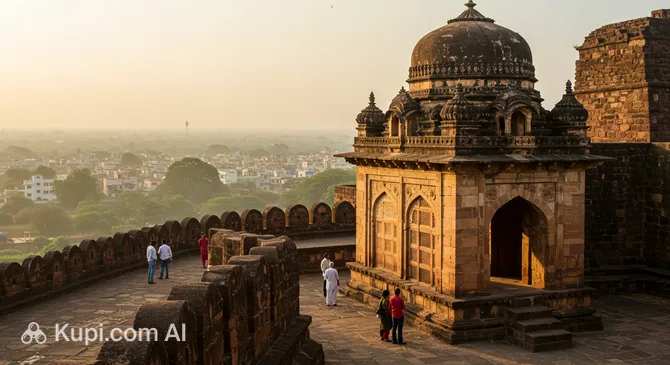
Belgaum Fort. Source: Kupi.Binoculars
  • Belagavi holds a distinct place in Indian history as the only city to have hosted a session of the Indian National Congress presided over by Mahatma Gandhi. This historic event took place in 1924 and remains a point of great pride for the locals.

  • The ancient Belgaum Fort is a remarkable symbol of religious coexistence, uniquely housing both Hindu shrines and mosques within its massive oval stone ramparts.

  • Centuries ago, the city was known by the name "Venugrama," which translates to "Bamboo Village." This title was a nod to the dense bamboo forests that once characterized the region's landscape.

  • The Ramakrishna Mission Ashrama stands on the site where the spiritual leader Swami Vivekananda stayed for nine days in 1892. The structure has been preserved to honor his visit before he departed for his famous speech in Chicago.

How to Get There

Reaching this vibrant city in Karnataka is quite convenient thanks to its good connectivity with major Indian hubs. Whether you prefer flying or taking a scenic route by land, there are several options available for travelers. For a detailed breakdown of routes and transport modes, you can read more about how to get to Belagavi to plan your journey effectively.

The most direct way to arrive is by flying into Belgaum Airport (IXG), which serves the city and the surrounding region. Situated approximately 13 km from the city center, it is a domestic airport with regular connections. A taxi or shuttle from the airport to the downtown area typically takes around 40 minutes, depending on traffic. It handles a moderate volume of passengers annually, ensuring essential facilities for visitors.

Alternatively, you can fly into Hubli Airport (HBX), located in the neighboring city of Hubli-Dharwad. This airport is about 83 km away from Belagavi. The drive from Hubli to Belagavi takes approximately 2.5 hours by taxi or bus. Another feasible option is the Kolhapur airport (KLH) in Kolhapur, situated roughly 93 km away, with a travel time of nearly 3 hours by road.

For clarity, here is a summary of the main airports:

Airport Name City Passenger Traffic Km from City
Belgaum AirportBelagaviMedium13.0
Hubli AirportHubli-DharwadMedium83.0
KolhapurKolhapurSmall92.9
Jindal VijaynagarVidyanagarSmall240.5
Sindhudurg-ChipiMalvanSmall104.0

Besides air travel, Belagavi is well-connected by an extensive rail network. The city's main railway station links it to major metropolitan areas such as Bengaluru, Mumbai, Pune, and Goa. Traveling by train offers a comfortable and often scenic journey through the diverse landscapes of the region. Additionally, the city is accessible by road via a network of national highways, making bus travel or driving a viable option for those coming from nearby states.

Main Attractions

Belagavi is a treasure trove of historical landmarks and spiritual sanctuaries, offering visitors a glimpse into its rich heritage. The city's attractions range from ancient fortifications to serene temples, each telling a story of the diverse cultures that have flourished here over the centuries.

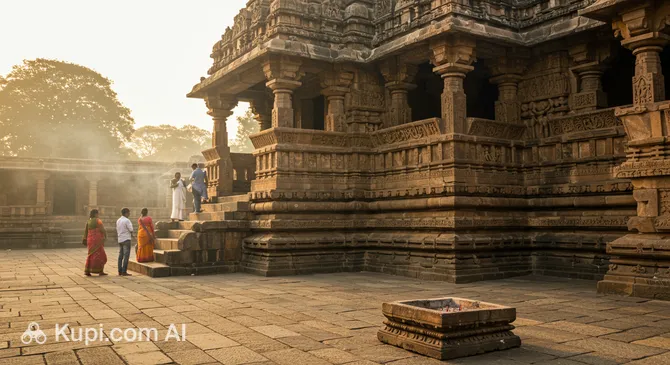
Standing as a testament to the city's strategic importance is the majestic Belgaum Fort. Built in the 12th century, this expansive fortification is surrounded by a deep moat and massive stone ramparts. It is a fascinating place for tourists not only for its military architecture but also for the harmony it represents; inside the walls, you will find Hindu shrines and mosques coexisting peacefully. A walk through the fort offers a journey back in time, revealing the architectural prowess of past dynasties.

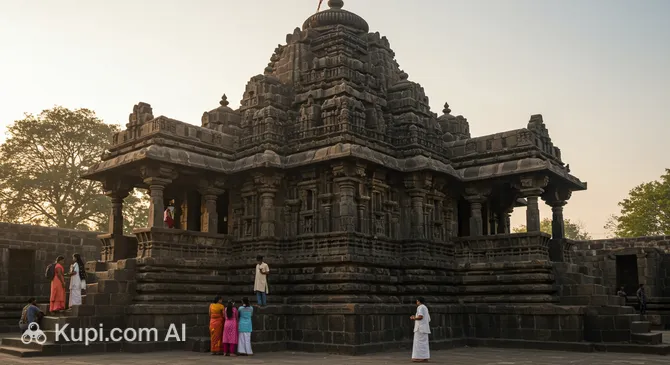
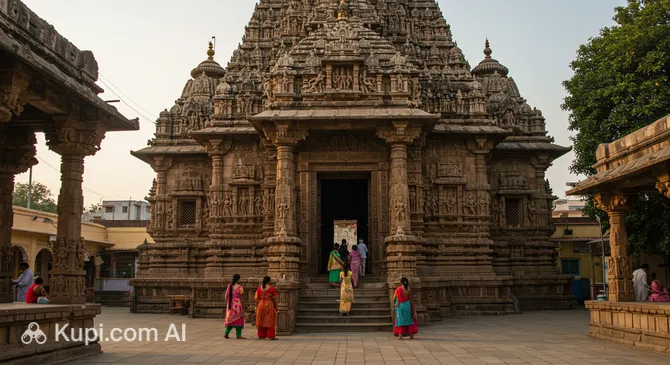
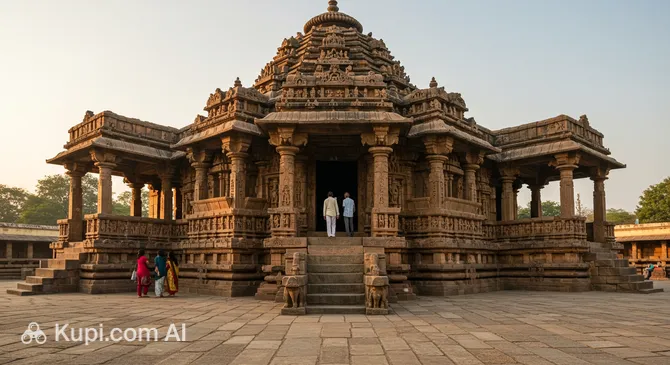
Located within the fort complex is the exquisite Kamala Basadi, a Jain temple dating back to 1204 AD. Constructed in the Chalukyan style, this architectural gem is renowned for its intricate carvings and a stunning idol of Neminatha carved from black stone. The temple's ceiling features a masterful lotus carving, projecting from the center, which captivates art lovers and history buffs alike. Its peaceful ambiance makes it a perfect spot for quiet reflection amidst historical grandeur.

Kamala Basadi. Source: Kupi.Binoculars

For those seeking spiritual solace, the Shree Kapileshwara Temple is a must-visit destination. Often referred to as the "Dakshin Kashi" or the Kashi of the South, it is one of the oldest and most revered temples in the city. Dedicated to Lord Shiva, the temple is believed to have a self-manifested lingam. The complex is always buzzing with devotion, especially during the festival of Mahashivaratri, offering tourists a chance to witness vibrant local traditions and rituals.

Shree Kapileshwara Temple. Source: Kupi.Binoculars

Another unique spiritual site is the Military Shri Mahadev Temple, which is maintained by the Indian Army. Known for its impeccable cleanliness and disciplined environment, this temple is set amidst a lush, well-manicured garden. The main attraction is the beautiful black stone structure dedicated to Lord Shiva. The serene atmosphere, combined with the park-like setting, makes it an ideal location for families and nature lovers to enjoy a calm evening.

Military Shri Mahadev Temple. Source: Kupi.Binoculars

Local Cuisine

The local cuisine of Belagavi is a delightful gastronomic journey that reflects its unique geographical position on the border of Karnataka and Maharashtra. This location has created a fusion of flavors, offering tourists a diverse palette that ranges from spicy North Karnataka curries to distinct Maharashtrian sweets. The food culture here is vibrant and unpretentious, deeply rooted in the use of fresh, local ingredients.

No trip to the city is complete without tasting its most famous culinary treasure, Kunda. This sweet delicacy is made from thickened milk, sugar, and spices, slow-cooked to perfection until it achieves a rich, granular texture. It is so iconic that it is often the primary souvenir visitors take home. Another traditional sweet to look out for is Mandige (or Mande), a crepe-like dessert consisting of thin layers of dough filled with sugar and ghee, often enjoyed during weddings and festivals.

On the savory side, the staple meal revolves around Jolada Rotti, a nutritious unleavened bread made from sorghum. It is typically served with a variety of accompaniments such as Enne Gai (stuffed eggplant curry), spicy pulse curries, and an assortment of chutneys and pickles. This wholesome meal, often found in local "Khanavalis" (traditional vegetarian messes), offers an authentic taste of the region's agricultural heritage.

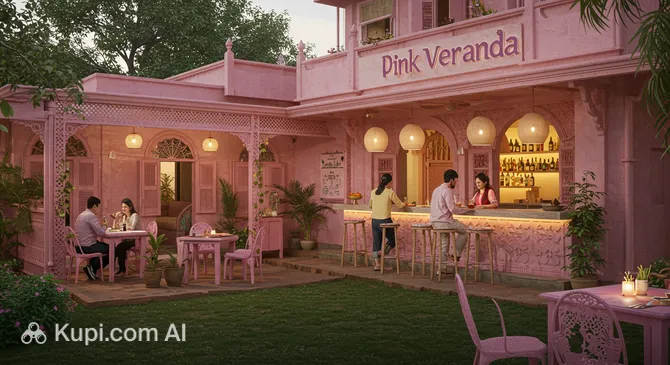
Pink Veranda. Source: Kupi.Binoculars

When it comes to dining out, the city offers a mix of bustling street food stalls and comfortable restaurants. Locals love to gather at popular food streets to enjoy spicy snacks like Mirchi Bajji (chili fritters). For a more relaxed dining experience where you can explore a broader menu, places like Pink Veranda provide a welcoming atmosphere for families and travelers alike.

To quench your thirst, fresh sugarcane juice is the quintessential local drink, available at numerous stalls across the city thanks to the abundant sugarcane fields in the district. It is often served with a dash of ginger and lemon for a refreshing kick. For those looking for evening relaxation and modern beverages, the city's evolving nightlife scene offers spots like Brew 59, where one can unwind after a day of sightseeing.

Travel Tips

Welcome to Belagavi! To ensure your journey through this culturally rich city in the foothills of the Western Ghats is as smooth and enjoyable as possible, we have compiled a set of essential travel tips. These practical insights will help you navigate the local customs, climate, and logistics, allowing you to focus on soaking in the beauty of the region.

  1. Clothing and Gear: Since Belagavi enjoys a moderate climate, light cotton clothing is suitable for most of the year. However, if you are visiting between November and February, bring a light jacket or sweater, as mornings and evenings can be quite cool. During the monsoon season (June to September), a sturdy umbrella or raincoat is indispensable. For visits to religious sites like the Kapileshwara Temple, dress modestly by covering your shoulders and knees, and wear comfortable slip-on shoes, as footwear must be removed before entering.
  2. Transportation: The most convenient way to navigate the city is by using auto-rickshaws, which are ubiquitous and perfect for short distances. While some drivers use meters, it is often common practice to negotiate and agree on the fare before starting your ride. City buses run by NWKRTC connect major areas, but they can be crowded. For a more comfortable experience, you can hire a private taxi for day trips to nearby attractions like Gokak Falls.
  3. Finances: The local currency is the Indian Rupee (INR). While credit and debit cards are widely accepted at hotels, larger restaurants, and supermarkets, cash is still king for smaller transactions. You will need small denominations for auto-rickshaws, street food vendors, and local markets. ATMs are plentiful across the city, so withdrawing cash is rarely an issue. Tipping is appreciated but not mandatory; rounding up the bill or leaving a small amount at restaurants is a kind gesture.
  4. Health and Safety: Belagavi is generally a safe city for tourists, but standard precautions apply. Stick to bottled or filtered water to avoid stomach upsets, and carry mosquito repellent, especially if you plan to visit parks or waterfalls in the evenings. Pharmacies are easily accessible throughout the city, particularly in the city center and the Cantonment area, with some operating 24/7 near major hospitals.
  5. Communication: The primary language spoken is Kannada, but due to the city's location near the border, Marathi is also widely understood. English is commonly spoken in hotels, restaurants, and commercial establishments, so communication is rarely a barrier. Learning a few basic words like "Namaskara" (Hello) or "Dhanyavadagalu" (Thank you) will go a long way in endearing you to the locals. Mobile network coverage is excellent, and you can easily purchase a SIM card with your passport at local telecom shops.
  6. Local Etiquette: The culture in Belagavi is a blend of traditional values and modern outlooks. When greeting people, a polite "Namaste" with folded hands is universally respectful. Always use your right hand for eating, passing money, or receiving items, as the left hand is considered unclean in traditional contexts. If you are invited to a local's home, remember to take off your shoes at the entrance unless told otherwise.
  7. What to Avoid: Public displays of affection are generally frowned upon and should be avoided to respect local conservative norms. Additionally, avoid taking photographs of people, especially in rural areas or at religious sites, without asking for their permission first. It is also important not to touch religious idols or artifacts in temples unless you see others doing so or have explicit permission.
  8. Shopping Tip: Do not leave the city without visiting the bustling markets in the Cantonment area (often called "Camp"). Here, you can shop for high-quality brassware and wooden toys, which are specialties of the region. Most shops are open from morning until late evening, but many traditional businesses may close for a few hours in the afternoon for a siesta.

Armed with these tips, you are ready to explore the charming streets, historic forts, and lush landscapes of Belagavi with confidence. Whether you are bargaining for a ride in a rickshaw or savoring the local sweets, embracing these little details will make your trip truly unforgettable.

Entertainment & Nightlife

While Belagavi is widely recognized for its historical roots and serene temples, its nightlife scene has been steadily evolving, offering visitors a pleasant mix of modern entertainment and laid-back evenings. The city may not rival the high-octane energy of India's major metropolises, but it provides a variety of cozy lounges, spirited bars, and vibrant dining spots where travelers can unwind after a day of exploration. The atmosphere is generally friendly and casual, reflecting the city's welcoming spirit.

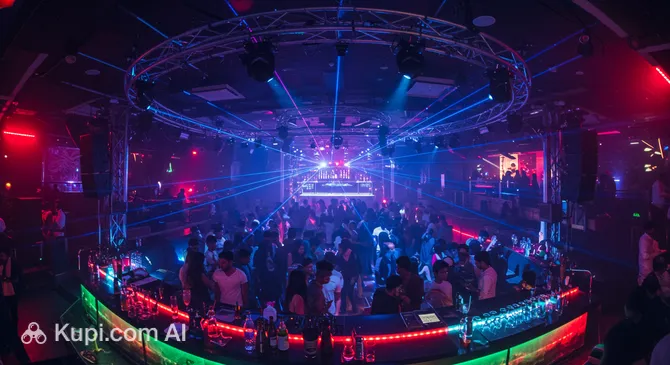
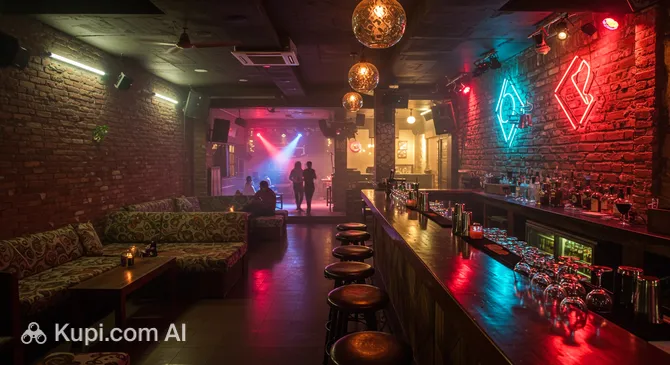
The hub of the city's evening entertainment is primarily concentrated in the Cantonment area, locally known as "Camp," and the upscale neighborhood of Tilakwadi. These districts are home to the most popular watering holes and restaurants, characterized by their smart interiors and decent crowds. For those seeking a lively atmosphere with music and a dance floor, Insomnia Club is a go-to destination. It attracts a younger crowd and is known for its energetic vibe on weekends.

Insomnia Club. Source: Kupi.Binoculars

If you prefer a place to sit back with a drink and enjoy good conversation, Hideout Bar and Kitchen offers a great balance of delicious food and a well-stocked bar. The venue typically features a modern rustic decor and is suitable for groups of friends. Alternatively, for a more classic experience that combines dining with drinks, Sun and Sand Restaurant is a reliable choice, favored by both locals and tourists for its consistent service and relaxed ambiance.

Hideout Bar and Kitchen. Source: Kupi.Binoculars

Most nightlife venues in Belagavi operate until around 11:00 PM or midnight, so it is best to head out early, around 8:00 PM, to make the most of the evening. The dress code is generally smart casual; while high-end clubs might appreciate a sharper look, most bars are quite relaxed. Prices are quite reasonable compared to bigger cities like Bengaluru or Mumbai, making a night out here excellent value for money.

Regarding safety, Belagavi is generally a secure city for night walks, especially in the well-lit Camp and Tilakwadi areas. However, as in any city, it is advisable to stay on main roads and avoid isolated areas late at night. Public transport like buses is not available late, and auto-rickshaws may charge higher night fares. It is highly recommended to arrange a taxi through your hotel or use a reliable app-based cab service if available, though availability can sometimes be lower late at night.

For daytime entertainment, the city offers a slower pace suited for families and leisure travelers. You can catch the latest movies at modern multiplexes or enjoy a shopping spree at Nehru Nagar Shopping Mall, which houses various brands and eateries. For a breath of fresh air, Sharqat Park is a lovely spot to relax, offering green spaces that are perfect for a gentle afternoon stroll before the evening festivities begin.

Parks & Museums

To immerse yourself in the local atmosphere, exploring the city's green spaces and cultural repositories is a must. Belagavi offers a refreshing mix of lush parks that serve as the city's lungs and heritage centers that preserve its storied past. Whether you are looking for a quiet place to relax or a deep dive into the region's history, these spots provide a perfect counterpoint to the bustling streets.

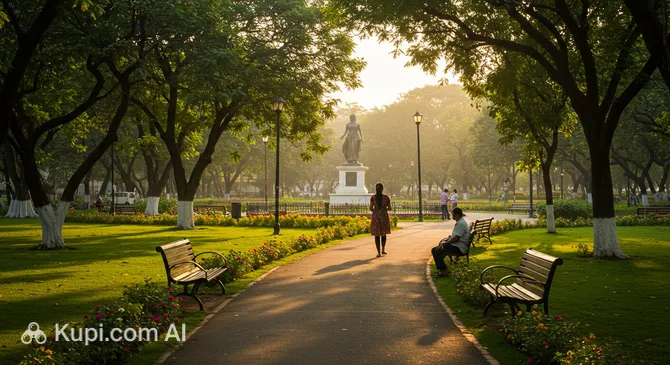
One of the most well-maintained green spaces in the city is Sharqat Park. Located in the Cantonment area, this park is not just a recreational spot but also a tribute to military history, commemorating the Indian Army's bravery in the Battle of Sharqat. It features beautifully manicured lawns, fountains, and walking tracks, making it a favorite among locals for evening strolls. The presence of a vintage artillery gun on display adds a unique historical dimension to your visit, blending patriotism with nature.

Sharqat Park. Source: Kupi.Binoculars

For nature enthusiasts, the Vaccine Depot Institute offers a unique experience. Often described as the "green lungs" of Belagavi, this vast expanse of greenery spans over 100 acres and is rich in biodiversity. Originally established in 1904 for vaccine production, the area is now a protected heritage park filled with medicinal plants, towering trees, and colonial-era structures. It is an idyllic spot for birdwatching or a peaceful morning walk, offering a complete disconnect from urban noise while remaining right in the heart of the city.

While Belagavi is often celebrated for its outdoor monuments, it also houses fascinating museums that chronicle its journey. The newly established Gangadharrao Deshpande Memorial Museum is a significant addition, dedicated to the "Lion of Karnataka," a prominent freedom fighter. The museum showcases rare photographs, letters, and artifacts that narrate the intense struggle for India's independence in this region. It provides a poignant look at the sacrifices made by local heroes and is a must-visit for history buffs.

Another cultural gem is the KLE Centenary Museum, which captures the educational and social transformation of the region. Housed in a heritage building, it displays a collection of artifacts, geological specimens, and historical documents related to the diverse culture of North Karnataka. For those willing to venture a bit further, the Kittur Rani Chennamma Museum, located in the nearby Kittur Fort, houses a rich collection of weapons, jewelry, and sculptures from the era of the brave queen who fought against British rule.

Beyond formal museums, the city itself feels like an open-air gallery. The ancient stone carvings at the Jain temples and the coexistence of different architectural styles within the fort walls serve as living exhibits of the Chalukyan and Deccan influences. A visit to the Shri Durga Devi Temple, situated on a hillock, offers not only spiritual solace but also panoramic views of the city's changing landscape, combining architectural beauty with natural splendor.

Shri Durga Devi Temple. Source: Kupi.Binoculars

Insider Tip: If you visit the Vaccine Depot early in the morning, you might spot rare bird species and butterflies that are unique to this micro-habitat. It is a photographer's paradise, so bring your camera along for some stunning nature shots in the soft morning light.

Getting Around

Navigating Belagavi is a relatively straightforward experience, as the city relies primarily on a robust network of road-based transportation rather than a complex metro or tram system. The backbone of public transit here is the city bus service operated by the North Western Karnataka Road Transport Corporation (NWKRTC). These buses connect the Central Bus Stand (CBT) with key neighborhoods like Tilakwadi, the Cantonment area, and outlying suburbs. They are easily identifiable and offer an authentic way to travel alongside locals, providing extensive coverage across the city.

For shorter distances or a more personalized commute, auto-rickshaws are the most popular choice among tourists and residents alike. You will see these three-wheeled vehicles buzzing through every street. While they are supposed to run on meters, it is common practice in Belagavi to negotiate the fare before you hop in. It is helpful to ask a local or your hotel reception for the approximate rate to your destination to ensure you agree on a fair price. Auto-rickshaws are perfect for navigating the narrow lanes of the older parts of the city where buses might not venture.

When it comes to paying for your travel, cash is currently the most reliable method. For city buses, you purchase your ticket directly from the conductor after boarding; simply state your destination, and they will issue a paper ticket. It is highly recommended to carry small denominations of the local currency, as conductors often run low on change. While digital payment apps are gaining popularity in shops, public transport largely operates on cash transactions. Travel passes are generally designed for daily commuters or students, so single-journey tickets are the most practical option for short-term visitors.

If you prefer more comfort or are traveling with luggage, app-based cab services like Ola and Uber are available in the city. However, unlike in larger metropolitan areas, the fleet size can be smaller, meaning wait times might be slightly longer, especially during non-peak hours. For day trips to nearby waterfalls or forts, renting a private taxi for the day is often the most convenient and stress-free alternative. This allows you to explore at your own pace without worrying about bus schedules.

Public transport typically operates from the early morning, around 6:00 AM, until approximately 9:30 PM or 10:00 PM. If you plan to stay out late enjoying the local dining scene, be prepared to arrange a private taxi or pre-book a ride, as bus services wind down and finding an auto-rickshaw can become more difficult. Walking is also a pleasant option in the greener, well-planned areas like Camp and Tilakwadi, where distances between attractions, parks, and restaurants are often manageable and scenic.

Accommodation

Accommodation in Belagavi caters to a wide spectrum of travelers, ranging from business professionals to leisure tourists. The city primarily offers a good selection of mid-range business hotels and budget-friendly lodges, reflecting its status as a commercial hub. For those seeking a touch of luxury or a nature-centric experience, there are also a few resorts situated slightly away from the city center, providing a tranquil escape amidst the greenery.

When choosing where to stay, location is key. The Cantonment area (Camp) and Tilakwadi are among the most popular neighborhoods for tourists. These areas are clean, leafy, and home to some of the best restaurants and shopping centers, offering a pleasant environment for families. Alternatively, if your visit is short or focused on transit, the areas surrounding the Central Bus Stand and the railway station offer numerous convenient, albeit busier, budget options.

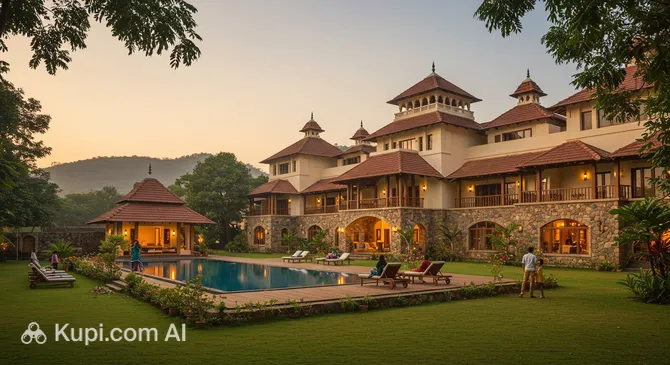
For travelers looking to unwind in a more resort-like setting, the city has excellent options that blend comfort with local hospitality. Pai Resort is a well-known establishment that offers a mix of leisure amenities, making it suitable for families and events. Another popular choice is the Sankalp Bhumi Farm Resort, which provides a rustic yet comfortable experience, allowing guests to stay closer to nature while enjoying modern facilities.

Pai Resort. Source: Kupi.Binoculars

The cost of accommodation in Belagavi is generally quite reasonable compared to major Indian metropolitan cities. You can find comfortable mid-range rooms starting at very affordable rates, while luxury stays remain competitively priced. Most hotels and resorts are listed on major online booking platforms, ensuring a hassle-free reservation process. However, if you are visiting during the wedding season or the winter months (November to January), it is advisable to book your stay in advance, as the best properties can fill up quickly.

Nearby Cities

For those looking to explore the surroundings, Belagavi serves as an excellent base for day trips to several interesting nearby locations. The region is dotted with historical towns and natural wonders that are easily accessible for a quick getaway.

One of the most popular destinations is Gokak, renowned for its spectacular waterfall on the Ghataprabha River. Often referred to as the "Niagara of India," the falls drop from a height of 52 meters over a sandstone cliff, creating a mesmerizing sight, especially during the monsoon season. Visitors can also experience a thrill by walking across the historic suspension bridge that hangs high above the turbulent waters, offering panoramic views of the rocky gorge.

Another culturally rich town nearby is Sankeshwar, situated along the banks of the Hiranyakeshi River. It is well-regarded as a spiritual center, home to the ancient Shankarlinga Math and several serene temples that attract devotees and architecture enthusiasts alike. For history buffs, Bailhongal offers a connection to the region's past, being closely associated with the legacy of the freedom fighter Kittur Rani Chennamma.

City Population Distance (km)
Gokak 213,000 48
Sankeshwar 89,627 45
Bailhongal 57,057 39
Hukeri 26,290 43
Konnur 23,733 47

These nearby destinations offer a glimpse into the diverse culture and landscapes of the region, making them perfect for travelers wishing to extend their itinerary beyond the city limits.

Shopping & Souvenirs

Shopping in Belagavi offers a delightful mix of traditional charm and modern convenience. While the city may not be a sprawling metropolis of high-end luxury boutiques, it provides a genuine experience where you can explore bustling local bazaars alongside contemporary retail outlets. The shopping scene here is less about glitz and more about discovering authentic local products, textiles, and unique handicrafts that reflect the region's rich cultural heritage.

For a traditional shopping experience, the heart of the action lies in Khade Bazar and Ganpat Galli. These vibrant streets are always teeming with life and offer everything from clothing and accessories to household goods. Khade Bazar is particularly famous for its energetic atmosphere, where vehicles and pedestrians share the narrow lanes lined with shops selling colorful textiles and jewelry. Another key district is the Cantonment area (often referred to as "Camp"), which offers a more relaxed shopping environment with upscale stores, bookshops, and bakeries.

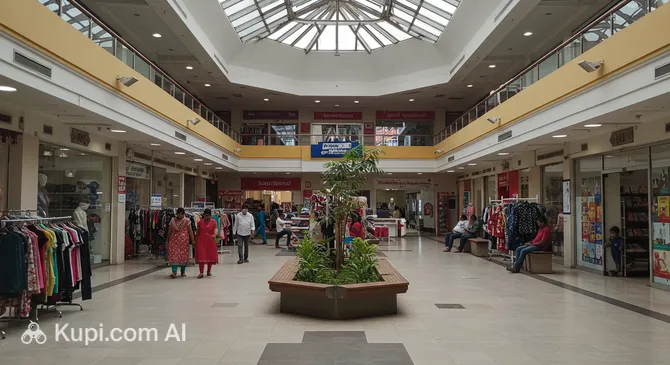
If you prefer a modern shopping environment with air-conditioning and branded stores, the city has a few notable options. The Nehru Nagar Shopping Mall is a popular destination for locals and tourists alike, housing a variety of fashion brands, electronics, and eateries under one roof. It is a convenient stop for those looking to buy everyday essentials or browse through the latest trends in a comfortable setting.

Nehru Nagar Shopping Mall. Source: Kupi.Binoculars

Belagavi is also renowned for its textiles, particularly the famous Shahapur sarees. Visitors looking for high-quality fabrics and traditional Indian wear should consider visiting Isha Silks. This store is well-regarded for its extensive collection of silk sarees and ethnic wear, making it a perfect place to purchase a beautiful and lasting memento of your trip to India.

When it comes to souvenirs, the top choice is undoubtedly the city's signature sweet, Kunda. You will find numerous sweet marts across the city selling this milk-based delicacy, often packed in travel-friendly boxes. Beyond food, the region is known for its intricate brassware and wooden toys, which can be found in specialty shops in the Camp area. These handcrafted items make for excellent gifts and home decor pieces.

Most shops in Belagavi typically open around 10:00 AM or 11:00 AM and close by 9:00 PM. While larger malls and established stores accept credit and debit cards, cash remains the preferred mode of payment in the smaller street markets and bazaars. Digital payment methods like UPI are becoming increasingly popular, but carrying some cash is always advisable for small purchases. Regarding taxes, prices in shops generally include the Goods and Services Tax (GST), and there is no specific tax-free refund system for tourists for general goods.

Reached the end of the page?

That means the route is fully explored