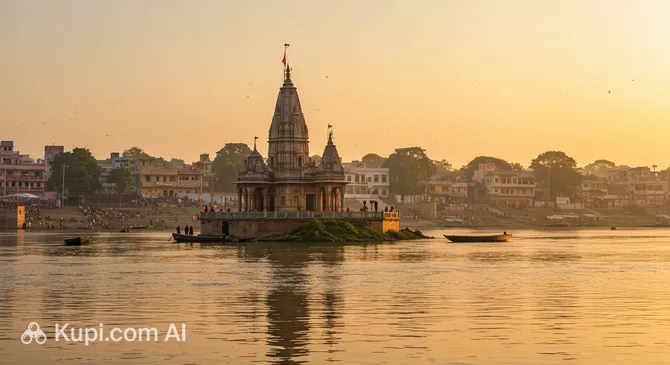
Situated on the picturesque southern bank of the sacred Ganges River, Bhagalpur is one of the most important cultural and industrial centers in India. As the third-largest city in the state of Bihar, it possesses a unique atmosphere where ancient heritage is closely intertwined with the rhythm of a modern commercial hub. With a population of over 410,000 people, it serves as the region's administrative center and a magnet for those wishing to experience the authentic, unvarnished life of the eastern part of the country.
Bhagalpur has rightfully earned the title of "Silk City." Local silk production is famous far beyond the region: thousands of hereditary weavers work here, creating unique fabrics on traditional looms. In addition to textiles, the city is renowned for its agricultural lands, particularly its magnificent mango and lychee orchards, which fill the air with a sweet aroma during the season.
Bhagalpur. Illustration.
Source: Kupi.com AI
The city attracts travelers with its rich history, which has roots in the ancient kingdom of Anga. While Bhagalpur is not a classic tourist mecca, its sincerity, views of the mighty Ganges, and the opportunity to discover unique crafts make it a worthy stop on a route through eastern India. We invite you to immerse yourself in this colorful world, where every street corner may hide an old shop with the finest silk or a cozy courtyard steeped in centuries-old traditions.
Weather Overview
The climate in Bhagalpur is typical of the Gangetic Plain and is characterized by distinct seasonality. The city is located in a subtropical climate zone, where hot summers are followed by heavy monsoon rains and a pleasant, cool winter. When planning a trip, it is important to consider these features to ensure your stay is as comfortable as possible. You can find more details about the weather in Bhagalpur on our specialized page.
Summer months, especially April and May, can be extremely hot, with temperatures often rising to +35°C... +45°C. From June to September, monsoons arrive in the region, bringing significant rainfall (the peak occurs in July and August—over 290 mm per month). During this period, humidity increases greatly, and the Ganges River becomes particularly high. Winter, lasting from November to February, is considered the best time to visit: average temperatures are around +16°C...+20°C, and the days are sunny and dry, ideal for excursions and walks.
Average monthly temperature
Average monthly precipitation
Interesting Facts
Bhagalpur has deep historical roots and is mentioned in the ancient epics Ramayana and Mahabharata as Champa Nagari—the capital of the Anga Kingdom, ruled by the legendary King Karna.
The city is the birthplace of a unique traditional painting technique known as Manjusha Art. This art form, dedicated to the deities Shiva and Parvati, is characterized by a distinct style and bright colors, and it can often be found in local markets.
Just 40 kilometers from the city lie the ruins of Vikramshila—one of the two most important Buddhist universities of ancient India (alongside Nalanda), which flourished between the 8th and 12th centuries.
The regional language, Angika, spoken by tens of millions of people, originated here and is a vital part of the cultural identity of the local residents.
Bhagalpur was an important trading hub even in antiquity, as confirmed in the records of the famous Chinese travelers Fa-Hien and Xuanzang.
How to Get There
Bhagalpur is a major transportation hub in Bihar, providing a vital link between the eastern and northern regions of the country. The city is situated at the intersection of several key routes, making it accessible by both rail and road. You can plan your journey in detail on our page describing how to get there.
Currently, the city does not have its own airport for regular commercial flights. Travelers usually use the airport in Patna, located about 220 kilometers away. From there, you can reach Bhagalpur by train, bus, or taxi, which takes about 5-6 hours. Keep in mind that roads in this part of the state can be very congested, so it is worth allowing extra travel time.
The railway is the most popular and reliable way to reach the city. Bhagalpur Railway Station receives trains from major metropolises like Kolkata and Delhi. The journey from Kolkata typically takes between 8 and 10 hours. The station is located in the central part of the city, allowing for quick access to most hotels by auto-rickshaw or taxi.
Station
Passenger traffic
Distance
Baidyanathdham Deoghar railway station
6
89 km
Barauni Junction railway station
8
103 km
Jogbani railway station
3
132 km
Darbhanga railway station
8
148 km
Dhanbad Junction railway station
8
170 km
Main Attractions
Although Bhagalpur is primarily known as an industrial center, there are several places that help visitors feel the pulse of local life. One such center of attraction is the Mobile Market. This is not just a retail spot, but a true modern bazaar where the bustling crowds and endless variety of gadgets reflect the energy of a developing city.
For those seeking cultural enrichment, a visit to Rabindra Bhawan is a must. This cultural space plays a vital role in preserving the region's traditions and frequently hosts various events. Here, you can connect with the intellectual and creative side of city life, carefully guarded by the local community.
If you wish to escape the urban hustle for a while, head to Jai Prakash Udyan, also known among residents as Sandy's Compound. This is one of the city's few green zones where you can stroll in the shade of trees and observe how locals spend their leisure time. Also, don't forget to take a walk along the banks of the Ganges: the panoramic views of the river, especially at sunset, create a peaceful atmosphere that contrasts sharply with the busy streets.
Local Cuisine
The gastronomy of Bhagalpur is a vibrant reflection of Bihar's rich culinary traditions. The local diet is based on rice, legumes (channa), and fresh vegetables. Due to the proximity of the Ganges, various river fish dishes prepared with aromatic spices are common on the menu. Seasonal fruits hold a special place: Bhagalpur mangoes and lychees are considered some of the best in the region and are a must-try if your visit falls during the summer.
One of the most popular places for a meal in a pleasant setting is Pine Villa Cafe. If you want to try traditional snacks loved by locals, check out Adarsh Jalpan Grih. A typical meal here isn't complete without "Litti Chokha" (flour balls stuffed with gram flour) or hearty vegetarian dals. For drinks, be sure to try the refreshing lassi—a yogurt-based drink that is indispensable in hot weather.
Street food is an integral part of Bhagalpur's culture. In local markets and squares, you can always find stalls with fresh samosas and chaat. The food culture here is simple and democratic: the best flavors are often hidden in small shops that cook according to ancient recipes. Complete your meal with local sweets, such as peda, which is famous for its delicate milky taste.
Travel Tips
A trip to Bhagalpur will be an unforgettable experience of immersion into authentic India. To ensure your journey goes smoothly and leaves only pleasant impressions, we have prepared some practical tips.
Clothing and Essentials: Choose light clothing made from natural fabrics (cotton, linen), as the region can be very hot. When visiting temples and traditional neighborhoods, it is recommended to dress modestly, covering shoulders and knees. Don't forget comfortable shoes for walking through the markets.
Transportation: The most convenient way to get around is by auto-rickshaws. Agree on the price of the trip in advance. For intercity travel, it's best to book train tickets well ahead of time through official services.
Finances: The official currency is the Indian Rupee. Large shops and hotels accept cards, but you will definitely need cash for markets and rickshaws. ATMs are located in the city center, but they may occasionally run out of bills, so keep a reserve.
Health: Drink only bottled water and avoid ice in street drinks. It's always a good idea to have stomach remedies and antiseptics in your first-aid kit. During the monsoon season (June–September), use mosquito repellent.
Communication: The main languages are Hindi and Angika. English is understood in hotels and large retail outlets. Learning a few phrases in Hindi (such as "Namaste" for a greeting) always wins the favor of locals.
Local Etiquette: Always remove your shoes when entering a home or temple. The traditional "Namaste" greeting (palms pressed together) is appropriate in any situation.
What to Avoid: It is not recommended to walk alone on the outskirts of the city after dark. Also, avoid remote industrial areas without a guide.
Special Advice: If you want to buy the famous Bhagalpur silk, it is better to do so in specialized shops in the center to ensure you get a quality product.
Be open to new experiences, show respect for local traditions, and Bhagalpur will reveal its true charm and the warmth of its heart!
Entertainment & Nightlife
Nightlife in Bhagalpur is more traditional and quiet than club-oriented. Unlike in major metropolises, you won't find noisy discos operating until dawn. Most entertainment after sunset is centered around the main squares and cinemas, where locals gather to watch the latest Bollywood releases. Evening walks often lead to the banks of the Ganges or to iconic landmarks like the Ghanta Ghar Clock Tower, which looks particularly majestic when illuminated at night.
For a dining experience in the evening, Pine Villa Cafe is a popular choice, offering a cozy setting. If you're looking for a more authentic experience, stop by Adarsh Jalpan Grih—it's a great place to sample local snacks and watch the evening bustle of the city. Younger crowds often gather near shopping areas like Nagarmal Sheonarain and Sons, which remain hubs of social activity until the shops close.
Daytime leisure can be spent visiting cultural centers such as Rabindra Bhawan or exploring the markets. Safety in the central areas during the evening is at an acceptable level; however, for transportation, it is better to use taxis or rickshaws, which can easily be called via popular apps or found at stands near major attractions.
Parks & Museums
Green zones and cultural spaces in Bhagalpur are places where urban bustle gives way to tranquility and tradition. The main spot for local recreation is Jai Prakash Udyan. This park serves as an oasis of cool, where families on picnics and young people can be found along the well-kept paths. Additionally, residents often use the sandy banks of the Ganges as a natural park area for evening walks and meditation by the water.
Cultural centers and historical monuments fulfill the role of museums in the city. For instance, the Ghanta Ghar Clock Tower is not only an important landmark but also an architectural symbol preserving the memory of the colonial past. Religious and historical architecture is represented by sites like the Barpura Idgah, which impresses with its scale and significance to the local community.
Art lovers should visit Rabindra Bhawan, where works by local masters are often exhibited. Silk workshops scattered throughout the city also serve as "living museums," where you can witness the process of creating the famous Bhagalpur silk from cocoon to finished cloth. Near the city, you will also find a Gangetic fauna sanctuary, which is a great addition to the cultural program for nature enthusiasts.
Getting Around
Bhagalpur's transportation system reflects its status as a busy trading hub. The primary means of getting around the city are auto-rickshaws and cycle-rickshaws. This is the fastest and most convenient way to cover short distances, especially in densely populated areas and the narrow streets of the markets. An auto-rickshaw ride through the city center usually takes 10–20 minutes, but it's wise to agree on the price with the driver beforehand, as meters are rarely used.
Municipal and private buses run to connect the city with outlying districts and neighboring towns. The central bus station is always full of life, though tourists might find it difficult to navigate the schedules without help from locals. Railway transport plays a key role: Bhagalpur station is the heart of the city, through which the main passenger flows pass, making it the most convenient place to start your exploration of the region.
Fares for city transport are paid in cash. Recently, the city has been developing under the Smart Cities Mission program, which involves gradual improvements to road infrastructure; however, traffic jams during peak hours (morning and early evening) remain common. If you value comfort, you can use taxi services via mobile apps, which are becoming increasingly popular among young people and tourists.
Accommodation
The accommodation market in Bhagalpur is primarily geared toward business travelers and transit tourists, so budget guest houses and mid-range hotels predominate. Most lodging options are concentrated around the railway station and the main shopping streets, which is convenient for quick movement around the city. If you plan to visit during major festivals or silk exhibitions, we recommend booking your room in advance.
For those seeking comfort at a reasonable price, modern guesthouses and 2-3 star hotels are available in the center. Prices here remain quite affordable, often starting from 1,000–1,500 rupees per night. When choosing a place to stay, look for air conditioning, as the region's climate can be quite hot. Useful landmarks when searching for a hotel include the Ghanta Ghar Clock Tower or large shopping centers like Nagarmal Sheonarain and Sons.
For longer stays, you might consider renting apartments, which are in demand among professionals visiting for textile industry business. Overall, staying in Bhagalpur allows for significant budget savings compared to large metropolises while providing the necessary basic amenities for exploring the "Silk City."
Nearby Cities
Bhagalpur serves as an excellent starting point for exploring eastern Bihar and neighboring states. The region is rich in historical and natural attractions that can be reached within a day. The city's surroundings offer a unique opportunity to see the ruins of ancient civilizations and experience the rural way of life in India.
Just a few kilometers from the city center is Barari, known for its riverside landscapes. Also worth a visit is the historical Champapur, which is closely linked to Jain traditions and the region's ancient history. If you are interested in agricultural achievements and nature, stop by Sabaur, home to a famous agricultural college and picturesque plantations.
City
Population
Distance
Barari
14 025
5 km
Champapur
14 881
5 km
Sabaur
12 030
6 km
Agarpur
18 367
8 km
Kharik
42 638
14 km
For longer trips, you could choose Jamalpur or even the state capital, Patna, although the journey there will take more time. We strongly recommend not limiting yourself to the city streets and exploring the nearby settlements to fully experience the hospitality and multifaceted nature of this region.
Shopping & Souvenirs
Shopping in Bhagalpur is primarily about the hunt for the famous Bhagalpur silk (Tussar Silk). The city is rightfully considered the textile capital of the region, and bringing home a handmade sari, scarf, or piece of fabric is a duty for every tourist. Most commercial activity is concentrated in central bazaars like Nagar Bazar, where the best silk shops with years of history are hidden in a labyrinth of narrow streets.
If you prefer a more modern shopping format, look for Nagarmal Sheonarain and Sons. This is one of the city's most famous commercial establishments, offering a wide range of clothing and home goods. It is also worth visiting the Mobile Market if you are interested in electronics and accessories—there is always a lively atmosphere and a huge selection of gadgets.
Besides fabrics, you should bring home items in the Manjusha Art style—these could be paintings, painted boxes, or souvenirs that will serve as a unique reminder of your trip. Shops usually operate from morning until late evening, and in small market stalls, bargaining is appropriate and even encouraged. Most larger outlets accept cards, but for visits to traditional bazaars, it's best to always have a supply of cash in rupees.