Support

Bhubaneswar

About

Welcome to Bhubaneswar, the vibrant capital of the state of Odisha and a destination that beautifully bridges the gap between the ancient and the modern world. Often referred to as the "Temple City of India," this bustling metropolis is renowned for its architectural marvels and spiritual significance. With a population of over 830,000 residents, it serves as a major economic and cultural hub in the eastern part of the country.
Bhubaneswar. Source: Kupi.Binoculars

The city is geographically situated on the coastal plains, offering a tropical climate that supports the lush greenery surrounding the urban area. While it is celebrated as one of the country's first planned modern cities, the deep history of Bhubaneswar stretches back over two thousand years. This unique duality allows visitors to experience well-organized urban infrastructure alongside heritage sites that have stood the test of time.

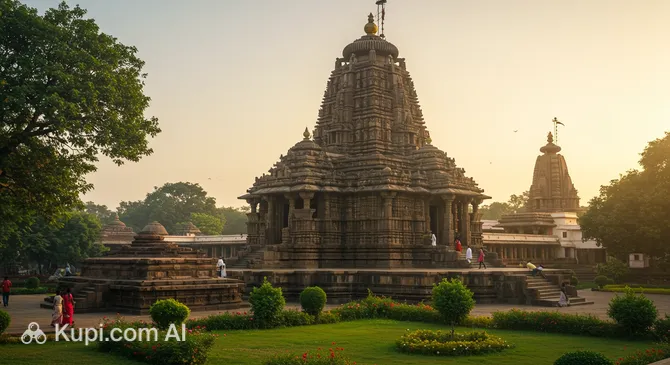
Travelers are drawn to the city's incredible array of sandstone temples, most notably the majestic Lingaraj Temple, which dominates the skyline with its intricate carvings. Beyond the spiritual sites, the ancient Udayagiri and Khandagiri Caves offer a fascinating glimpse into the lives of Jain monks from centuries past. For nature lovers, the Nandankanan Zoological Park provides a serene escape and is famous for its conservation efforts.

Whether you are a history buff, a spiritual seeker, or simply an explorer looking for authentic cultural experiences, Bhubaneswar has something special to offer. Its warm hospitality and rich heritage make it a compelling stop on any itinerary, inviting you to uncover the secrets of this timeless city.
Weather Overview

Bhubaneswar experiences a tropical climate marked by hot summers, a humid monsoon season, and mild, pleasant winters. Understanding the seasonal patterns is key to planning a comfortable visit, as conditions vary significantly throughout the year. For a more detailed breakdown of daily forecasts and monthly trends, you can consult the guide to the weather in Bhubaneswar.

The summer months, from March to June, are typically hot, with average temperatures rising to 31.3°C in May and maximum highs frequently reaching 36°C. The heat is followed by the monsoon season, which usually begins in June and extends through October. This period sees a dramatic increase in humidity and rainfall, with July and August being the wettest months, often recording rain on 28 to 30 days. In contrast, the winter season from November to February offers the best conditions for outdoor activities, characterized by dry days and comfortable average temperatures around 21°C.

Interesting Facts

Beyond the well-trodden path of pilgrims and tourists, Bhubaneswar holds many fascinating secrets that reveal its unique character. Here are a few surprising details about this historic yet modern metropolis.
  • Although it is celebrated for its ancient history, Bhubaneswar was actually one of modern India's first planned cities. It was designed in 1946 by the German architect Otto Koenigsberger to replace Cuttack as the state capital, blending modern infrastructure with its historic temple zones.

  • In ancient texts, the city was referred to as Ekamra Kshetra, which translates to "Mango City." Legend has it that the area was once a massive mango grove consisting of a single sprawling forest, which is why the deity Lingaraj is often associated with the fruit.

  • The city is a vital center for preserving indigenous heritage. The Odisha State Tribal Museum, often called the "Museum of Man," provides a rare and comprehensive insight into the distinct cultures, lifestyles, and habitats of the state's 62 different tribal communities.

  • Bhubaneswar honors a unique scientific legacy at the Pathani Samanta Planetarium. It is named after a legendary self-taught astronomer from the region who, without the aid of a telescope, used simple bamboo sticks to make incredibly precise calculations of celestial bodies.

Odisha State Tribal Museum. Source: Kupi.Binoculars

How to Get There

Reaching this vibrant capital is relatively straightforward, with well-established air connections serving as the primary entry point for most travelers. Whether you are arriving from within the country or exploring the broader region, the transport network ensures a smooth journey. For a comprehensive overview of all travel options, you can read more about how to get to Bhubaneswar.

The most convenient gateway is the Biju Patnaik International Airport (BBI), which is situated directly in Bhubaneswar. Located just 5.8 km from the city center, it offers quick access to the main attractions and hotels. A trip by taxi or bus typically takes around 30 minutes, making it an incredibly time-efficient option. This airport handles a significant volume of passengers annually, reflecting its status as a major regional hub.

Alternatively, travelers can fly into the Veer Surendra Sai Airport (JRG), although it is located in the city of Jharsuguda, approximately 257 km away from Bhubaneswar. This airport serves as a secondary option, primarily for those whose itinerary might include the western parts of the state. The journey from Jharsuguda to Bhubaneswar is quite long, taking about 7 hours by road, so it is less suitable for a direct city visit unless necessary.

For clarity, here is a summary of the main airports:

Airport Name City Passenger Traffic Km from City
Biju Patnaik International Airport Bhubaneswar Large 5.8
Veer Surendra Sai Airport Jharsuguda Medium 257.0

Main Attractions

Bhubaneswar is often celebrated as the "City of Temples," but its appeal extends far beyond religious sites to include expansive parks, educational centers, and museums that preserve the region's rich heritage. Visitors can immerse themselves in a blend of spiritual tranquility and cultural discovery at these prominent locations.

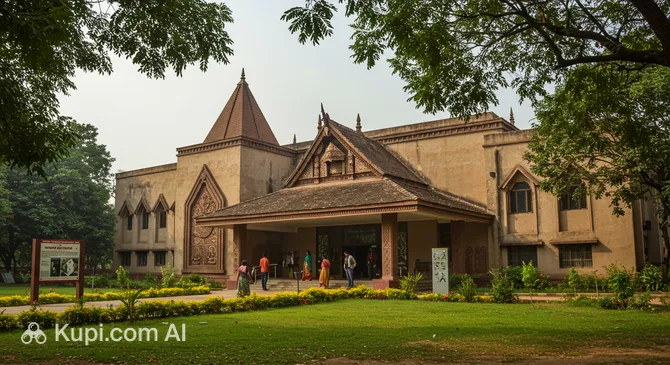
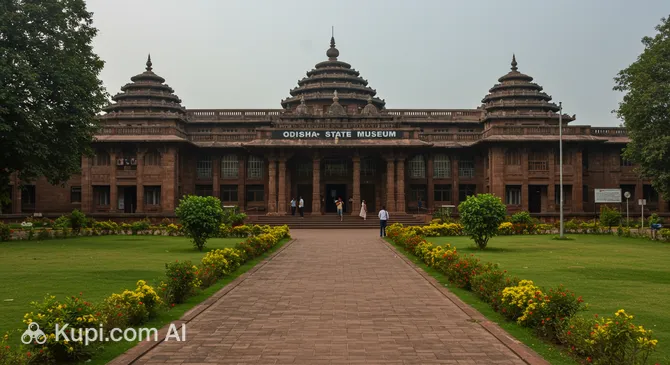
One of the most significant stops for history enthusiasts is the Odisha State Museum. This extensive institution houses a remarkable collection of artifacts that trace the region's history, art, and culture. Tourists are particularly drawn to its galleries featuring rare palm-leaf manuscripts, ancient sculptures, and traditional musical instruments. It serves as an excellent starting point for understanding the deep historical roots of Odisha.

Odisha State Museum. Source: Kupi.Binoculars

For those seeking spiritual solace and architectural beauty, the ISKCON Temple Bhubaneswar is a must-visit destination. Dedicated to Lord Krishna and Balarama, this temple is renowned for its pristine white structure and serene atmosphere. It is not just a place of worship but also a center for community activities and spiritual learning, attracting visitors who wish to experience peaceful meditation and admire the intricate craftsmanship of the building.

Nature lovers will find a refreshing escape at the Ekamra Kanan Botanical Gardens. As the largest park in the city, it offers a lush green retreat from the urban bustle. The garden is famous for its rose garden and a large lake that supports local birdlife, but its most unique feature is the cactus garden, which showcases a wide variety of succulents. It is a perfect spot for morning walks, family picnics, and photography.

Ekamra Kanan Botanical Gardens. Source: Kupi.Binoculars

Another striking landmark is the Shri Ram Temple, located centrally in the city. The temple is easily recognizable by its towering spires and vibrant red hue, especially striking against the evening sky. Inside, the peaceful ambiance allows devotees and tourists alike to offer prayers to Lord Rama, Lakshmana, and Goddess Sita. The temple complex also houses shrines for other deities, making it a comprehensive spiritual hub that reflects the city's devout character.

Local Cuisine

Local Cuisine:

The culinary landscape of Bhubaneswar is a delightful reflection of Odia culture, characterized by simple yet flavorful preparations that rely heavily on local ingredients. Rice is the staple food, often accompanied by a variety of vegetables, lentils, and seafood. Unlike some other Indian cuisines that use heavy spices, the local food here is known for its subtle seasoning, frequently using mustard oil and panch phoron—a signature mix of five spices—to enhance the natural taste of the ingredients.

No visit to the city is complete without trying Pakhala Bhata, a traditional dish made of fermented rice and water, typically served with fried vegetables, crushed lentils (badi), or fish. This dish is especially popular during the hot summer months for its cooling properties. Another culinary highlight is Dalma, a nutritious and wholesome curry made from lentils cooked with vegetables like pumpkin, plantain, and eggplant. For seafood lovers, Machha Besara offers a distinct taste of freshwater fish cooked in a tangy and pungent mustard sauce.

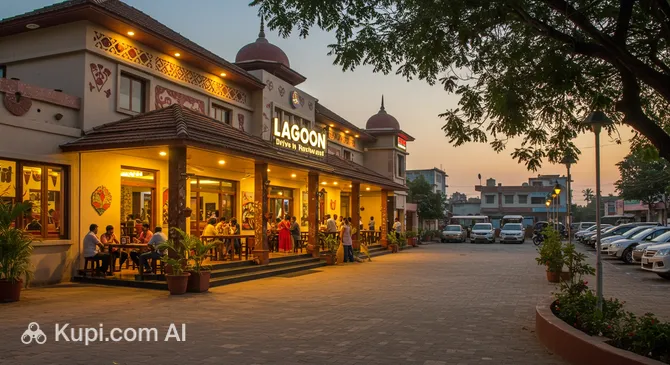
Bhubaneswar is also a paradise for those with a sweet tooth. The city is famous for Chhena Poda, a baked cheese dessert with a caramelized crust that is often described as the Indian version of cheesecake. Visitors can explore various dining spots to experience these flavors. Lagoon Restaurant is a well-known establishment in the city, offering a diverse menu in a comfortable setting. For those craving rich North Indian dishes alongside local options, Kake Da Minar is another popular venue frequented by locals and tourists alike.

Lagoon Restaurant. Source: Kupi.Binoculars

Travel Tips

To ensure your journey through the "Temple City" is as smooth and enjoyable as possible, we have compiled a list of essential practical advice. These tips will help you navigate local customs, transportation, and daily logistics, allowing you to focus on the rich heritage and culture of Bhubaneswar.

  1. Clothing and Gear: Due to the tropical climate, lightweight cotton clothing is ideal for most of the year. However, if you are visiting during the cooler winter months (November to February), a light jacket may be needed for the evenings. When visiting religious sites, modest attire is strictly required; ensure your shoulders and knees are covered. Slip-on shoes are highly recommended, as you will frequently need to remove your footwear before entering temples and museums.

  2. Transportation: The city boasts an excellent public transport system known as Mo Bus, which is modern, air-conditioned, and covers most major tourist routes. For more direct travel, ride-hailing apps like Uber and Ola are reliable and widely available. Auto-rickshaws are convenient for short distances, but it is advisable to agree on the fare before starting the ride if a meter is not used.

  3. Finances: The local currency is the Indian Rupee (INR). While credit and debit cards are accepted in major hotels, restaurants, and shopping malls, carrying cash is essential for small purchases, entry fees at some monuments, and street food. ATMs are plentiful throughout the city. Tipping is not mandatory but is appreciated; leaving about 10% of the bill at restaurants is a standard gesture.

  4. Health and Safety: Bhubaneswar is generally a safe city for tourists, but it is wise to stick to well-lit, populated areas at night. Tap water is not recommended for drinking; always opt for sealed bottled water. Pharmacies are easy to find, and major hospitals like Apollo and AIIMS offer quality medical care if needed. Carry mosquito repellent, especially if you plan to visit parks or stay out after sunset.

  5. Communication: The primary language spoken is Odia, but Hindi is widely understood. English is commonly spoken in hotels, tourist spots, and business centers, so communication is rarely a barrier. You can easily purchase a local SIM card at the airport or phone shops with your passport and visa. Free Wi-Fi is often available in hotels and some public areas, but a mobile data connection is more reliable for navigation.

  6. Local Etiquette: The traditional greeting is "Namaskar" with folded hands, which is a respectful way to say hello. Always use your right hand for eating, passing money, or shaking hands, as the left hand is considered unclean in traditional contexts. Public displays of affection are generally frowned upon and should be avoided to respect local conservative norms.

  7. What to Avoid: Be mindful of temple entry rules. Some sacred sites, including the inner sanctum of the famous Lingaraj Temple, are restricted to Hindus only. Always look for signage or ask the temple authorities before attempting to enter. Additionally, avoid photographing people, especially during religious rituals, without asking for their permission first.

  8. Additional Tip: For the best experience at the outdoor heritage sites like the Udayagiri and Khandagiri Caves, plan your visit for the early morning. This allows you to beat the midday heat and explore the ancient carvings in a more peaceful, less crowded atmosphere.

By keeping these practical tips in mind, you will be well-prepared to embrace the warmth and history of Bhubaneswar. The city is known for its hospitality, so don't hesitate to ask locals for help if you need it—they are often eager to share their culture with visitors.

Entertainment & Nightlife

While Bhubaneswar is globally renowned as a spiritual center, its entertainment landscape has evolved significantly, offering a vibrant mix of modern leisure and nightlife. As the sun sets, the city sheds its ancient persona and embraces a lively urban vibe, particularly in the rapidly developing districts of Patia, Chandrasekharpur, and along Janpath Road. These areas have become the heartbeat of the city's social scene, teeming with young professionals, students, and tourists looking to unwind.

The nightlife here is characterized by a relaxed yet energetic atmosphere. Unlike the frantic pace of larger metros, evenings in Bhubaneswar are about good music, great food, and socializing in comfort. Most venues operate with a smart-casual dress code, and the crowd is generally a mix of corporate employees and local youth. For those seeking a high-energy experience with pulsating beats and a modern ambiance, Booze Buzz Inhouse is a popular choice. It serves as a great example of the city's growing club culture, offering a space where visitors can dance and enjoy a wide range of beverages.

Booze Buzz Inhouse. Source: Kupi.Binoculars

Another excellent spot to experience the local evening scene is One Peg Down. Known for its eclectic interiors and lively music, it attracts a steady crowd looking for a fun night out. If you prefer a more sophisticated and quiet evening, the city's high-end hotels often feature elegant bars, such as the Trident Bar Bhubaneswar, where you can enjoy premium drinks in a serene setting.

For a more family-friendly evening or a laid-back hangout, the Esplanade Mall is a bustling hub. It is not just a shopping destination but a massive entertainment complex with a multiplex cinema, a large food court, and gaming zones. It is a favorite spot for locals to gather in the evenings, offering a safe and lively environment for a stroll or a late dinner.

Practical Tips for Nightlife:

  • Timing: The nightlife usually peaks between 8:00 PM and 11:00 PM. While some clubs and hotel bars stay open until midnight or slightly later on weekends, it is best to arrive early to secure a table.
  • Prices: Entertainment is relatively affordable compared to other major Indian cities. A night out with drinks and dinner can cost between 1,500 to 3,000 INR for two people, depending on the venue.
  • Safety and Transport: Bhubaneswar is generally safe for night outings, but it is advisable to stick to well-lit main roads and busy areas like Patia and Saheed Nagar. For transportation, app-based cabs like Uber and Ola are the most reliable and safe way to get back to your hotel late at night.

During the day, the entertainment options shift towards educational and recreational activities. Families and science enthusiasts can visit the Regional Science Centre Bhubaneswar, which features interactive exhibits and a 3D theater. The city also boasts several well-maintained parks and the previously mentioned planetarium, ensuring that there are plenty of ways to stay entertained from morning until late at night.

Parks & Museums

Bhubaneswar is not only a city of ancient stones but also a place of lush landscapes and intellectual curiosity. Beyond its temples, the city offers a refreshing array of green spaces and well-curated museums that provide a deeper understanding of the region's natural history and cultural evolution. Whether you are looking for a quiet morning walk or an afternoon of learning, these spots offer a perfect change of pace.

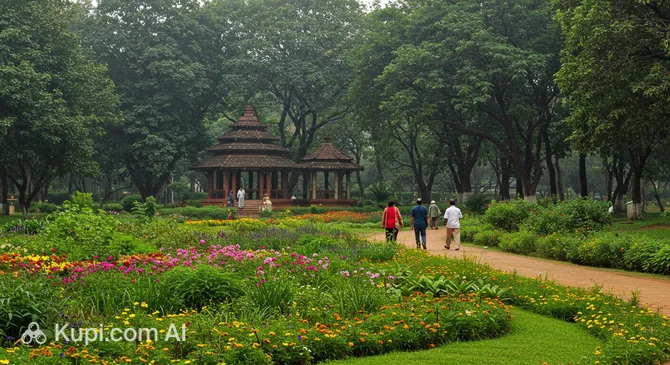
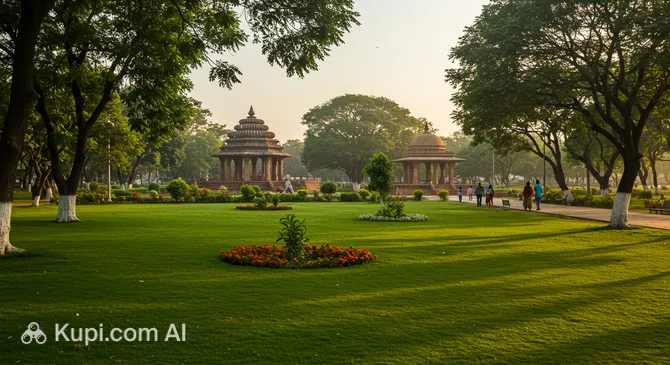
For those seeking tranquility amidst nature, Biju Patnaik Park is a favorite among locals and tourists alike. Also known as the Forest Park, it is a sprawling green oasis that features well-maintained jogging tracks, open-air gym equipment, and distinct zones for children. It is an ideal spot for a leisurely stroll or a picnic, offering a serene environment with plenty of shade trees and decorative gardens. Another notable green space is the Mahatma Gandhi Park, which sits near the Janata Maidan. It is celebrated for its peaceful ambiance and a prominent statue of Mahatma Gandhi, making it a place for both relaxation and quiet reflection.

Biju Patnaik Park. Source: Kupi.Binoculars

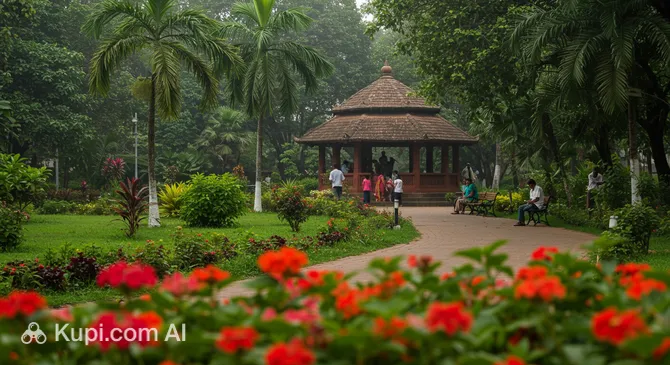
Nature enthusiasts should not miss the Regional Plant Resource Centre Botanical Garden. Situated adjacent to the Ekamra Kanan, this expansive facility is a sanctuary for biodiversity and a premier hub for plant conservation. It is renowned for its vast collection of indigenous flora and features a large lake that often attracts migratory birds. The garden offers a calm atmosphere perfect for a quiet walk amidst lush greenery, providing a delightful escape from the city's bustling streets.

Regional Plant Resource Centre Botanical Garden. Source: Kupi.Binoculars

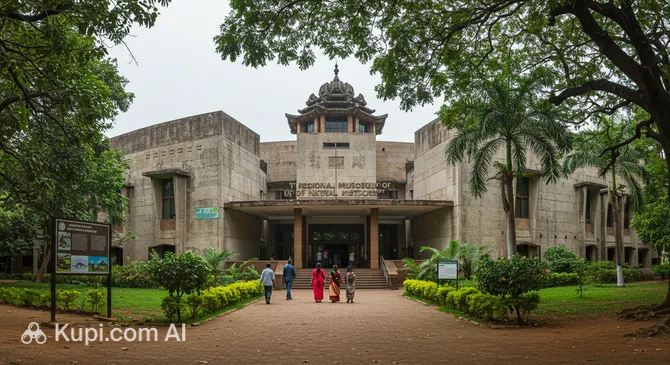
The city's museums are equally captivating, showcasing the rich biodiversity and scientific heritage of Odisha. The Regional Museum of Natural History is a must-visit for nature lovers. It houses an impressive collection of fossils, skeletons, and exhibits that detail the flora and fauna of Eastern India. The museum is particularly famous for its gallery dedicated to the Baleen Whale and its focus on ecological conservation, making it fascinating for visitors of all ages.

Regional Museum of Natural History. Source: Kupi.Binoculars

Another significant institution is the Odisha State Tribal Museum. While mentioned in other contexts for its cultural importance, it deserves a dedicated visit to truly appreciate the intricate jewelry, costumes, and tools on display. It offers an immersive experience into the indigenous lifestyles that have shaped the region's identity. For those interested in science and technology, the Regional Science Centre Bhubaneswar provides interactive exhibits that make learning fun, featuring a science park and a prehistoric life park that captures the imagination of younger travelers.

Getting Around

The public transport system in Bhubaneswar has undergone a significant transformation in recent years, making it one of the most efficient and user-friendly networks in the region. The backbone of the city's transit is the Mo Bus service, managed by the Capital Region Urban Transport (CRUT). These buses connect all major neighborhoods, tourist attractions, and transport hubs. The fleet includes both air-conditioned and non-air-conditioned buses, which are modern, clean, and run on well-defined routes. Currently, there is no operational metro or tram system in the city, so the bus network serves as the primary mode of mass transit.

For last-mile connectivity and shorter distances, auto-rickshaws are ubiquitous and highly convenient. They can be hailed from almost any street corner. A distinct feature of the city's transport ecosystem is the Mo E-Ride service, which consists of electric rickshaws specifically designed to connect bus stops with nearby residential areas and inner streets. These eco-friendly vehicles offer a quiet and affordable alternative to traditional auto-rickshaws, ensuring a seamless journey from the main roads to your final destination.

The payment system is designed to be flexible for both locals and visitors. On Mo Bus, you can purchase paper tickets directly from the conductor inside the bus using cash. It is advisable to carry small change, as conductors may not always have change for large denominations. For a more seamless experience, tourists can download the official Mo Bus app. This application allows you to buy digital QR-code tickets, view live bus locations, and plan your journey. Fares are extremely affordable, typically ranging from 10 to 50 units of the local currency depending on the distance and whether you choose an AC or non-AC bus.

Ride-hailing services provide a comfortable alternative for those who prefer private transport. Apps like Uber and Ola are fully operational in Bhubaneswar, offering reliable car and auto-rickshaw bookings with transparent pricing. This is often the best option for travelers carrying heavy luggage or those wishing to travel late at night. Traditional taxis are also available at the airport and railway station, but it is recommended to use the prepaid counters to avoid negotiating fares.

Public transport generally operates from early morning, around 6:00 AM, until approximately 10:00 PM. If you plan to use the Mo Bus, checking the schedule on the app is highly recommended as frequencies can vary depending on the route. While the city is walkable in certain areas, the heat can be intense during the day, so combining bus travel for long stretches with auto-rickshaws for short hops is the most practical strategy for sightseeing.

Accommodation

Where to Stay:

Finding the perfect place to stay in Bhubaneswar is relatively easy, as the city offers a wide spectrum of accommodation options to suit every budget and travel style. From economical guesthouses and backpacker hostels to modern mid-range hotels and luxurious resorts, the hospitality sector here is well-developed. Whether you are visiting for a spiritual pilgrimage, a business trip, or a leisure holiday, you will find establishments that cater to your specific needs with warm Odia hospitality.

When choosing a location, many tourists prefer the area around the Railway Station (Master Canteen Square) and Cuttack-Puri Road. Staying here offers excellent connectivity to public transport and easy access to both the ancient temples of the Old Town and the modern commercial districts. For those who prefer a more upscale and lively environment, the neighborhoods of Janpath, Saheed Nagar, and Jayadev Vihar are ideal. These areas are dotted with shopping malls, restaurants, and cafes, making them convenient bases for exploring the city's modern side.

For travelers seeking a comfortable retreat with a range of amenities, Suryansh Hotels and Resorts is a well-known option. Located near the IT hub and major institutions, it provides a blend of convenience and relaxation, making it suitable for both families and business travelers. It features facilities that allow guests to unwind after a day of sightseeing.

Suryansh Hotels and Resorts. Source: Kupi.Binoculars

If you prefer a more intimate and personalized experience, you might consider staying at Pravuprasad Homestay. Homestays are becoming increasingly popular in the city, offering a chance to experience local culture more closely and enjoy home-cooked meals. These types of accommodations are often situated in quieter residential neighborhoods, providing a peaceful escape from the city's bustle.

Booking and Prices:

Accommodation prices in Bhubaneswar are generally reasonable compared to India's larger metropolitan cities. Budget stays can range from 800 to 2,000 INR per night, while mid-range hotels typically charge between 2,500 and 5,000 INR. Luxury properties and high-end resorts can cost upwards of 7,000 INR. It is highly recommended to book your accommodation in advance, especially if you are visiting during the winter months (October to February) or during major festivals like the Rath Yatra, when the city sees a surge in visitors. Most hotels can be easily booked through major online travel platforms or via direct websites.

Nearby Cities

For those looking to explore the surroundings, Bhubaneswar serves as an excellent base for day trips to several interesting nearby locations:

One of the most popular excursions is to Cuttack, located just a short drive away. Known as the "Silver City," it is famous for its exquisite silver filigree work and vibrant festivals. As the former capital of the state, it sits uniquely between two rivers and offers a bustle of historical markets and ancient temples. It is practically a twin city to Bhubaneswar, making it incredibly easy to visit for a few hours or a full day.

Another essential destination is the coastal city of Puri. Renowned globally for the majestic Jagannath Temple, it is a significant pilgrimage site that also boasts a long, golden coastline. Visitors often head here to experience the spiritual atmosphere in the morning and relax on the beach in the afternoon. For those interested in nature and scenic views, Dhenkanal offers a peaceful retreat with its lush hills and the famous Kapilash Temple, providing a contrast to the coastal plains.

City Population Distance (km)
Cuttack 606007 19
Puri 201026 53
Dhenkanal 67414 46
Jatani 63697 20
Khurda 51551 24

These nearby destinations offer a glimpse into the diverse culture and landscapes of the region.

Shopping & Souvenirs

Shopping:

Shopping in Bhubaneswar is a delightful journey that takes you from the air-conditioned comfort of modern complexes to the colorful chaos of traditional markets. The city is widely renowned for its rich artistic heritage, making it an excellent place to pick up authentic souvenirs. Visitors are often captivated by the exquisite silver filigree work, locally known as Tarakasi, which transforms fine silver wires into delicate jewelry and decorative items. Equally famous are the handwoven Sambalpuri sarees and fabrics, celebrated for their intricate Ikat tie-dye patterns.

For those seeking a contemporary retail experience, Esplanade Mall is the city's premier lifestyle destination. As one of the largest shopping centers in the region, it hosts a wide array of international fashion brands, a multiplex cinema, and a vibrant food court. It serves as a one-stop hub for entertainment and shopping, drawing large crowds of locals and tourists looking for global trends.

Esplanade Mall. Source: Kupi.Binoculars

If you are looking for trendy clothing at more affordable prices, Citi Style is a popular choice. This store caters to the fashion-conscious looking for the latest designs in apparel and accessories without the premium price tag. It is a great spot to update your wardrobe with casual wear suitable for the city's tropical climate.

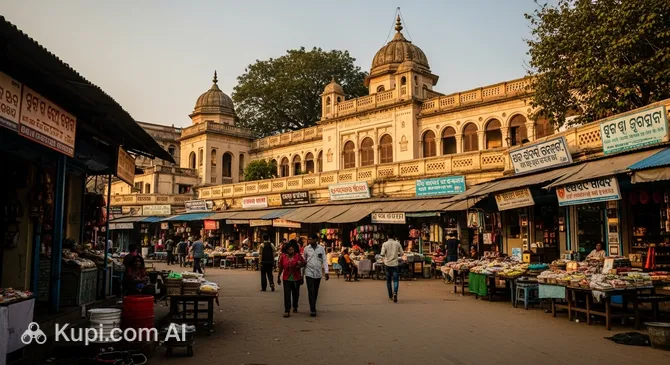
To experience the authentic pulse of the city's commerce, a visit to the traditional bazaar areas is a must. The Old Station Bazar Square is a bustling locality that offers a glimpse into the daily life of Bhubaneswar. Here, the streets are lined with shops selling everything from daily essentials to local textiles and handicrafts. Exploring these local markets allows for a deeper connection with the culture and offers the opportunity to practice your bargaining skills.

Old Station Bazar Square. Source: Kupi.Binoculars

In addition to textiles and jewelry, keep an eye out for Pattachitra paintings. These traditional cloth-based scroll paintings depict mythological narratives and are a testament to the skilled craftsmanship of Odia artisans. Whether you are browsing high-end boutiques or navigating street-side stalls, Bhubaneswar offers a diverse shopping landscape that caters to every taste and budget.

Reached the end of the page?

That means the route is fully explored