Support

Bhawanipatna

About

Bhawanipatna is a vibrant city serving as the administrative headquarters of the Kalahandi district in the state of Odisha. Known for its rich cultural tapestry and scenic surroundings, this city acts as a gateway to the tribal heartland of the region. It offers a unique blend of spiritual significance and natural beauty, making it an intriguing destination for travelers seeking an authentic experience in India.
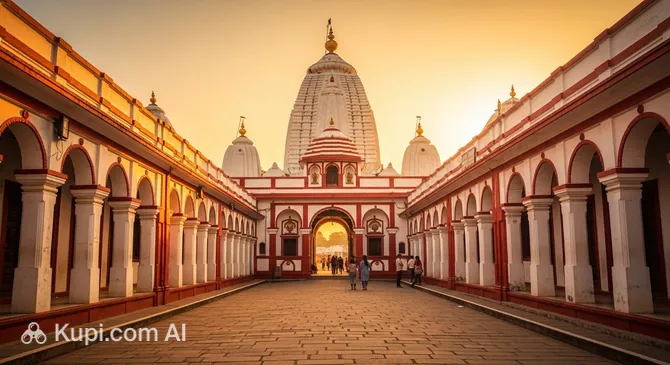
Bhawanipatna. Source: Kupi.com Binoculars

Geographically, the city is situated in the Eastern Ghats, providing it with a picturesque backdrop of hills and lush greenery. With a population of approximately 84,000 residents, it maintains a lively yet welcoming atmosphere. The climate here is generally tropical, with distinct seasons that shape the local lifestyle. Those interested in the history of Bhawanipatna will discover a fascinating past, as the city was once the capital of a princely state and is named after its presiding deity, Bhawani-Shankar.

Visitors are drawn to the city for its remarkable landmarks. The Maa Manikeswari Temple is the most prominent attraction, serving as a major spiritual center that draws pilgrims from across the state, especially during the Chhatar Jatra festival. Nature lovers will appreciate the proximity to Phurli Jharan, a perennial waterfall located just a short drive away, and the Karlapat Wildlife Sanctuary, which is home to diverse flora and fauna.

Whether you are a history buff, a nature enthusiast, or a spiritual seeker, Bhawanipatna has something to offer. Its warm hospitality and connection to the deep-rooted traditions of Odisha make it a destination well worth visiting for a memorable journey off the beaten path.

Weather Overview

Bhawanipatna experiences a tropical climate marked by distinct seasonal changes, ranging from hot summers to pleasant winters. The warmest period occurs between April and May, where the average temperature climbs to around 32.4°C, and daily highs can reach up to 38.1°C. Travelers visiting during these months should expect heat and prepare accordingly.

The arrival of the monsoon in June brings a significant shift, with frequent rainfall continuing through September. July is typically the wettest month in terms of frequency, often recording up to 28 wet days, making an umbrella an essential item for any trip. To help you choose the best time for your visit, you can consult the detailed report on the weather in Bhawanipatna.

For those who prefer milder conditions, the winter months of December and January are ideal. During this time, the climate is dry and cool, with average temperatures settling around 21°C and nighttime lows dipping to approximately 15°C. Expect sweltering summers, a humid monsoon season with frequent showers, and comfortable, dry winters.

Interesting Facts

Beyond the main attractions, Bhawanipatna holds many fascinating secrets that offer a deeper glimpse into its heritage and natural wonders. Here are a few intriguing facts about this city that often surprise visitors.

  • Ancient Urbanization at Asurgarh: Just a short distance from the city lies the Asurgarh Fort, an archaeological site that dates back to the Iron Age. Excavations have revealed that this area was a thriving urban center with advanced water management systems as early as the 3rd century BC, hinting at a sophisticated civilization long before modern times.

  • A Shift in Power: Bhawanipatna was not always the administrative center of the region. It became the capital of the Kalahandi princely state only in the mid-19th century, replacing the nearby town of Junagarh. Historical accounts suggest this strategic move was made by the then-ruler to ensure better administration and possibly to escape a severe epidemic that plagued the former capital.

  • The Rainbow Waterfall: The nearby Phurli Jharan waterfall is not just a scenic picnic spot; it is famous for a mesmerizing natural phenomenon. On sunny days, the angle of the sunlight hitting the cascading waters often creates a vibrant, visible rainbow, offering a magical spectacle for nature lovers.

  • Unique Festival Rituals: During the renowned Chhatar Jatra festival, the main idol of the goddess Manikeswari remains inside the temple. Instead, the Chhatar (ceremonial umbrella) representing the deity is taken out in a grand procession, a distinct tradition that sets it apart from many other temple festivals in India.

How to Get There

Reaching Bhawanipatna involves a journey through the scenic landscapes of the Eastern Ghats in India. While the city is tucked away in the interior of the Odisha state, it is accessible via a network of roads and railways connecting it to major urban centers. For a detailed breakdown of routes and tips, you can read more about how to get to Bhawanipatna.

The city of Bhawanipatna does not have its own airport, so air travel involves landing in a neighboring city and completing the journey by road. The closest convenient option is Swami Vivekananda Airport (IATA: RPR) in the city of Raipur, which is about 205 km from Bhawanipatna. A taxi or bus ride from there typically takes around 5 hours and 30 minutes. This airport handles a medium volume of traffic and offers good domestic connectivity.

Alternatively, travelers can fly into Visakhapatnam Airport (IATA: VTZ) in Visakhapatnam, located approximately 242 km away. The drive from this coastal hub takes roughly 6 hours and 30 minutes. For those preferring to travel through the state capital, Biju Patnaik International Airport (IATA: BBI) in Bhubaneswar is another significant entry point. Although it is situated about 280 km away, necessitating a drive of approximately 7 hours and 30 minutes, it is the busiest airport in the region with extensive flight options.

For clarity, here is a summary of the main airports:

Airport Name City Passenger Traffic Km from City
Biju Patnaik International Airport Bhubaneswar Large 280.1
Visakhapatnam Airport Visakhapatnam Medium 242.1
Swami Vivekananda Airport Raipur Medium 204.8
Veer Surendra Sai Airport Jharsuguda Small 240.5

Bhawanipatna is also well-connected by rail, with its own station, Bhawanipatna Railway Station, serving the city. It is linked to the main railway network via the Lanjigarh Road junction. Trains from major cities like Bhubaneswar, Visakhapatnam, and Raipur operate on this route, offering a comfortable and scenic way to reach the district. Additionally, the Kesinga Railway Station, located about 35 km away, serves as a major railhead on the main Howrah-Chennai and Howrah-Mumbai lines, providing frequent connections for travelers coming from distant parts of the country.

Main Attractions

Bhawanipatna offers a compelling mix of spiritual heritage, historical depth, and natural splendor. The city serves as a perfect base for exploring the Kalahandi district, where ancient temples sit alongside lush wildlife sanctuaries and cascading waterfalls. Here are some of the most significant places to visit during your stay.

Maa Manikeswari Temple is undoubtedly the heart of the city's cultural and spiritual life. Dedicated to the presiding deity of the Kalahandi region, Goddess Manikeswari, this temple attracts devotees from far and wide. The structure features the traditional Rekha Deula architectural style, and the temple complex buzzes with energy, particularly during the famous Chhatar Jatra festival. For tourists, it offers a profound insight into the local traditions and the deep-rooted religious fervor that defines the area.

For nature lovers, Phurli Jharan is a must-visit perennial waterfall located approximately 15 kilometers from the city. Dropping from a height of about 16 meters, the falls are renowned for the mesmerizing rainbows that often form when sunlight hits the mist. The surrounding evergreen forests make it an idyllic spot for picnics and photography, offering a refreshing escape into nature just a short drive from the urban center.

Karlapat Wildlife Sanctuary provides a thrilling experience for wildlife enthusiasts. Situated roughly 15 kilometers from Bhawanipatna, this sanctuary is home to a rich variety of flora and fauna, including tigers, leopards, elephants, and deer. The sanctuary's landscape is rugged and picturesque, featuring hills, valleys, and streams. It is an excellent destination for those looking to witness the raw beauty of Odisha's wilderness in a relatively exploring setting.

History buffs will find the Asurgarh Fort fascinating. Located near the city, this archaeological site reveals the remains of an ancient fortified urban center believed to date back to the 3rd century BC. Excavations have uncovered evidence of advanced water management systems and a thriving civilization that existed here continuously for centuries. Visiting Asurgarh is like stepping back in time, offering a rare glimpse into the early history and engineering prowess of the region.

Local Cuisine

The local cuisine of Bhawanipatna offers a delightful exploration of authentic Odia flavors blended with the distinct tribal culinary traditions of the Kalahandi district. Food here is typically simple, nutritious, and prepared with minimal oil, yet it is rich in taste and aroma. Rice is the undisputed staple, forming the base of almost every meal, often accompanied by lentils, vegetable curries, and freshwater fish sourced from local rivers.

One dish you absolutely must try is Pakhala Bhata, especially if you are visiting during the hot summer months. This consists of cooked rice fermented in water, often seasoned with curd, cucumber, green chillies, and fried cumin; it is renowned for its cooling properties. Another regional specialty is Karadi, or bamboo shoot curry. Reflecting the area's tribal heritage, tender bamboo shoots are fermented and cooked into a tangy and savory dish that is unique to this part of India. For dessert lovers, Chhena Poda—a caramelized baked cheese delicacy—is a legendary treat that defines the sweet tooth of the state.

When it comes to beverages, the local culture has some unique offerings. Mandia Peja is a nutritious, non-alcoholic soup-like drink made from ragi (finger millet) and rice water. It is a staple energy booster for the locals and is widely available. On the traditional side, the region is also known for beverages brewed from the Mahua flower, which holds significant cultural importance in the tribal communities, though it is often consumed locally during festivals and gatherings.

The food culture in Bhawanipatna is unpretentious and community-oriented. You will not find many high-end fine dining establishments; instead, the city is dotted with small, welcoming restaurants and "dhabas" that serve hearty, home-style meals. The street food scene is vibrant and serves as a major social hub. In the evenings, locals gather at market squares to enjoy snacks like Gupchup (a local variation of Panipuri), Bara (fried lentil donuts), and spicy Chaat. Exploring these roadside stalls provides the most authentic taste of the city's daily life.

Travel Tips

Visiting Bhawanipatna offers a genuine glimpse into the cultural and natural beauty of Odisha, but like many smaller Indian cities, it operates at its own unique pace. To ensure your trip to this district headquarters is smooth and enjoyable, here are some practical tips to help you navigate the local lifestyle and logistics.

  1. Clothing and Gear: Since the weather varies significantly, pack according to the season. For the hot summers (April–June), loose cotton clothing and a wide-brimmed hat are essential to combat the heat. If you visit during the monsoon (July–September), a sturdy umbrella and waterproof footwear are non-negotiable. For the cool winters, a light jacket or sweater will keep you comfortable. When visiting religious sites like the Maa Manikeswari Temple, dress modestly with shoulders and knees covered to respect local sentiments.

  2. Transportation: The most common way to get around the city is by auto-rickshaw. These are readily available, but they rarely run on meters, so it is crucial to negotiate and agree on the fare before starting your journey. For visiting outlying attractions like the Karlapat Wildlife Sanctuary or Phurli Jharan, it is highly recommended to hire a private taxi or a car for the day, as public transport to these specific nature spots can be infrequent.

  3. Finances: While major hotels may accept credit cards, Bhawanipatna is largely a cash-based economy. Small shops, local eateries, and auto-rickshaw drivers will expect payments in Indian Rupees (INR). There are plenty of ATMs within the city limits, but it is wise to withdraw sufficient cash before heading out for excursions into the surrounding tribal or forest areas where banking facilities are scarce.

  4. Health and Safety: Pharmacies are available in the town center, but few stay open 24/7, so carry a basic first-aid kit and any prescription medications you need. Given the region's proximity to forests and the heavy monsoon rains, mosquito repellent is a must-have to prevent insect bites. Always stick to bottled or filtered water to stay hydrated and safe.

  5. Communication: The primary language spoken is Odia, with a local dialect specific to the Kalahandi region. Hindi is also widely understood and spoken. English is generally understood at hotels and government offices, but less so by shopkeepers or drivers. Learning a few basic words like "Namaskar" (Hello) and "Dhanyabaad" (Thank you) can go a long way in breaking the ice.

  6. Local Etiquette: In Bhawanipatna, as in the rest of India, always remove your shoes before entering a temple or someone's home. When interacting with locals, a polite "Namaskar" with folded hands is the traditional greeting. If you are eating with your hands—a common practice here—always use your right hand, as the left is considered unclean for dining.

  7. What to Avoid: Do not take photographs of people, especially in rural or tribal areas surrounding the city, without their explicit permission. Many local communities value their privacy, and uninvited photography can be seen as intrusive and disrespectful. Also, avoid public displays of affection, which are generally frowned upon in conservative smaller towns.

  8. Timing Your Day: Be aware that many local shops and businesses may close for a few hours in the afternoon (typically between 1:00 PM and 4:00 PM) for a siesta, especially during the hot summer months. Plan your shopping or city exploration for the mornings or cooler evenings to match the local rhythm.

By keeping these practical points in mind, you will be well-prepared to embrace the warm hospitality and rustic charm of Bhawanipatna. A little preparation allows you to focus less on logistics and more on the stunning landscapes and rich heritage that make this city special.

Entertainment & Nightlife

Nightlife in Bhawanipatna is defined by a relaxed, small-town charm rather than the high-energy clubbing scene found in major Indian metros. The city winds down relatively early, and evening entertainment primarily revolves around social dining, family outings to the cinema, and exploring bustling local markets. For travelers, the best way to experience the local vibe after dark is to immerse yourself in the culinary scene or catch a Bollywood movie at one of the modern theaters.

The most active areas in the evening are typically along Junagarh Road and the central market districts like Bazarpada. Here, the streets remain lively until around 9:00 PM or 10:00 PM, filled with locals shopping and enjoying street snacks. The atmosphere is casual and welcoming, with no strict dress codes required for any venue; smart casual is perfectly suitable for the city's better restaurants and hotels.

For a classic evening out, movie theaters are the main attraction. Bhagirathi Multiplex, located within the Bhagirathi Mall on Junagarh Road, is a popular spot where you can catch the latest regional and national films in a comfortable setting. Another well-known venue is New Star Cineplex, which offers a reliable cinema experience for movie buffs. If you are looking for a place to enjoy a quiet drink and a hearty meal, Hotel Centre Park is often recommended for its restaurant and bar facilities, offering a more upscale ambiance compared to the street-side eateries.

Street food is an integral part of the "nightlife" here. As the sun sets, vendors set up stalls serving local favorites like Gupchup (panipuri) and spicy Chaat. These stalls are perfect for an inexpensive and authentic culinary adventure. However, don't expect late-night parties; most establishments close their doors by 10:30 PM. It is advisable to start your evening early, around 7:00 PM, to make the most of the open hours.

Safety in Bhawanipatna is generally good, but the streets can become quite empty after 10:00 PM. It is best to stick to well-lit main roads and avoid wandering into isolated areas late at night. Public transport like auto-rickshaws becomes scarce as the night progresses, so if you are dining out late, it is wise to arrange a taxi or a ride back to your hotel in advance. Daytime entertainment in the city offers a contrast with cultural visits to the Manikeswari Temple or exploring the history of the region, leaving the evenings free for relaxation and dining.

Parks & Museums

Bhawanipatna offers a refreshing mix of serene green spaces and deep-rooted cultural heritage, making it a delightful destination for travelers who enjoy both nature and history. While the city is known for its spiritual fervor, its parks and museums provide a quieter, yet equally captivating, perspective on the region's diverse landscape and ancient legacy.

Gandhi Park is one of the most popular recreational spots located within the city limits. It serves as a green lung for the town, offering well-maintained lawns, walking paths, and a peaceful atmosphere perfect for evening strolls. Families often gather here to enjoy the open space, and it features a statue of Mahatma Gandhi, adding a touch of historical reverence to the surroundings. It is an excellent place to observe local life and unwind after a day of sightseeing.

For a more immersive natural experience, the area around Phurli Jharan functions as a sprawling natural park. Although famous for its waterfall, the surrounding forest creates a perfect setting for picnics and nature walks. The lush canopy provides ample shade, making it a favorite spot for locals to escape the city heat. The sound of the cascading water combined with the chirping of birds creates a tranquil environment that appeals to photographers and nature enthusiasts alike.

When it comes to museums, the Kalahandi District Museum (Zilla Sangrahalaya) is the premier institution for understanding the region's rich past. This museum houses a fascinating collection of artifacts, including rare coins, terracotta figurines, and stone sculptures recovered from archaeological sites like Asurgarh and Gudahandi. It also features a section dedicated to tribal culture, displaying traditional musical instruments, jewelry, and weaponry used by the indigenous communities of the district, offering visitors a comprehensive look at the area's anthropological diversity.

Another significant cultural landmark is the Kalahandi Palace (Rajbari), which stands as a testament to the city's royal history. While not a conventional museum, the palace's architecture itself is a gallery of the past. The massive structure showcases a blend of colonial and traditional Odia architectural styles. Visitors can admire the grandeur of the exterior and the intricate details of the design, which reflect the opulence of the former princely state of Kalahandi.

History enthusiasts should also consider the open-air archaeological site of Asurgarh as a unique historical venue. Unlike a closed museum, this site allows you to walk through the remnants of an ancient fortified settlement. The visible earthworks and the layout of the moat provide a tangible connection to a civilization that thrived here over two millennia ago, effectively serving as an outdoor museum of ancient urban planning.

For an authentic cultural experience, try to visit the Lal Bahadur Shastri Stadium grounds during the Kalahandi Utsav. This annual cultural festival transforms the venue into a vibrant showcase of art, dance, and handicrafts. It is the best place to witness the famous Ghumura dance performance and purchase locally made handloom products, offering a living museum experience of Odisha's artistic traditions.

Getting Around

Public transport in Bhawanipatna is informal and road-based, reflecting the city's status as a growing district headquarters rather than a bustling metropolis. Unlike larger cities with complex metro or tram networks, the transit system here is straightforward and relies heavily on smaller, flexible vehicles. For a tourist, navigating the city is relatively simple, though it requires a bit of negotiation skills and local interaction.

The backbone of daily commuting within the city is the auto-rickshaw. These three-wheeled vehicles are ubiquitous and serve as the primary mode of transport for both short hops and longer trips across town. You will find them gathered at major intersections, the railway station, and near the bus stand. For very short distances, cycle rickshaws are also available and offer a leisurely, eco-friendly way to navigate the narrow lanes of the market areas, though they are slower than their motorized counterparts.

Regarding payment, Bhawanipatna operates almost exclusively on a cash basis. There are no travel cards, digital ticketing apps, or tap-to-pay systems for local transport. Fares for auto-rickshaws are rarely metered. If you hire a vehicle exclusively for yourself ("reserved"), you must negotiate and agree on the price with the driver before stepping in. Alternatively, "shared autos" run on fixed routes picking up multiple passengers along the way; these have set, low-cost fares that are paid directly to the driver at the end of the journey.

State-run buses, operated by the Odisha State Road Transport Corporation (OSRTC), connect Bhawanipatna to neighboring towns and distant cities, but they are not typically used for intra-city sightseeing. If you plan to visit attractions on the outskirts, such as the waterfalls or wildlife sanctuaries, relying on public buses can be challenging due to infrequent schedules. In such cases, hiring a private taxi or a car with a driver for the day is a much more practical and comfortable alternative.

Ride-hailing apps like Uber or Ola are generally not operational or reliable in this smaller urban setting. Instead, you can book taxis through local travel agencies or your hotel reception. Transport services typically start early in the morning, around 6:00 AM, and begin to wind down by 9:00 PM. Finding an auto-rickshaw late at night can be difficult, so it is advisable to arrange your return transport in advance if you plan to be out late.

For visitors, the best advice is to carry plenty of small change in local currency, as drivers often do not have change for large denomination notes. While the system lacks the polish of a modern public transit network, it is efficient and offers a chance to engage with friendly locals. Walking is also a viable option for exploring the compact city center, allowing you to soak in the local atmosphere at your own pace.

Accommodation

Accommodation in Bhawanipatna is primarily geared towards practical travelers, government officials, and those visiting for business or religious purposes. The city does not boast large luxury resorts or international hotel chains. Instead, visitors will find a selection of budget lodges, mid-range hotels, and government-run guest houses that offer clean and basic amenities suitable for a short stay.

The most convenient area to stay is the city center, particularly around the Bus Stand and Statue Chowk. Staying in this vicinity ensures easy access to local markets, restaurants, and transport links to nearby attractions like Phurli Jharan. Being in the heart of the town allows travelers to easily find auto-rickshaws and experience the daily bustle of the district headquarters. For those arriving by train, there are a few options near the railway station, though the central town remains the main hub for hospitality.

In terms of specific options, travelers often look for establishments that provide air-conditioned rooms and in-house dining, which are considered the premium offerings here. While there are no 5-star properties, the existing mid-range hotels generally provide decent service, Wi-Fi, and parking facilities. For a more rustic experience closer to nature, forest rest houses near the Karlapat Wildlife Sanctuary can sometimes be booked, though this typically requires prior permission from the forest department.

Booking Tip: While walk-ins are often possible during the off-season, the city fills up quickly during major festivals, especially the Chhatar Jatra in September or October. It is highly recommended to book your room well in advance if you plan to visit during this period, as accommodation options are limited.

Price-wise, Bhawanipatna is a wallet-friendly destination. Most rooms fall into the budget to affordable mid-range category. While some of the larger hotels are listed on major online booking platforms, many smaller lodges still rely on direct telephone bookings or in-person inquiries. As noted in the travel tips, carrying cash is advisable for settling bills at smaller establishments.

Nearby Cities

For those looking to explore the surroundings, Bhawanipatna serves as an excellent base for day trips to several interesting nearby locations:

City Population Distance (km)
Balangir 112,544 94
Gangammapeta 75,017 128
Rayagada 71,308 86
Nowrangapur 69,307 99
Gunupur 60,000 115

Rayagada is a fascinating destination located just 86 kilometers away, making it an ideal spot for a day trip. Known for its scenic beauty characterized by meadows, waterfalls, and terraced hills, it is also a hub for tribal culture and heritage. The town is famous for the Majhighariani Temple, a significant pilgrimage site that attracts devotees from across the region. Visitors can enjoy the drive through the countryside and explore the vibrant local markets that reflect the indigenous traditions of Odisha.

Situated approximately 94 kilometers from Bhawanipatna, Balangir offers a rich mix of history and culture. It is a well-known commercial and cultural center in the western part of the state. The city is often used as a starting point to visit the nearby Gandhamardan hills, which are home to the famous Harishankar Temple and natural springs. Balangir itself has a laid-back atmosphere with several old temples and parks, perfect for travelers interested in the architectural and spiritual legacy of the area.

Nowrangapur, roughly 99 kilometers away, is another worthwhile stop for those seeking a quieter experience. Also known as Nabarangpur, this town is celebrated for its deep devotion to the deity Maa Bhandargharani. The region is dotted with lush greenery and offers a glimpse into the rural lifestyle of the state. It is an excellent place to witness the unique festivals and crafts of the local communities, providing a distinct contrast to the hustle of larger cities.

These nearby destinations offer a glimpse into the diverse culture and landscapes of the region.

Shopping & Souvenirs

Shopping in Bhawanipatna offers a distinct experience that reflects the cultural richness of the Kalahandi district. While it may not boast the high-end luxury boutiques found in metropolitan India, the city is an excellent destination for discovering authentic local handicrafts and textiles. The shopping scene here is characterized by bustling street markets and traditional shops where visitors can find unique items that speak to the region's tribal heritage and artistic skills.

The primary commercial activity is concentrated around Statue Chowk and the arterial Main Road. These areas serve as the city's shopping lifeline, lined with a variety of stores selling everything from clothing and electronics to jewelry and daily essentials. A stroll down these streets provides a glimpse into the everyday life of the locals, with vendors displaying their wares and the energetic atmosphere of a district headquarters.

For a more modern shopping experience, Bhagirathi Mall on Junagarh Road is the city's most prominent complex. It offers a selection of branded apparel stores, a food court, and a multiplex, providing a comfortable, air-conditioned environment for those looking to take a break from the outdoor heat. While smaller than malls in big cities, it serves as a popular hangout spot and a convenient place to purchase standard consumer goods.

To truly understand the local flavor, a visit to the central Daily Market is recommended. This traditional market is a hive of activity where farmers from surrounding villages come to sell fresh vegetables, fruits, and local produce. While it is primarily a food market, walking through it offers a sensory experience of colors and aromas. It is also a good place to find local spices and forest produce gathered by tribal communities, such as honey or turmeric.

When it comes to souvenirs, the pride of the region is the Habaspuri Saree. Originating from the nearby Chicheiguda village, these handloom sarees are famous for their unique weaving patterns and traditional designs. Purchasing one supports the local weaver community and provides a beautiful, wearable memento. Additionally, visitors should look for bamboo and cane crafts, as well as terracotta items, which are crafted by local artisans and make for charming, lightweight gifts.

Most shops in Bhawanipatna typically operate from around 10:00 AM to 9:00 PM. It is important to note that many smaller establishments may close for a few hours in the afternoon, particularly during the hot summer months. While larger stores and the mall accept credit and debit cards, the local economy is still heavily reliant on cash. Travelers are advised to carry sufficient Indian Rupees (INR), especially when shopping at street stalls or purchasing handicrafts directly from artisans.

Tax-free shopping refunds are generally not available for tourists in Bhawanipatna, as the system is not widely implemented in smaller Indian cities. Prices are usually fixed in branded stores, but bargaining is common and expected when dealing with street vendors or in the traditional markets.

Reached the end of the page?

That means the route is fully explored