Support

Bilaspur

About

Welcome to Bilaspur, a bustling and culturally rich city located in the state of Chhattisgarh, India. Known for its significant contribution to the region's agriculture, particularly the production of aromatic rice varieties, it plays a vital role in the area often referred to as the "Rice Bowl." The city offers a unique blend of traditional heritage and modern development, making it an intriguing destination for travelers exploring the central part of the country.

Geographically, Bilaspur is situated on the banks of the rain-fed Arpa River, which adds a scenic charm to the landscape. The city serves as a major commercial and administrative hub with a population of over 1.6 million people. The climate here is characterized by hot summers and pleasant winters, making the cooler months the ideal time to explore the city's vibrant streets and surroundings.
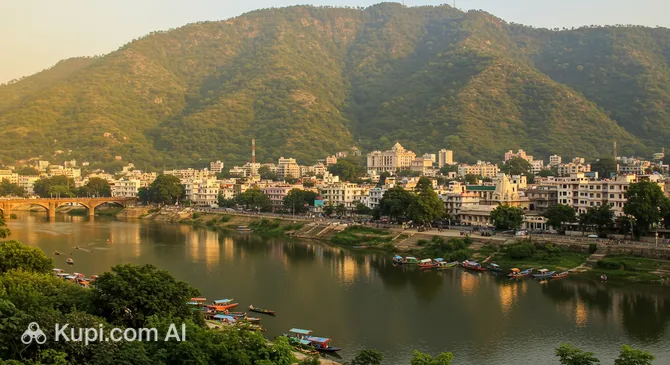
Bilaspur. Source: Kupi.Binoculars

The city holds a prestigious status as the "Nyayadhani" or the "City of Justice" because it houses the High Court of Chhattisgarh. Those interested in the past will find the history of Bilaspur fascinating, as it is deeply connected to the ancient Kalachuri dynasty and the nearby historical town of Ratanpur. This deep-rooted cultural legacy is visible in the local customs and the vibrant festivals enthusiastically celebrated by the community.

Tourists are often drawn to the Kanan Pendari Zoo Park, a popular spot for wildlife enthusiasts and families looking to connect with nature. For those seeking spiritual solace or architectural beauty, the renowned Mahamaya Temple in nearby Ratanpur is a significant pilgrimage site. Additionally, the Achanakmar Wildlife Sanctuary, located a short drive away, offers an exciting opportunity to observe the region's diverse flora and fauna in a protected tiger reserve.

Whether you are visiting for business, pilgrimage, or eco-tourism, Bilaspur welcomes you with warm hospitality. Its combination of natural beauty, historical significance, and urban conveniences makes it a memorable stop on any itinerary.

Weather Overview

The climate in this region is marked by distinct seasonal variations, ranging from sweltering summers to comfortable, mild winters. To help plan your activities and packing list, it is helpful to review the current weather in Bilaspur before your arrival. Generally, the city experiences a tropical climate where temperature and humidity levels shift significantly throughout the year.

Summers can be quite intense, particularly in May, when the average temperature rises to around 33.5°C and daily highs can reach 40.0°C. This hot period is followed by the monsoon season, which brings relief from the heat but introduces frequent rainfall. From June to September, precipitation increases notably, with July seeing rain on approximately 29 days of the month.

Travelers often prefer the winter months for visiting, as the conditions are much more pleasant for sightseeing. In December and January, the weather cools down considerably, with average temperatures hovering around 20°C and nightly lows dipping to approximately 13°C. Expect warm summers with occasional rain during the monsoon transition and cool, dry winters that are perfect for outdoor exploration.

Interesting Facts

Beyond the main attractions and bustling markets, Bilaspur holds many fascinating secrets that offer a deeper glimpse into its character. From its pivotal role in the nation's transport network to its unique cultural and archaeological treasures, there are several surprising aspects to discover.

  • A Railway Powerhouse: Bilaspur is not just a transit point; it serves as the headquarters for the South East Central Railway zone. This specific zone is frequently cited as the most profitable and highest revenue-generating railway zone in all of India, highlighting the city's immense industrial and commercial importance.

  • The Land of Kosa Silk: The region is a celebrated hub for Kosa silk, a unique variety of Tussar silk known for its soft texture and natural golden hue. The local handloom industry produces exquisite sarees and fabrics that are highly prized, making the city a fantastic destination for textile enthusiasts.

  • The Enigma of Tala: Just a short distance from the city lies the archaeological site of Tala, home to the mysterious Rudra Shiva statue. This ancient sculpture is an artistic marvel where the deity's body parts are intricately carved to resemble various animals, including a lizard, crab, and peacock, creating a visual puzzle that continues to intrigue historians.

  • Rawat Nacha Mahotsav: The city hosts the vibrant Rawat Nacha Mahotsav, a grand folk dance festival that celebrates the rich heritage of the Yaduvanshi community. Unlike typical harvest festivals, this event brings together hundreds of dancers in colorful traditional attire, offering a spectacular display of rhythm and local culture that is unique to this region.

How to Get There

Reaching this bustling city in Chhattisgarh is relatively straightforward, with several convenient travel options available. To plan your journey in detail, you can find all ways to reach the city in our dedicated guide.

For those flying in, Swami Vivekananda Airport (IATA: RPR) in Raipur serves as the nearest major aviation hub with extensive connectivity. It is situated approximately 108 km from Bilaspur. Once you land, you can hire a taxi or take a bus to reach the city, a journey that typically takes around 3 hours. Due to its frequent flight schedules and broad network, this airport remains the most popular choice for visitors.

Alternative entry points include Veer Surendra Sai Airport (IATA: JRG) in Jharsuguda, which is about 198 km away, and Jabalpur Airport (IATA: JLR) in Jabalpur, located approximately 247 km from the city. While these airports offer additional options for reaching the region, the travel time by road is considerably longer—ranging from 5 to 6.5 hours—making them secondary choices compared to Raipur.

For clarity, here is a summary of the main airports:

Airport Name City Passenger Traffic Km from City
Swami Vivekananda Airport Raipur High 107.9
Jabalpur Airport Jabalpur Medium 246.8
Veer Surendra Sai Airport Jharsuguda Medium 198.0

Bilaspur is also widely recognized as a major railway hub in central India. Bilaspur Junction serves as the headquarters of the South East Central Railway zone and is one of the busiest stations in the region. It offers excellent direct connectivity to major metropolitan cities across the country, including New Delhi, Mumbai, Kolkata, and Chennai. For many travelers, arriving by train is the most direct and comfortable method of reaching the city center.

Main Attractions

Bilaspur and its surroundings offer a diverse array of experiences, ranging from ancient spiritual sites to lush natural reserves. Visitors can explore historical temples that whisper tales of dynasties past or immerse themselves in the region's rich biodiversity at well-maintained sanctuaries. Here are some of the most captivating places to visit during your stay.

One of the most revered sites in the region is the Mahamaya Temple, located in the historic town of Ratanpur, just a short drive from the city center. Built in the 11th century by King Ratnadev I, this temple is a splendid example of Nagara architecture and serves as a major pilgrimage destination. It is dedicated to the Goddess Mahamaya and attracts thousands of devotees, especially during the Navaratri festival, making it a culturally immersive experience for tourists seeking spiritual connection.

For wildlife enthusiasts and families, the Kanan Pendari Zoo Park is a must-visit destination. Situated on the outskirts of the city, this vibrant zoological park is home to a variety of animals, including tigers, leopards, and spotted deer. The park provides a refreshing escape into nature with its lush greenery and well-kept enclosures, offering a perfect setting for a leisurely walk or an educational outing with children.

Nature lovers willing to venture a bit further should explore the Achanakmar Wildlife Sanctuary. As a designated tiger reserve and part of a significant biosphere, it boasts a dense forest cover that shelters diverse fauna, including bison and numerous bird species. The sanctuary's hilly terrain and the winding Maniyari River create a breathtaking landscape, providing excellent opportunities for jungle safaris and wildlife photography.

Another scenic gem is the Khutaghat Dam, built across the Kharang River. This picturesque spot is famous for its tranquil blue waters and the lush forests that surround it. It is a popular location for picnics and nature appreciation, offering stunning views of the reservoir against a backdrop of rolling hills. The dam is particularly beautiful just after the monsoon season when the water levels are high and the surroundings are a vibrant green.

Local Cuisine

The culinary landscape of Bilaspur is a delightful reflection of Chhattisgarh's reputation as the "Rice Bowl of India." The local cuisine is heavily centered around rice and rice flour, characterized by its simplicity, nutritional value, and earthy flavors. Unlike the rich, heavy gravies found in some other parts of the country, the food here relies on steaming and light tempering, making it both distinct and healthy. Visitors can expect a gastronomic journey that ranges from savory breakfast staples to unique tribal delicacies.

One of the most iconic dishes to try is Chila, a savory pancake made from rice batter, often enjoyed with tomato chutney or green chili paste. Another local favorite is Fara, which are steamed dumplings made from rice flour and sometimes stuffed with lentils; they are typically sautéed with mustard seeds and curry leaves for an extra kick. For a healthy snack, look for Bafauri, a steamed preparation made from chana dal (split chickpeas) that serves as a lighter alternative to deep-fried pakoras. Lunch platters often feature Dubki Kadhi, a tangy yogurt-based curry containing small dumplings, served alongside aromatic Doobraj rice, a specialty of the region.

The city's street food culture is vibrant and serves as a daily ritual for many locals. In the evenings, the streets bustle with vendors selling Gupchup (the local version of Panipuri), which is known for its spicy and tangy water. You will also find traditional dry snacks like Thethri and Khurmi, which are savory and sweet fried treats made from gram flour and wheat flour, respectively. These are particularly popular during festivals but can be found in local sweet shops year-round.

When it comes to beverages, the region has some unique offerings deeply rooted in local tradition. In the scorching summer months, locals turn to Bore Baasi, a dish of fermented rice soaked in water overnight, often consumed as a hydrating meal or drink to beat the heat. On the more traditional side, Mahua is a culturally significant alcoholic beverage brewed from the flowers of the Mahua tree. While it is more common in rural and tribal areas, it remains an integral part of the regional heritage. For non-alcoholic options, fresh sugarcane juice and buttermilk are widely available to keep travelers refreshed.

Dining in Bilaspur offers a mix of experiences, from bustling Chowpatties (open-air food courts) where you can sample affordable local snacks, to family restaurants serving standard North Indian and South Indian fare. To truly experience the authentic taste of the region, it is best to visit smaller local eateries or "dhabas" that specialize in Chhattisgarhi thalis, allowing you to savor a variety of leafy vegetables, known locally as Bhaji, which are a staple source of nutrition in the local diet.

Travel Tips

To ensure your journey to the "Rice Bowl" of Chhattisgarh is as smooth and enjoyable as possible, a little preparation goes a long way. Here are some practical tips to help you navigate local customs, manage logistics, and make the most of your time in this vibrant city.

  1. Clothing and Gear: Since Bilaspur experiences a tropical climate, pack loose, breathable cotton clothing for the hot summers and humid monsoons. If you are visiting during the winter (December to January), bring a light jacket or sweater, as evenings can get surprisingly chilly. When visiting religious sites like the Mahamaya Temple, dress modestly by covering your shoulders and knees to respect local traditions.
  2. Transportation: The most convenient way to get around the city is by auto-rickshaw. While ride-hailing apps are becoming more common, they may not be reliable in all areas, so it is often easier to hail an auto on the street. Always negotiate and agree on the fare before starting your ride, or ask the driver to use the meter if available. For day trips to nearby Ratanpur or wildlife sanctuaries, hiring a private car with a driver is highly recommended.
  3. Finances: The local currency is the Indian Rupee (INR). While major hotels and restaurants in the city center accept credit cards, cash is essential for small purchases, local transport, and street food. ATMs are widely available throughout the city, but it is wise to withdraw sufficient cash before heading to remote areas like the Achanakmar Wildlife Sanctuary. Tipping is appreciated; rounding up the bill or leaving a small amount at cafes is standard practice.
  4. Health and Safety: Bilaspur is generally safe for tourists, but standard precautions apply. Stick to bottled or filtered water to avoid stomach issues, especially when eating out. Pharmacies are plentiful in the city, but carry a basic medical kit if you plan to venture into the countryside. Since the region has lush greenery and water bodies, carrying a strong mosquito repellent is crucial to protect against insect bites, particularly during the evenings and the monsoon season.
  5. Communication: The primary languages spoken are Hindi and the local dialect, Chhattisgarhi. English is understood in high-end hotels and administrative circles, but less so by auto drivers and shopkeepers. Learning a few basic Hindi phrases like "Namaste" (Hello) and "Dhanyavaad" (Thank you) will be greatly appreciated by the locals and can help break the ice.
  6. Local Etiquette: Chhattisgarhi culture is warm and hospitable. When greeting people, a polite "Namaste" with folded hands is the customary gesture. Always remove your shoes before entering someone's home or a place of worship. It is also polite to use your right hand when eating, passing money, or handing objects to others, as the left hand is traditionally considered unclean for these activities.
  7. What to Avoid: Public displays of affection are generally frowned upon in smaller Indian cities and should be avoided to prevent drawing unwanted attention. Additionally, avoid taking photographs of locals, especially in tribal areas or during religious ceremonies, without asking for their permission first.
  8. Shopping Tip: Do not leave without checking out the local handloom products. Bilaspur is a hub for Kosa silk (Tussar silk), which is renowned for its texture and golden color. Visit the government-run emporiums or trusted local markets to buy authentic sarees or fabric at reasonable prices—it makes for a perfect, lightweight souvenir.

By keeping these practicalities in mind, you can focus on immersing yourself in the rich heritage and natural beauty of the region. Bilaspur offers a unique slice of central Indian life, and with these tips in hand, you are ready to explore it with confidence and ease.

Entertainment & Nightlife

While Bilaspur is primarily known for its cultural heritage and commercial significance, its entertainment landscape has evolved significantly in recent years. The nightlife here is not defined by wild nightclubs or all-night raves but rather by a sophisticated and relaxed culture of dining, lounging, and socializing. The city offers a growing selection of modern bars, lounge cafes, and upscale restaurants where locals and visitors unwind after sunset.

The heart of the city's evening activity is largely concentrated around Link Road and the Vyapar Vihar area. These districts are buzzing with energy, housing some of the city's most popular commercial complexes and hotels. For travelers looking to enjoy a drink or a vibrant atmosphere, the bars located within premium hotels are the best bet. Places like The Emerald, situated within Hotel East Park, offer a refined setting with a good selection of spirits and a calm ambiance, making it perfect for a quiet evening conversation.

For a more youthful and energetic vibe, Mocha is a favorite among the local crowd. It serves as a lively hangout spot that transitions from a cafe by day to a buzzing lounge by evening, often featuring great music and an extensive menu. Another notable venue is the bar and dining area at the Courtyard by Marriott, which provides a world-class experience with impeccable service, ideal for those seeking luxury and comfort. The atmosphere in these venues is generally "smart casual," and they tend to attract families, couples, and business travelers.

Timing is key when planning a night out in Bilaspur. Most venues begin to wind down by 11:00 PM, with only a few hotel bars staying open slightly later. Prices are quite reasonable compared to metropolitan cities, with a typical evening out costing between INR 800 to INR 1500 per person, depending on your order. Since public transport options like buses decrease late at night, it is highly advisable to arrange a taxi or an auto-rickshaw through your hotel or a ride-hailing app for a safe return.

In terms of safety, the main commercial areas like Link Road are well-lit and secure for evening strolls. However, it is recommended to avoid wandering into secluded neighborhoods late at night. Solo travelers should stick to the bustling zones around the major malls and hotels. Speaking of malls, Rama Magneto Mall and City Mall 36 are not just shopping destinations but also the centers of daytime and evening entertainment. They house multiplex cinemas, food courts, and gaming zones, offering a wholesome experience for those looking to catch the latest Bollywood blockbuster or enjoy a family dinner.

Parks & Museums

While Bilaspur is rapidly modernizing, it has managed to preserve several serene green spaces and cultural repositories that offer a break from the urban bustle. The city's parks provide lush retreats for families and nature lovers, while its museums and historical sites serve as custodians of the region's deep-rooted archaeological heritage, dating back to the Kalachuri dynasty.

One of the most popular recreational spots within the city limits is the Energy Park, also known as Urja Park. Located in Rajkishor Nagar, this beautifully landscaped garden is unique because it is powered entirely by solar energy, reflecting a commitment to sustainability. It is an excellent place for an evening stroll, featuring well-manicured lawns, a musical fountain that comes alive after sunset, and dedicated play areas for children. The park's educational aspect, showcasing renewable energy applications, makes it both a relaxing and informative visit for tourists.

For those seeking fun and leisure, Bubble Island offers a lively escape. Situated in the Tifra area, this amusement and water park is a favorite among locals, especially during the hot summer months. With its vibrant atmosphere, water slides, and green surroundings, it serves as a perfect day-out destination for families. Although more commercial than a traditional botanical garden, its well-kept grounds provide a refreshing environment to unwind and enjoy the outdoors.

Delving into the cultural history of the region, the District Archaeological Museum is a hidden gem for history buffs. Though modest in size, the museum houses a significant collection of ancient sculptures, inscriptions, and artifacts recovered from nearby historical sites like Ratanpur and Tala. The exhibits primarily feature stone idols of Hindu deities, some dating back to the 11th century, offering a fascinating glimpse into the artistic and religious life of ancient Chhattisgarh. It is a quiet place where visitors can appreciate the intricate craftsmanship of the Kalachuri era without the crowds.

While not a traditional indoor museum, the archaeological site of Tala, located near the city, functions as an exceptional open-air gallery of ancient art. It is home to the Devrani and Jethani temples and the enigmatic Rudra Shiva statue. This site complements the city's museum by allowing visitors to see history in its original context. The intricate carvings and the sheer age of the structures make it an essential stop for anyone interested in archaeology and architecture.

Insider Tip: For a peaceful experience away from the main tourist trail, visit Smriti Van. This forest park is a dedicated green zone created to promote environmental awareness and afforestation. It is less crowded than the zoo or Energy Park, offering a tranquil setting for birdwatching, meditation, or a quiet morning walk amidst dense greenery.

Getting Around

Navigating the city is a relatively straightforward experience, though it differs significantly from the structured public transport networks found in larger metropolitan areas. Bilaspur does not currently have a metro or tram system. Instead, the local transportation backbone relies heavily on road-based options, primarily auto-rickshaws, e-rickshaws, and a developing city bus service that connects the urban center with expanding suburbs.

The most ubiquitous mode of transport is the auto-rickshaw. These three-wheeled vehicles are available in two forms: private and shared. Shared autos run on fixed routes, such as from the Railway Station to key localities like Sarkanda or Nehru Chowk, and are extremely cost-effective. For a greener and quieter alternative, e-rickshaws (battery-operated rickshaws) have become very popular for short-distance travel within neighborhoods. They are slow-moving but perfect for navigating narrow markets and busy streets.

For longer distances across the city, the City Bus service offers a budget-friendly option. These buses operate on specific corridors connecting the main city with satellite areas like Koni and Tifra. While they are less frequent than rickshaws and may not adhere to a strict timetable, they provide a comfortable ride, especially during the hotter parts of the day. However, for quick trips, they are generally not the fastest choice due to frequent stops.

When it comes to payment, cash is essential. The city’s transport system is largely informal, and digital payment methods like travel cards or tap-to-pay systems do not exist for public transit here. While some private auto drivers might accept UPI payments via mobile apps, it is rare. Travelers should carry small denominations, as drivers often struggle to provide change for high-value notes. Fares for shared rides are fixed and very low, while private auto fares must be negotiated before the journey begins.

For those seeking more comfort and transparency, app-based ride-hailing services like Ola and Uber are operational, offering both auto-rickshaws and cars. These are particularly useful for tourists who want to avoid the hassle of bargaining. Traditional taxis are generally not hailed on the street; they are mostly available for pre-booked full-day rentals from travel agencies or stands near the railway station.

A practical tip for visitors is to plan your travel carefully during the late evening. Public transport availability drops significantly after 10:00 PM, although auto-rickshaws can still be found around the Bilaspur Junction railway station, which remains a bustling hub 24/7. Always confirm the destination and price clearly before boarding any vehicle, and if you are unsure about the standard fare, asking a local shopkeeper or hotel staff for an estimate is a good idea.

Accommodation

Finding a place to stay in Bilaspur is relatively easy, as the city offers a wide spectrum of accommodation options tailored to meet the needs of business travelers, pilgrims, and tourists. The hospitality landscape here is dominated by functional and comfortable establishments rather than sprawling luxury resorts. Visitors can choose from economical lodges, standard mid-range hotels, and a growing number of upscale properties that offer modern amenities and varied dining options.

When choosing a location, the area surrounding the Bilaspur Junction Railway Station is a popular choice for budget travelers and those on a quick transit. This zone is packed with affordable guesthouses and lodges that provide basic facilities and unbeatable proximity to transport. For those seeking more comfort and a quieter environment, the neighborhoods of Link Road and Vyapar Vihar are excellent alternatives. These commercial hubs are home to the city's premium hotels, offering better service, spacious rooms, and easy access to shopping malls and restaurants.

The cost of accommodation in Bilaspur is generally affordable compared to India's major metros. Budget travelers can find decent rooms at modest prices, often available for direct booking upon arrival. Mid-range hotels typically offer air-conditioning, Wi-Fi, and in-house dining, making them the standard choice for families. The luxury segment, while limited, includes well-known international and domestic chains that provide superior comfort, swimming pools, and banquet facilities. Most of these higher-end properties are listed on major online booking platforms, allowing for easy price comparison and reservations.

Booking Tip: While rooms are usually available year-round, the city can get busy during the wedding season and major local festivals like the Rawat Nacha Mahotsav. It is advisable to book your accommodation at least a few weeks in advance if you plan to visit during these peak times to secure the best rates and availability.

Nearby Cities

Bilaspur serves as a strategic gateway to the wider Chhattisgarh region, surrounded by several key industrial and cultural hubs. Its central location allows travelers to easily plan day trips or short excursions to neighboring cities, each offering its own unique character. Whether you are interested in the bustling markets of the state capital, the industrial prowess of the "Steel City," or the scenic landscapes of the "Power Capital," there are plenty of destinations within a short drive or train ride.

Below is a list of the most prominent cities located nearby, along with their distance and population details:

City Distance Population
Korba 70 km 365,253
Raipur 106 km 1,010,087
Bhilai 128 km 625,700
Raigarh 131 km 135,363
Durg 132 km 268,806

The closest major city is Korba, situated just 70 km away. Often referred to as the "Power Capital of India," it is renowned for its massive thermal power plants and coal mines. Despite its industrial nature, Korba is located near the confluence of the Hasdeo and Ahiran rivers, offering scenic spots and lush greenery that contrast with its factories. It is a fascinating destination for those interested in seeing the industrial backbone of the state.

Traveling south, you will reach Raipur, the capital city of Chhattisgarh. As the largest urban center in the region, it is a bustling metropolis known for its vibrant steel markets, shopping malls, and the serene Swami Vivekananda Sarovar (Budha Talab). It also serves as the primary aviation hub for the area, making it a frequent stop for travelers entering or leaving the state.

Further along the same route lie the twin cities of Bhilai and Durg. Bhilai is globally famous for the Bhilai Steel Plant, one of the largest in India, and is celebrated as a planned city with wide avenues and excellent educational institutions. Just adjacent is Durg, an older city with a rich cultural heritage and significant Jain temples, providing a blend of modern industry and traditional architecture.

To the east lies Raigarh, known as the "Cultural Capital of Chhattisgarh." It is famous for its classical music and dance heritage, particularly the Kathak dance form, and is also a major producer of steel and power. Like Bilaspur, it is a hub for Kosa silk, making it another excellent spot for textile enthusiasts to explore.

Shopping & Souvenirs

Shopping in Bilaspur offers a vibrant mix of traditional charm and modern convenience. As a major commercial hub in Chhattisgarh, the city caters to a wide range of tastes, from bustling street markets filled with local handicrafts to contemporary malls housing international brands. The shopping scene here is particularly renowned for its authentic textiles, making it a paradise for those looking to add unique fabrics to their collection.

For a truly local experience, Sadar Bazar and Gol Bazar are the main shopping districts that pulse with energy. These areas are a maze of narrow streets and crowded lanes where you can find almost anything, from traditional jewelry and clothing to spices and household goods. Sadar Bazar is the oldest market in the city and is the perfect place to witness the daily hustle of local life while bargaining for goods at competitive prices. Link Road offers a different atmosphere, lined with modern showrooms and branded outlets, suitable for those looking for electronics, fashion, and accessories in a more organized setting.

If you prefer air-conditioned comfort and a structured shopping experience, the city boasts excellent shopping malls. Rama Magneto Mall is a favorite destination, featuring a variety of high-end fashion brands, lifestyle stores, and a multiplex. Similarly, City Mall 36 stands out as a comprehensive lifestyle hub where visitors can shop for apparel, footwear, and gifts, followed by a meal at the food court. These malls are popular hangouts for families and young people, especially on weekends.

The local markets are where the soul of the city truly resides. Gol Bazar is not just a place to buy goods; it is a sensory experience filled with the aroma of fresh produce and local snacks. It is an excellent spot to explore if you are interested in buying fresh seasonal fruits or observing the local trade culture. Weekly markets, known as Haats, also pop up in various localities, offering fresh vegetables and rural handicrafts directly from the producers.

When it comes to souvenirs, Kosa Silk (Tussar silk) is the undisputed highlight of Bilaspur. The region is famous for producing this textured, golden-hued silk, which is woven into exquisite sarees, shawls, and dress materials. Visiting the government-run handloom emporiums or trusted silk shops in the city center is highly recommended to ensure authenticity. apart from silk, you can also look for Dhokra art, a traditional bell metal craft native to Chhattisgarh, which makes for beautiful home decor and unique gifts.

Most shops in Bilaspur open around 10:00 AM or 11:00 AM and remain open until 9:00 PM or 10:00 PM. While malls and large showrooms accept credit and debit cards, cash remains the preferred mode of payment in local markets like Sadar Bazar and for street food vendors. Digital payment methods like UPI are becoming increasingly popular and are accepted in many smaller shops as well.

Tourists should note that India does not typically offer a VAT or GST refund scheme for international travelers at standard retail outlets. The price displayed on items usually includes all applicable taxes, so the price you see is the final price you pay.

Reached the end of the page?

That means the route is fully explored