Support

Jharsuguda

About

Jharsuguda is a dynamic and rapidly developing city located in the western part of Odisha, India. Often referred to as the "Powerhouse of Odisha" due to its significant industrial presence and thermal power plants, the city offers a fascinating blend of modern economic activity and traditional charm. With a population of approximately 124,500 residents, it serves as a vital commercial hub in the region while maintaining a welcoming atmosphere for visitors.

Jharsuguda. Source: Kupi.Binoculars

Geographically, the city is situated in a mineral-rich belt, surrounded by scenic landscapes that include rivers and lush forests. While it is known today for its industries, the history of Jharsuguda runs deep, with connections to ancient civilizations and freedom movements. The region is home to several historical sites that offer a glimpse into its rich cultural past, making it an interesting stop for heritage enthusiasts.

Travelers visiting the area should not miss the breathtaking Koilighugar Waterfall, a popular picnic spot located inside a dense forest, perfect for nature lovers. Another highlight is the Bikramkhol cave, famous for its prehistoric rock art and inscriptions, which attract archaeologists and historians from around the world. Whether you are here for business or leisure, Jharsuguda provides a unique opportunity to experience the industrial heartbeat of the state alongside its natural and historical treasures.

Weather Overview

Jharsuguda experiences a tropical climate characterized by three distinct seasons: a hot summer, a humid monsoon, and a pleasant winter. The warmest months are typically April and May, where the average temperature climbs to around 32.5°C, and daily highs can reach 38.4°C. Travelers visiting during this period should expect significant heat and plan outdoor activities accordingly.

The weather shifts dramatically with the arrival of the monsoon, which brings frequent rainfall from June through September. July and August are the wettest months, often seeing up to 28 rainy days, making an umbrella essential for travel. Conversely, the winter season from November to February is cool and dry, with January seeing minimum temperatures drop to approximately 13.6°C. For a more detailed forecast to help plan your trip, you can consult the guide to the weather in Jharsuguda.

Interesting Facts

Beyond its reputation as a bustling industrial hub, Jharsuguda holds fascinating secrets that often surprise visitors. From ancient mysteries etched in stone to covert wartime operations, the region’s past is as dynamic and layered as its present.
  • A Secret WWII Base: The city's airport, now known as Veer Surendra Sai Airport, was originally constructed during World War II by Allied Forces. It served as a strategic base to counter the Indian National Army led by Subhas Chandra Bose and to defend against potential Japanese air raids, remaining a military secret for years before falling into disuse until its recent revival.

  • The "Missing Link" Script: Just outside the city lies the Bikramkhol Cave, a site of immense archaeological importance. Historians and epigraphists believe the prehistoric inscriptions found here could be the evolutionary link between the ancient Indus Valley script and the later Brahmi script, potentially bridging a massive gap in the history of India.

  • Accidental Industrial Birth: The region's massive coal industry, which defines its economy today, owes its existence to a happy accident. In 1900, railway engineers stumbled upon rich coal deposits entirely by chance while constructing a bridge across the Ib River, forever changing the destiny of the area.

  • "Little India": Due to the decades-long influx of workers and professionals from every corner of the nation to its mines and factories, Jharsuguda is affectionately nicknamed "Little India." This has created a uniquely cosmopolitan culture where diverse languages, traditions, and festivals from all over the country thrive side by side.

How to Get There

Reaching Jharsuguda has become significantly easier in recent years, thanks to improved air connectivity and its status as a major regional transport hub. Visitors planning their journey can find more about how to get to Jharsuguda and the various travel options available in our detailed guide. The most convenient way to arrive is by flying directly into the city's own airport, which connects it to several major Indian cities.

The primary entry point for air travelers is Veer Surendra Sai Airport (JRG), located just 7.9 km from the city center. This domestic airport serves as a key gateway for the region. Upon arrival, a taxi or auto-rickshaw ride to the main part of the city takes approximately 20-30 minutes. While it is a smaller regional hub with an annual passenger traffic of around 300,000, it offers the distinct advantage of landing directly at your destination without the need for long inter-city transfers.

If direct flights are unavailable, travelers can opt for larger airports in neighboring cities, though these require a subsequent journey by road or train. The closest alternative is Birsa Munda Airport (IXR) in Ranchi, situated about 210 km away. Other significant options include Swami Vivekananda Airport (RPR) in Raipur and the busier Biju Patnaik International Airport (BBI) in Bhubaneswar, which are approximately 246 km and 259 km away, respectively. These airports handle millions of passengers annually and offer a wider range of flight connections.

For clarity, here is a summary of the main airports:

Airport Name City Passenger Traffic Km from City
Veer Surendra Sai Airport Jharsuguda Small 7.9
Birsa Munda Airport Ranchi Medium 210.7
Swami Vivekananda Airport Raipur Medium 246.5
Biju Patnaik International Airport Bhubaneswar Large 259.4

Besides air travel, Jharsuguda is well-known for being a major railway junction in the region. It is exceptionally well-connected by train to all parts of India, making rail travel a very popular and practical choice for many tourists. The city also has a robust network of roads, with regular bus services linking it to nearby towns and districts in Odisha.

Main Attractions

While Jharsuguda is widely recognized for its industrial prowess, the city and its surroundings harbor a surprising array of natural and historical treasures waiting to be explored. Tourists venturing into this part of Odisha will find a compelling mix of cascading waterfalls, ancient rock shelters, and spiritual sites that offer a peaceful retreat from the bustling city life.

One of the most spectacular natural sights in the region is the Koilighugar Waterfall, located in the Lakhanpur block. Nestled within a lush forest, this two-tiered waterfall plunges into a rocky ravine, creating a mesmerizing scene. What makes this spot particularly unique is the presence of a natural Shivalinga submerged in the water, which becomes visible during the summer months when the water level recedes. It is a favorite spot for picnics and nature photography, offering a serene atmosphere filled with the sounds of cascading water and birdsong.

For history buffs and archaeology enthusiasts, Bikramkhol is an unmissable destination. Situated in the Belpahar range, this prehistoric rock shelter is famous for its ancient inscriptions and rock art, which date back thousands of years. The mysterious pictographic script found on the cave walls has intrigued historians for decades, as it is believed to be a potential link between the Harappan script and the later Brahmi script. Visiting this site feels like stepping back in time to witness the dawn of written communication.

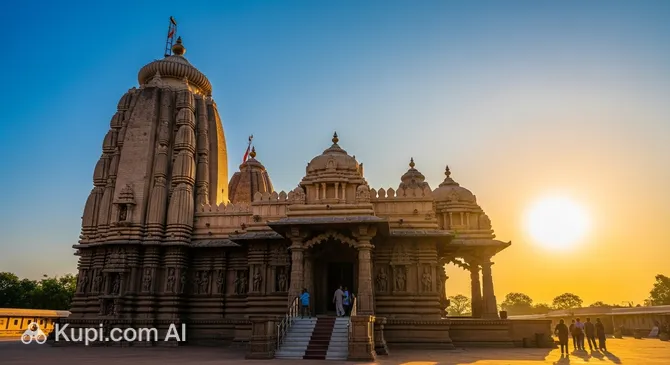
Closer to the city center, the Jhadeswar Temple stands as a significant spiritual landmark. Dedicated to Lord Shiva, this ancient temple is not only a place of worship but also holds cultural importance, as the city of Jharsuguda is believed to be named after the presiding deity, Jhadeswar. The temple grounds are peaceful and provide a glimpse into the local religious traditions and architectural style, making it a worthy stop for those looking to understand the cultural heart of the city.

Another popular spot for both locals and visitors is the Pahadi Mandir. Perched atop a small hill, this temple offers panoramic views of the sprawling city and its industrial landscape. It is an excellent location to visit during the evening to watch the sunset and see the city lights begin to twinkle. The climb is gentle, and the breezy hilltop provides a refreshing break, combining spiritual solace with a scenic vantage point.

Local Cuisine

The culinary landscape of Jharsuguda offers a savory journey through the traditional flavors of Western Odisha, characterized by simple ingredients, robust spices, and a heavy reliance on rice. Due to the city's cosmopolitan "Little India" nature, you can easily find North and South Indian staples, but the authentic local cuisine remains the highlight for any gastronomic traveler. The food here is generally unpretentious, wholesome, and deeply connected to the agricultural roots of the region.

One dish that defines the local food culture, especially during the scorching summer months, is Pakhala. This fermented rice dish is served chilled and is believed to prevent heatstroke. It is typically enjoyed with a variety of traditional side dishes known as "bhaja" or "chura," such as Badi Chura (sun-dried lentil dumplings crushed with garlic and chili) and fried vegetables or fish. Another regional specialty you must try is Chaula Bara, spicy rice flour fritters that are crispy on the outside and soft on the inside, usually served with a tangy tamarind chutney. These are particularly famous in Western Odisha and make for an addictive evening snack.

For those with a sweet tooth, no trip to this part of the country is complete without tasting Chhena Poda. Often regarded as the smoky cousin of the cheesecake, this dessert is made from fresh cottage cheese (chhena), sugar, and cardamom, which is then baked until it develops a caramelized, brown crust. It is sold in almost every sweet shop in the city and offers a unique flavor profile that balances sweetness with a hint of burnt sugar.

When it comes to beverages, the locals have distinct preferences. To beat the heat, tall glasses of sweet or salted Lassi (yogurt-based drink) are extremely popular and available at numerous street corners. On the traditional side, the region is known for Mahua, a potent indigenous alcoholic drink brewed from the flowers of the Mahua tree. While it is a tribal staple with deep cultural significance in the forested belts surrounding the city, tourists should approach it with curiosity and caution, often finding it in local markets or during festivals.

The food culture in Jharsuguda is vibrant and communal. While there are several air-conditioned restaurants serving multi-cuisine platters, the true pulse of the city's food scene is found in its street stalls and "Dhabas." The areas around the railway station and the main market bustle with activity in the evenings, where locals gather to eat Gupchup (the local variation of Panipuri) and Dahibara Aloodum. Eating out here is casual and affordable, offering a perfect opportunity to mingle with the friendly residents.

Travel Tips

Welcome to Jharsuguda! To ensure your visit to this bustling industrial hub and its scenic surroundings is as smooth as possible, we have compiled a set of practical guidelines. Whether you are here to explore ancient rock art or navigate the city's busy markets, these tips will help you travel with confidence and ease.

  1. Clothing and Gear: The climate dictates your wardrobe here. For the hot summer months (March to June), loose-fitting cotton clothing is essential to beat the heat. If visiting during the monsoon, waterproof shoes and a sturdy umbrella are must-haves. Since you will likely visit religious sites like the Jhadeswar Temple, pack clothes that cover your shoulders and knees to respect local customs. A good pair of walking shoes is also recommended for excursions to rocky terrains like the Koilighugar Waterfall.

  2. Transportation: The most common way to get around the city is by auto-rickshaw. They are plentiful and convenient for short distances. While ride-hailing apps are becoming more common in India, they may not be as reliable here as in major metros, so it is wise to rely on local taxi stands or arrange a car through your hotel for day trips. Always agree on the fare with auto-rickshaw drivers before starting your journey if there is no meter.

  3. Finances: The currency used is the Indian Rupee (INR). While hotels and larger restaurants accept credit cards, cash is absolute king in local markets, small eateries, and for transport. ATMs are widely available throughout the city center. It is advisable to carry smaller denominations (₹10, ₹20, ₹50 notes) for tipping and small purchases, as change can sometimes be hard to find.

  4. Health and Safety: Jharsuguda is an industrial city, so it can get dusty; carrying a scarf or a face mask is a practical idea if you are sensitive to dust. Pharmacies are easily found along the main roads and near the district hospital. Stick to bottled or filtered water and avoid consuming cut fruits or street food that has been exposed to the open air to prevent stomach issues.

  5. Communication: The official language is Odia, but due to the city's cosmopolitan "Little India" character, Hindi is widely spoken and understood. English is generally spoken by hotel staff and business professionals, but learning a few basic Odia words like Namaskar (Hello) and Dhanyabad (Thank you) will go a long way in building rapport with locals. Major mobile networks like Jio and Airtel offer strong 4G coverage in the city.

  6. Local Etiquette: When visiting temples, always remove your shoes before entering. It is polite to use your right hand for eating, shaking hands, or handing over money, as the left hand is traditionally considered unclean for these activities. Public displays of affection are generally frowned upon in conservative parts of the city, so it is best to maintain a modest demeanor in public spaces.

  7. What to Avoid: Do not take photographs of industrial installations, power plants, or mining areas without explicit permission. These are often high-security zones, and unauthorized photography can lead to questioning by security personnel. Also, avoid venturing into isolated forest areas like Bikramkhol alone after dark; always go with a guide or in a group.

  8. Shopping Tip: Since Jharsuguda is in Western Odisha, it is a great place to buy authentic Sambalpuri textiles. Look for the famous Sambalpuri Saree or fabric, known for its intricate Ikat tie-dye patterns. Buying directly from local handloom shops ensures you get genuine quality at a fair price.

By keeping these practical tips in mind, you will be well-prepared to navigate the unique blend of industry and tradition that defines Jharsuguda. We hope you have a wonderful time exploring the waterfalls, temples, and warm hospitality of this dynamic city!

Entertainment & Nightlife

As an industrial hub known as the "Powerhouse of Odisha," Jharsuguda offers a nightlife scene that is distinct from the high-energy clubbing culture of metropolitan cities. The evening entertainment here is more laid-back and sophisticated, primarily centered around upscale hotels, multi-cuisine restaurants, and a few cozy lounges. The city comes alive in a different way after sunset, with locals and visiting professionals gathering to unwind over good food and drinks in a relaxed atmosphere.

The heart of the city's evening activity is often found around Sarbahal Road and Marwari Para. These areas bustle with activity well into the evening, lined with shops, eateries, and bright lights. While you won't find sprawling nightlife districts with rowdy nightclubs, these main thoroughfares offer a pleasant environment for an evening stroll, shopping, or hopping between local eateries to taste the street food before heading to a bar.

For those seeking a refined drinking and dining experience, the city's top hotels host the best venues. The Baron & The Baroness, located within the MAYFAIR Oasis Resort & Convention, is arguably the most premium spot in town. It offers an elegant, English colonial-style ambiance where guests can enjoy fine spirits and cocktails in a quiet, luxurious setting. It is the perfect place for a business meeting or a romantic evening.

Another popular destination is the Vineyard Bar at The Orchard hotel. Known for its cozy interiors and well-stocked bar, it attracts a steady crowd of corporate travelers and locals looking for a comfortable place to relax. If you prefer a slightly more spirited vibe, Aura at Hotel Aryan offers a pub-like atmosphere with a good selection of drinks and finger foods, making it a reliable choice for a fun night out with friends.

Beyond bars and lounges, evening entertainment in Jharsuguda often includes catching the latest Bollywood or regional blockbuster. The city boasts modern cinema halls like Eylex Fun N Films in the Shanti City Center and Shiva Multiplex. These venues are popular hangouts for families and young people, especially on weekends. For a more traditional experience, the local markets remain vibrant in the early evening, offering a glimpse into the local lifestyle.

Practical Advice for Nightlife:

  • Timing: The city sleeps relatively early compared to major metros. Most bars and restaurants close by 10:30 PM or 11:00 PM, so it is best to head out early (around 7:30 PM) to make the most of your evening.
  • Dress Code: The vibe is generally casual, but if you are visiting upscale venues like The Baron & The Baroness, "smart casual" attire is recommended.
  • Getting Around: Auto-rickshaws are available but can be scarce late at night. If you are staying at a hotel, it is highly advisable to arrange a taxi or a private car for your return journey to ensure safety and convenience.
  • Safety: Jharsuguda is generally safe, but industrial areas can get very quiet and deserted after dark. Stick to well-lit main roads and the hotel zones, and avoid walking alone in isolated areas late at night.

During the day, entertainment options are more family-oriented. You can visit the various parks or take a short trip to the nearby Koilighugar Waterfall for a picnic. However, as the sun sets, the shift to the comfortable, air-conditioned lounges of the city's hospitality sector provides a welcome respite from the day's heat and activity.

Parks & Museums

While Jharsuguda is primarily known for its industrial prowess, the city and its surroundings offer refreshing pockets of greenery and unique historical sites that function as open-air museums. Visitors looking to escape the hustle of the town center can find solace in the region's natural landscapes, while history enthusiasts can explore ancient galleries carved directly into nature.

Koilighugar Waterfall stands out as the region's most significant natural area. Located within the Chhuikhanch forest, this site serves as a sprawling natural park where visitors can trek through dense sal forests before reaching the cascading water. It is not just a waterfall but a complete ecosystem, offering a cool, green retreat perfect for picnics and nature walks. The sound of the water plunging into the gorge and the surrounding lush vegetation make it a prime spot for eco-tourists seeking tranquility away from the industrial zones.

For a more accessible natural experience near the city, the banks of the Ib River provide a scenic escape. As a tributary of the Mahanadi River, the Ib creates a picturesque landscape that attracts locals for evening strolls and casual outings. The riverfront areas, particularly during the post-monsoon season, are lush and offer beautiful views of the water winding through the rocky terrain. It is an excellent place for photography or simply sitting by the water to watch the sunset, offering a gentle respite from the city's concrete environment.

In terms of museums, Jharsuguda presents a unique scenario; it lacks a conventional city museum building, but it boasts Bikramkhol, which can be described as a prehistoric art gallery. Located in the Belpahar range, this ancient rock shelter functions as an open-air museum preserving the region's earliest history. The walls are adorned with ochre and red paintings and inscriptions that date back thousands of years. For tourists, this is a fascinating alternative to a glass-walled museum, offering a direct connection to the artisans and storytellers of the ancient past in their original setting.

Another site of immense cultural value is the Ulapgarh Rock Shelter (also known as Ullapgarh). Situated in the Hemgir range, this location offers a captivating blend of archaeology and adventure. It is renowned not only for its prehistoric rock paintings, which depict various geometric patterns and figures, but also for the ruins of an ancient hill fort associated with local legends. Exploring Ulapgarh feels like walking through a ruined open-air gallery, where the remnants of a fortification meet the artistic expressions of early civilization, all set against a backdrop of rugged natural beauty.

For a truly authentic experience, consider visiting the local weekly markets (Haats) in the surrounding tribal villages. While not a formal museum, these markets are living exhibitions of the region's culture. Here, you can see traditional tribal jewelry, hand-woven fabrics, and indigenous agricultural tools still in use today. It offers a vibrant, real-time glimpse into the ethnographic history of Western Odisha that no static display could match.

Getting Around

Public transport in Jharsuguda is functional and straightforward, primarily relying on road-based options rather than the complex rail or metro networks found in India's larger metropolitan areas. As a growing industrial city, it does not have a metro or tram system. Instead, the city's mobility is driven by a mix of auto-rickshaws, cycle rickshaws, and local buses that navigate the bustling streets and connect the city center with industrial suburbs and the railway station.

The most ubiquitous and convenient mode of transport for getting around the city is the auto-rickshaw. These three-wheeled vehicles are the lifeline of local commuting and come in two varieties: shared and reserved. Shared autos run on fixed routes, particularly along the main arterial roads connecting the railway station, Sarbahal, and the bus stand. They are an extremely budget-friendly option, where passengers pay for a single seat. For a more comfortable and direct journey, you can hire a "reserve" auto, which functions like a taxi, taking you directly to your destination without stops.

For longer distances within the district or to reach nearby towns like Brajrajnagar and Belpahar, local buses are a common choice. Both state-run and private mini-buses operate frequently, linking the city center with the surrounding industrial townships. While these buses are economical, they can get quite crowded during peak shift hours when workers are commuting. For a tourist, they offer an authentic glimpse into local life but may not be the most comfortable option for sightseeing with luggage.

The payment system for local transport is almost exclusively cash-based. There are no electronic travel cards, tap-to-pay systems, or integrated transport apps for the local auto-rickshaws or town buses. Passengers must pay the driver or conductor directly in Indian Rupees (INR). Fares for shared autos are generally fixed and very low, while fares for reserved autos should be negotiated before you step inside. It is highly recommended to carry small denominations (₹10, ₹20, and ₹50 notes), as drivers often struggle to provide change for high-value currency notes.

For those seeking a more comfortable alternative, taxis and car rentals are available. Modern app-based services like Uber and Ola are operational in Jharsuguda, providing a familiar booking experience for travelers. However, availability can sometimes be inconsistent compared to major metros. Therefore, if you require a vehicle for a full-day excursion to outlying attractions like the Koilighugar Waterfall or need guaranteed reliability for business meetings, it is advisable to book a private taxi through your hotel or a local travel agency.

Cycle rickshaws are still available in some parts of the city, particularly around market areas and narrow lanes where motorized traffic moves slowly. They are eco-friendly and ideal for very short distances, such as moving between the railway station and a nearby lodge. They offer a leisurely pace that allows you to soak in the sights and sounds of the market, though, like autos, the fare must be agreed upon in advance.

Practical advice for navigating the system includes being mindful of operating hours. While auto-rickshaws at the railway station are available around the clock to service arriving trains, public transport within the city tends to wind down by 9:00 PM or 10:00 PM. If you are dining out late, ensure you have a pre-arranged ride back to your accommodation. Additionally, always confirm the destination with shared auto drivers, as route numbers are not always clearly displayed.

Accommodation

The accommodation landscape in Jharsuguda is primarily tailored to meet the needs of business travelers and industrial professionals, reflecting the city's status as a major economic hub in India. While it is not a traditional leisure tourist destination, the hospitality sector has evolved significantly to offer comfortable and modern stays. Visitors can choose from a growing number of upscale properties, efficient business hotels, and budget-friendly lodges, ensuring that there is something to suit every requirement and price point.

For those seeking luxury and comprehensive amenities, the city features a few premium resorts and 4-star hotels. These properties are typically located slightly away from the bustling city center, offering a quiet environment perfect for relaxation after a day of meetings or sightseeing. Guests at these establishments can expect high standards of service, including swimming pools, multi-cuisine restaurants, well-equipped fitness centers, and spacious conference halls designed for corporate events.

The most convenient area for the majority of travelers is along Sarbahal Road and the vicinity of the Jharsuguda Railway Station. This central zone is the heartbeat of the city's accommodation scene, hosting numerous mid-range hotels. staying here places you within walking distance of local markets, restaurants, and transport links. These hotels generally focus on functionality, providing essential amenities such as complimentary Wi-Fi, air conditioning, and in-house dining options that cater to a transient workforce.

Budget travelers and backpackers will find a cluster of economical lodges and guest houses near the railway station and the main bus stand. These options offer basic but clean rooms and are ideal for those who prioritize location and affordability over luxury. They serve as excellent bases for tourists planning to spend their days exploring the nearby waterfalls and historical sites, or for those in transit to neighboring districts.

When planning your stay, it is important to consider the city's industrial calendar. Hotels in Jharsuguda often see high occupancy rates during the week due to visiting engineers and corporate delegations. It is advisable to book your room well in advance to secure your preferred choice. Additionally, given the region's hot climate, ensuring your chosen accommodation has reliable air conditioning and power backup is essential for a comfortable visit, especially during the summer months.

Nearby Cities

For those looking to explore the surroundings, Jharsuguda serves as an excellent base for day trips to several interesting nearby locations. The region is well-connected by road and rail, allowing travelers to easily discover the cultural, industrial, and natural diversity of Western Odisha and neighboring states.

Just a short drive away lies Sambalpur, a city renowned for its rich cultural heritage and vibrant textile industry. It is the home of the famous Sambalpuri Saree and the majestic Samaleswari Temple, dedicated to the presiding deity of the region. Visitors here can also explore the colossal Hirakud Dam, one of the longest earthen dams in the world, which offers breathtaking views of the massive reservoir and the surrounding hills, making it a perfect spot for nature lovers and photographers.

Another fascinating destination is Raurkela, often called the "Steel City of Odisha." Nestled amidst hills and rivers, it is one of the country's first planned industrial cities. Beyond its massive steel plant, Raurkela attracts tourists with the serene Hanuman Vatika, a garden complex housing a towering statue of Lord Hanuman, and the scenic Vedvyas Temple, located at the confluence of three rivers. It offers a unique mix of urban planning and natural beauty.

For those interested in cross-state travel, Raigarh in the neighboring state of Chhattisgarh offers a glimpse into a different cultural landscape. Known for its exquisite Kosa silk and Dhokra metal crafts, it is also a recognized hub for classical music and dance. The city serves as a gateway to exploring the rich tribal heritage and art forms of Central India.

City Population Distance (km)
Raurkela 600,000 98
Sambalpur 335,761 43
Raigarh 135,363 63
Brajarajnagar 101,585 10
Bargarh 80,625 68

These nearby destinations offer a glimpse into the diverse culture and landscapes of the region, providing memorable experiences ranging from spiritual retreats to industrial marvels.

Shopping & Souvenirs

Shopping in Jharsuguda offers a genuine glimpse into the lifestyle of Western Odisha, blending the charm of traditional Indian bazaars with the convenience of emerging modern retail. While it may not be a metropolitan shopping destination with endless luxury avenues, the city provides a functional and vibrant experience where visitors can find everything from daily necessities to exquisite local handicrafts. The retail scene here is largely driven by small, family-owned businesses and bustling market streets that have served the community for generations.

The primary hub for shopping activity is Sarbahal Road. This arterial street has developed into the city's modern commercial spine, lined with showrooms, branded apparel stores, and electronics outlets. It is a pleasant area for an evening walk, allowing tourists to browse through contemporary fashion or pick up travel essentials. In contrast, the Main Road and Marwari Para areas offer a more traditional atmosphere. These districts are densely packed with smaller shops selling jewelry, textiles, and household goods, buzzing with the energy of local commerce and bargaining.

For those preferring a more organized retail environment, Shanti City Center stands out as the most prominent shopping complex in Jharsuguda. As a modern landmark in the city, it houses a variety of retail outlets, a food court, and a multiplex cinema, offering a one-stop destination for shopping and entertainment. It provides a comfortable, air-conditioned escape from the heat and is the best place to find national brands and standardized goods.

To truly understand the local culture, a visit to the city's Daily Market is essential. This is not a tourist trap but a functional market where residents buy fresh produce, spices, and local wares. It is a sensory experience filled with the colors of fresh vegetables and the aroma of regional spices. While it is primarily a food market, the surrounding lanes often feature vendors selling inexpensive clothes, bangles, and plastic goods, offering a candid look at the everyday life of the region.

When it comes to souvenirs, the undisputed highlight of the region is the Sambalpuri textile. Jharsuguda is an excellent place to purchase authentic Sambalpuri sarees, kurtas, and fabrics, famous for their intricate Ikat tie-dye patterns. These handloom products are woven by local artisans in Western Odisha and are renowned across India for their artistry and vibrant colors. Buying from local handloom houses ensures you get genuine quality at a fraction of the price found in big city boutiques. Additionally, you might find items made of bell metal (Dhokra), a traditional craft of the tribal belts in the nearby districts.

Most shops in Jharsuguda typically open around 10:00 AM and close by 9:00 PM or 9:30 PM. Many smaller establishments may close for a short afternoon siesta between 2:00 PM and 4:00 PM, especially during the hot summer months. In terms of payment, cash remains the most widely accepted method, particularly in local markets and smaller stores. However, digital payment methods like UPI are rapidly gaining popularity, and credit or debit cards are generally accepted in hotels, the shopping mall, and larger showrooms on Sarbahal Road.

Regarding tax refunds, tourists should note that a tax-free shopping scheme is not generally available in Jharsuguda. The prices displayed usually include the Goods and Services Tax (GST), and there are no specialized counters for VAT refunds for international visitors in this region.
Reached the end of the page?

That means the route is fully explored