Support

Regional Museum of Natural History

About

Located in the heart of Bhubaneswar, the Regional Museum of Natural History offers a unique window into the natural heritage that India is so proud of. This museum is considered one of the most important educational and scientific centers in the state of Odisha, dedicated to the region's biological diversity, geology, and ecology.
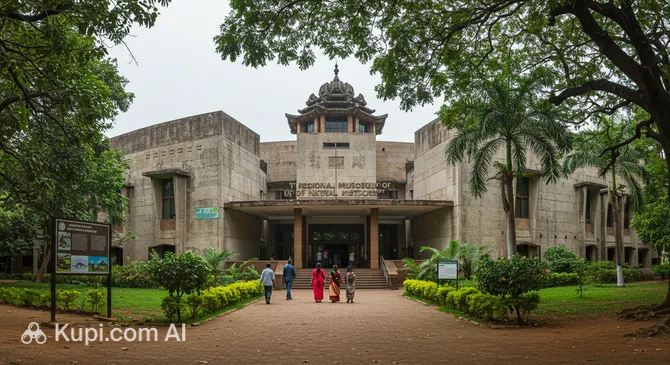
Regional Museum of Natural History
Regional Museum of Natural History. Иллюстрация. Источник: Kupi.com AI

The history of evolution comes alive within the museum's walls: from ancient fossils and giant dinosaur skeletons to detailed dioramas recreating modern ecosystems. Visitors can see rare minerals, unique herbaria, and realistic models of flora and fauna, making the exposition interesting for both professional researchers and curious tourists.

The main mission of this place is to promote environmental knowledge and foster a respectful attitude toward nature. Thanks to its interactive exhibits and well-thought-out layout, the museum is an ideal place for a family outing, offering guests a fascinating journey through millions of years of our planet's history.

Contacts

To clarify information about special exhibitions or to organize group tours, you can contact the museum administration directly. The Regional Museum of Natural History is always open to communicating with visitors and ready to help in planning your visit.

How to contactContact
AddressSachivalaya Marg, near Planetorium, Doordarshan Colony, Acharya Vihar, Bhubaneswar, Odisha 751013, India
Phone+91 674 256 7114

What to Do

There is no time to be bored in the halls of the Regional Museum of Natural History: here you can literally touch the mysteries of the universe. Be sure to pay attention to the large-scale dioramas, which recreate Odisha's natural landscapes and scenes of wild animals in their natural habitat with striking accuracy.

Paleontology enthusiasts will appreciate the impressive skeletons of ancient giants, such as dinosaurs and mammoths, while geology lovers can examine a rich collection of rare minerals and stones. For those interested in botany, the museum features extensive herbaria detailing the amazing plant world of eastern India.

Special attention is paid to educational programs here. The museum actively uses multimedia technologies, making the study of biology visual and engaging. Interactive workshops and themed lectures are often organized for children and students to coincide with international environmental dates, turning a regular museum visit into a real adventure.

Getting There

The Regional Museum of Natural History is conveniently located in the central part of the city, making it easily accessible for tourists. You can get here by taxi using popular mobile apps, or by traditional auto-rickshaw, which is an integral part of the Indian experience.

If you are arriving in Bhubaneswar by train, the journey from the railway station to the museum by car will take only about 15–20 minutes. Travelers flying into Biju Patnaik International Airport will need about 20–25 minutes to reach the museum entrance.

For those who prefer public transport, there are city bus stops located near the museum complex on Sachivalaya Marg. If you plan to travel by your own or a rented car, parking is provided for visitors on the museum grounds, which significantly simplifies logistics.

Ближайший город: Bhubaneswar

History & Facts

The founding of the Regional Museum of Natural History was an important milestone in the cultural development of the eastern part of the country. Its primary goal was the popularization and preservation of the region's unique natural wealth, which is famous for its biodiversity and geological features.

Since its opening, the museum has grown into a significant scientific and educational center. Over decades of operation, it has amassed rich collections that now serve as a base for research by scientists and students. Historically, the museum has become a platform where academic science meets the lively interest of the general public.

Thanks to active cooperation with leading Indian and international scientific organizations, the museum constantly improves its technical base. The introduction of modern exhibition methods has allowed it to transform a classic repository of artifacts into a dynamic space that inspires new generations to study nature.

The museum played a special role in shaping environmental culture in the state of Odisha. It was the first place in the region where environmental issues began to be discussed so clearly and accessibly, making it an integral part of the city's educational system.

Time Needed

To leisurely explore all the main halls and dioramas, a typical visitor usually needs 1.5 to 2.5 hours. This is quite enough time to get acquainted with the key exhibits, including the impressive skeletons of ancient creatures and the mineral collections.

If you are planning a visit with children, who will certainly want to linger at the interactive stands, or if you plan to visit temporary themed exhibitions, it is worth setting aside about 3 hours for your walk through the museum. A relaxed pace will allow you to better absorb the interesting information and take high-quality souvenir photos.

Working Hours

When planning your visit to the Regional Museum of Natural History, please note its operating schedule. The museum is open to visitors from Tuesday to Sunday, from 10:00 AM to 6:00 PM.

It is important to remember that Monday is a day off when the exhibitions are closed to the public. You should also keep in mind that during public holidays or special events, the operating hours may change slightly, so it is recommended to check for current information before your trip.

DayWorking hours
ПонедельникЗакрыто
Вторник10:00 – 18:00
Среда10:00 – 18:00
Четверг10:00 – 18:00
Пятница10:00 – 18:00
Суббота10:00 – 18:00
Воскресенье10:00 – 18:00

Nearby

A visit to the natural history museum is just one part of a fascinating itinerary that can be put together in this area. A walk through the surroundings will allow you to see the city from different sides: from modern amusement parks to quiet squares and specialized centers.

Near the museum are places that will be of interest to both fans of active recreation and those seeking quiet contemplation of nature or interested in aquaristics. Exploring these locations will help make your day in Bhubaneswar as full and varied as possible.

NameDistance
Pathani Samanta Planetarium0.1 km
Regional Science Centre Bhubaneswar0.6 km
Trident Bar Bhubaneswar1.2 km
Lagoon Restaurant1.3 km
Mahatma Gandhi Park1.3 km
Satsang Vihar Bhubaneswar1.7 km
Dog & Aqua Care Aquarium2.1 km

Reached the end of the page?

That means the route is fully explored