Support

Bidar

About

Welcome to Bidar, a captivating city that stands as a testament to the architectural brilliance of the medieval era. Located in the north-eastern part of Karnataka, India, this hilltop city offers a unique blend of culture, spirituality, and ancient grandeur, making it a hidden gem for travelers seeking an authentic experience away from the bustling crowds.

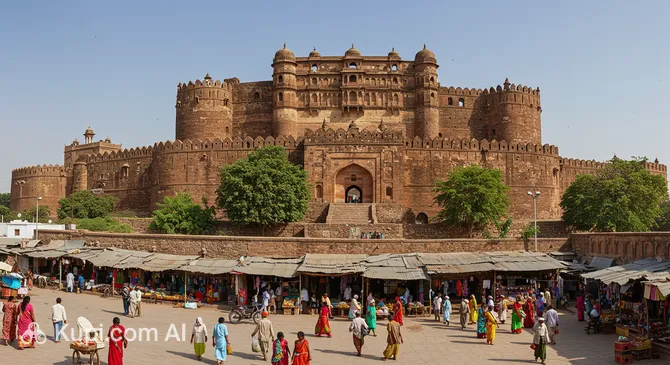
Bidar. Source: Kupi.Binoculars

Geographically situated on the Deccan Plateau, the city enjoys a generally pleasant climate and is home to a population of approximately 172,000 residents. Bidar is renowned for its significant role in the region's past, particularly as the former capital of the Bahmani Sultanate. To delve deeper into the rise and fall of these dynasties, you can explore the history of Bidar, which details the events that shaped its formidable walls and intricate monuments.

Visitors are often struck by the magnificence of the Bidar Fort, considered one of the most formidable forts in the country, and the stunning Mahmud Gawan Madrasa, a masterpiece of Persian architecture. The city is also famous worldwide for Bidriware, an exquisite metal handicraft that originated here and makes for a perfect souvenir. Whether you are admiring the ancient tombs or visiting the spiritual Gurudwara Nanak Jhira Sahib, Bidar promises an unforgettable journey through time.

Weather Overview

Bidar generally experiences a tropical climate with distinct seasonal variations, offering travelers a mix of hot summers, a wet monsoon season, and pleasant winters. The weather in Bidar remains relatively moderate compared to other parts of the region, though travelers should plan according to their tolerance for heat and rain.

The summer months, particularly April and May, are the warmest time of the year. During this period, average temperatures hover around 32°C, with daily maximums often reaching nearly 38°C. These months are typically dry, with very few rainy days, making it important to stay hydrated if you are exploring the outdoors.

From June through September, the monsoon season brings a shift in the atmosphere. While temperatures drop to a comfortable average of around 25°C to 28°C, rainfall becomes frequent. July is the wettest month in terms of frequency, seeing rain on approximately 26 days. The cooler, drier winter season from November to February is often considered the ideal time to visit, with average temperatures ranging between 22°C and 25°C and minimums dipping to a refreshing 17°C.

Interesting Facts

Beyond the main attractions and historical ruins, Bidar holds many fascinating secrets that offer a glimpse into its sophisticated past. From ancient engineering marvels to unique artistic traditions, the city is full of surprises for the curious traveler.

  • The Karez Water System: Bidar is one of the few places in India to possess a medieval Karez system. This ancient Persian underground water management network was designed to harness groundwater and channel it to the city through subterranean tunnels, standing as a remarkable testament to the advanced hydraulic engineering of the Bahmani era.

  • The Secret Ingredient of Bidriware: The world-famous Bidriware craft relies on a special ingredient found only in this city. Artisans use soil gathered specifically from the ruins of the Bidar Fort—often from areas shielded from sunlight and rain for centuries—because it contains unique oxidizing properties essential for turning the zinc alloy into its signature black color.

  • A Medieval University: The Mahmud Gawan Madrasa was far more than a simple school; it was a prestigious residential university in the 15th century. It functioned similarly to modern institutions, housing a massive library with over 3,000 manuscripts and attracting scholars and scientists from distant lands like Iran and Iraq.

  • The Legend of Nanak Jhira: Local lore suggests that when Guru Nanak Dev, the founder of Sikhism, visited the region, the people were suffering from a severe water shortage. It is believed that he touched a hillside with his wooden sandal, causing a fountain of sweet water to spring forth, which still flows today at the Gurudwara Nanak Jhira Sahib.

How to Get There

Reaching this historic city is a straightforward journey, primarily facilitated by the transport hubs in neighboring regions. Although the city has its own domestic airport, Bidar Airport (IXX), which currently offers limited connectivity to Bangalore, most international and domestic travelers prefer flying into Rajiv Gandhi International Airport (HYD) in Hyderabad. This major aviation hub is situated approximately 122 km from Bidar. The drive from the airport is quite scenic and typically takes about 3.5 hours by taxi or bus, allowing you to gradually transition from the bustling metropolis to the calmer landscapes of the Deccan Plateau. For a comprehensive guide on logistics, you can read more about how to get to Bidar via various modes of transport.

For clarity, here is a summary of the main airport serving the region:

Airport Name City Passenger Traffic Km from City
Rajiv Gandhi International Airport Hyderabad Large 122.4

Beyond air travel, Bidar is well-integrated into the national railway network. The city is served by its own railway station, Bidar Junction, which offers regular connections to major Indian cities such as Hyderabad, Bangalore, and Mumbai. For those who prefer road trips, the city is accessible via a network of national highways, with frequent state-run and private bus services operating from key destinations in Karnataka and neighboring states.

Main Attractions

Bidar is a treasure trove of history, offering a fascinating glimpse into the architectural and cultural grandeur of the Deccan. The city's landscape is dotted with imposing monuments, spiritual centers, and ancient ruins that narrate stories of powerful dynasties and artistic excellence. Here are some of the most compelling places to explore during your visit.

Undoubtedly the crown jewel of the city is the Bidar Fort. Standing tall on the edge of the Deccan plateau, this red laterite structure is considered one of the most formidable medieval forts in the country. Tourists are captivated by its complex defensive systems, including a unique triple-layered moat and massive stone walls. Inside the fort complex, you can explore over 30 majestic monuments, including the Rangeen Mahal (Painted Palace), known for its exquisite colored tiles and wood carvings, and the Tarkash Mahal. It is a perfect spot for history buffs and photographers alike.

Another architectural masterpiece is the Mahmud Gawan Madrasa. Built in the 1470s by the scholarly prime minister Mahmud Gawan, this imposing structure once functioned as a renowned residential university. Although parts of it have been damaged over centuries by lightning and gunpowder explosions, the ruins still echo the style of Persian architecture found in Samarkand. Visitors are often struck by the towering minaret and the remnants of intricate blue tile work that adorn the façade, serving as a reminder of the city's scholarly past.

For those seeking spiritual solace, the Gurudwara Nanak Jhira Sahib is a must-visit destination. This significant Sikh pilgrimage center is built around a natural spring believed to have been miraculously created by Guru Nanak Dev during a visit to the famine-stricken region. The complex is serene and welcoming, featuring a beautiful Sarovar (holy tank) and a community kitchen that serves free meals to all visitors. The peaceful atmosphere provides a calming contrast to the rugged historic ruins of the city.

Just a short distance from the city center lies the necropolis of Ashtur, home to the Bahmani Tombs. These massive mausoleums house the remains of the Bahmani sultans and are renowned for their sheer scale and lofty domes. The tomb of Ahmad Shah Wali is particularly interesting to tourists because of the vibrant, well-preserved paintings and calligraphy that decorate its interior walls, offering a rare look at medieval Islamic art in the region.

Local Cuisine

Bidar's culinary landscape is a delicious reflection of its geographical position and historical legacy. Situated at the crossroads of Karnataka, Telangana, and Maharashtra, the local food offers a unique fusion of spicy North Karnataka staples and rich, aromatic Hyderabadi cuisine. The influence of the Bahmani sultans is still evident in the city's love for meat-heavy dishes, while the local agrarian culture brings wholesome millet-based meals to the table.

One dish you absolutely must try here is Bidri Tahari. Unlike a traditional biryani where rice and meat are layered, Tahari involves cooking the meat—usually mutton or chicken—and rice together with aromatic spices, resulting in a flavorful, moist, and hearty meal. It is a staple at local weddings and small eateries alike. For biryani enthusiasts, the city also offers the Kalyani Biryani, a robust and spicy variant that is famous in the Deccan region for its distinct flavor profile.

For a taste of the authentic local diet, seek out a traditional Khanavali (eating house). Here, the star is Jolada Rotti, a nutritious unleavened bread made from sorghum flour. It is typically served with Enne Gai (stuffed eggplant curry), spicy lentil curries, and an array of fiery powdered chutneys known as chutney pudi. This meal is not only healthy but offers an explosion of textures and flavors that define North Karnataka cuisine.

To satisfy your sweet tooth, look for Malpuri, a popular local dessert similar to a sweet pancake, often enjoyed during festivals. When it comes to beverages, the proximity to Hyderabad means that Irani Chai is a local favorite. You will find locals gathering at tea stalls throughout the day to sip this thick, milky, and sweet tea, often accompanied by salt biscuits. It is the perfect way to end a meal or take a break from sightseeing.

The food culture in Bidar is unpretentious and community-oriented. While there are a few standard restaurants, the most authentic flavors are often found in modest eateries and street stalls near the market areas and the Chaubara clock tower. The atmosphere is casual, and the focus is entirely on the freshness and spice level of the food. Whether you are grabbing a quick kebab from a street vendor or sitting down for a full thali meal, the hospitality is warm and welcoming.

Travel Tips

To ensure a smooth and enjoyable visit to this historic city, a little practical preparation goes a long way. While the locals are known for their hospitality, being aware of the logistics and cultural norms will help you navigate Bidar with confidence and ease.

  1. Clothing and Gear: Since the region can get quite warm, especially in summer, loose-fitting cotton clothes are the most comfortable choice. If you plan to visit religious sites like the Gurudwara Nanak Jhira Sahib or local mosques, modest dress is essential; both men and women should cover their heads and shoulders, so carrying a scarf or shawl is highly recommended. Comfortable walking shoes are a must for exploring the uneven terrain of the Fort.

  2. Transportation: The most convenient way to get around the city is by auto-rickshaw, as there is no local metro or extensive city bus network for tourists. Ride-hailing apps are not always reliable here, so it is best to hail rickshaws from the street. Be sure to negotiate and agree on the fare before starting your journey to avoid misunderstandings.

  3. Finances: The official currency is the Indian Rupee (INR). While credit cards are accepted at major hotels and a few upscale restaurants, cash is king in Bidar. You will need small denominations for auto-rickshaws, entrance fees, and local eateries. ATMs are available, but it is wise to withdraw cash in the main city area before heading to more secluded tourist spots.

  4. Health and Safety: Pharmacies, often marked as "Medical Stores," are easily found in the town center, but 24-hour services may be limited. It is advisable to drink only bottled or filtered water and avoid raw food from street vendors to prevent stomach issues. The city is generally safe, but tourists should avoid exploring isolated areas of the ancient ruins after dark.

  5. Communication: Kannada is the state language, but due to the city's rich history, Urdu and Hindi are also widely spoken and understood. English is generally spoken by staff at hotels and major tourist attractions. Purchasing a local SIM card with data is recommended for navigation, as public Wi-Fi is not widespread.

  6. Local Etiquette: Politeness is highly valued. When greeting people, a simple "Namaste" or "Salaam" works well. Always remove your footwear before entering religious buildings or someone's home. It is also customary to use your right hand for eating, passing money, or giving objects to others.

  7. What to Avoid: Public displays of affection are generally frowned upon in conservative areas and should be avoided. Additionally, do not take photographs of locals, especially women, without asking for their permission first, as this is considered intrusive.

  8. Shopping Tip: When looking for souvenirs, seek out authentic Bidriware directly from the artisans in the old city lanes. Buying from the source not only ensures you get genuine silver-inlay work but also supports the local craftsmen who have kept this centuries-old tradition alive.

By keeping these practical tips in mind, you can focus on immersing yourself in the fascinating history and culture of the city. Whether you are bargaining for handicrafts or exploring ancient ramparts, a respectful and prepared approach will ensure your trip is memorable for all the right reasons.

Entertainment & Nightlife

Entertainment in Bidar is largely defined by its cultural heritage and small-town charm rather than a pulsating nightlife scene. Travelers expecting high-energy nightclubs, discos, or western-style pubs will find the city quite quiet after dark. Instead, evening entertainment here revolves around relaxed dining, family outings to bustling local markets, and the popular pastime of watching movies.

For those looking to enjoy a drink, the options are primarily restricted to Bar and Restaurants attached to mid-range and upscale hotels. These venues offer a subdued atmosphere where you can enjoy Indian spirits and beer accompanied by spicy local snacks. Hotel Sapna International is one of the better-known establishments in the city, offering a relatively modern setting for an evening drink and dinner. Another reliable option is the facility at Hotel Mayura Barid Shahi, run by the state tourism department, which provides a safe and standard environment suitable for tourists.

The areas around the Central Bus Stand and Udgir Road are where you will find the most evening activity. The streets here remain lively until around 9:00 PM or 10:00 PM, filled with locals shopping and eating. A walk near the Chaubara Clock Tower in the evening offers a lively glimpse into the local lifestyle, with street food vendors selling hot snacks and sweets. The atmosphere is generally chaotic but friendly, dominated by families and groups of friends.

Cinema remains a major source of entertainment for the residents. Catching a Bollywood or regional Kannada movie at a local theater is a popular way to spend the evening. While some older single-screen theaters exist, newer venues offer a more comfortable experience. It is an authentic way to engage with local pop culture, often accompanied by enthusiastic crowds.

Practical Advice: Nightlife in Bidar ends early. Most restaurants and bars close their kitchens by 10:00 PM or 10:30 PM. The dress code is generally conservative; smart casual is appropriate for hotel bars, while modest clothing is recommended for walking in the market areas. Public transport becomes scarce late at night, so it is highly advisable to arrange a taxi through your hotel or keep a reliable auto-rickshaw driver's number handy if you plan to stay out past 9:00 PM.

Regarding safety, the main market areas are safe for evening strolls due to the crowd, but solo travelers should avoid isolated areas, particularly the outskirts of the Fort and the tombs, after sunset. These historical zones are not well-lit and are best visited during the day.

During the daytime, entertainment options focus on history and culture. Visitors can explore the Archaeological Museum located within the fort complex, which houses a collection of ancient armory, sculptures, and inscriptions. For a more relaxed experience, the Barid Shahi Park offers a unique setting where you can enjoy a peaceful walk amidst the imposing structures of medieval tombs, blending leisure with history.

Parks & Museums

While Bidar is primarily celebrated for its formidable fortifications and ancient dynasties, the city also offers refreshing green pockets and curated collections that provide a deeper understanding of its heritage. The parks here are often intertwined with history, serving as lush backdrops to centuries-old monuments, while the museums act as time capsules, safeguarding the relics of the Bahmani and Barid Shahi eras.

One of the most scenic spots in the city is the Barid Shahi Park. Located directly opposite the bus stand, this is not your typical recreational park; it is a beautifully landscaped garden that encompasses the majestic tombs of the Barid Shahi dynasty. Visitors can stroll along paved pathways lined with manicured lawns and flowering bushes, enjoying the unique contrast between the vibrant greenery and the weathered stone of the mausoleums. It is a popular spot for morning walkers and families seeking a quiet evening amidst history.

For nature enthusiasts interested in local flora, Deva Vana is a delightful botanical garden situated on the outskirts of the city. Maintained by the forest department, this expansive green space is home to a variety of medicinal plants, aromatic herbs, and towering trees native to the Deccan region. It features dedicated play areas for children and quiet corners for relaxation, making it an excellent location for a family picnic away from the dusty city streets.

To truly grasp the military and artistic prowess of the region's past rulers, a visit to the Archaeological Museum inside the Bidar Fort is essential. Housed within the historic Royal Bath (Hammam) complex, the museum displays a fascinating collection of artifacts recovered from the fort and surrounding areas. Highlights include ancient armory, cannonballs, and swords that narrate stories of medieval warfare, as well as exquisite stone sculptures and fragments of the famous colored tiles that once adorned the palaces.

For a unique experience off the beaten path, consider a short trip to the Honnikeri Reserve Forest, located about a 45-minute drive from the city. This protected area is a haven for wildlife lovers and is known for its population of blackbucks and peacocks. The serene Vilaspur Lake nearby adds to the charm, offering a raw and untouched natural setting that feels worlds away from civilization.

Getting Around

Public transport in Bidar is relatively simple and functional, relying primarily on road-based networks rather than complex rail or metro systems. Unlike major metropolitan hubs, this city does not have a metro, tram, or suburban train network for local commuting. For tourists, the most common and convenient way to navigate the streets is by using auto-rickshaws, while government-run buses serve as the backbone for longer distances within the city and to surrounding suburbs.

Auto-rickshaws are ubiquitous and serve as the de facto taxi service for short trips. You will see these three-wheeled vehicles everywhere, and they are ideal for navigating the narrow lanes of the old city or reaching specific monuments like the Fort or the Madrasa. There are two types of services: "shared autos," which run on fixed routes and pick up multiple passengers for a very low flat rate, and "private autos," which you can hire for a direct trip to your destination. Since most rickshaws here do not run by a meter, it is standard practice to negotiate and agree on the fare with the driver before stepping inside.

The city is also served by a network of buses operated by the state transport corporation (NEKRTC). These buses connect the Central Bus Stand with various neighborhoods and nearby towns. While they are the most economical option, they can be crowded and their schedules may be difficult for a visitor to decipher without local help. Buses are generally recommended for travel to outskirts locations, such as the Ashtur Tombs or the Nanak Jhira Sahib Gurudwara, rather than for short hops within the town center.

Regarding the payment system, cash is the absolute standard for all local transport. There are no travel cards, digital passes, or tap-to-pay systems for buses or rickshaws. When taking a bus, you purchase a paper ticket directly from the conductor on board. For auto-rickshaws, you pay the driver in cash at the end of the trip. It is crucial to carry small denominations of the local currency, as drivers often do not have change for large bills.

For those seeking a more comfortable alternative, taxis and car rentals are available, though you cannot typically hail a cab off the street. App-based ride-hailing services are not widely established or reliable in Bidar compared to larger cities. The best advice for tourists wishing to visit multiple sites in comfort is to hire a private car with a driver for a half-day or full-day package. This can usually be arranged through your hotel reception or a local travel agency, providing a hassle-free way to explore the scattered historical sites.

Practical advice for travelers includes planning your movements during daylight hours. Public transport availability drops significantly after 9:00 PM. If you are relying on buses, look for the destination board on the front windshield, which is often written in the local script; asking a local bystander or the conductor for help is widely accepted and effective. Finally, for the adventurous, the city center is compact enough for walking, which allows you to appreciate the architecture up close, though the heat can be a limiting factor during the afternoon.

Accommodation

Accommodation in Bidar primarily caters to budget travelers and those seeking functional, mid-range comfort. Unlike major metropolitan cities in India, you will not find ultra-luxury international hotel chains or sprawling five-star resorts here. Instead, the city offers a selection of government-run guesthouses, standard business hotels, and modest lodges that provide clean and convenient bases for exploring the historical sites.

When choosing where to stay, location is a key factor. The most convenient area for tourists is the vicinity of the Central Bus Stand and Udgir Road. Staying in this central zone places you within walking distance of essential amenities like restaurants, ATMs, and transport links. Additionally, this area is relatively close to the major attractions, including the Fort and the Barid Shahi Park, reducing travel time significantly.

For those looking for reliable options, the Hotel Mayura Barid Shahi is a popular choice. Operated by the Karnataka State Tourism Development Corporation (KSTDC), it is strategically located near the major monuments and offers spacious rooms with a restaurant serving local cuisine. Another well-regarded establishment is Hotel Sapna International, known for providing modern amenities and decent service suitable for families and business travelers alike.

Booking Tip: While finding a room is generally easy on weekdays, the city can get busy during the wedding season and major festivals. It is highly recommended to book your accommodation in advance if you plan to visit during these peak times or on weekends to ensure you get your preferred choice of hotel.

In terms of pricing, Bidar is a very wallet-friendly destination. Most accommodations fall into the budget to lower-mid-range categories, making it an affordable trip for backpackers and families. While major online travel platforms list the top hotels, many smaller lodges and budget stays may still rely on direct phone bookings or walk-ins. Checking availability online is a good start, but calling the hotel directly can sometimes secure a better rate or confirm specific requirements.

Nearby Cities

For those looking to explore the surroundings, Bidar serves as an excellent base for day trips to several interesting nearby locations:

One of the most historically significant towns nearby is Bhalki. Located just a short drive from the city, it is home to the Bhalki Fort and several ancient temples, making it a worthwhile stop for history enthusiasts. Another popular destination is Homnabad, which is renowned for the Manik Prabhu Temple. This site is a major center of pilgrimage and spirituality, attracting visitors who wish to experience the serene atmosphere of the Samadhi of Shri Manik Prabhu Maharaj.

City Population Distance (km)
Zahirabad 58,857 27
Marpalli 51,090 46
Homnabad 48,202 44
Sadaseopet 47,960 56
Bhalki 46,322 35

These nearby destinations offer a glimpse into the diverse culture and landscapes of the region.

Shopping & Souvenirs

Shopping in Bidar is a delightful experience that centers heavily on its rich artistic heritage rather than modern retail therapy. The city is globally renowned for its unique metal handicraft known as Bidriware, which obtained a Geographical Indication (GI) tag, marking it as an authentic product of this region. For tourists, the shopping scene here offers a chance to explore traditional bazaars, interact with local artisans, and take home a piece of history, rather than browsing through international fashion brands.

The primary shopping districts are located in the heart of the town, particularly around the Chaubara Clock Tower and the busy streets of the Old City. These areas are a maze of narrow lanes filled with small shops selling everything from colorful textiles and jewelry to household goods. Walking through these streets provides an immersive experience into the local culture, where the hustle and bustle of daily life blends with the trade of exquisite handicrafts.

Unlike metropolitan cities, Bidar does not boast large, sprawling shopping malls. The retail landscape is dominated by standalone shops and smaller commercial complexes. Visitors might find a few modern shopping arcades near the Central Bus Stand area or along Udgir Road, which house clothing stores and electronic shops, but the charm of the city lies truly in its traditional market setups.

The local markets are vibrant and colorful, offering more than just souvenirs. The Main Market area is a hub of activity where you can find fresh local produce, spices, and traditional Karnataka textiles. It is also a good place to look for sandalwood products, which are a specialty of the state, although the selection here may be smaller than in Mysore or Bangalore.

When it comes to souvenirs, Bidriware is the undisputed highlight. This intricate craft involves inlaying silver or gold onto a blackened alloy of zinc and copper. You can buy exquisite flower vases, jewelry boxes, hookahs, trays, and even small trinkets like keychains and buttons. For the most authentic pieces and better prices, try to visit the workshops in the old town where you can buy directly from the artisans and watch the fascinating process of creation.

Most shops in the city typically open around 10:00 AM and close by 9:00 PM. While some larger showrooms and hotels accept credit and debit cards, cash remains the preferred mode of payment, especially in smaller shops and when bargaining with street vendors. Digital payment methods like UPI are becoming increasingly popular, but carrying sufficient cash is always advisable.

Regarding tax refunds, the concept of Tax-Free shopping for tourists is generally not applicable in Bidar. The city operates on standard local tax regulations, and there are no specialized refund counters for international visitors. The prices, however, are generally reasonable, and bargaining is an accepted practice in the local bazaars.
Reached the end of the page?

That means the route is fully explored