Support

Kalaburagi

About

Kalaburagi, formerly known as Gulbarga, is a vibrant city located in the northern part of the state of Karnataka. It serves as a fascinating gateway to the rich cultural tapestry of India, offering visitors a unique blend of architectural heritage and spiritual significance. The city is renowned for its historical importance and its distinct atmosphere, where ancient traditions seamlessly coexist with modern life.

Geographically, the city is situated on the expansive Deccan Plateau, a region characterized by its limestone rich landscape. With a population of approximately 533,000 residents, it is a bustling urban center that acts as a major regional hub. The climate here is typically dry, with hot summers that emphasize the rugged beauty of the surrounding terrain.

The city holds a prestigious place in the chronicles of the region, having once served as the initial capital of the Bahmani Sultanate in the 14th century. The deep and complex history of Kalaburagi is reflected in its stunning monuments and ancient structures that dot the cityscape, telling tales of a glorious past and architectural innovation.
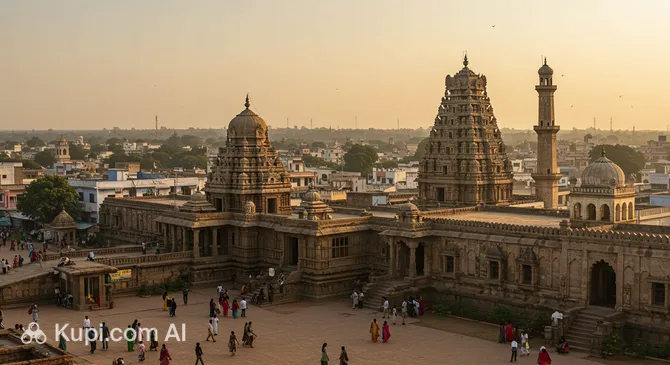
Travelers are often drawn to the magnificent Gulbarga Fort, which houses the remarkable Jama Masjid. This mosque is celebrated for its unique Spanish Moorish style architecture, which is a rarity in the country. Another significant landmark is the Khwaja Bande Nawaz Dargah, a sacred Sufi shrine that attracts pilgrims and tourists from all walks of life, symbolizing the city's harmonious cultural ethos.

Whether you are an architecture enthusiast or a spiritual seeker, Kalaburagi offers a memorable journey through time. Its welcoming atmosphere and wealth of historical treasures make it a compelling destination for anyone exploring the Deccan region, inviting you to discover the stories carved into its stone walls.
Weather Overview

The climate in this region is generally characterized by distinct seasonal changes, featuring hot summers, a specific rainy season, and mild, dry winters. To help plan your itinerary around these conditions, you can view more detailed information about the weather in Kalaburagi. Generally, travelers can expect intense heat during the mid-year months, frequent showers during the monsoon, and comfortable temperatures towards the end of the year.

The summer season, particularly April and May, sees the highest temperatures, with averages around 33.0°C and maximums reaching up to 38.6°C. The monsoon arrives in June and persists through September, bringing significant moisture; July is notably the wettest month with approximately 27 rainy days. In contrast, the winter months of December and January are dry and pleasant, with average temperatures dropping to 23.6°C and minimums cooling to around 17.7°C, offering ideal conditions for outdoor exploration.

Interesting Facts

Beyond its well-known historical monuments, Kalaburagi holds fascinating secrets and unique distinctions that often surprise visitors. Here are some intriguing facts that highlight the city's diverse character, ranging from its agricultural fame to its architectural oddities.
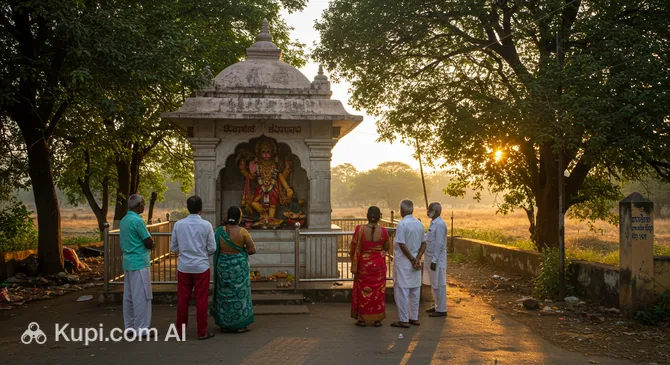
Shri Koranti Hanuman Temple. Source: Kupi.Binoculars
  • The city's name itself is a nod to its geology. "Kalaburagi" translates to "stony land" or "heap of stones" in the local Kannada language, a fitting description for the region's limestone-rich terrain.

  • Kalaburagi is famously known as the "Toor Dal Bowl" of the state. The red gram (pigeon pea) grown here is of such superior quality that it has been awarded a Geographical Indication (GI) tag, acknowledging its unique flavor and importance to Indian cuisine.

  • The Shri Koranti Hanuman Temple is distinct for its colossal idol of the deity. The massive statue is a modern marvel of the city, standing tall as a vibrant symbol of devotion visible from a distance.

  • Architecturally, the city's ancient Jama Masjid is an anomaly in Indian Islamic architecture. Unlike most mosques that feature a large open courtyard, this structure is completely covered by a roof, drawing rare comparisons to the Great Mosque of Cordoba in Spain.

  • While known for history, the city is also a surprising hub for scientific education in the region. The District Science Centre Gulbarga features a planetarium and a 3D theatre, making it a unique educational landmark in North Karnataka.

How to Get There

Planning a trip to this historic city requires a bit of preparation regarding logistics, as it is primarily served by transport hubs in neighboring regions. While the journey might involve a transfer, the scenic drive through the Deccan Plateau sets the tone for your visit. You can find more about how to get to Kalaburagi and explore the various travel options available to suit your itinerary.

The city of Kalaburagi does not have its own major international airport listed here, so most travelers choose to fly into Rajiv Gandhi International Airport (HYD) in the city of Hyderabad. This is a large international airport located approximately 170 km from Kalaburagi. It offers excellent connectivity with major global and domestic destinations. From Hyderabad, you can reach Kalaburagi by hiring a taxi or taking a bus; the road journey typically takes about 4 hours and 35 minutes. Other regional options include airports in Belagavi and Hubli-Dharwad, but these are significantly further away, making Hyderabad the most practical gateway for the majority of visitors.

For clarity, here is a summary of the main airports:

Airport Name City Passenger Traffic Km from City
Rajiv Gandhi International Airport Hyderabad Large 170.0
Jindal Vijaynagar Vidyanagar Small 239.1
Kolhapur Kolhapur Small 280.8
Belgaum Airport Belagavi Medium 287.0
Hubli Airport Hubli-Dharwad Medium 287.0

In addition to air travel, Kalaburagi is well-connected by an extensive railway network. The city's main railway station, Kalaburagi Junction, is a major stop on the route connecting Mumbai, Bangalore, Hyderabad, and Chennai. Many tourists find the train journey convenient and comfortable, with frequent services linking the city to key metropolises across India. Local buses and taxis are also readily available for connecting travel from nearby cities.

Main Attractions

While the ancient forts and mosques define the historical skyline of the city, Kalaburagi also offers a variety of other interesting sites ranging from spiritual landmarks to modern recreational centers. Visitors can explore a mix of cultural heritage, educational hubs, and contemporary leisure spots that provide a well-rounded experience of this dynamic region.

A major highlight for devotees and tourists alike is the Shri Koranti Hanuman Temple. This newly constructed temple has quickly become a landmark due to its magnificent architecture and the massive idol of Lord Hanuman enshrined within. The complex is known for its peaceful ambiance and intricate stone carvings, making it a perfect spot for meditation and photography. It stands as a testament to the region's enduring spiritual traditions and artistic craftsmanship.

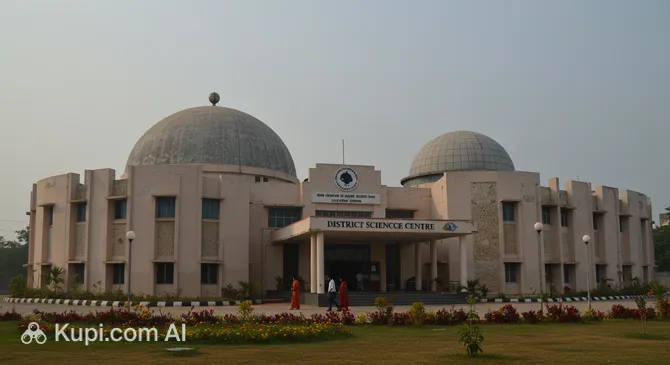
For families and science enthusiasts, the District Science Centre Gulbarga is a must-visit destination. This educational facility is designed to make learning fun and interactive, featuring galleries dedicated to electronics, oceanography, and general science. The center also houses a digital planetarium and a 3D theater, offering immersive experiences that captivate both children and adults. It serves as an intellectual oasis in the city, encouraging curiosity about the natural world.

District Science Centre Gulbarga. Source: Kupi.Binoculars

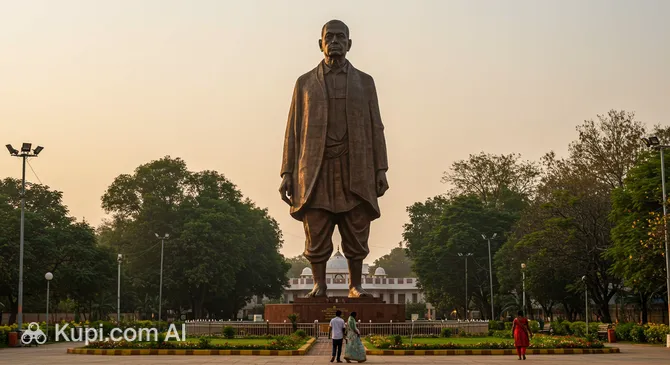
Standing tall as a tribute to one of India's founding fathers is the Sardar Vallabhbhai Patel Statue. Located at a prominent junction in the city, this statue honors the "Iron Man of India" and serves as a significant local landmark. It is a popular spot for locals to gather and pays homage to the statesman's pivotal role in the unification of the country. The area around the statue is often bustling, offering a glimpse into the daily life of the city's residents.

Sardar Vallabhbhai Patel Statue. Source: Kupi.Binoculars

Travelers looking to experience the modern lifestyle of the city should head to Orchid Mall Gulbarga. As one of the premier shopping and entertainment complexes in the area, it offers a welcome break from the heat with its air-conditioned environment. Visitors can browse through a variety of national and international brands, enjoy a meal at the food court, or catch a movie at the multiplex. It is a vibrant social hub where the city's youth and families come to relax and unwind.

Orchid Mall Gulbarga. Source: Kupi.Binoculars

Local Cuisine

The culinary landscape of Kalaburagi is a delightful reflection of North Karnataka's rich heritage, known for its spicy flavors and hearty ingredients. The food here is distinct from the southern parts of the state, heavily relying on sorghum (jowar) rather than just rice. A meal in this city is often a rustic and satisfying experience, characterized by the generous use of oil, garlic, and peanuts, offering a true taste of the Deccan Plateau.

No visit to Kalaburagi is complete without trying the region's staple dish, Jolada Rotti. These unleavened bread rounds made from jowar flour are typically served with Enne Gai, a spicy stuffed eggplant curry that is a favorite among locals. Given the city's status as the "Toor Dal Bowl," lentil-based dishes are also ubiquitous, often prepared as a thick, flavorful sambar or dal that perfectly complements the rottis and rice. For those with a sweet tooth, Malpuri, a sweet pancake-like dessert often enjoyed during festivals, is a must-try treat.

Meat lovers will find a special gastronomic treasure in the form of Tahari. Unlike the layered biryani found elsewhere, Tahari involves cooking the meat and rice together with aromatic spices, resulting in a dish that is deeply flavorful and unique to this region. It is a popular choice for lunch or dinner and showcases the Islamic influence on the local cuisine.

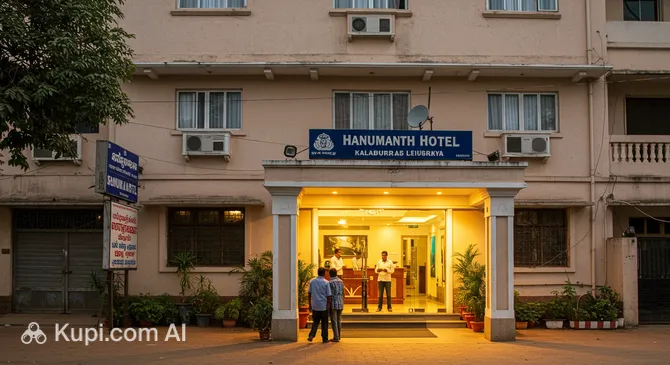
Hanumanth Hotel. Source: Kupi.Binoculars

The dining scene in Kalaburagi ranges from bustling street food stalls selling mirchi bhajji (chili fritters) to comfortable family restaurants. For a taste of authentic local non-vegetarian fare, many visitors head to well-known establishments like Hanumanth Hotel. Places like this are celebrated for serving traditional dishes that have retained their authentic taste over the years, making them popular stops for both residents and tourists.

To accompany these spicy meals, locals often turn to cooling drinks. Buttermilk (Majjige), often spiced with coriander and ginger, is the perfect antidote to the region's dry heat. Fresh sugarcane juice is another common sight on the streets, providing a quick energy boost. While tea remains the universal beverage of choice for social gatherings, the city also has various spots where one can enjoy a relaxed evening with standard alcoholic beverages.

Travel Tips

Visiting Kalaburagi offers a deep dive into the rich history of the Deccan, but navigating this bustling city requires a bit of local know-how to ensure a smooth experience. To help you make the most of your trip while respecting local customs and handling the regional climate, here are some practical tips to keep in mind.

  1. Clothing and Gear
    Given the region's semi-arid climate, lightweight, breathable cotton clothing is essential to stay cool, especially during the sweltering summer months. Since Kalaburagi is home to significant religious sites like the Khwaja Bande Nawaz Dargah and various temples, modest dress is required; ensure your shoulders and knees are covered. Carry a scarf or shawl, and wear slip-on shoes, as you will need to remove them frequently at these sacred places.
  2. Transportation
    The most convenient way to get around the city is by auto-rickshaw. While ride-hailing apps like Ola may operate, availability can be inconsistent compared to larger metros. It is often faster to hail an auto on the street; however, meters are rarely used, so it is crucial to negotiate and agree on the fare before starting your journey to avoid disputes later.
  3. Finances
    The currency used is the Indian Rupee (INR). While hotels, the Orchid Mall, and upscale restaurants accept credit and debit cards, cash is still king for local transport, street food, and small shops. ATMs are widely available throughout the city. A daily budget can be quite modest here compared to major tourist hubs, but always keep small denominations handy for tips and small purchases.
  4. Health and Safety
    The heat in Kalaburagi can be intense, so staying hydrated is your top priority; always stick to sealed bottled water and avoid tap water. Pharmacies are plentiful in the city center, but it is wise to carry a basic medical kit with rehydration salts and sunscreen. The city is generally safe, but like any busy urban area, keep an eye on your belongings in crowded markets.
  5. Communication
    Kannada is the official and most widely spoken language. However, due to the city's historical roots, Hindi and Dakhini Urdu are also commonly understood. English is generally spoken at hotels, major tourist attractions, and educational institutions, but learning a few basic Kannada phrases like Namaskara (Hello) will be warmly received by locals.
  6. Local Etiquette
    Kalaburagi is a somewhat conservative city. When greeting people, a polite "Namaste" or a nod is appropriate. Always use your right hand for eating, exchanging money, or passing items to others, as the left hand is considered unclean in traditional contexts. Be respectful when photographing people; always ask for permission first.
  7. What to Avoid
    Avoid Public Displays of Affection (PDA), such as hugging or kissing in public, as this is frowned upon in the local culture. Also, avoid visiting the Gulbarga Fort or open-air monuments during the peak afternoon hours (12 PM to 4 PM), especially in summer, as the stones radiate immense heat and the sun can be harsh.
  8. Additional Tip
    Start your sightseeing early in the morning. Not only will you beat the heat, but the lighting at the Jama Masjid inside the fort is particularly striking just after sunrise. Also, don't leave without buying a packet of the famous local Toor Dal (pigeon pea) or peanut powder (shenga chutney) from the local market—they make for excellent, practical souvenirs.

By keeping these simple tips in mind, you can navigate Kalaburagi with confidence and ease. Embracing the local pace of life and respecting regional traditions will surely open doors to warmer interactions and a more authentic travel experience.

Entertainment & Nightlife

Entertainment and nightlife in Kalaburagi offer a distinct change of pace from the high-energy clubbing scenes found in India's metropolitan giants. Instead of loud discotheques, the city presents a more laid-back and culturally rooted evening experience. As the sun sets and the heat of the day dissipates, the streets come alive with families, students, and locals enjoying the cooler air. The entertainment landscape here revolves largely around dining, late-night shopping, and social gatherings in select venues, reflecting the city's traditional yet evolving character.

The heart of the city's evening activity can often be found around the Super Market area and the busy Asian Circle. These districts are bustling with activity well into the night, lined with shops, eateries, and street food vendors. It is a sensory experience where the aroma of spicy snacks fills the air, and the lights of local businesses create a vibrant atmosphere. For visitors, a stroll through these areas offers a genuine glimpse into the local lifestyle, where the night is often spent socializing over food, tea, and conversation rather than on a dance floor.

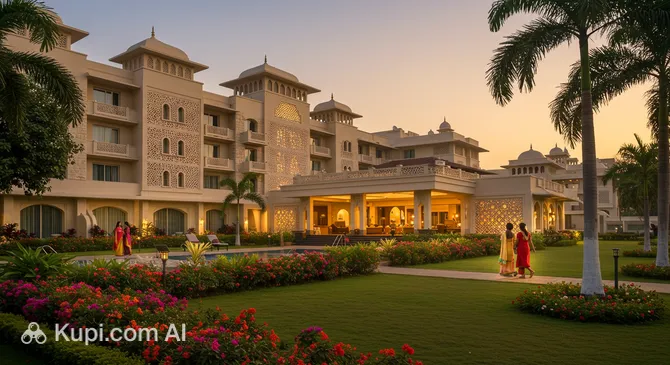
For those seeking a more structured leisure experience, Zest Club is a notable establishment. Functioning as a resort and social hub, it provides a comfortable setting for relaxation. Venues of this nature in Kalaburagi often serve as the primary spots for social gatherings, offering amenities that might include dining spaces and recreational facilities. It represents the more modern side of the city's hospitality, catering to those looking to unwind in a more upscale environment.

Zest Club. Source: Kupi.Binoculars

If your idea of a perfect evening involves literature and quiet exploration, Sapna Book House is an excellent destination. Located in a central commercial area, this extensive bookstore is more than just a shop; it is a cultural haven where visitors can browse through a vast collection of books, stationery, and gifts. It is particularly popular among the city's youth and families, offering a peaceful retreat from the bustling streets outside.

When it comes to practicalities, evening entertainment in Kalaburagi typically winds down earlier than in bigger cities. Most shops and restaurants begin to close between 10:00 PM and 11:00 PM. The dress code is generally casual but modest; it is advisable to dress respectably to blend in with the local culture. For transportation, auto-rickshaws are readily available at night, but it is wise to agree on a fare beforehand or ask them to use the meter if applicable.

Safety is generally not a major concern, as the main commercial areas remain populated and well-lit. However, it is always recommended to stay in busy areas and avoid isolated streets late at night. If you need a ride, hailing an auto from a busy junction is the most reliable method, as app-based taxi services can sometimes be scarce during late hours.

While the nights are relaxed, daytime entertainment offers its own charm. Apart from the historical sites, the city features several modern multiplexes, often located within shopping centers like the Orchid Mall, where you can catch the latest Bollywood or regional Kannada movies. These cinemas provide a cool escape from the afternoon sun and are a favorite pastime for locals looking for entertainment.

Parks & Museums

While Kalaburagi is primarily famous for its impressive fortifications and arid landscape, the city also nurtures pockets of greenery and institutions dedicated to preserving its rich heritage. For travelers looking to step away from the bustling streets or delve deeper into the region's past beyond the monuments, the city offers a selection of serene parks, insightful museums, and architectural marvels that tell the story of the Deccan.

One of the most serene locations in the city is the Buddha Vihara. Although primarily a spiritual center, this sprawling complex is set amidst acres of beautifully landscaped gardens that offer a tranquil escape from the city's heat. The monument itself, featuring a massive dome and traditional Buddhist architecture, is surrounded by well-maintained lawns and trees, making it a perfect spot for a peaceful evening walk. The environment here is one of silence and reflection, attracting both devotees and nature lovers.

Another significant green space is the area surrounding the Aiwan-E-Shahi guest house. This historic precinct features lush gardens that serve as a refreshing "green lung" in the heart of the city. It is a popular spot for locals to enjoy morning jogs or leisurely strolls. The juxtaposition of the colonial-style architecture of the guest house against the vibrant greenery creates a picturesque setting, offering a glimpse into the city's administrative history while providing a cool respite for visitors.

For those interested in the region's archaeological timeline, the Government Museum (located near the Public Gardens) is an essential stop. This museum houses a fascinating collection of artifacts, including ancient stone sculptures, inscriptions, and coins dating back to the Bahmani and Vijayanagara empires. It serves as a custodian of the region's art and history, allowing visitors to trace the cultural evolution of North Karnataka through tangible relics.

Complementing the historical focus is the District Science Centre Gulbarga. While mentioned as a main attraction for its entertainment value, it stands as a significant museum institution in its own right. It plays a crucial role in promoting scientific temper in the region, featuring galleries that document the progress of science and technology. It provides a modern contrast to the archaeological museum, showcasing the city's commitment to both its past and its future.

Beyond the formal museums, the city's history is best experienced at the Haft Gumbaz (Seven Domes). This necropolis, situated just outside the city limits, contains the tombs of the Bahmani kings. The structures are massive, with imposing domes and simple yet powerful architecture typical of the early Indo-Islamic style in the Deccan. Walking among these silent giants offers a hauntingly beautiful experience and a direct connection to the royal lineage that once ruled this land.

For a truly authentic experience off the beaten path, consider a short excursion to the Chandrampalli Dam. Located about an hour's drive from the city, it is situated in the Chincholi forest region. The dam is built across the Bhima River and is surrounded by lush greenery and hills, offering a scenic spot for picnics and photography that few regular tourists get to see. It reveals a greener, wilder side of the district that contrasts sharply with the stony terrain of the capital.

Getting Around

Navigating Kalaburagi is a relatively straightforward experience, as the city is compact and the traffic is generally manageable compared to larger metropolitan areas in India. While the city does not have a metro system, it offers a variety of ground transportation options that cater to different budgets and comfort levels, allowing visitors to explore the historical sights and bustling markets with ease.

The most popular and convenient mode of transport within the city is the auto-rickshaw. These three-wheeled vehicles are ubiquitous and can be hailed from almost any street corner. They are ideal for short to medium distances, such as moving between the Gulbarga Fort and the market areas. It is important to note that drivers often do not use meters, so it is customary and advisable to negotiate and agree on the fare before starting your journey. For specific routes, larger shared auto-rickshaws, locally known as "tum-tums," offer a very economical alternative, operating on fixed paths much like buses.

For those preferring a more organized public transport system, the city is served by a network of government-operated buses run by the Kalyana Karnataka Road Transport Corporation (KKRTC). The buses connect the Central Bus Stand with various neighborhoods and key landmarks. This is the most budget-friendly way to get around, though the buses can get crowded during peak hours. They are a reliable option for reaching the outskirts or nearby towns if you are planning excursions beyond the city limits.

Travelers looking for comfort, especially during the hot summer months, may prefer hiring a private taxi or a car with a driver. These can be arranged through hotels or local travel agencies. Having a dedicated vehicle is particularly recommended if you plan to visit multiple attractions in a single day, such as the distant Buddha Vihara or the Haft Gumbaz, as it provides respite from the heat and the flexibility to move at your own pace. While app-based cab services have a presence, availability can sometimes be inconsistent, so booking a rental for the day is often a safer bet.

The Kalaburagi Junction railway station serves as a central hub for the city. Upon arrival by train, visitors will find a dedicated pre-paid auto stand and a taxi stand just outside the exit, making the transition from intercity to local transport seamless. The station area is well-connected to the rest of the city, serving as a primary landmark for orientation.

Accommodation

Accommodation in Kalaburagi generally caters to the practical needs of pilgrims, business travelers, and tourists exploring the Deccan region. The city primarily offers a selection of budget lodges, mid-range business hotels, and functional guest houses. While you will not find ultra-luxury international hotel chains here, there are several comfortable and clean establishments that provide good service and essential amenities for a pleasant stay.

For travelers prioritizing convenience and connectivity, the areas surrounding the Kalaburagi Railway Station and the Central Bus Stand are the most popular choices. Staying here ensures quick access to transport links, making it ideal for those with early morning departures or late arrivals. Alternatively, the city center, particularly near the Super Market area, places you in the heart of the action, close to shopping districts and a variety of local dining options.

If you are looking for a more relaxed atmosphere away from the city's hustle, you might consider staying at properties located slightly on the outskirts or in quieter neighborhoods. One such example is the Zest Club, which operates as a resort hotel. Establishments of this type often offer more spacious grounds and recreational facilities, making them a suitable choice for families or travelers seeking a bit more leisure and comfort during their visit.

When planning your stay, it is generally easy to find accommodation, but booking in advance is highly recommended during specific times of the year. The city sees a massive influx of visitors during the annual Urs festival of Khwaja Bande Nawaz, during which hotels fill up quickly and prices may rise. In terms of cost, accommodation in Kalaburagi is quite affordable compared to major Indian metros, with options ranging from economical stays to reasonably priced mid-range suites. Most established hotels can be booked via major online travel platforms, though some smaller lodges may still rely on direct reservations.

Nearby Cities

Nearby Cities:

Kalaburagi serves as an excellent strategic base for exploring the northern, historically rich region of Karnataka. The surrounding landscape of the Deccan Plateau is dotted with towns that share a deep cultural and architectural heritage with the city itself. Travelers often extend their stay to visit these neighboring locales, which offer a mix of ancient history, spiritual significance, and authentic local life.

One of the most historically significant destinations nearby is Basavakalyan. Located about 61 km from the city, it was once the capital of the Kalyani Chalukyas and is a revered center for the Lingayat community, known for its connection to the social reformer Basavanna. Another notable town is Homnabad, which is famous for its religious diversity and ancient temples. For those seeking a closer excursion, Aland is situated just a short drive away and offers a glimpse into the everyday rural rhythm of the district. Similarly, the town of Seram (often spelled Sedam) is known for its archaeological remnants and old stone temples.

To help you plan your day trips or onward journey, here is a list of the closest cities and towns, along with their distance from Kalaburagi:

City Name Population Distance (km)
Aland 46,523 39
Seram 39,341 51
Homnabad 48,202 58
Marpalli 51,090 59
Basavakalyan 77,596 61

Most of these destinations are well-connected by road. You can easily reach them by boarding a state-run KKRTC bus from the Central Bus Stand or by hiring a private taxi for a more comfortable and flexible day trip.

Shopping & Souvenirs

Shopping in Kalaburagi offers a delightful mix of traditional commerce and modern retail experiences. While the city is not primarily known as a high-end fashion destination, it provides a genuine glimpse into the commercial life of North Karnataka. Visitors can expect to find bustling bazaars filled with local produce and textiles sitting alongside newer shopping complexes that cater to contemporary needs. The shopping scene here is less about luxury brands and more about authentic local products and the vibrant atmosphere of the marketplaces.

The commercial heartbeat of the city is undoubtedly the area known as the Super Market. Despite its name, this is not a single store but a sprawling district in the city center packed with hundreds of shops. Here, tourists can wander through lanes selling everything from clothing and jewelry to household goods and electronics. Another key commercial hub is the area around the Asian Circle, which is lined with various showrooms and retail outlets, making it a convenient stop for general shopping needs.

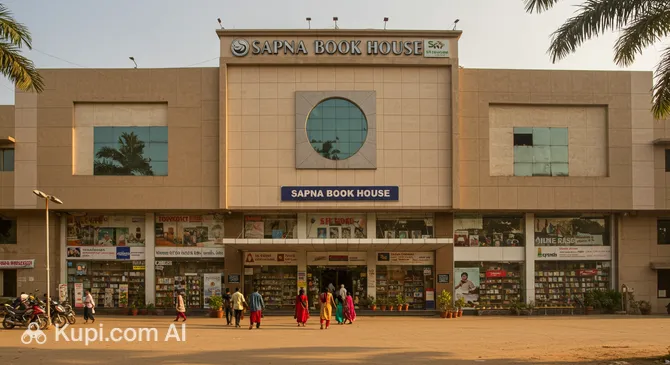
For those seeking a more organized and air-conditioned environment, the city has embraced modern retail trends. The Orchid Mall Gulbarga stands out as the premier destination for branded shopping, entertainment, and dining. It is a popular hangout spot where visitors can find national clothing chains and lifestyle stores under one roof. Similarly, book lovers and gift hunters should not miss Sapna Book House. This large format store is a treasure trove for books, stationery, toys, and multimedia, offering a quiet and well-stocked retreat from the busy streets.

Sapna Book House. Source: Kupi.Binoculars

The local markets are particularly famous for their agricultural products. Since Kalaburagi is known as the "Pulse Bowl of Karnataka," the grain markets are a sight to behold, bustling with traders dealing in high-quality pulses. The vegetable and flower markets near the central bus stand also offer colorful photo opportunities and a chance to see the region's fresh produce up close.

When it comes to souvenirs, edible items top the list. The region is renowned for its Toor Dal (pigeon pea), which has a Geographical Indication (GI) tag due to its superior quality and taste. Another must-buy is the spicy Shenga Chutney Pudi (peanut chutney powder), a staple side dish in North Karnataka homes. For textiles, visitors can look for Ilkal sarees, a traditional weave from the nearby region that is widely available in local cloth shops.

Most shops in the city open around 10:00 AM and close by 9:00 PM or 10:00 PM. While the Orchid Mall and larger establishments like Sapna Book House accept credit and debit cards, cash remains the preferred mode of payment in the Super Market area and smaller stalls. It is advisable to carry small denominations of Indian Rupees when exploring the local bazaars to make transactions smoother.

Reached the end of the page?

That means the route is fully explored