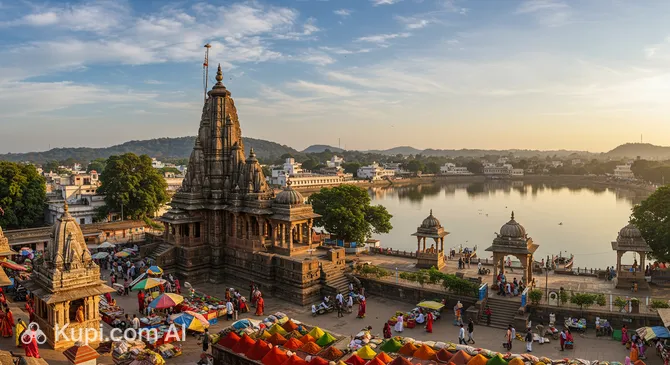
Nestled on the banks of the Panchganga River, Kolhapur is a vibrant city in the state of Maharashtra that seamlessly blends ancient traditions with a bustling modern lifestyle. Known for its spiritual significance and rich cultural heritage, it is often referred to as 'Dakshin Kashi' or the Kashi of the South. As you explore this dynamic destination in India, you will discover a place where history resonates through the architecture and the warm hospitality of the locals.
Geographically, the city enjoys a scenic location near the Sahyadri mountain ranges, contributing to a generally pleasant climate, though summers can be warm. With a population of over 560,000, it serves as a major commercial and agricultural hub while retaining its charm as a welcoming tourist destination.
Kolhapur. Illustration.
Source: Kupi.com AI
The history of Kolhapur is deeply intertwined with the Maratha Empire, and the city takes immense pride in its royal legacy. One of the most iconic landmarks is the Mahalakshmi Temple, an architectural marvel dedicated to Goddess Ambabai that attracts pilgrims from all over the country. Another must-visit site is the majestic New Palace, which houses the Shahaji Chhatrapati Museum, offering a glimpse into the opulent lifestyle of the region's past rulers.
Beyond its monuments, the city is famous for its unique local products and cuisine. Visitors should not miss the chance to buy authentic Kolhapuri chappals, the handcrafted leather sandals that are renowned worldwide. Food enthusiasts will delight in the local gastronomy, particularly the spicy Tambada Rassa and Pandhra Rassa curries. Whether you are strolling by the serene Rankala Lake or exploring the bustling markets, Kolhapur promises an unforgettable experience for every traveler.
Weather Overview
The climate in this region is generally moderate, featuring a mix of warm summers, a distinct monsoon season, and pleasant winters. To help you pack appropriately for your trip, it is helpful to review the current weather in Kolhapur. The year typically begins with dry and comfortable conditions, as January sees average temperatures of 23.0°C and lows around 16.7°C, with virtually no rainfall.
As the season shifts towards summer, temperatures rise, peaking in April with an average of 29.0°C and maximum highs reaching 35.5°C. The monsoon arrives in June, bringing a drastic change in weather patterns; July is particularly notable for having 31 wet days, although the average temperature cools to 23.6°C. By October, the rain begins to subside, leading back into the drier months. Overall, visitors can expect warm summers, a persistent rainy season from June to September, and mild, dry winters perfect for outdoor activities.
Average monthly temperature
Average monthly precipitation
Interesting Facts
Beyond the main attractions, Kolhapur holds many fascinating secrets that reveal its depth as a cultural and historical powerhouse.
Khasbag Maidan. Illustration.
Source: Kupi.com AI
Traveler photos:
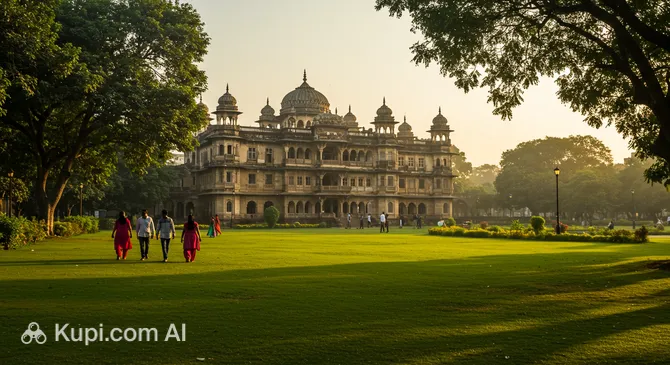
Kolhapur is often celebrated as the wrestling capital of the state, a tradition that runs deep in its soil. The city is home to the Khasbag Maidan, a massive wrestling stadium built in 1912 that was architecturally inspired by the Roman Colosseum and can seat nearly 30,000 spectators.
The city shares a remarkable and little-known connection with Poland. During World War II, a settlement at Valivade served as a safe haven for thousands of Polish refugees, creating a vibrant "Little Poland" where families lived in peace for several years.
What is now the picturesque Rankala Lake was originally a simple stone quarry. Legend has it that the lake is named after the Rankabhairav temple, which is believed to be submerged in its center, adding an air of mystery to the serene waters.
The city played a pioneering role in the Indian film industry long before Mumbai took the spotlight. It was here that the artist Baburao Painter developed the first indigenous movie camera, establishing Kolhapur as an early and influential hub for Marathi cinema.
How to Get There
Reaching this historic city is quite convenient thanks to its connectivity with major transport hubs in Maharashtra and neighboring states. Whether you prefer air travel or a scenic road trip, there are multiple options available. For a comprehensive overview of all travel methods, routes, and tips, you can read the detailed guide on how to get to Kolhapur.
The city is served by its own domestic terminal, Kolhapur Airport (KLH), located just a short distance from the center. While it handles regional flights, travelers seeking more extensive connections often choose to fly into Pune Airport (PNQ) in Pune. This major hub is situated approximately 210 km away, and the journey to Kolhapur by taxi or bus typically takes around 5.5 hours. Another viable option is the Belgaum Airport (IXG) in Belagavi, which is about 102 km away, with a travel time of roughly 3 hours by road.
For clarity, here is a summary of the main airports serving the region:
In addition to air travel, the city is well-connected by an extensive rail network. The Chhatrapati Shahu Maharaj Terminus is the main railway station, offering regular train services linking the city to major Indian metropolises like Mumbai, Bengaluru, and Hyderabad. The road network is equally robust, with the National Highway 48 passing through, making bus travel and driving popular choices for visitors coming from nearby cities.
Main Attractions
Kolhapur is a city where history breathes through its magnificent architecture and spiritual landmarks. While the famous Mahalakshmi Temple is the spiritual heart of the city, there are several other sites that offer a deep dive into the region's royal past and cultural richness.
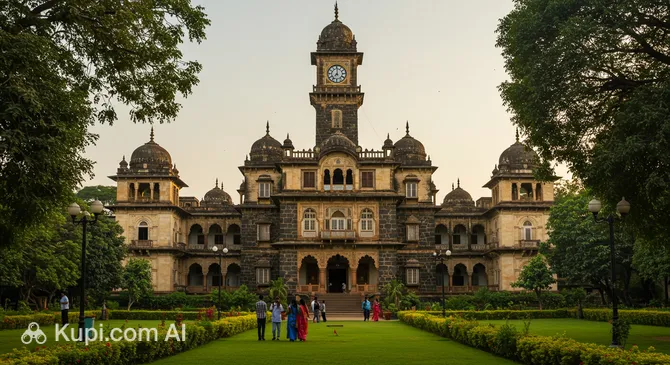
One of the most striking examples of the city's royal heritage is the New Palace. Constructed between 1877 and 1884, this architectural masterpiece is built from polished black stone and showcases a fascinating blend of Jain, Hindu, and Raj structures. While part of the palace is still the residence of the Chhatrapati Shahu Maharaj, the ground floor houses the Shahaji Chhatrapati Museum. Here, visitors can marvel at a rare collection of possessions belonging to the royal family, including costumes, weapons, games, and jewelry, offering a vivid picture of a bygone era.
New Palace. Illustration.
Source: Kupi.com AI
Traveler photos:
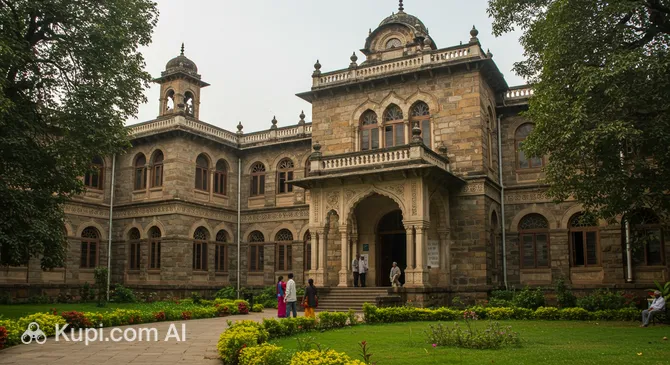
For those interested in archaeology and ancient history, the Town Hall Museum is an essential stop. Housed in a captivating Neo-Gothic building that dates back to 1876, the museum preserves the legacy of the region. Inside, you will find a curated collection of artifacts discovered during excavations at the Brahmagiri hills, including pottery, coins, and beads from the Satavahana period. The museum also displays ancient sculptures and paintings that narrate the artistic evolution of the area.
Town Hall Museum. Illustration.
Source: Kupi.com AI
Traveler photos:
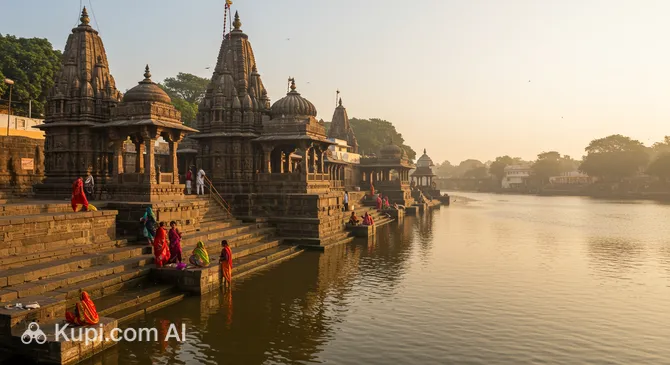
To experience the serene side of the city, a visit to the Panchganga Ghat is highly recommended. Located on the banks of the Panchganga River, this scenic spot is dotted with ancient temples and stone steps leading down to the water. It serves as a peaceful retreat for both locals and tourists who come to enjoy the cool breeze, take a boat ride, or simply soak in the spiritual atmosphere away from the city's hustle.
Panchganga Ghat. Illustration.
Source: Kupi.com AI
Traveler photos:
Architecture enthusiasts should not miss the Binkhambi Ganesh Temple, located near the main market. The name "Binkhambi" translates to "without pillars," which highlights the temple's unique structural marvel: its roof is supported without the use of any traditional pillars or columns. This historic shrine, dedicated to Lord Ganesha, is admired not only for its engineering ingenuity but also for its intricate stone carvings and the divine ambiance that surrounds it.
Local Cuisine
Kolhapuri cuisine is legendary across India for its bold flavors, aromatic spices, and distinctive heat. The local food culture is characterized by the generous use of the "Kolhapuri Lavangi Mirchi," a small but incredibly spicy chili that gives many dishes their fiery red color and pungent kick. While the city is a paradise for meat lovers, particularly those who enjoy mutton, the vegetarian fare is equally robust, featuring rich curries and crisp snacks that reflect the region's agricultural abundance.
No culinary journey here is complete without experiencing the iconic mutton thalis. The stars of this meal are undoubtedly the broths known as Tambada Rassa and Pandhra Rassa. Tambada Rassa is a fiery red curry made with mutton stock and a special blend of spices, while Pandhra Rassa offers a delightful contrast as a white, creamy broth prepared with mutton stock, coconut milk, and mild spices. These are typically served with bhakri (millet flatbread) or rice and are a staple in local "Khanavals" (traditional dining halls).
Bawada Misal. Illustration.
Source: Kupi.com AI
Traveler photos:
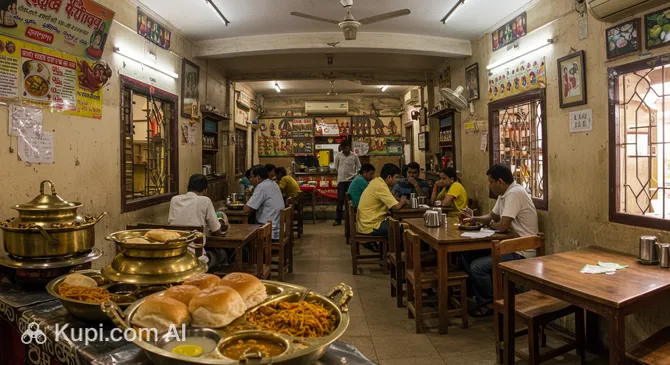
For breakfast or a heavy snack, the city offers one of the most famous versions of Misal in the state. Bawada Misal is a renowned spot where you can try this spicy sprouted bean curry topped with crunchy farsan (fried snacks), onions, and lemon, served with bread. Unlike the sweeter versions found elsewhere, Kolhapuri Misal is known for its "kat" (spicy oil layer) and zesty flavor profile, making it a must-try for those who can handle the heat.
The street food scene is vibrant, particularly around the popular lakes and bustling squares. In the evenings, locals flock to stalls to enjoy Kolhapuri Bhel, a unique puffed rice snack that is wetter and spicier than its counterparts in other cities. For a glimpse into the traditional dairy culture, you can visit the Mirajkar Tikti Milk Platform, a historic spot where fresh milk has been traded and consumed for generations, highlighting the importance of dairy in the local diet.
To cool down after a spicy meal, the local beverage of choice is Solkadhi. This refreshing pink drink is made from kokum (a sour fruit) and coconut milk, acting as a perfect digestive and palate cleanser. For those looking for a more upscale dining experience or a place to enjoy diverse cuisines alongside local favorites, the Sayaji Hotel Restaurant offers a refined atmosphere and a wide array of gourmet options.
Travel Tips
To ensure your visit to this historic city is as smooth and enjoyable as possible, a few practical preparations can go a long way. While Kolhapur is known for its warm hospitality, understanding the local customs and logistics will help you navigate its bustling streets and spiritual sites with confidence.
Clothing and Gear: Since the weather can be warm, especially in summer, opt for breathable cotton clothing. As a city of significant religious importance, modest dress is essential; ensure your shoulders and knees are covered when visiting the Mahalakshmi Temple or other shrines. Comfortable slip-on shoes are highly recommended, as you will frequently need to remove them before entering temples and some shops.
Transportation: The most convenient way to get around the city is by auto-rickshaw. While ride-hailing apps are becoming more present, they may not always be reliable in all areas. For auto-rickshaws, it is best to insist on using the meter; if the driver refuses, negotiate and agree on a fare before starting your journey to avoid misunderstandings later.
Finances: The local currency is the Indian Rupee (INR). While hotels and larger restaurants accept credit cards, cash is king in the local markets, especially when buying Kolhapuri chappals or street food. ATMs are widely available across the city, so it is easy to withdraw money as needed. A daily budget can be quite reasonable, as food and transport are generally affordable.
Health and Safety: Pharmacies are easily found throughout the city, particularly near the central bus stand and station areas. It is advisable to drink only bottled or filtered water to avoid stomach upsets. The city is generally very safe for tourists, but standard precautions like keeping an eye on your belongings in crowded temple queues should be observed.
Communication: The primary language spoken is Marathi. However, Hindi is widely understood, and English is spoken at hotels and major tourist attractions. Learning a few basic Marathi words like Namaskar (Hello) or Dhanyavad (Thank you) will be warmly received by the locals and can help break the ice.
Local Etiquette: When visiting homes or religious sites, always remove your footwear outside. It is customary to use your right hand for eating, exchanging money, or passing items to others. In temples, maintain a respectful silence and follow the specific queue lines (Darshan lines) designated for men and women if applicable.
What to Avoid: Avoid wearing leather accessories (like belts or bags) inside the inner sanctums of strict Hindu temples, as this is often prohibited. Also, refrain from public displays of affection, as the local culture is traditional and conservative.
Shopping Tip: If you plan to buy the famous Kolhapuri chappals, remember that authentic leather sandals stretch with use. Locals often advise buying a pair that feels slightly snug initially, as they will mold to the shape of your feet after a few wears. Don't forget to bargain politely in the markets along Mahadwar Road.
Armed with these tips, you are ready to dive into the rich culture and vibrant daily life of Kolhapur. Embrace the local rhythm, savor the spicy cuisine, and enjoy the unique charm that this "Dakshin Kashi" has to offer.
Entertainment & Nightlife
While Kolhapur is deeply rooted in tradition and spirituality, its nightlife scene has been steadily evolving to cater to a modern crowd. Unlike the frenetic energy of metropolitan hubs like Mumbai, the evening entertainment here is more laid-back and intimate, often centered around upscale hotels and lounge bars. The primary districts for evening outings are Tarabai Park and Kawala Naka, where you will find a concentration of modern establishments offering a mix of good music, ambient lighting, and diverse beverage menus.
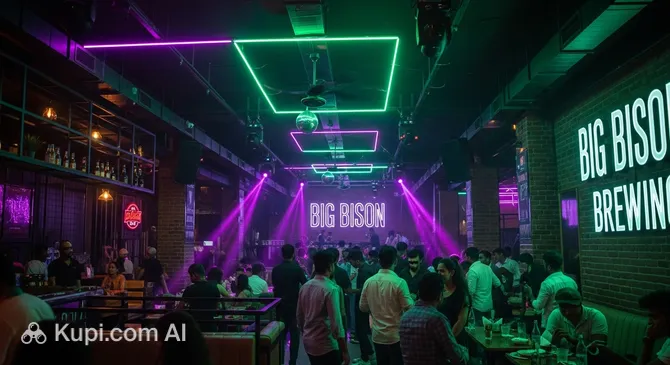
For those looking to unwind with a drink and a lively atmosphere, Big Bison Brewing is a popular destination. As one of the city's trendy spots, it attracts a youthful crowd and offers a vibrant setting perfect for socializing. The dress code in such venues is generally smart casual, and the vibe is friendly and welcoming. Another notable venue is the Hotel Bliss Bar, which provides a comfortable environment for enjoying spirits and conversations after a long day of sightseeing.
Big Bison Brewing. Illustration.
Source: Kupi.com AI
Traveler photos:
If you are in the mood for music and dancing, options are somewhat limited but present. Darshan Executive Night Club is one of the few places where you can experience a more classic nightlife vibe. It is important to note that the city shuts down relatively early compared to larger metros; most bars and clubs have a last call around 11:00 PM or midnight. Therefore, it is best to start your evening early, perhaps around 8:00 PM, to make the most of the night.
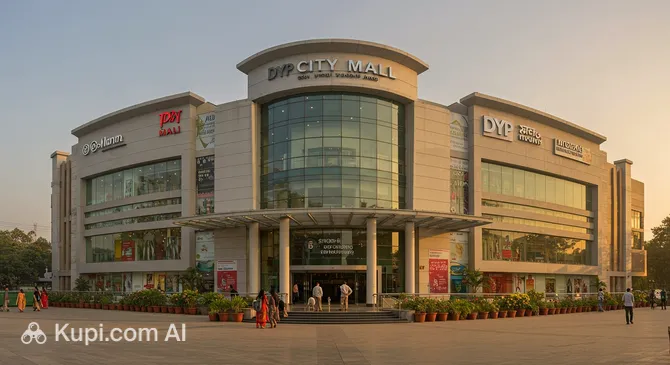
For families or travelers seeking non-alcoholic evening entertainment, the city offers excellent modern amenities. The DYP City Mall is a bustling hub where locals gather to shop, dine, and catch the latest Bollywood or Hollywood blockbusters at the multiplex cinema. Alternatively, a peaceful evening walk at the Sunset Point, Rankala Lake offers a scenic way to end the day, surrounded by street food stalls and cool breezes.
DYP City Mall. Illustration.
Source: Kupi.com AI
Traveler photos:
Regarding daytime entertainment, the city balances its historical weight with recreational spots. Nature lovers can visit the Kolhapur Zoo, located near the New Palace, which is a pleasant spot for a family outing. The city also boasts several theaters and cultural halls like the Keshavrao Bhosale Natyagruha, where you might catch a traditional Marathi play if you are interested in the local performing arts.
Safety in Kolhapur is generally high, and the city is safe for tourists. However, as nightlife districts can get quiet after closing time, it is advisable to have reliable transportation arranged. Auto-rickshaws are the most common mode of transport, but they may be harder to find late at night. It is recommended to use app-based cab services or ask your hotel to book a taxi for your return journey to ensure a hassle-free experience.
Parks & Museums
Beyond its spiritual and royal landmarks, the city of Kolhapur offers a refreshing array of green spaces and cultural repositories that allow visitors to unwind and delve deeper into the local heritage. From serene lakesides perfect for evening strolls to galleries showcasing the region's artistic prowess, the city provides a balanced experience of nature and history.
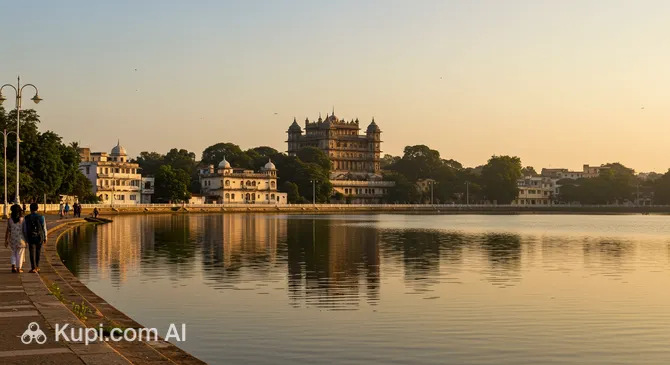
The crown jewel of the city's natural attractions is undoubtedly Rankala Lake. While it is a popular historic site, it also serves as the city's primary green lung. The promenade surrounding the lake, often referred to as the "Chaupati," is lined with well-maintained gardens and seating areas where families gather to enjoy the cool breeze. The area transforms in the evenings with vibrant street food stalls, but the gardens themselves offer a peaceful retreat during the day, providing scenic views of the water and the distant Shalini Palace.
Rankala Lake. Illustration.
Source: Kupi.com AI
Traveler photos:
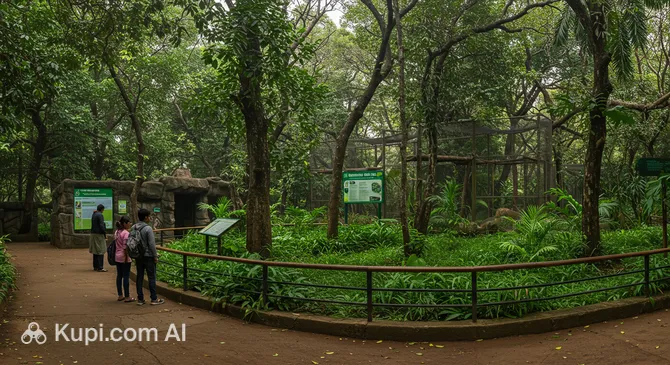
For wildlife enthusiasts and families traveling with children, the Kolhapur Zoo is a delightful stop. Located in the lush vicinity of the New Palace grounds, this zoological park is home to a variety of species, including deer, tigers, and exotic birds. The park is designed to offer a natural habitat for the animals while providing ample shade and walking paths for visitors. It is an excellent spot to escape the city noise and enjoy a quiet afternoon surrounded by nature.
Kolhapur Zoo. Illustration.
Source: Kupi.com AI
Traveler photos:
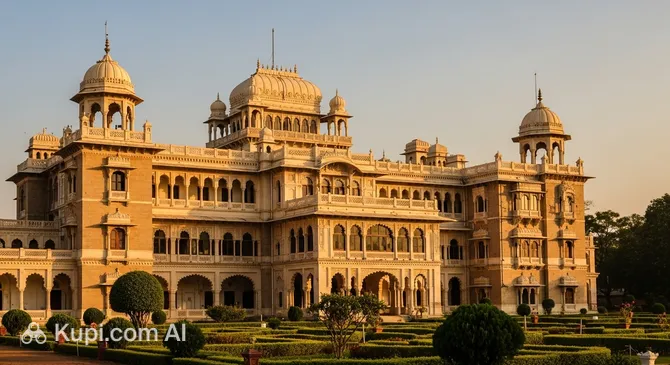
In terms of museums, the city boasts architectural marvels that double as cultural treasure houses. One such gem is the Shalini Palace. Built between 1931 and 1934 for Princess Shalini Raje, this structure is a stunning example of intricate craftsmanship, constructed entirely of polished black stone and Italian marble. Standing majestically on the banks of Rankala Lake, it is celebrated for its towering arches and stained glass windows. While it has served various functions over the years, including as a luxury hotel, its architectural grandeur remains a testament to the opulent lifestyle of the Maratha royals.
Shalini Palace. Illustration.
Source: Kupi.com AI
Traveler photos:
Another significant cultural venue is the Chandrakant Mandare Art Gallery. Located in the former residence of the legendary Marathi actor and artist Chandrakant Mandare, this gallery displays a fascinating collection of his paintings, as well as props and costumes from his films. It offers a unique window into the artistic history of the region. Additionally, visitors willing to venture a short distance from the city center should not miss the Siddhagiri Gramjivan Museum (Kaneri Math). This open-air museum features life-size wax statues depicting traditional Indian village life, offering an immersive educational experience that is rare to find elsewhere.
For a different kind of educational experience, the AquaVilla Aquarium is a newer attraction that captivates both kids and adults. It showcases a diverse collection of freshwater and marine life, providing an interesting break from historical sightseeing. Meanwhile, history buffs can admire the city's respect for its figures at the Chhatrapati Maharani Tarabai Statue, a prominent monument dedicated to the warrior queen, located at a busy junction that connects the modern city with its historic roots.
Insider Tip: If you visit the Rankala Lake area, try to go just before sunset. The view of the sun dipping behind the horizon, casting a golden glow on the Shalini Palace and the water, is one of the most photogenic moments you can capture in Kolhapur.
Getting Around
Navigating Kolhapur is relatively straightforward, with the city offering a mix of traditional and modern transport options suited for different travel needs. The backbone of the public transit system is the Kolhapur Municipal Transport (KMT) bus service. These red and yellow buses cover an extensive network, connecting the Central Bus Stand (CBS), the railway station, and major suburbs. For tourists, KMT buses are a reliable and authentic way to reach popular destinations like the Mahalakshmi Temple and Rankala Lake, often running on frequent schedules throughout the day.
For last-mile connectivity and shorter distances, auto-rickshaws are the most popular and convenient choice. You will see these three-wheeled black and yellow vehicles buzzing through every street. They are perfect for navigating the narrow lanes of the old city where larger vehicles might struggle. While many drivers are helpful, it is advisable to ask them to use the meter. If a driver refuses or claims the meter is broken, be sure to negotiate and agree on a fare before stepping inside to avoid any confusion at the end of your trip.
Regarding payment, cash is king in the local transport system. For KMT buses, you purchase tickets directly from the conductor after boarding; simply state your destination, and you will be issued a paper ticket. Fares are extremely affordable, typically ranging from a few rupees to a slightly higher amount for longer suburban routes. It is highly recommended to carry small denominations of currency (coins and smaller notes), as conductors and auto-rickshaw drivers often struggle to provide change for large bills.
In recent years, app-based cab services like Ola and Uber have established a presence in the city, offering a more comfortable alternative to auto-rickshaws, especially during the hot summer months. However, availability can sometimes be lower than in larger metropolitan areas, particularly late at night or in remote outskirts. If you prefer a dedicated vehicle for a full day of sightseeing, renting a private taxi from a local travel agency is a practical option, allowing you to explore at your own pace without the wait times.
Public transport generally operates from early morning, around 6:00 AM, until approximately 10:00 PM. If you plan to stay out late enjoying the local dining scene, it is wise to arrange your return transport in advance, as bus frequencies drop significantly after dark. While the city does not have a metro or tram system, the charm of traveling by local bus or auto-rickshaw offers a genuine glimpse into the daily rhythm of life in this historic region.
Accommodation
Finding the perfect place to stay in Kolhapur is relatively easy, as the city offers a wide spectrum of accommodation options to suit every budget and preference. Whether you are a pilgrim visiting for spiritual reasons, a business traveler, or a tourist exploring the royal heritage, you will find everything from economical lodges and "Dharamshalas" (pilgrim rest houses) to comfortable mid-range hotels and a few upscale properties offering modern amenities.
The choice of location largely depends on the purpose of your visit. For pilgrims and those who wish to be in the heart of the action, the area surrounding the Mahalakshmi Temple and Mahadwar Road is ideal. Staying here puts you within walking distance of the main shrine and the bustling old markets, though the area can be quite crowded and noisy. Travelers looking for convenience and quick connectivity often prefer hotels near the Central Bus Stand (CBS) and the Railway Station, where numerous budget and mid-range options are available.
For a quieter and more sophisticated experience, the Tarabai Park and New Shahupuri areas are highly recommended. These neighborhoods are known for their leafy avenues and house some of the city's best hotels and restaurants. Staying here offers a peaceful retreat while still being just a short auto-rickshaw ride away from the main attractions. This area is particularly popular among families and business travelers seeking higher standards of service and comfort.
Booking Tip: Kolhapur is a major pilgrimage destination, and the city gets incredibly busy during religious festivals, particularly Navratri and the Kirnotsav festival. During these peak times, hotels can fill up weeks in advance, so it is strongly advised to book your accommodation well ahead of your trip. Weekends can also see a surge in visitors from neighboring cities like Pune and Belgaum.
In terms of pricing, accommodation here is generally very affordable compared to major metros like Mumbai. Budget travelers can find clean rooms for very reasonable rates, while mid-range hotels offer excellent value with air-conditioning and in-house dining. Most established hotels are listed on major online booking platforms, making it easy to reserve your room digitally. However, for smaller lodges and guest houses near the temple, a direct phone call or a walk-in inquiry might sometimes be necessary.
Nearby Cities
Situated in the southern part of Maharashtra, Kolhapur serves as an excellent base for exploring the surrounding region, which is dotted with industrious towns, cultural hubs, and scenic landscapes. Its strategic location near the state border means that travelers can easily venture into neighboring Karnataka, experiencing a fascinating blend of Marathi and Kannada cultures within a short drive.
One of the most prominent neighbors is Sangli, located approximately 40 km away. Known as the "Turmeric City" of Maharashtra due to its significant trade in the spice, it is also situated on the banks of the Krishna River and is famous for its Ganapati Temple. Closer to home, just 23 km from Kolhapur, lies Ichalkaranji. Often referred to as the "Manchester of Maharashtra," this city is a bustling textile hub where visitors can witness the region's industrial prowess firsthand.
Heading south towards the border, you will find Nipani and Sankeshwar, both located in the Belagavi district of Karnataka. Nipani is known for its fertile soil and agriculture, while Sankeshwar attracts visitors with its ancient temples and spiritual significance. These towns offer a quieter, more rustic glimpse into the life of the borderlands compared to the bustling city centers.
For those planning day trips or onward journeys, here is a list of nearby cities along with their distances and populations:
Most of these destinations are well-connected by road, with the National Highway 48 facilitating smooth travel to the towns in the south like Nipani and Sankeshwar. State transport buses and private taxis are readily available from the city's Central Bus Stand, making it convenient to plan a short excursion to any of these neighboring localities.
Shopping & Souvenirs
Shopping in Kolhapur is an experience that goes far beyond simple retail therapy; it is a vibrant immersion into the city's rich culture and artisanal heritage. The city is renowned across India for its distinct handcrafted goods, particularly leather footwear and jewelry, making it a treasure trove for those looking to take a piece of Maharashtrian tradition home. From bustling traditional bazaars surrounding ancient temples to modern air-conditioned complexes, the shopping scene here caters to diverse tastes and needs.
The heartbeat of the local shopping scene is undoubtedly Mahadwar Road. Located right in front of the Mahalakshmi Temple, this energetic street is lined with rows of shops selling everything from colorful textiles to religious artifacts. It is the best place to find an authentic pair of Kolhapuri chappals. As you walk down the street, you will see dozens of vendors displaying these famous leather sandals in various designs, colors, and stitching patterns. Another key area is Shivaji Road, which serves as a major commercial artery offering clothing, electronics, and local snacks.
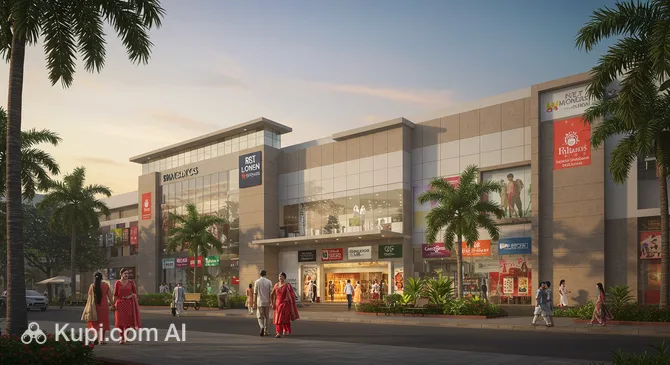
For travelers preferring a more contemporary shopping environment, the city boasts several modern complexes. The DYP City Mall is a popular destination that houses a mix of international brands, fashion outlets, and entertainment zones under one roof. It is an excellent spot to escape the afternoon heat while browsing for branded apparel. Another notable location is the Reliance Mall, which offers a wide range of retail options, from groceries and daily necessities to fashion and lifestyle products.
Reliance Mall. Illustration.
Source: Kupi.com AI
Traveler photos:
To experience the local flavor, a visit to the city's traditional markets is essential. The Kapil Tirth Market is a historic marketplace that buzzes with activity. Here, you can find fresh local produce, aromatic spices, and flowers used for worship. It is a sensory delight where the aroma of fresh coriander blends with the scent of turmeric. This is also a great place to observe the daily life of the locals as they bargain for the freshest vegetables and fruits.
When it comes to souvenirs, Kolhapuri chappals are the undisputed top choice. These handcrafted leather sandals are durable, stylish, and unique to this region. Apart from footwear, the city is famous for Kolhapuri Saaj, a traditional gold necklace with intricate designs that holds great cultural significance. Foodies should definitely pick up some Kolhapuri Jaggery (Gul), known for its purity and distinct sweetness, as well as packets of the fiery Kolhapuri masala (spice mix) to recreate the local flavors at home.
Most shops in the main market areas open around 10:00 AM and remain open until 9:00 PM. While the larger malls and established showrooms accept credit and debit cards, cash is still the preferred mode of payment in the smaller shops along Mahadwar Road and in the vegetable markets. Digital payment apps are becoming increasingly popular, but carrying some cash is advisable for small purchases. Regarding taxes, the prices displayed usually include GST (Goods and Services Tax), and there is typically no separate tax-refund scheme available for tourists in these local retail sectors.