Support

Vasco da Gama

About

Vasco da Gama, often simply referred to as Vasco, is a vibrant city located in the state of Goa, India. Unlike the typical resort towns known primarily for their beaches, this city serves as a major commercial hub and an important port, offering visitors a glimpse into the authentic, industrious side of the region. Named after the famous Portuguese explorer, it combines the hustle of a busy town with the laid-back charm characteristic of the Goan coast.

Situated on the western tip of the Mormugao peninsula, the city overlooks the mouth of the Zuari River, providing scenic waterfront views. It is one of the most populous cities in the state, with approximately 100,000 residents. The climate here is tropical, featuring warm temperatures throughout the year and a lush, green landscape during the monsoon season.
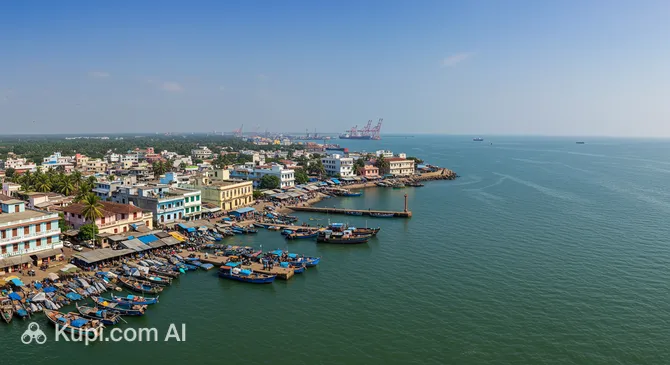
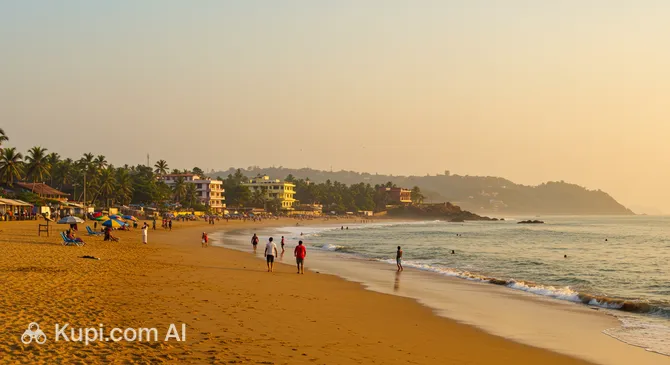
Vasco da Gama. Source: Kupi.Binoculars

The city's layout and architecture still bear traces of its colonial past. Founded in 1543, it features a grid-like street pattern and several heritage buildings. Travelers interested in the origins and development of this port town can explore the history of Vasco da Gama to understand its significance over the centuries. One of the most prominent historical landmarks is the 400-year-old St. Andrew's Church, which stands as a testament to the city's rich cultural heritage.

For those looking to explore local attractions, the Japanese Garden is a must-visit spot located atop a hill, offering panoramic views of the Arabian Sea and the islands beyond. Nearby, Baina Beach provides a pleasant setting for evening walks and cultural programs. Additionally, the city is just a short drive from the unique Naval Aviation Museum, which displays a fascinating collection of vintage aircraft and naval memorabilia.

Vasco da Gama is also strategically important for travelers as it is home to Goa's main railway station and is located very close to Dabolim Airport. Whether you are passing through or staying to explore, the city offers a convenient and interesting stopover with excellent connectivity to the rest of the state.
Weather Overview

The climate in Vasco da Gama is tropical, characterized by consistent warmth and distinct seasonal changes in rainfall. Temperatures remain pleasant to hot throughout the year, with monthly averages generally hovering between 25°C and 29°C. The hottest period typically occurs in April and May, where average temperatures reach nearly 30°C before the monsoon arrives.

Precipitation patterns are sharply divided between the dry and wet seasons. From December through April, the city experiences almost no rainfall, offering sunny skies and ideal conditions for outdoor activities. In contrast, the monsoon season from June to September brings frequent rain, with July seeing precipitation on as many as 31 days. Expect warm weather year-round with a heavy rainy season in the summer and dry, comfortable winters. For more detailed information on the best time to visit, you can check the weather in Vasco da Gama to plan your trip effectively.

Interesting Facts

Beyond the main attractions and its reputation as a busy port, Vasco da Gama holds many fascinating secrets that reveal its unique character. Here are some intriguing details that make this industrial hub surprisingly captivating for travelers.

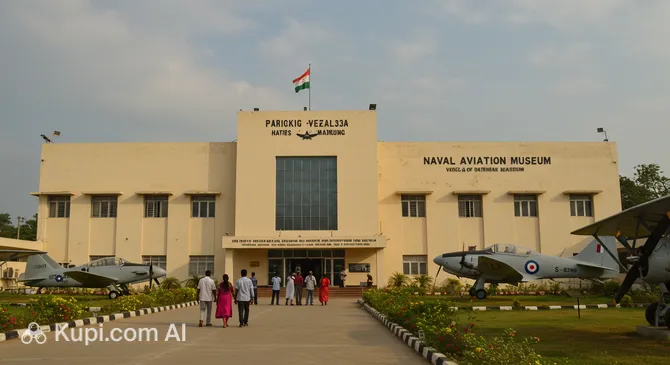
Naval Aviation Museum. Source: Kupi.Binoculars
  • The city is home to the Naval Aviation Museum, which is the only one of its kind in India and one of the few in Asia. It houses an impressive collection of vintage aircraft, engines, and weapons, preserving the rich history of Indian naval aviation just a stone's throw from the beach.

  • Unlike the winding, organic streets found in many other Goan towns, Vasco features a distinct grid-like layout with parallel roads and perpendicular avenues. This geometric design is a legacy of its planned colonial development, making navigation remarkably logical compared to the rest of the state.

  • Perched atop a hill overlooking the Arabian Sea is the enigmatic Japanese Garden. While it offers a pleasant park setting rather than traditional Zen landscaping, it is historically significant for housing the ruins of the Fortaleza de Santa Catarina, a 17th-century fortress that once guarded the harbor.

  • Vasco da Gama is the only city in Goa that seamlessly connects all three major modes of transport—air, rail, and sea—within a very short radius. It hosts the state's major railway terminus, the historic Mormugao Port, and is located immediately adjacent to the international airport.

How to Get There

Reaching this coastal city is convenient due to its strategic location and excellent connectivity. For a detailed overview of all travel options, you can read more about how to get to Vasco da Gama. The city serves as a major transport hub for the state of Goa, offering various ways for tourists to arrive.

The primary gateway for most travelers is Goa International Airport, commonly known as Dabolim Airport. Uniquely situated within the city's vicinity, it allows visitors to land practically on the doorstep of their destination. As the main airport for the state, it handles numerous domestic and international flights daily, making the transfer to the city center quick and hassle-free.

For those who cannot fly directly into Dabolim or prefer regional connections, there are alternative airports in neighboring districts and states. While these options require a longer transfer by road, they serve as viable backup entry points. The closest regional alternative is Sindhudurg-Chipi (SDW), located in Malvan, approximately 73.8 km away. Another option is Belgaum Airport (IXG) in Belagavi, which is about 100.5 km from Vasco da Gama.

Below is a summary of these regional airports that can serve as alternative landing points:

Airport Name City Passenger Traffic Km from City
Belgaum Airport Belagavi Medium 100.5
Hubli Airport Hubli-Dharwad Medium 136.2
Shivamogga Airport Shivamogga Small 256.7
Kolhapur Kolhapur Small 150.0
Sindhudurg-Chipi Malvan Small 73.8

In addition to air travel, Vasco da Gama is a major railway hub. The city is home to the Vasco da Gama Railway Station, which serves as a primary terminus for trains arriving from across India. Being located directly within the city, the station offers seamless access to local accommodations and attractions without the need for long transfers.

Main Attractions

Vasco da Gama offers a mix of historical, cultural, and scenic spots that reflect its unique heritage as a port city. While it is often seen as a transit hub, taking the time to explore its landmarks reveals a fascinating side of Goa that goes beyond the typical tourist trail. From aviation history to panoramic viewpoints, here are the main places to visit.

One of the city's most celebrated attractions is the Naval Aviation Museum. This unique facility is one of the few of its kind in Asia and showcases the evolution of the Indian Naval Air Arm. Visitors can explore an impressive outdoor display of vintage aircraft, including Sea Harriers and helicopters, while the indoor galleries feature rare photographs, weaponry, and uniforms. It is a must-visit for history buffs and aviation enthusiasts alike.

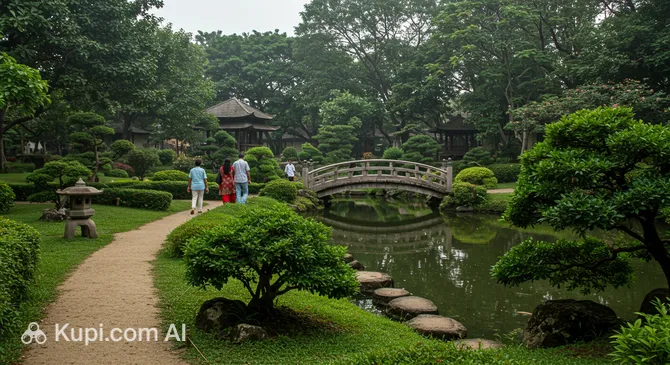
For those seeking tranquility and breathtaking views, the Japanese Garden is a perfect escape. Situated atop a hill overlooking the Arabian Sea, this well-maintained park offers sweeping panoramas of the coastline and the islands near the harbor. The garden also houses the ruins of the Fortaleza de Santa Catarina, adding a layer of historical intrigue to the scenic beauty. It is an ideal spot for a peaceful evening walk or to watch the sunset.

Japanese Garden. Source: Kupi.Binoculars

Located right in the heart of the city, Baina Beach has transformed into a vibrant recreational zone. Once a quiet stretch, it is now known for its water sports activities and cultural programs. The beach provides a lively atmosphere where tourists can enjoy jet skiing or simply stroll along the shore. It serves as a great place to witness the local coastal life and enjoy the sea breeze without leaving the city limits.

Baina Beach. Source: Kupi.Binoculars

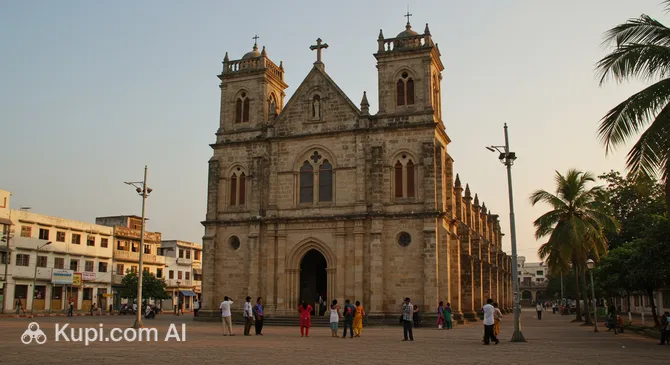
A testament to the city's colonial past is St. Andrew's Church, located at the entrance of the city. Founded by Jesuit priests in 1543, this architectural gem features a beautiful Neo-Gothic facade and spacious interiors. It remains a significant place of worship and a symbol of the city's rich religious heritage, drawing visitors who appreciate historical architecture and spiritual serenity.

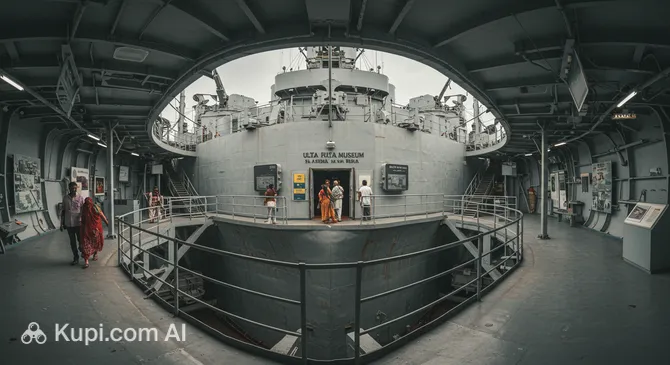
If you are looking for something quirky and different, the Ulta Pulta Museum offers a fun experience for families and groups. As the name suggests, this attraction is dedicated to illusions and "upside-down" exhibits that challenge your perception. It provides a lighthearted break from sightseeing and is a great place to capture some amusing photos.

Local Cuisine

The culinary landscape of Vasco da Gama is a delightful reflection of Goa’s rich heritage, blending traditional Konkani spices with strong Portuguese influences. As a bustling port city, it offers some of the freshest seafood in the region, often served in unpretentious, family-run establishments that prioritize flavor over frills. Visitors can expect a gastronomic journey that ranges from spicy curries to tangy, vinegar-infused meat dishes, distinct from the more commercialized fare found in the northern tourist belts.

No trip to this coastal city is complete without trying the staple Goan Fish Curry and Rice, a comforting meal featuring fresh catch simmered in a coconut-based gravy with kokum. For those seeking bolder flavors, Chicken Xacuti, prepared with complex roasted spices and coconut, or the famous Vindaloo are signature dishes that showcase the local love for heat and acidity. Seafood lovers should also look out for Rawa Fried Kingfish or Prawn Balchão, which highlight the daily bounty from the Arabian Sea.

To complement the spicy food, the local beverage culture offers unique options. The most famous local spirit is Feni, distilled from cashew apples or coconut sap; it has a potent aroma and is an acquired taste often enjoyed with lime and soda. For a refreshing non-alcoholic alternative, Sol Kadhi is a pink-hued drink made from coconut milk and kokum, known for its digestive properties and cooling effect, making it the perfect accompaniment to a hot meal.

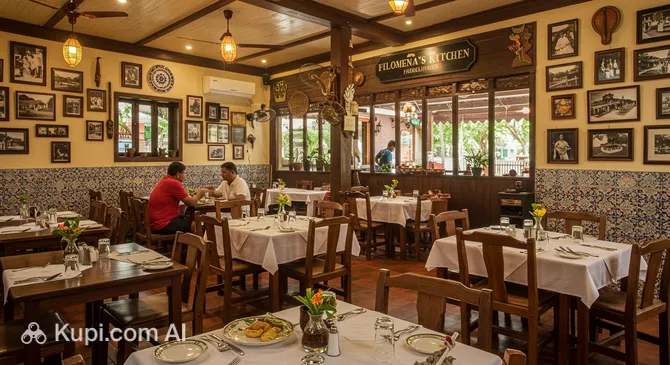
Dining in Vasco ranges from quick bites near the railway station to relaxed meals in air-conditioned restaurants. A popular spot for both locals and travelers is Filomena's Kitchen, known for its diverse menu and welcoming ambiance. Whether you are craving traditional Goan delicacies or continental comfort food, this establishment provides a reliable and tasty experience right in the city.

Filomena's Kitchen. Source: Kupi.Binoculars

For a more casual setting, Eater's Den is another well-regarded venue where you can enjoy hearty portions of local favorites. If you prefer dining with a view of the sea, taking a short trip to the nearby coast is recommended. Establishments around the Bogmallo Beach Resort offer the chance to enjoy fresh seafood while listening to the waves, providing a perfect end to a day of exploration.

Travel Tips

Welcome to Vasco da Gama! While many travelers simply pass through this bustling port city on their way to Goa's famous resorts, taking the time to explore it offers a unique glimpse into the state's commercial and authentic side. To help you navigate the city with ease and blend in with the locals, here are some practical tips for your visit.

  1. Clothing and Gear: Since the climate is tropical and humid, pack lightweight, breathable fabrics like cotton or linen to stay comfortable. While casual wear is acceptable, remember that Vasco is a working city rather than a beach resort; avoid walking around the town center in swimwear. If you plan to visit religious sites like St. Andrew's Church, ensure your shoulders and knees are covered as a sign of respect. Don't forget comfortable walking shoes for exploring the grid-like streets and a sturdy umbrella or raincoat if you are visiting during the monsoon season (June to September).

  2. Transportation: Getting around Vasco is relatively easy. Auto-rickshaws are the most common mode of transport for short distances; always insist on using the meter or agree on a fare before starting your journey. For a uniquely Goan experience, look for "Pilots"—yellow-and-black motorcycle taxis that are perfect for solo travelers and budget-friendly. While international ride-hailing apps like Uber are not available here, you can use the local government-approved app, GoaMiles, or simply hire local taxis from designated stands.

  3. Finances: The local currency is the Indian Rupee (INR). While credit and debit cards are accepted at hotels, larger restaurants, and supermarkets, cash is still king for small vendors, local transport, and street markets. ATMs are plentiful throughout the city, especially near the railway station. It is wise to carry small denominations (10, 20, 50, and 100 rupee notes) for easier transactions. Tipping is appreciated but not mandatory; leaving about 10% at restaurants is a standard gesture.

  4. Health and Safety: Vasco da Gama is generally safe for tourists, but standard precautions apply. Avoid isolated areas late at night, especially near the port boundaries. Pharmacies are widely available in the city center, particularly along the Swatantra Path, and some stay open late. Tap water is not recommended for drinking; stick to bottled or filtered water to avoid stomach issues. Given the tropical environment, carrying mosquito repellent is essential, especially during the evenings.

  5. Communication: English is widely spoken and understood in Vasco, making communication easy for most international travelers. The local language is Konkani, and locals appreciate it if you use a simple greeting like "Dev Borem Korum" (Thank you). SIM cards can be purchased at the nearby Dabolim Airport or mobile shops in the city with a passport and visa copy. Wi-Fi is available in most hotels and cafes, but mobile data is generally reliable and affordable.

  6. Local Etiquette: Goans are known for their warm and laid-back attitude, often referred to as "Susegad". However, Vasco is a business hub, so people here might be a bit busier than in the coastal villages. Always ask for permission before taking photos of locals or their property. When visiting someone's home or a place of worship, it is customary to remove your shoes before entering.

  7. What to Avoid: Do not drink alcohol in public places such as streets or beaches, as this is strictly prohibited and can attract fines. Also, avoid haggling too aggressively in established shops; while bargaining is common in street markets, many stores in the city center operate on fixed prices.

  8. Local Insight: Be aware of the traditional afternoon break. Many smaller shops and local businesses in Vasco may close for a "siesta" between 1:00 PM and 4:00 PM. Plan your shopping or errands for the morning or late afternoon to avoid finding closed doors.

By keeping these practical tips in mind, you will be well-prepared to enjoy the distinct character and convenience of Vasco da Gama. Whether you are exploring its aviation history or enjoying a meal at a local eatery, a little local knowledge goes a long way in making your trip memorable and hassle-free.

Entertainment & Nightlife

Entertainment and Nightlife:

Unlike the high-energy party scenes found in North Goa, the nightlife in Vasco da Gama is far more subdued and relaxed. The city caters primarily to business travelers, families, and locals, focusing on laid-back evenings rather than all-night raves. The atmosphere here is defined by the Goan concept of susegad (contentment), where the night is best enjoyed with a quiet drink, a hearty meal, and conversation rather than loud music and dancing.

The main hub for evening activity within the city limits is the area around Swatantra Path and the railway station. Here, you will find a selection of bars and restaurants that stay open until around 11:00 PM or midnight. For a more modern leisure experience, many locals and tourists head to 1930 Vasco. This shopping and entertainment complex serves as a popular gathering spot, offering a mix of retail outlets, dining options, and a multiplex cinema, making it a one-stop destination for a pleasant evening out.

1930 Vasco. Source: Kupi.Binoculars

If you are looking for a more upscale setting or a place to enjoy a cocktail by the sea, it is worth taking a short taxi ride to the nearby Bogmallo beach area. This district is home to several resorts that welcome non-guests to their bars and restaurants. The Bogmallo Beach Resort is a prominent venue where you can enjoy a drink with a view of the Arabian Sea, often accompanied by live music or cultural performances during the tourist season. Similarly, Coconut Creek Resort offers a serene ambiance perfect for unwinding after a day of sightseeing.

Practical Advice for Nightlife:

  • Transport: Public buses stop running early in the evening. It is essential to arrange a taxi or a "pilot" (motorcycle taxi) for your return journey, especially if you venture out to Bogmallo. The local app GoaMiles or hotel-arranged cabs are the safest options.
  • Safety: Vasco is generally safe, but the port areas can get deserted at night. It is advisable to stick to well-lit main streets and the bustling areas around the resorts.
  • Dress Code: The vibe is casual. Smart casual wear is appropriate for resort bars, while shorts and t-shirts are fine for local city pubs.
  • Prices: Entertainment here is reasonably priced compared to the tourist traps in the north. A beer or cocktail at a local bar is quite affordable, though resort prices will be higher.

For daytime entertainment, the city offers a slower pace suited for exploration and leisure. Beyond the historical sites, visitors can spend time at the local cinemas located within the 1930 Vasco complex to catch the latest Bollywood or regional films. The city is also dotted with traditional cafes and small parks, providing plenty of spots to relax and soak in the local culture before the sun goes down.

Parks & Museums

While Vasco da Gama is primarily known as a bustling port city, it surprises visitors with its well-maintained green spaces and unique cultural institutions. Beyond the commercial docks and railway tracks, the city offers pockets of tranquility and fascinating educational venues that reflect its diverse history and modern spirit. From panoramic hilltop gardens to interactive exhibits, there are distinct spots where tourists can unwind or learn something new.

Museums and Galleries

The city's most prominent cultural asset is the Naval Aviation Museum, located just a short drive from the city center near Bogmallo. As one of the few museums of its kind in Asia, it offers a deep dive into the history of the Indian Naval Air Arm. Visitors are greeted by an outdoor park displaying massive vintage aircraft, while the indoor galleries house rare photographs, weaponry, and uniforms. It is an engaging stop for families and history enthusiasts, offering a rare glimpse into the maritime defense heritage of the region.

For a completely different experience, the Ulta Pulta Museum provides a lighthearted break from traditional sightseeing. Situated within the city, this attraction is dedicated to optical illusions and trick photography. It is designed to be interactive, allowing visitors to pose in "upside-down" sets and engage with mind-bending exhibits. It is particularly popular with children and groups of friends looking for a fun, quirky activity to fill an hour or two.

Ulta Pulta Museum. Source: Kupi.Binoculars

Key Parks and Green Spaces

Perched high on a ridge overlooking the Arabian Sea, the Japanese Garden is the city's premier green space. Despite its name, the garden is less about traditional Zen aesthetics and more about offering a spacious, manicured area for relaxation with breathtaking views. It is an excellent spot for a morning jog or a sunset walk, providing a sweeping vantage point of the coastline and the small islands of St. George and Grande. The presence of the ancient Fortaleza de Santa Catarina ruins within the garden adds a touch of historical mystery to the natural beauty.

Another vital natural area is Baina Beach. While technically a beach, it functions as a major recreational park for the locals. Recently renovated, it features a paved promenade and designated areas for cultural events. Unlike the secluded tourist beaches elsewhere in Goa, this is an urban waterfront where you can witness the daily life of the city's residents, making it a great place for an evening stroll by the sea.

Historical and Architectural Sites

Among the city's architectural landmarks, St. Andrew's Church stands out for its historical significance and grandeur. Established by the Jesuits in the 16th century, the current Neo-Gothic structure is a focal point of the city's religious life. Its pristine white facade and spacious, airy interiors offer a peaceful retreat from the busy streets outside. The church square is often the center of vibrant local festivals, reflecting the enduring Portuguese influence on the city's culture.

St. Andrew's Church. Source: Kupi.Binoculars

Authentic Experiences

For a lesser-known experience, take a walk along the Swatantra Path, the city's main avenue. Lined with trees and colonial-era buildings, it offers a pleasant atmosphere that contrasts with the typical chaotic Indian market streets. Exploring this area on foot allows you to discover small, hidden gardens and local landmarks that most travelers miss while rushing to the airport.

Getting Around

Navigating Vasco da Gama is straightforward and relatively inexpensive, thanks to a public transport network that relies heavily on road-based options. There is no metro or tram system in the city; instead, the backbone of local transit consists of state-run and private buses. The Kadamba Transport Corporation (KTC) operates the main bus stand located near the city center, connecting Vasco to neighboring towns and beaches. These buses are frequent, affordable, and offer a genuine slice of local life, though they can get crowded during peak hours.

For shorter distances within the city or to reach specific locations not covered by the bus routes, auto-rickshaws are the most convenient option. These three-wheeled vehicles are ubiquitous and can navigate the narrow streets with ease. While some have meters, it is common practice to negotiate and agree on a fare before starting your journey to avoid misunderstandings. They are found at designated stands throughout the city, particularly near the railway station and the market area.

A unique feature of the region's transport system is the motorcycle taxi, locally known as a "Pilot." These are the only two-wheeled taxis in the country and are perfect for solo travelers looking for a quick and budget-friendly ride. You can easily identify them by their yellow-and-black license plates. Riders are skilled at weaving through traffic, making this the fastest way to get around. Female travelers should note that while generally safe, it is standard to hold onto the grab rail behind the seat rather than the driver.

The payment system across all modes of public transport is almost exclusively cash-based. There are no electronic travel cards or integrated passes for tourists. When taking a bus, you simply hop on and pay the conductor who will come around to collect the fare and issue a paper ticket. For auto-rickshaws and pilots, you pay the driver directly at the end of the trip. It is highly advisable to carry small denominations of the local currency, as drivers often struggle to provide change for high-value notes.

For those who prefer more autonomy, renting a scooter or a motorcycle is an extremely popular alternative among visitors. Rental shops are plentiful, and having your own vehicle allows you to explore the city and nearby viewpoints like the Japanese Garden at your own pace. Taxis are also available for a more comfortable journey; while international ride-sharing apps are not operational here, the government-approved app "GoaMiles" provides a reliable platform for booking cabs with transparent pricing.

Public transport generally operates from early morning until around 8:00 PM or 9:00 PM. After this time, bus services become infrequent, and finding an auto-rickshaw might require heading to a main stand. If you plan to stay out late, it is wise to arrange a taxi in advance or have a rental vehicle. Since Vasco is also a major railway hub, the area around the station remains active longer, serving as a reliable point to find transport even in the later hours.

Accommodation

Accommodation in Vasco da Gama caters largely to its dual role as a busy port city and a transit hub for travelers entering Goa. Unlike the resort-heavy belts of the north, the options here are a practical mix of functional business hotels, budget-friendly lodges, and a few scenic retreats located on the outskirts. Whether you are looking for a quick stopover before a flight or a base to explore the central part of the state, you will find suitable choices ranging from basic rooms to comfortable suites.

For travelers prioritizing convenience and connectivity, the city center—particularly the area around the Vasco da Gama Railway Station and Swatantra Path—is the most strategic place to stay. Hotels here are generally geared towards business travelers and transit passengers, offering easy access to the market, bus stand, and railway terminal. This area is perfect if you have an early train to catch or want to be in the heart of the local commercial buzz.

If you prefer a more relaxed atmosphere closer to the sea, the area around Bogmallo, just a short drive from the city center, offers a distinct resort vibe. Here, you can find properties that provide a holiday feel while still being close to the airport. For instance, the Bogmallo Beach Resort is a prominent choice for those seeking luxury and direct beach access, offering stunning views of the Arabian Sea right from your room.

Bogmallo Beach Resort. Source: Kupi.Binoculars

Another excellent option for a tranquil stay is the Coconut Creek Resort. Tucked away in a quieter setting, it provides a peaceful environment with modern amenities, making it ideal for couples or families who want to unwind after a long journey.

Booking and Prices:

The price range in Vasco da Gama is generally moderate compared to the prime tourist hotspots in Goa. Budget travelers can find affordable guesthouses and lodges near the railway station, while mid-range and luxury options are priced competitively. Most established hotels and resorts are listed on major online booking platforms, making it easy to secure a room digitally. However, for smaller, budget lodges, you might need to book directly or walk in.

Travel Tip: Due to the city's proximity to Dabolim Airport, hotels can fill up quickly with transit passengers and airline crew. It is highly recommended to book your accommodation in advance, especially during the peak tourist season from November to February, to ensure you get your preferred location and rate.

Nearby Cities

For those looking to explore the surroundings, Vasco da Gama serves as an excellent base for day trips to several interesting nearby locations:

Just a short drive away lies Panaji, the state capital, famous for its charming Latin Quarter, Fontainhas, and the iconic Church of Our Lady of the Immaculate Conception. It offers a delightful mix of heritage walks and river cruises on the Mandovi. To the south is Margao, the cultural capital of Goa, known for its bustling markets, historic colonial mansions, and the grand Holy Spirit Church. For beach lovers, Calangute offers a lively atmosphere with its famous shoreline and vibrant shacks, making it a stark contrast to the quieter vibe of Vasco.

City Population Distance (km)
Margao 94,393 21
Panaji 40,017 12
Ponda 23,381 21
Calangute 20,833 18
Sancoale 20,597 7

These nearby destinations offer a glimpse into the diverse culture and landscapes of the region.

Shopping & Souvenirs

Shopping in Vasco da Gama offers a refreshing departure from the souvenir-heavy flea markets found in North Goa. As a bustling port city and commercial hub, the retail experience here is authentic and geared more towards the daily needs of locals, making it an excellent place to find genuine Goan products at fair prices. From vibrant traditional bazaars to modern retail complexes, the city provides a mix of old and new.

The heart of the local trade beats at the Vasco Municipal Market. Located centrally, this sprawling market is a sensory delight, filled with the aroma of fresh spices, dried fish, and seasonal fruits. It is the perfect spot to pick up Goan staples such as Kokum, tamarind, and the famous Goan sausages (Chouriço). The market is also a treasure trove for spice lovers, offering high-quality cardamom, pepper, and cinnamon sourced directly from nearby plantations.

For those seeking a more contemporary shopping environment, 1930 Vasco is the city's premier destination. This modern mall serves as a one-stop complex for branded clothing, accessories, and lifestyle products. It provides a comfortable, air-conditioned escape from the tropical heat and is a popular hangout for residents. Unlike the street stalls, shops here offer fixed prices, ensuring a hassle-free purchasing experience for international visitors.

The city's main avenue, Swatantra Path, is lined with a variety of standalone shops selling everything from textiles to electronics. This is a great area to hunt for Cashew nuts, one of Goa's most famous exports. Vasco has several reputed cashew merchants where you can buy different grades of nuts, from plain to salted and spiced varieties, often at better rates than in the tourist beach belts.

If you are looking for unique souvenirs, keep an eye out for Azulejos (painted ceramic tiles) and local handicrafts made from coconut shells and bamboo. Additionally, authorized liquor stores across the city sell Feni, the indigenous spirit of Goa. Whether you buy the cashew or coconut variety, it makes for a distinctive gift to take home. Just remember that while bargaining is expected in the municipal market and street stalls, prices in supermarkets and the mall are non-negotiable.

Reached the end of the page?

That means the route is fully explored